|
#1
●
12-30-2015, 01:43 PM
|
 My Rank: CORPORAL Poster Rank:1688 Join Date: Dec 2013 Posts: 322 322Posts 903Thanked 178Quoted 2Mentioned 0Contrib. |
|
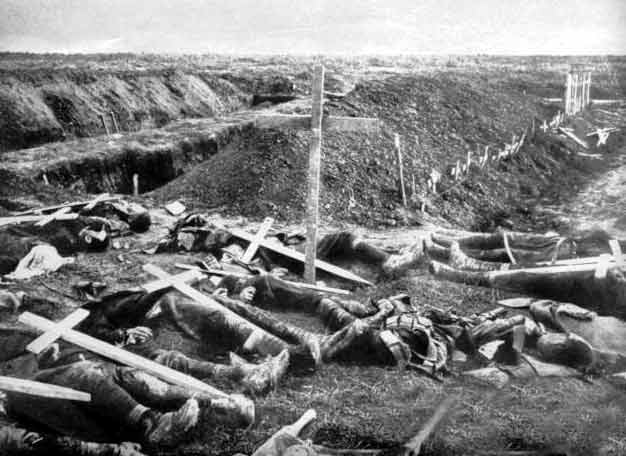
The Unfiltered Face of World War I: Photographs of the War's Human Cost
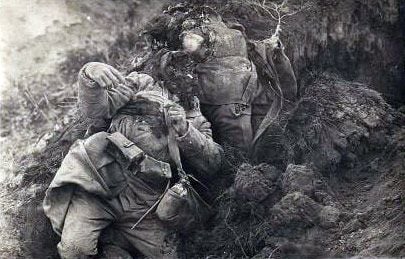
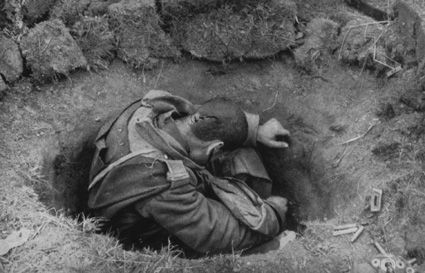
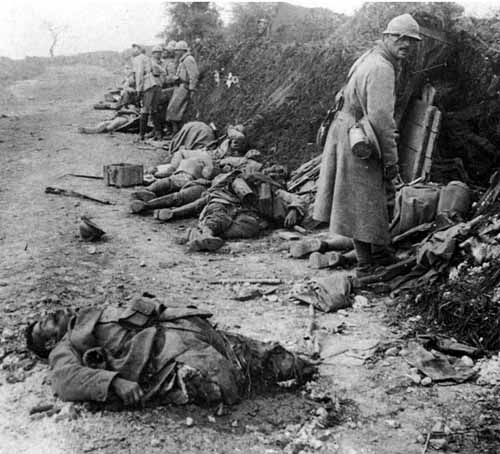
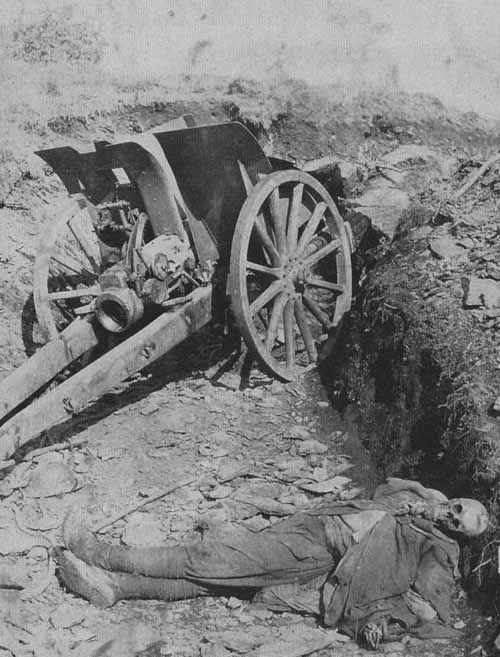
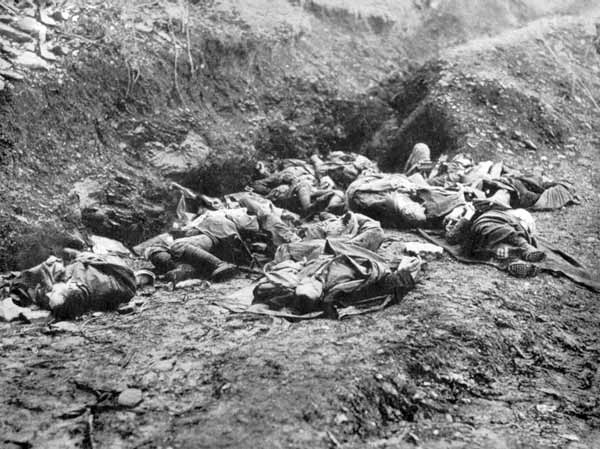
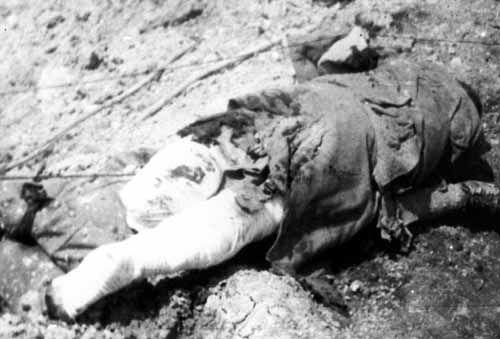
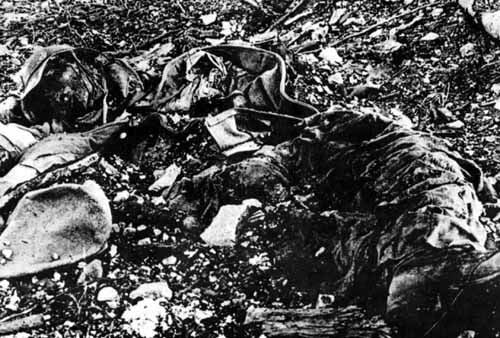
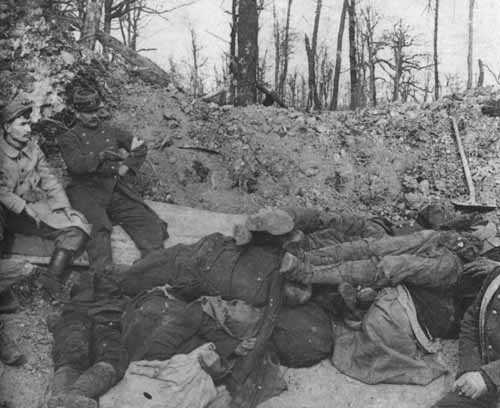
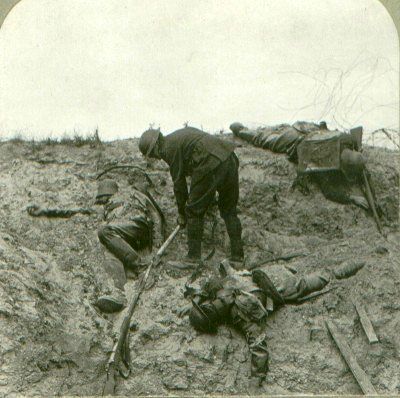
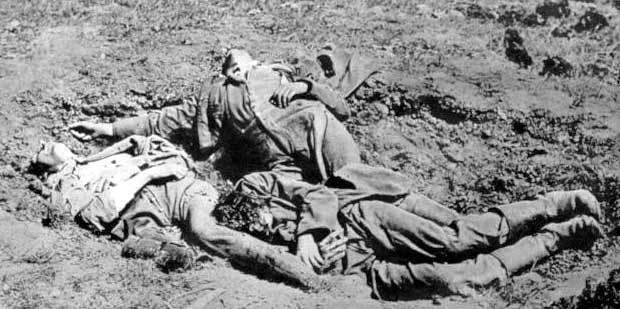
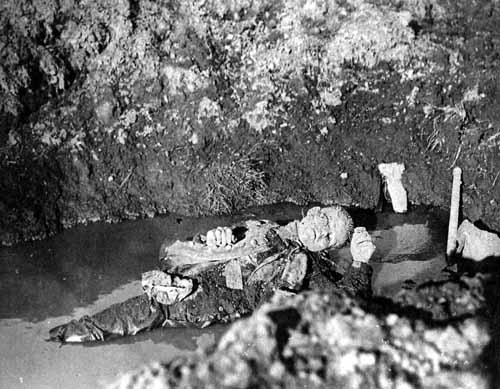
When the First World War began in 1914, enthusiasm and patriotism swept through much of Europe. British officer and poet Julian Grenfell was one of those who initially embraced the experience. Shortly after arriving in France, he wrote home that he adored war and compared it to a “big picnic.” A professional soldier and enthusiastic hunter, Grenfell approached combat with an attitude that seems almost impossible to understand when compared with what the war would eventually become. By the middle of the war, the Western Front had turned into something very different. Artillery, machine guns, poison gas and months of fighting over the same stretches of ground produced casualties on a scale Europe had never experienced before. Millions of soldiers were killed and millions more were wounded, many suffering injuries that permanently disfigured or disabled them. Yet civilians at home rarely saw photographs showing the battlefield exactly as soldiers experienced it. Photography from the front was tightly controlled. Official photographers documented the fighting, but the images released to the public were selected carefully and often served military, propaganda or morale purposes. Soldiers also carried their own small cameras, particularly the popular Vest Pocket Kodak. The British Army eventually prohibited personal cameras at the front, partly because photographs could reveal military information, but some men ignored the rules. Their private photographs sometimes recorded scenes that official photographs avoided: dead soldiers, shattered bodies, ruined trenches and the aftermath of artillery attacks. After the war, some photographers and writers deliberately tried to show what had been hidden from public view. In 1924, German pacifist Ernst Friedrich published Krieg dem Kriege, or War Against War, which used graphic photographs of dead and badly wounded soldiers as an argument against another war. Ten years later, T.A. Innes and Ivor Castle published Covenants with Death, another photographic record showing the physical destruction left behind by the conflict. The photographs in this thread come from that less sanitized visual record of the First World War. Some were taken privately by soldiers, while others survived in photographic and stereoscopic collections. They are difficult images, but that is precisely why they matter. Battlefield photographs showing intact trenches, marching troops and soldiers posing for the camera tell only part of the story. These photographs show the other part: what industrial warfare actually did to the men who fought it. Julian Grenfell never lived to see the end of the war he had once described so enthusiastically. He was struck by shell fragments near Ypres in May 1915 and died from his wounds on May 26, at the age of 27. His experience became one small example of the enormous distance between the romantic image of war in 1914 and the reality that followed. 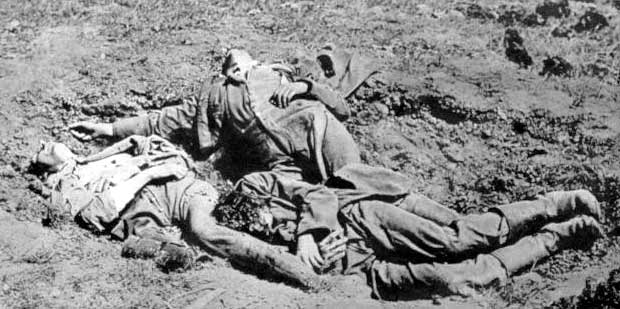 · 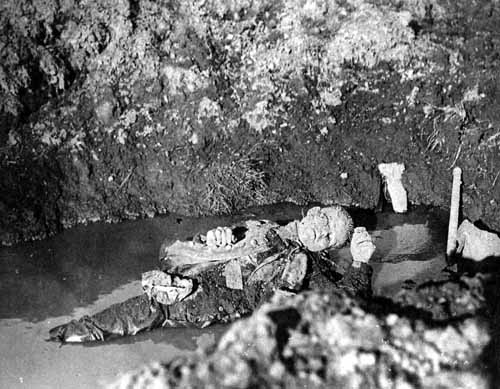 · 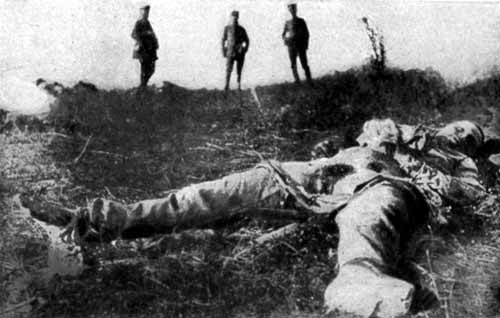 · 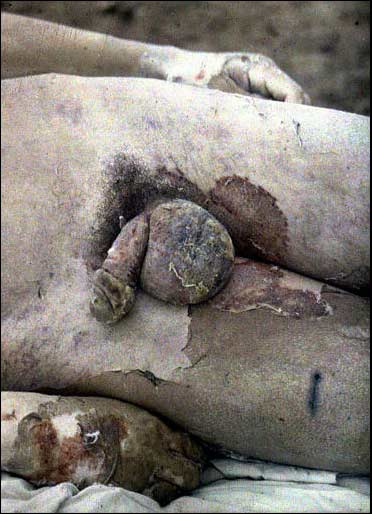 · 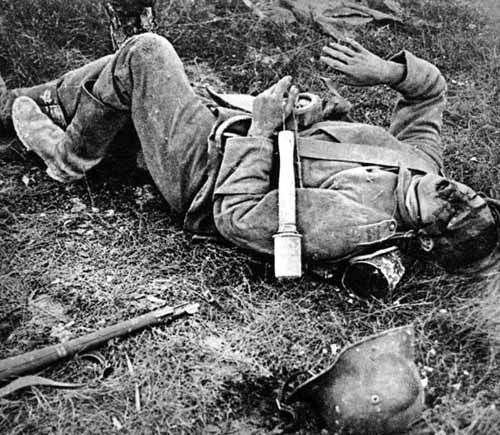 · 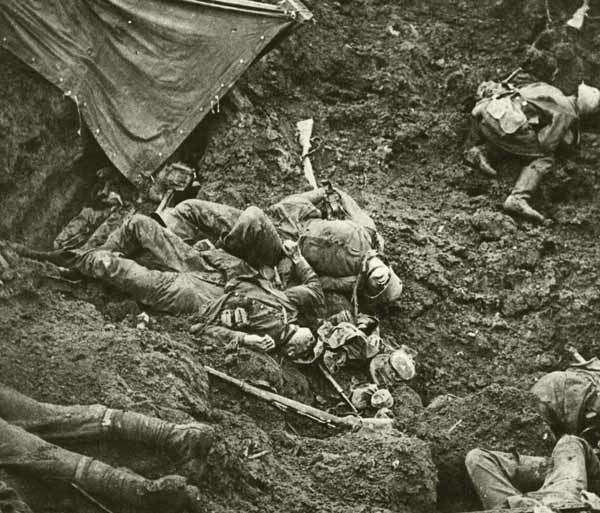 · 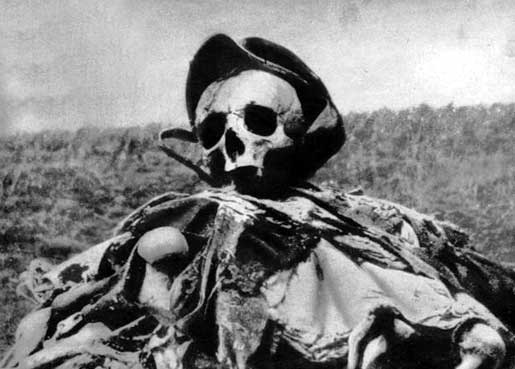 · 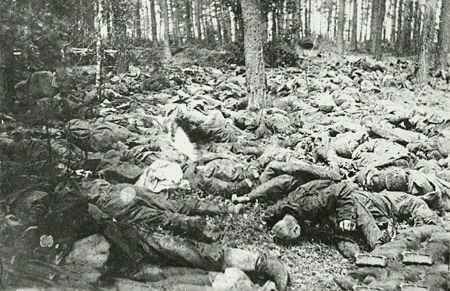 · |
|
#2
●
12-30-2015, 02:06 PM
|
| My Rank: CORPORAL Poster Rank:1688 Join Date: Dec 2013 Posts: 322 322Posts 903Thanked 178Quoted 2Mentioned 0Contrib. |
|
Re: The Unfiltered Face of World War I: Photographs of the War's Human Cost
Gallery 2
 ·  ·  · 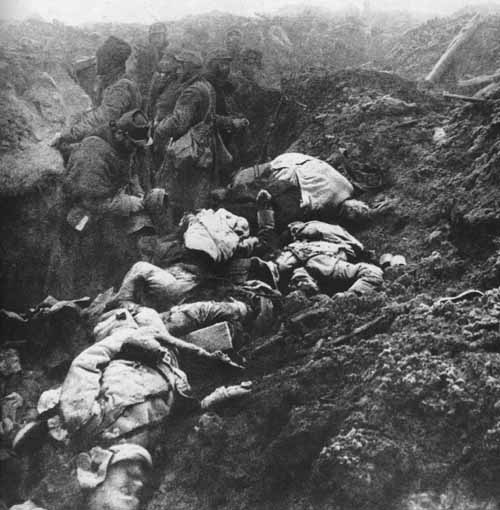 · 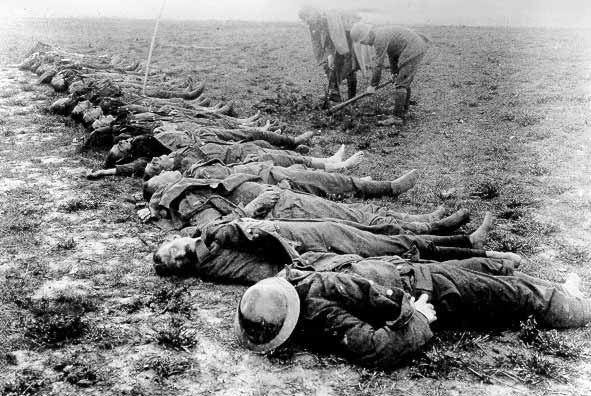 · 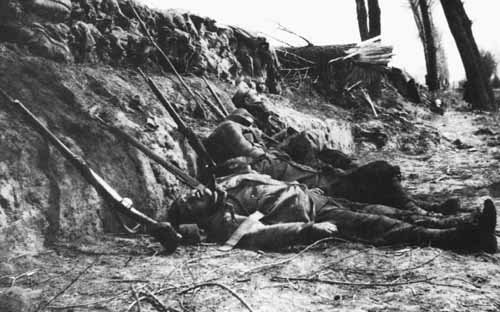 · 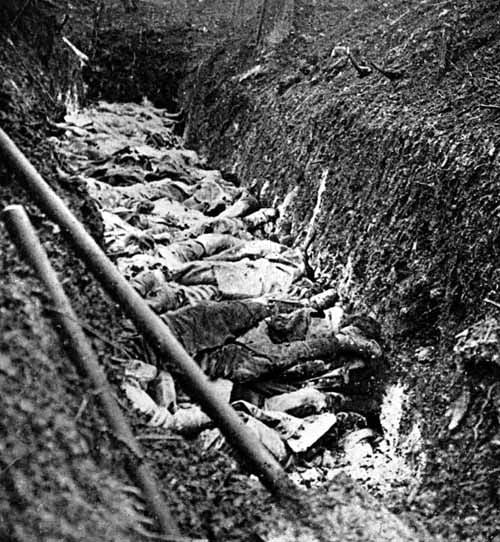 · |
|
#3
●
12-30-2015, 03:00 PM
|
| My Rank: CORPORAL Poster Rank:1688 Join Date: Dec 2013 Posts: 322 322Posts 903Thanked 178Quoted 2Mentioned 0Contrib. |
|
Re: The Unfiltered Face of World War I: Photographs of the War's Human Cost
Gallery 3
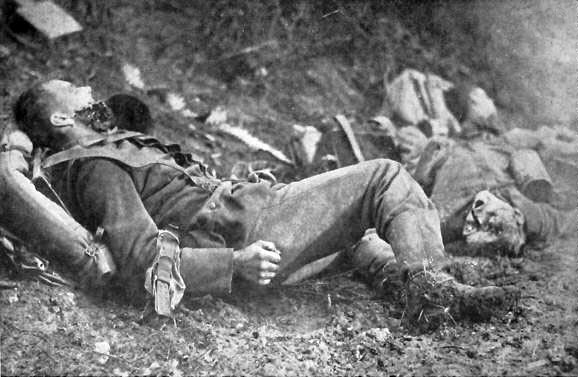 · 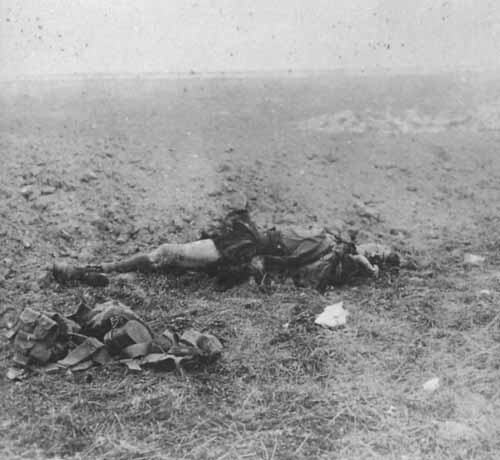 · 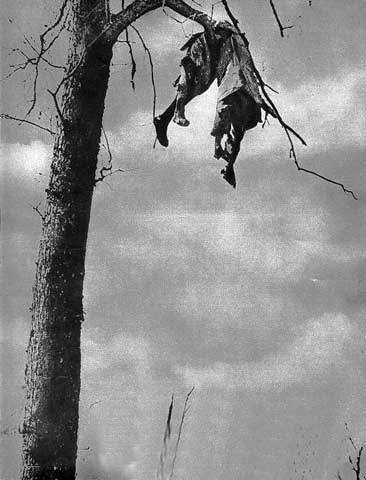 · 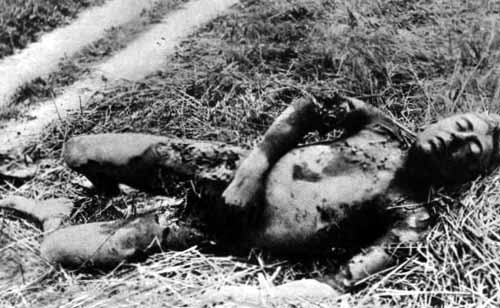 · 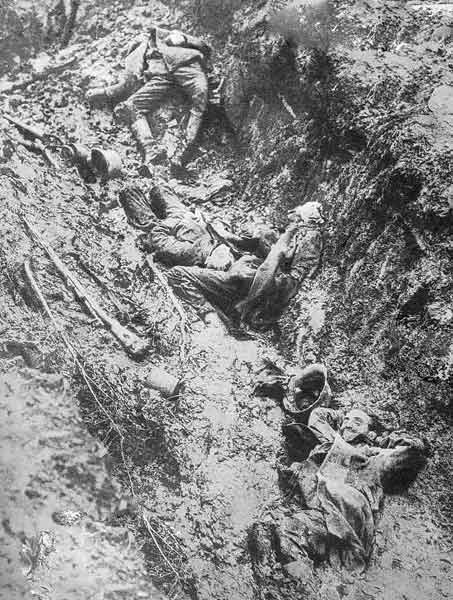 · 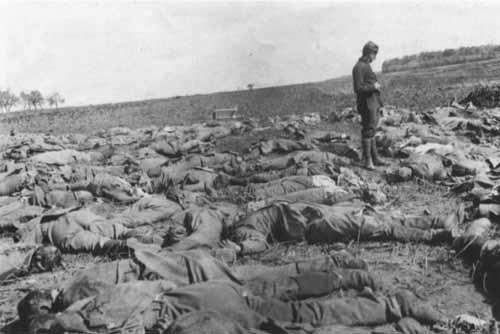 · 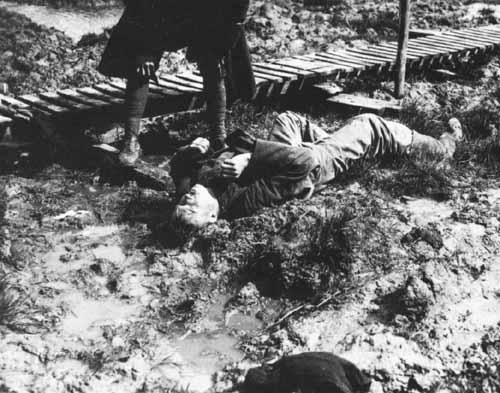 · 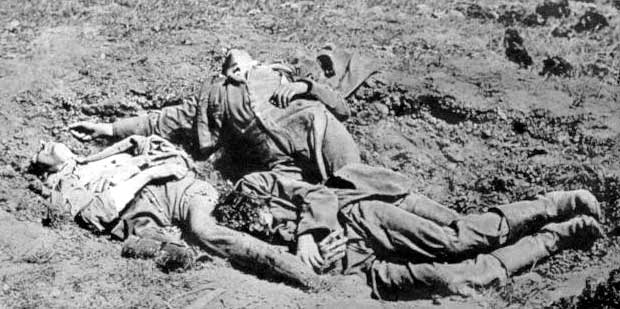 · |
|
#4
●
12-30-2015, 03:05 PM
|
| My Rank: CORPORAL Poster Rank:1688 Join Date: Dec 2013 Posts: 322 322Posts 903Thanked 178Quoted 2Mentioned 0Contrib. |
|
Re: The Unfiltered Face of World War I: Photographs of the War's Human Cost
Gallery 4
 ·  ·  ·  · 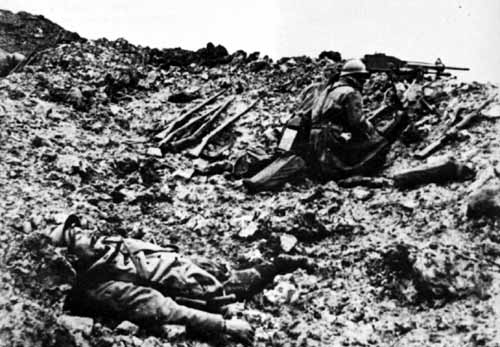 · 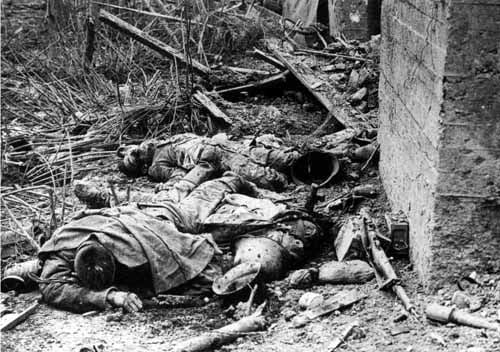 · 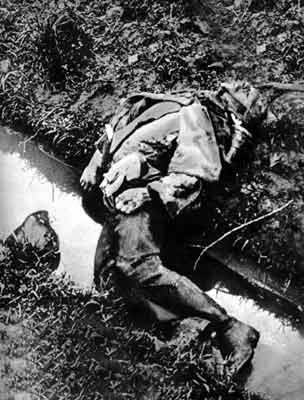 · |
|
#5
●
12-30-2015, 03:07 PM
|
| My Rank: CORPORAL Poster Rank:1688 Join Date: Dec 2013 Posts: 322 322Posts 903Thanked 178Quoted 2Mentioned 0Contrib. |
|
Re: The Unfiltered Face of World War I: Photographs of the War's Human Cost
Gallery 5
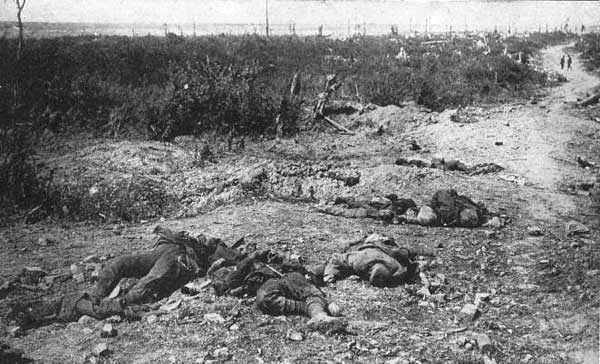 · 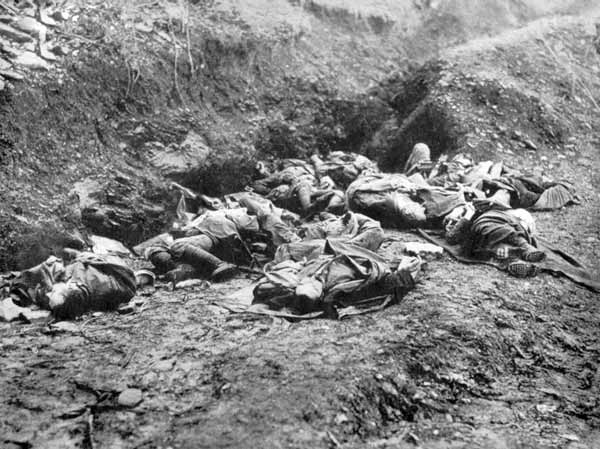 · 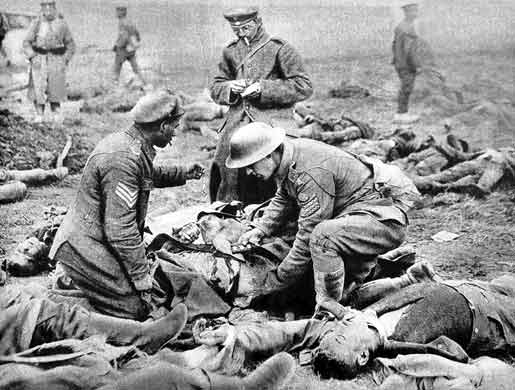 · 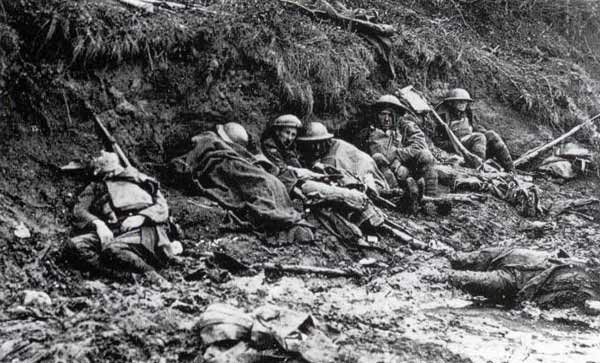 · 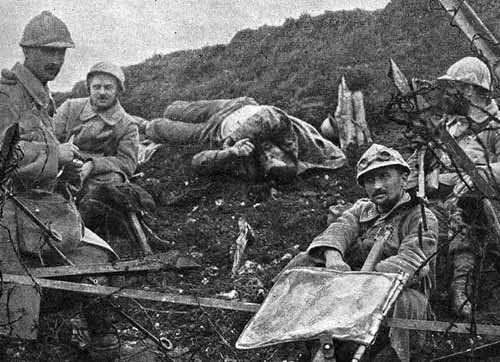 · 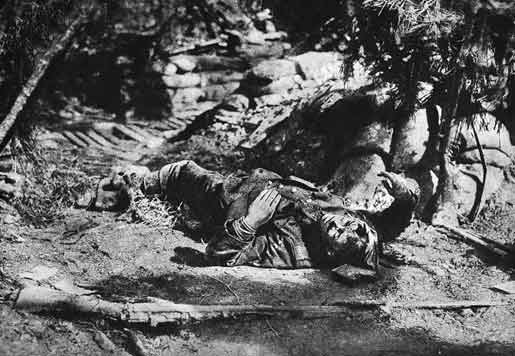 · 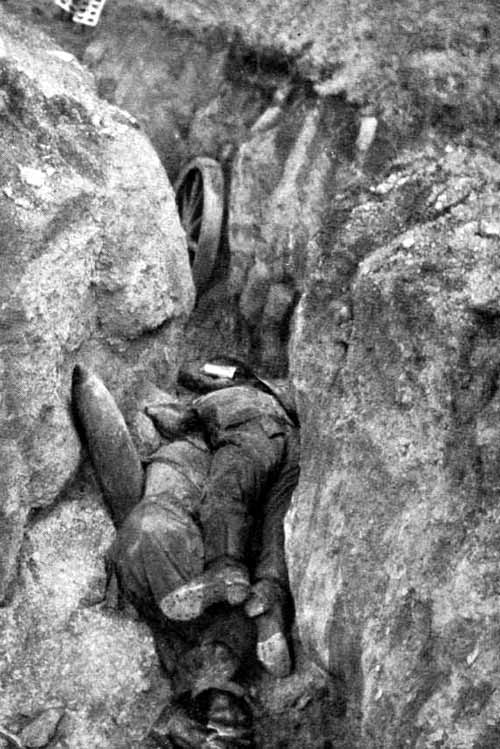 · 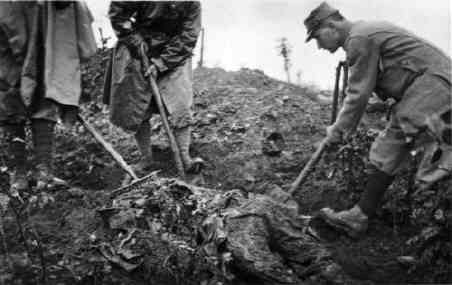 ·  ·  ·  · |
|
#6
●
12-30-2015, 03:11 PM
|
| My Rank: CORPORAL Poster Rank:1688 Join Date: Dec 2013 Posts: 322 322Posts 903Thanked 178Quoted 2Mentioned 0Contrib. |
|
Re: The Unfiltered Face of World War I: Photographs of the War's Human Cost
Gallery 6
 ·  · 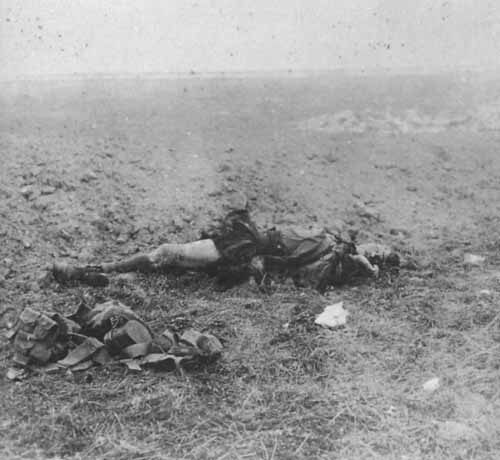 · 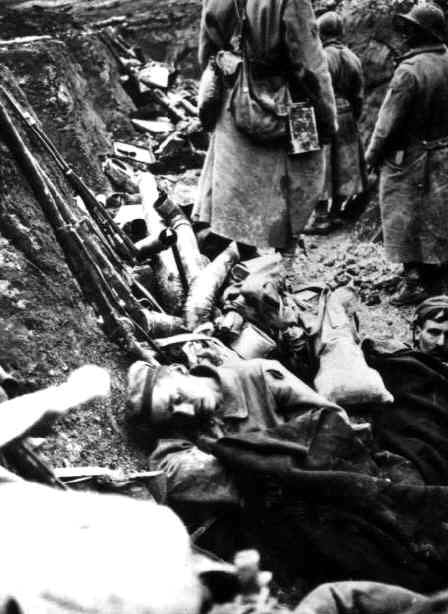 · 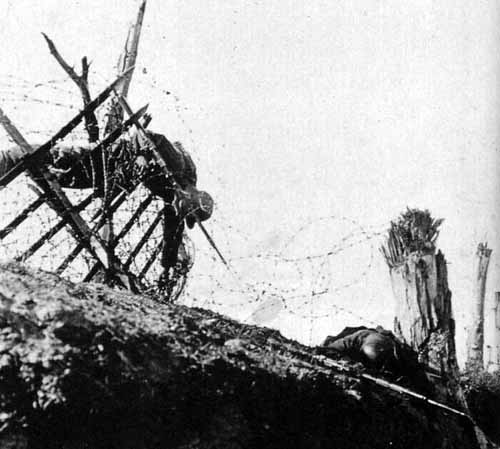 · 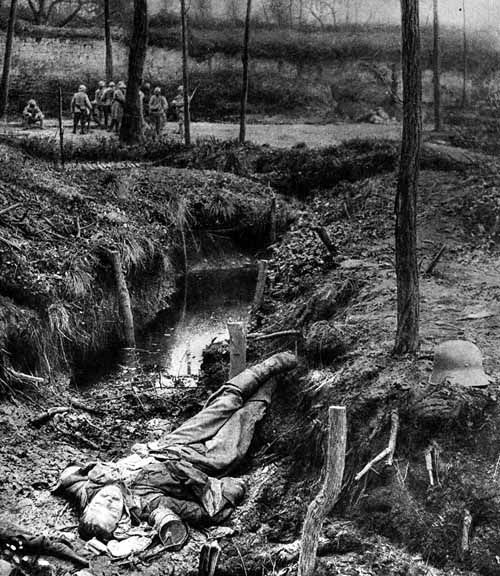 · 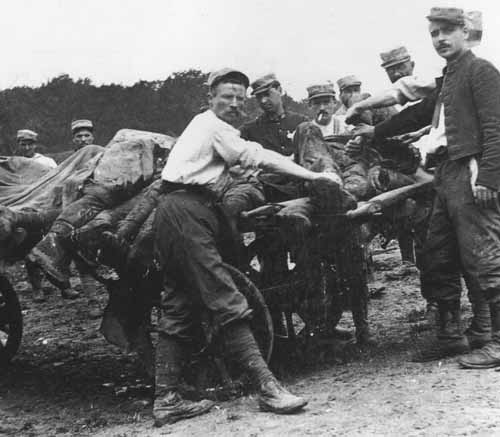 · 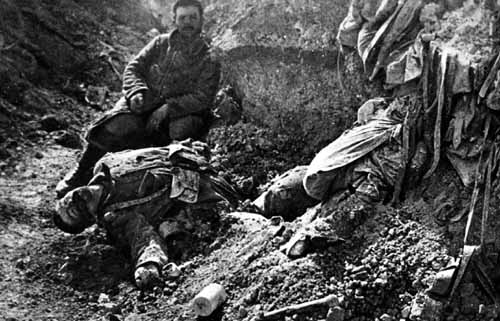 · 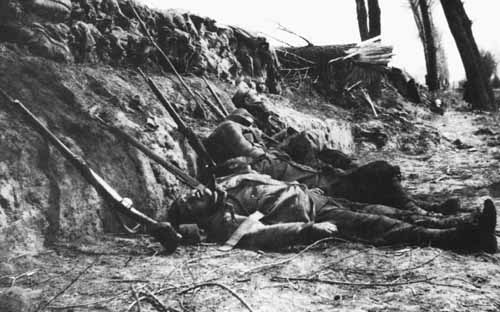 · 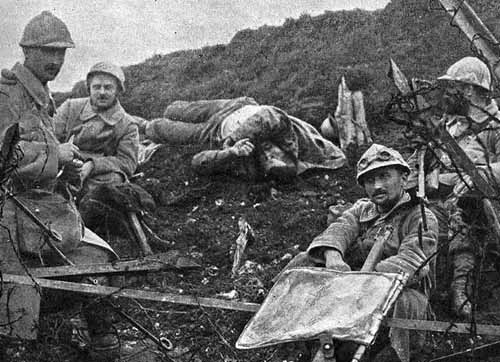 ·  · |
|
#7
●
12-31-2015, 01:47 PM
|
 My Rank: LANCE CORPORAL Poster Rank:2253 Join Date: Jan 2010 Posts: 207 207Posts 568Thanked 42Quoted 0Mentioned 0Contrib. |
|
Re: The Unfiltered Face of World War I: Photographs of the War's Human Cost
Awesome post but whats with the roasted dick lol
|
|
#8
●
12-31-2015, 07:48 PM
|
 ★ Legacy Member ★ Poster Rank:64 male Join Date: Jun 2012 Posts: 24,199 24,199Posts 20,160Thanked 11,648Quoted 169Mentioned 0Contrib. |
|
Re: The Unfiltered Face of World War I: Photographs of the War's Human Cost
Amazing images, the skeleton beside the artillery piece is a crazy shot. Gotta wonder how long that had been abandoned or why the guy was left so long to rot.
|
|
#9
●
12-31-2015, 08:30 PM
|
 ★ Legacy Member ★ Poster Rank:113 Join Date: May 2009 Posts: 14,025 14,025Posts 30,703Thanked 3,721Quoted 44Mentioned 0Contrib. |
|
Re: The Unfiltered Face of World War I: Photographs of the War's Human Cost
Could have been rats. They work fast.  |
|
#10
●
01-01-2016, 05:44 AM
|
 ✝Mudderator from Hell✝ Poster Rank:10 e-mail Join Date: Oct 2006 Posts: 96,644
Contributions: 901
96,644Posts 543,120Thanked 10,365Quoted 479Mentioned 901Contrib. |
|
Re: The Unfiltered Face of World War I: Photographs of the War's Human Cost
Good read and some amazing historical pics of the war |