|
Community Forum · Est. 2006
|
#1
●
10-07-2012, 07:56 AM
|
 Super ********* Poster Rank:90 Join Date: Nov 2008 Posts: 17,370 17,370Posts 13,736Thanked 99Quoted 5Mentioned 0Contrib. |
|
Aral Sea Shrinkage and Moynaq Ship Graveyard in Uzbekistan, 1960s to Present
Beginning in the 1960s, the Soviet Union diverted water from the Amu Darya and Syr Darya rivers for irrigation, causing the Aral Sea to shrink sharply. Fisheries collapsed as the remaining water became saltier and more polluted. Kazakhstan later separated and dammed the Northern Aral Sea, while the eastern lobe of the Southern Aral Sea became completely dry in 2014 for the first time in modern times. Moynaq, in Uzbekistan's autonomous republic of Karakalpakstan, was once a port and fishing center. As the shoreline retreated, fishing vessels were left on the exposed seabed. The site became an open-air museum known as the Ship Graveyard. More than 100 vessels were there in the past, but little more than 10 remain. Photographs show rusting trawlers on sand and scrub, abandoned industrial buildings, the former fish cannery, a Soviet fishermen mural and archival views of the harbor when it still held water. 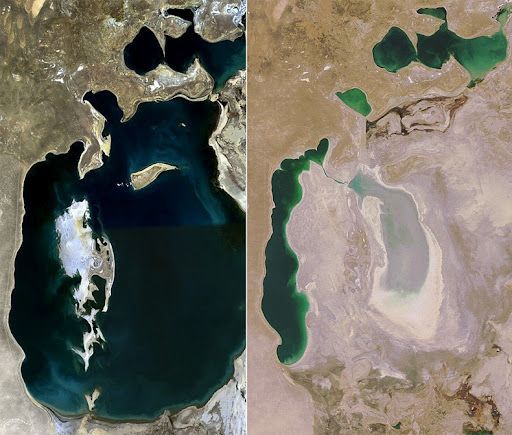 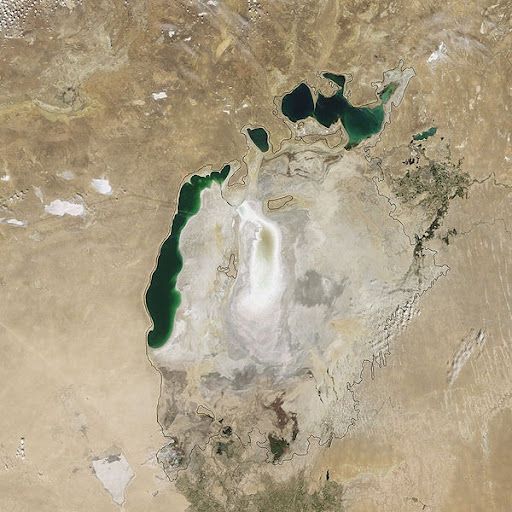 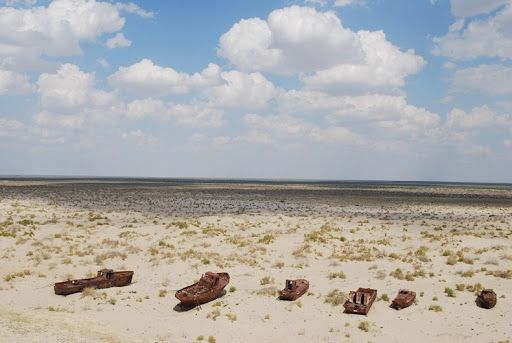 · 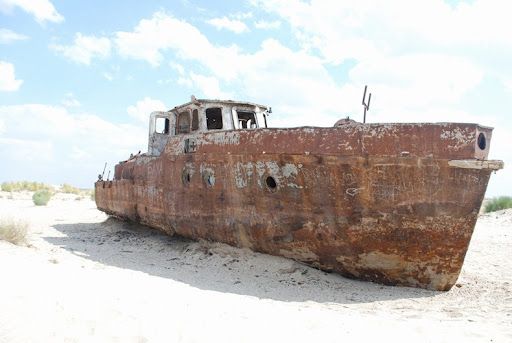 · 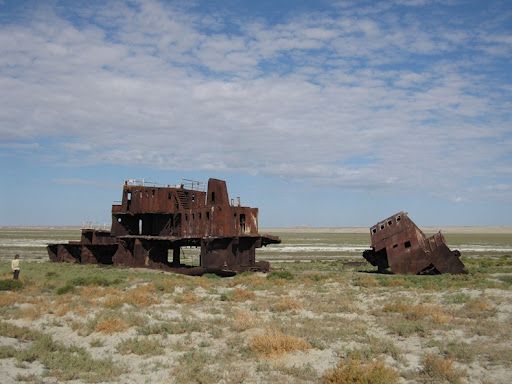 · 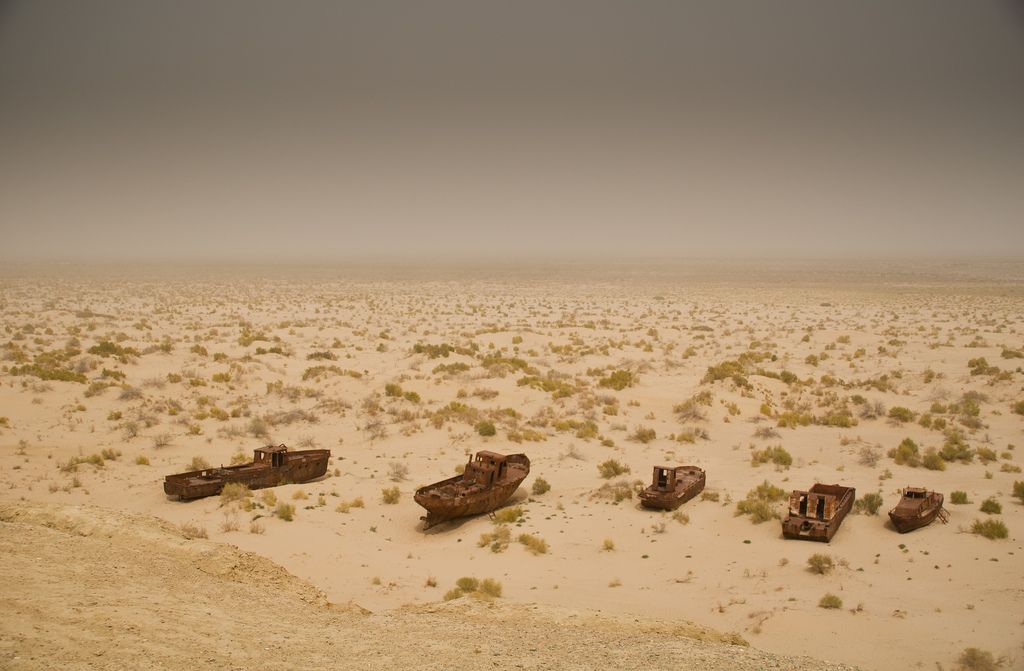 · 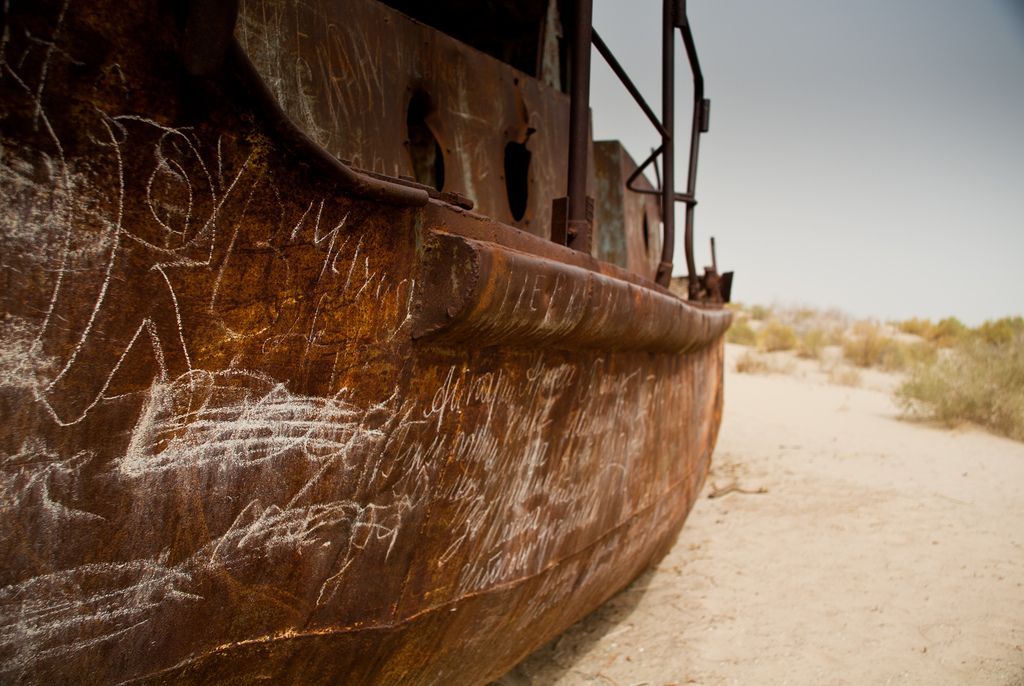 · 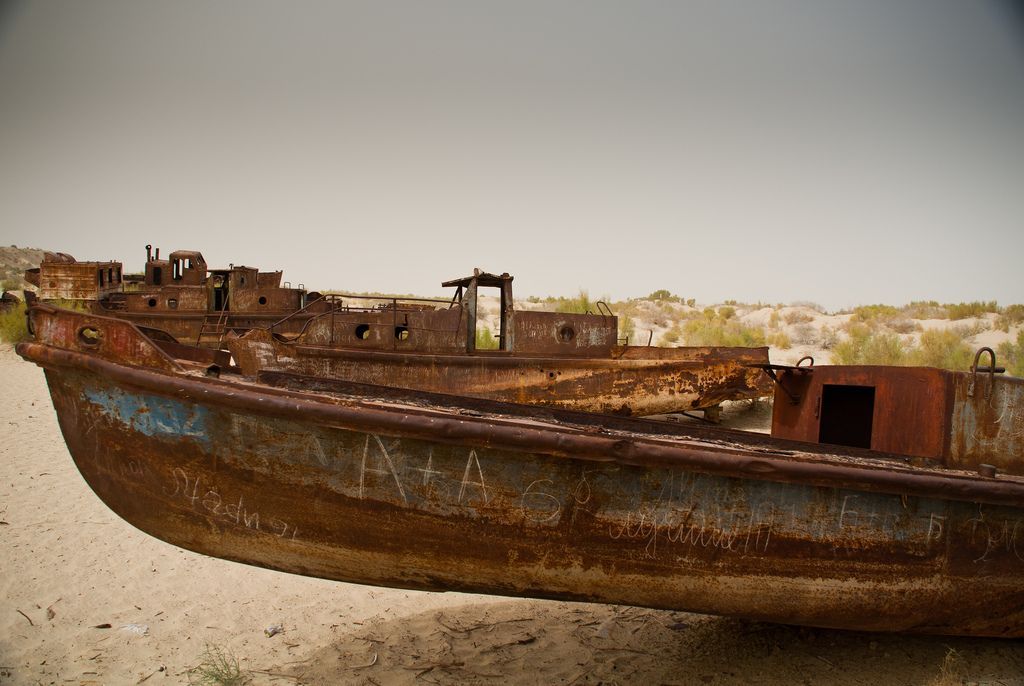 · 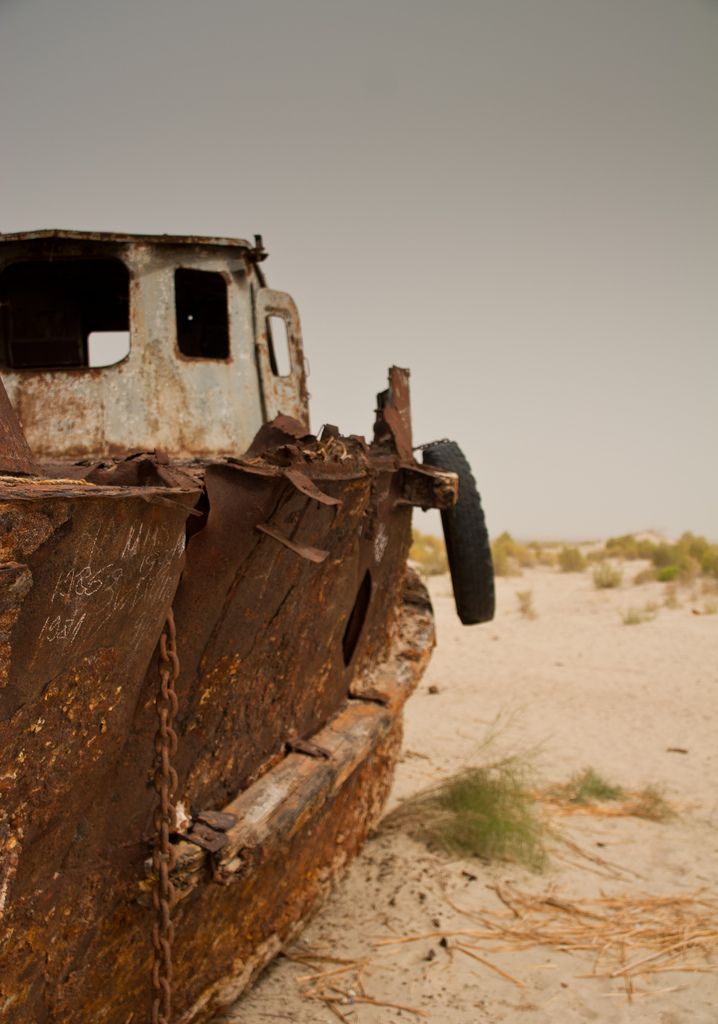 · 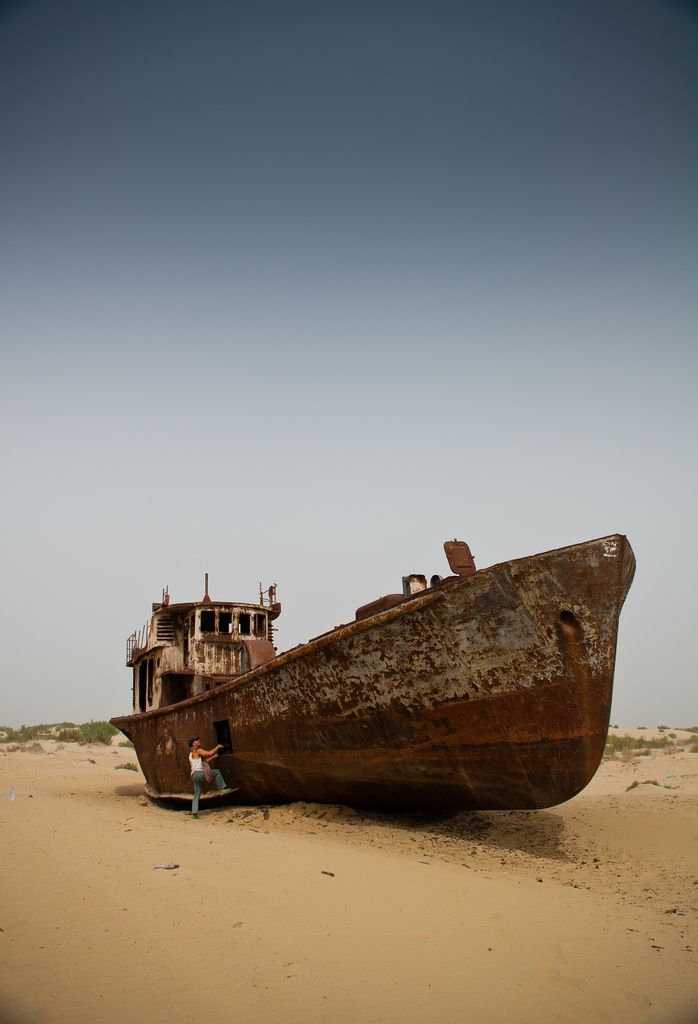 · 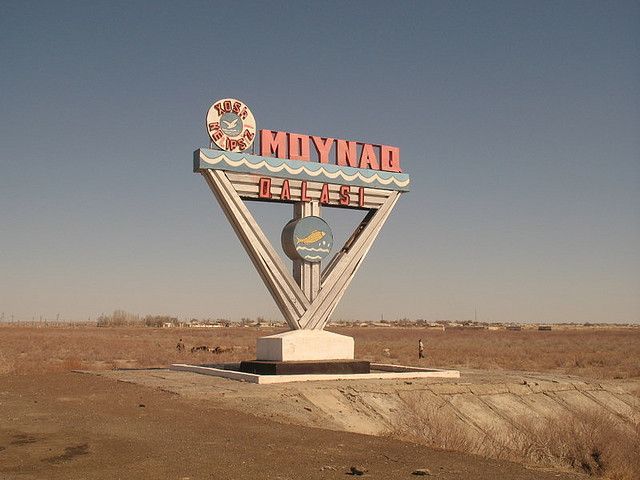 · 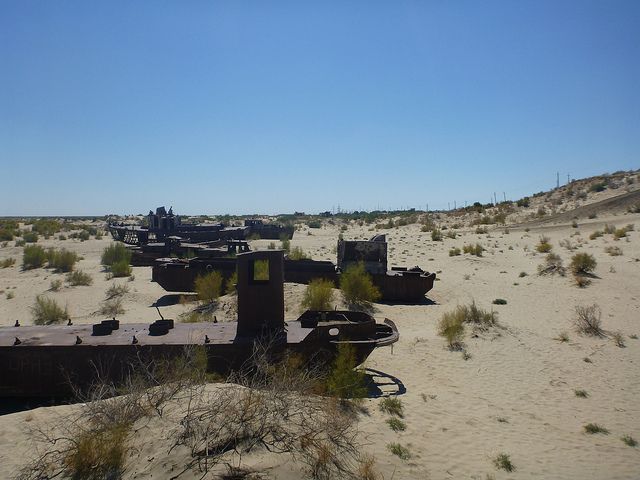 · 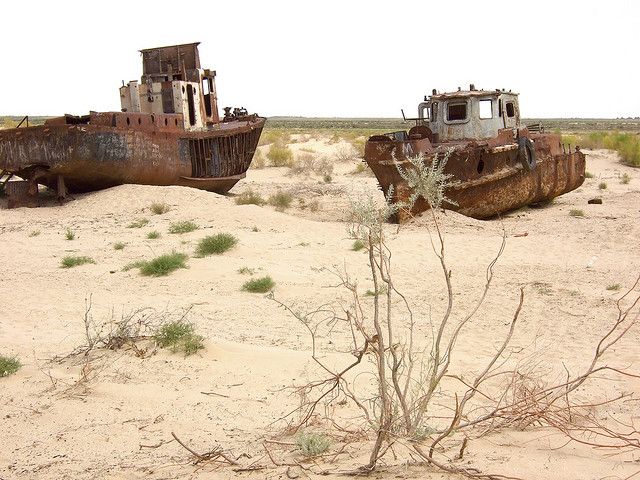 · 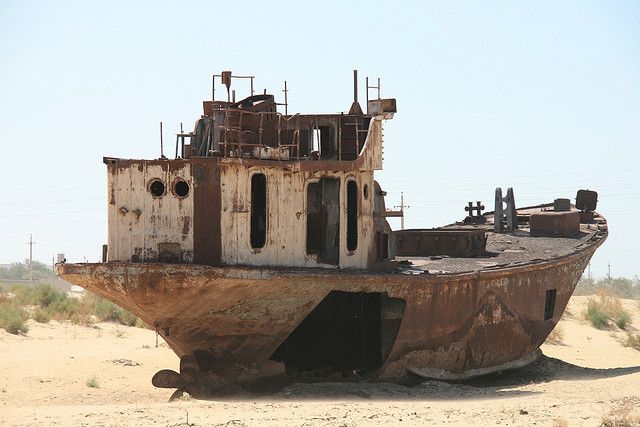 · 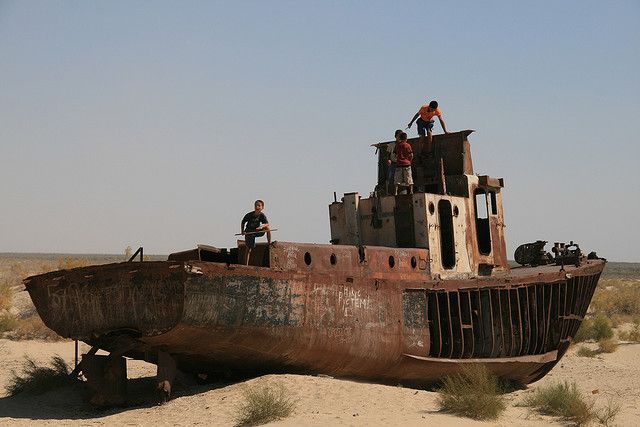 · 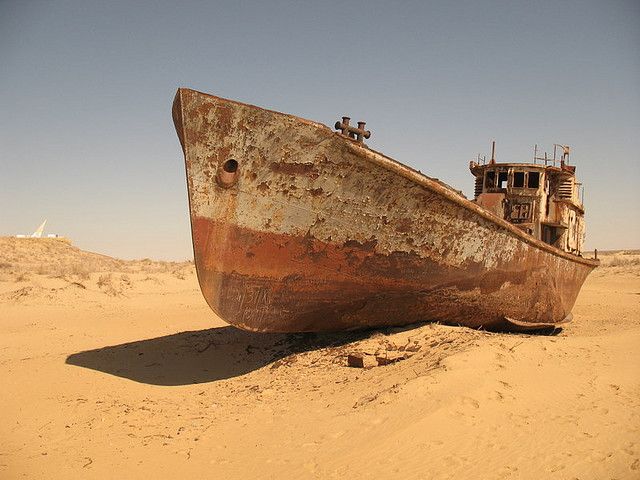 · 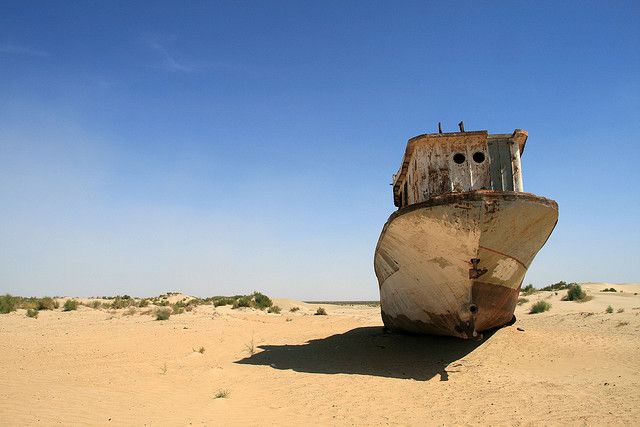 · 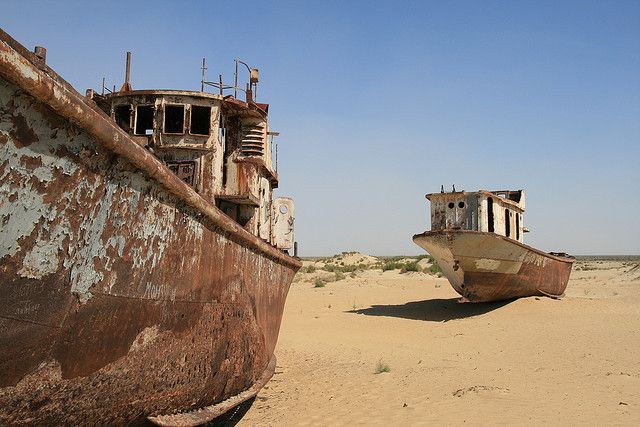 · 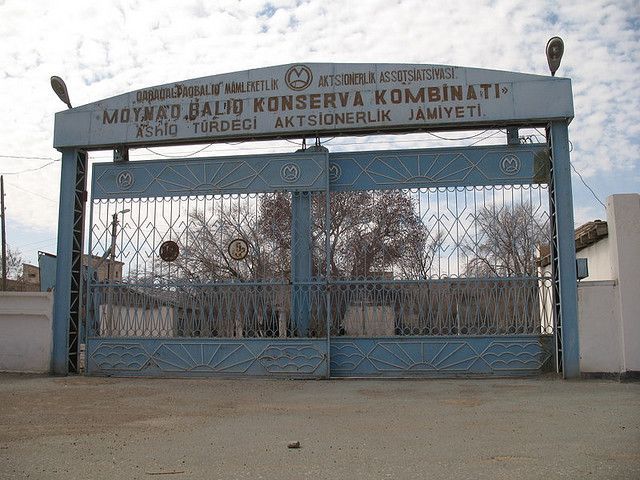 · 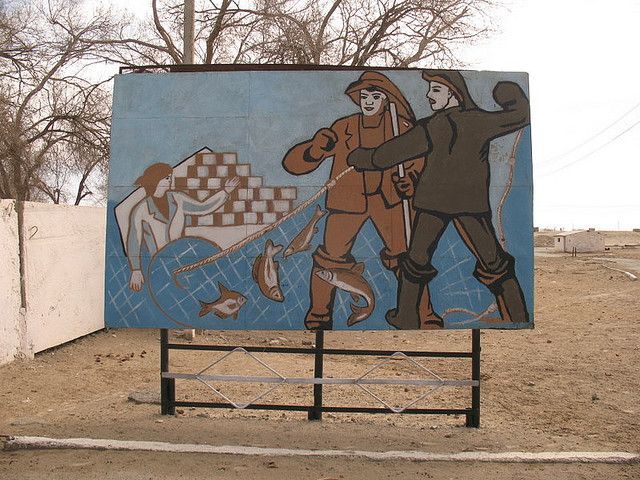 · 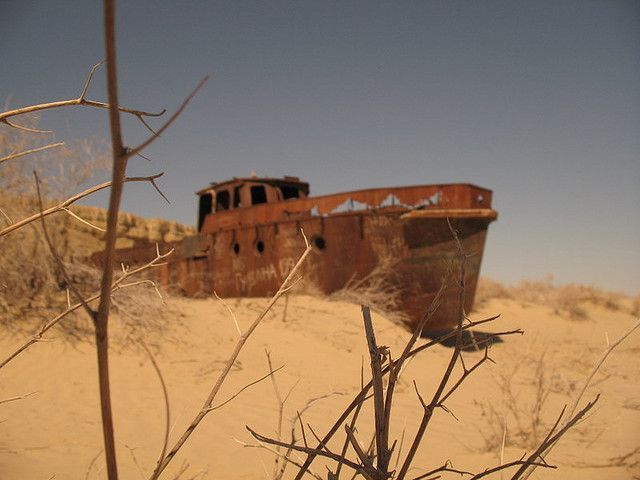 · 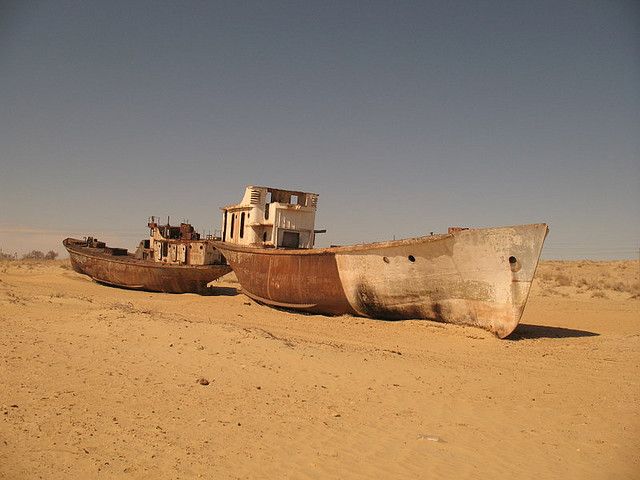 · 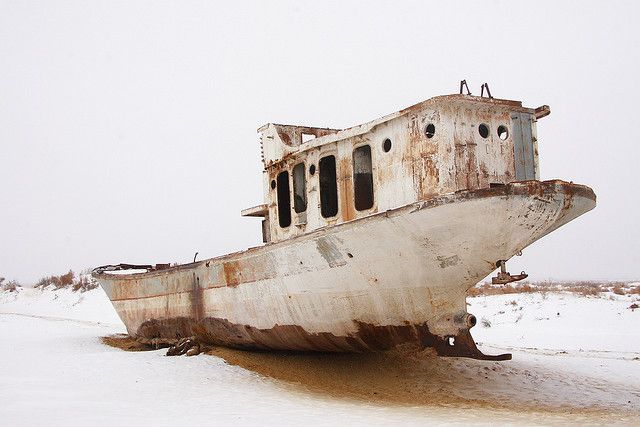 · 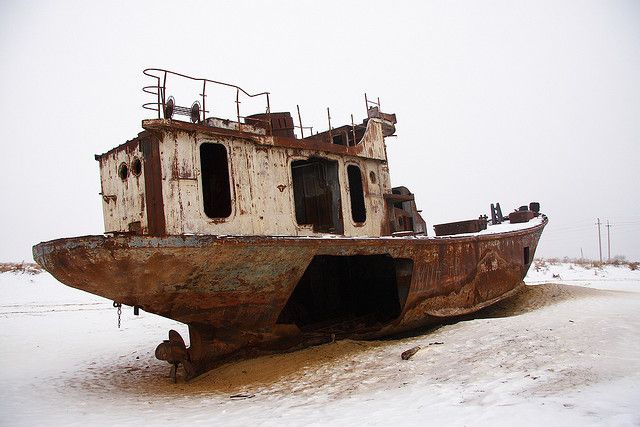 · 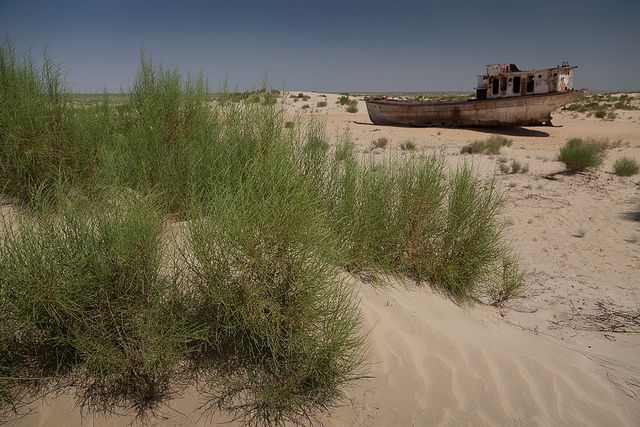 · 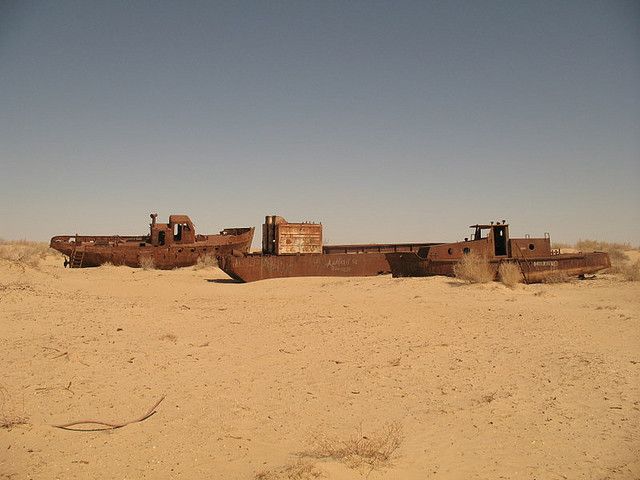 · 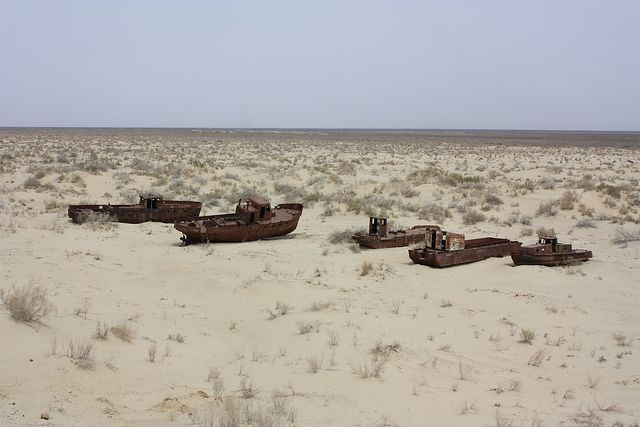 · 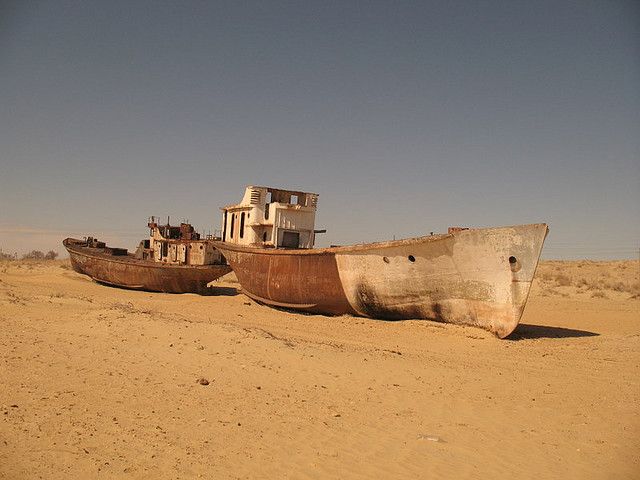 · 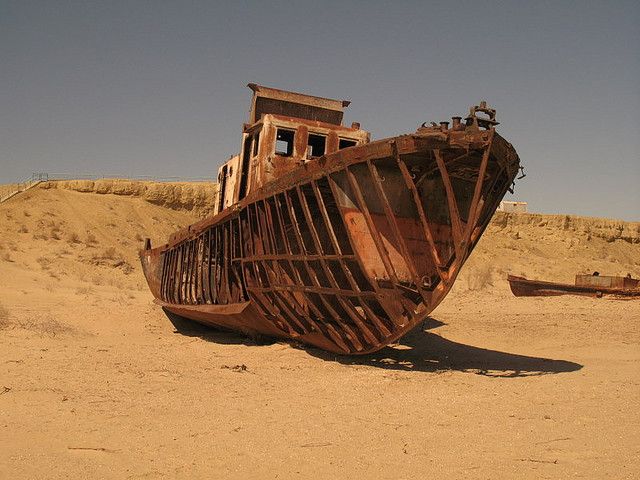 · 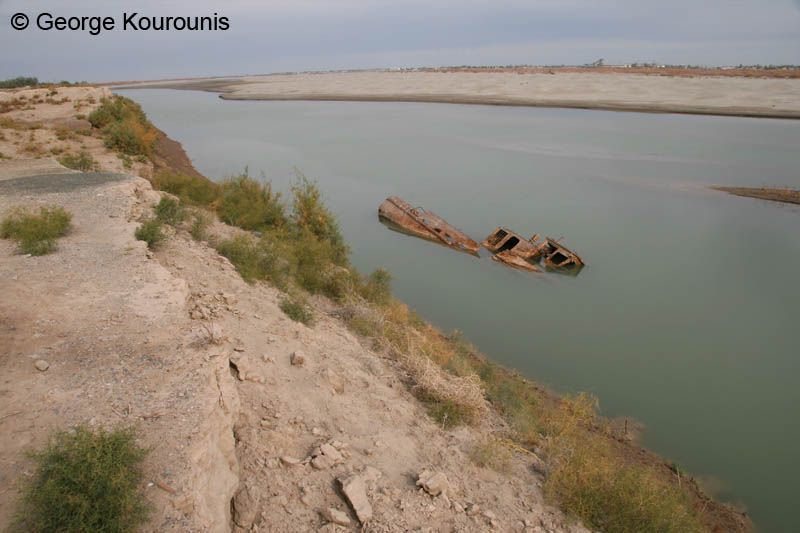 · 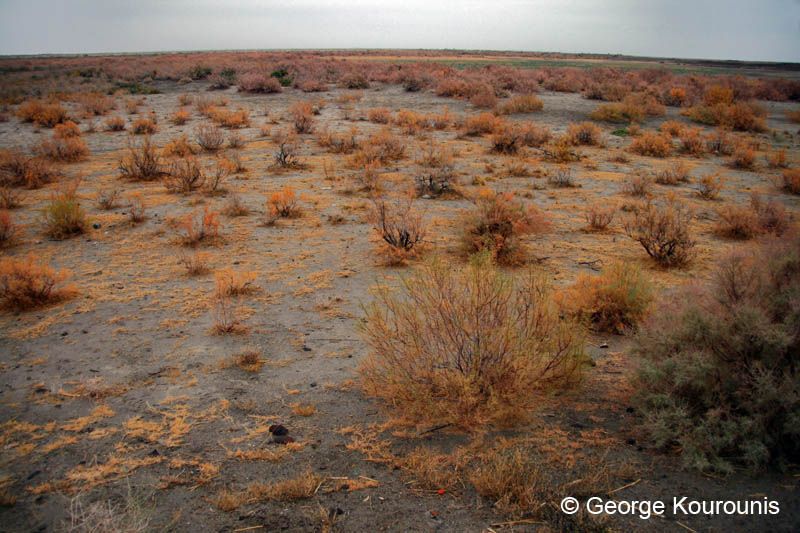 · 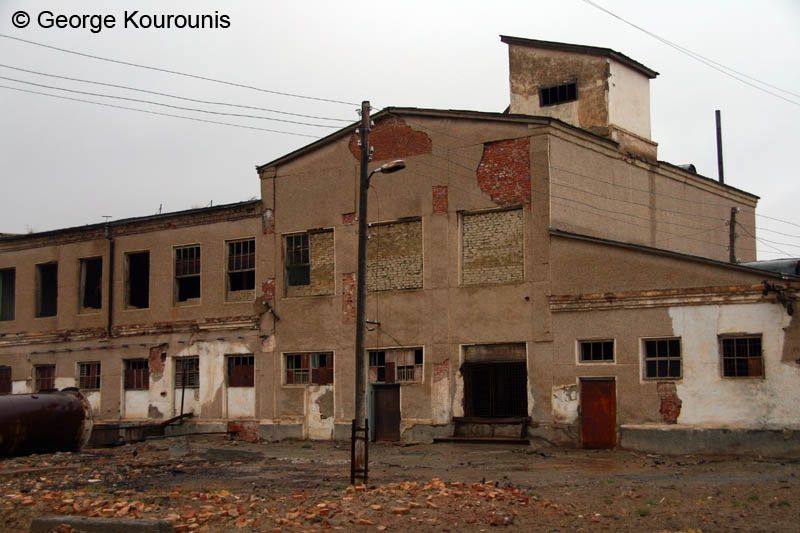 · 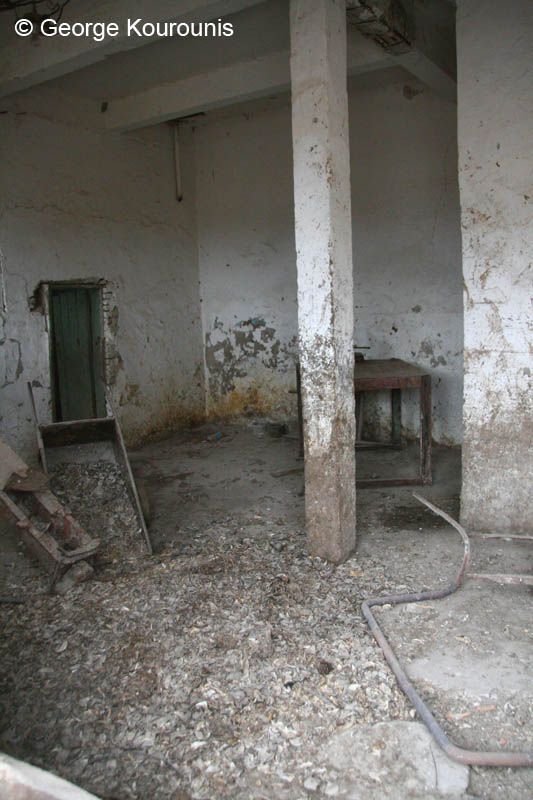 · 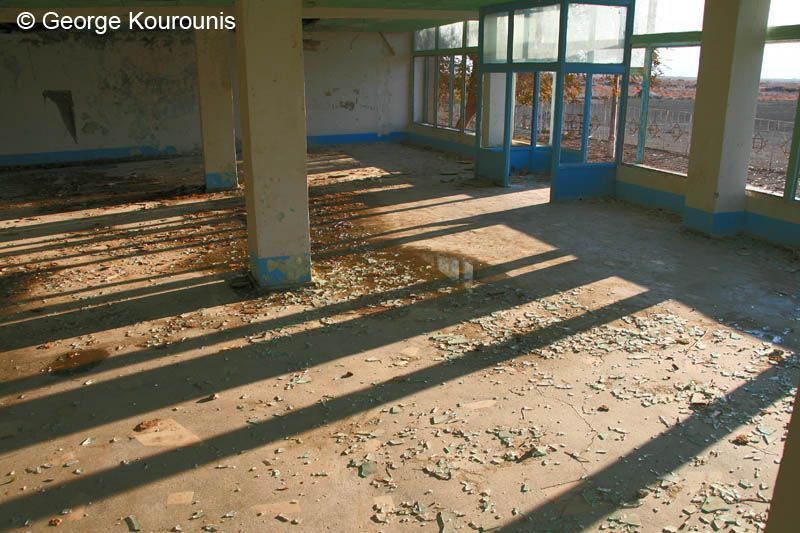 · 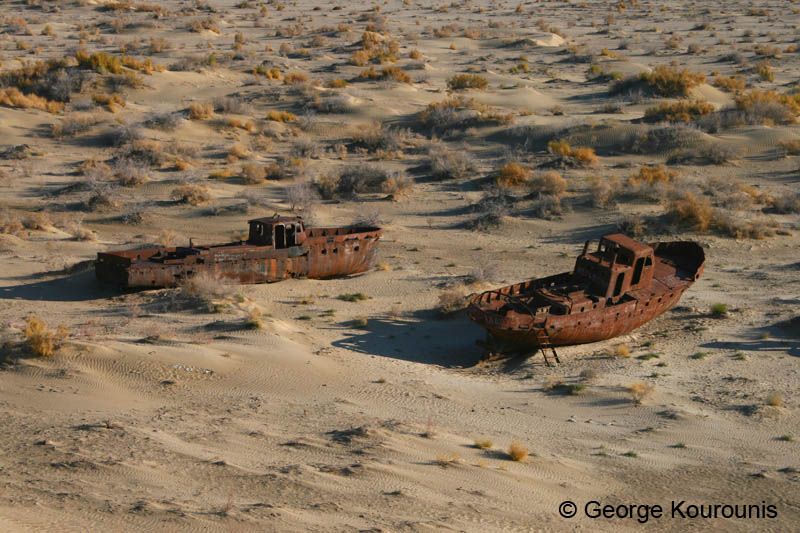 · 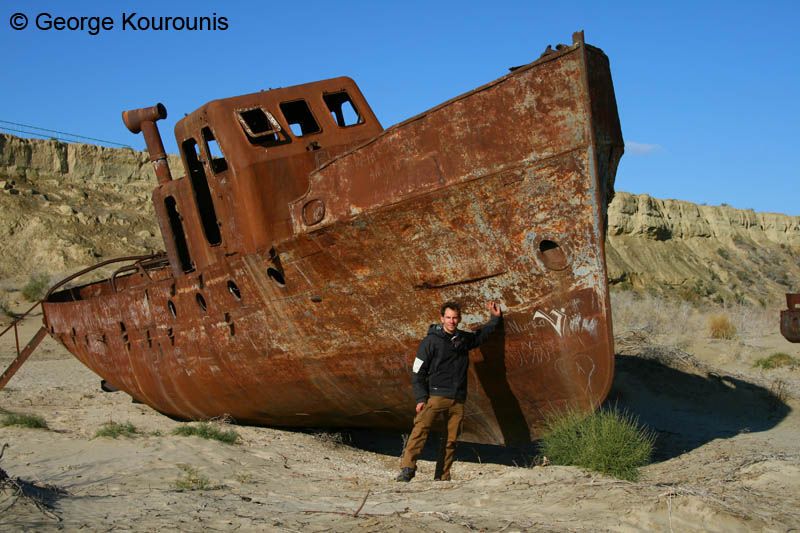 · 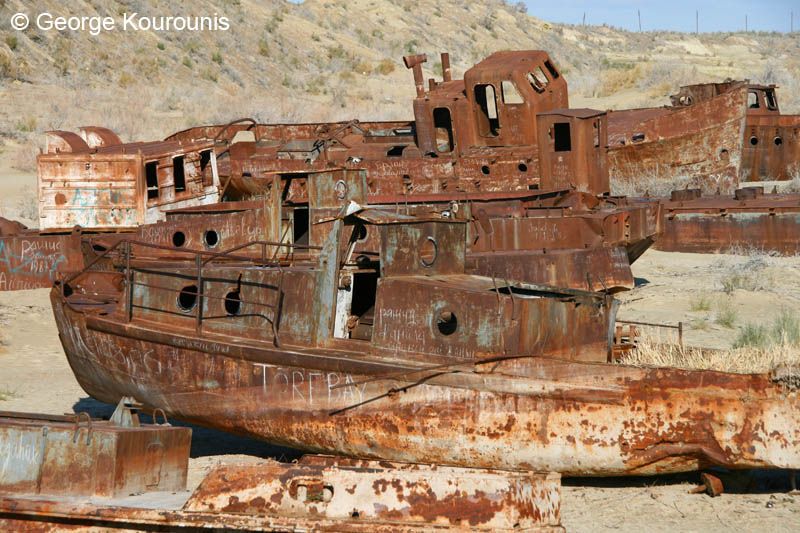 · 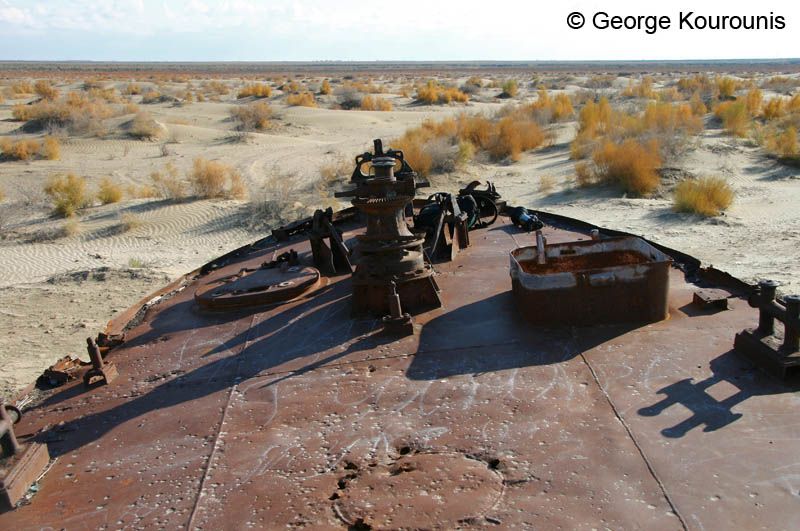 · 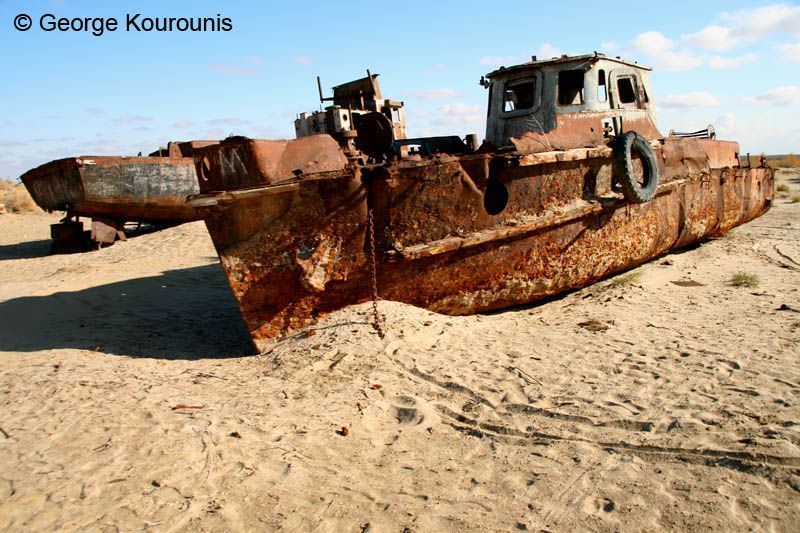 · 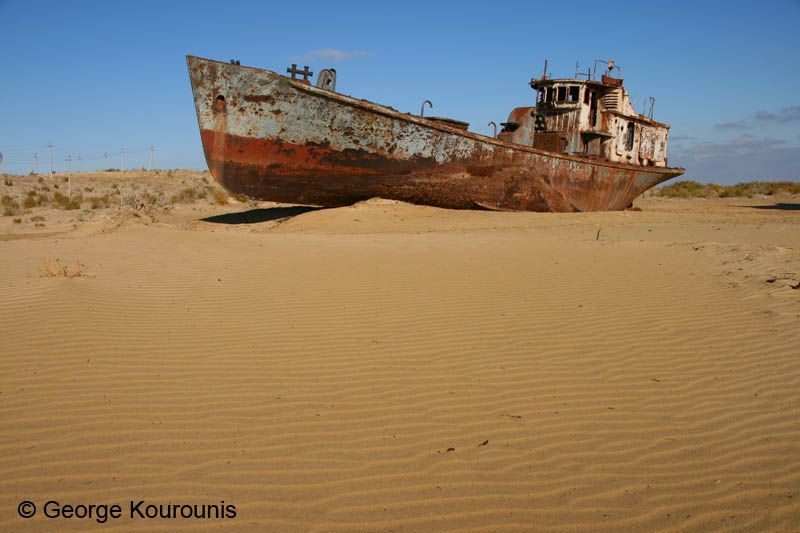 · 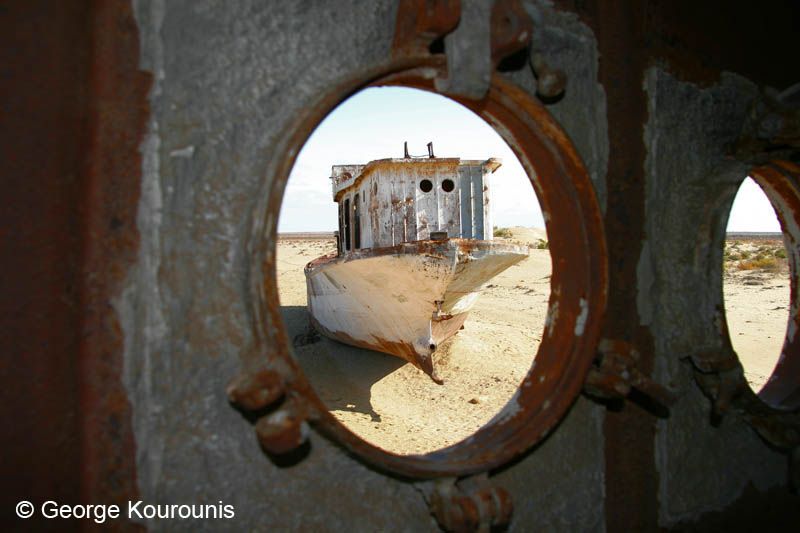 · 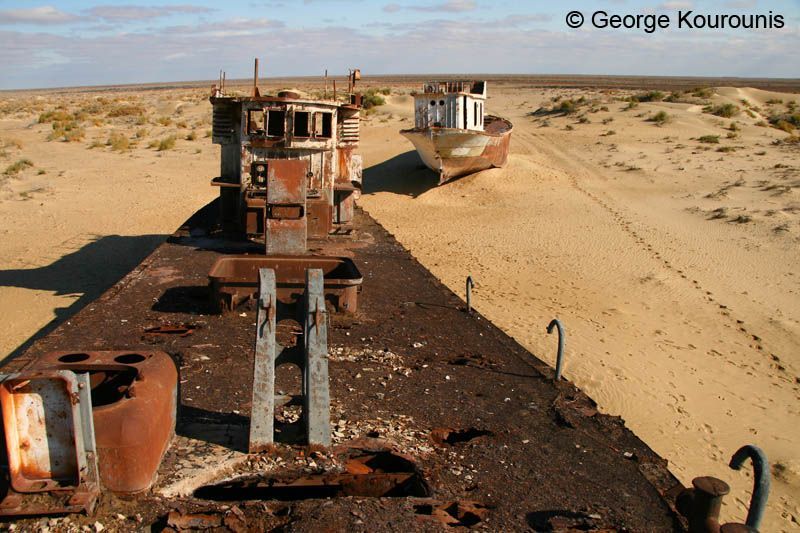 · 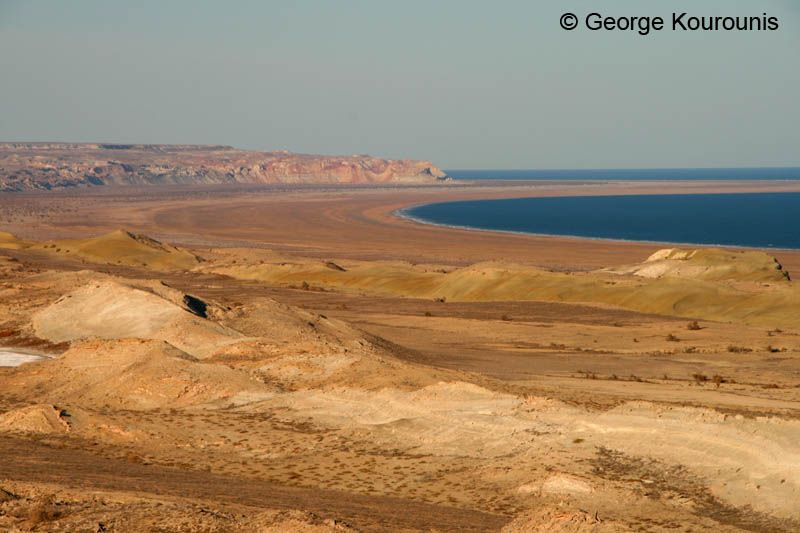 · 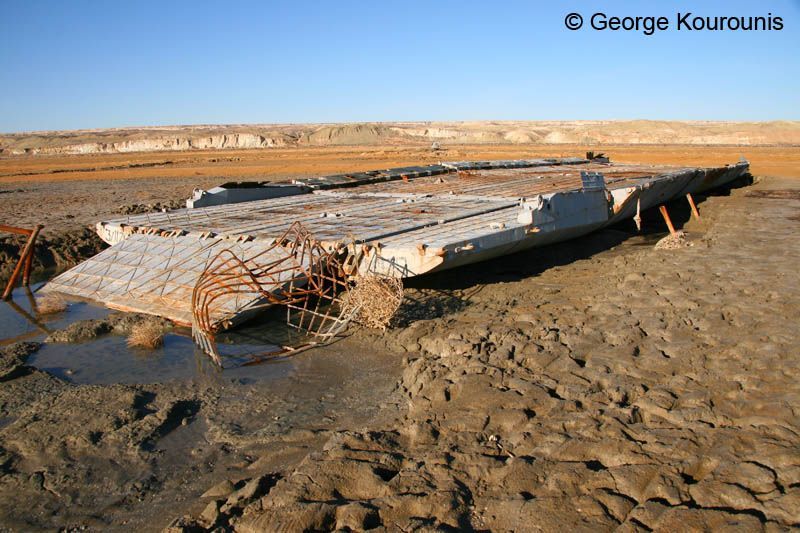 · 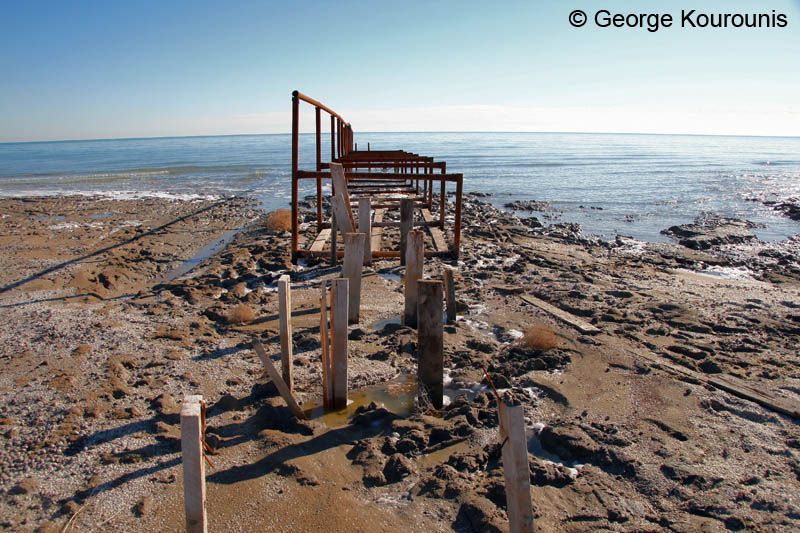 · 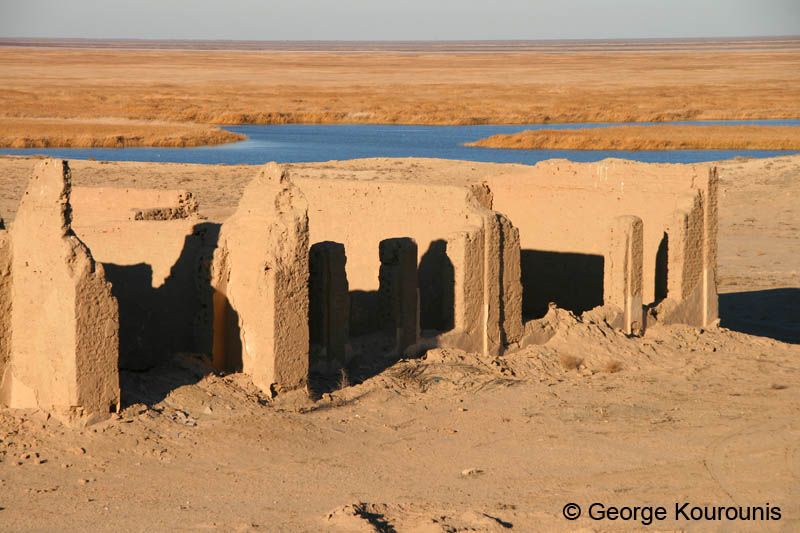 · 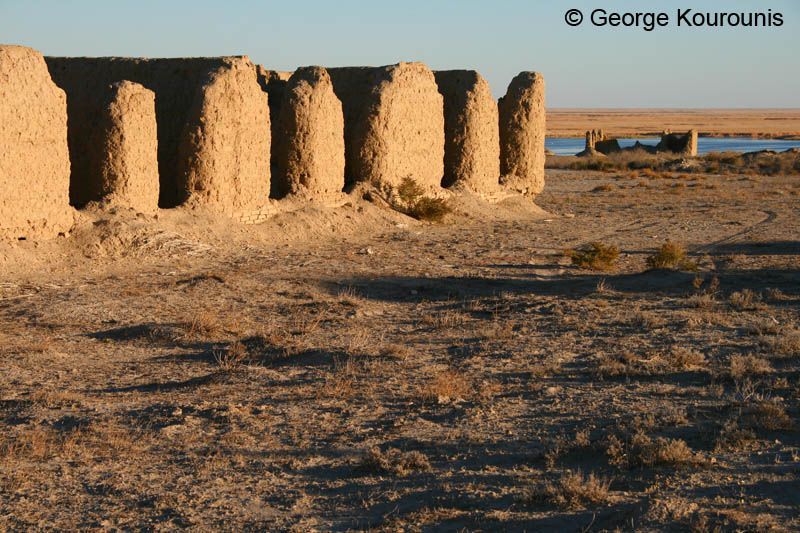 · 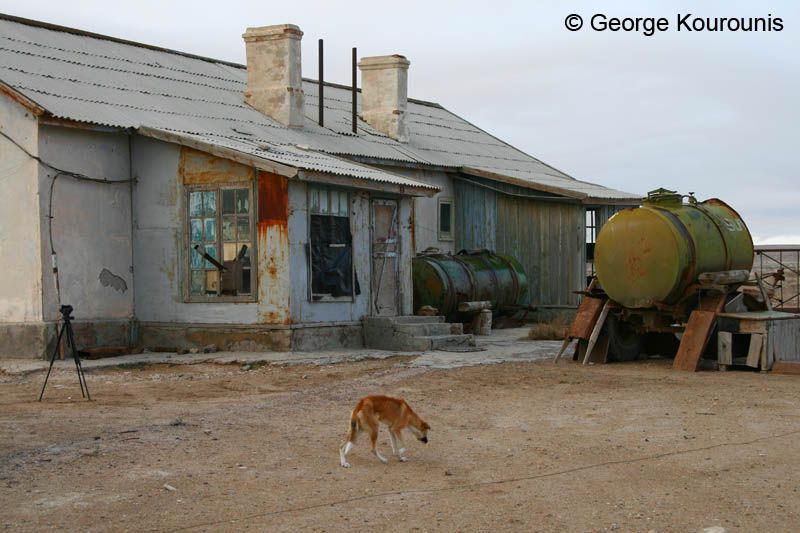 · 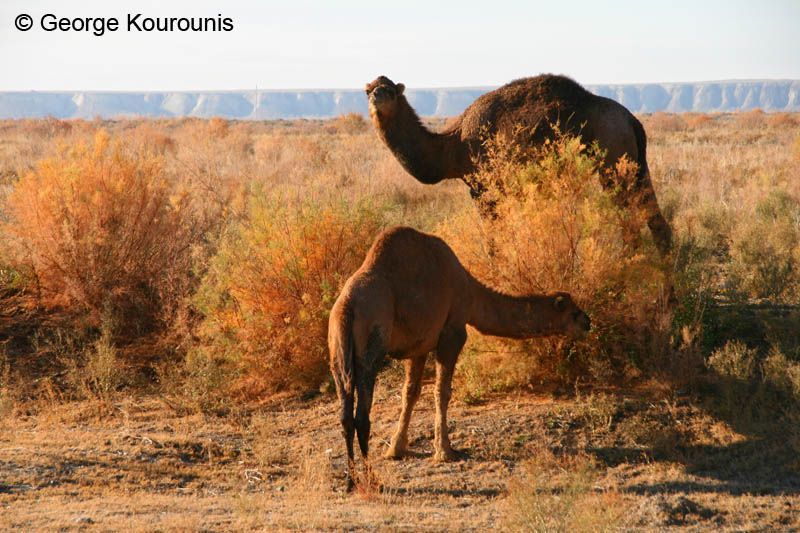 · |
|
#2
●
10-07-2012, 09:20 AM
|
| Super ********* Poster Rank:90 Join Date: Nov 2008 Posts: 17,370 17,370Posts 13,736Thanked 99Quoted 5Mentioned 0Contrib. |
|
Re: Aral Sea Shrinkage and Moynaq Ship Graveyard in Uzbekistan, 1960s to Present
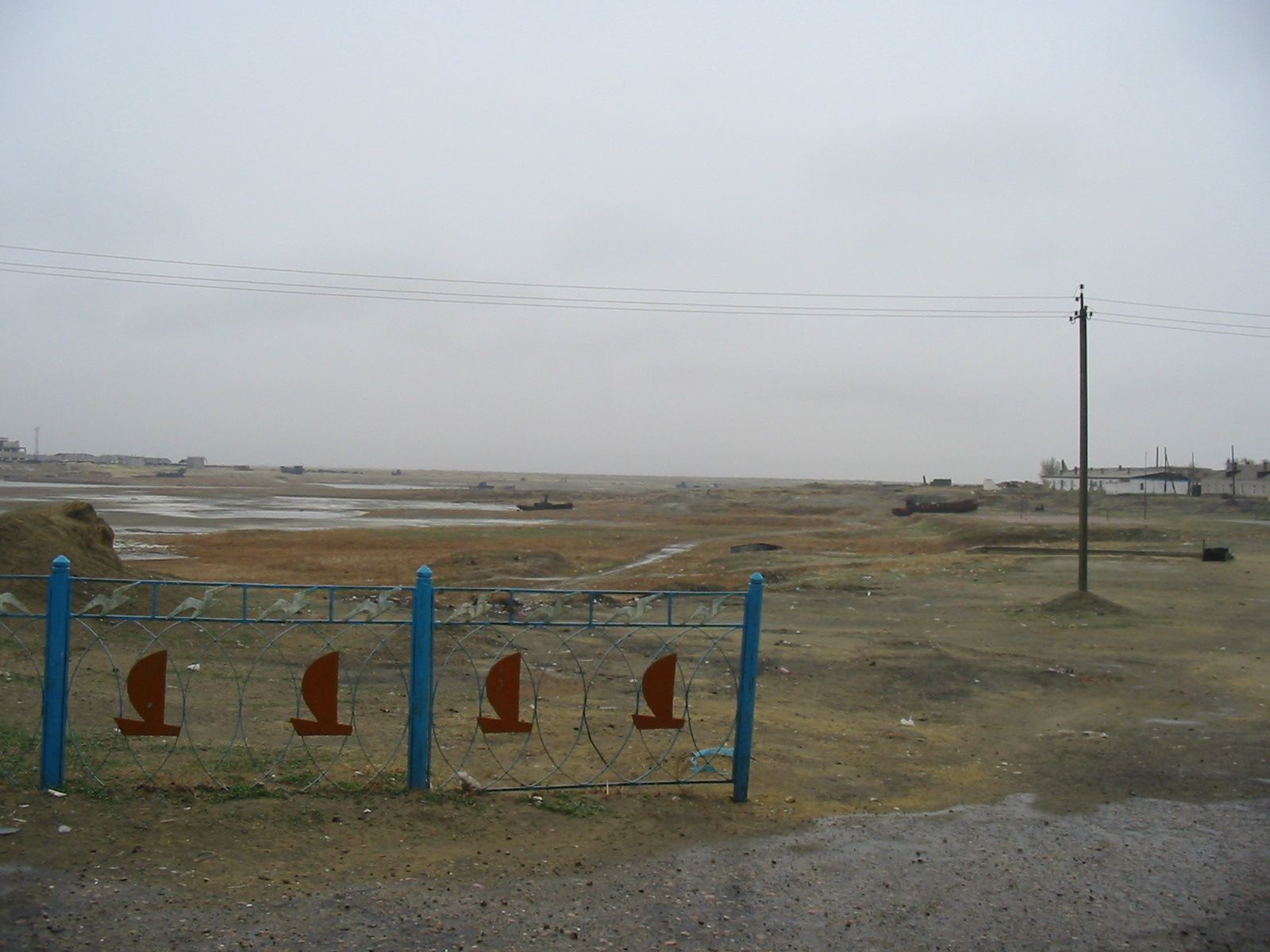
this used to be the harbor in Aral city Kazakhstan
 · |
|
#3
●
10-07-2012, 01:01 PM
|
 My Rank: MASTER SERGEANT Poster Rank:565 Horny Male Join Date: Jan 2010 Posts: 1,751 1,751Posts 785Thanked 8Quoted 0Mentioned 0Contrib. |
|
Re: Aral Sea Shrinkage and Moynaq Ship Graveyard in Uzbekistan, 1960s to Present
Statement of government officials, "Oops!"
|
|
#4
●
10-09-2012, 04:50 PM
|
 ♚ Legacy Gold Member ♚ Poster Rank:501 what am I? Join Date: Feb 2010 Posts: 2,095 2,095Posts 1,996Thanked 182Quoted 1Mentioned 0Contrib. |
|
Re: Aral Sea Shrinkage and Moynaq Ship Graveyard in Uzbekistan, 1960s to Present
but when you google map it, the Aral Sea is still shown to be the original size.... until you view it using the satellite version. Sad...
__________________ “Darkness dwells within even the best of us. In the worst of us, darkness not only dwells but reins.” ― Dean Koontz, Strange Highways |
|
#5
●
10-10-2012, 10:00 AM
|
 ★ ★ GENERAL ★ ★ Poster Rank:37 male Join Date: Oct 2006 Posts: 42,294
Contributions: 36
42,294Posts 101,657Thanked 21,281Quoted 2,282Mentioned 36Contrib. |
|
Re: Aral Sea Shrinkage and Moynaq Ship Graveyard in Uzbekistan, 1960s to Present
that is pretty cool, they never really said why it dried up though.
__________________ Support the site and our continued existance by upgrading to a Green Name |
|
#7
●
10-10-2012, 09:40 PM
|
 ★ Legacy Member ★ Poster Rank:197 All woman Join Date: Jun 2012 Posts: 7,761 7,761Posts 11,231Thanked 1,420Quoted 22Mentioned 0Contrib. |
|
Re: Aral Sea Shrinkage and Moynaq Ship Graveyard in Uzbekistan, 1960s to Present
I think I heard they wanted to cultivate cotton elsewhere and began to divert the waters with damming and irrigation....  |
|
#10
●
10-20-2012, 01:10 AM
|
 King of East Texas Poster Rank:361 3 legs Join Date: Dec 2010 Posts: 3,434
Contributions: 1
3,434Posts 4,788Thanked 915Quoted 13Mentioned 1Contrib. |
|
Re: Aral Sea Shrinkage and Moynaq Ship Graveyard in Uzbekistan, 1960s to Present
hope you enjoy the cotton in your shirt, this sea died for it  fooking bolshavik skum |