|
#1
●
06-05-2021, 11:18 AM
|
 ♚ Legacy Gold Member ♚ Poster Rank:914 Join Date: Jul 2020 Posts: 820
Contributions: 13
820Posts 27,606Thanked 173Quoted 13Mentioned 13Contrib. |
|
When You Sitting on the Examination Table Waiting for Your Doctor
This is from a study where the purpose was to determine the isolated function of the pubofemoral ligament of the hip capsule and its contribution to hip stability in external/internal rotational motion during flexion greater than 30° and abduction. Thirteen hips from 7 fresh-frozen pelvis-to-toe cadavers were skeletonized from the lumbar spine to the distal femur with the capsular ligaments intact. Specimens were placed on a surgical table in a supine position with lower extremities resting on a custom-designed polyvinylchloride frame. 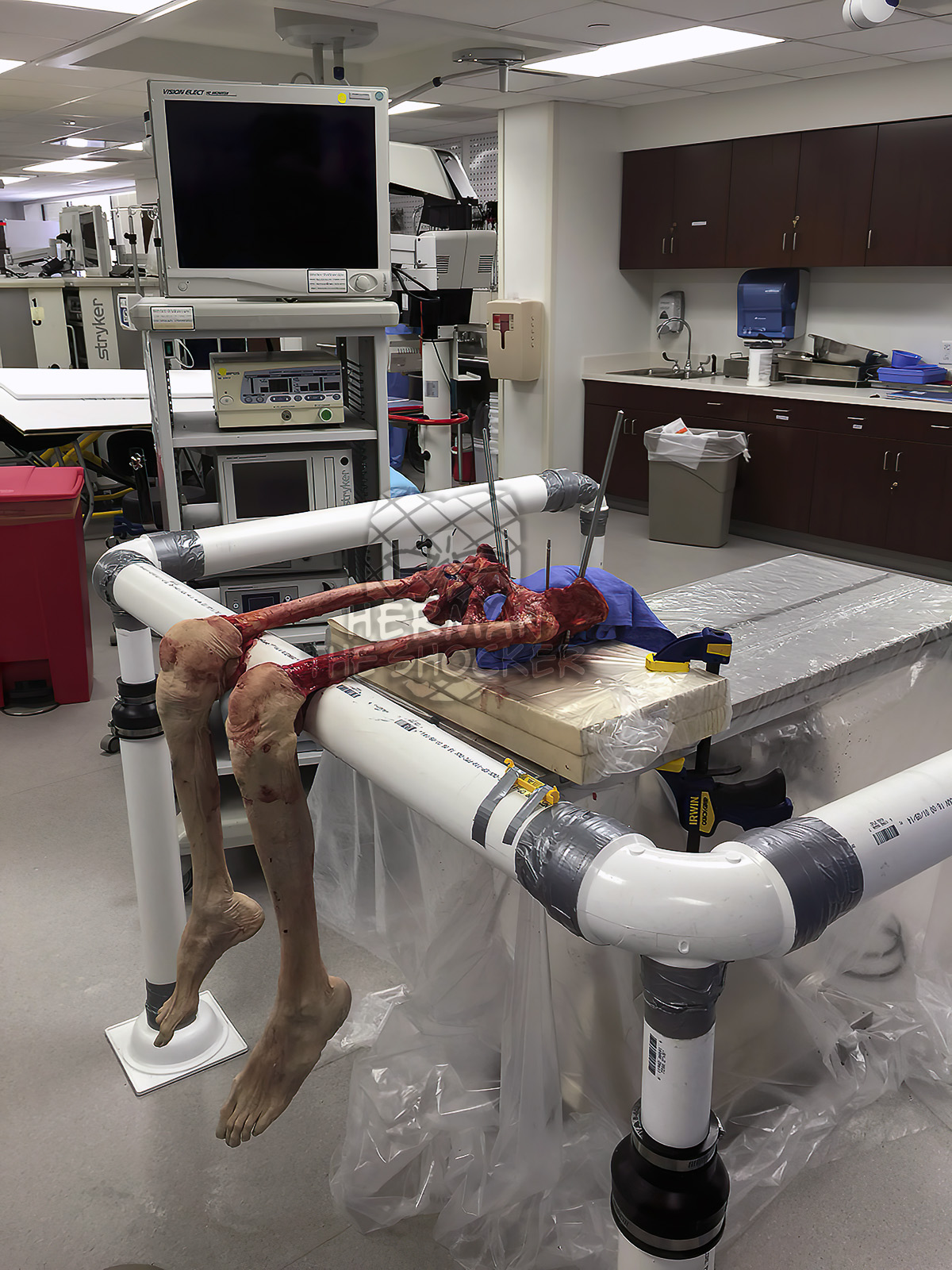 Fig.1 Cadaver testing specimens placed in supine position with pubic symphysis on the same horizontal plane as both anterior superior iliac spines and secured with holding pins. Hip internal and external rotation was measured with the hip placed into a combination of the following motions: 30°, 60°, 110° hip flexion and 0°, 20°, 40° abduction. Testing positions were randomized. The pubofemoral ligament was released and measurements were repeated, followed by releasing the ligamentum teres. Analysis of the 2,106 measurements recorded demonstrates the pubofemoral ligament as a main controller of hip internal rotation during hip flexion beyond 30° and abduction. 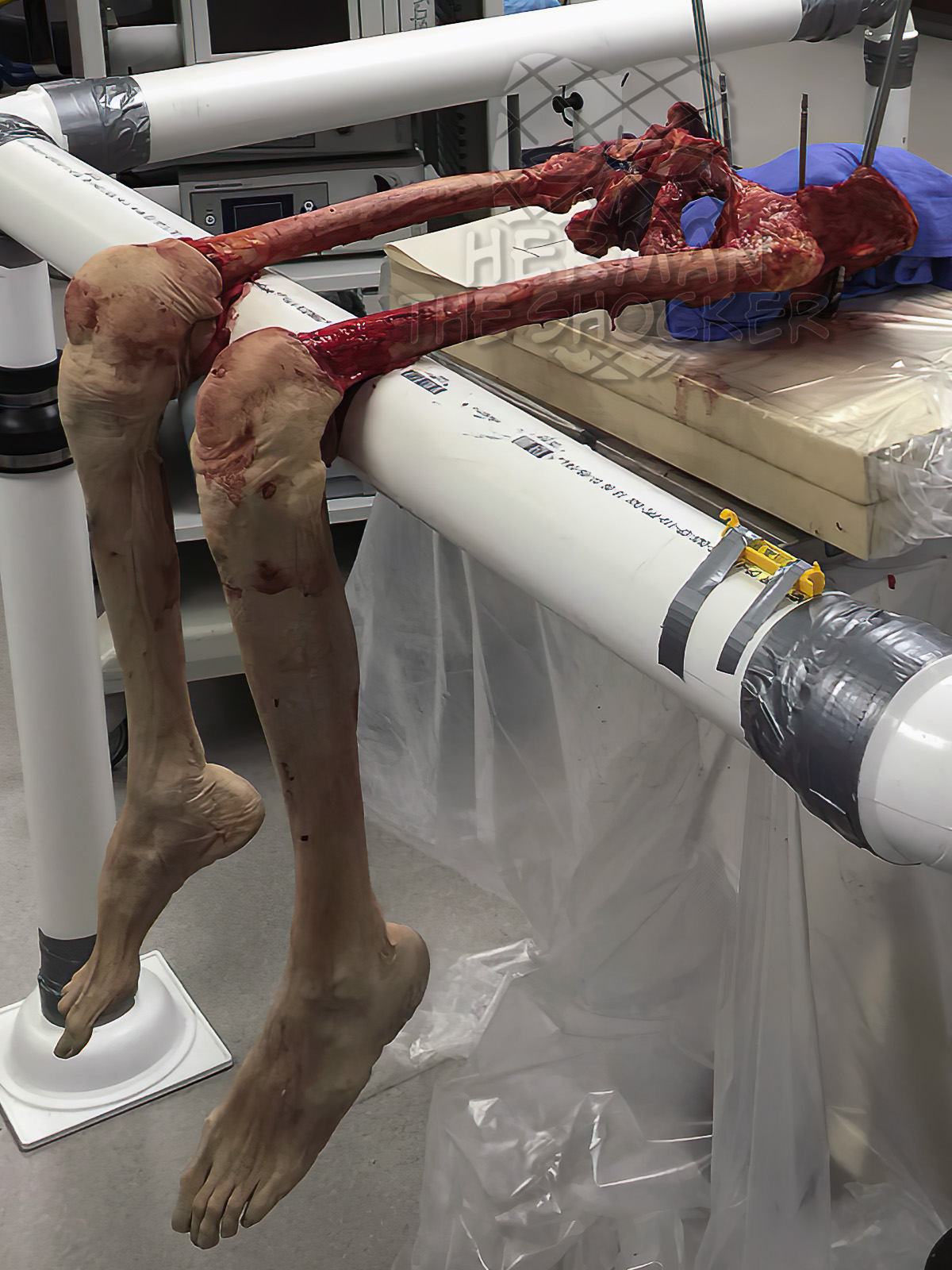 Fig.2 The cadaver testing setup. A frame was designed to hold the lower extremity in each measurement position while allowing unobstructed hip rotation. The hypothesis of the pubofemoral ligament as one of the contributing factors of anterior inferior hip stability by controlling external rotation of the hip in flexion beyond 30° and abduction was disproved. The pubofemoral ligament maintains a key function in limiting internal rotation in the position of increasing hip flexion beyond 30° and abduction. This cadaveric study concludes previous attempts at understanding the anatomical and biomechanical function of the capsular ligaments and their role in hip stability. The study contributes to the understanding of hip stability and biomechanical function of the pubofemoral ligament. - This post is for educational purposes only and is nonprofit. Under Section 107 of the US Copyright Act of 1976; Allowance is made for "Fair Use" for purposes such as criticism, comment, news reporting, teaching, scholarship, and research. OP is not a medical expert. No copyright infringement intended. This post does not encourage or glorify violence/harassment. Images might have been upscaled and enhanced. Text might have been shortened and simplified/reorganized for online view. |
|
#4
●
06-08-2021, 01:50 AM
|
 My Rank: SERGEANT Poster Rank:1006 Join Date: Jul 2011 Posts: 694 694Posts 1,345Thanked 178Quoted 0Mentioned 0Contrib. |
|
Re: When You Sitting on the Examination Table Waiting for Your Doctor
Who ever made this contraption has watched a lot of McGyver.....lol I wonder how much science has benefitted from duct tape....lolol  |