|
#1
●
06-13-2021, 08:18 AM
|
 Für Immer Verloren Poster Rank:50 Boredom + Despair Join Date: Sep 2017 Posts: 30,197
Contributions: 743
30,197Posts 192,615Thanked 10,332Quoted 136Mentioned 743Contrib. |
|
Dog Attacks on People
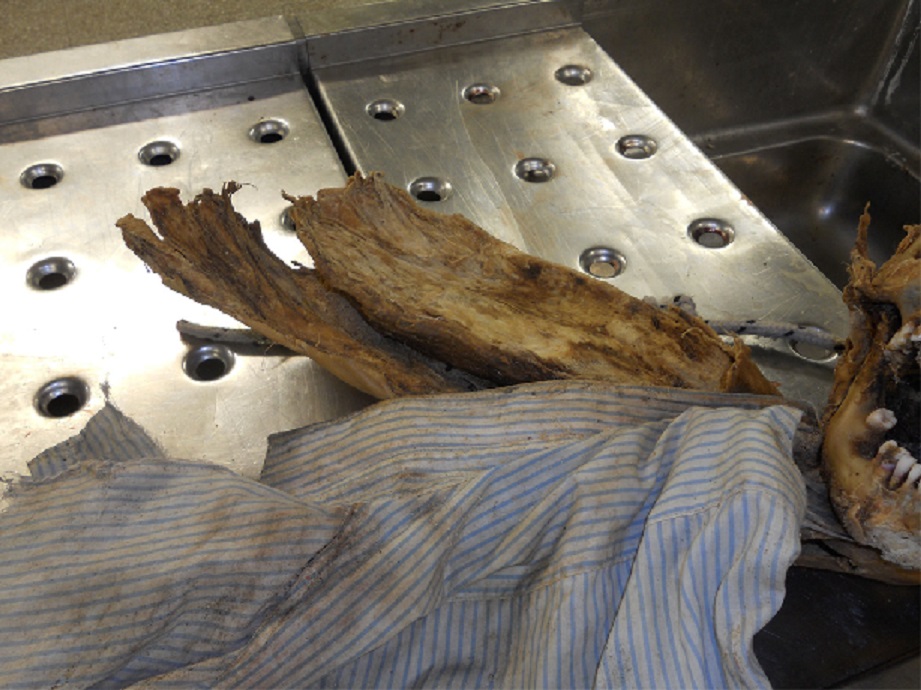 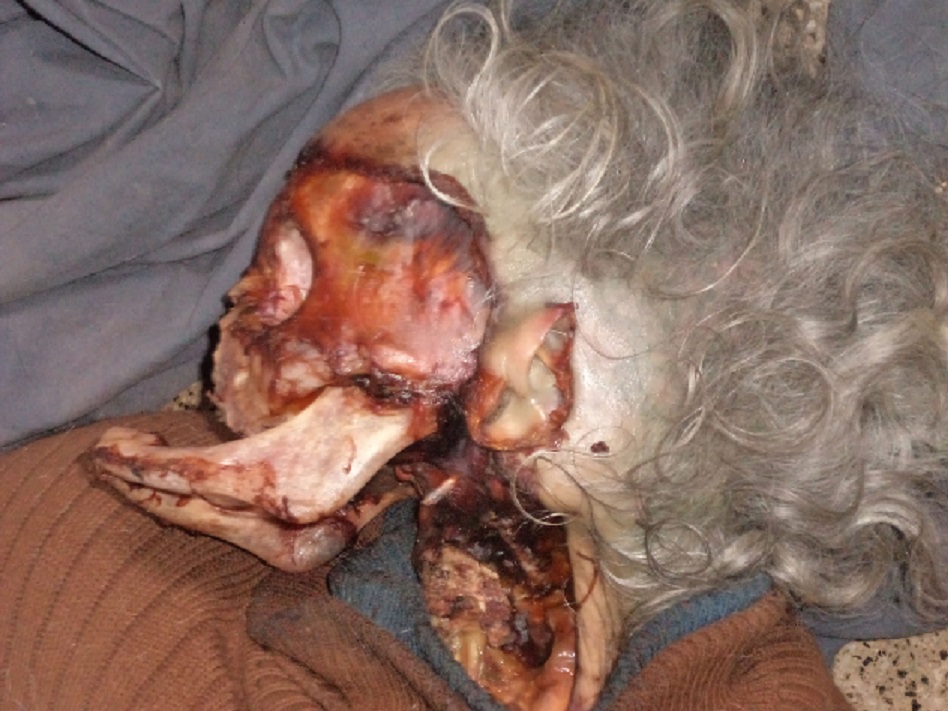 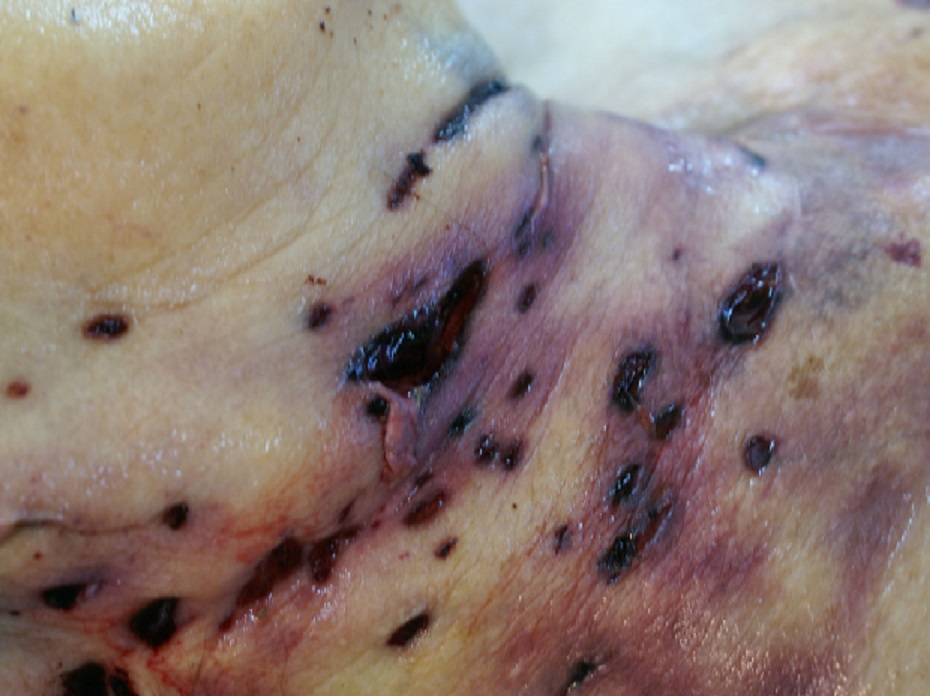 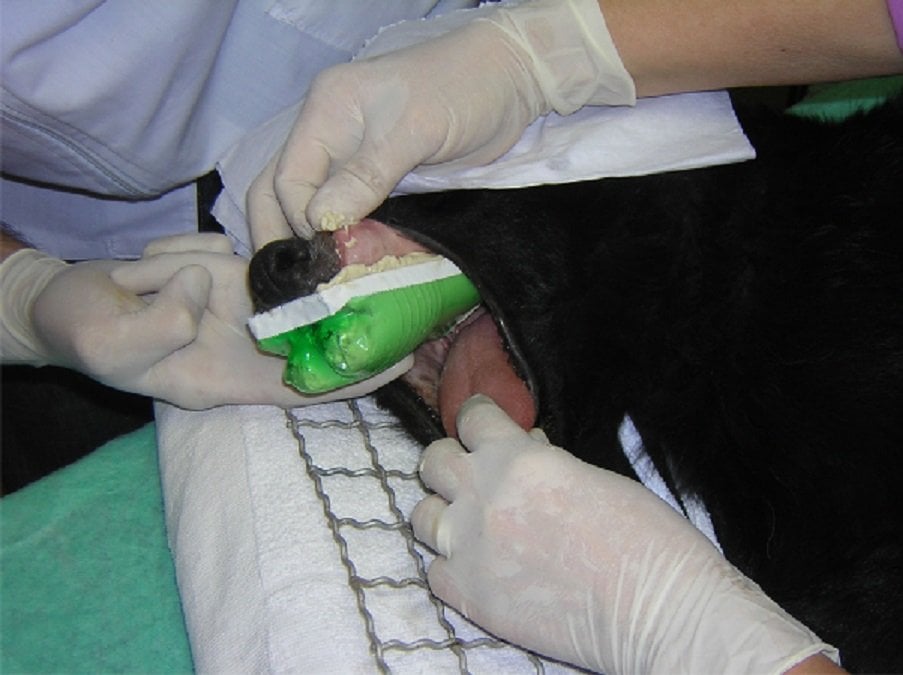 
__________________ "I'd give the world for the chance just to see your face again. Still I pretend that you're still standing by." |
|
#2
●
06-13-2021, 09:27 AM
|
 ✝Mudderator from Hell✝ Poster Rank:10 e-mail Join Date: Oct 2006 Posts: 96,817
Contributions: 903
96,817Posts 544,565Thanked 10,390Quoted 479Mentioned 903Contrib. |
|
Re: Dog Attacks on People
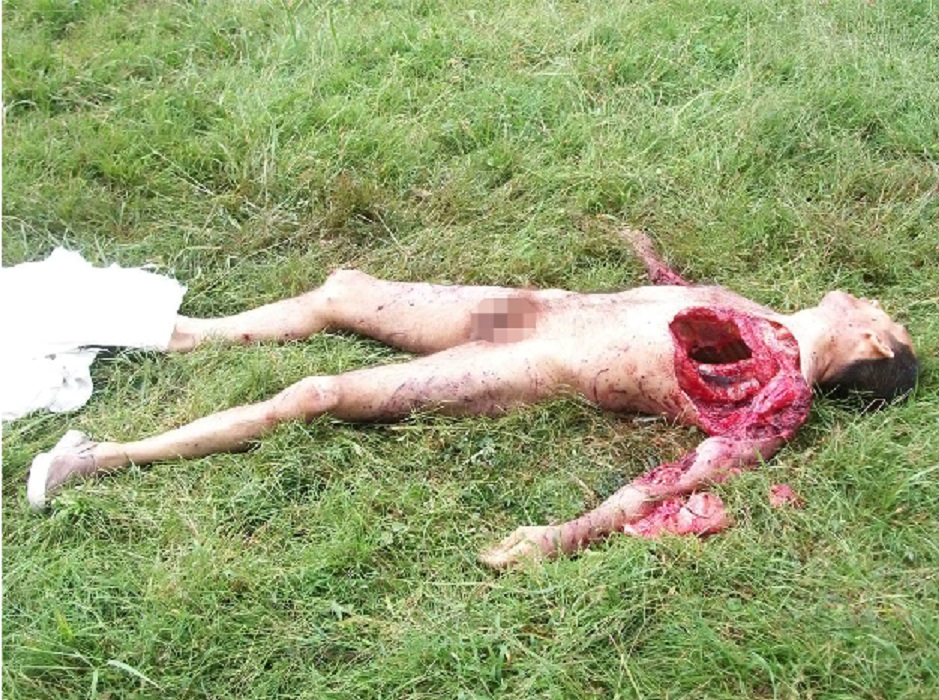
vicious attack on the last one  |
|
#3
●
06-27-2021, 05:15 PM
|
 ★ Legacy Member ★ Poster Rank:325 Female Join Date: Jul 2009 Posts: 3,997 3,997Posts 2,888Thanked 6Quoted 2Mentioned 0Contrib. |
|
Re: Dog Attacks on People
Example No. 2: I've said before, always feed your dogs before you get incapacitated in any way. I know that dogs who have attacked people are destroyed, but what would have happened to the dogs who ate the old lady's face? Are they put down, too? |
|
#4
●
07-11-2021, 01:30 AM
|
 My Rank: MASTER GUNNERY SERGEANT Poster Rank:352 Manly Man Join Date: Sep 2017 Posts: 3,601 3,601Posts 12,428Thanked 700Quoted 0Mentioned 0Contrib. |
|
Re: Dog Attacks on People
Yeah it says above..."The public prosecutor’s office ordered the euthanasia of both animals to prevent the recurrence of this feeding behaviour. "
|
|
#5
●
07-11-2021, 04:20 PM
|
 My Rank: CORPORAL Poster Rank:1731 female Join Date: Aug 2011 Posts: 309 309Posts 475Thanked 64Quoted 0Mentioned 0Contrib. |
|
Re: Dog Attacks on People
at an animal hosp i used to work at, there was an eng bulldog that was stuck inside with his dead owner for like a week.. and of course the dog started eating the dead owner. from what i can remember, the dog went to live with the owners sister in another city.
|
|
#6
●
07-30-2021, 01:28 PM
|
 My Rank: CORPORAL Poster Rank:1668 Slave to the Rhythm Join Date: Aug 2015 Posts: 331 331Posts 636Thanked 86Quoted 0Mentioned 0Contrib. |
|
Re: Dog Attacks on People
Damn...Argentinas got to get those Cujo's under control...fuck me!!!
|