There are 3 main ways how Russia will get its microchips:
Domestic Production
Regular Imports
Unorthodox methods, such as getting chips from consumer products and appliances.
Each point shall be investigated individually.
Domestic Production
Domestic production of chips in Russia is limited, with Mikron and Angstrem being the only major companies in the industry. Both have faced significant setbacks due to a military focus on chip production, and Russia's inability to match the success of Western commercial entities in this sector. While the first company barely developed chips 20-30 years behind in capability, the second one went bankrupt. The military focus in chip production has meant failure for Russia compared to the success of Western commercial entities, dating back to Soviet times.
Regular Imports
Western Countries/Allies
Imports from Western countries are now subject to export restrictions and supply from countries like Taiwan, USA, Germany, and Japan has dried up dramatically. Germany especially was a significant exporter of chips to Russia before the full-scale invasion.
However, the river is not completely dry. Between April and October 2022, an Estonian company Elmec OÜ exported to Russia USD 17 million worth of electronic components including chips. The company's GM said most of those goods were part of contracts signed before the war.
China: The supply of chips from Western countries and allies has diminished significantly due to export restrictions. Imports from China have become the primary source, with over 70% of Russia's semiconductors coming from China and demand increases. However, there are still some problems with China being the main microchip supplier due to several factors:
China is facing its own chip shortage thanks to Zero-Covid and supply chain issues.
Russians report 40% failure rates and slower speed on Chinese chips (pre-invasion 2%) - speculations that the Chinese dump defective product in Russia.
Russia is also buying from unofficial Chinese chip markets as major businesses have left Russia.
Unorthodox Methods
The many ways of sanctions bypass:
According to Trap Aggressor (18), from 2014 on, Russia has found 31 unique ways to avoid sanctions and restrictions: abusing weak points in sanctions policy, hiding data on companies, implementing legislative changes, fulfilling contracts that were signed before sanctions were enforced, using offshore companies, etc.
Some of these ways might include:
Front companies
Third party suppliers
Transshipments
Consumer tech exceptions
Front Companies
One of the ways in which Russia is receiving its microchips is through different front companies. These are fully operational companies that serve to conceal and obscure the true activities of other actors. They are different from shell companies, which are usually dormant companies with little activity. It is important to note that most of these companies are based in Hong Kong and Turkey.
Pixel Devices Ltd
One case that has drawn attention is that of "Pixel Devices Ltd,"(1) a company that was founded in 2017 by a Russian citizen with a Hong Kong passport.
Pixel Devices is owned by a Singaporean company called Asia Global Neolink Pte Ltd, which is, in turn, owned by a Seychelles-based company called White Wings Ltd. These are essentially front companies packaged in shell companies, which makes it difficult to trace the true ownership and the ultimate beneficiaries of the sales.
Since April 2022, Pixel Devices has exported over USD 200 million worth of electronics to Russia, most of which are likely to be microchips used in military equipment. The company's primary customer is a St. Petersburg-based Russian company called "OOO KompLiga." In fact, OOO KompLiga almost exclusively buys from Pixel Devices.
The key assumption is that Pixel Devices is likely to be sourcing microchips from countries other than Russia, such as China or South Korea, and then exporting them to Russia. It is also possible that Pixel Devices is producing the microchips itself, although this seems less likely given the company's relatively recent founding.
The fact that Pixel Devices is using front companies packaged in shell companies suggests that the company may be trying to hide its true ownership and the ultimate beneficiaries of its sales. This could indicate that Pixel Devices is involved in illicit activities, such as evading sanctions.
SMT-iLogic LLC
Russia is also obtaining microchips used in their war efforts in Ukraine through a Hong Kong-based company called SMT-iLogic LLC. The company has already been placed under sanctions [4] by the State Secretariat for Economic Affairs and mentioned in a report by Reuters [5].
SMT-iLogic has been sourcing its microchips from a range of Hong Kong companies, some of which have a history of evading sanctions and supplying military equipment to the Chinese government. These microchips are then exported to Russia through a single importer based in St. Petersburg with close ties to the Special Technology Centre. The importer, SMT-iLogic, shares an address with a drone manufacturer and has other business connections as well.
The owner of the importer, Anton Trofimov, is a Russian expatriate who graduated from a Chinese university and has diverse business interests in China, as well as a company in Toronto, Canada. Despite the sanctions and reports of their activities, business has been booming for SMT-iLogic this year. In the seven months since the Russian invasion of Ukraine in February, Asia-Pacific (the largest supplier to iLogic) has exported about $5.2 million worth of microchip parts, an increase in percentage from about $2.3 million in the same period in 2021.
Some of SMT-iLogic’s largest suppliers since the start of Russia’s invasion have been a range of Hong Kong, [8] companies, some with a history of evading sanctions and providing military equipment to the Chinese government. [2]
Фортап( Fortap)
The Russian importer Fortap (Фортап), based in St. Petersburg, has been circumventing sanctions imposed on Russia by importing millions worth of electronics, including U.S. computer parts. According to Russian customs records, the company, which was founded by a Russian businessman in April, has imported at least $138 million worth of electronics since its inception.
One of Fortap's biggest suppliers is a Turkish company, Bion Group Ltd Sti, which has expanded into wholesale electronics from its former textile trading business. This company has purchased electronics from Bion Group Ltd for over 138 million dollars [3].
The import of electronics from U.S. companies, such as Intel Corp, Advanced Micro Devices Inc (AMD), Texas Instruments Inc, and Analog Devices Inc, as well as the German company Infineon AG, are banned under the sanctions imposed on Russia. Despite this, these products have been imported into Russia via Fortap's operations.
The Russian importer's operations have raised concerns about the effectiveness of sanctions imposed on Russia and the need for stronger measures to be put in place to prevent their circumvention. Similarly, it is alarming that banned products continue to be supplied to Russia from Hong Kong, Turkey, and other places.
Transshipments
It is crucial to understand that Transshipment is a common technique used by countries to evade sanctions imposed by other nations. Russia is no exception, and it has been accused of using Transshipment to import computer chips and other goods that are under sanctions or export controls.
Transshipment is a process in which goods are shipped through an intermediary country, usually a neutral one, to hide the true destination of the goods. This allows the goods to bypass export controls and sanctions imposed by the destination country. In the case of computer chips, Russia has been accused of transshipping chips from China and other countries to hide the fact that they are ultimately intended for Russian companies that are under sanctions or export controls.
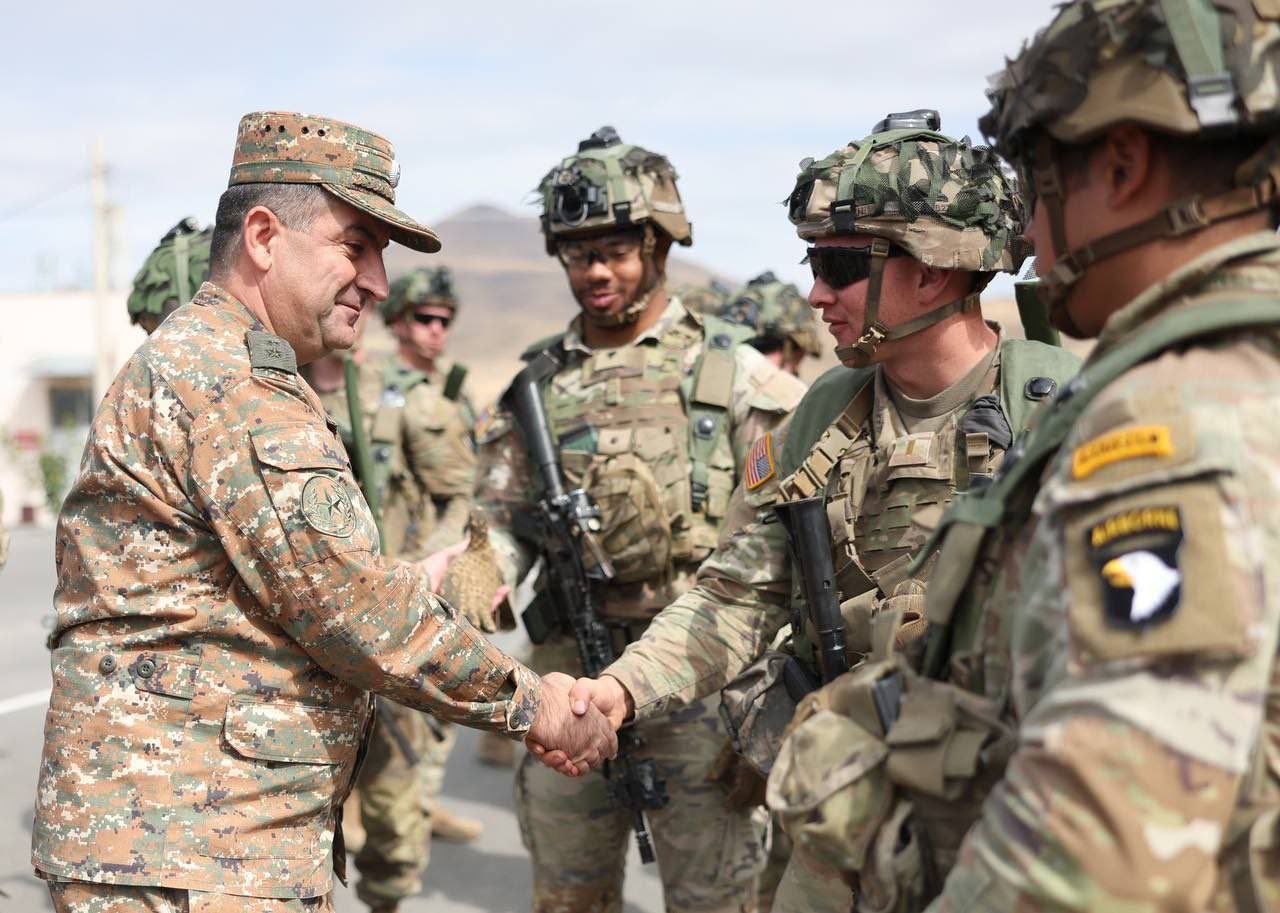
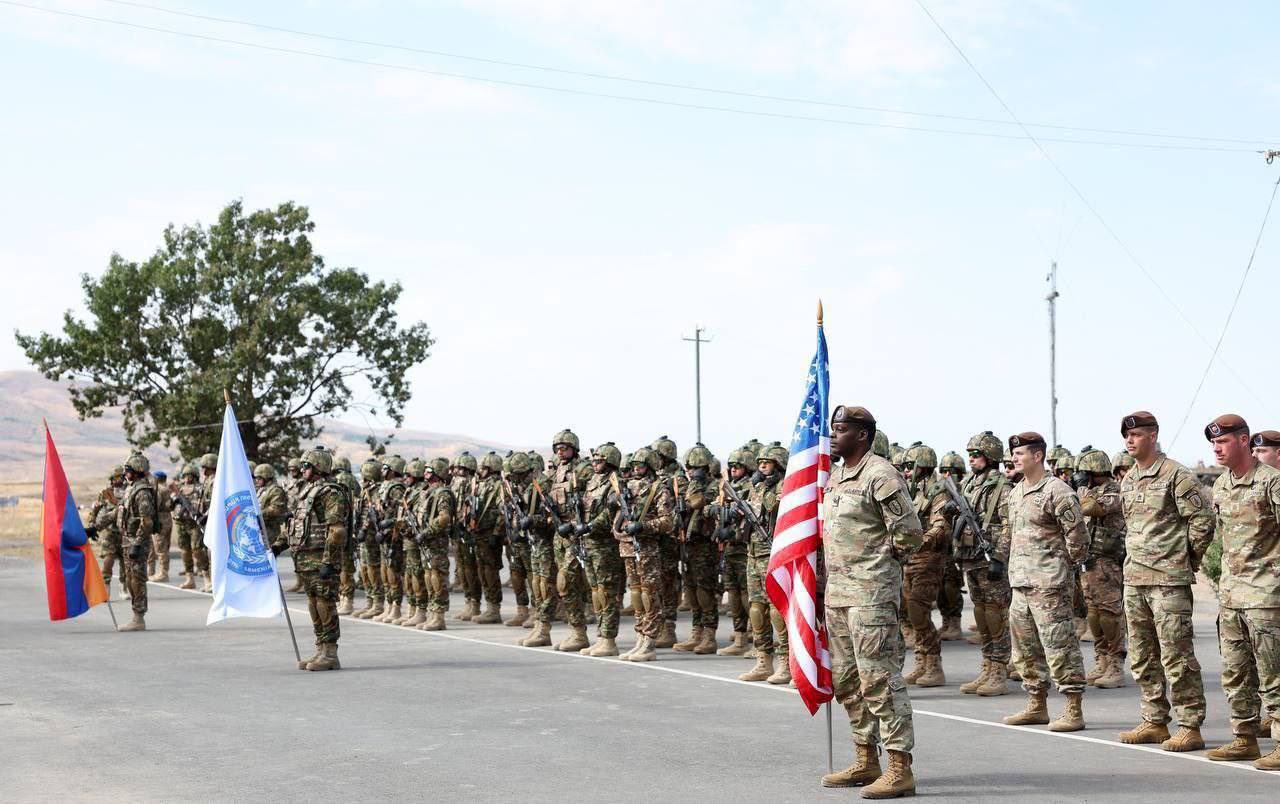
Such countries are Hong Kong, Turkey, Kyrgyzstan, Serbia, Armenia, and Azerbaijan.
Consumer Tech Exceptions
Russians are also harvesting chips from the different consumer tech which is being exported to Russia from various countries. The following are some of those chips which are needed by Russians:
LAN9221/LAN9221i: This chip is a low-power, small-footprint Ethernet controller commonly used in networking applications. It is often found in smart speakers, televisions, and other Internet-connected devices. Some examples of products that use the LAN9221/LAN9221i chip include the Google Nest Mini and the LG OLED65GXPUA television, as well as Microsoft Xbox One and Sony Bravia KD-49XE8004 (television).
Xilinx XC6VLX130T-3FFG1156C: This chip is a high-end field-programmable gate array (FPGA) commonly used in high-performance computing applications. It is often found in laptops, gaming consoles, and other high-end computing devices. Some examples of products that use the Xilinx XC6VLX130T-3FFG1156C chip include the Dell Precision 5820 Tower workstation, the Xbox One X gaming console, Dell Latitude E7440, and Sony PlayStation 3.
TEXAS INSTRUMENTS WIFI MODULE (WL18MODGB): This chip is a small, low-power WiFi module commonly used in Internet of Things (IoT) devices. It is often found in smart speakers, refrigerators, and other connected devices. Some examples of products that use the TEXAS INSTRUMENTS WIFI MODULE chip include the Amazon Echo Dot and the LG Smart InstaView refrigerator.
Gumstix GUM3703FEY: This chip is a small, low-power computer-on-module (COM) commonly used in embedded systems. It is often found in industrial control systems, robotics, and other specialized applications. Some examples of products that use the Gumstix GUM3703FEY chip include the ABB IRC5 robot controller and the Epos4 compact positioning controller.
SIM800C Cellular module: This chip is a low-cost, low-power cellular module commonly used in IoT devices. It is often found in smart home appliances, such as air purifiers and washing machines. Some examples of products that use the SIM800C Cellular module include the Xiaomi Mi Air Purifier and the Haier HWS80-14636 washing machine.
The way in which Russian weapons were made was investigated by The Royal United Services in 2022. They have found the systems of Russian missiles to contain at least 450 microelectronic components – which came from companies based in Europe, Asia, and the U.S. Most of these components were found to have come from U.S. companies. While Russia continues their war in Ukraine, there remains a requirement for them to gain access to these weapons while evading sanctions and export controls. Supply chains in this arena are notoriously weak and allow countries like Russia to penetrate those chains to gain access to fundamental technology and use it in military equipment. EuroNews found that the Orlan 10 UAV (otherwise known as the “Sea Eagle”), a relatively cheap and low-tech drone which has been directed to fire shells on Ukrainian positions daily, has used logistics from all around the globe in its construction. This confirms that the Special Technology Centre which produces the Orlan is manufacturing drones regardless of sanctions which have been imposed by the U.S. since 2017. As we’ve mentioned earlier, involved in the providing of this equipment is the company SMT iLogic by way of Asia Pacific. The company has sold chips worth $1.8 million made by Analog Devices, $641,000 from Texas Instruments and from Xillinx, $238,000. Many companies have stated that companies like SMT iLogic and Asia Pacific are not authorised distributors of their equipment.
A US-Russian citizen in Florida also owns a company that has sold technology to iLogic and other Russian companies between 2018 and 2021. While federal law banned these sales, the company, IK Tech, found a way around. Despite this man having been arrested in early 2022 and charged, he claimed to be one of many companies that are skirting sanctions to assist Russian-made military equipment. The export controls currently aimed at Russia are among the strongest so far from the countries participating in sanctioning Russia. As U.S. export controls are applied to chips produced in the U.S. but also any location abroad, if those producers are using U.S. equipment, then export controls also apply to them. It would make it difficult for any producers using U.S. equipment to export to Russia as it would put their own supply of U.S. equipment in jeopardy. These rules have forced the Russian military to occasionally use computer chips from dishwashers and from fridges to bolster their military equipment.
As the country remains reliant on equipment from NATO states and other Western allied nations, obtaining equipment from abroad remains difficult. Furthermore, the country has been unable to kickstart their own semiconductors industry fast enough to cope with the pressure of the invasion. While in the process of launching their own industry, two companies have emerged – Baikal Electronics and Moscow Centre for SPARC Technologies – however, both companies use Western equipment which makes their situation strenuous since the start of the war. The same can be said of the aforementioned Mikron group which has been experiencing difficulties getting supplies and has lost access to receiving foreign equipment. In addition to the U.S. banning U.S. made equipment from reaching Russia, the EU and the U.K. have also followed suit. The focus of Western nations to stifle the Russian military in this manner can dampen their success on the battlefield as well as moving forward.
However, Russia has decided to align with China in hopes of manufacturing their components along with the Chinese. While the goal for the country is to completely onshore the production, it seems more difficult than imagined. There is a lack of workforce, and the war has led to a brain drain in the country. As the process of creating the necessary microchips requires globalised supply chains, due to Russia’s isolation on the world stage, it has become exceedingly difficult for them to support themselves and become self-sufficient in this industry. As Russia’s weapons from Iskander-M, the Kh-101 and the Kalibr are all reliant on British-made components and parts of Russia’s tactical communication use components from other Western nations, there seems to be a real problem in the future for the government. The goal of the country is then once again to shift to China. However, the U.S. warning China not to help Russia avoid these sanctions must present a concern for the Russian military as semiconductors are also of vital importance to China. China themselves are focusing on becoming self-sufficient in the microchips industry. While the goal for this country is to have technological independence from the West, this is currently not the case and for Beijing, they would rather not strain these relations.
As the Russian military continues to struggle under the export controls that we’ve explored in this investigation, they examine how they can evade the controls. An investigation in the Netherlands from the NOS found that microchips from Dutch countries are still ending up in Russia. These chips have come to be found in weapons of the military. They mainly come from NXP (Eindhoven) and Nexperia (Nijmegen). Russian companies have been found to go through intermediaries that have ended up in the hands of the Russian military. In another investigation, journalists found that Chinese companies are specifically evading export controls to export chips to Russia. There has been no decline in exports visible from their investigation. These chips have been found in different drones and also in armored helicopters and cruise missiles.
The Dutch companies NXP and Nexperia state that they are powerless as to where their chips may end up through parallel trade once they are sold. Their investigation found that in November 2022, 2 million chips made it to Russia from various companies, 60,000 of which came from Dutch companies NXP and Nexperia. While there cannot be clarity as to how many chips are ending up in the Russian military and not simply in refrigerators or in washing machines, it is definite that there is a need for these weapons. Apart from small companies that ship chips to Russia via mail, there are also companies in Asia involved in reselling chips in Russia for high profit margins. One such company is Sinno Electronics which has so far escaped punitive measures from the EU, though a report from Reuters states that sanctions may soon be implemented.
In the meantime, however, this becomes very difficult to tackle at the border and only one prosecution has been made by the Dutch Public Prosecution Service so far.
More about the drone:
https://www.militarytoday.com/aircraft/forpost.htm