|
#1
●
12-12-2010, 01:00 PM
| ||||||||
 My Rank: GUNNERY SERGEANT Poster Rank:622 Male Join Date: Mar 2010 Posts: 1,473 Mentioned: 0 Post(s) Quoted: 3 Post(s)
| ||||||||
|
2005 Kashmir Earthquake
It registered a moment magnitude of 7.6. The 2005 Kashmir Earthquake was a major earthquake centered in Pakistan-administered Kashmir known as Azad Kashmir, near the city of Muzaffarabad, affecting Gilgit-Baltistan and Khyber-Pakhtunkhwa province of Pakistan. Well over US$ 5.4 billion in aid arrived from all around the world. US Marine and Army helicopters stationed in neighboring Afghanistan quickly flew aid into the devastated region. Five crossing points were opened on the Line of Control between India and Pakistan to facilitate the flow of humanitarian and medical aid to the affected region, and international aid teams from around the world came to the region to assist in relief. Most of the casualties resulting from the earthquake were in Pakistan, where the official confirmed death toll was 74,698. International donors have estimated that about 86,000 died, but this has not been confirmed or endorsed by Pakistani authorities. Muzaffarabad, the state capital of Kashmir, was hardest hit in terms of casualties and destruction. Hospitals, schools, and rescue services including police and armed forces were paralyzed. There was virtually no infrastructure and communication was badly affected. More than 70% of all casualties were estimated to have occurred in Muzaffarabad. Bagh, the second most affected district, accounted for 15% of the total casualties. A total of $6.2 billion was pledged and a large amount of the money was delivered in terms of services of international NGOs with high pay scales. The rest of the money pledged, which was given to the Government of Pakistan for reconstruction and development, was used by a reconstruction authority called ERRA which was made by then military regime to accommodate the retired high military official and while keeping the command of the reconstruction and rehabilitation authority directly under the military. This authority has highly been criticized for luxurious non-developmental spending and its false statistics. Only practical reconstructions and rehabilitations were done by the foreign governments including Turkey, Japan and Saudi Arabia and UAE. UN, US and UK organizations came under criticism for not doing or taking practical rather focusing on training and seminars costing millions and high salaries. The basic infrastructure—including tertiary care, health, education, road networks, water supply, waste management and other basic needs—is still underdeveloped and has not reached pre-earthquake status in the region. 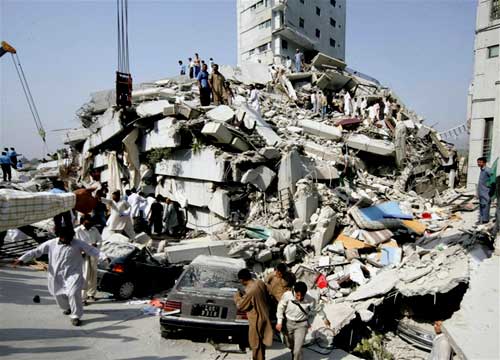 · 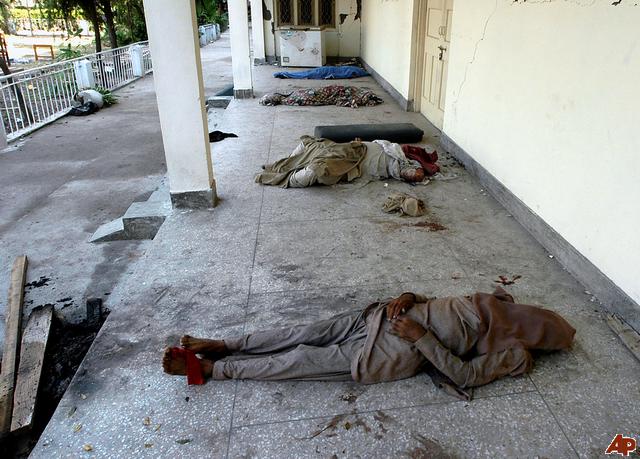 · 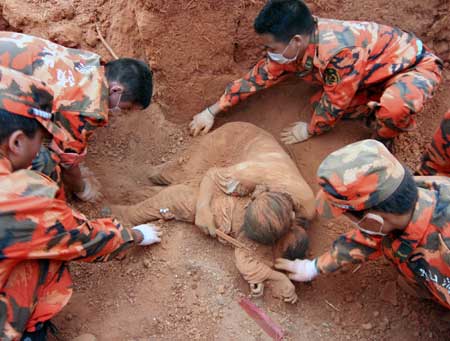 · 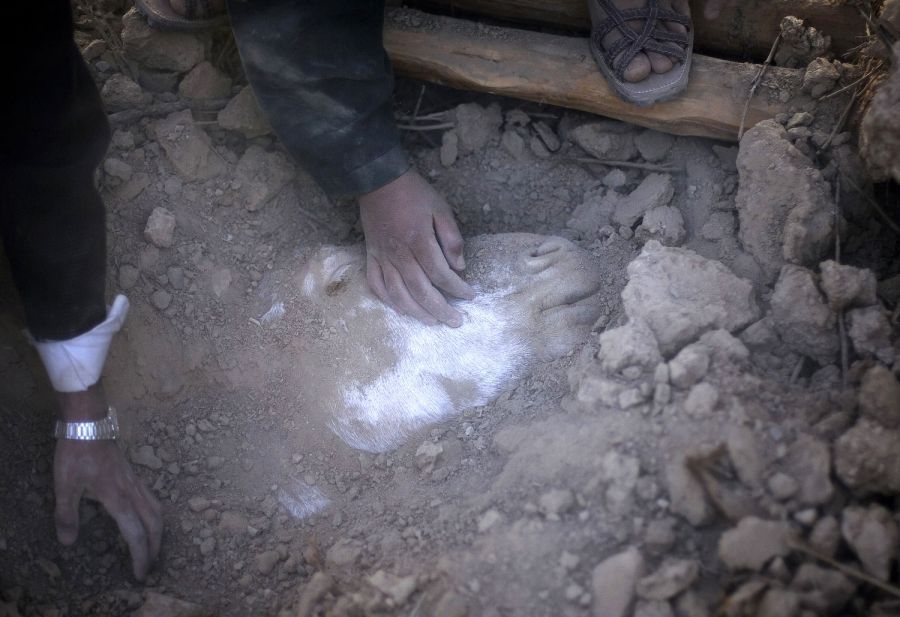 · 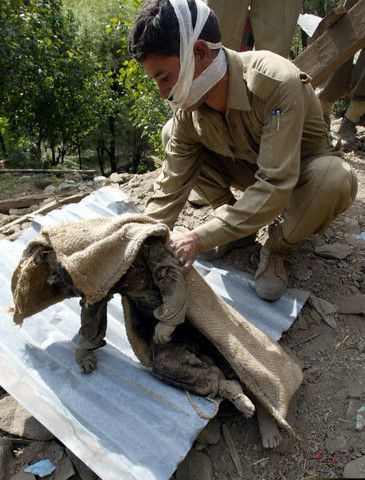 · 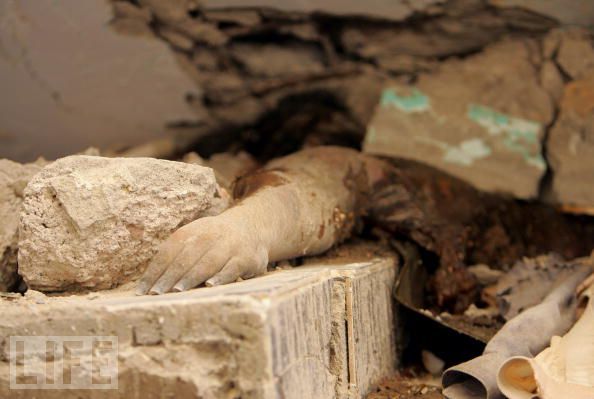 · 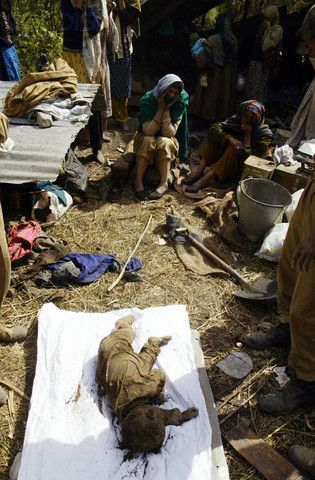 · 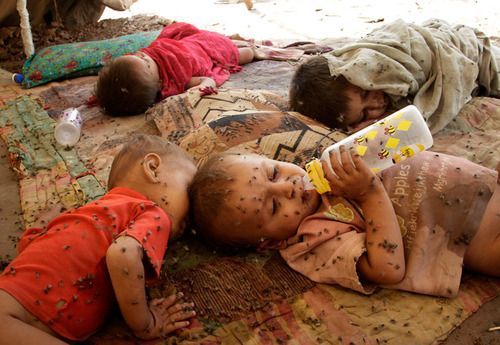 · 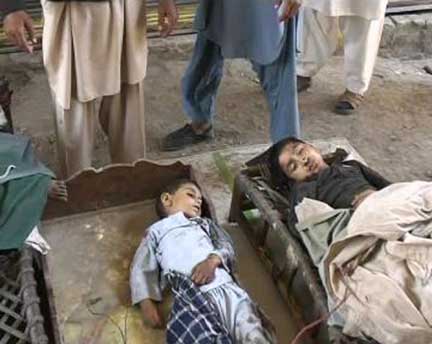 · 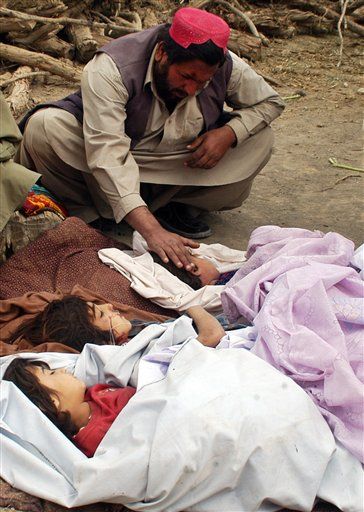 · 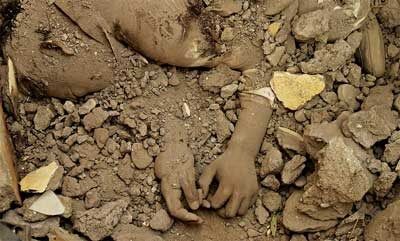 · 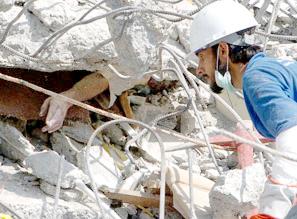 · 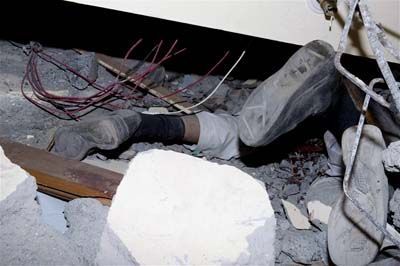 · 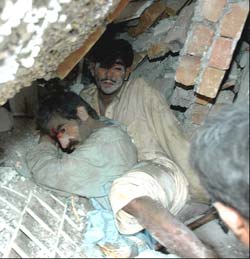 · |