|
#1
●
06-18-2015, 11:18 PM
|
 ★ Legacy Member ★ Poster Rank:72 male Join Date: Apr 2010 Posts: 21,206
Contributions: 1
21,206Posts 24,311Thanked 4,957Quoted 52Mentioned 1Contrib. |
|
Pictures From The 1950 Broken Arrow Crash Site
In the early hours of February 14, 1950, an event unfolded over the remote wilderness of northwestern British Columbia, Canada. A Convair B-36B assigned to the US 7th Bombardment Wing based at Carswell Air Force Base in Texas, crashed on Mount Kologet. This incident marked the first recorded loss of a nuclear weapon in history. The Convair B-36B had been en route from Eielson Air Force Base near Fairbanks, Alaska, to its home base at Carswell AFB, Texas. The mission, shrouded in secrecy, involved a simulated nuclear attack on San Francisco as part of a larger exercise. The aircraft was carrying a Mark 4 atomic bomb, containing a substantial quantity of natural uranium and 5,000 pounds of conventional explosives. Notably, the USAF later clarified that the bomb did not contain the plutonium core required for a nuclear detonation. The flight plan called for the B-36 to traverse the North Pacific, skimming the coast of Alaska, then heading inland over Washington state and Montana. The aircraft was scheduled to climb to 40,000 feet (12,000 m) for a simulated bomb run over southern California and San Francisco before continuing its non-stop flight to Fort Worth, Texas. Significantly, the flight plan did not include any intention of entering Canadian airspace. However, as the aircraft journeyed through frigid conditions, with temperatures plummeting to -40°F on the ground at Eielson AFB, it faced severe mechanical challenges. Approximately seven hours into the flight, three of its six piston engines began to emit flames and were subsequently shut down. The remaining three engines struggled to deliver full power. The subsequent investigation attributed these issues to ice buildup in the carburetor air intakes. Recognizing that the aircraft couldn't maintain altitude with three engines out of commission while carrying its heavy payload, the crew made the harrowing decision to abandon ship. In a desperate move, they jettisoned the Mark 4 atomic bomb, which detonated mid-air, resulting in a significant conventional explosion over the Inside Passage. Notably, the USAF later revealed that the bomb contained a fake practice core at the time of its release. Throughout the flight, the aircraft had maintained regular radio contact with Strategic Air Command headquarters at Offutt AFB, Nebraska. Within minutes of the crew's bailout, the Royal Canadian Air Force launched Operation Brix to locate the missing men. However, challenging weather conditions hindered their search efforts. Ultimately, 12 of the 17 men aboard were found alive, a testament to their survival skills and the dedication of the search and rescue teams. Tragically, five crew members did not make it. One of them, the weaponeer, was rumored to have been discovered at the crash site four years later in 1954. The fate of the remaining four airmen remained a mystery, as it was presumed they had landed in the ocean and succumbed to hypothermia. 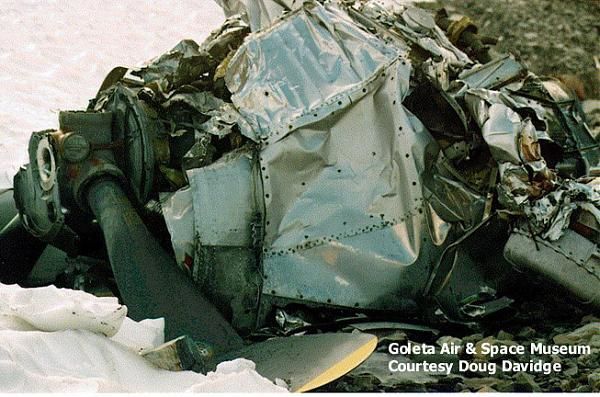 · 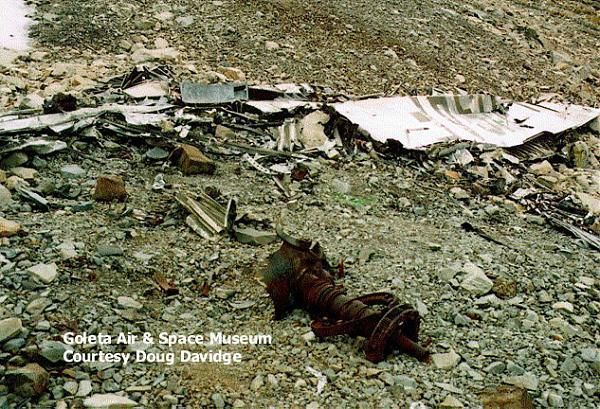 · 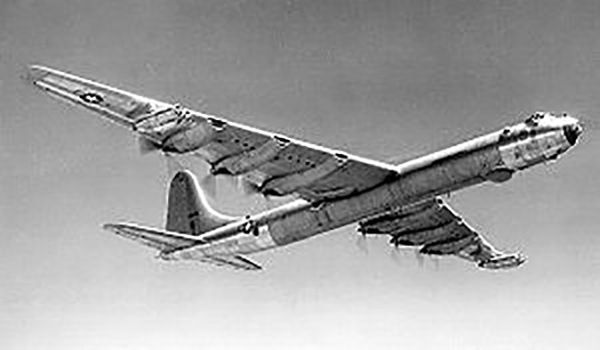 · 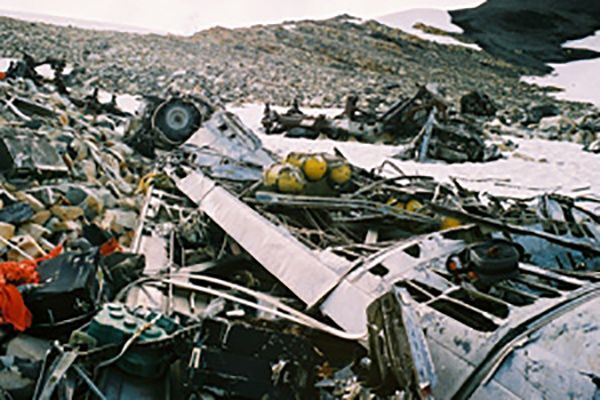 · |