|
#1
●
03-19-2009, 03:07 AM
| ||||||||
 ✖ The Antique Christ ✖ Poster Rank:106 Gonzo Punk Join Date: Jan 2009 Posts: 15,478
Contributions: 58
Mentioned: 23 Post(s) Quoted: 2046 Post(s)
| ||||||||
|
Children's Holiday on Bashkirian Airlines Flight 2937
On July 1, 2002, Bashkirian Airlines Flight 2937 was traveling from Moscow to Barcelona when it collided in mid-air with DHL Flight 611 over southern Germany near the town of Überlingen. Flight 2937 was a Tupolev Tu-154 carrying 60 passengers and nine crew members, while the DHL aircraft was a Boeing 757 cargo plane with two pilots on board. Both aircraft were destroyed in the collision, killing all 71 people on board. The tragedy was especially devastating because many of the passengers on the Russian aircraft were children. Forty-five of the passengers were schoolchildren from Bashkortostan who were traveling to Spain for a vacation after being recognized for their achievements in school and competitions. Their trip had already been delayed after they missed an earlier flight, and another aircraft was arranged to take the group to Spain. Investigators later found that several problems contributed to the collision. Only one air traffic controller was actively handling the aircraft at the time, while parts of the air traffic control system were undergoing maintenance. The controller instructed the Russian aircraft to descend, while its onboard collision avoidance system gave the pilots a conflicting instruction to climb. The DHL crew followed their collision avoidance system and descended, placing both aircraft on a collision course. The investigation later highlighted serious problems with air traffic control procedures and how pilots were expected to respond when instructions from controllers conflicted with onboard warning systems. The accident also had a tragic aftermath. Vitaly Kaloyev, a Russian architect who lost his wife and two children in the crash, later confronted air traffic controller Peter Nielsen at his home in Switzerland. On February 24, 2004, Kaloyev stabbed Nielsen to death. He was later convicted of the killing. The Überlingen collision ultimately led to changes in aviation procedures, including clearer rules stating that pilots should follow their aircraft's collision avoidance system when its instructions conflict with directions from air traffic control. 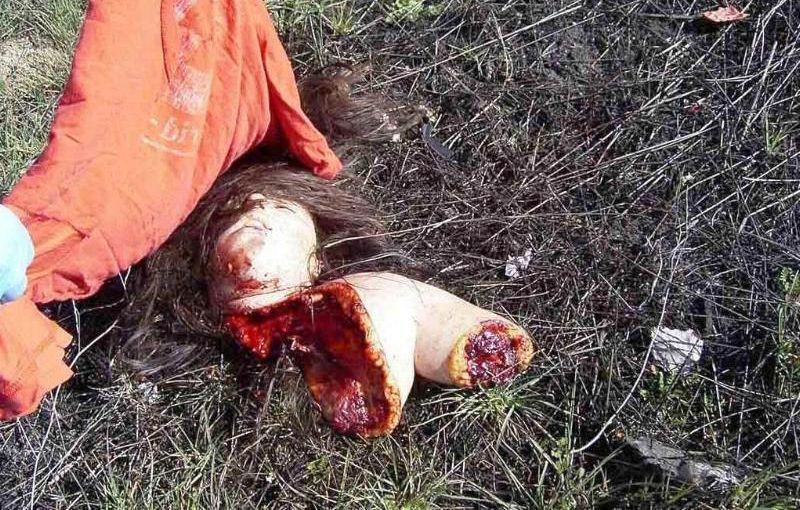 · |
|
#4
●
03-26-2009, 09:18 AM
| ||||||||
 My Rank: LANCE CORPORAL Poster Rank:3329 male Join Date: Mar 2009 Posts: 109 Mentioned: 0 Post(s) Quoted: 2 Post(s)
| ||||||||
|
Re: Children's Holiday on Bashkirian Airlines Flight 2937
id have killed him too if that was my wife,shit id turn mass murderer if that was my wife
|