|
#1
●
11-18-2014, 02:34 PM
|
 They Lied. There ALL LIES Poster Rank:314 <--We Did It. So Can You Join Date: Mar 2013 Posts: 4,144
Contributions: 78
4,144Posts 9,704Thanked 894Quoted 23Mentioned 78Contrib. |
|
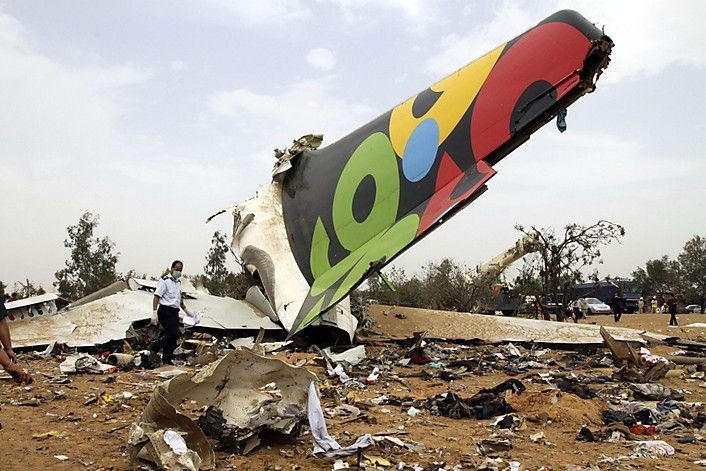
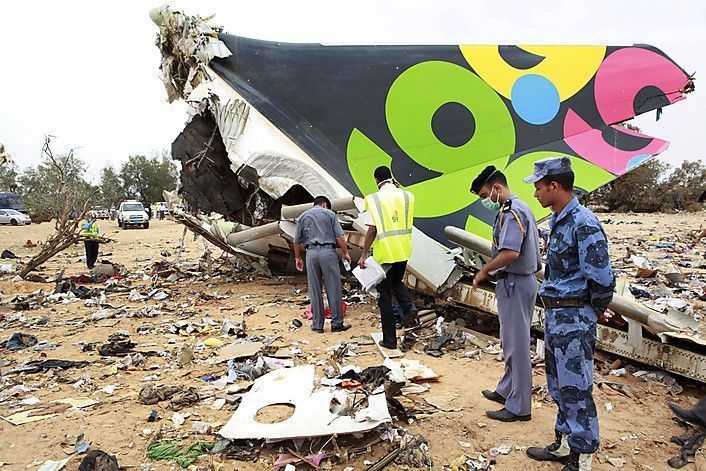
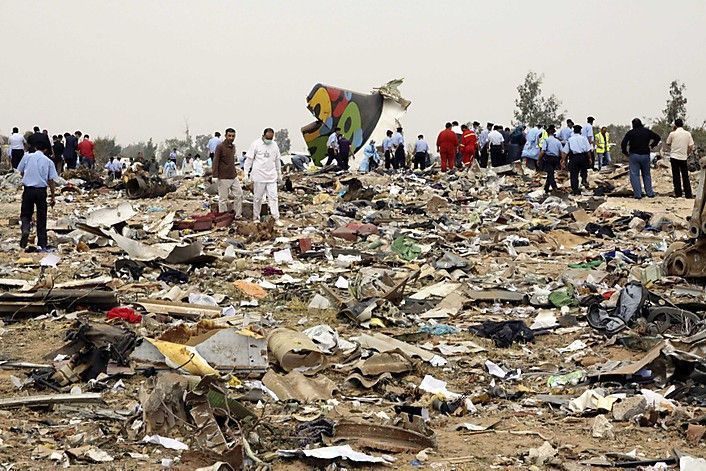
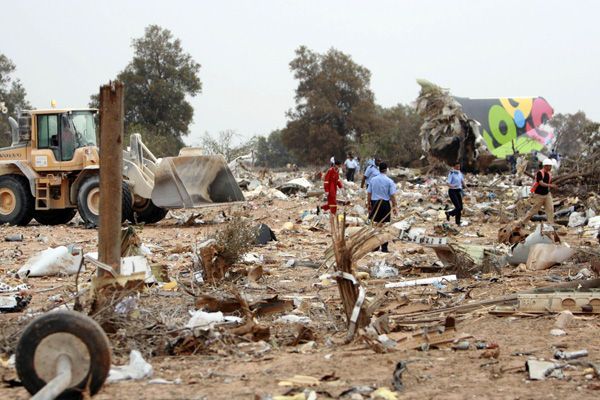
Afriqiyah Airways Flight 771 Crashes in Tripoli, Libya
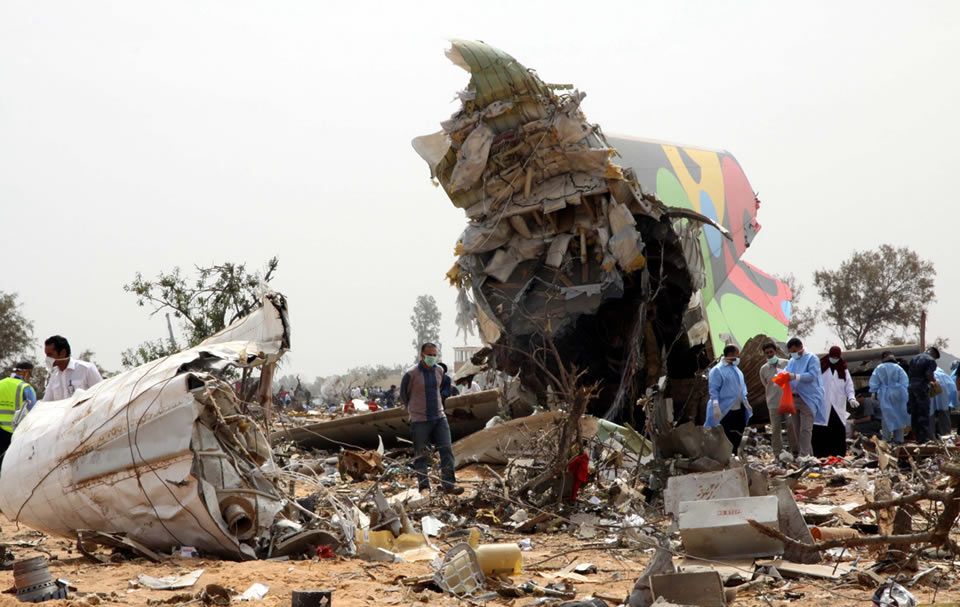
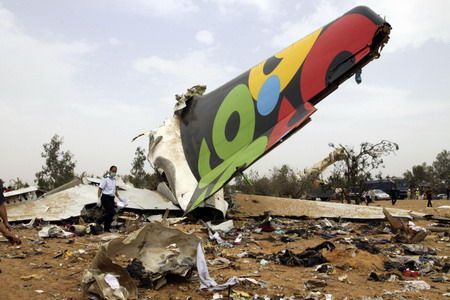
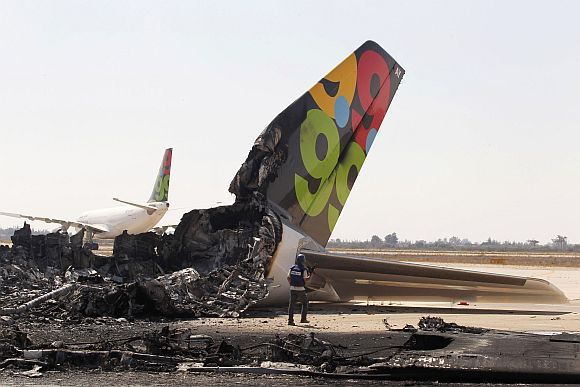
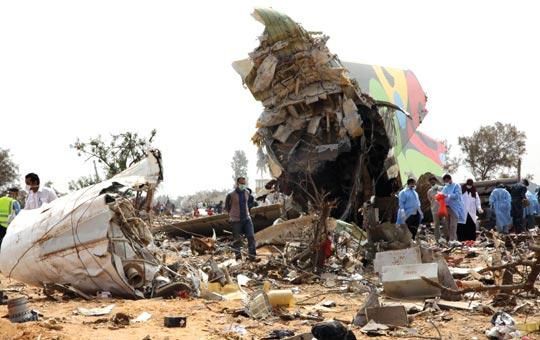
Afriqiyah Airways Flight 771, on a scheduled international journey from Johannesburg, South Africa, to Tripoli, Libya, met with a tragic end on May 12, 2010. The Airbus A330-202 aircraft, carrying 93 passengers and 11 crew members, crashed approximately 1,200 meters short of the runway at Tripoli International Airport at about 06:01 local time. The crash claimed the lives of 103 people, sparing only a 9-year-old Dutch boy, the sole survivor of the incident. The aircraft, registered 5A-ONG, was relatively new, having first flown on August 12, 2009, and delivered to Afriqiyah Airways on September 8, 2009. At the time of the accident, it had accrued about 1,600 hours of total flying time and approximately 420 take-off and landing cycles. This particular flight predominantly carried Dutch citizens returning from vacation in South Africa, along with a significant number of Libyan nationals. The flight crew, consisting of Captain Yousef Bashir Al-Saadi, First Officer Tareq Mousa Abu Al-Chaouachi, and Relief First Officer Nazem Al-Mabruk Al-Tarhuni, had substantial flying experience, particularly on the Airbus A330. The circumstances leading to the crash began with the crew's approach procedure. At 5:29, the captain contacted Tripoli ATC and received clearance for a "TW" locator approach to runway 09. However, the crew initiated the final descent prematurely, before reaching the "TW" locator beacon. Despite not having visual ground references and being 200 feet below the prescribed altitude, the captain commanded to continue the descent. At 6:01, the aircraft was alarmingly low at 280 feet above ground level, triggering the terrain awareness and warning system in the cockpit. Although the captain ordered a go-around and turned off the autopilot, the flight ended in tragedy. The Libyan Civil Aviation Authority, after a thorough investigation, determined that the primary cause of the crash was pilot error. The crew's insufficient crew resource management, sensory illusions experienced by the first officer, and inappropriate flight control inputs during the go-around phase significantly contributed to the accident. The final report pointed out the lack of a common action plan during the approach, continuation of the final approach below the Minimum Decision Altitude without ground visual reference, and inadequate monitoring and control of the flight path as key factors leading to the crash |