
|
#1
●
03-02-2015, 03:08 PM
| ||||||||
 ✝Mudderator from Hell✝ Poster Rank:10 e-mail Join Date: Oct 2006 Posts: 96,543
Contributions: 817
Mentioned: 476 Post(s) Quoted: 10337 Post(s)
| ||||||||
|
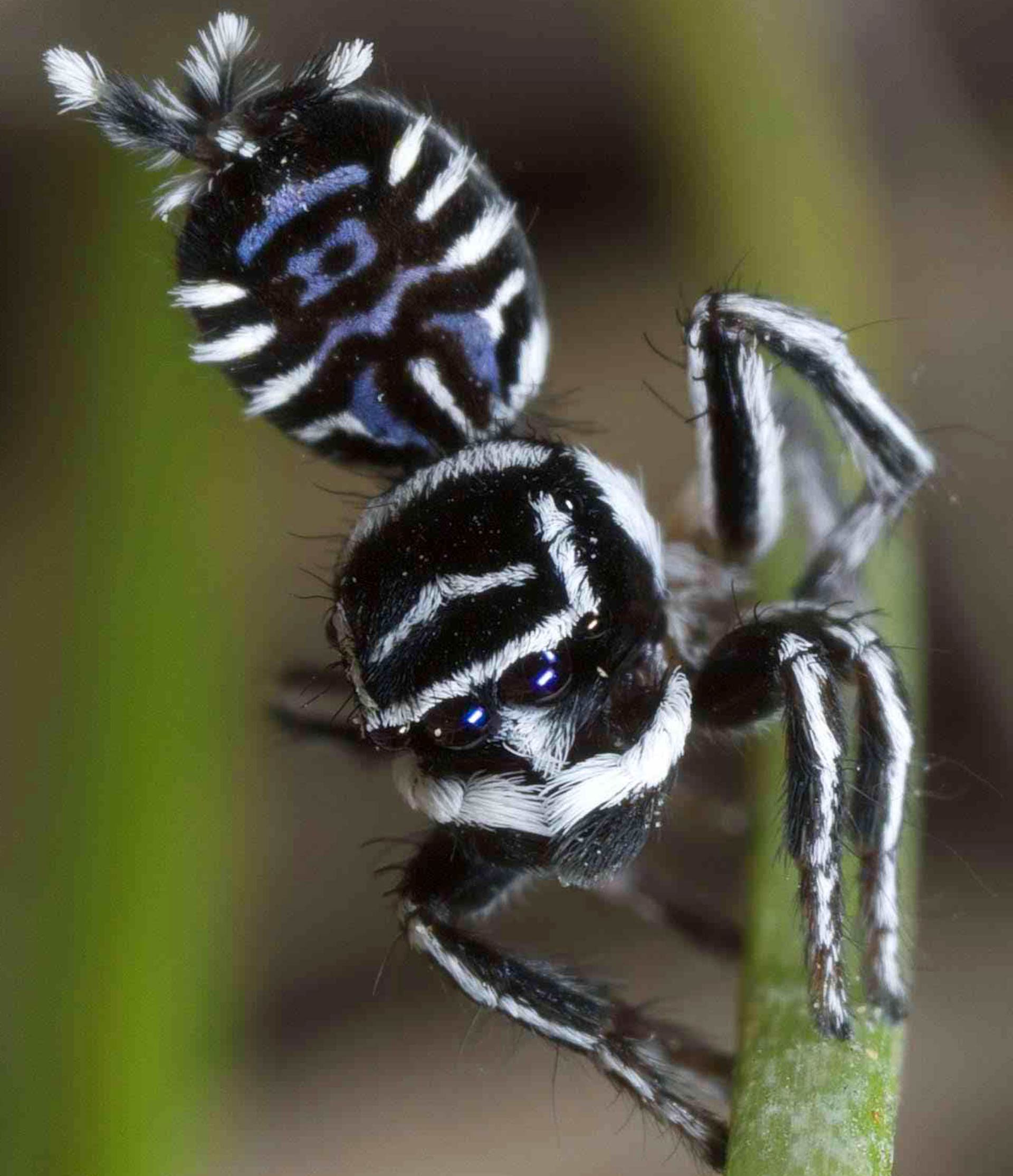
Two New Species of Peacock Spiders Discovered in Australia
|
|
#2
●
03-02-2015, 03:10 PM
| ||||||||
| ✝Mudderator from Hell✝ Poster Rank:10 e-mail Join Date: Oct 2006 Posts: 96,543
Contributions: 817
Mentioned: 476 Post(s) Quoted: 10337 Post(s)
| ||||||||
|
Re: Two New Species of Peacock Spiders Discovered in Australia
 · |
|
#4
●
03-02-2015, 10:31 PM
| ||||||||
| My Rank: FIRST SERGEANT Poster Rank:429 Female Join Date: May 2013 Posts: 2,731 Mentioned: 13 Post(s) Quoted: 1094 Post(s)
| ||||||||
|
Re: Two New Species of Peacock Spiders Discovered in Australia
So cute! I've always loved jumping spiders. Shake that booty! |
|
#6
●
03-03-2015, 03:41 AM
| ||||||||
 ★ Legacy Member ★ Poster Rank:1817 Join Date: Feb 2015 Posts: 286
Contributions: 1
Mentioned: 2 Post(s) Quoted: 47 Post(s)
| ||||||||
|
Re: Two New Species of Peacock Spiders Discovered in Australia
wow, I'm usually creeped out by spiders by they actually look pretty cool!
|
|
#7
●
03-03-2015, 04:03 AM
| ||||||||
 His Royal Highness Poster Rank:51 man up bitches Join Date: May 2014 Posts: 30,160
Contributions: 1
Mentioned: 87 Post(s) Quoted: 11934 Post(s)
| ||||||||
|
Re: Two New Species of Peacock Spiders Discovered in Australia
Don't like spiders....
|


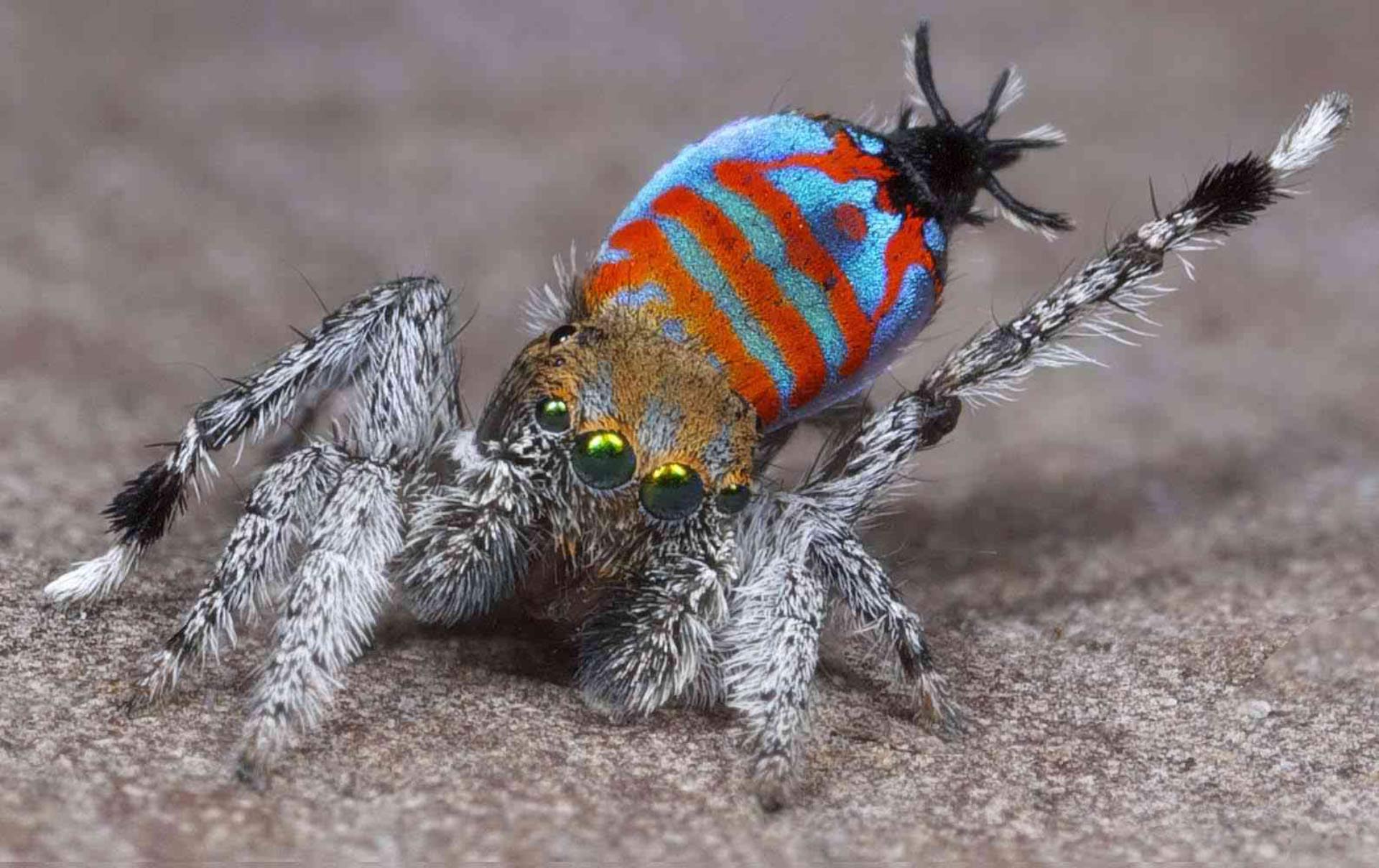



 And a great quality video on top of that