Amateur cavers have mapped a vast network of tunnels underneath Hadrian's Villa outside Rome, leading archaeologists to radically revise their views of one of ancient Rome's most imposing imperial retreats.
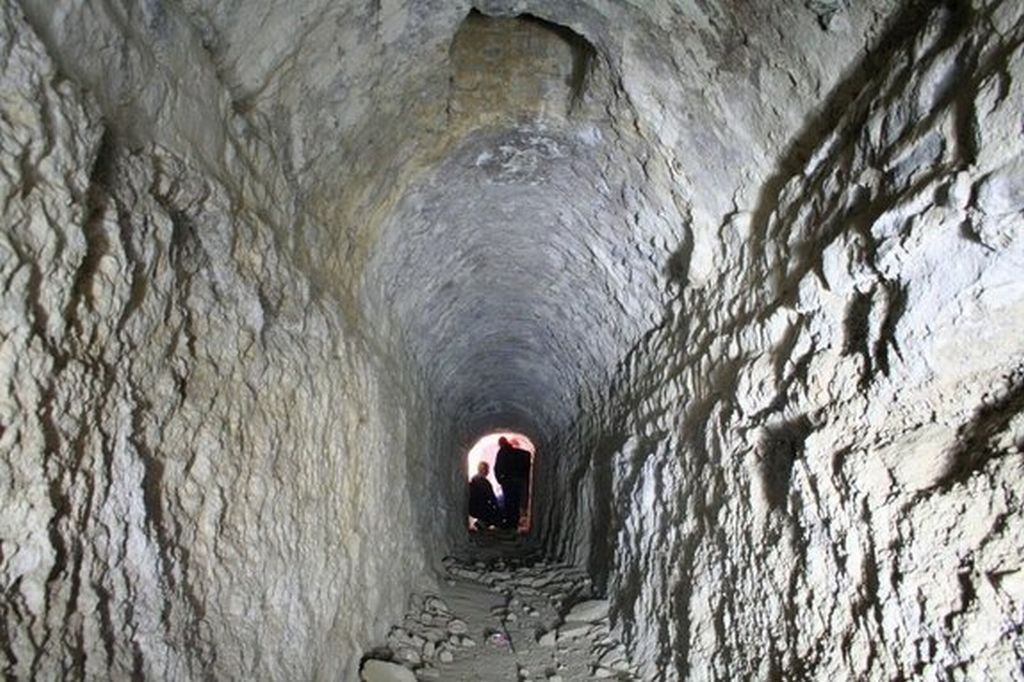
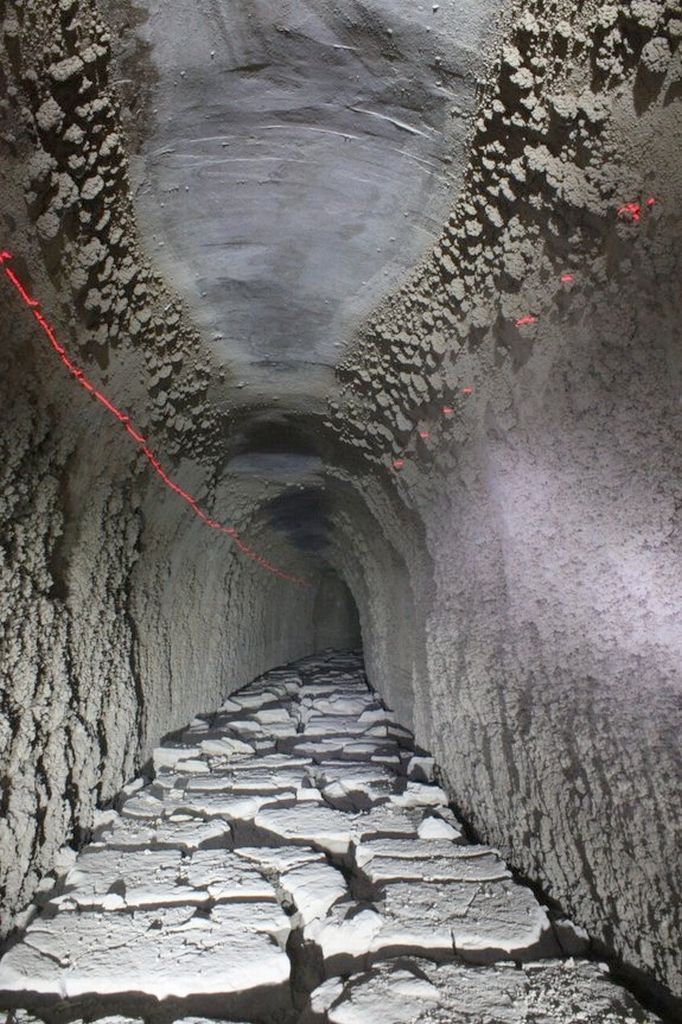
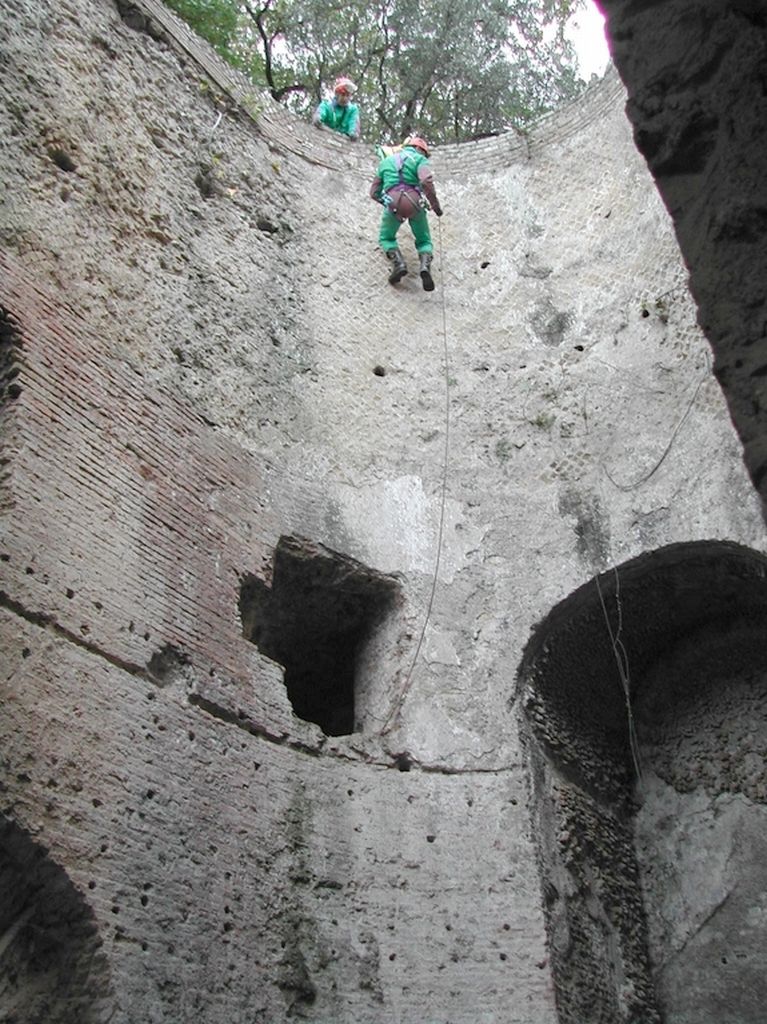
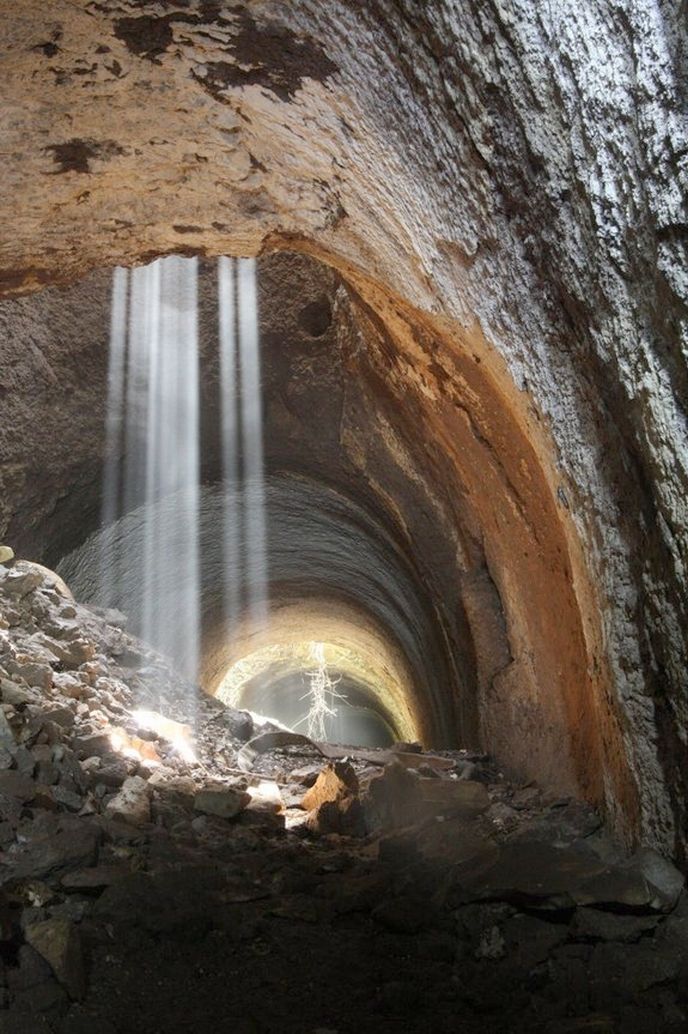
Lowering themselves through light shafts found in fields around the 120-hectare (296-acre) site, local speleologists have charted more than a mile of road tunnels – passages where, in the second century, oxen pulled carts loaded with luxury foods for banquets and thousands of slaves scurried from palace to palace, well out of sight of the emperor.
"These tunnels lead us to understand that Hadrian's Villa was organised less like a villa and more like a city," said Benedetta Adembri, the director of the site, who is planning, in the autumn, to open stretches of the tunnels to the public for the first time.
Never an emperor to do things by half – his idea of homeland security was to build a wall across the top of England – Hadrian built his country hideaway near modern-day Tivoli to escape the noise and crowds of Rome, but managed to take half the city with him.
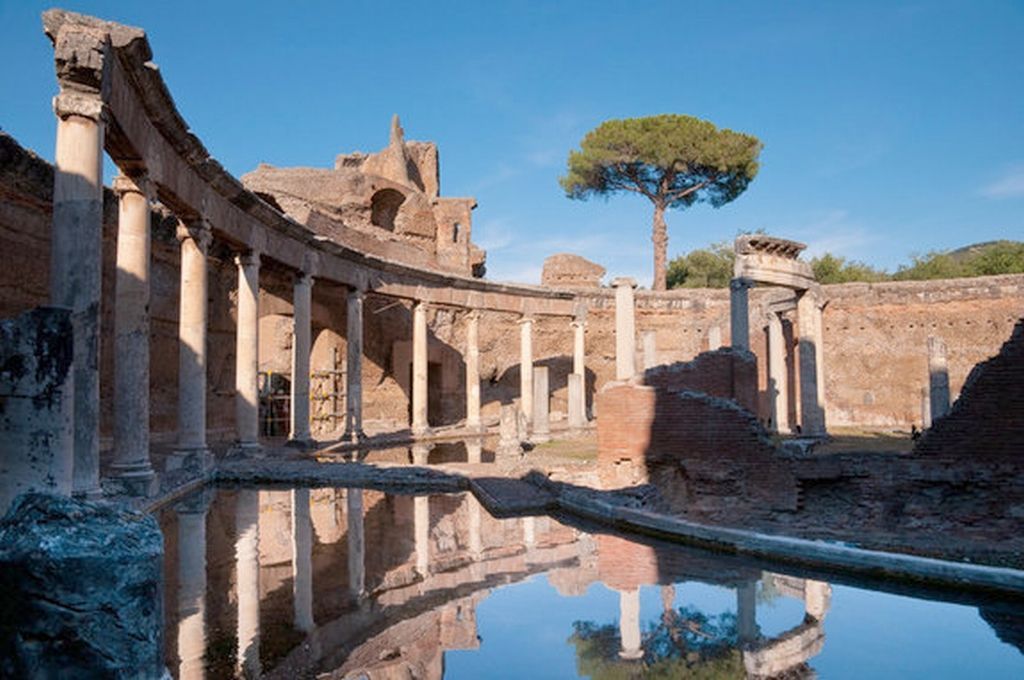
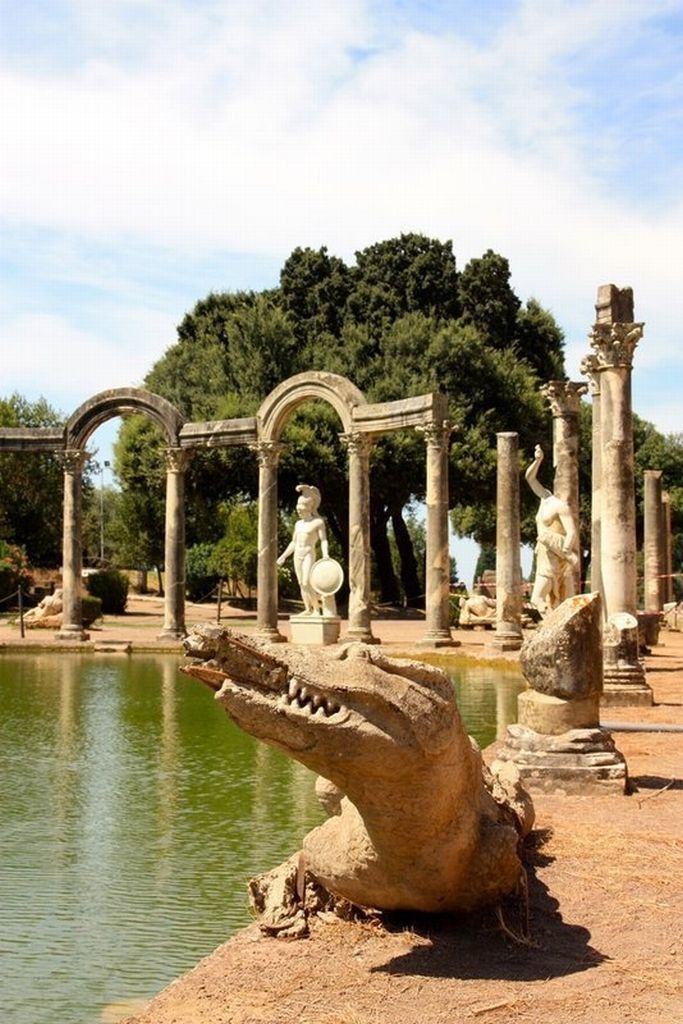
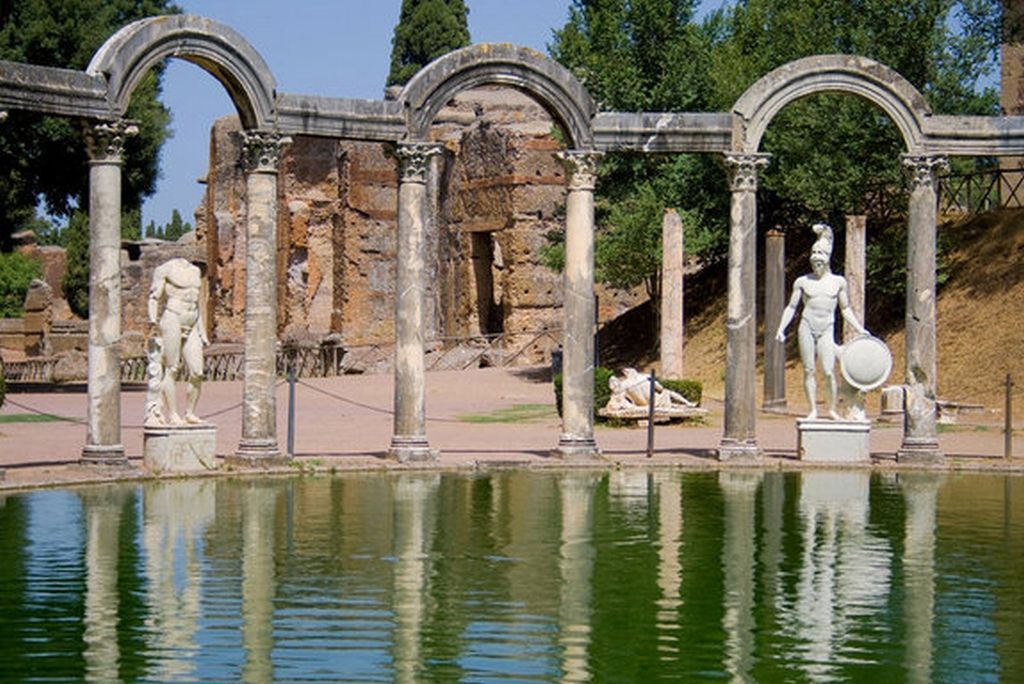
Archaeologists have identified 30 buildings, including palaces, thermal baths, a theatre and libraries, as well as gardens and dozens of fountains.
"We think the villa covered up to 250 hectares but we still don't know the limits," said Abembri.
Abandoned after the fall of the Roman empire, the villa was taken apart piece by piece over the centuries, with one local cardinal stripping off marble to build his own villa nearby in the 16th century, leaving weed infested ruins.
That is where an Italian association of archaeo-speleologists, equipped with ropes, and remote-controlled camera mounted vehicles, has entered the fray, exploring the pristine tunnels under the site, as well as the nine miles of sewers and water pipes hooked up to the local aqueducts.
"What we are exploring is, to a certain extent, the real villa, because the tunnels will show us where the confines of the property really are," said Marco Placidi, an amateur caver, who has led the search.
Although experts have long known that tunnels snaked under the property, Placidi's team was the first to drop through light shafts to wander through them.
They have mapped a main tunnel, 2.40 metres (7ft) wide, which runs more than half a mile to a circular spur, about 700 metres long which could been used to turn one-way carts.
A sea shell from the Red Sea, possibly used as decoration in the villa, is among the discoveries form the site.
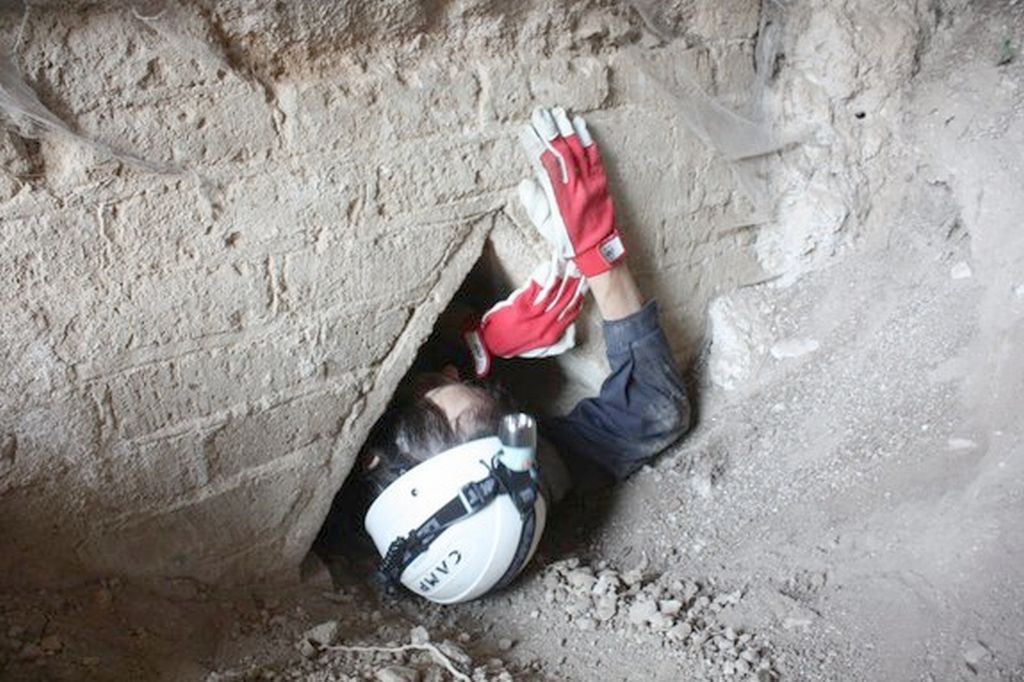
Most importantly, the cavers stumbled upon the entrance to an uncharted tunnel, double the width, at five metres, that could accommodate two-way traffic. It is presently packed with soil almost to the roof.
"We have tried to squeeze in on our stomachs but we still don't know where it goes and it could lead to buildings we know nothing about," said Vittoria Fresi, an archaeologist who has worked with Placidi.
Placidi, who also worked on restoring tunnels under Rome's Caracalla baths, said: "People are increasingly going underground at Roman sites to better understand the Romans."
Hadrian, a soldier and poet, lauded for his "vast and active genius" by the British historian Edward Gibbon, started his wall across England in the year 122 to keep out invaders.
He was also rebuilding the Pantheon in Rome, and had ordered a 900-seat arts area in the centre of Rome, which was unearthed last year.
He was a stickler for privacy. After bringing thousands of slaves and functionaries with him to his new villa, he surrounded his personal quarters with a circular moat, still evident today, with access by a bridge.
"Hadrian was obsessed with solitude. He went to Tivoli to get it but was surrounded by people," said Placidi. "That could help explain why he put so much of the life of the villa underground."