|
#1
●
03-22-2011, 02:31 PM
| ||||||||
 Super ********* Poster Rank:89 Join Date: Nov 2008 Posts: 17,426 Mentioned: 5 Post(s) Quoted: 99 Post(s)
| ||||||||
|
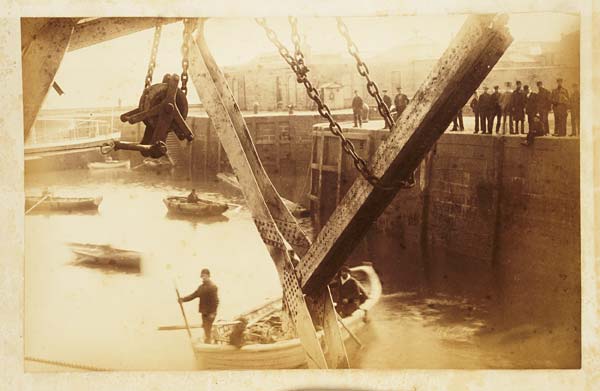
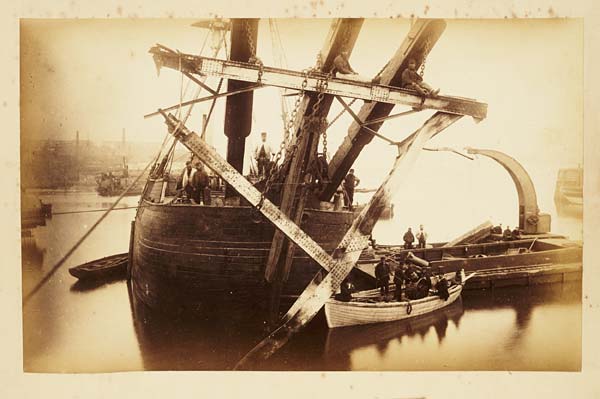
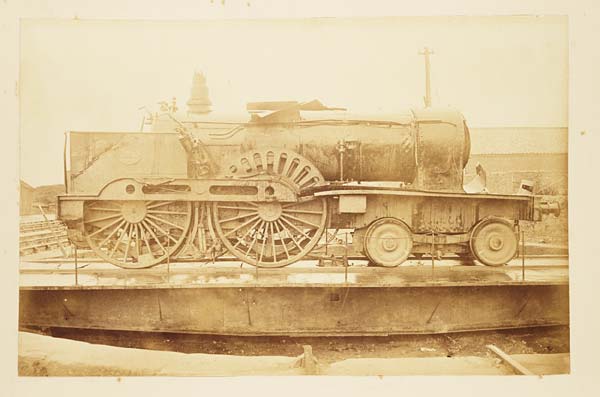
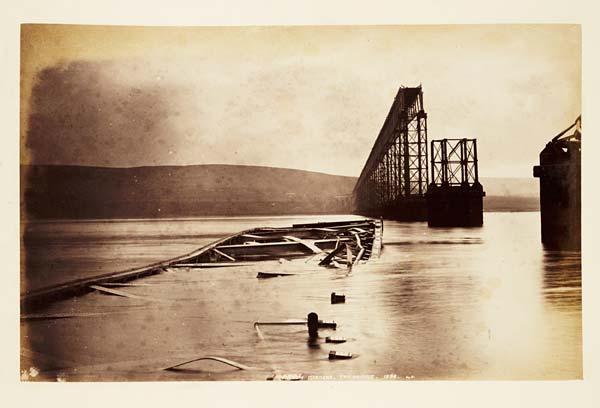
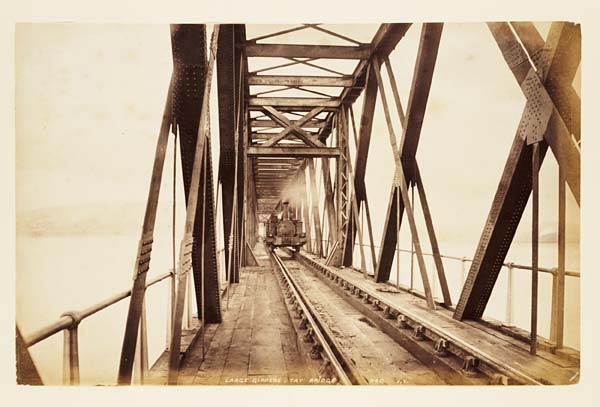
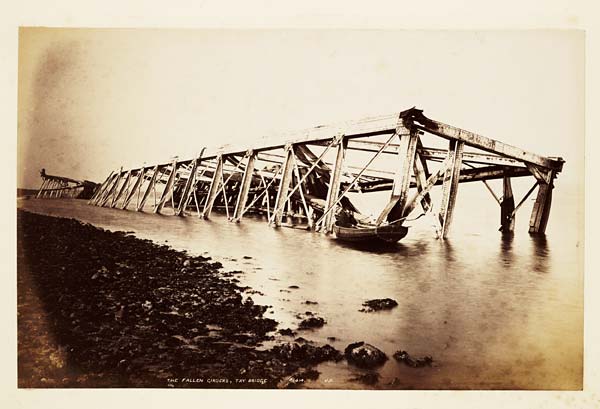
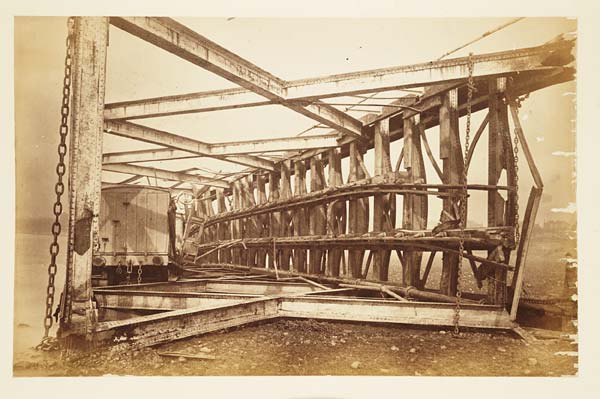
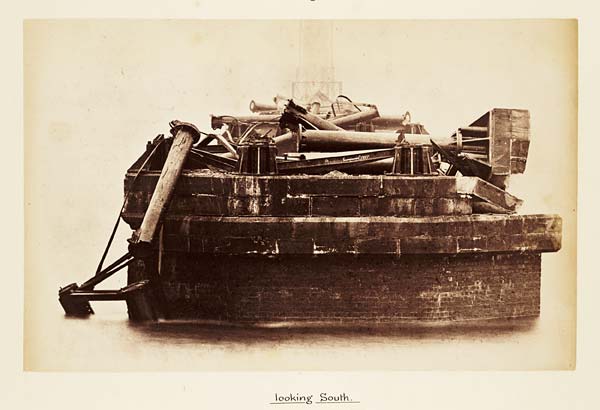
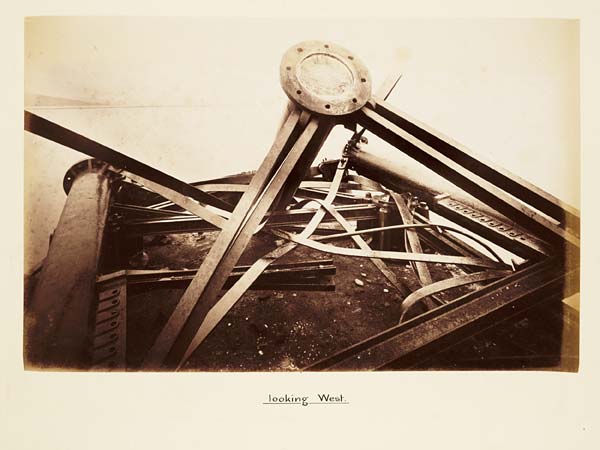
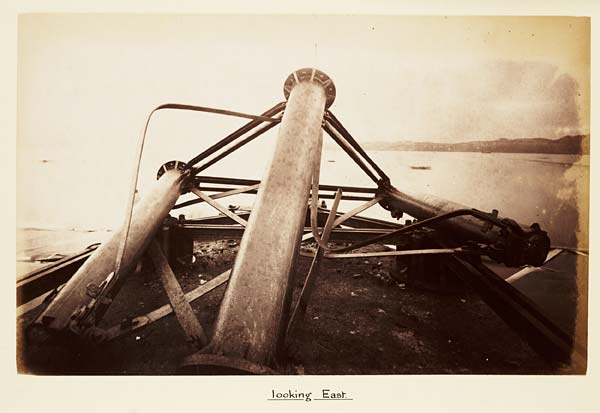
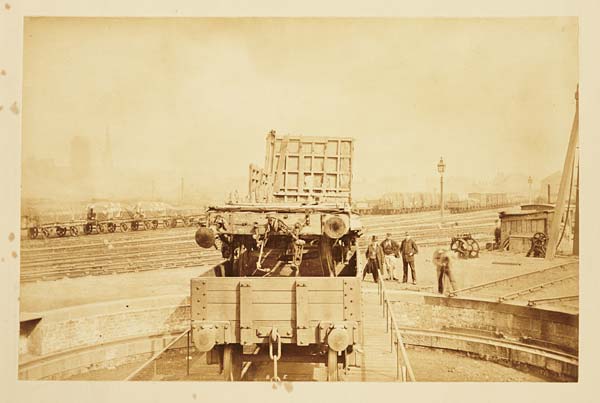
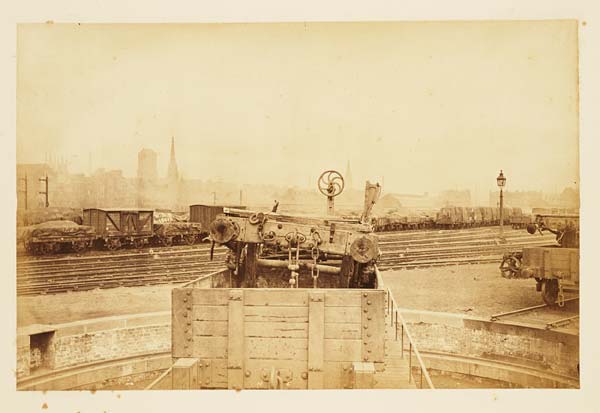
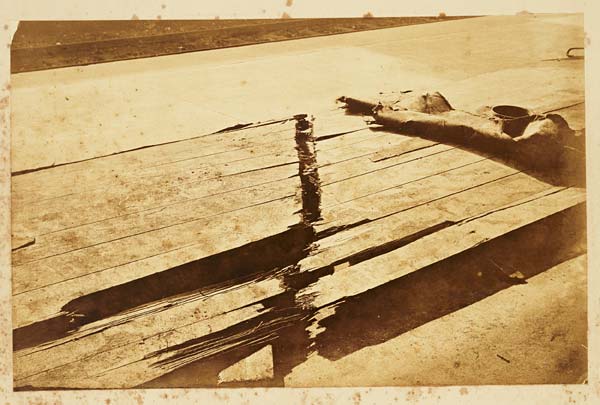
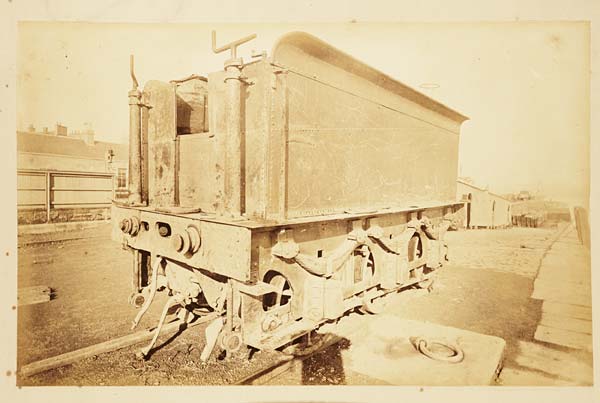
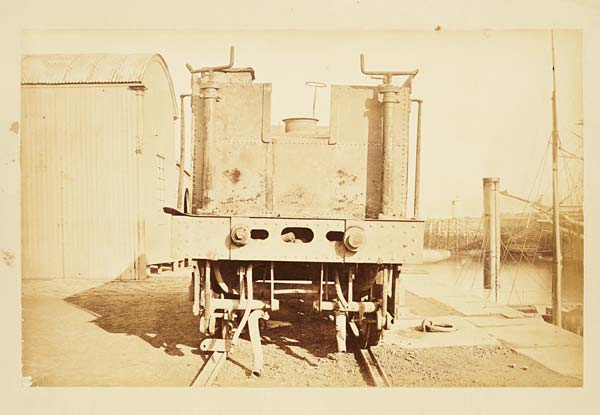
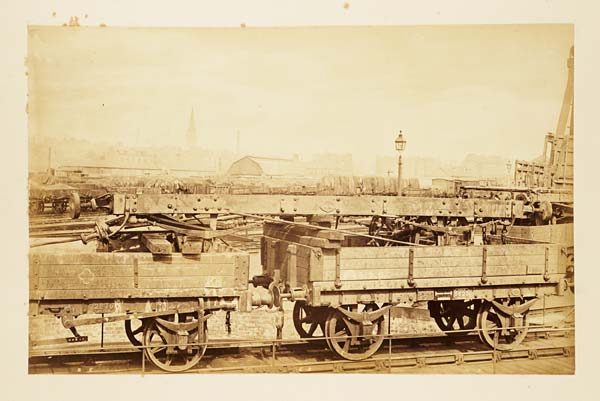
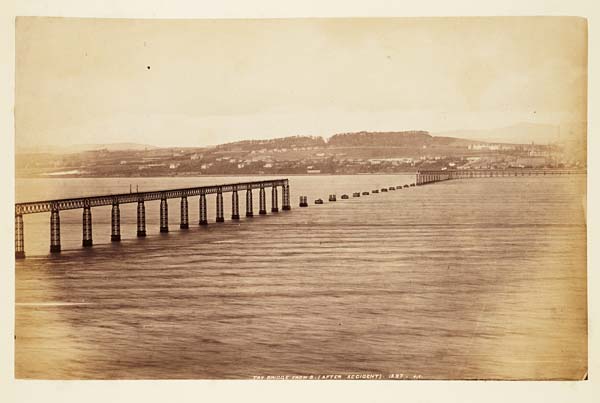
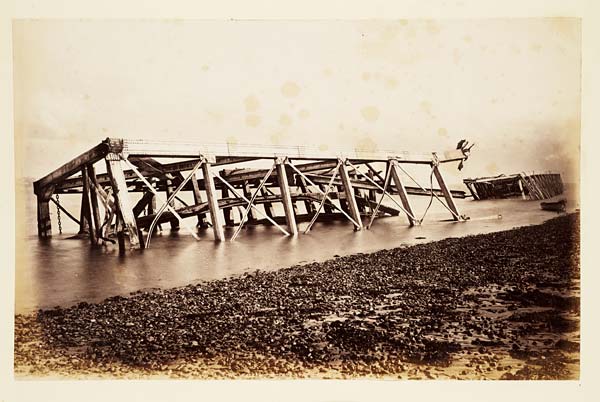
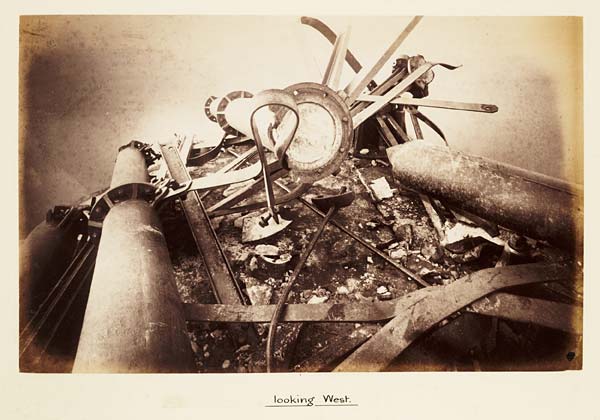
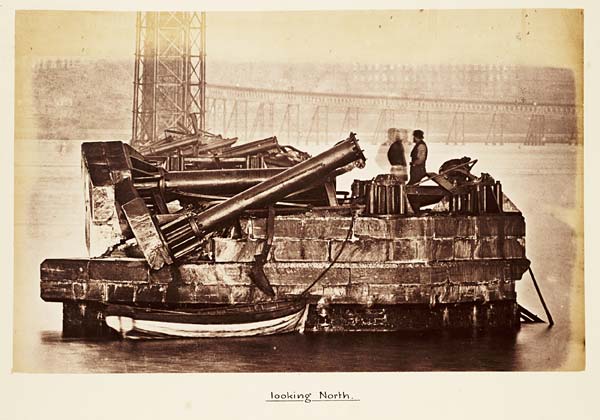
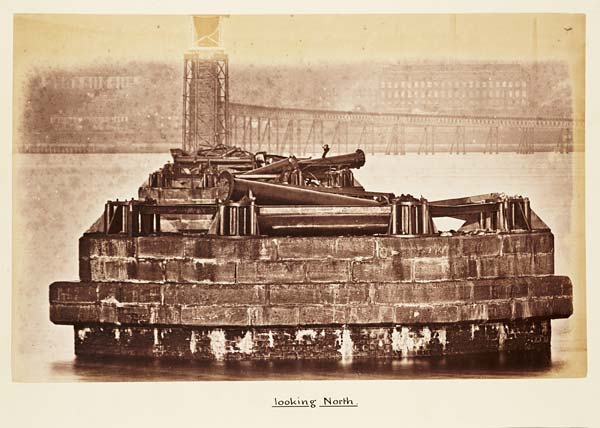
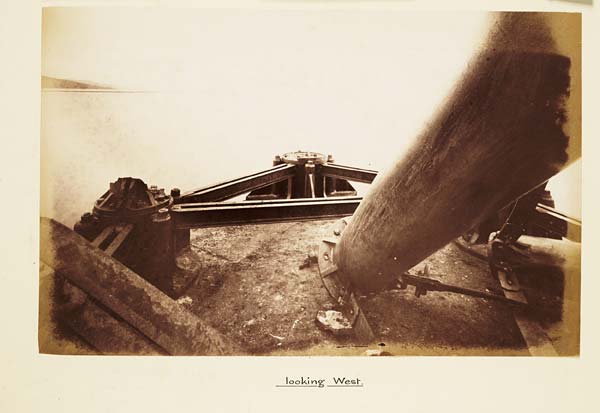
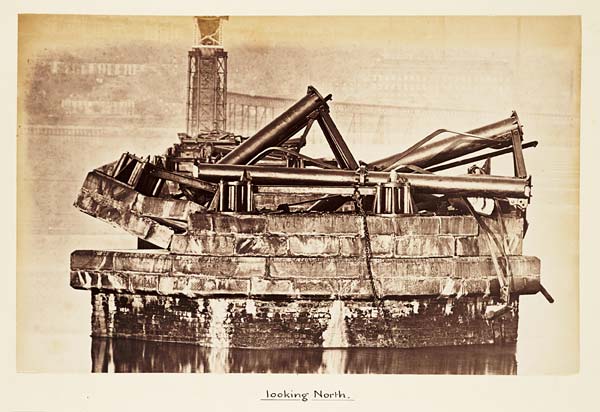
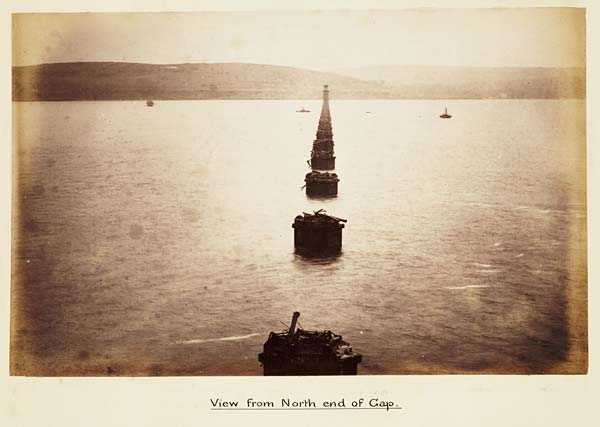
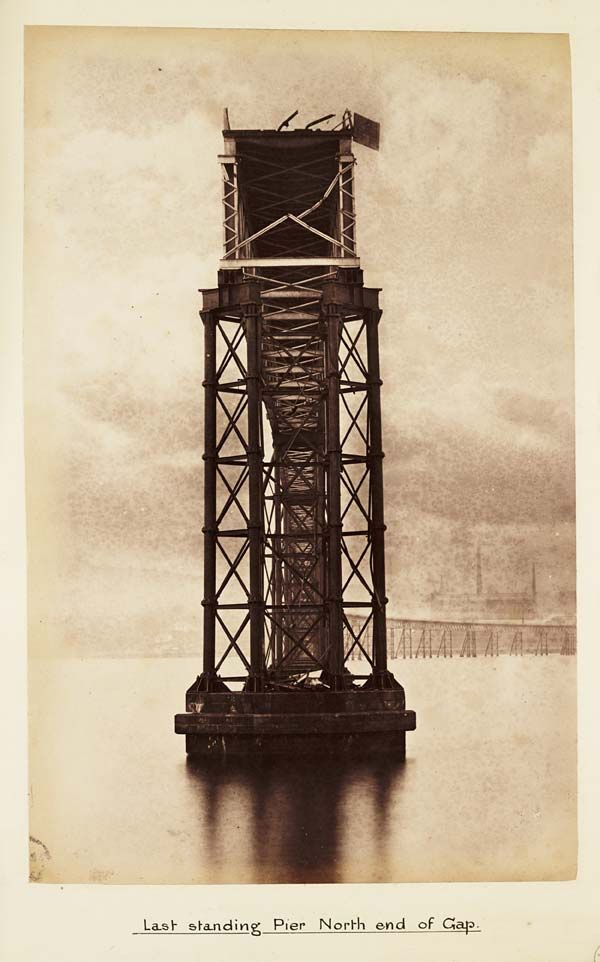
The Tay Bridge Disaster (28 December 1879)
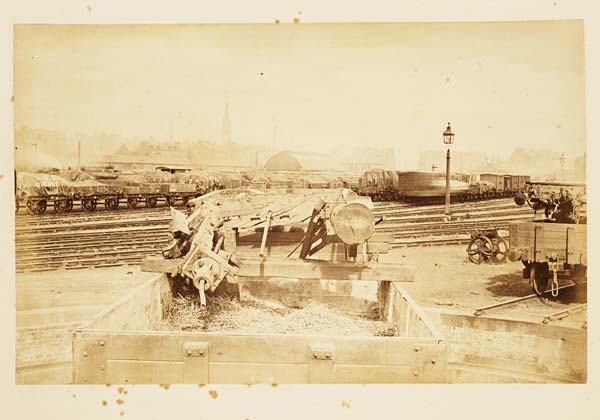
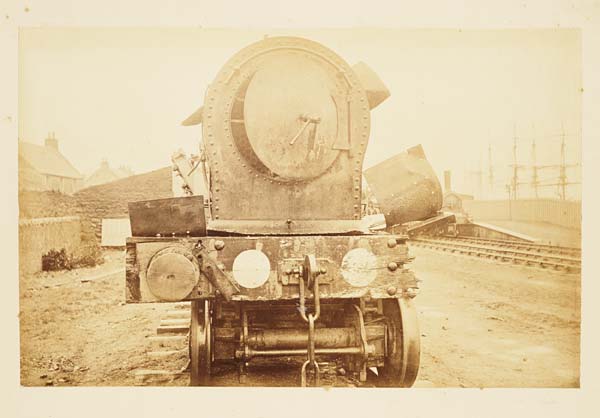
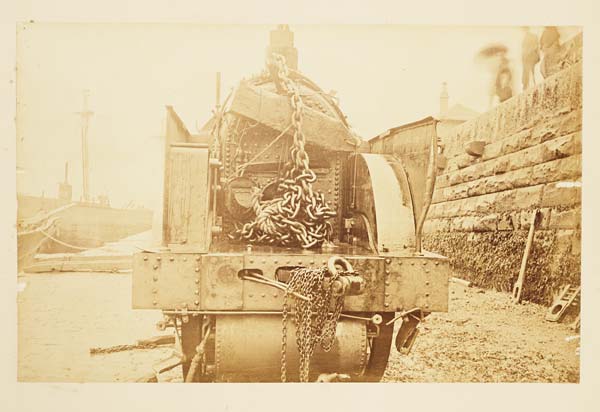
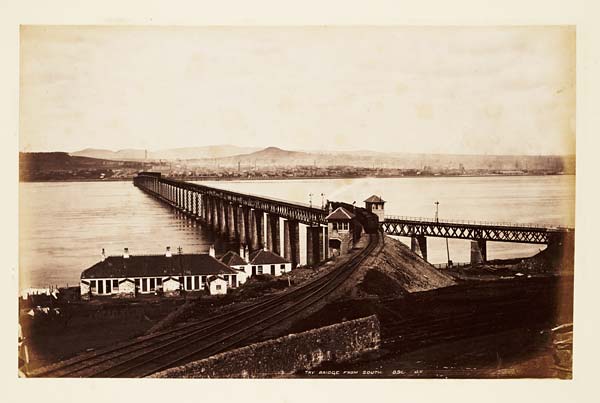
for more threads like this one : http://www.documentingreality.com/fo...me-line-45276/ 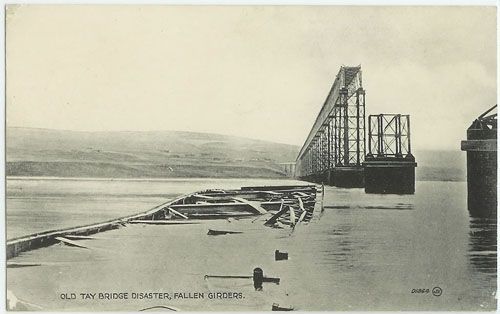 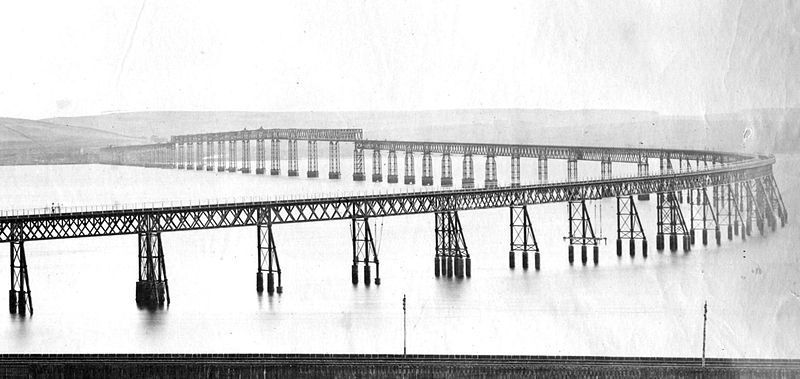 The Original Bridge Before The Disaster 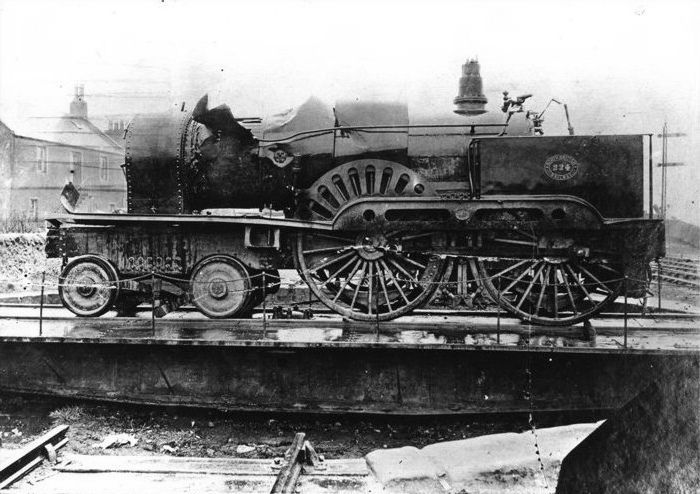 North British Railway locomotive 224, recovered from the water after the Tay Bridge disaster. Originally issued as a postcard captioned "Old Tay Bridge Disaster, 1879 The Engine" Sources google image search, google.com, wikipedia and http://www.dundeecity.gov.uk/taybridge/index.htm 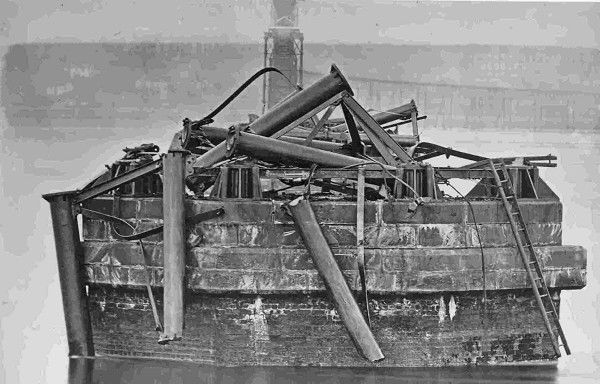 · 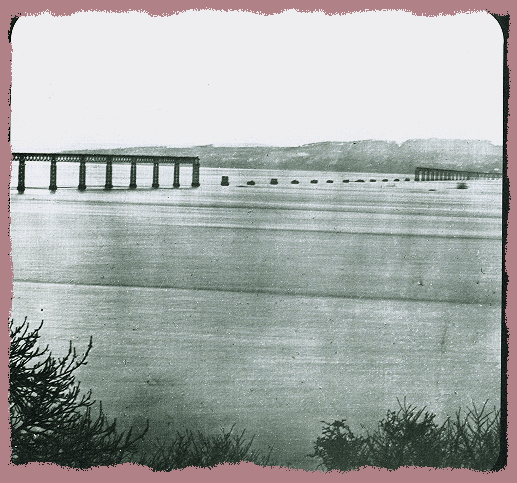 · 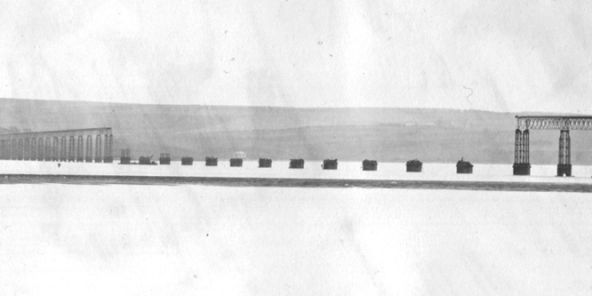 · 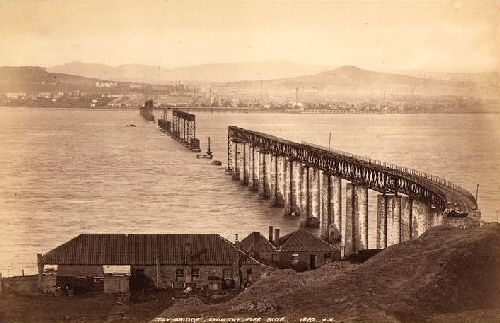 · 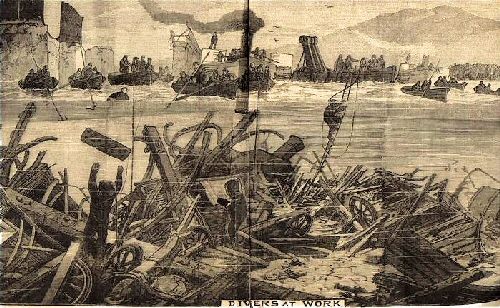 · 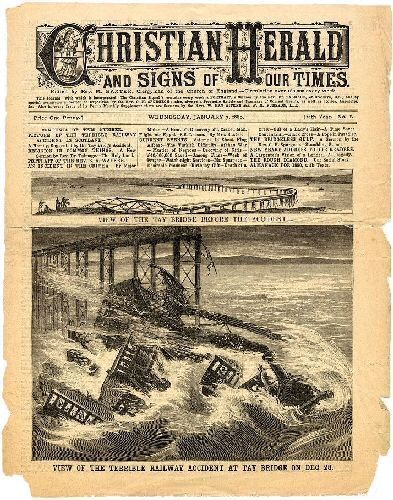 · 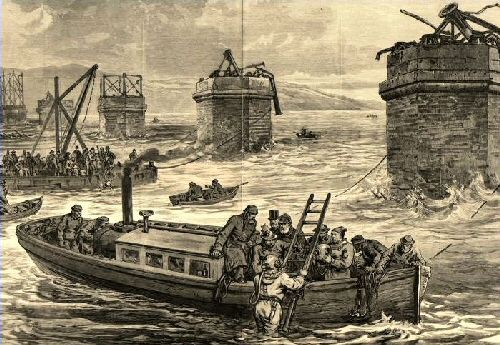 · 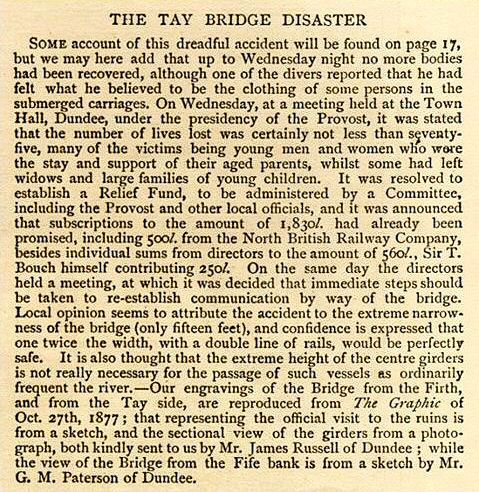 · 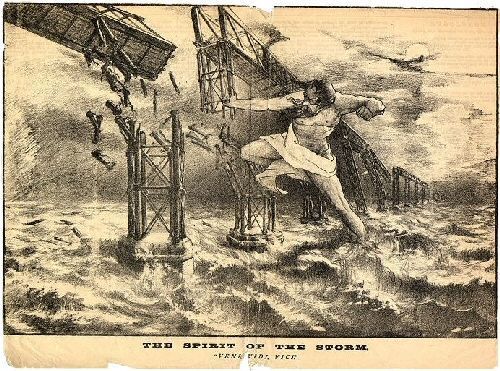 · 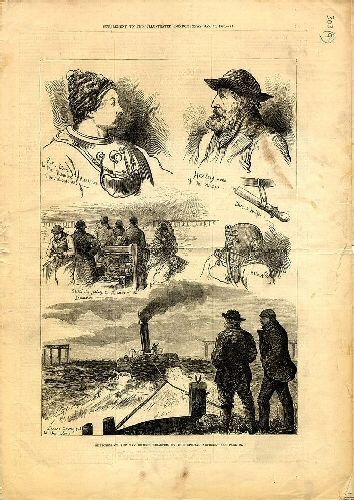 · 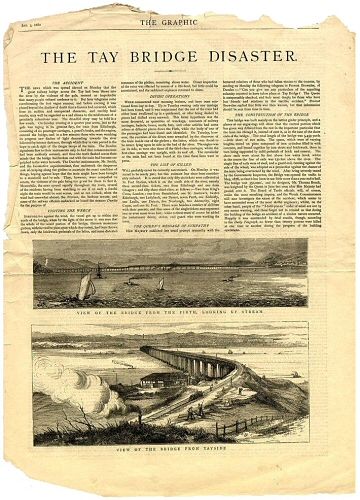 · 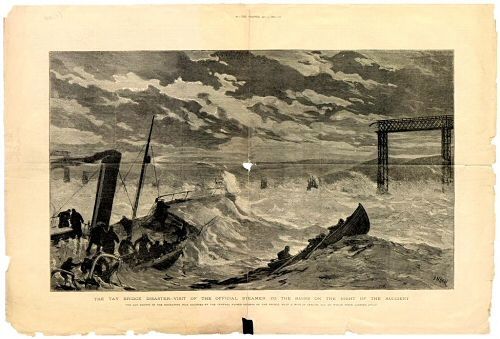 · 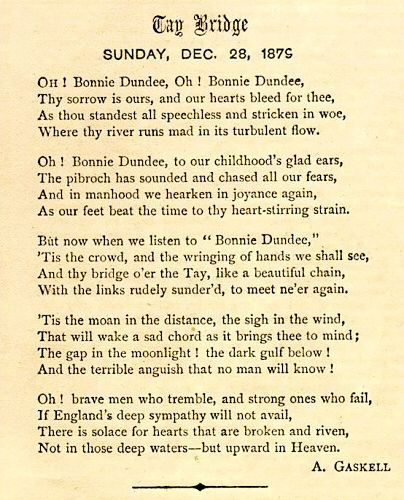 · 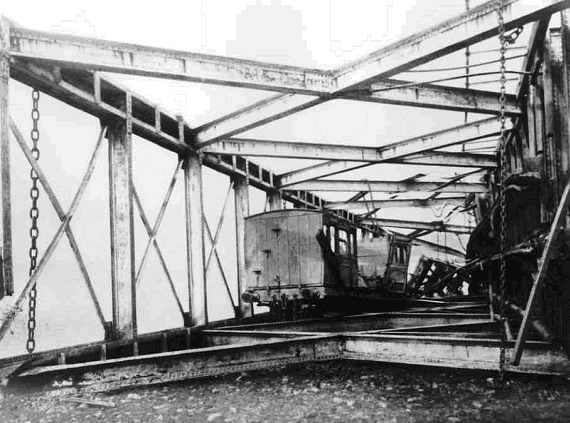 · 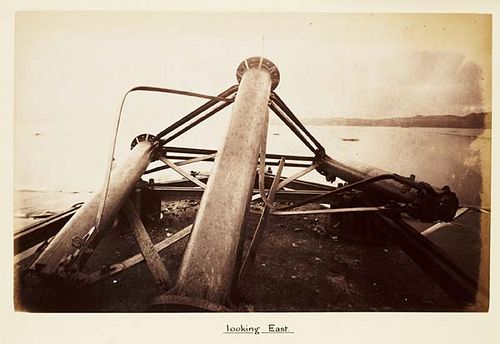 · 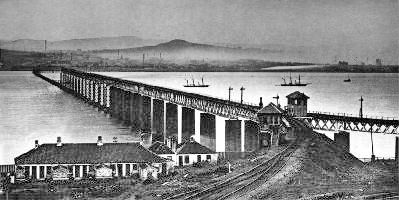 · 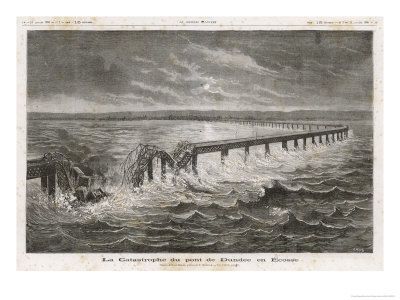 · 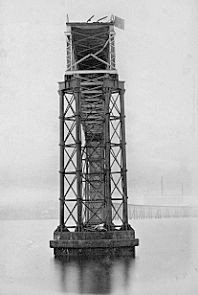 · 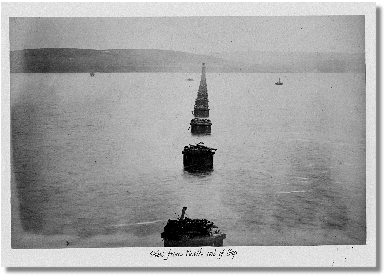 · 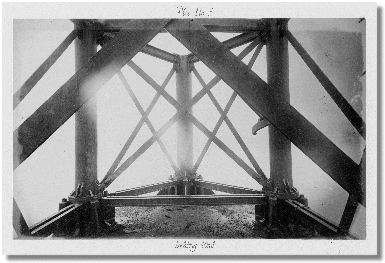 · 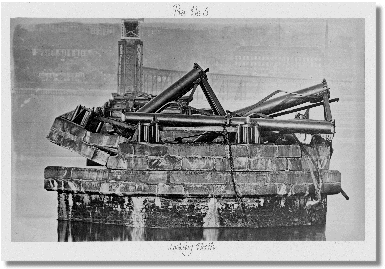 ·  · 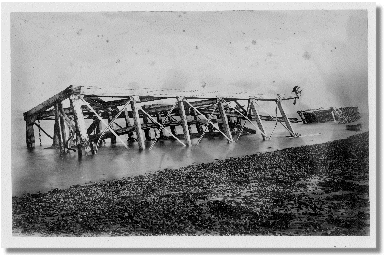 · 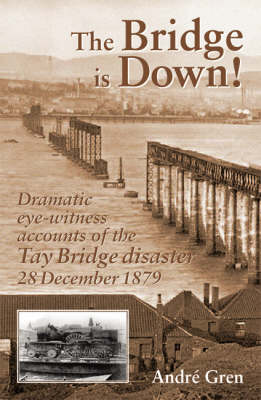 · |
|
#2
●
03-22-2011, 02:34 PM
| ||||||||
| Super ********* Poster Rank:89 Join Date: Nov 2008 Posts: 17,426 Mentioned: 5 Post(s) Quoted: 99 Post(s)
| ||||||||
|
Re: The Tay Bridge Disaster (28 December 1879)
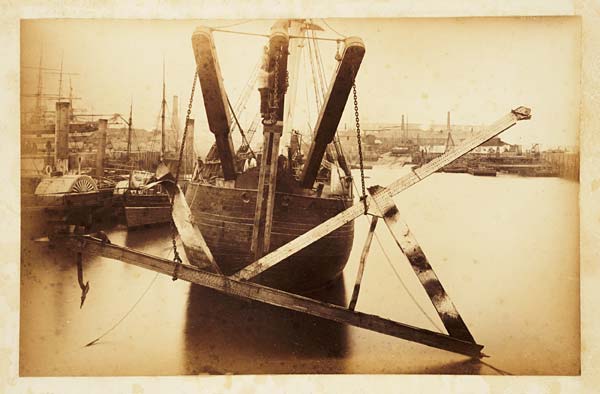
91 pictures from this disaster also o be found on flickr http://www.flickr.com/photos/nlscotl...th/5180839399/ but i dont know how to save pix from that site.... |
|
#7
●
03-22-2011, 08:37 PM
| ||||||||
| Super ********* Poster Rank:89 Join Date: Nov 2008 Posts: 17,426 Mentioned: 5 Post(s) Quoted: 99 Post(s)
| ||||||||
|
Re: The Tay Bridge Disaster (28 December 1879)
eaton, thanks for the suggestion but that's a little time consuming :p yes, i was thinking it would be awesome as a DR team project for everyone to go into their local papers and find the covers of old editions when disasters happened. |
|
#8
●
03-26-2011, 08:12 AM
| ||||||||
 idiot savant with a ban stick Poster Rank:24 Join Date: Oct 2006 Posts: 54,338
Contributions: 29
Mentioned: 62 Post(s) Quoted: 237 Post(s)
| ||||||||
|
Re: The Tay Bridge Disaster (28 December 1879)
.
 ·  ·  ·  ·  ·  ·  ·  ·  ·  · 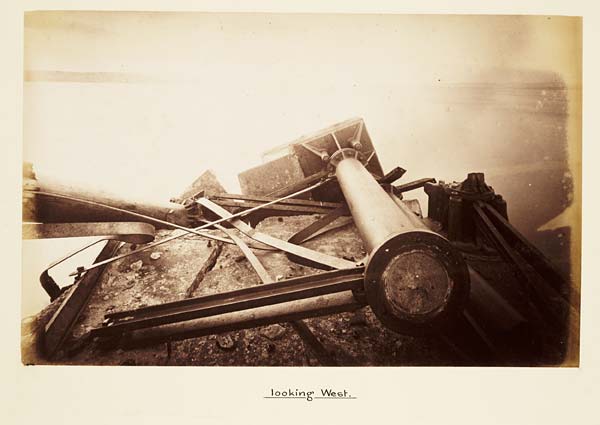 · 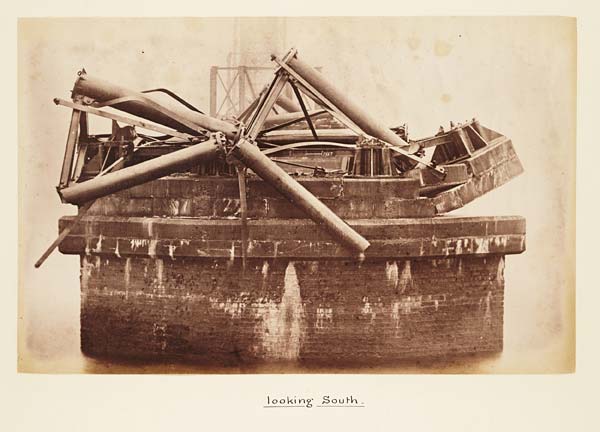 · 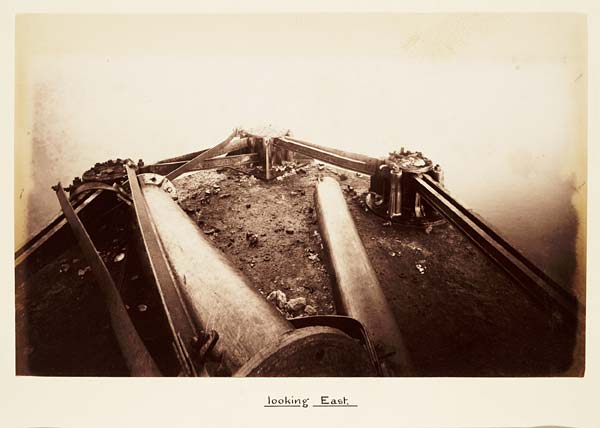 · 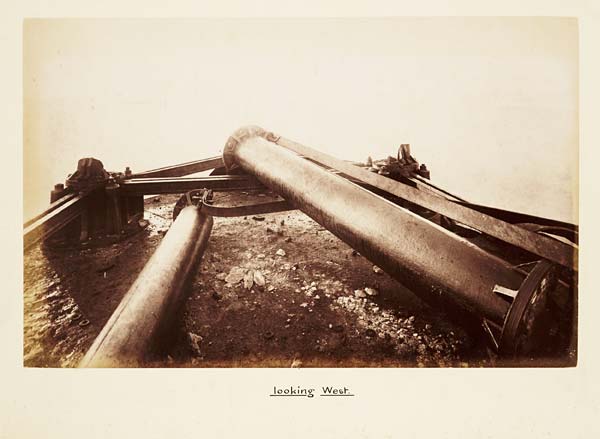 · 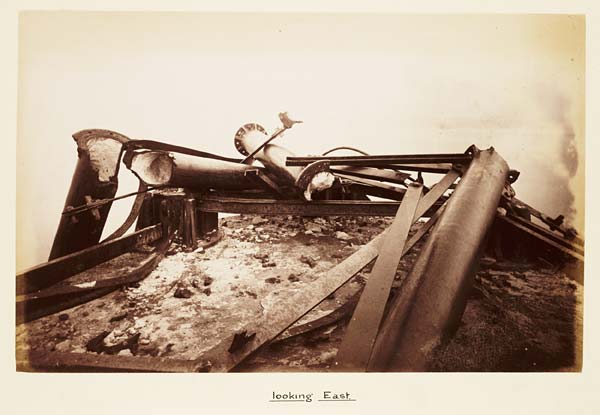 · 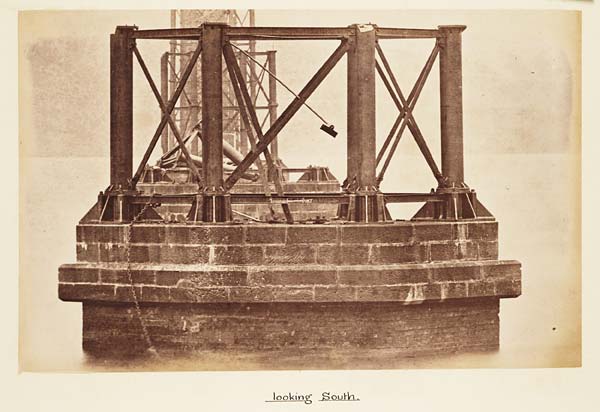 · 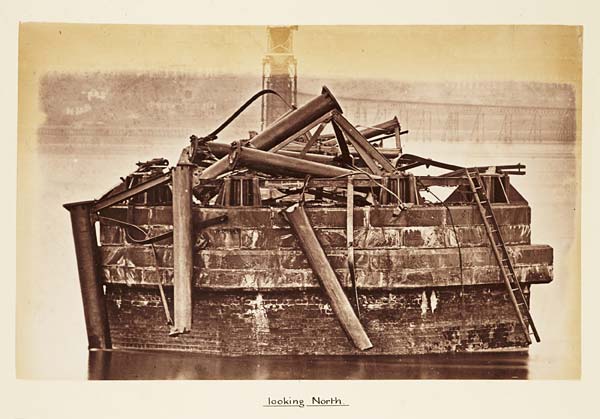 · 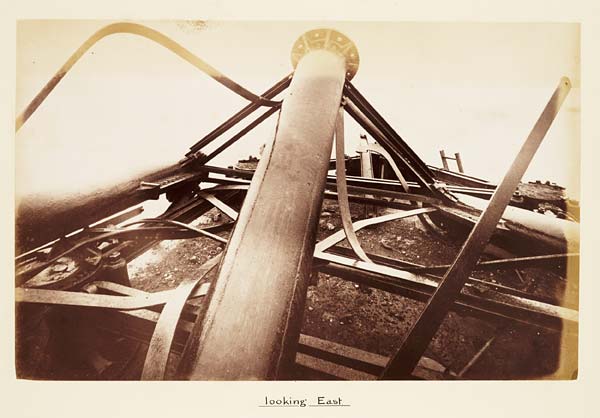 ·  ·  ·  ·  ·  ·  ·  ·  ·  ·  ·  ·  ·  ·  ·  ·  ·  ·  ·  ·  · 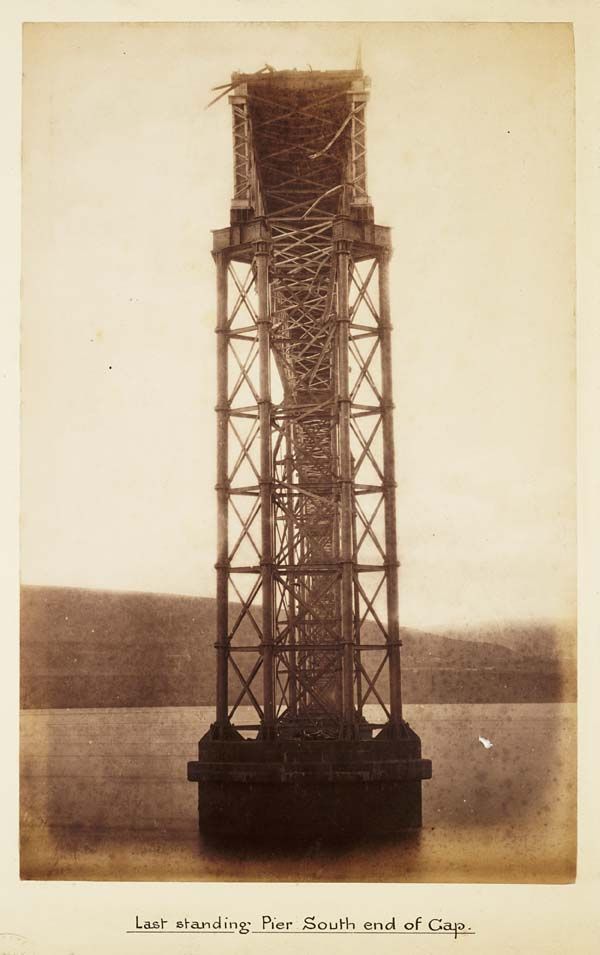 · 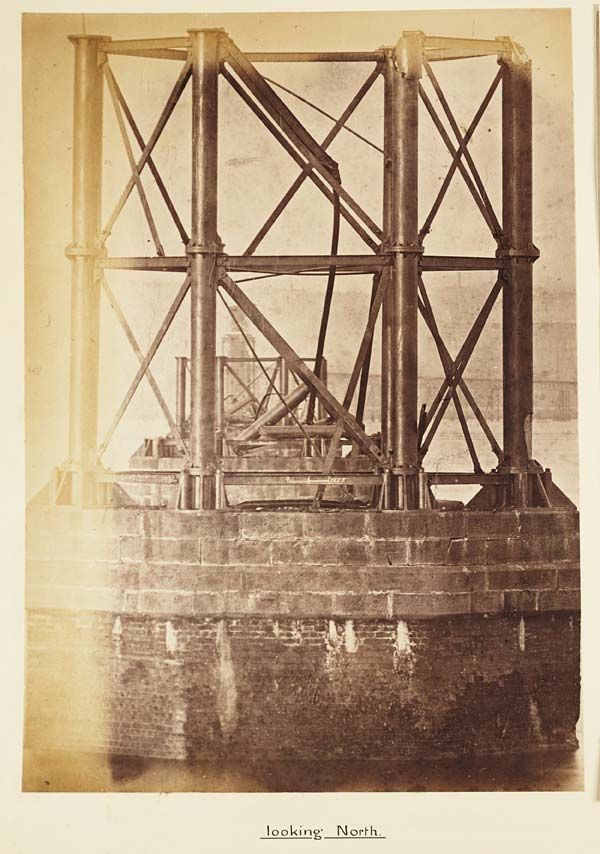 · 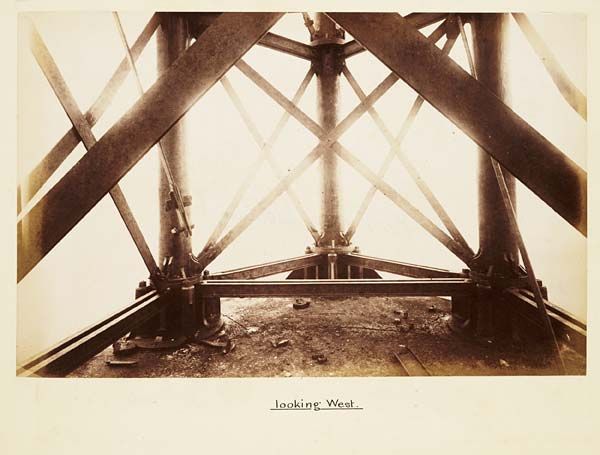 · 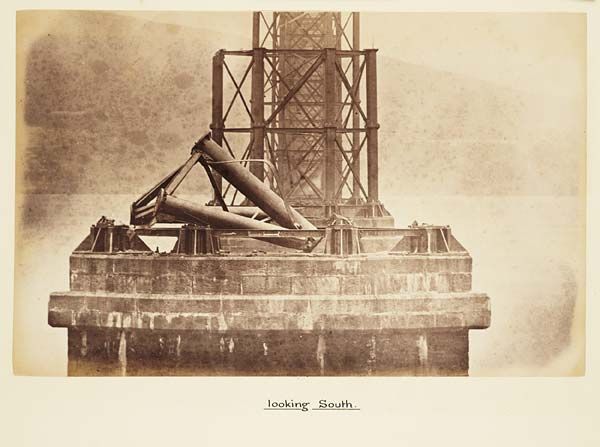 ·
__________________ "Knowledge is often mistaken for intelligence. This is like mistaking a cup of milk for a cow" |
|
#9
●
03-26-2011, 11:18 AM
| ||||||||
 Patron Saint of Filth Poster Rank:4 Fem Join Date: Mar 2010 Posts: 116,089
Contributions: 8
Mentioned: 695 Post(s) Quoted: 35670 Post(s)
| ||||||||
|
Re: The Tay Bridge Disaster (28 December 1879)
I can provide pics from the Bridge collapse in point pleasant...but it also has info on the Mothman if you are interested.
|
|
#10
●
03-26-2011, 02:36 PM
| ||||||||
| Super ********* Poster Rank:89 Join Date: Nov 2008 Posts: 17,426 Mentioned: 5 Post(s) Quoted: 99 Post(s)
| ||||||||
|
Re: The Tay Bridge Disaster (28 December 1879)
me too  thanks man, those are icnredble, they from flickr? if so, how did you manage to get round the flickr copyright warning that stops me from saving their images? i have a list of bridge disasters to research and post here  not started on it yet i know thre's a mothman thread that talks about a few mothman incident, not sure if that bridge collapse is mentioned in there or not |