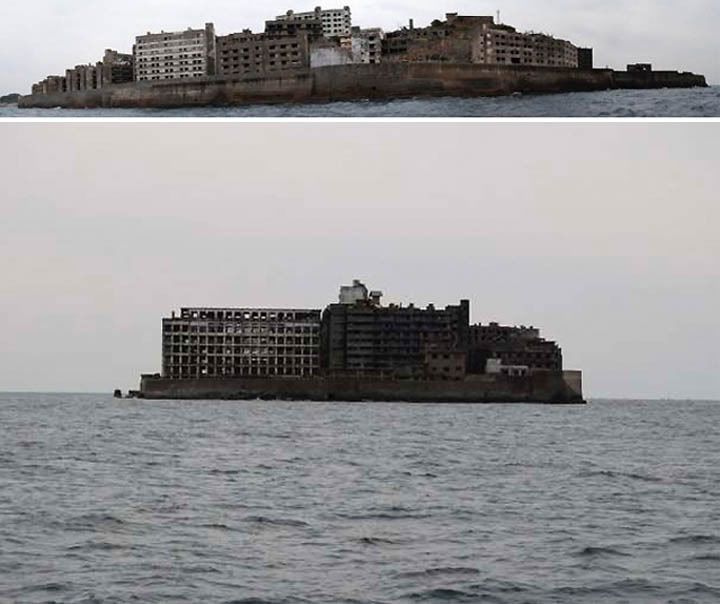
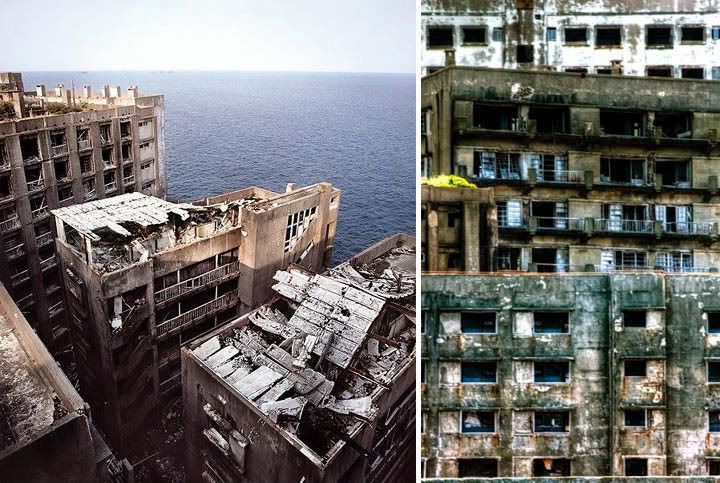
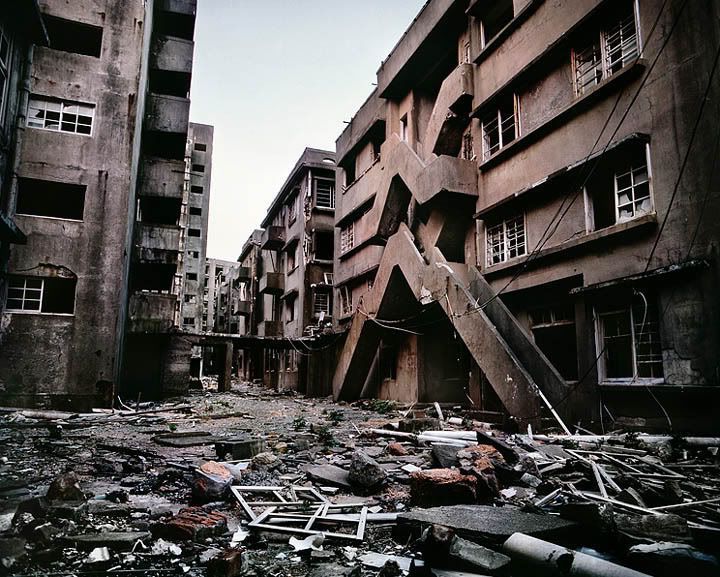
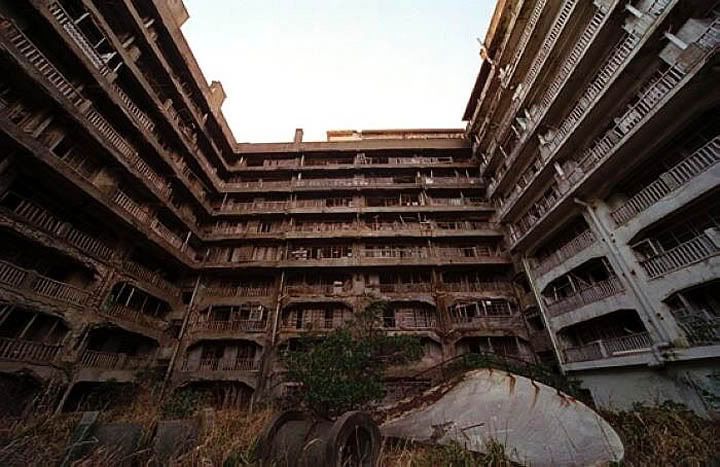
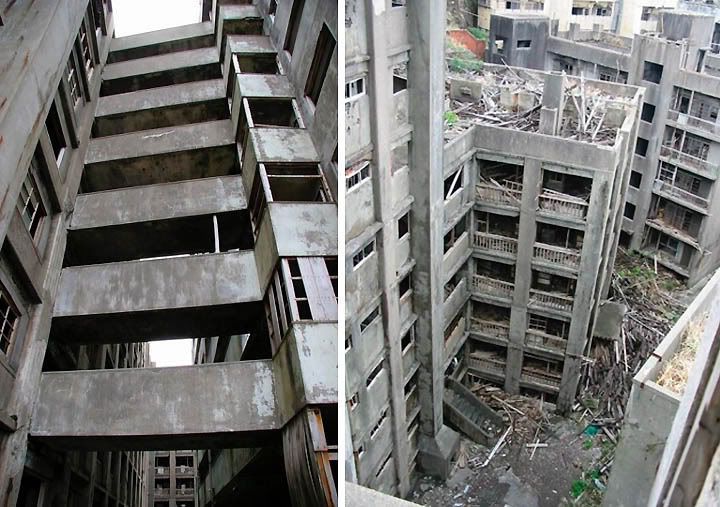
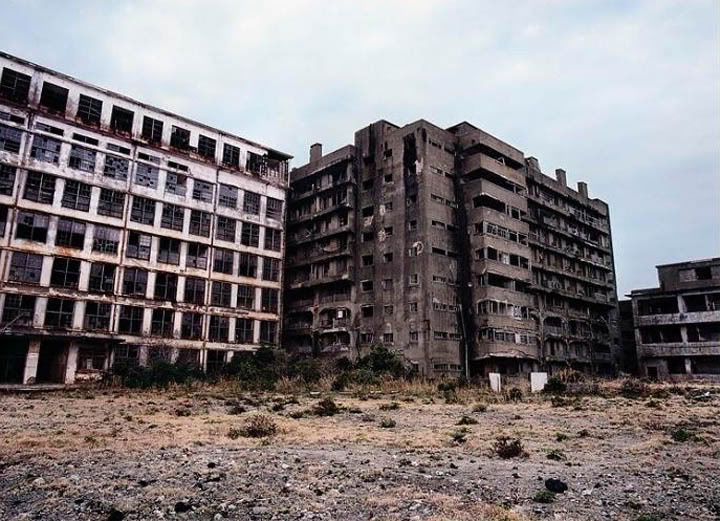
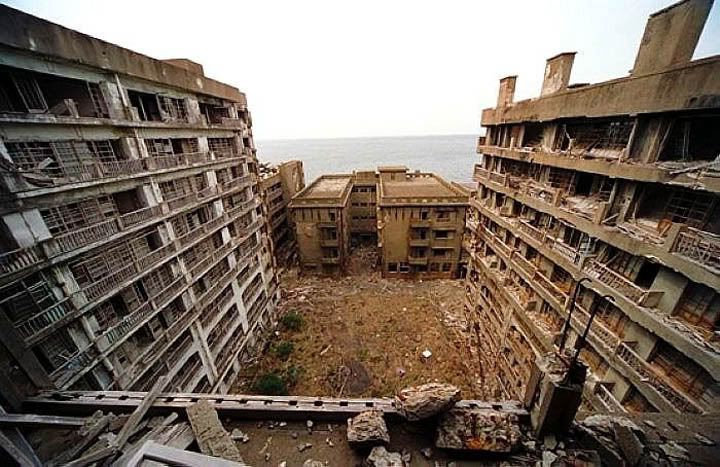
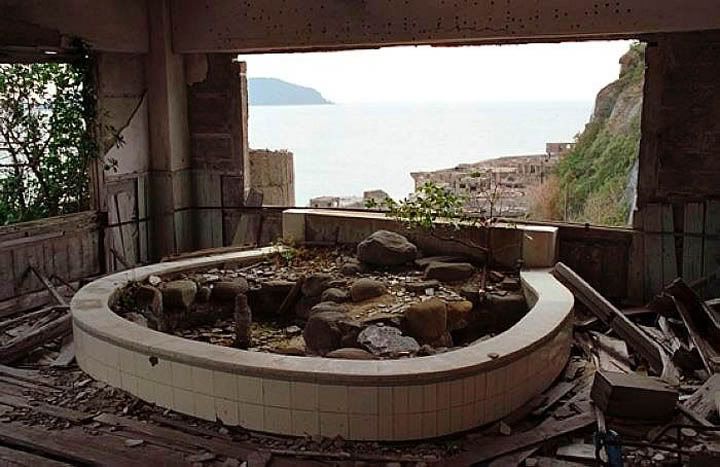
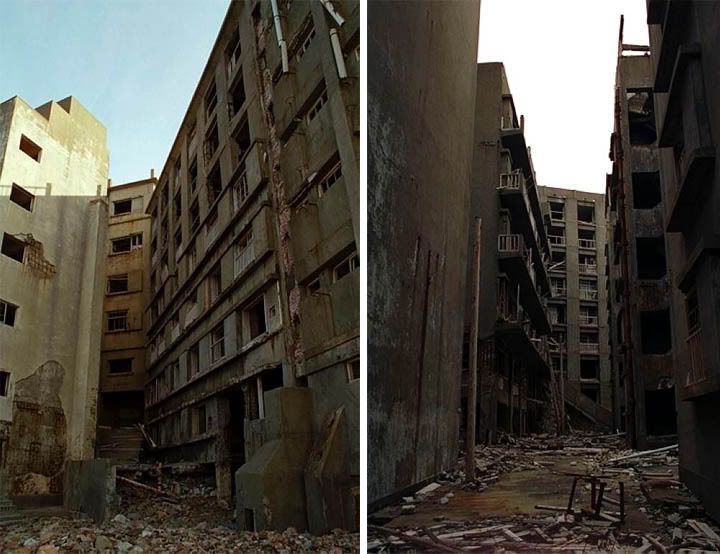
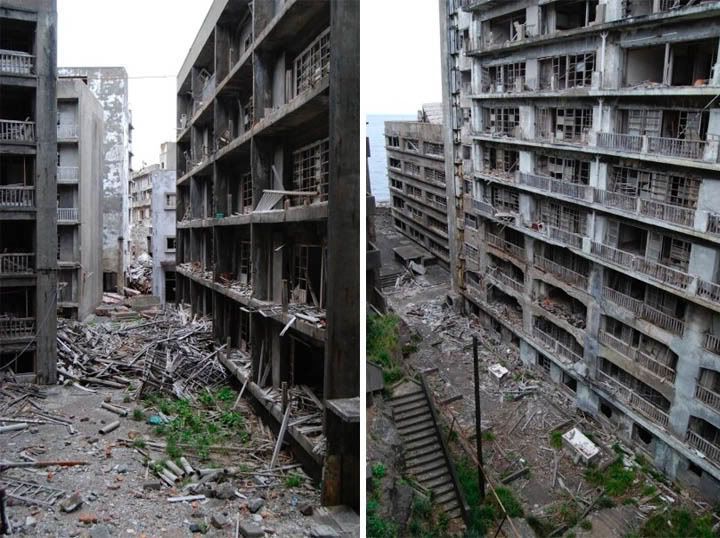
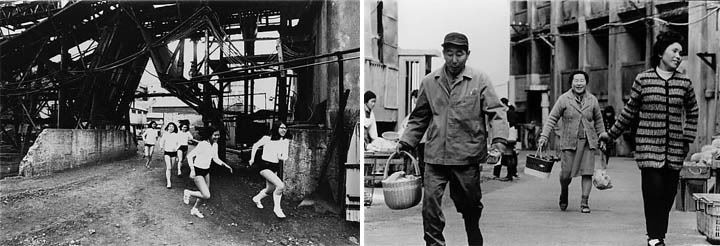
Hashima Island, commonly called Gunkanjima or Gunkanshima, meaning Battleship Island), is one among 505 uninhabited islands in the Nagasaki Prefecture about 15 kilometers from Nagasaki itself. The island was populated from 1887 to 1974 as a coal mining facility.
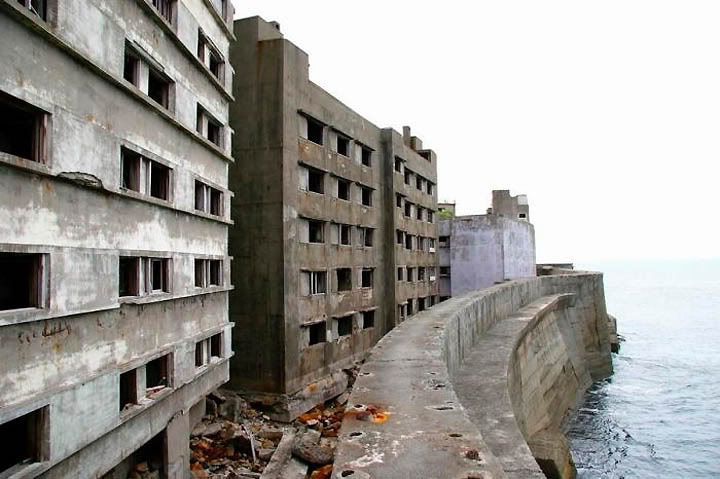
The island's most notable features are the abandoned concrete buildings and the sea wall surrounding it. It has been administered as part of Nagasaki, Nagasaki since 2005; it had previously been administered by the former town of Takashima.
Battleship Island is an English translation of the Japanese nickname for Hashima Island, Gunkanjima (gunkan meaning battleship, jima being the rendaku form of shima, meaning island). The island's nickname came from its apparent resemblance to the Japanese battleship Tosa due to its high seawalls. It also is known as the Ghost Island. It is known for its coal mines and their operation during the industrialization of Japan. Mitsubishi bought the island in 1890 and began the project, the aim of which was retrieving coal from undersea mines.
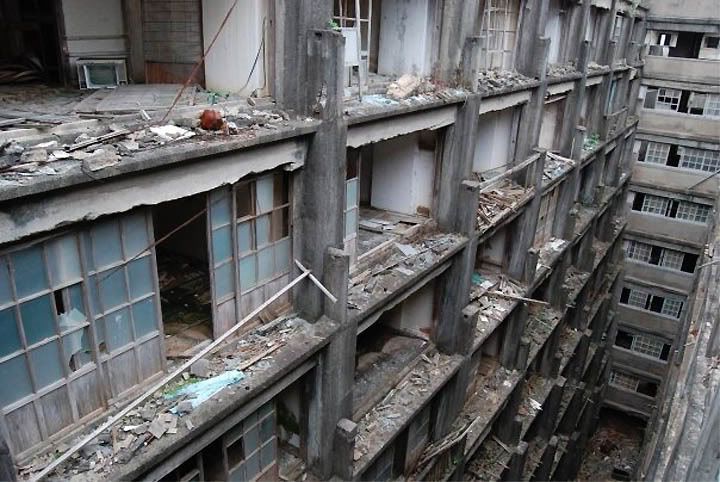
They built Japan's first large concrete building (9 stories high), a block of apartments in 1916 to accommodate their burgeoning ranks of workers (many of whom were forcibly recruited labourers from other parts of Asia)[citation needed], and to protect against typhoon destruction.
According to a South Korean commission, the island housed 500 Koreans who were forced to work between 1939 and 1945, during World War II.
In 1959, its population density was 835 people per hectare (83,500 people/km2) (216,264 people per square mile) for the whole island, or 1,391 per hectare (139,100 people/km2) for the residential district.
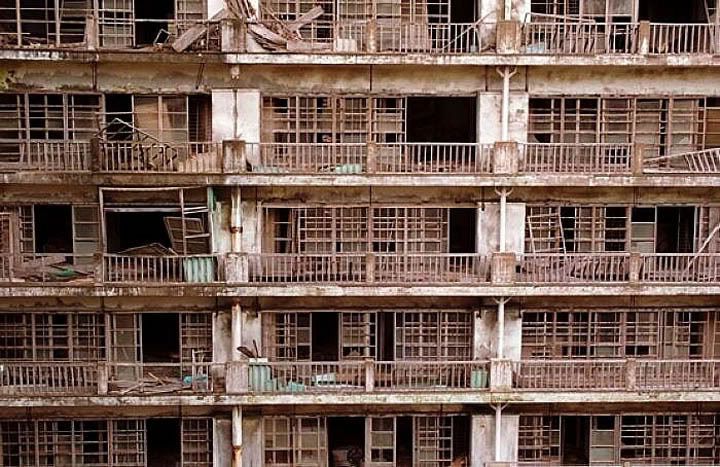
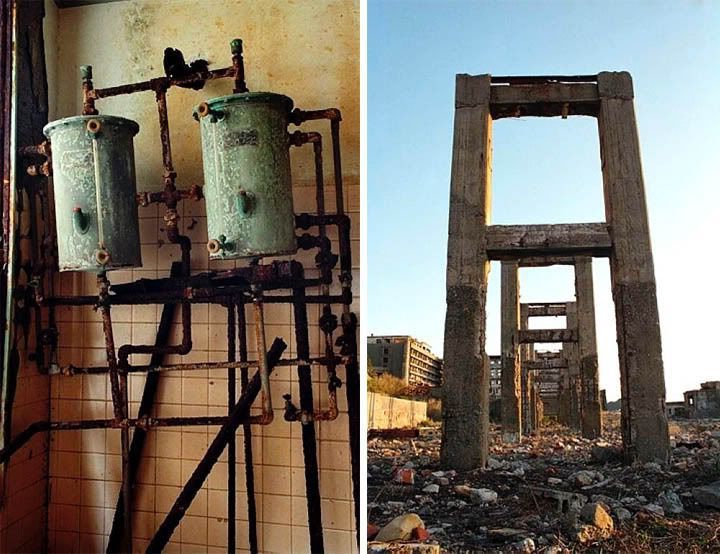
As petroleum replaced coal in Japan in the 1960s, coal mines began shutting down all over the country, and Hashima's mines were no exception. Mitsubishi officially announced the closing of the mine in 1974, and today it is empty and bare, which is why it is called the Ghost Island. Travel to Hashima was re-opened on April 22, 2009 after more than 20 years of closure.
Singer-songwriter Okazaki Ritsuko was born on Hashima Island.
Hashima Island, or Battleship Island (Gunkanjima in Japanese) as it's often called, hope and optimism became dust and decay because one black resource (coal) was replaced by a cheaper black resource (oil). Populated first in 1887, the island – which is 15 kilometers from Nagasaki – only began to really, and phenomenally, become populated much later, in 1959.
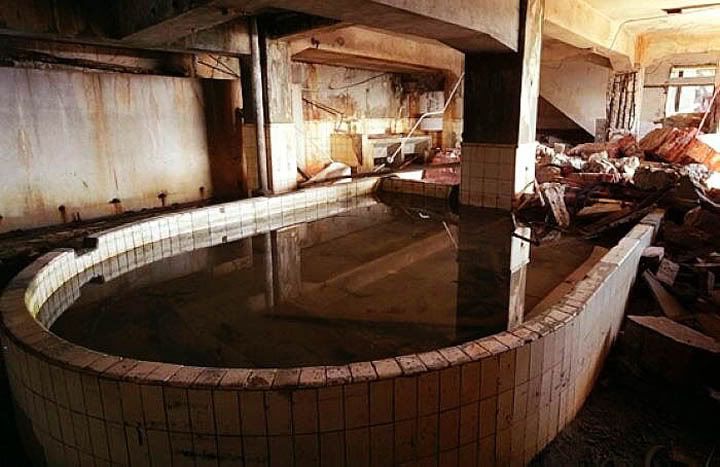
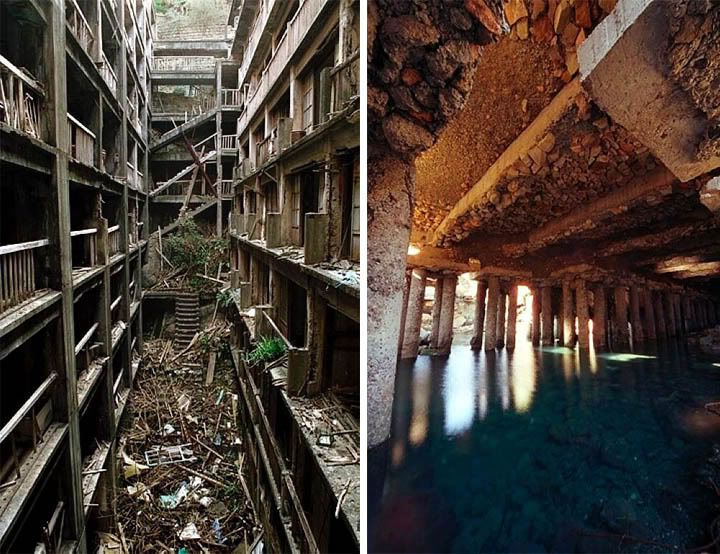
Before that day when coal was replaced by oil, Hashima was the most densely populated area – ever. On that tiny island, crammed into what are now decaying tenements, were thousands of miners, their families (including children), support staff, administration, and everything necessary to make their lives at least tolerable. It's hard to imagine when looking at the empty doorways, ghostly apartments, and hauntingly vacant corridors what the lives of those people might have been like.