|
#1
●
04-19-2010, 09:37 AM
| ||||||||
 My Rank: MAJOR Poster Rank:12 Join Date: Jun 2009 Posts: 93,128
Contributions: 226
Mentioned: 91 Post(s) Quoted: 2009 Post(s)
| ||||||||
|
Reginald Mitchell and His Little SPITFIRE.
It's said that World War Two was won in the skies - thanks to a little plane called the Spitfire. RJ Mitchell, its inventor and a Potteries lad, died before he could see its final success. Reginald Joseph Mitchell (1895-1937) was born in Stoke on Trent. He was born on the 20th May 1895 in a small town called Butt lane in a little terrace house on Congleton road. Picture 1 the house around when he was born and picture 2+3 shows the house as it stands now. 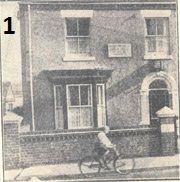 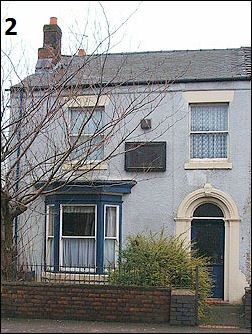 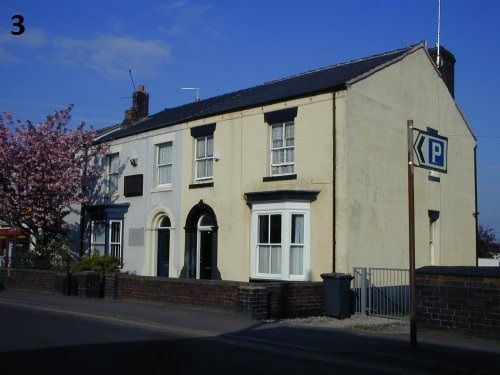 Picture 4 is the plaque that is mounted to the house. It reads; Reginald J Mitchell CBE AMICE FRAS Designer of the Spitfire was born here 20th May 1895 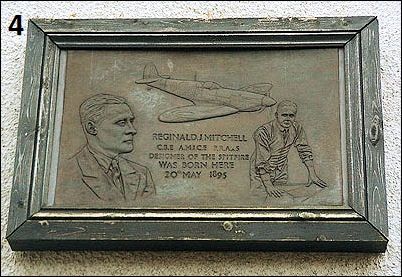 Not long after the birth of Reginald, the eldest of five children, the family moved from Butt Lane to a house in Longton. Young Mitchell then became a pupil at Queensbury Road Junior School, and, later, gained admission to Hanley High School, where all his spare time was spent in constructing and experimenting with model aircraft. At sixteen he left Hanley High and became an apprentice at Kerr, Stuart and Company, Fenton, where he received a thorough training in engineering skills. He supplemented this practical training by part-time study at a local technical college and eventually progressed from the shopfloor to the drawing office. His enthusiasm for aircraft continued, and, after completing his apprenticeship in 1916, he successfully applied for a position at the Supermarine Aviation Works in Southampton. By 1919 he had become chief engineer and designer; from 1928 until his death in 1937 he was also a director of the company. One of his greatest achievements was the design and development of high speed seaplanes which were successful in the Schneider Trophy races between 1922 and 1931. The trophy was competed for by seaplanes of any nation and changed hands several times until it was won outright by Britain after victories in 1927, 1929 and 1931, when a new world speed record of 340.08 m.p.h. was achieved. The experience gained from designing this type of aircraft was of considerable help to Mitchell in developing the Spitfire, which was designed in 1935 and first flown in 1936. The Spitfire proved to be the most outstanding single-seater aircraft during the Second World War; the part it played in the Battle of Britain will always be remembered. After the war it was gradually phased out, but in 1969 the City of Stoke on Trent was fortunate enough to acquire a 1944 Spitfire R.W. 388 Mk. LF 16e, which is now on permanent display in Hanley 5 as a memorial to its designer. 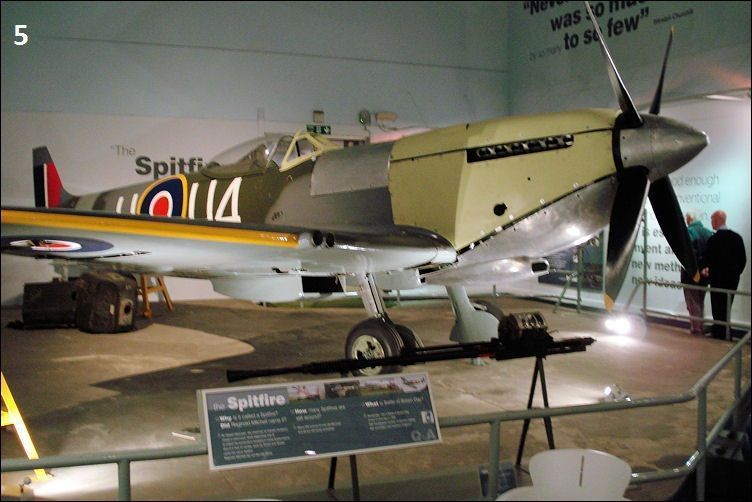 Outside this very museum is a statue also in memorial to RJM. Pictures 6+7. 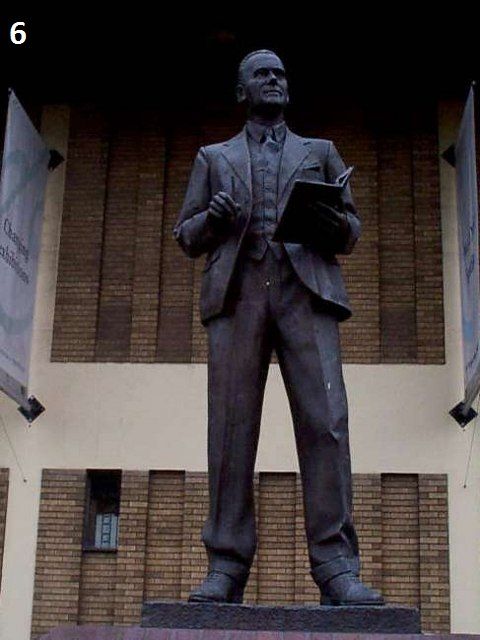 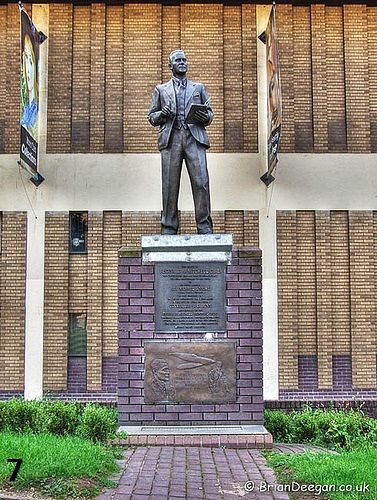 I have visited the museum countless times and find it very interesting, it also helps to teach my son of history surrounding our city. Behind where RJM was born is a school named after him, this is the school my son attends. There is stacks of interesting stuff in there to read and every year on the anniversary of his birthday the spitfire flies over. Picture8+9 show Reginald Mitchell way where we have stone pictures of the Spitfire mounted into the ground, it's quite spectacular. 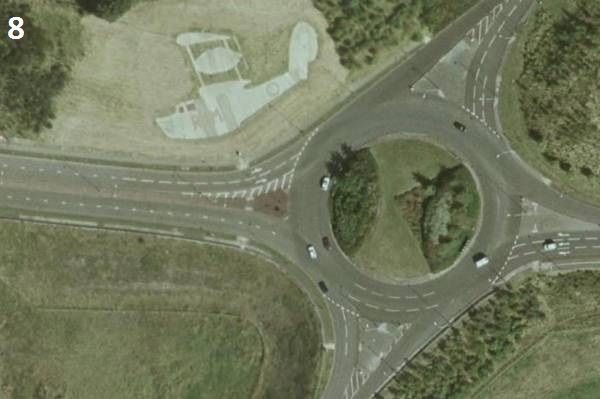 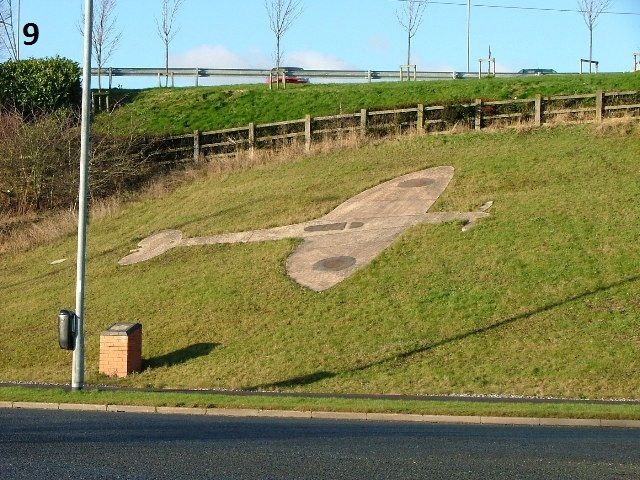 The Spitfire The Supermarine Spitfire remains one of the classic fighter aircraft of all time, and certainly one of the most instantly recognizable. In the United Kingdom it has become a part of folklore- the aeroplane that saved the United Kingdom in the Battle of Britain. To some degree history has been rewritten by its success. In all, an estimated 22 579 Spitfires served in all spheres of the War and afterwards, and when whenever a visual reconstruction has occurred of such events, they were generally rewritten to some degree around the aircraft available- almost entirely Spitfires. That admitted, there remains the fact that the Spitfire was one of, if not the, most effective fighter of its time. As an act of engineering it was at the cutting edge of technology from the mid 1930's until nearly 1950, and was extensively developed. It encompasses in one aircraft type most of the major developments of the end of the piston-engined fighter era. For many people it is simply that the Spitfire is synonymous with the most effective aero engine of the War, the Rolls-Royce Merlin. Others simply admire the beautiful lines of the airframe. Usefull links Spitfire engines-http://www.spitfiresociety.demon.co.uk/engines.htm Squadrons that flew them-http://www.spitfiresociety.demon.co.uk/squadron.htm All the info on the engineering-http://en.wikipedia.org/wiki/Supermarine_Spitfire 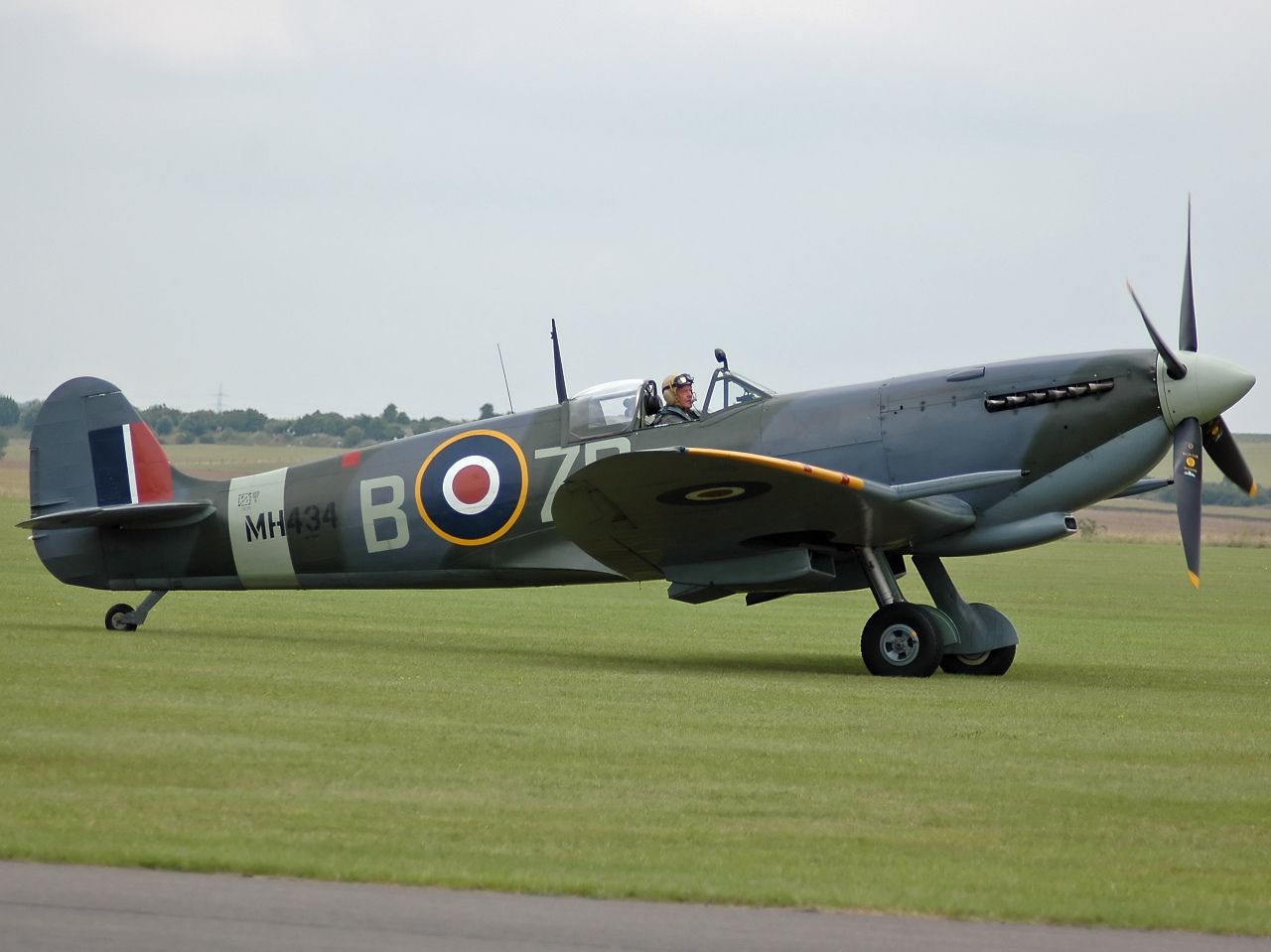 · 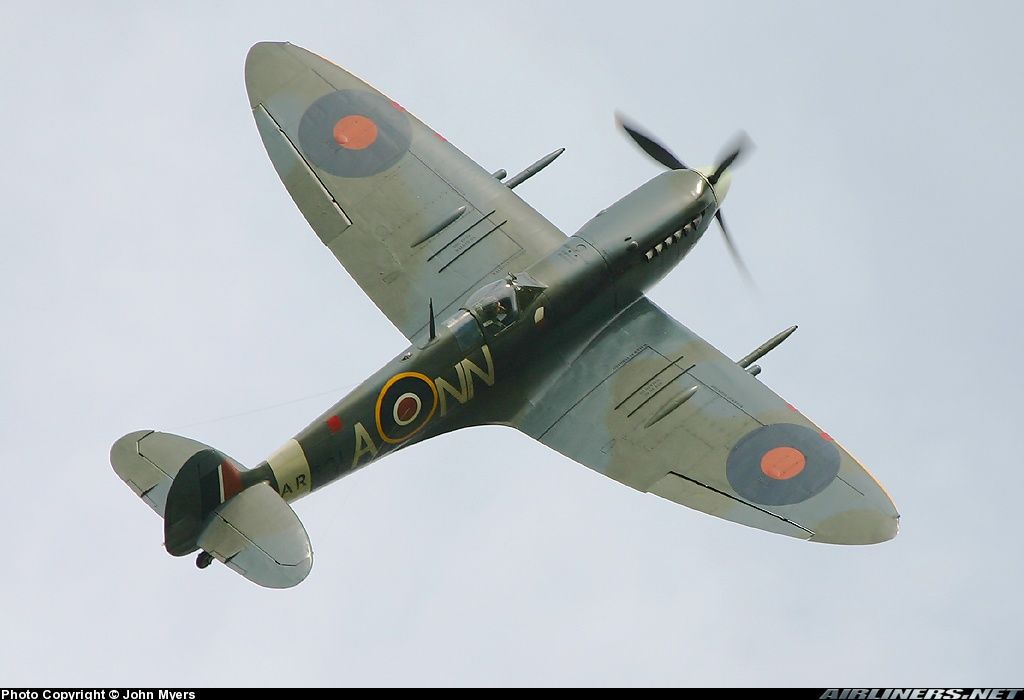 · 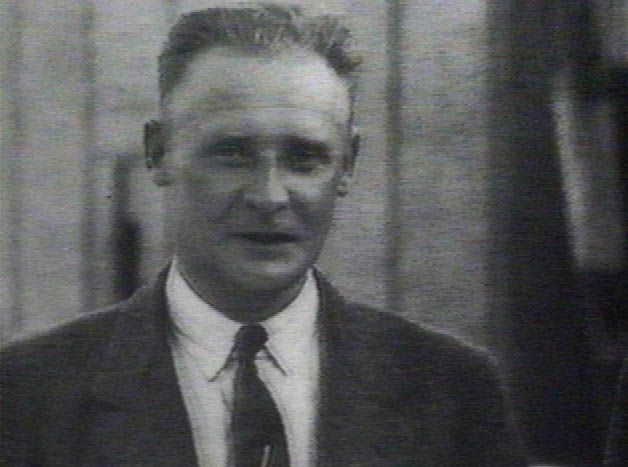 · 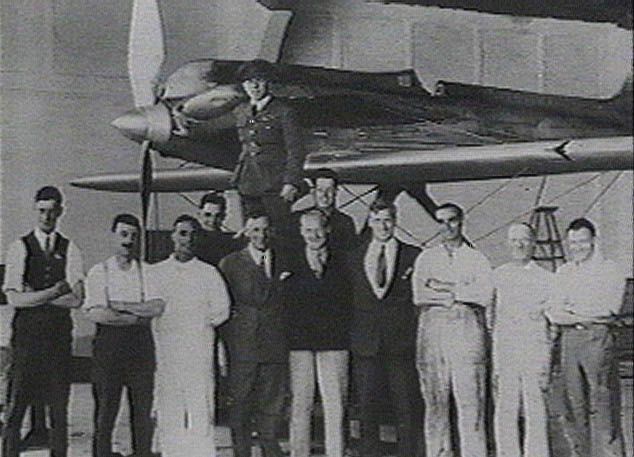 · 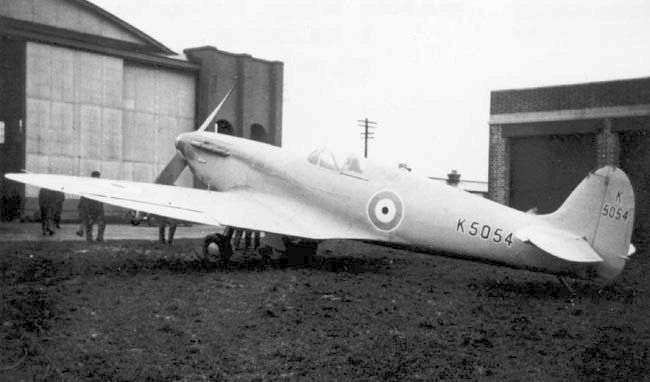 · 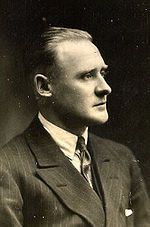 · 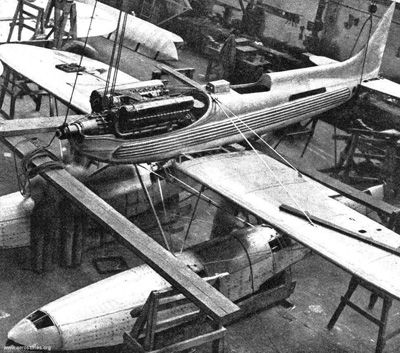 · |
|
#2
●
04-19-2010, 09:38 AM
| ||||||||
| My Rank: MAJOR Poster Rank:12 Join Date: Jun 2009 Posts: 93,128
Contributions: 226
Mentioned: 91 Post(s) Quoted: 2009 Post(s)
| ||||||||
|
Re: Reginald Mitchell and His Little SPITFIRE.
I will add that i live just a few doors away from the house he lived in.
|
|
#4
●
04-19-2010, 11:59 AM
| ||||||||
 ★Wizard Of Gore★ Poster Rank:2 Join Date: Aug 2009 Posts: 127,538
Contributions: 1
Mentioned: 453 Post(s) Quoted: 30201 Post(s)
| ||||||||
|
Re: Reginald Mitchell and His Little SPITFIRE.
Great post Kel, very informative. Love reading about history like this. My father was in England and France during WWII. Before he died (2005) he recounted stories of British soldiers he had met as if it happened the day before.
|
|
#5
●
04-19-2010, 12:41 PM
| ||||||||
 Server Supporter Poster Rank:192 Male Join Date: Feb 2010 Posts: 7,790 Mentioned: 1 Post(s) Quoted: 230 Post(s)
| ||||||||
|
Re: Reginald Mitchell and His Little SPITFIRE.
Haha, I'm sorry. He lived on Butt Lane. This is a really great post Kelly. My Grandfather flew a Spitfire in WWII, I think I said this in the Redbull thread but he was a mean old British bastard. He would definitely appreciate this information and the photos as well if he were alive. He used to tell me that his favorite birds were sparrow's because the way they flew reminded him of when he was a pilot. Awesome photos, great story. Thanks a lot Kelly, makes me miss the old potato faced guy haha. |
|
#7
●
04-19-2010, 04:50 PM
| ||||||||
 ★ Legacy Member ★ Poster Rank:696 Female Join Date: May 2009 Posts: 1,220 Mentioned: 0 Post(s) Quoted: 13 Post(s)
| ||||||||
|
Re: Reginald Mitchell and His Little SPITFIRE.
I used to go to RAF war memorial air shows with my great uncle, who was in the RAF during WWII. When we were looking at a spitfire exhibit or seeing one in the air, he would have a look of pure admiration and respect on his face. Makes me very proud, thanks Kelly  |
|
#8
●
06-06-2010, 03:13 PM
| ||||||||
 Der übliche Verdächtige Poster Rank:965 Peckerwood Join Date: Jul 2009 Posts: 735 Mentioned: 0 Post(s) Quoted: 4 Post(s)
| ||||||||
|
Re: Reginald Mitchell and His Little SPITFIRE.
One thing I've always admired about the British is their respect for history.
|
|
#9
●
06-06-2010, 03:28 PM
| ||||||||
 Smartest Retard Poster Rank:188 Female Join Date: Feb 2010 Posts: 8,011 Mentioned: 1 Post(s) Quoted: 34 Post(s)
| ||||||||
|
Re: Reginald Mitchell and His Little SPITFIRE.
Wonderful post Kelly, it taught me a thing or 2. My father and step father where in the war but on board ship, fighting the battle from the water. So this bit of history is new to me. Thanks for sharing this. |