JavaScript and Cookies are required to view this site. Please enable both in your browser settings.
________________________________________ Okapi Is it a giraffe? Is it a zebra? Is it a ziraffe? A gebra? It’s an Okapi! Ever heard of it? Apparently, the Okapi’s history reaches back to ancient Egypt, where carvings have since been found. In Europe and Africa, prior to the 20th century, there existed legends of an “African unicorn.” Today, that animal is thought to be the Okapi. In 1887, Henry Morton Stanley reported on a type of donkey in the Congo named an “Atti.” Today, THAT animal is thought to be the Okapi as well. Scientists, zoologists, and scholars know a lot more about the animal today. For instance, the fact that it is related to the giraffe, despite it’s zebra-like markings, and the fact that the species Okapia johnstoni is considered a “living fossil,” a creature who seems to be the same species as it’s ancient fossils and has no close living relatives (I guess the giraffe is a VERY distant cousin). There are about 10,000-20,000 alive in the wild, but since this dude is sooooo vintage, he goes on the list. http://en.wikipedia.org/wiki/Okapi ________________________________________ Sao Tome Shrew The Sao Tome Shrew is on the Critically Endangered list because not only are there few left, their habitat is progressively declining. The population continues to decrease, making these animals rare. Found only Sao Tome Island, a small island that is actually a shield volcano that rises out of the Atlantic Ocean. These little shrews are only about 3 inches long, and have white teeth (other than the standard yellow) and light bellies. http://en.wikipedia.org/wiki/S%C3%A3o_Tom%C3%A9_Shrew ________________________________________ Red Wolf The Red Wolf is a cousin to the Gray Wolf. The Red Wolf was actually deemed extinct in the wild in 1980. There were, luckily, some Red Wolves were still in captivity, twenty to be exact. Wildlife conservationists increased the number of Red Wolves in captivity to 207, and today there are about 100 living in the wild. A success story, yes, but the factors that caused the Red Wolf to become so endangered are still present today, in that their hunting ground has been severely depleted. Luckily there are wildlife preserves that allow these wolves to live in their natural habitat, though protected from urban sprawl. http://en.wikipedia.org/wiki/Red_wolf ________________________________________ Northern Hairy-Nosed Wombat This cute critter, considered one of the rarest large mammals in the world, is on the Critically Endangered list. Over 39 inches long, the Northern Hairy-Nosed Wombat is a shade larger than normal wombats, and are able to breed faster, though that has not improved their Critically Endangered status. These vision-impaired marsupials inhabit a mere 750 acre space in Epping Forest in Queensland, except for a second colony (recently established) that lives in a predator-protected refuge in St. George. Currently there are only about 130 Northern Hairy-Nosed Wombats alive. http://en.wikipedia.org/wiki/Northern_Hairy-nosed_Wombat ________________________________________ Seychelles Sheath-Tailed Bat This sac-winged bat lives in the Seychelles Islands that lie north of Madagascar. Once abundant throughout the island chain, the Seychelle Sheath-Tailed Bat is extinct on most of the islands. The bats live in harem colonies, and have a high reproductive potential. Unfortunately, they are very susceptible to habitat changes, and because of their need to roost in several different locations within a habitat, their survival has not been overly successful. There are less than 100 Seychelles Sheath-Tailed Bats thought to live in the world. http://en.wikipedia.org/wiki/Seychelles_Sheath-tailed_Bat ________________________________________ Javan Rhino The Javan Rhino is one of five living rhinoceros types, and is part of the same genus as the Indian Rhinoceros, but they are smaller. These Javan Rhinos were once abundant in Indonesia and Southeast Asia, but they are now on the Critically Endangered list with only about sixty (broken into two known populations) in the wild. There are no Javan Rhinos in captivity. The Vietnam War is cited to be one of the biggest deterrents to the Javan Rhino’s existence, in that it severely depleted its natural habitat. Some sources say that this rhino is THE rarest large mammal in the world, unlike the Fur-Nosed wombat, who is somewhere on the “Most Rare” list. http://en.wikipedia.org/wiki/Javan_Rhinoceros ________________________________________ Golden Tabby Tiger This type of rare tiger is only found in captivity. The coloring is a result of a recessive gene, and sometimes the Golden Tabby is also called the Strawberry Tiger. These types of tigers have a Bengal parentage, but generally have Amur tiger in their lineage somewhere. This type of tiger has been in existence as far back as the early 1900s, and their occurrence is strangely tied to areas with a heavy concentration of clay in the soil. There are less than 30 of these tigers known in existence. http://en.wikipedia.org/wiki/Golden_tabby ________________________________________ Yangtze River Dolphin (Baiji) Also called the Chinese River Dolphin, the Whitefin Dolphin, and the Yangtze Dolphin, the Baiji is NOT the Chinese White Dolphin. This rare animal has become “functionally extinct” because of China’s industrialization. Late in 2006. researchers were unable to find any of these mid-size dolphins, but in August of 2007 a Chinese photographer captured an image of what might be a Bainji. There are anywhere between 0 and 13 Yangtze River Dolphins left in the world. http://en.wikipedia.org/wiki/Baiji ________________________________________ Pina Island Tortoise The Pinta Island Tortoise has been reduced to one known survivor – Lonesome George. A Galapagos tortoise, George is considered a “poster child” for the conservation efforts in the Galapagos Islands. George is about 100 years old, and all he’s missing is a mate. In fact, some sources report that there is a $10000 reward for someone who finds a female mate for George. There is some skepticism about George’s claim as the last Pinta Island Tortoise in the world. A Prague zoo claims to have another male that they call Tony, but this information is unconfirmed. http://en.wikipedia.org/wiki/Chelonoidis_nigra_abingdoni " /> ________________________________________ Okapi Is it a giraffe? Is it a zebra? Is it a ziraffe? A gebra? It’s an Okapi! Ever heard of it? Apparently, the Okapi’s history reaches back to ancient Egypt, where carvings have since been found. In Europe and Africa, prior to the 20th century, there existed legends of an “African unicorn.” Today, that animal is thought to be the Okapi. In 1887, Henry Morton Stanley reported on a type of donkey in the Congo named an “Atti.” Today, THAT animal is thought to be the Okapi as well. Scientists, zoologists, and scholars know a lot more about the animal today. For instance, the fact that it is related to the giraffe, despite it’s zebra-like markings, and the fact that the species Okapia johnstoni is considered a “living fossil,” a creature who seems to be the same species as it’s ancient fossils and has no close living relatives (I guess the giraffe is a VERY distant cousin). There are about 10,000-20,000 alive in the wild, but since this dude is sooooo vintage, he goes on the list. http://en.wikipedia.org/wiki/Okapi ________________________________________ Sao Tome Shrew The Sao Tome Shrew is on the Critically Endangered list because not only are there few left, their habitat is progressively declining. The population continues to decrease, making these animals rare. Found only Sao Tome Island, a small island that is actually a shield volcano that rises out of the Atlantic Ocean. These little shrews are only about 3 inches long, and have white teeth (other than the standard yellow) and light bellies. http://en.wikipedia.org/wiki/S%C3%A3o_Tom%C3%A9_Shrew ________________________________________ Red Wolf The Red Wolf is a cousin to the Gray Wolf. The Red Wolf was actually deemed extinct in the wild in 1980. There were, luckily, some Red Wolves were still in captivity, twenty to be exact. Wildlife conservationists increased the number of Red Wolves in captivity to 207, and today there are about 100 living in the wild. A success story, yes, but the factors that caused the Red Wolf to become so endangered are still present today, in that their hunting ground has been severely depleted. Luckily there are wildlife preserves that allow these wolves to live in their natural habitat, though protected from urban sprawl. http://en.wikipedia.org/wiki/Red_wolf ________________________________________ Northern Hairy-Nosed Wombat This cute critter, considered one of the rarest large mammals in the world, is on the Critically Endangered list. Over 39 inches long, the Northern Hairy-Nosed Wombat is a shade larger than normal wombats, and are able to breed faster, though that has not improved their Critically Endangered status. These vision-impaired marsupials inhabit a mere 750 acre space in Epping Forest in Queensland, except for a second colony (recently established) that lives in a predator-protected refuge in St. George. Currently there are only about 130 Northern Hairy-Nosed Wombats alive. http://en.wikipedia.org/wiki/Northern_Hairy-nosed_Wombat ________________________________________ Seychelles Sheath-Tailed Bat This sac-winged bat lives in the Seychelles Islands that lie north of Madagascar. Once abundant throughout the island chain, the Seychelle Sheath-Tailed Bat is extinct on most of the islands. The bats live in harem colonies, and have a high reproductive potential. Unfortunately, they are very susceptible to habitat changes, and because of their need to roost in several different locations within a habitat, their survival has not been overly successful. There are less than 100 Seychelles Sheath-Tailed Bats thought to live in the world. http://en.wikipedia.org/wiki/Seychelles_Sheath-tailed_Bat ________________________________________ Javan Rhino The Javan Rhino is one of five living rhinoceros types, and is part of the same genus as the Indian Rhinoceros, but they are smaller. These Javan Rhinos were once abundant in Indonesia and Southeast Asia, but they are now on the Critically Endangered list with only about sixty (broken into two known populations) in the wild. There are no Javan Rhinos in captivity. The Vietnam War is cited to be one of the biggest deterrents to the Javan Rhino’s existence, in that it severely depleted its natural habitat. Some sources say that this rhino is THE rarest large mammal in the world, unlike the Fur-Nosed wombat, who is somewhere on the “Most Rare” list. http://en.wikipedia.org/wiki/Javan_Rhinoceros ________________________________________ Golden Tabby Tiger This type of rare tiger is only found in captivity. The coloring is a result of a recessive gene, and sometimes the Golden Tabby is also called the Strawberry Tiger. These types of tigers have a Bengal parentage, but generally have Amur tiger in their lineage somewhere. This type of tiger has been in existence as far back as the early 1900s, and their occurrence is strangely tied to areas with a heavy concentration of clay in the soil. There are less than 30 of these tigers known in existence. http://en.wikipedia.org/wiki/Golden_tabby ________________________________________ Yangtze River Dolphin (Baiji) Also called the Chinese River Dolphin, the Whitefin Dolphin, and the Yangtze Dolphin, the Baiji is NOT the Chinese White Dolphin. This rare animal has become “functionally extinct” because of China’s industrialization. Late in 2006. researchers were unable to find any of these mid-size dolphins, but in August of 2007 a Chinese photographer captured an image of what might be a Bainji. There are anywhere between 0 and 13 Yangtze River Dolphins left in the world. http://en.wikipedia.org/wiki/Baiji ________________________________________ Pina Island Tortoise The Pinta Island Tortoise has been reduced to one known survivor – Lonesome George. A Galapagos tortoise, George is considered a “poster child” for the conservation efforts in the Galapagos Islands. George is about 100 years old, and all he’s missing is a mate. In fact, some sources report that there is a $10000 reward for someone who finds a female mate for George. There is some skepticism about George’s claim as the last Pinta Island Tortoise in the world. A Prague zoo claims to have another male that they call Tony, but this information is unconfirmed. http://en.wikipedia.org/wiki/Chelonoidis_nigra_abingdoni " /> Rare Animals

Rare Animals 

Current Rating:

Unlimited Views No Ads No Algorithms Lifetime Account

Documenting Reality

Community Forum · Est. 2006

Join Now
Thread Tools
  #1  
10-09-2011, 04:39 PM
Faline's Avatar
Faline
Offline:
My Rank: MAJOR
Poster Rank:12
Join Date: Jun 2009
Posts: 93,130
Contributions: 226
 
Mentioned: 91 Post(s)
Quoted: 2009 Post(s)
Activity Longevity
0/20 18/20
Today Posts
0/11 ssss93130
Rare Animals

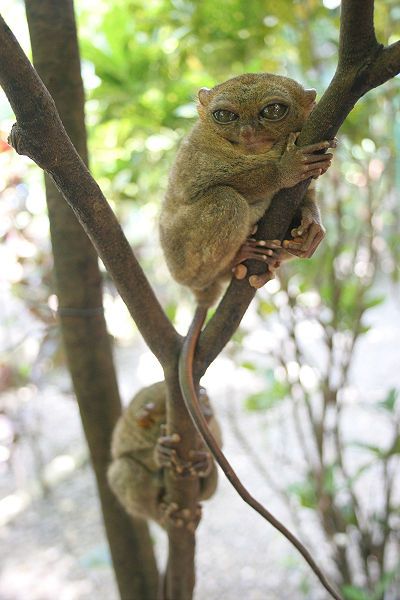
Tarsiers
Click image for larger version

Name:	Tarsiers.jpg
Views:	290
Size:	53.1 KB
ID:	309164
Tarsiers are found only in the islands of Southeast Asia. Since Southeast Asia encompasses a wide range of islands – Thailand, Cambodia, Indonesia, the Philippines, and more, that might not seem like these little guys are so rare. When you think about the fact that they used to live in many more regions, it sort of puts in in perspective. They mostly live in Borneo. These little primates are only 4-6 inches tall, but their hind legs are twice the length of their torso. Additionally, their eyes are each the size of their brains. What else makes these adorable little primates so rare? They are the only primates who are completely carnivorous – insectivorous to be exact. They stalk bugs and jump at them. They also eat small animals like birds, bats, lizards, and snakes. Tarsiers are considered Critically Endangered and will likely be on that list for some time. They are, thus far, impossible to breed in captivity.

http://en.wikipedia.org/wiki/Tarsier

<iframe width="480" height="360" src="http://www.youtube.com/embed/5Q7xzo_pubM" frameborder="0" allowfullscreen></iframe>

________________________________________

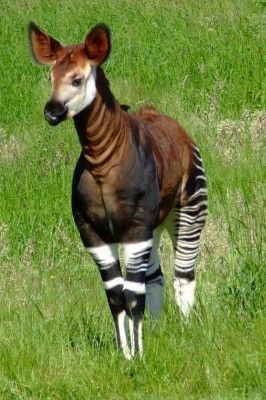
Okapi
Name:  Okapi-266x400.jpg
Views: 2163
Size:  46.6 KB
Is it a giraffe? Is it a zebra? Is it a ziraffe? A gebra? It’s an Okapi! Ever heard of it? Apparently, the Okapi’s history reaches back to ancient Egypt, where carvings have since been found. In Europe and Africa, prior to the 20th century, there existed legends of an “African unicorn.” Today, that animal is thought to be the Okapi. In 1887, Henry Morton Stanley reported on a type of donkey in the Congo named an “Atti.” Today, THAT animal is thought to be the Okapi as well. Scientists, zoologists, and scholars know a lot more about the animal today. For instance, the fact that it is related to the giraffe, despite it’s zebra-like markings, and the fact that the species Okapia johnstoni is considered a “living fossil,” a creature who seems to be the same species as it’s ancient fossils and has no close living relatives (I guess the giraffe is a VERY distant cousin). There are about 10,000-20,000 alive in the wild, but since this dude is sooooo vintage, he goes on the list.

http://en.wikipedia.org/wiki/Okapi

<iframe width="480" height="360" src="http://www.youtube.com/embed/Yr2MtHXZW0M" frameborder="0" allowfullscreen></iframe>

________________________________________

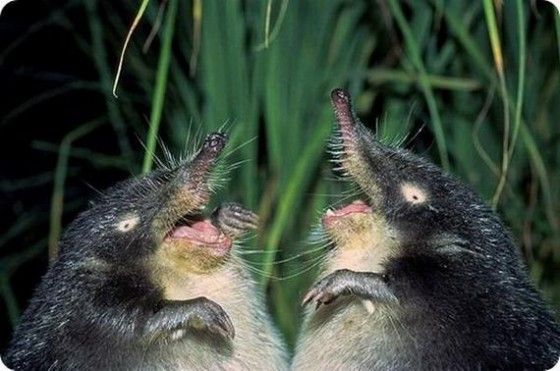
Sao Tome Shrew
Click image for larger version

Name:	sao-tome-shrew-560x371.jpg
Views:	650
Size:	57.1 KB
ID:	309166
The Sao Tome Shrew is on the Critically Endangered list because not only are there few left, their habitat is progressively declining. The population continues to decrease, making these animals rare. Found only Sao Tome Island, a small island that is actually a shield volcano that rises out of the Atlantic Ocean. These little shrews are only about 3 inches long, and have white teeth (other than the standard yellow) and light bellies.

http://en.wikipedia.org/wiki/S%C3%A3o_Tom%C3%A9_Shrew

________________________________________

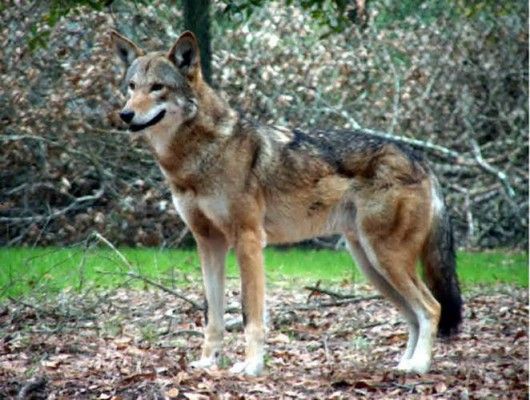
Red Wolf
Click image for larger version

Name:	Red-Wolf-530x400.jpg
Views:	913
Size:	78.3 KB
ID:	309167
The Red Wolf is a cousin to the Gray Wolf. The Red Wolf was actually deemed extinct in the wild in 1980. There were, luckily, some Red Wolves were still in captivity, twenty to be exact. Wildlife conservationists increased the number of Red Wolves in captivity to 207, and today there are about 100 living in the wild. A success story, yes, but the factors that caused the Red Wolf to become so endangered are still present today, in that their hunting ground has been severely depleted. Luckily there are wildlife preserves that allow these wolves to live in their natural habitat, though protected from urban sprawl.

http://en.wikipedia.org/wiki/Red_wolf

<iframe width="480" height="360" src="http://www.youtube.com/embed/xwXcPs_5J6g" frameborder="0" allowfullscreen></iframe>

________________________________________

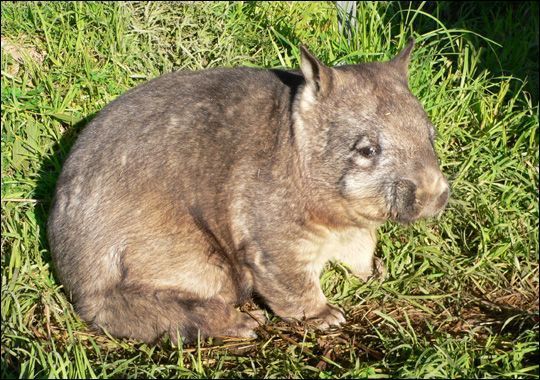
Northern Hairy-Nosed Wombat
Click image for larger version

Name:	Northern-Hairy-Nosed-Wombat.jpg
Views:	900
Size:	222.2 KB
ID:	309168
This cute critter, considered one of the rarest large mammals in the world, is on the Critically Endangered list. Over 39 inches long, the Northern Hairy-Nosed Wombat is a shade larger than normal wombats, and are able to breed faster, though that has not improved their Critically Endangered status. These vision-impaired marsupials inhabit a mere 750 acre space in Epping Forest in Queensland, except for a second colony (recently established) that lives in a predator-protected refuge in St. George. Currently there are only about 130 Northern Hairy-Nosed Wombats alive.

http://en.wikipedia.org/wiki/Norther...y-nosed_Wombat

<iframe width="480" height="360" src="http://www.youtube.com/embed/XUr4L00xivI" frameborder="0" allowfullscreen></iframe>

________________________________________

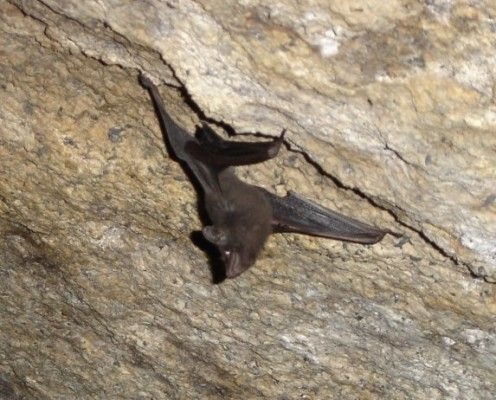
Seychelles Sheath-Tailed Bat
Click image for larger version

Name:	Seychelles-Sheath-Tailed-Bat-496x400.jpg
Views:	242
Size:	68.3 KB
ID:	309170
This sac-winged bat lives in the Seychelles Islands that lie north of Madagascar. Once abundant throughout the island chain, the Seychelle Sheath-Tailed Bat is extinct on most of the islands. The bats live in harem colonies, and have a high reproductive potential. Unfortunately, they are very susceptible to habitat changes, and because of their need to roost in several different locations within a habitat, their survival has not been overly successful. There are less than 100 Seychelles Sheath-Tailed Bats thought to live in the world.

http://en.wikipedia.org/wiki/Seychel...ath-tailed_Bat

________________________________________

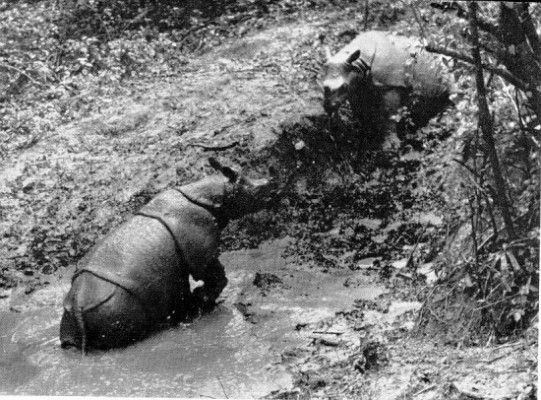
Javan Rhino
Click image for larger version

Name:	Javan-Rhino-541x400.jpg
Views:	10047
Size:	92.2 KB
ID:	309172
The Javan Rhino is one of five living rhinoceros types, and is part of the same genus as the Indian Rhinoceros, but they are smaller. These Javan Rhinos were once abundant in Indonesia and Southeast Asia, but they are now on the Critically Endangered list with only about sixty (broken into two known populations) in the wild. There are no Javan Rhinos in captivity. The Vietnam War is cited to be one of the biggest deterrents to the Javan Rhino’s existence, in that it severely depleted its natural habitat. Some sources say that this rhino is THE rarest large mammal in the world, unlike the Fur-Nosed wombat, who is somewhere on the “Most Rare” list.

http://en.wikipedia.org/wiki/Javan_Rhinoceros

<iframe width="640" height="360" src="http://www.youtube.com/embed/QTELuPmncGM" frameborder="0" allowfullscreen></iframe>

________________________________________

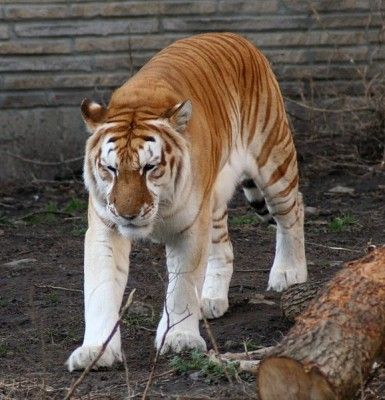
Golden Tabby Tiger
Name:  Golden-Tabby-Tiger-385x400.jpg
Views: 867
Size:  51.8 KB
This type of rare tiger is only found in captivity. The coloring is a result of a recessive gene, and sometimes the Golden Tabby is also called the Strawberry Tiger. These types of tigers have a Bengal parentage, but generally have Amur tiger in their lineage somewhere. This type of tiger has been in existence as far back as the early 1900s, and their occurrence is strangely tied to areas with a heavy concentration of clay in the soil. There are less than 30 of these tigers known in existence.

http://en.wikipedia.org/wiki/Golden_tabby

<iframe width="480" height="360" src="http://www.youtube.com/embed/7JkqJFm_heE" frameborder="0" allowfullscreen></iframe>

________________________________________

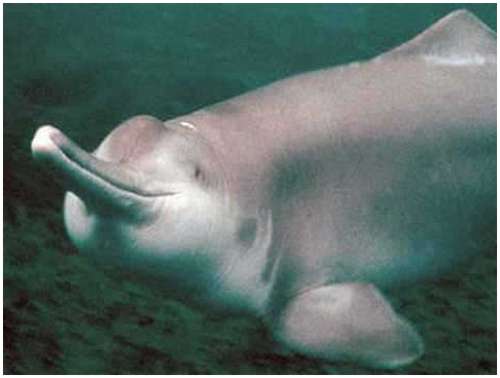
Yangtze River Dolphin (Baiji)
Click image for larger version

Name:	Baiji.jpg
Views:	274
Size:	15.0 KB
ID:	309174
Also called the Chinese River Dolphin, the Whitefin Dolphin, and the Yangtze Dolphin, the Baiji is NOT the Chinese White Dolphin. This rare animal has become “functionally extinct” because of China’s industrialization. Late in 2006. researchers were unable to find any of these mid-size dolphins, but in August of 2007 a Chinese photographer captured an image of what might be a Bainji. There are anywhere between 0 and 13 Yangtze River Dolphins left in the world.

http://en.wikipedia.org/wiki/Baiji

<iframe width="640" height="360" src="http://www.youtube.com/embed/Wz5mFASMwM4" frameborder="0" allowfullscreen></iframe>

________________________________________

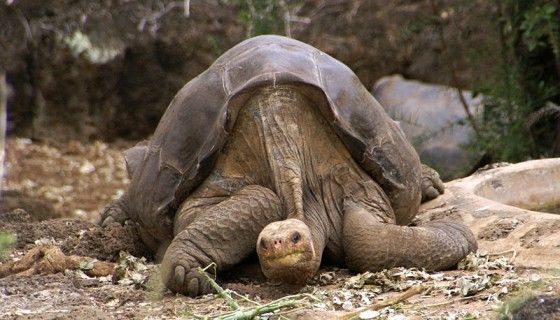
Pina Island Tortoise
Click image for larger version

Name:	Lonesome-George-560x320.jpg
Views:	319
Size:	63.7 KB
ID:	309175
The Pinta Island Tortoise has been reduced to one known survivor – Lonesome George. A Galapagos tortoise, George is considered a “poster child” for the conservation efforts in the Galapagos Islands. George is about 100 years old, and all he’s missing is a mate. In fact, some sources report that there is a $10000 reward for someone who finds a female mate for George. There is some skepticism about George’s claim as the last Pinta Island Tortoise in the world. A Prague zoo claims to have another male that they call Tony, but this information is unconfirmed.

http://en.wikipedia.org/wiki/Chelono...igra_abingdoni

<iframe width="480" height="360" src="http://www.youtube.com/embed/qx2aeQuAVvg" frameborder="0" allowfullscreen></iframe>

<iframe width="640" height="360" src="http://www.youtube.com/embed/gUn-emfk3ag" frameborder="0" allowfullscreen></iframe>
3 Users Say Thank You For This Post:
bloodgasm, Dragonlady66, Nanina
▼ PROMO FROM DOCUMENTING REALITY
You’ve wasted more on worse.
Join Now
Hidden for upgraded members.
  #2  
10-09-2011, 06:48 PM
Wolf's Avatar
Wolf
Offline:
on the outside looking in
Poster Rank:328
male
Join Date: Jun 2011
Posts: 3,896
 
Mentioned: 1 Post(s)
Quoted: 39 Post(s)
Activity Longevity
0/20 16/20
Today Posts
0/11 sssss3896
Re: Rare Animals

Poor George.
  #3  
10-09-2011, 09:31 PM
DollHead's Avatar
DollHead
Offline:
My Rank: STAFF SERGEANT
Poster Rank:841
Female
Join Date: Apr 2010
Posts: 911
 
Mentioned: 0 Post(s)
Quoted: 4 Post(s)
Activity Longevity
0/20 17/20
Today Posts
0/11 ssssss911
Re: Rare Animals

The pic of the Sao Tome Shrew made me laugh I love the strawberry tiger. There was a documentary on animal planet a few years back called "The Awesome Pawesome." There is this animal nature preserve in Australia and they were trying to to get white tiger cubs. They ended up with 4 cubs. 2 normal looking cubs, a strawberry cub and a white cub. It was amazingly adorable
This User Says Thank You For This Post:
Faline
  #4  
10-09-2011, 10:53 PM
Wildrice's Avatar
Wildrice
Offline:
My Rank: CORPORAL
Poster Rank:1273
girl
Join Date: Feb 2010
Posts: 483
 
Mentioned: 0 Post(s)
Quoted: 45 Post(s)
Activity Longevity
0/20 17/20
Today Posts
0/11 ssssss483
Re: Rare Animals

Wolves are cool.

Hope they make it out of the list along with the other fellows.


Powered by vBulletin Copyright 2000-2010 Jelsoft Enterprises Limited.

Search Engine Friendly URLs by vBSEO