|
#1
●
12-02-2008, 12:33 PM
| ||||||||
 ★ ★ GENERAL ★ ★ Poster Rank:36 male Join Date: Oct 2006 Posts: 41,655
Contributions: 35
Mentioned: 2224 Post(s) Quoted: 21082 Post(s)
| ||||||||
|
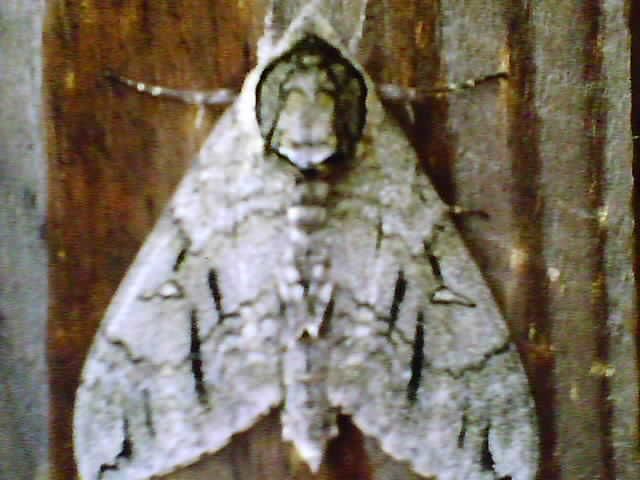
Picture of a Death Heads Moth
Hawk moth, aka death heads moth
 ·
__________________ Support the site and our continued existance by upgrading to a Green Name |
|
#2
●
12-02-2008, 01:37 PM
| ||||||||
 Super ********* Poster Rank:89 Join Date: Nov 2008 Posts: 17,425 Mentioned: 5 Post(s) Quoted: 99 Post(s)
| ||||||||
|
Re: Picture of a Death Heads Moth
I was curious where they'd be found, and this is what wiki says: The name Death's-head Hawkmoth refers to any one of the three species (A. atropos, A. styx and A. lachesis) of moth in the genus Acherontia. The former species is primarily found in Europe, the latter two are Asian, and most uses of the common name refer to the European species. These moths are easily distinguishable by the vaguely skull-shaped pattern of markings on the thorax. All three species are fairly similar in size, coloration, and life cycle. These moths have several unusual features. All three species have the ability to emit a loud squeak if irritated. The sound is produced by expelling air from the pharynx, often accompanied by flashing of the brightly-colored abdomen in a further attempt to deter predators. All three species are commonly observed raiding beehives of different species of honey bee for honey; A. atropos only attacks colonies of the well-known Western honey bee, Apis mellifera. They are able to move about in hives unmolested because they mimic the scent of the bees. Says europe, I've never seen them here in the UK or in Belgium though |
|
#3
●
12-02-2008, 01:42 PM
| ||||||||
| ★ ★ GENERAL ★ ★ Poster Rank:36 male Join Date: Oct 2006 Posts: 41,655
Contributions: 35
Mentioned: 2224 Post(s) Quoted: 21082 Post(s)
| ||||||||
|
Re: Picture of a Death Heads Moth
well that's good to know.. 
__________________ Support the site and our continued existance by upgrading to a Green Name |