|
#1
●
04-02-2014, 12:34 PM
|
 My Rank: GUNNERY SERGEANT Poster Rank:607 Tenacious Bigmouth Join Date: Apr 2013 Posts: 1,532
Contributions: 3
1,532Posts 2,413Thanked 621Quoted 4Mentioned 3Contrib. |
|
The Most Trafficked Mammal
Lucky is a pangolin -- a rare, scale-covered mammal, about the size of a house cat, that’s so bizarre it almost forces your brain to flip through a Rolodex of more-familiar images. 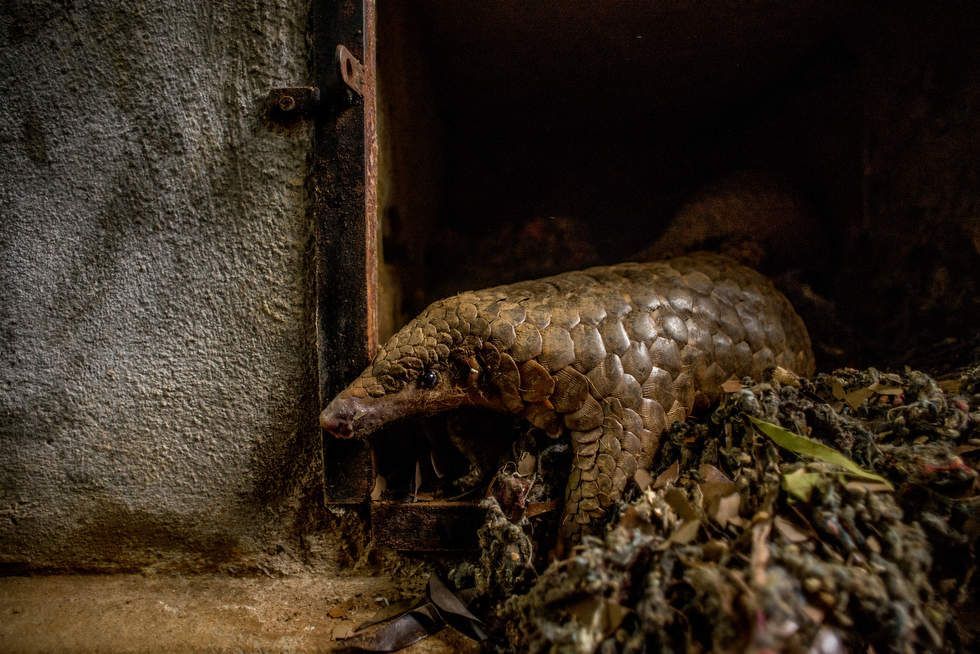 · 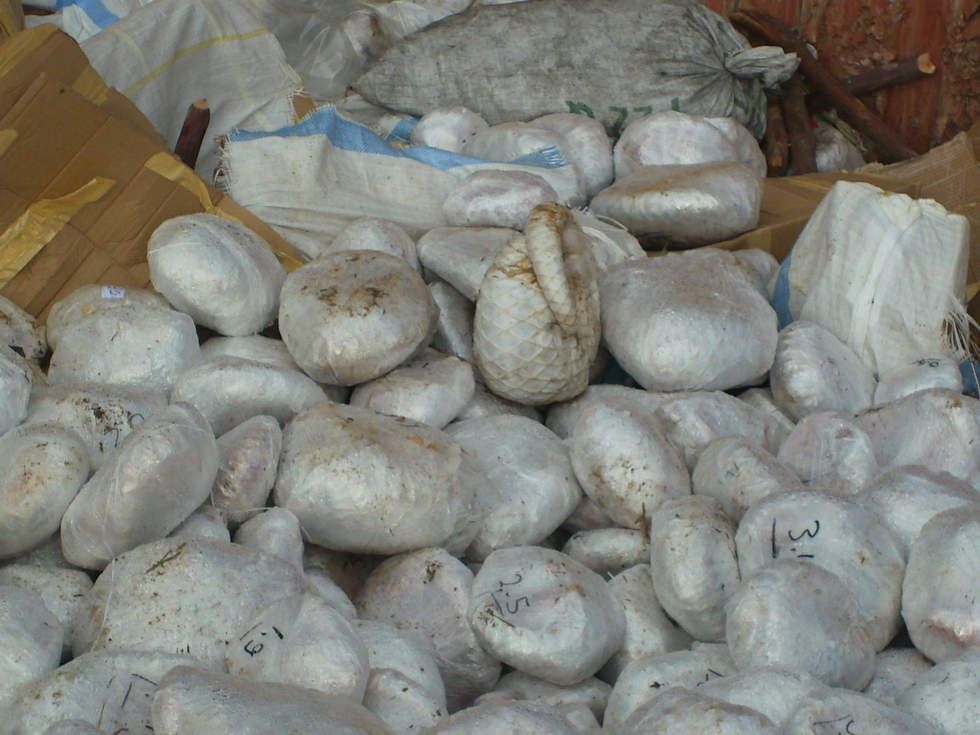 · 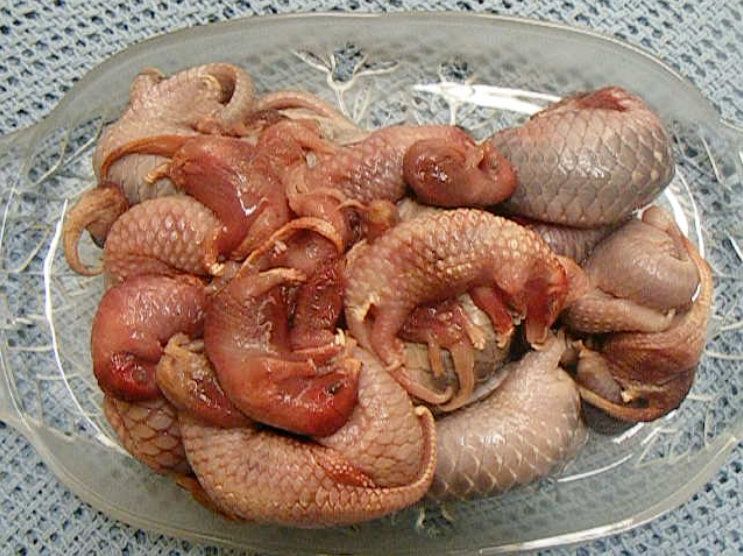 · |
|
#2
●
04-03-2014, 08:01 AM
|
 ✝Mudderator from Hell✝ Poster Rank:10 e-mail Join Date: Oct 2006 Posts: 96,621
Contributions: 901
96,621Posts 542,854Thanked 10,362Quoted 478Mentioned 901Contrib. |
|
Re: The Most Trafficked Mammal
hate poachers  |
|
#3
●
04-03-2014, 11:45 AM
|
 ★ Legacy Member ★ Poster Rank:648 Female Join Date: Nov 2013 Posts: 1,360
Contributions: 1
1,360Posts 1,646Thanked 159Quoted 8Mentioned 1Contrib. |
|
Re: The Most Trafficked Mammal
The most trafficked mammal in the world and I had never heard of them before. Thanks for info  Nasty seeing them lying piled up in that bowl.  |
|
#4
●
04-03-2014, 02:40 PM
|
 My Rank: MASTER SERGEANT Poster Rank:570 M Join Date: Feb 2011 Posts: 1,720
Contributions: 1
1,720Posts 1,412Thanked 47Quoted 1Mentioned 1Contrib. |
|
Re: The Most Trafficked Mammal
I would think humans would take that title..
|
|
#5
●
04-03-2014, 02:42 PM
|
| My Rank: GUNNERY SERGEANT Poster Rank:607 Tenacious Bigmouth Join Date: Apr 2013 Posts: 1,532
Contributions: 3
1,532Posts 2,413Thanked 621Quoted 4Mentioned 3Contrib. |
|
Re: The Most Trafficked Mammal
in all reality your right
|
|
#6
●
04-03-2014, 04:02 PM
|
 My Rank: FIRST SERGEANT Poster Rank:454 Female Join Date: Mar 2012 Posts: 2,488 2,488Posts 3,910Thanked 1,116Quoted 26Mentioned 0Contrib. |
|
Re: The Most Trafficked Mammal
Im NOT racist BUT why do the Asians do this??? whales, Sharks, Dolphins, Dogs, These cute little dragons, etc....it sure doesn't make we like them.
|
|
#8
●
04-03-2014, 05:37 PM
|
 ♚ Legacy Gold Member ♚ Poster Rank:35 Female Join Date: Nov 2008 Posts: 43,321
Contributions: 233
43,321Posts 76,140Thanked 2,282Quoted 95Mentioned 233Contrib. |
|
Re: The Most Trafficked Mammal
Asking why a population does something is not a racist thing Their appetite is plain bonkers. I saw footage of an Asian girl eating a LIVE scorpion that was impaled on a stick, nibbling it bit by bit  |
|
#9
●
04-04-2014, 09:11 AM
|
 My Rank: FIRST SERGEANT Poster Rank:399 Join Date: Apr 2011 Posts: 3,046 3,046Posts 5,761Thanked 276Quoted 2Mentioned 0Contrib. |
|
Re: The Most Trafficked Mammal
I would've thought that too! A very vivid and informative post indeed, thanks for sharing |
|
#10
●
04-06-2014, 03:17 AM
|
 ★ Legacy Member ★ Poster Rank:64 male Join Date: Jun 2012 Posts: 24,199 24,199Posts 20,160Thanked 11,648Quoted 169Mentioned 0Contrib. |
|
Re: The Most Trafficked Mammal
I cant wait for china to wake the fuck up already. Same goes for japan and its incessant pillaging of the oceans.
|