|
#1
●
12-09-2016, 05:14 AM
| ||||||||
 ★ Legacy Member ★ Poster Rank:437 male Join Date: Jun 2014 Posts: 2,667
Contributions: 19
Mentioned: 6 Post(s) Quoted: 732 Post(s)
| ||||||||
|
Medieval Anchorites
I have always been fascinated by anchorites. If you're new to them here's a succinct account written about anchorites in London, England. The other parts of the source article are also interesting.  "An Anchorite’s Cell, Medieval Cornhill (c. 1350) In late medieval London, bulging out of a dozen churches and abbeys, you will find strange little stone cells. Go to the church of St Benet Fink on Cornhill, kneel down, and peer through the grille. You'll be looking into a tiny, claustrophobic space — no more than 8ft by 6 — containing a gaunt man or woman, their eyes sunk deep into their sockets, muttering a prayer. For a bed they'd have a wooden board; their pillow, a log. There would be no door. The occupant, you'd find, would be walled in — and had been for up to 40 years. Don't try to help them: they are imprisoned entirely of their own will. Our bemusement that anyone could elect such an abominable fate manifests the cultural distance between the middle ages and our own times, and a very different attitude towards extreme solitude. 'Anchorite' is derived from the Greek anakhorein, to retire or retreat, since anchorites and anchoresses had sequestered themselves from the world to contemplate God thereby, they hoped, assuring their salvation. You may listen to their stories but don't try to touch them — physical contact is a damnable offence, as is trying to leave. Even when they die, some will be buried underneath their cell. One handbook encourages anchoresses to "scrape up earth every day out of the grave in which you shall rot" — and what better memento mori? You may be surprised to learn that there are long waiting lists for anchorholds. And why not? You can be reasonably confident of a place in heaven and parishioners will value you as a counsellor, fortune teller, safety deposit box or just someone to annoy and pester and try to damn with idle gossip. The church won't let you starve and anchoresses — who outnumber anchorites five to two — can find the perfect escape from an unhappy marriage. The anchorites were finally ejected from their cells during the dissolution of the monasteries in the 1530s, squinting in the sunlight as they rejoined the society of sinners." Source: http://londonist.com/2016/06/hellish...ampaign=buffer 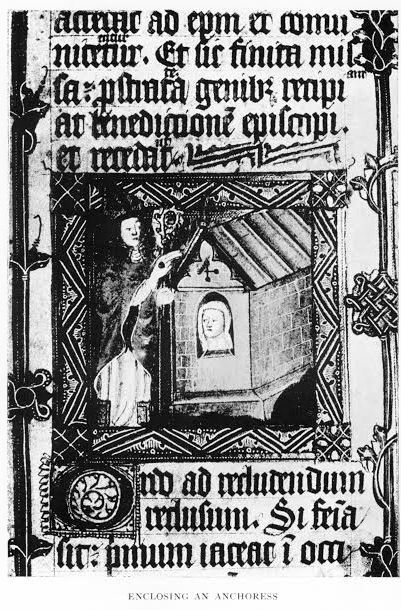 · 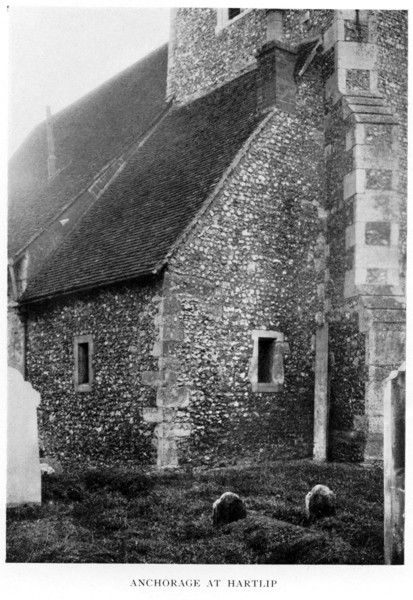 · 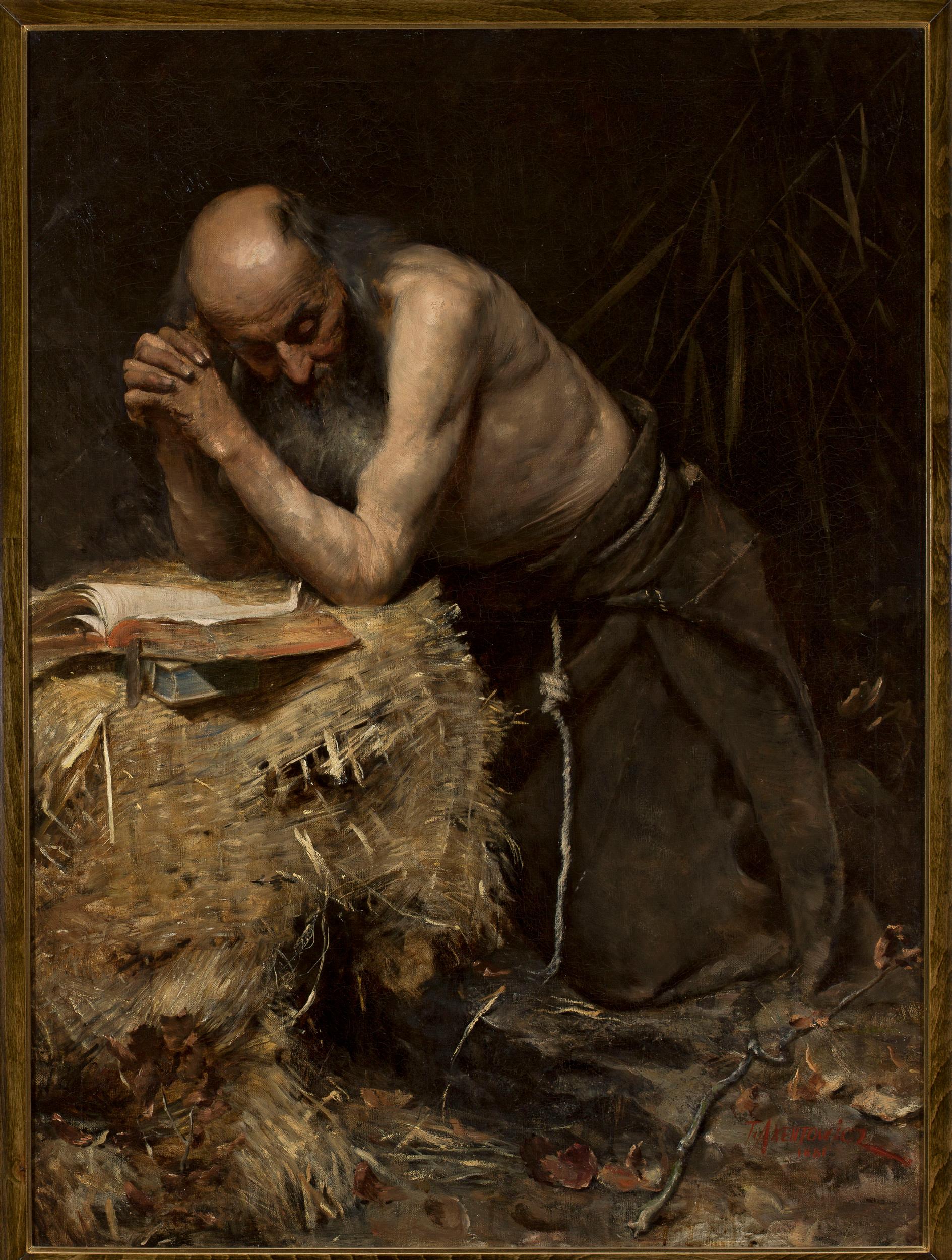 · 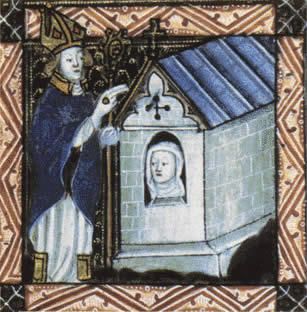 · |