|
#1
●
05-24-2011, 02:57 AM
|
 ★ Legacy Member ★ Poster Rank:893 Male Join Date: Dec 2009 Posts: 845
Contributions: 6
845Posts 2,096Thanked 9Quoted 0Mentioned 6Contrib. |
|
Gunther Von Hagens Plastination
-Each specimen is fixed using formalin (embalming fluid). -The specimen is then cleaned of lipids and excess material by washing the specimen in cool running water for one to three days, depending on the size of the specimen. -The specimen is then dehydrated by placing the specimen in acetone. You must make sure the specimen is completely submerged. Depending on the size and weight of the specimen, it may take up to three acetone baths (using new acetone) to complete step three. Your specimen should have one percent (1%) or less of water content to be completely dehydrated. -The next step would be to completely submerge the dehydrated specimen into a polymer/crosslinker bath and leave it in the mixture for one 24-hour day to get accustomed to the bath. Then place the specimen into a vacuum chamber. Once you achieve total vacuum pressure, the acetone is exchanged with polymer (you can witness this by the bubbling action in the vacuum). Once the bubbling stops, the exchange from acetone to polymer/crosslinker is complete. -The final step is to remove the specimen from the polymer/crosslinker bath and let drain. Wipe excess polymer/crosslinker from the specimen using paper towels. Then apply a thin coating of catalyst on your specimen and let cure. Once the specimen has cured, it will last many, many years. 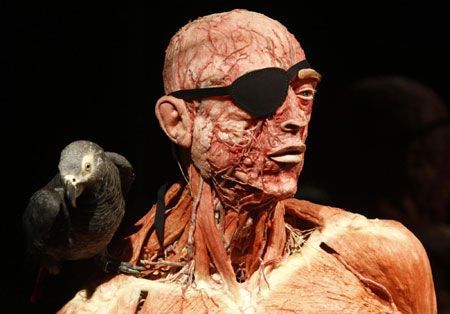 · 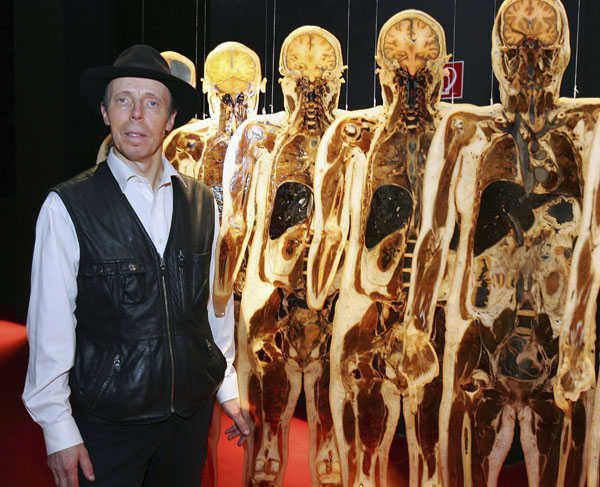 · 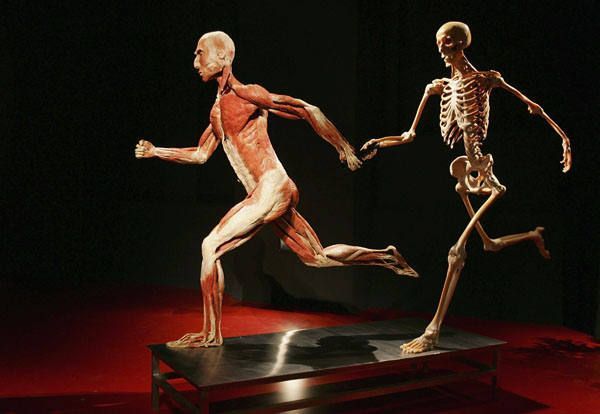 · 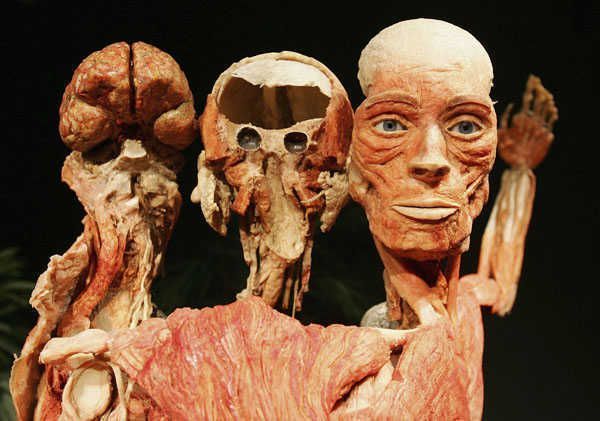 · 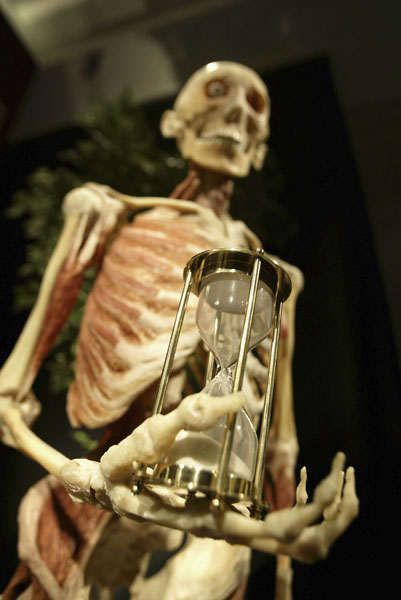 · 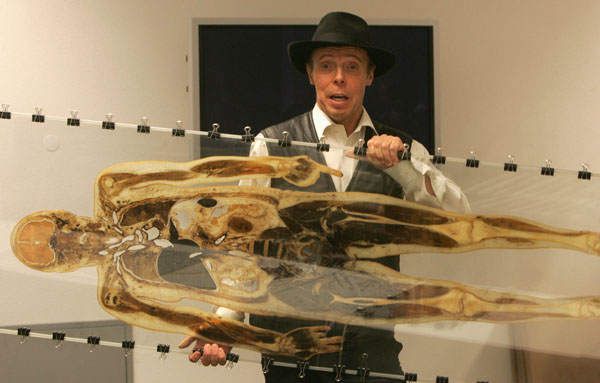 · 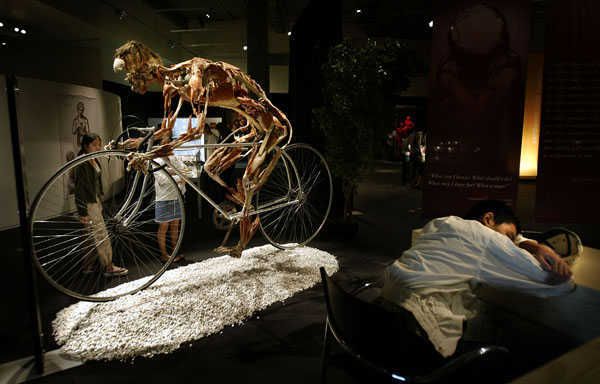 · 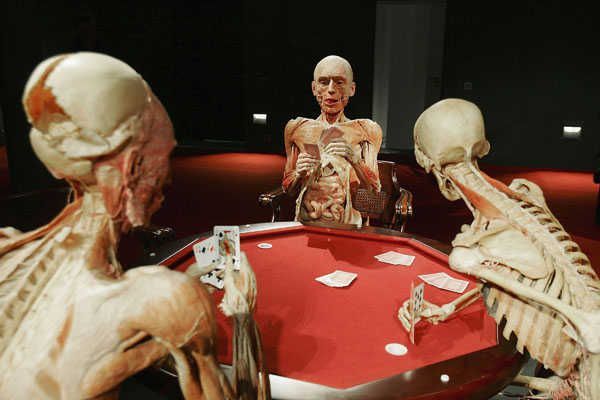 · 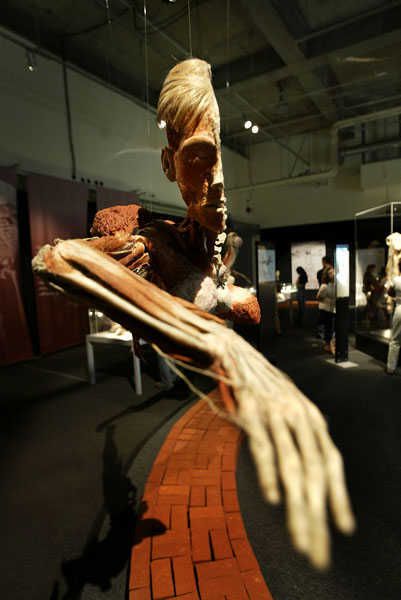 · 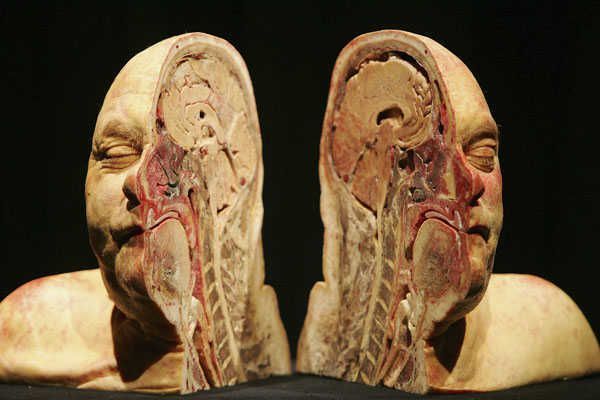 · 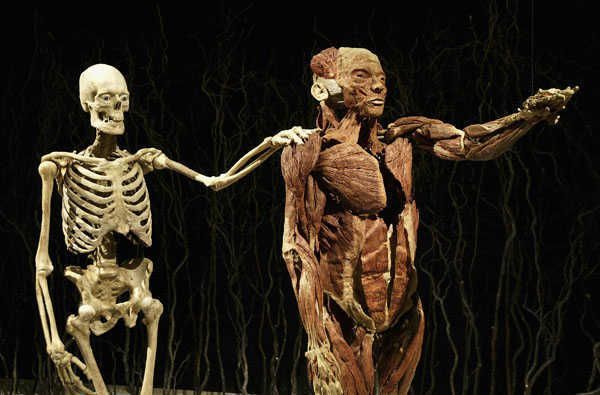 · 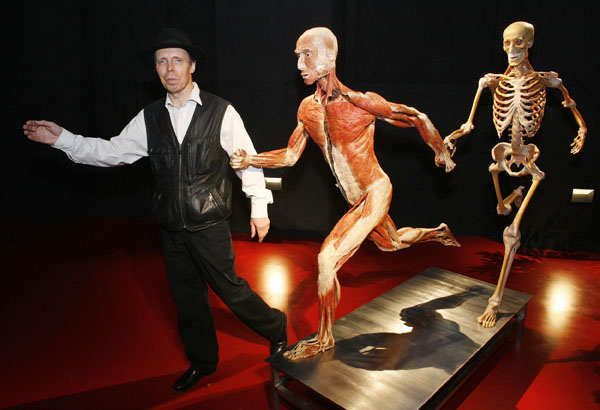 · 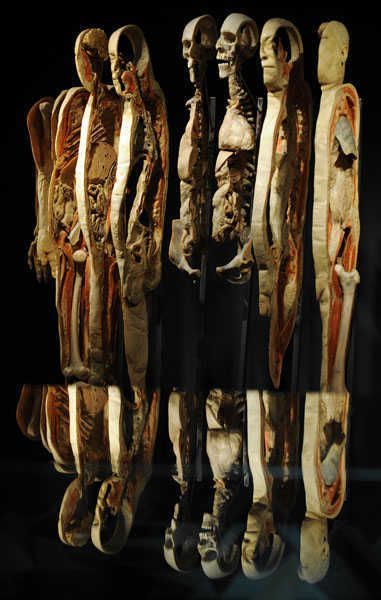 · 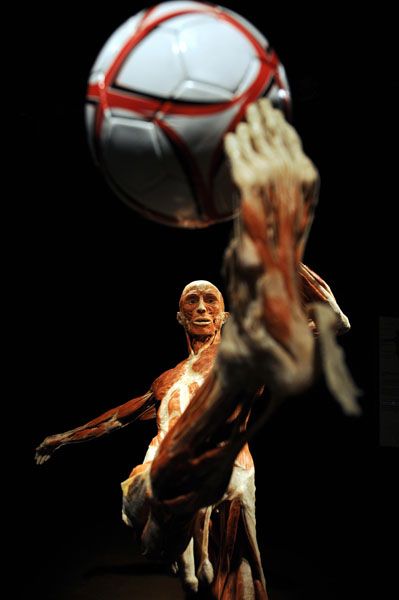 · 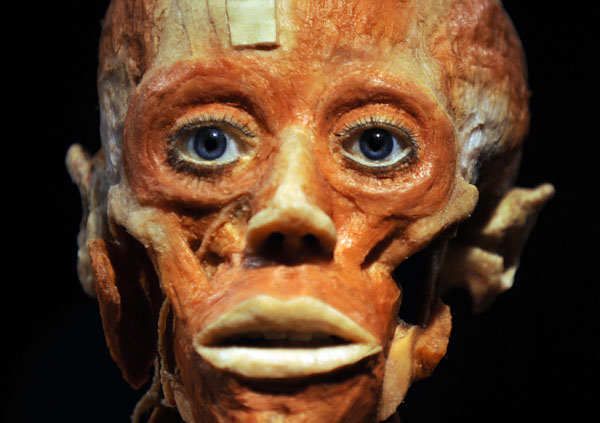 · 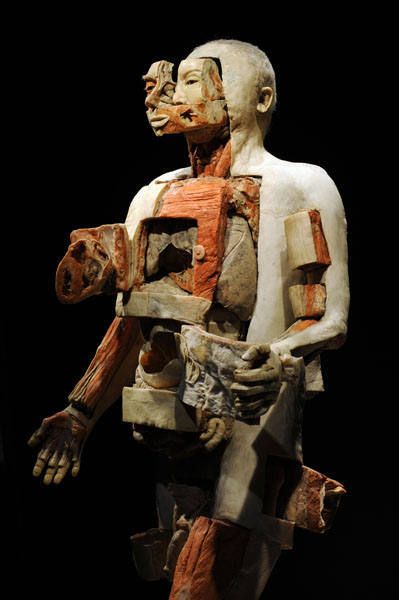 · 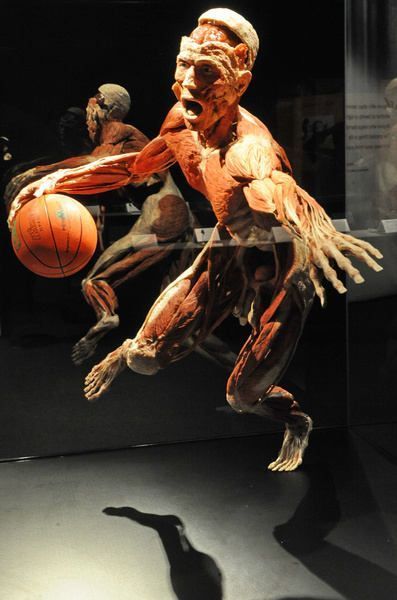 · 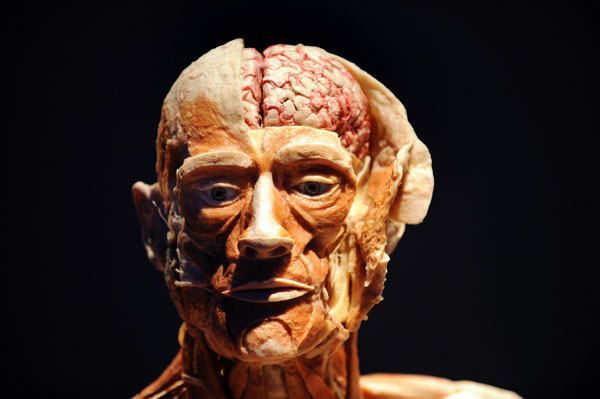 · 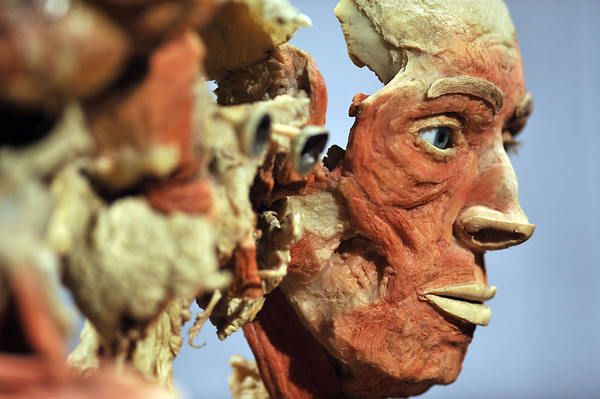 · 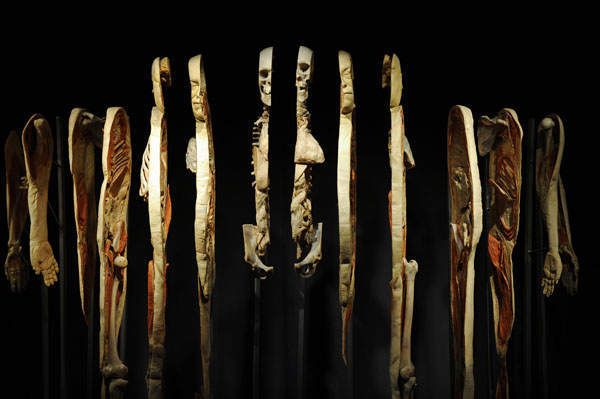 · 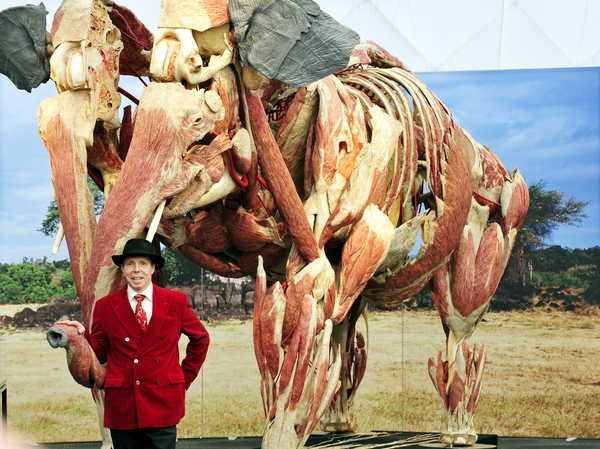 · 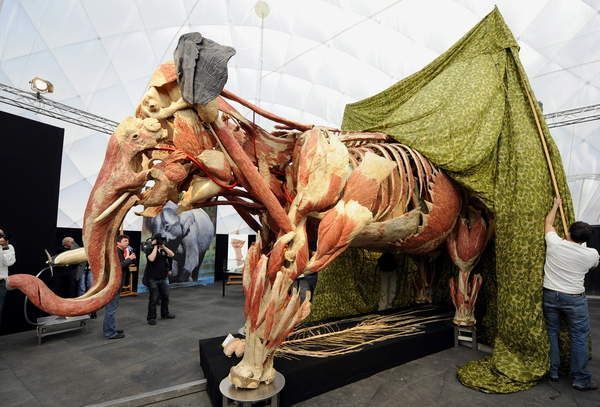 · 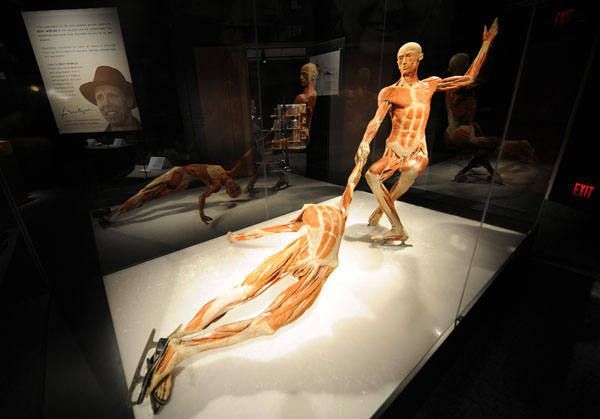 · 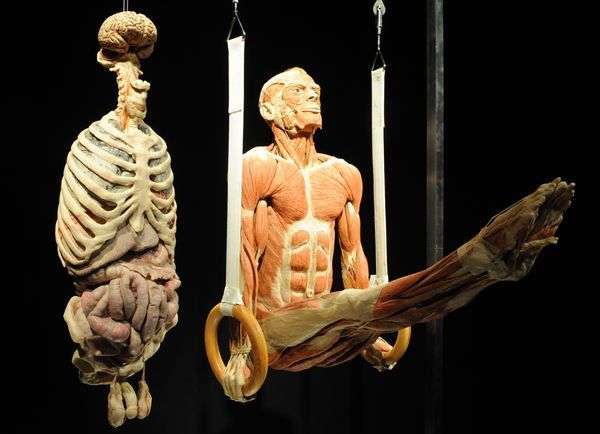 · 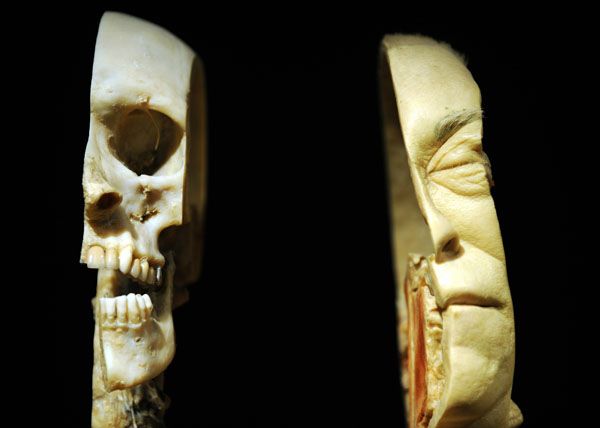 · 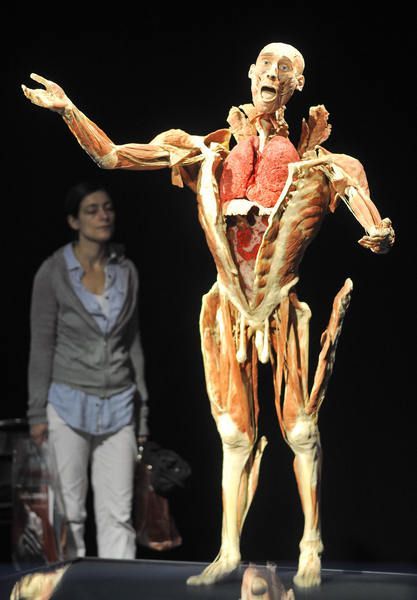 · 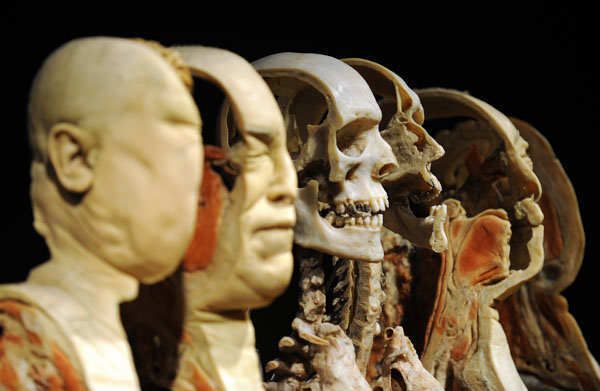 ·  · 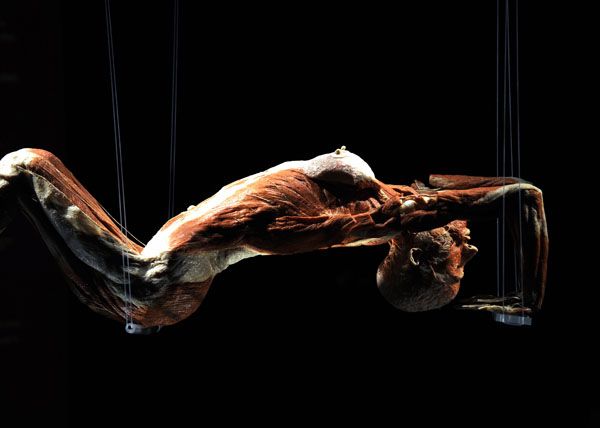 · 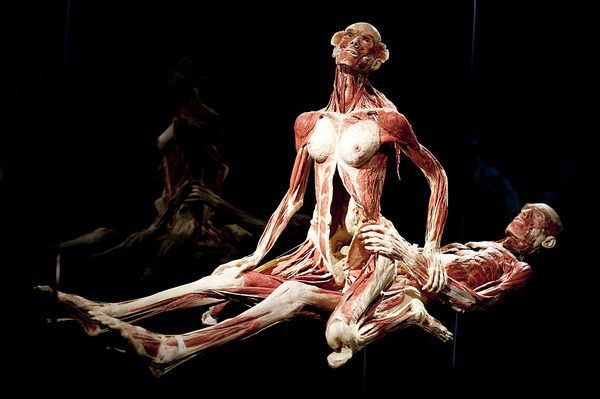 · 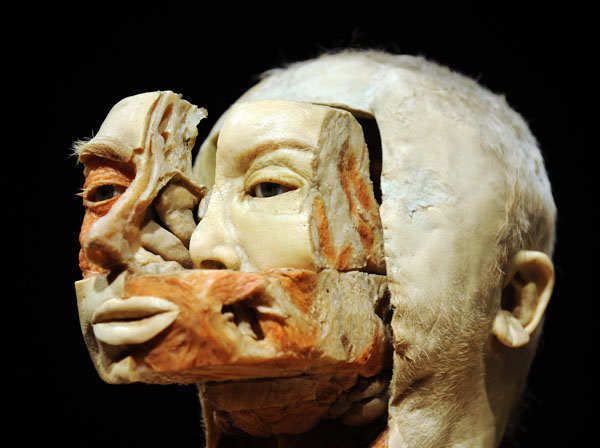 · 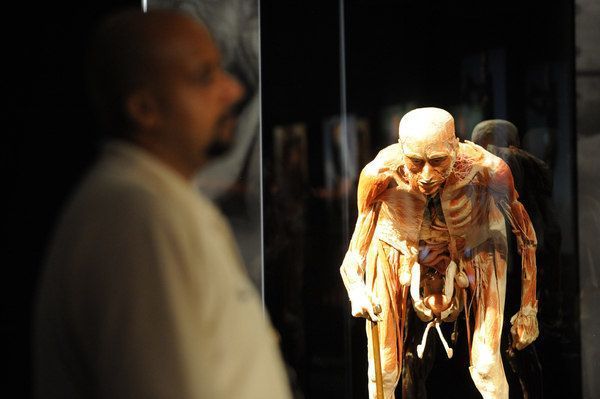 · 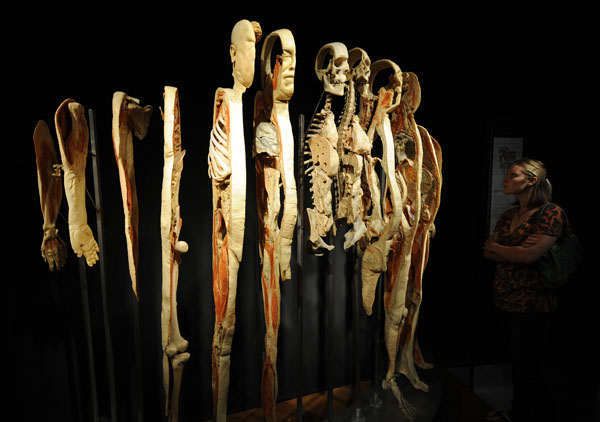 · 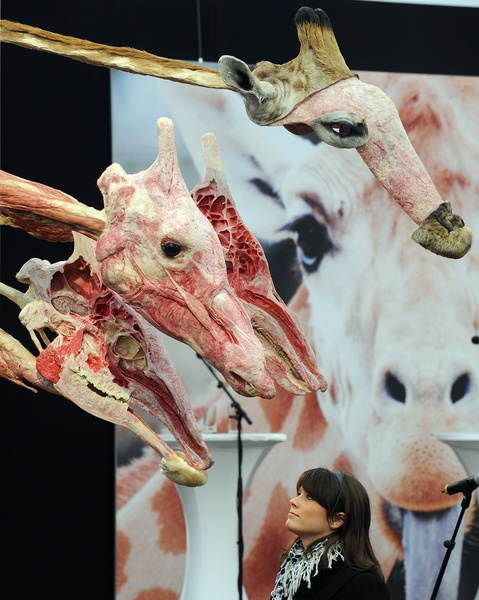 ·  · 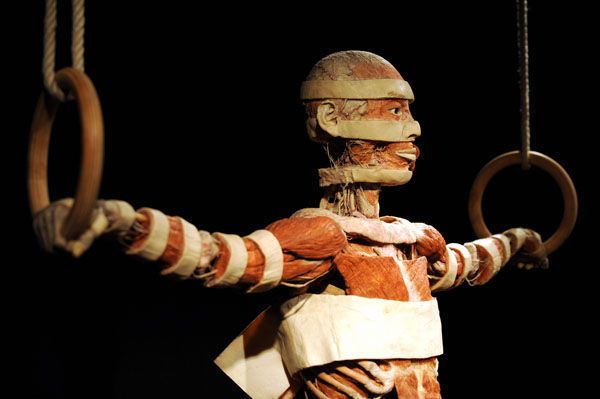 · 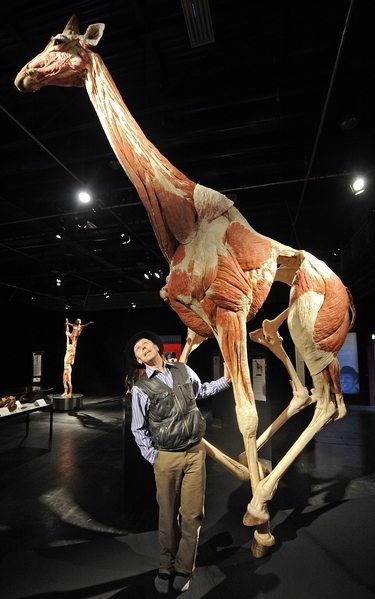 · 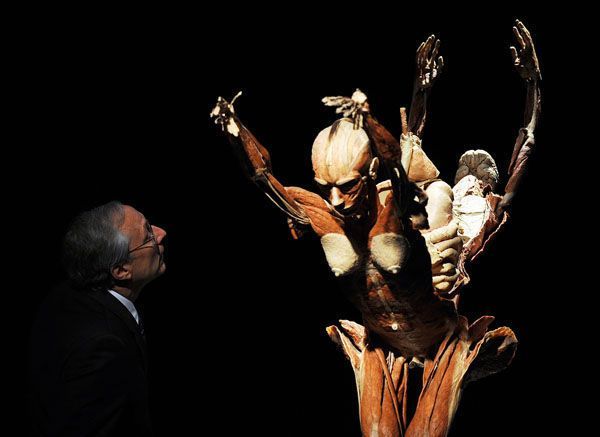 · 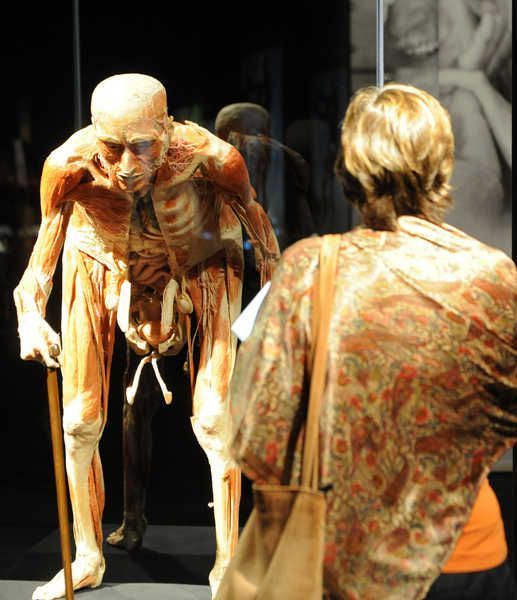 · 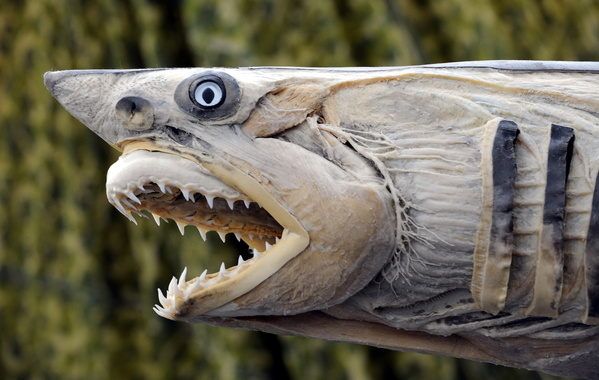 · 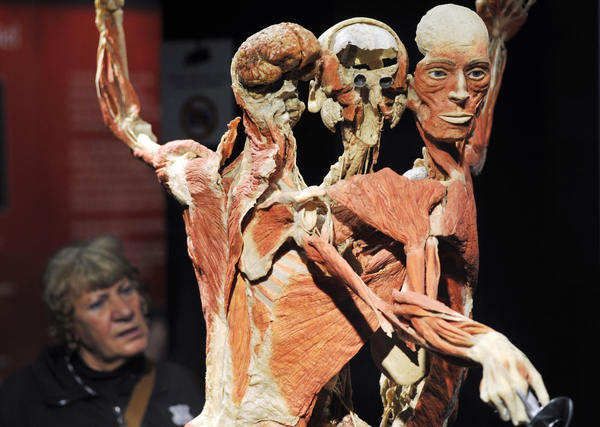 · 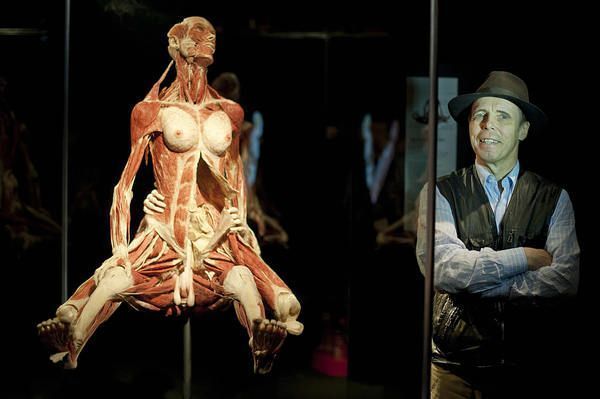 · 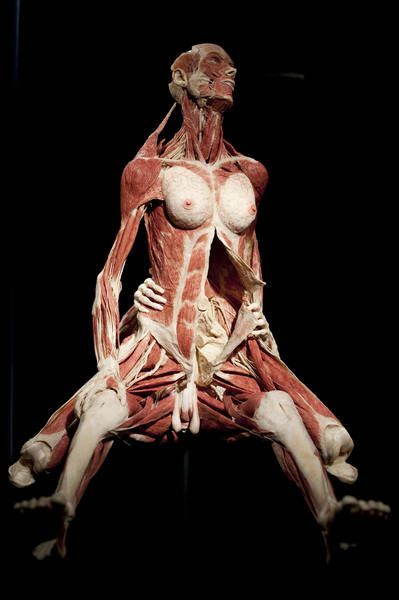 · 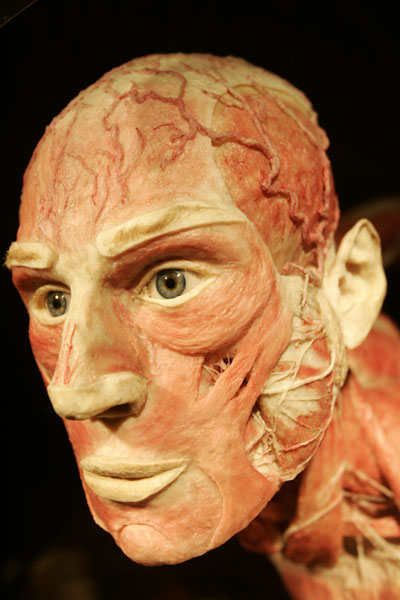 · 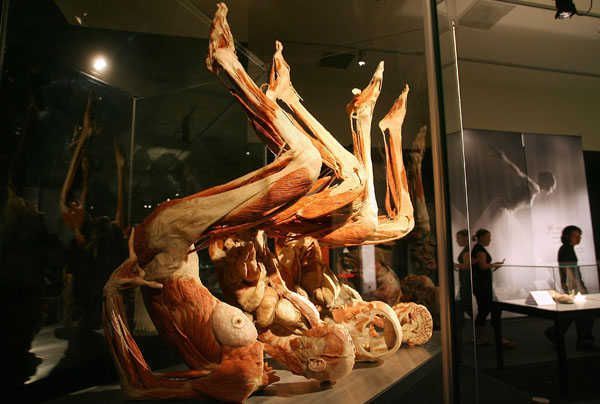 · 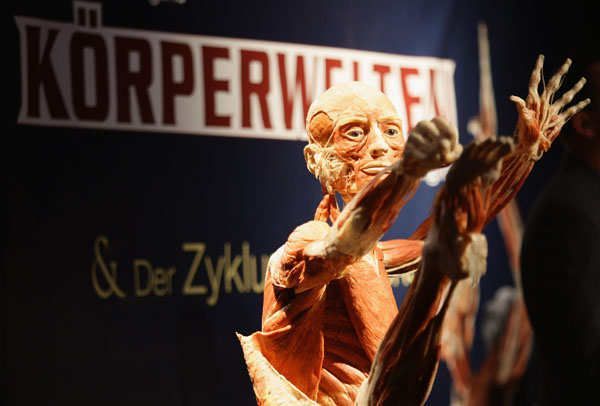 · 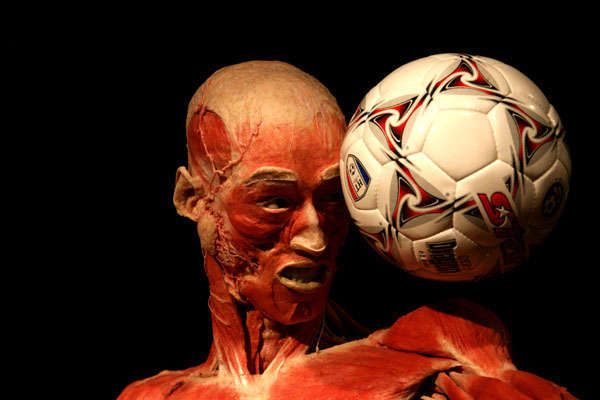 · 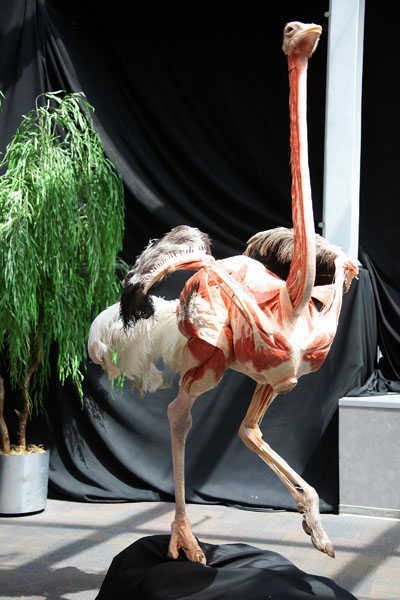 ·  · 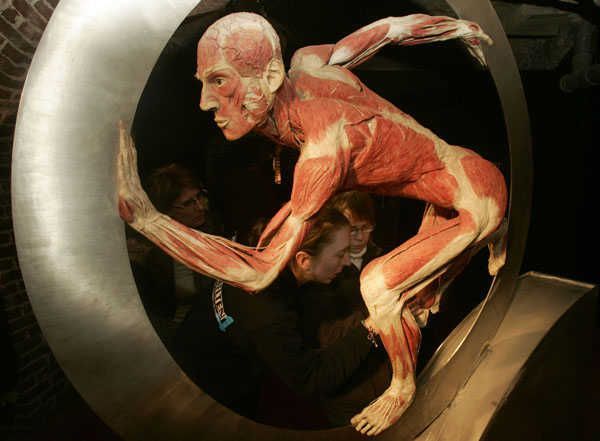 · 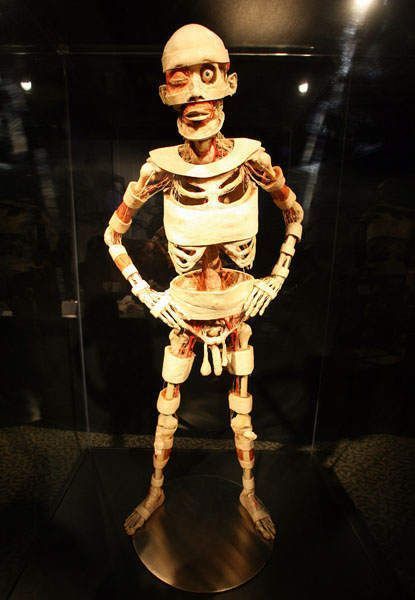 · 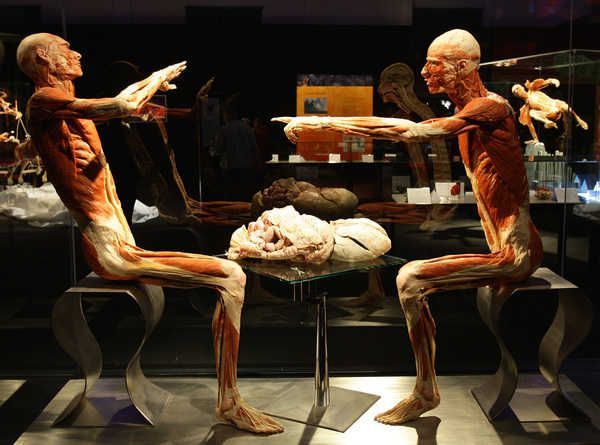 · 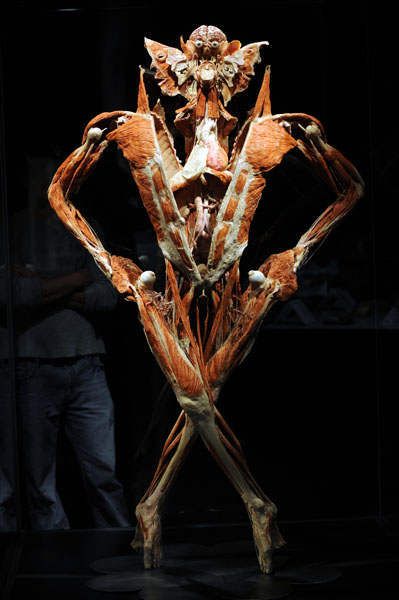 · 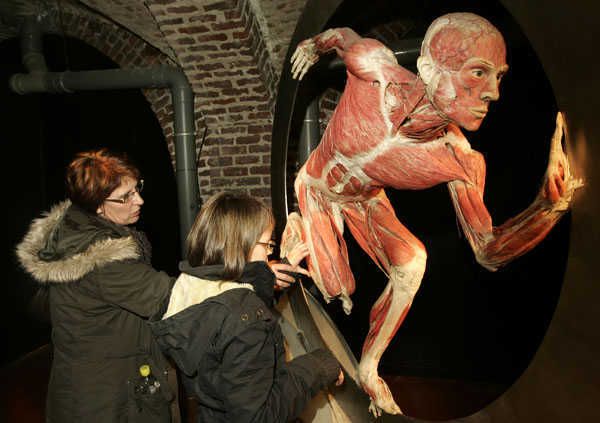 · 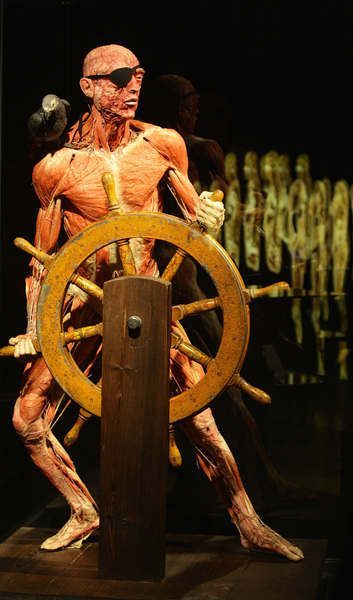 · 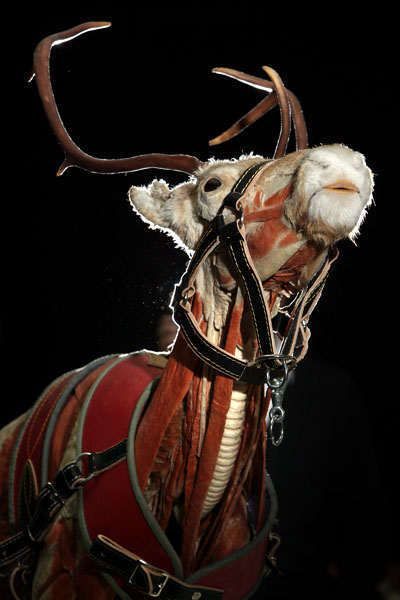 · 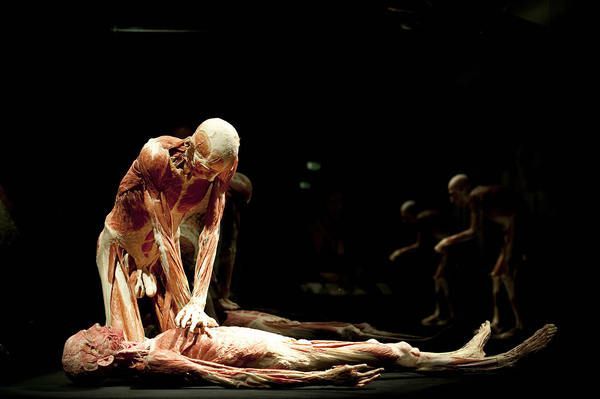 · 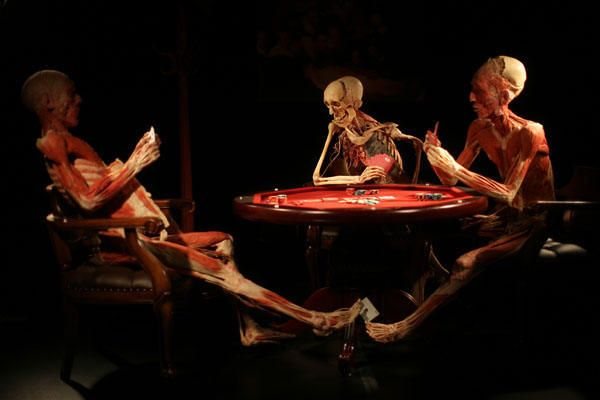 · 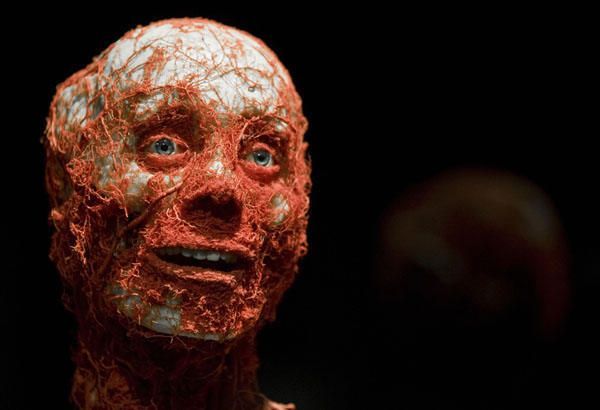 · 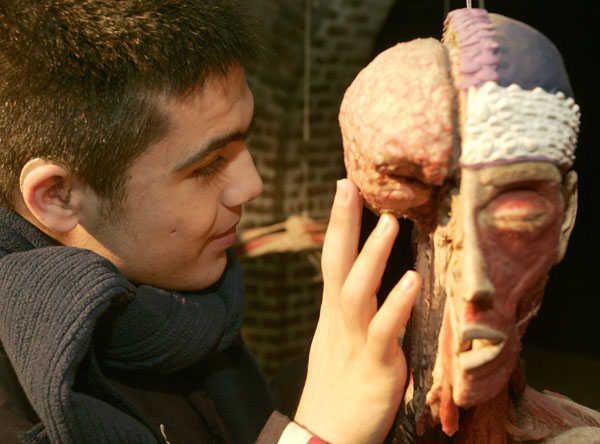 · 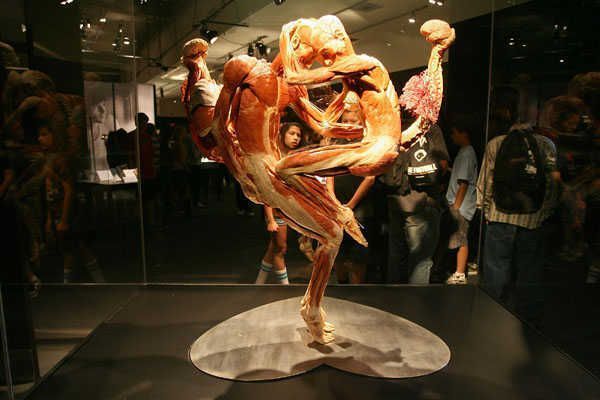 · 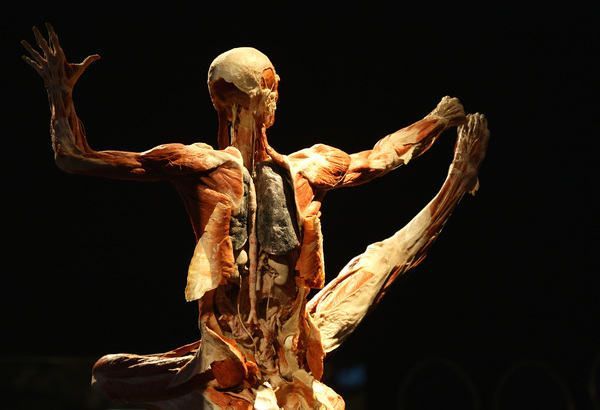 · 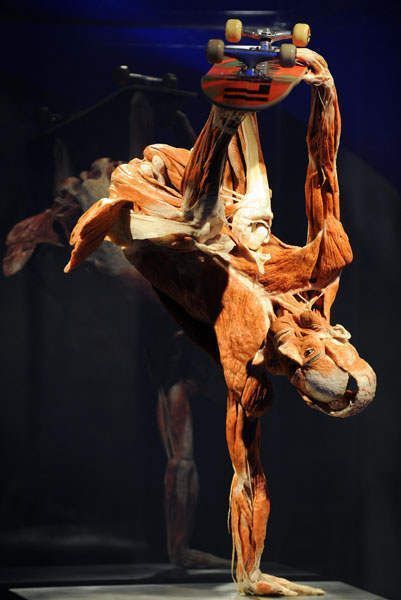 · 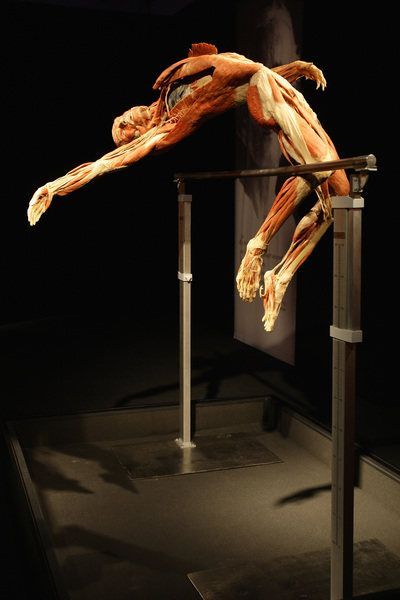 · 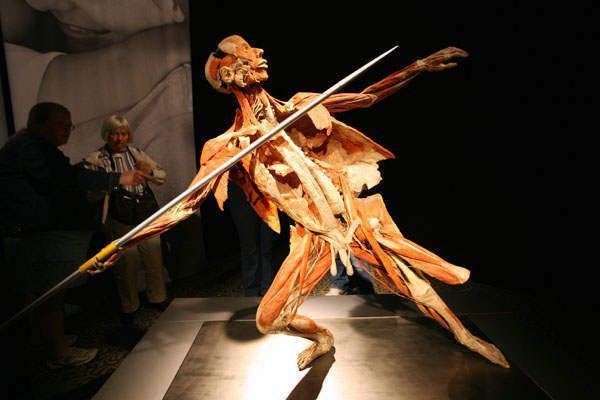 · 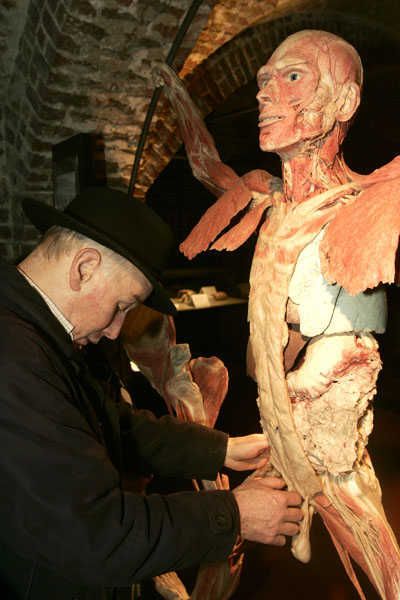 · 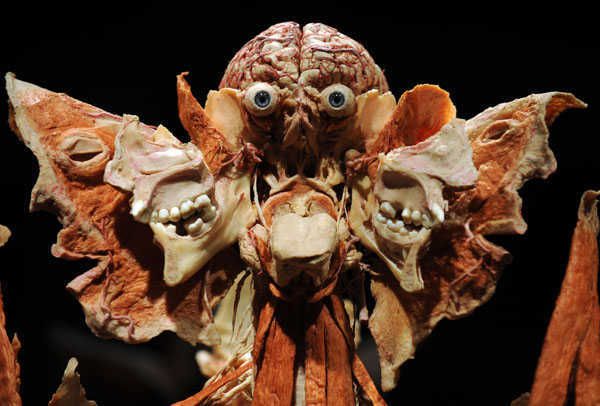 · 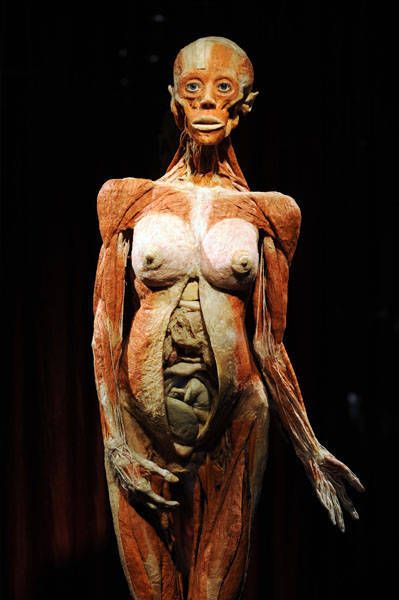 · 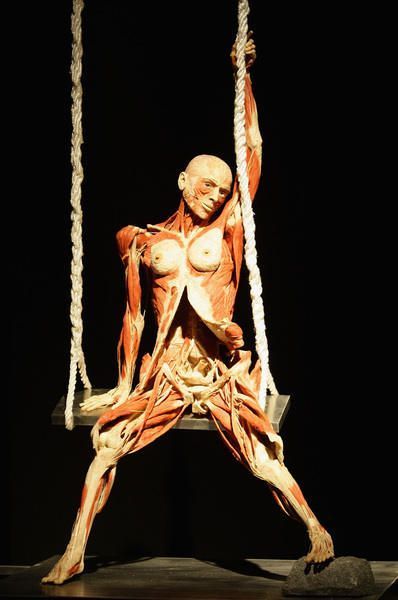 · 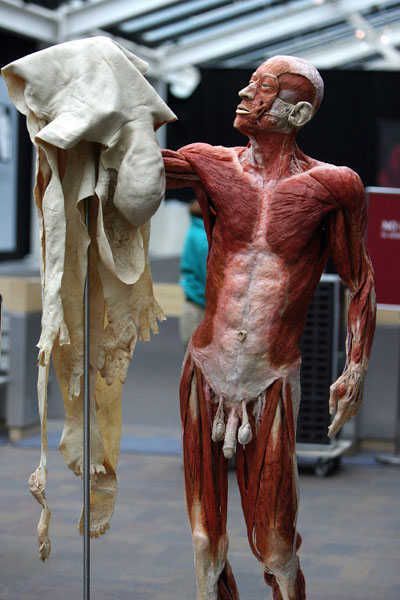 · 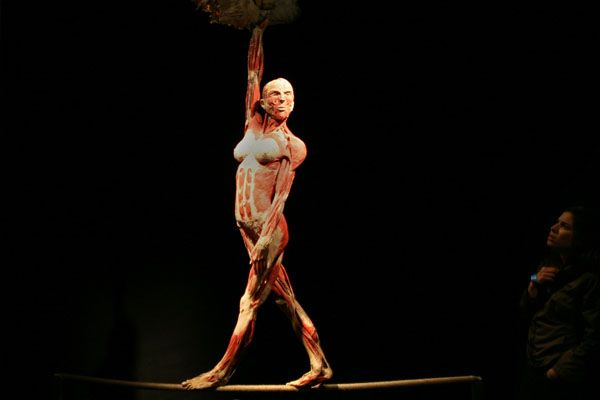 · 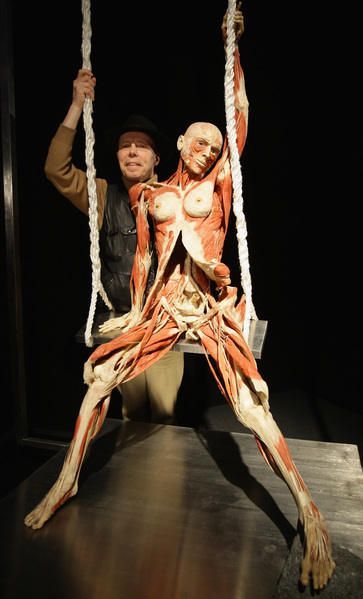 · 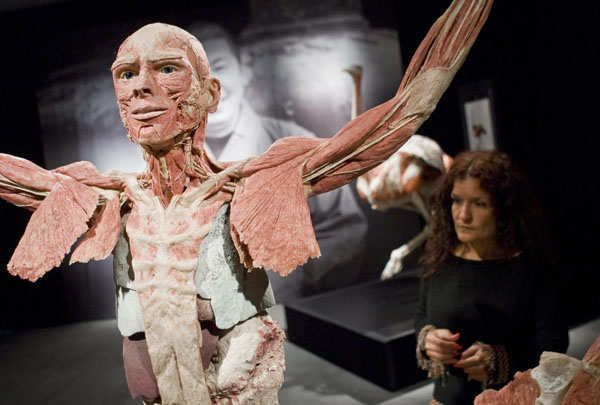 · 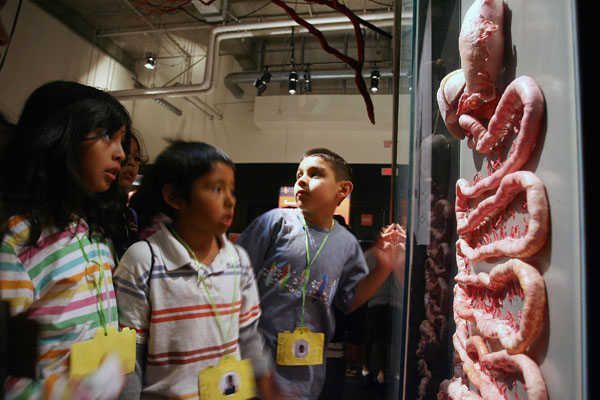 · 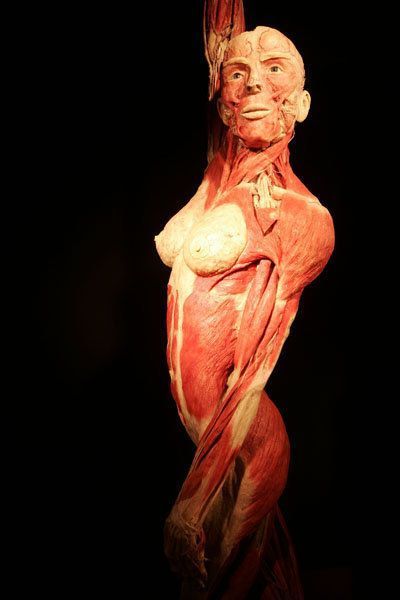 · 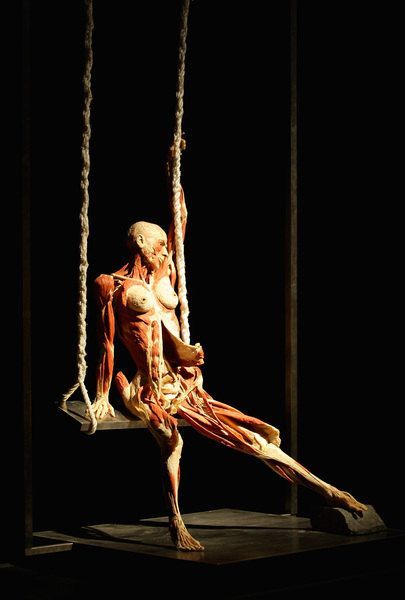 · 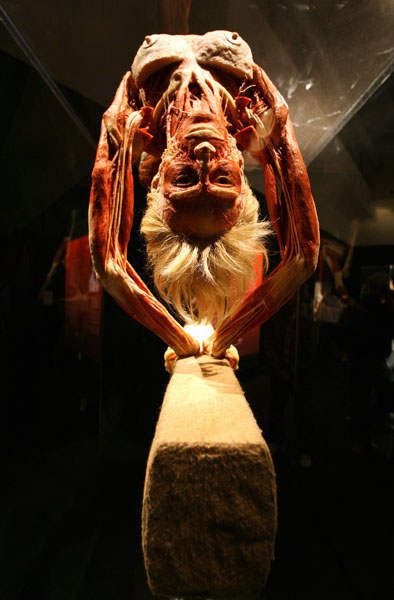 · 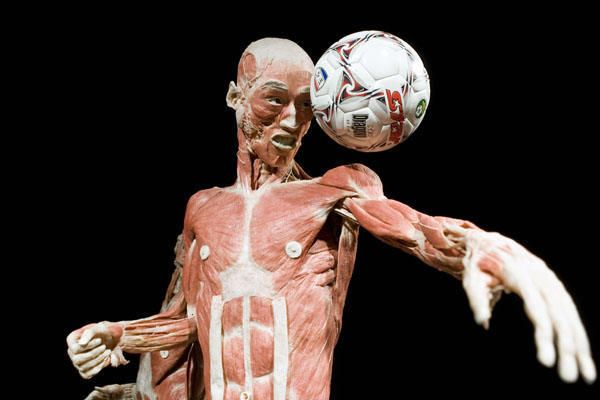 · 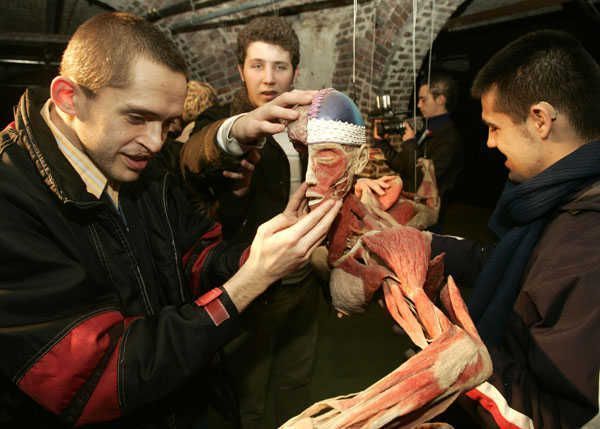 · 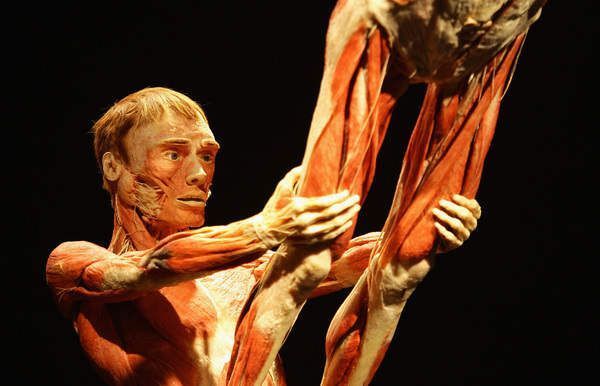 · 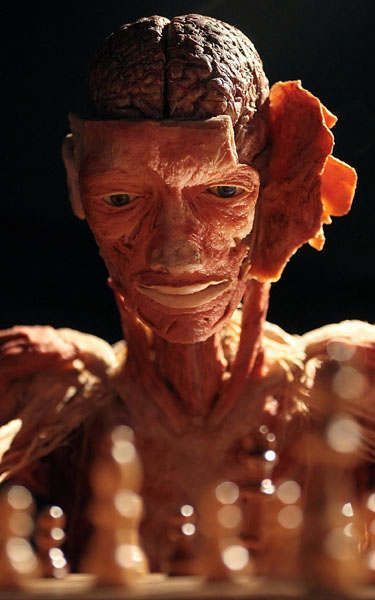 · 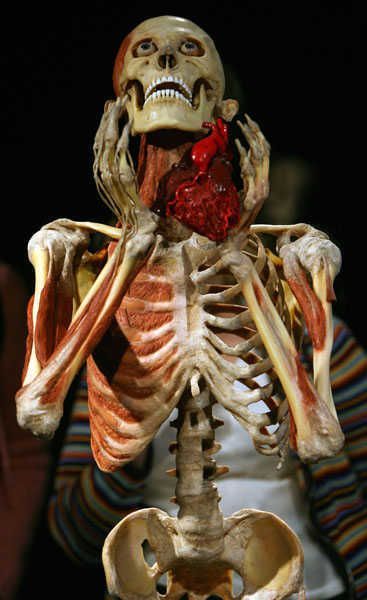 · 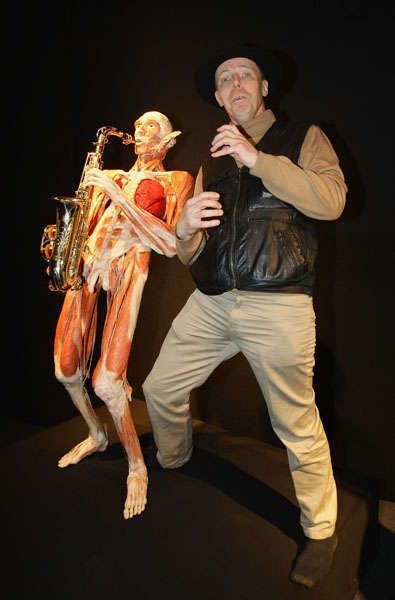 · 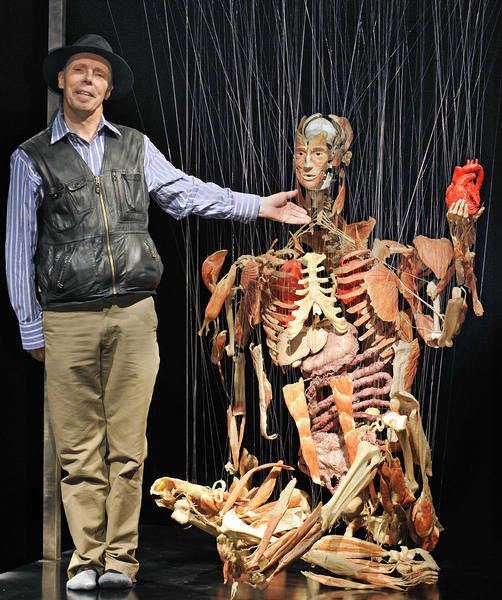 · 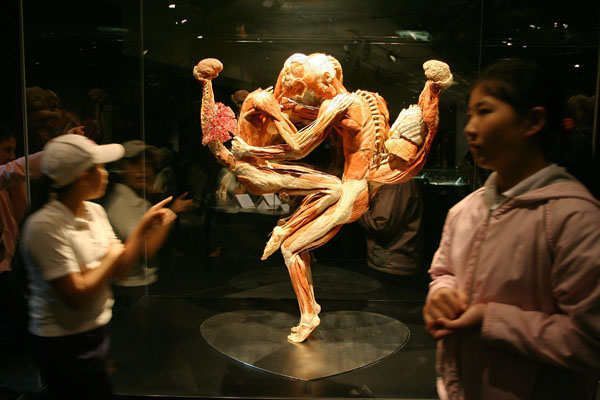 · 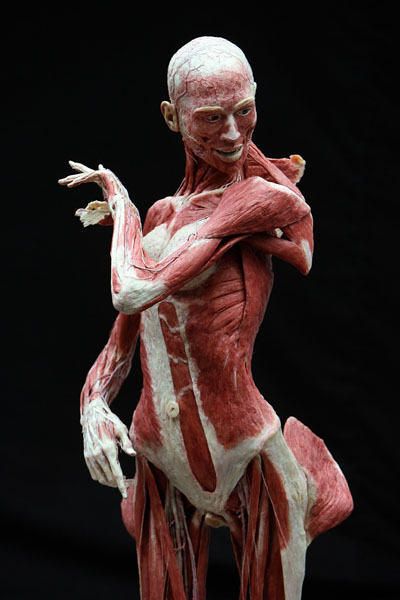 · 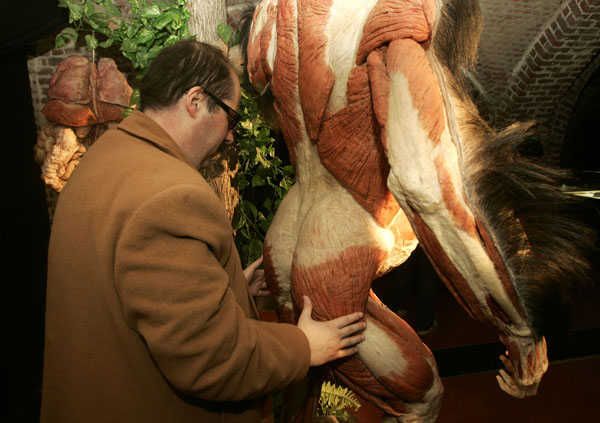 · 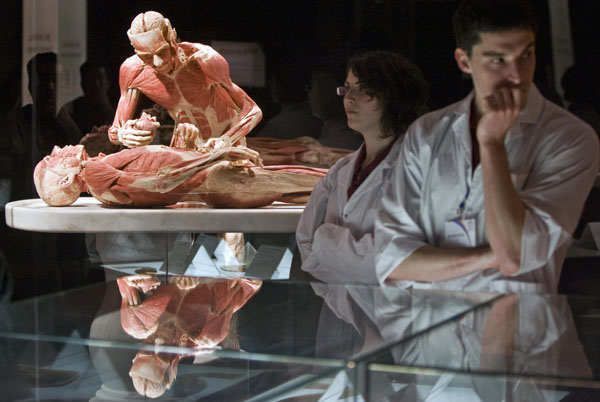 · 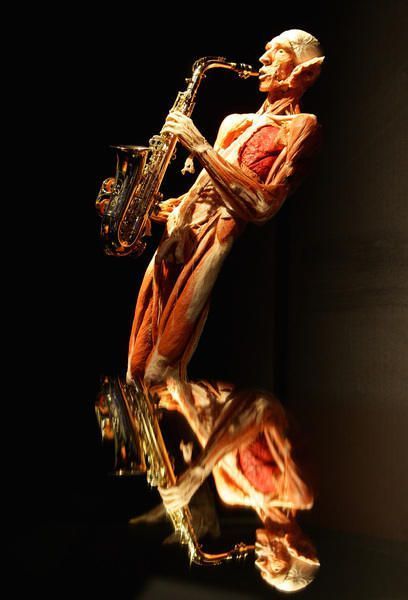 · 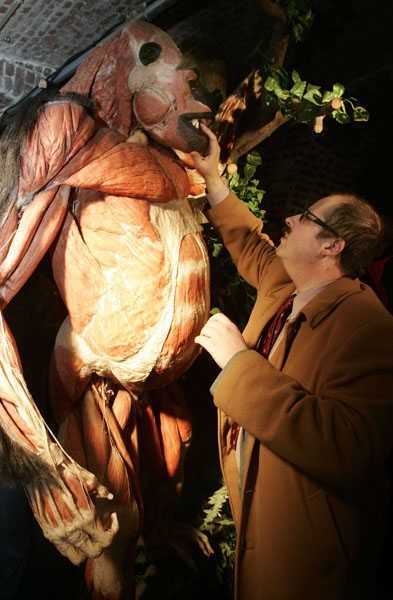 · 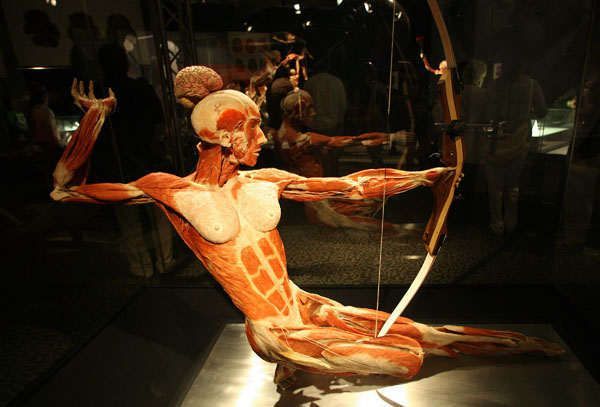 · 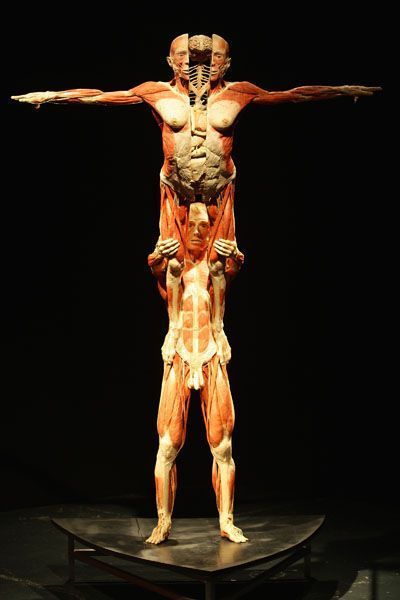 · 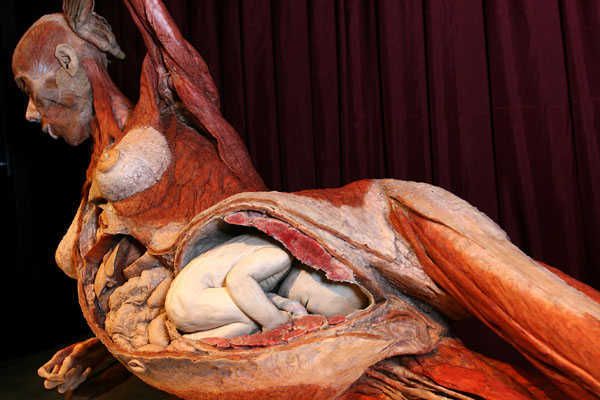 · 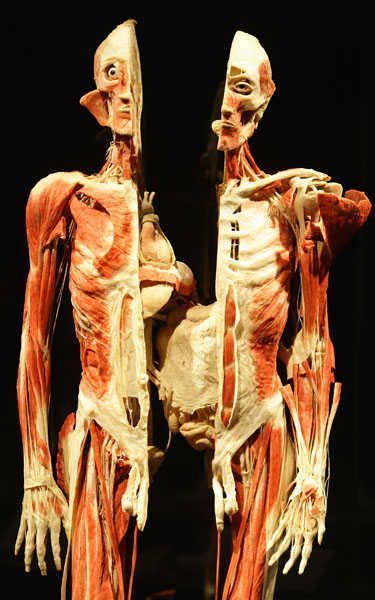 · 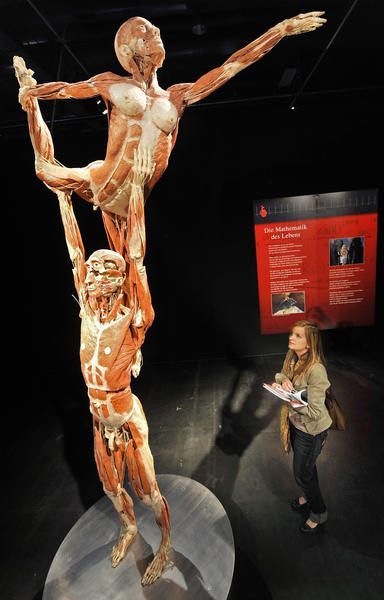 · 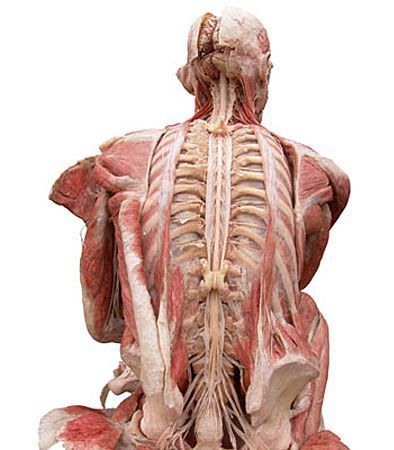 · 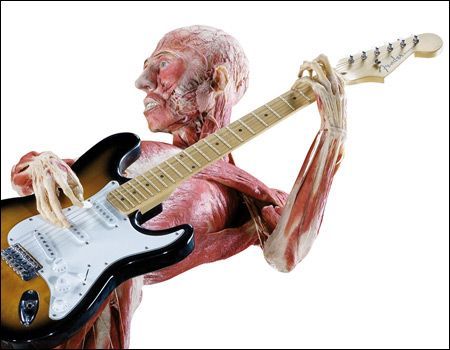 · 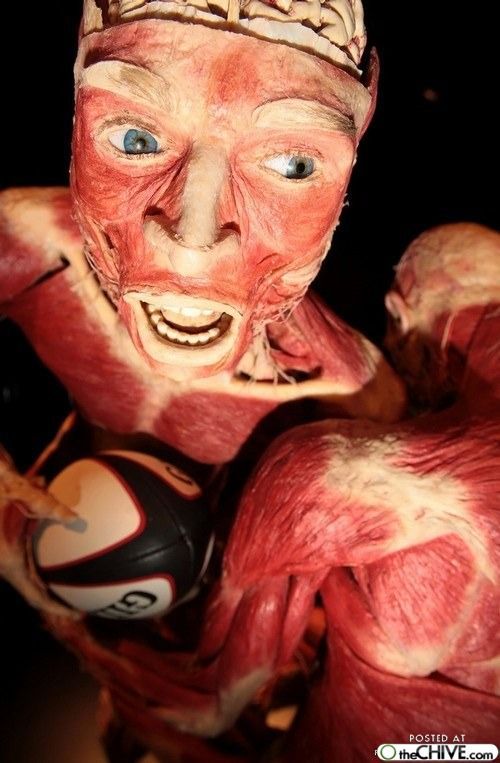 · 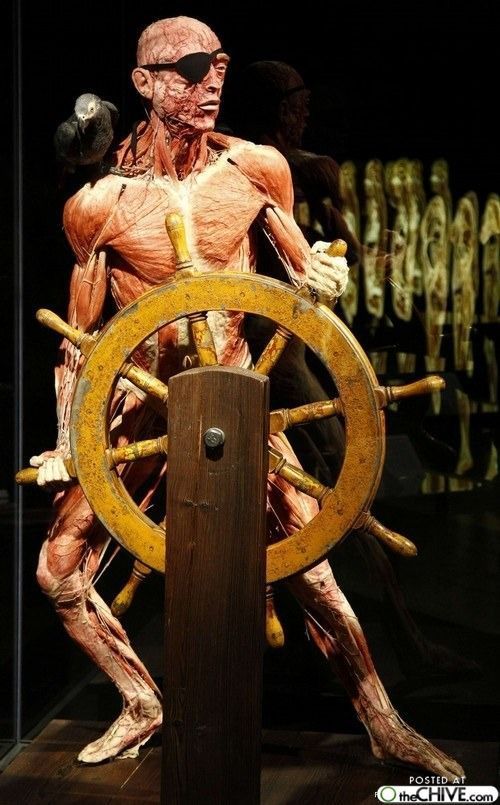 · 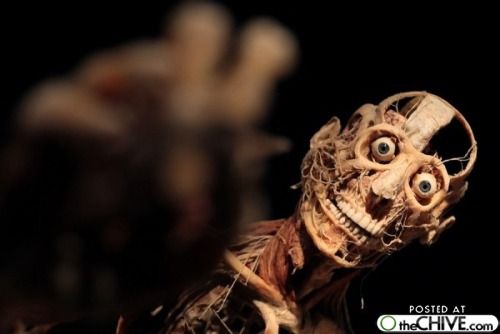 · 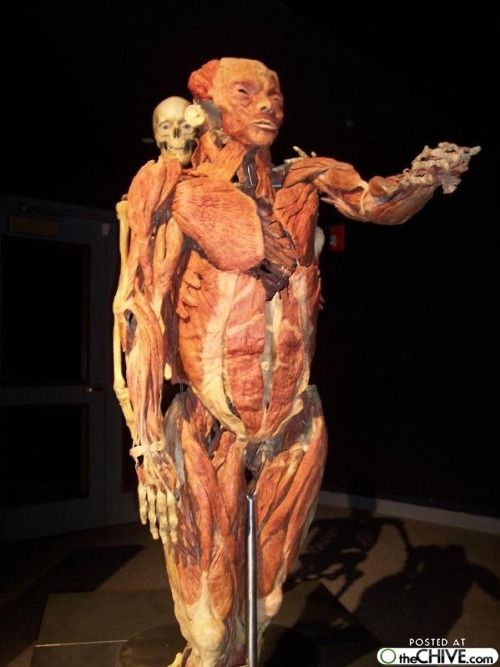 · 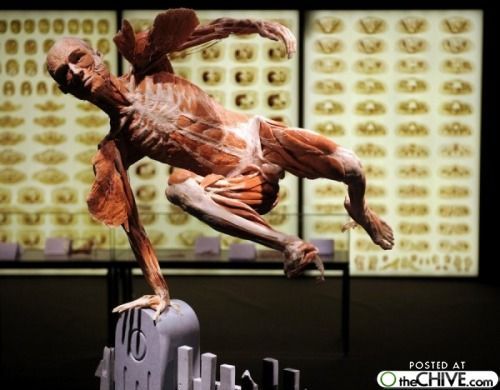 · 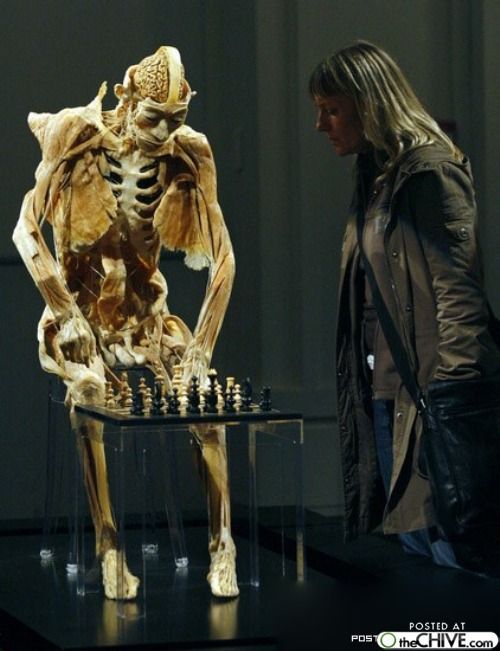 · 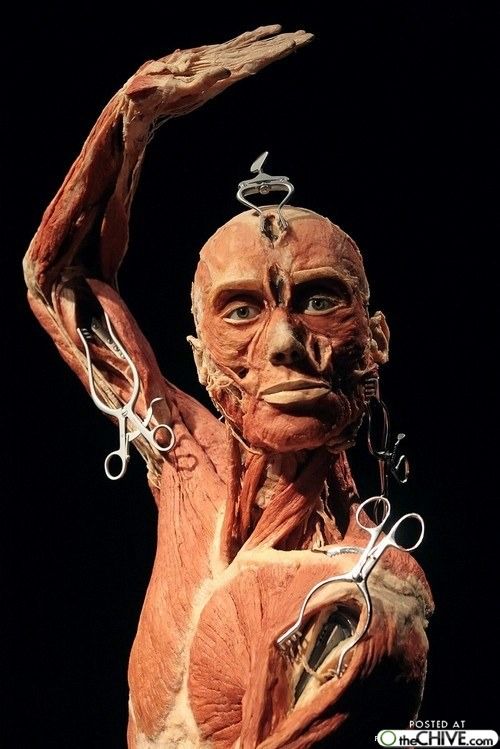 · 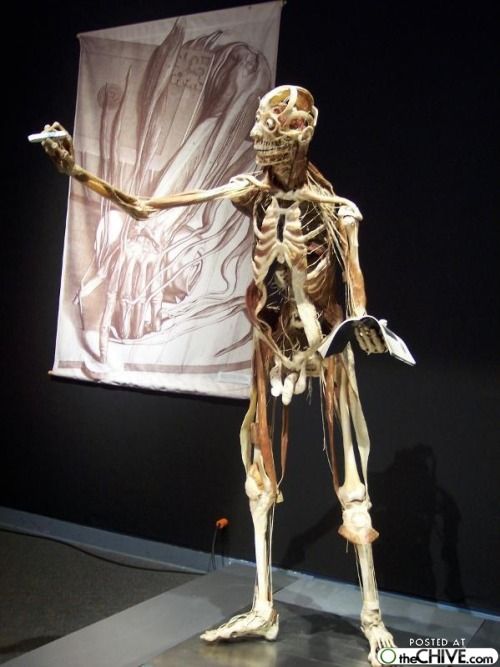 · 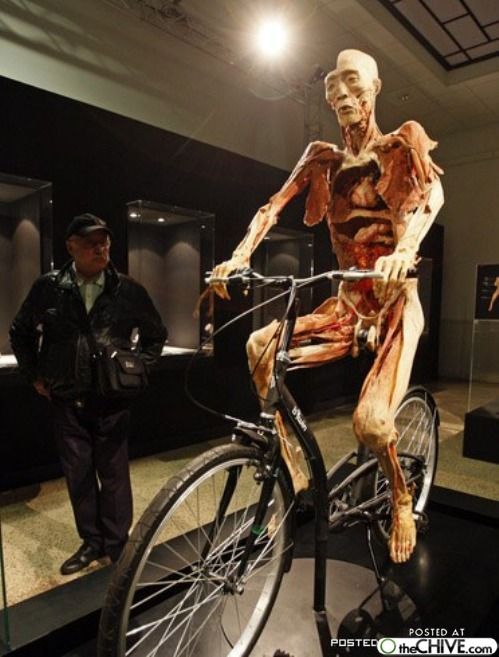 · 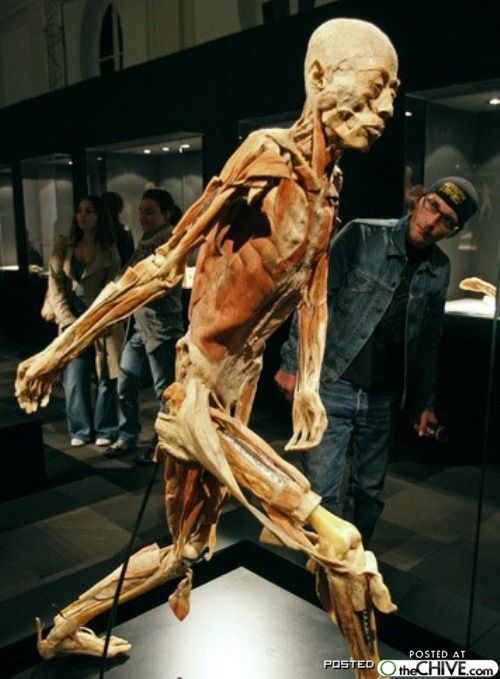 · 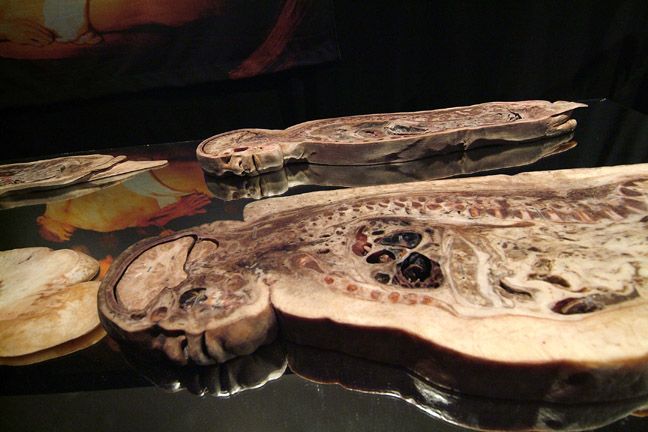 · 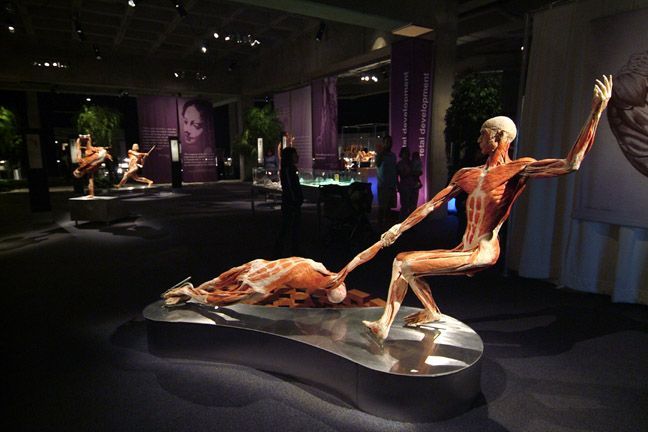 · 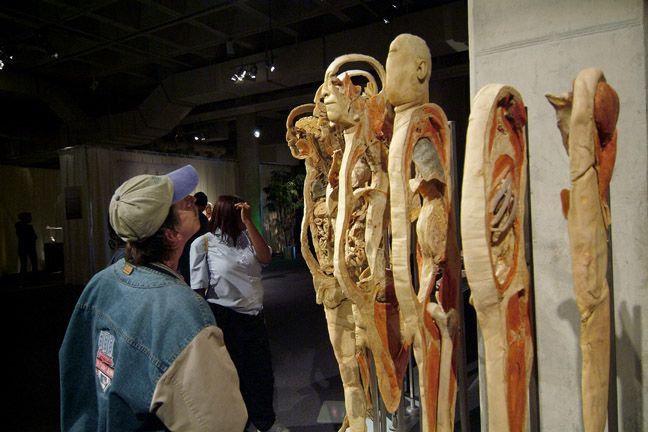 · 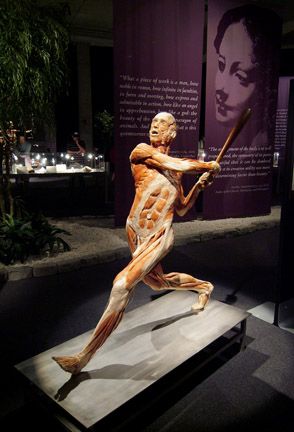 · 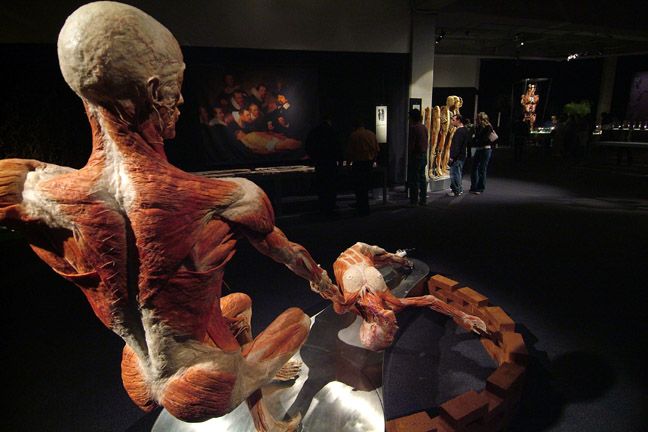 · 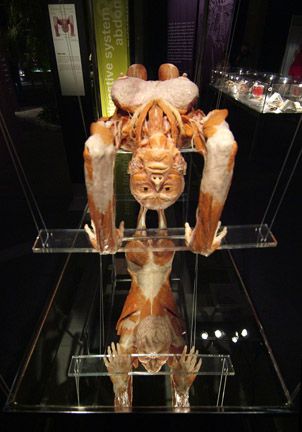 · 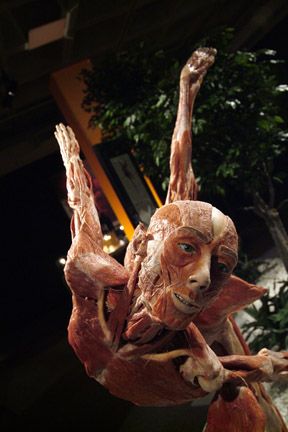 · 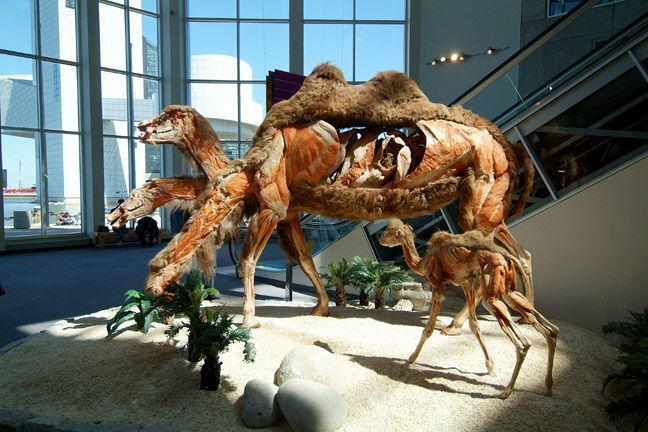 · 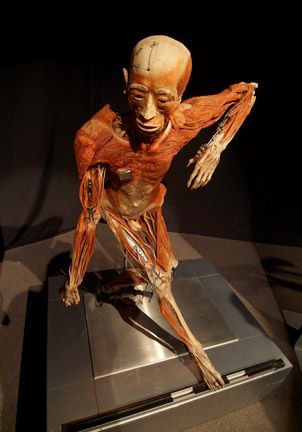 · |