|
#2
●
04-12-2009, 08:31 PM
| ||||||||
 ★ Legacy Member ★ Poster Rank:349 Penis Join Date: Nov 2008 Posts: 3,611 Mentioned: 0 Post(s) Quoted: 73 Post(s)
| ||||||||
|
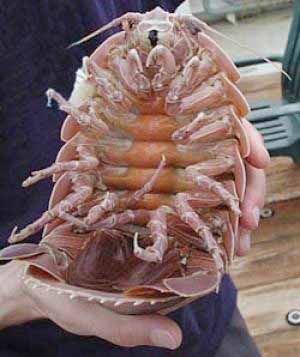
Re: Giant Isopod
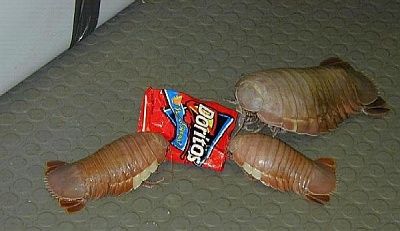
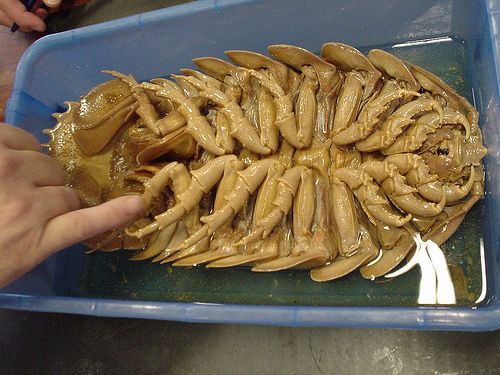
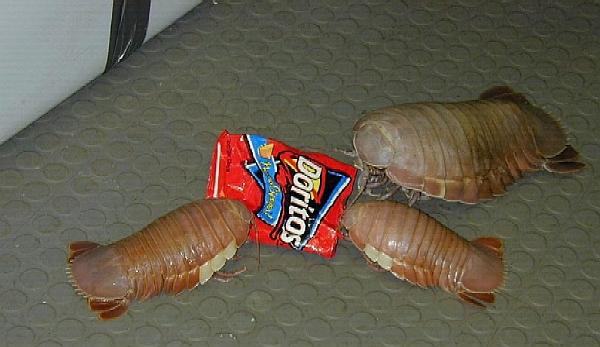
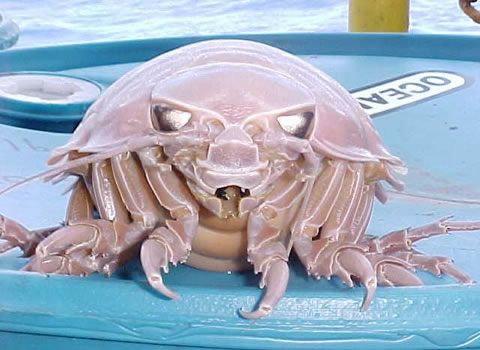
FUCKING GROSS! If it has more than four legs it deserves to be squashed.
|
|
#3
●
04-13-2009, 12:50 PM
| ||||||||
 My Rank: LANCE CORPORAL Poster Rank:1855 Female Join Date: Nov 2008 Posts: 277 Mentioned: 0 Post(s) Quoted: 2 Post(s)
| ||||||||
|
Re: Giant Isopod
why should it be squashed? what if a mutated animal had like 5 legs would you kill them too? besides their pretty cool looking =p |
|
#4
●
04-13-2009, 01:38 PM
| ||||||||
 ★ Legacy Member ★ Poster Rank:750 Male Join Date: Jan 2009 Posts: 1,085 Mentioned: 0 Post(s) Quoted: 9 Post(s)
| ||||||||
|
Re: Giant Isopod
You like lobster, crawfish, crab, and shrimp don't you? I bet they probably are good eating.
|


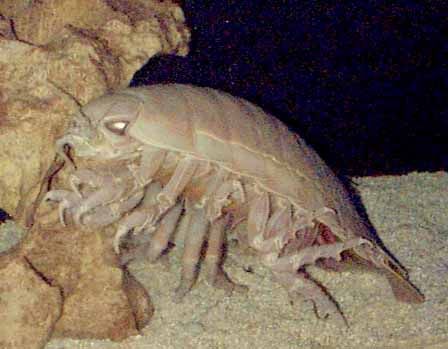
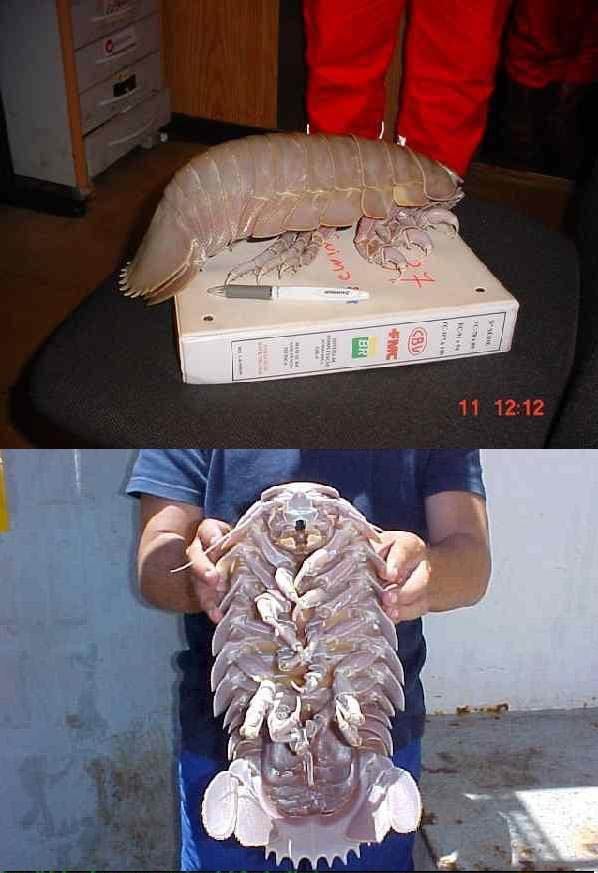
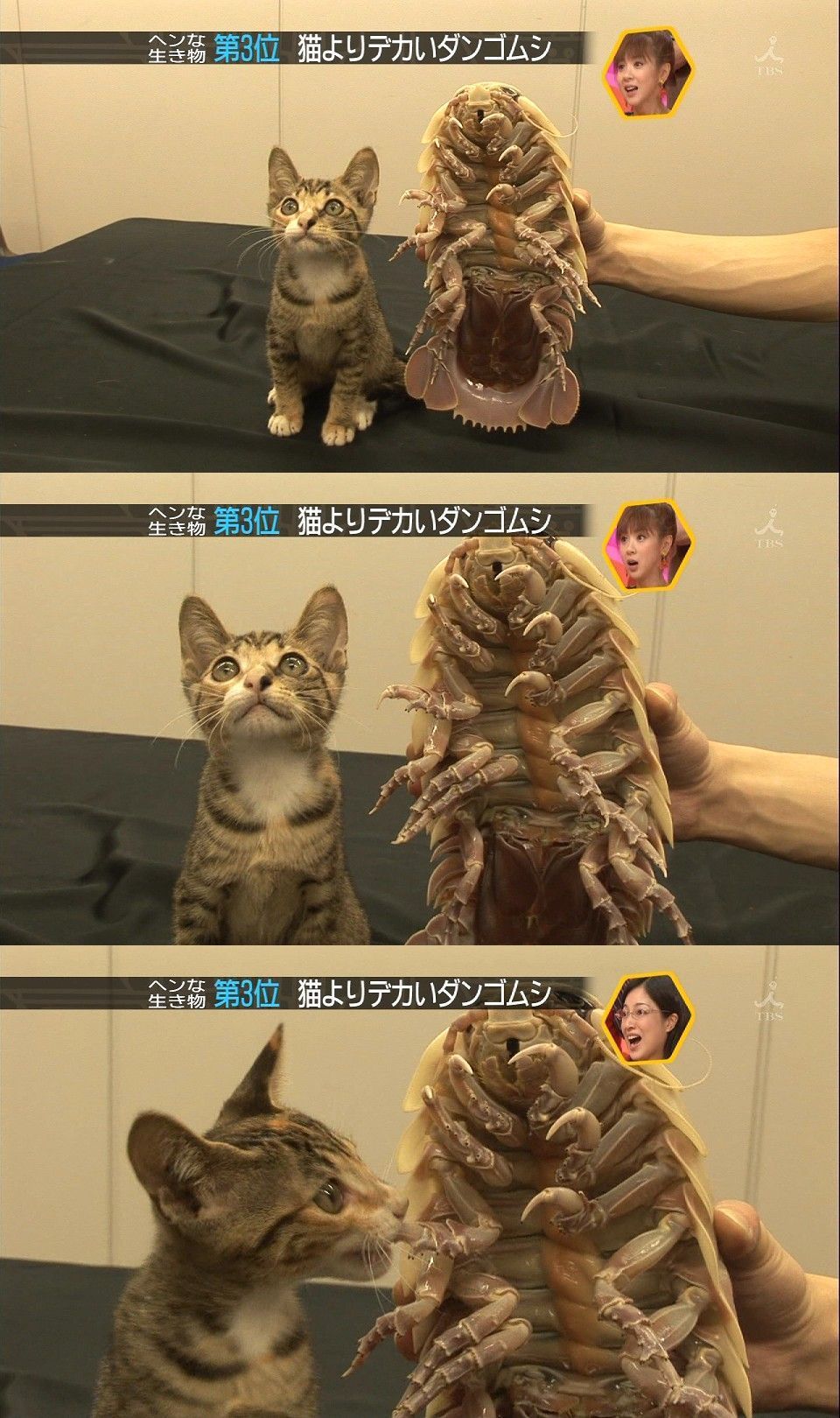
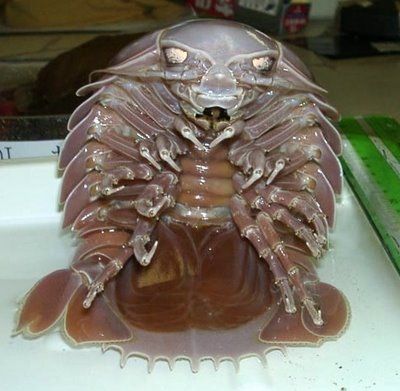



 gross!