|
#1
●
04-17-2010, 09:28 PM
|
 Super ********* Poster Rank:90 Join Date: Nov 2008 Posts: 17,370 17,370Posts 13,735Thanked 99Quoted 5Mentioned 0Contrib. |
|
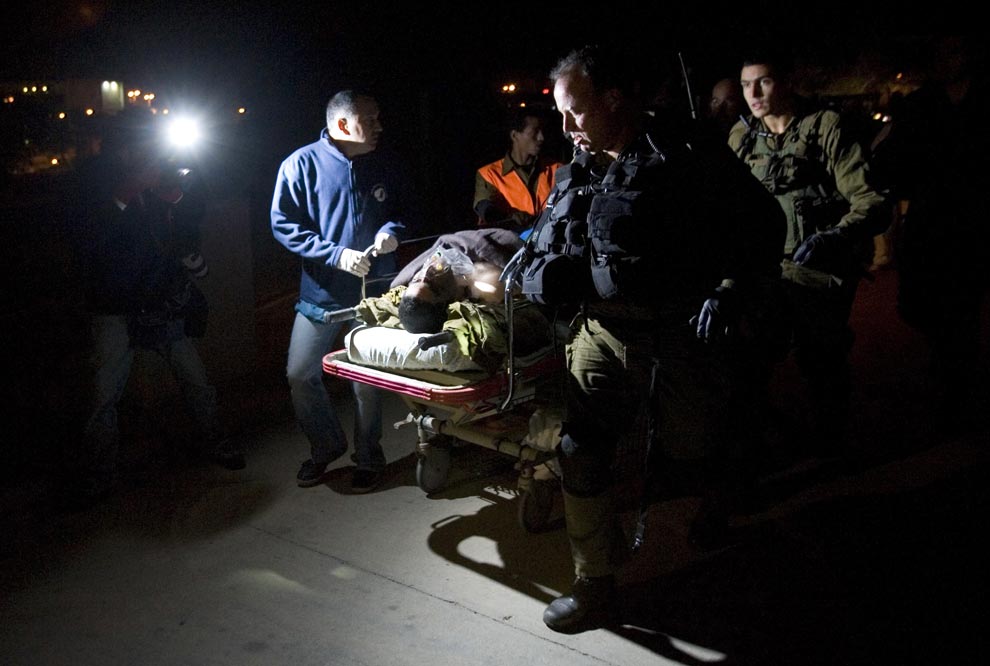
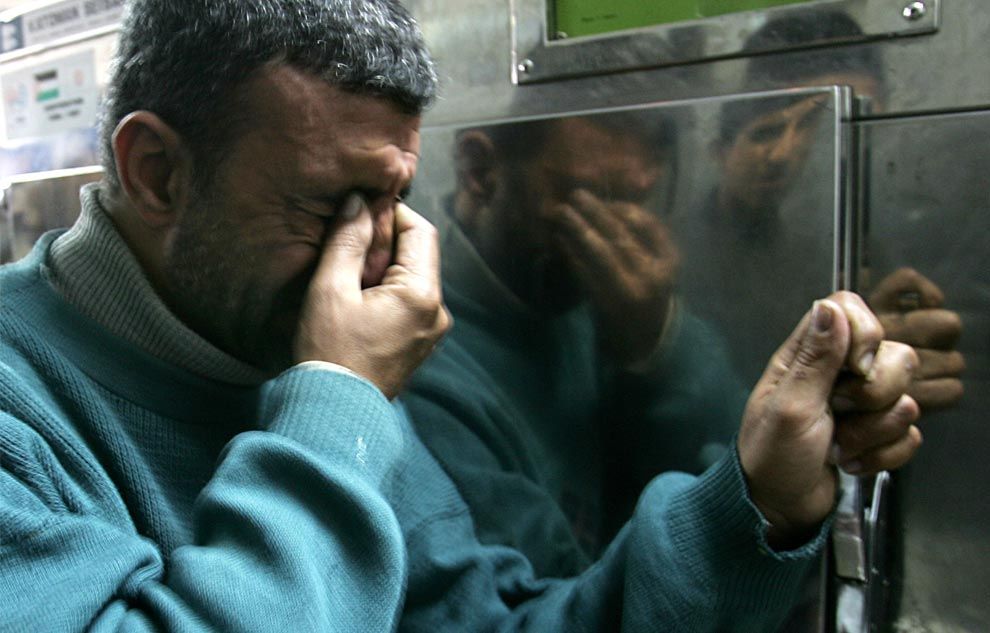
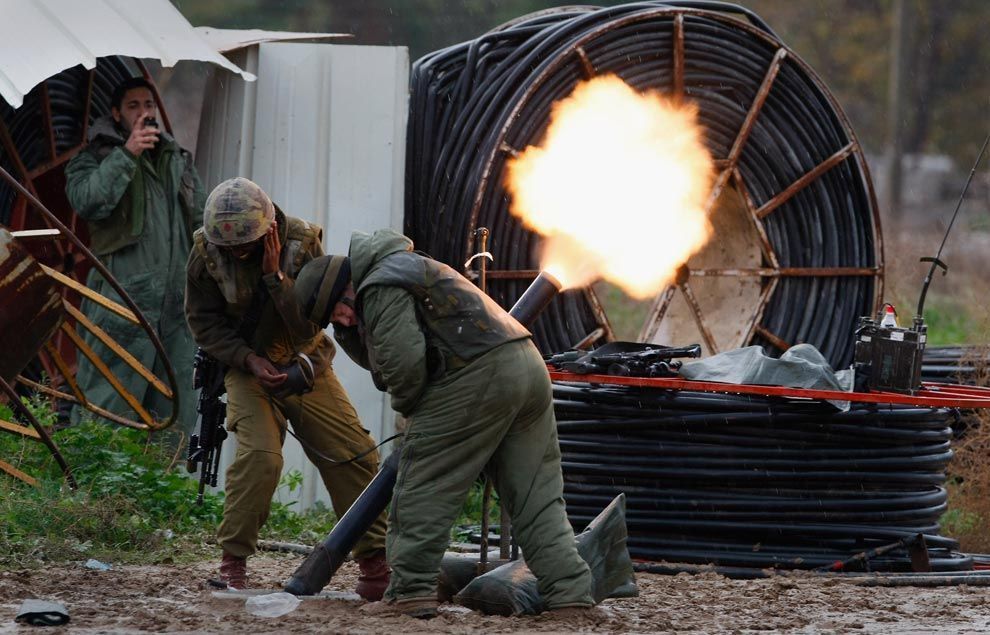
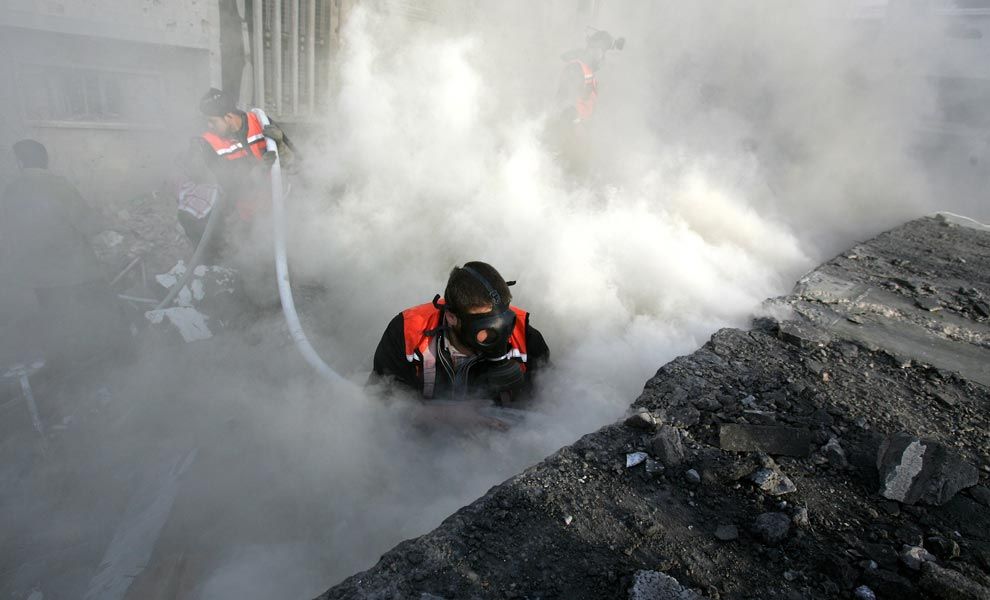
Operation Cast Lead Photos: Gaza Strip, December 27, 2008-January 18, 2009
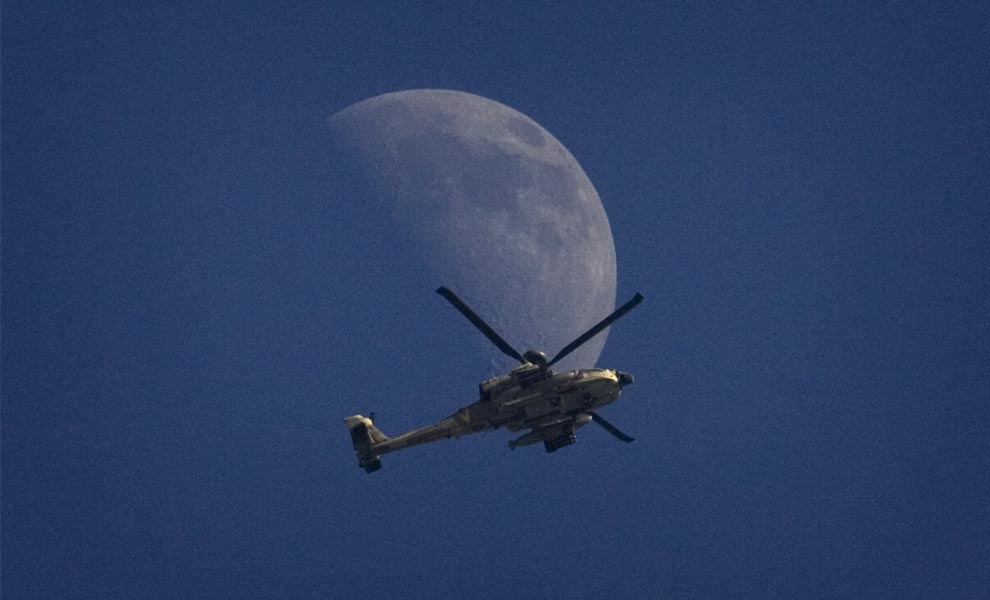
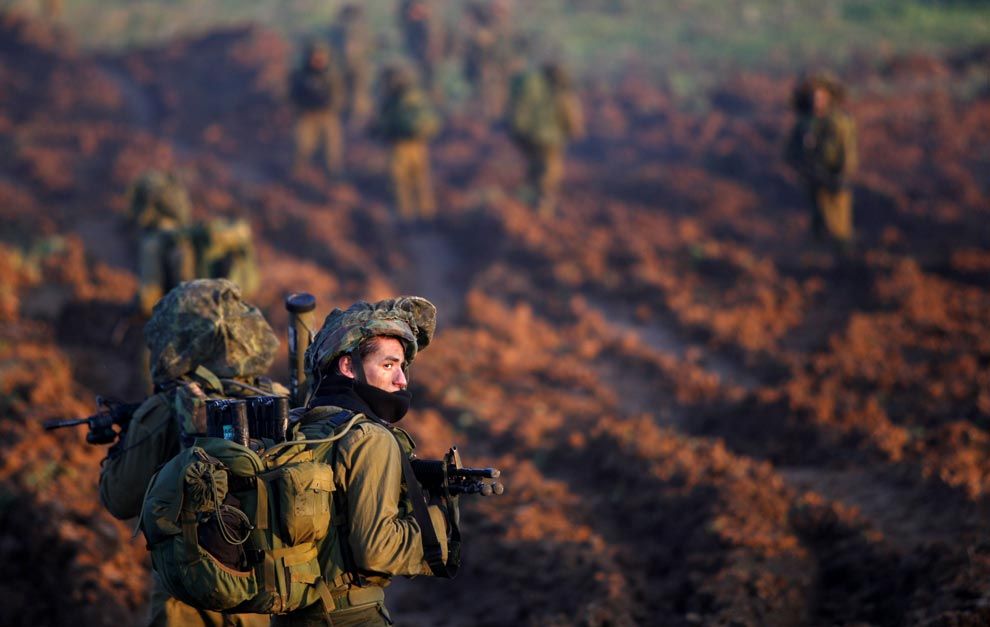
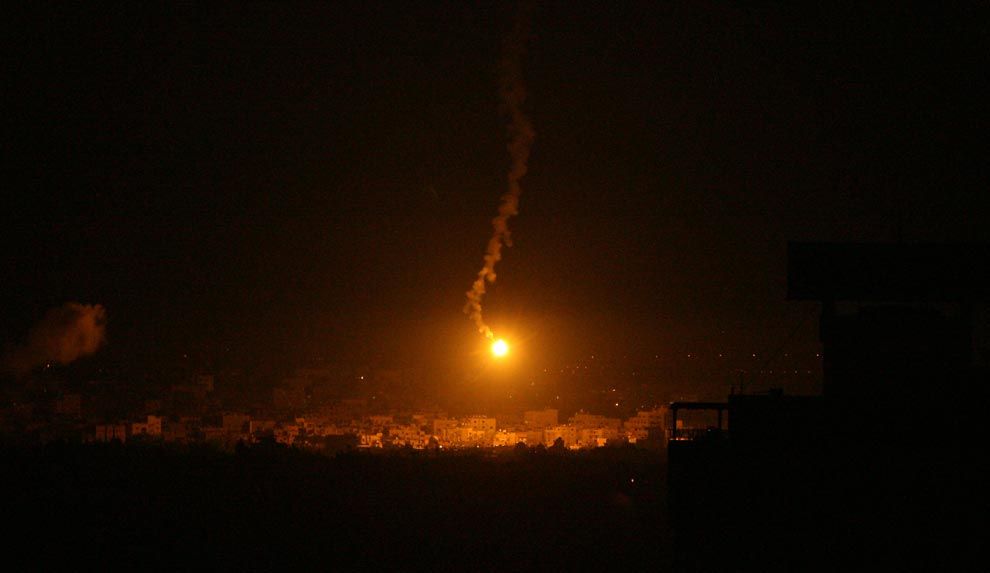
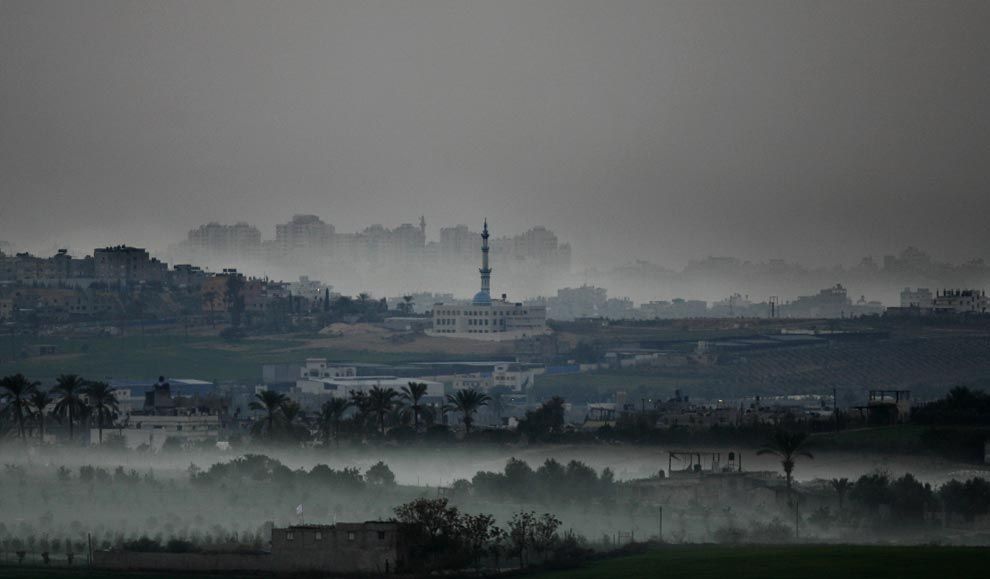
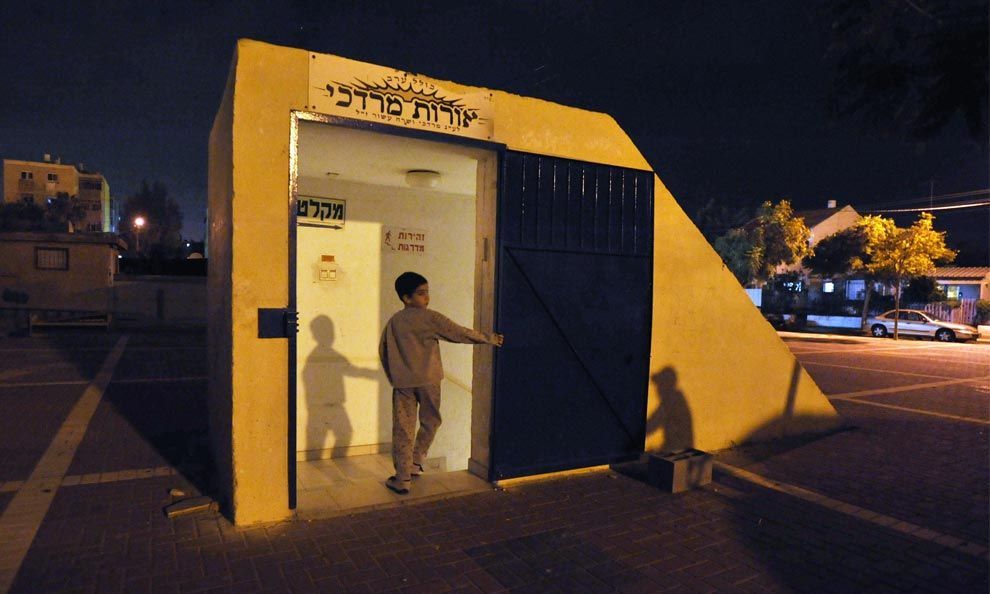
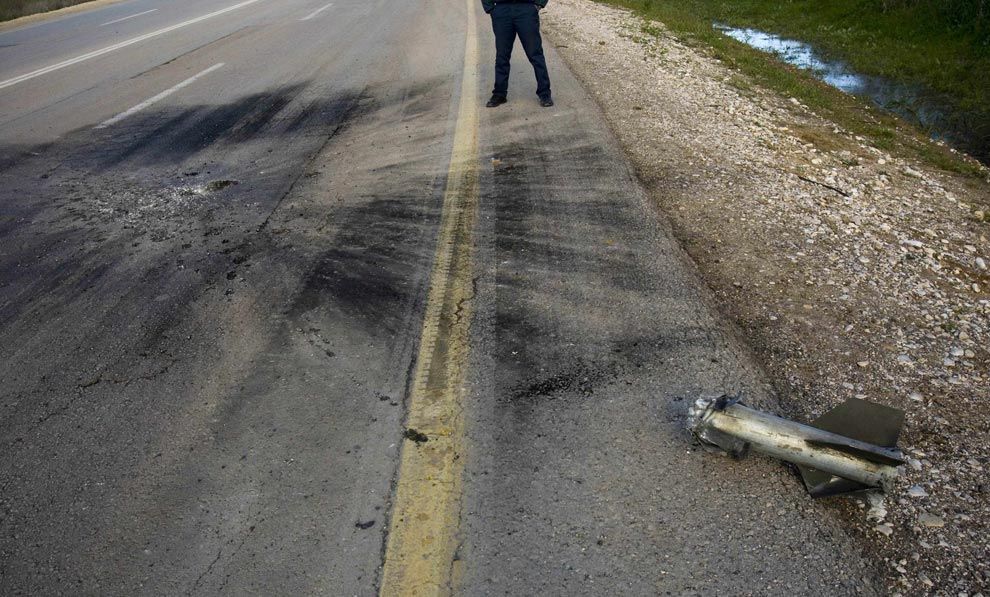
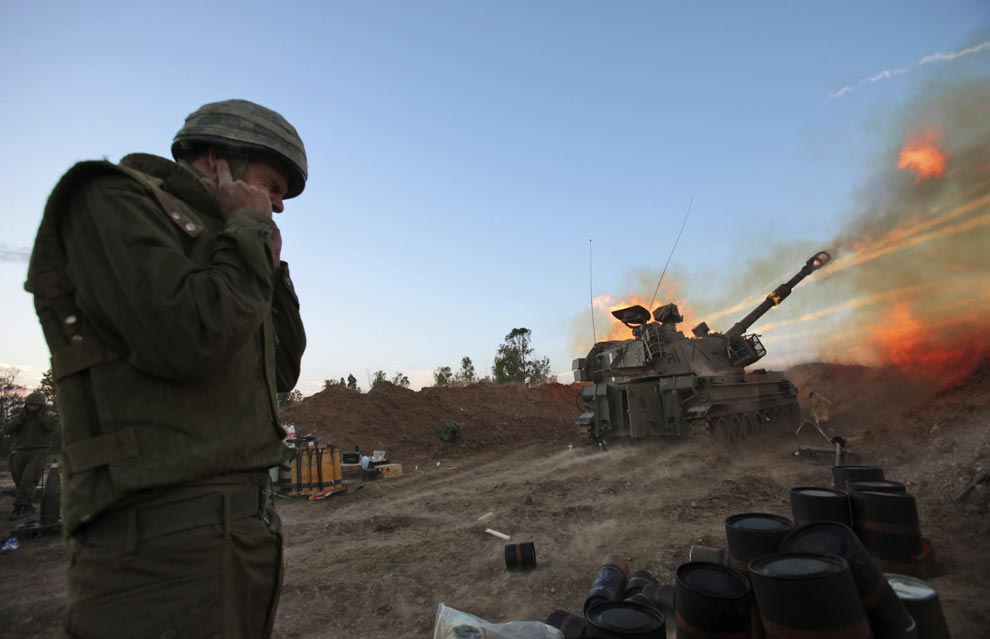
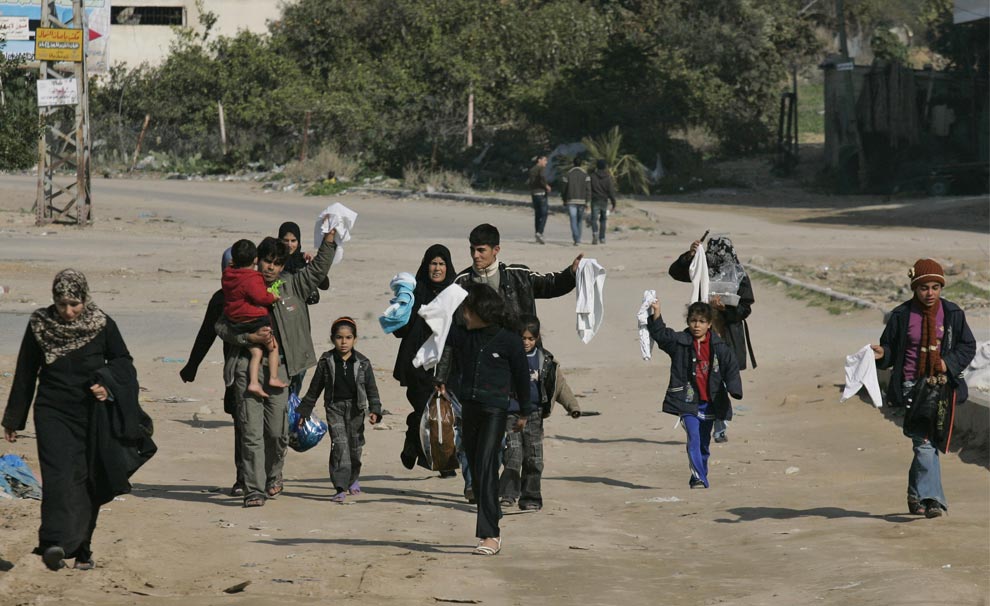
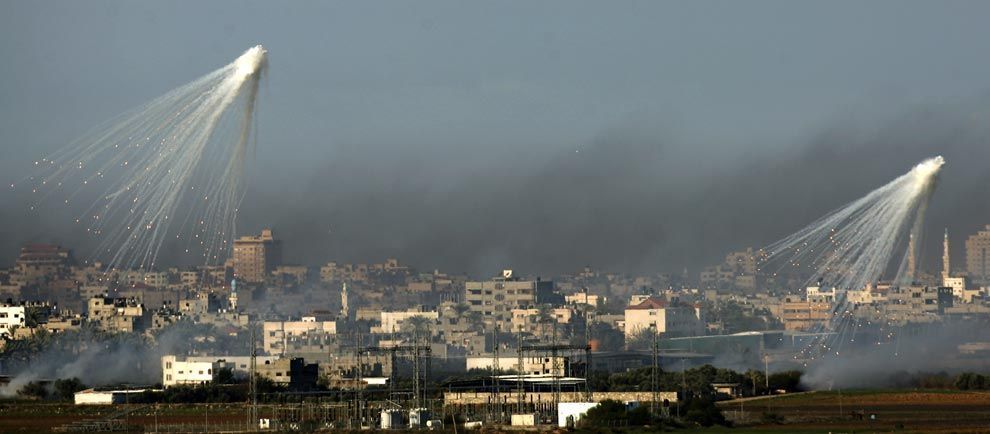
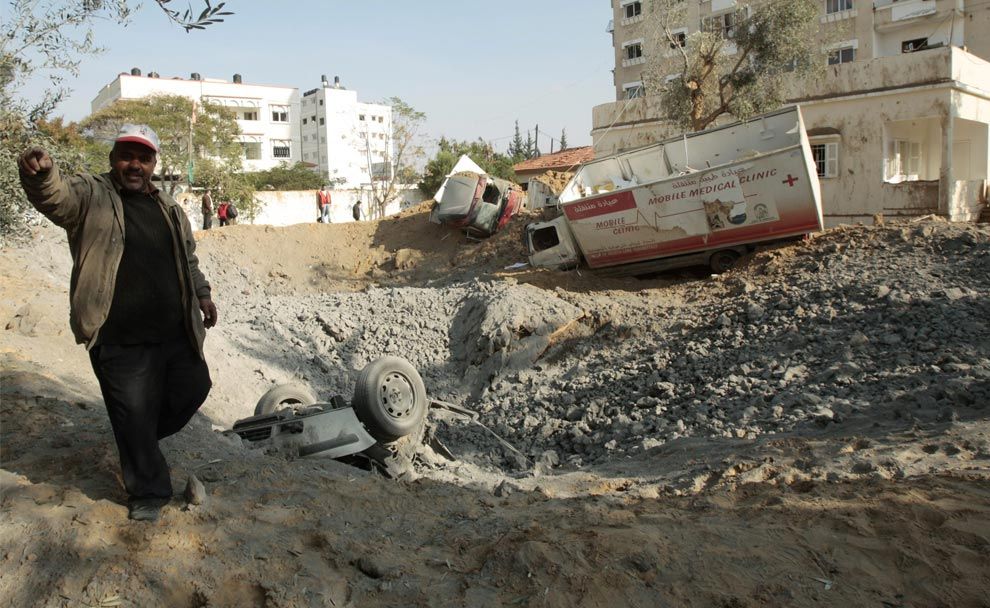
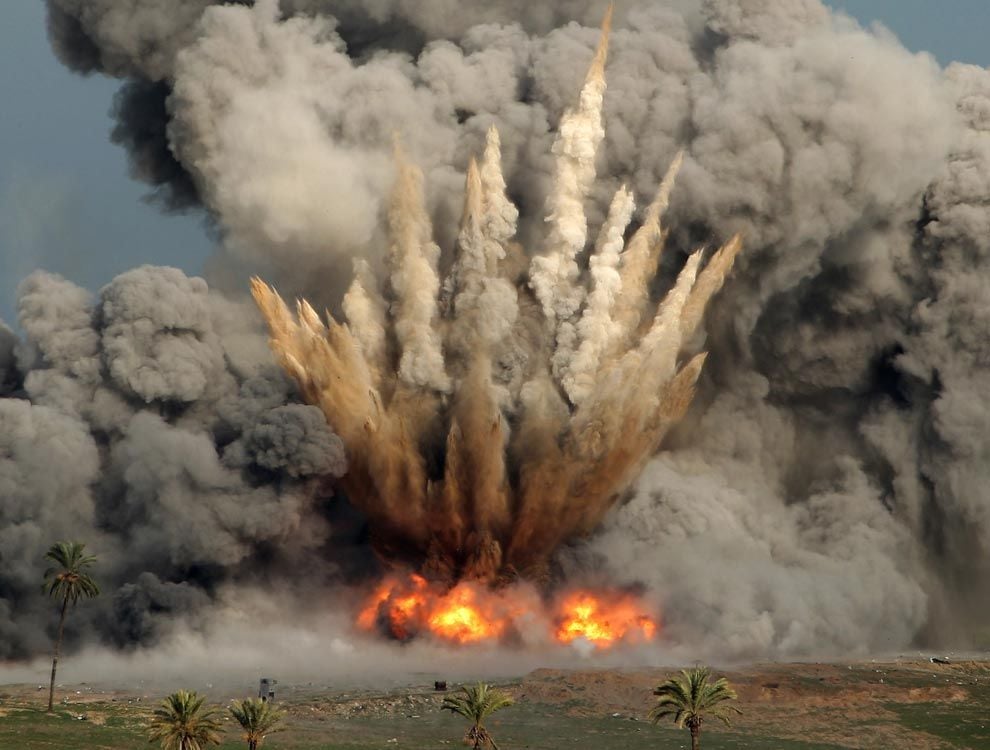
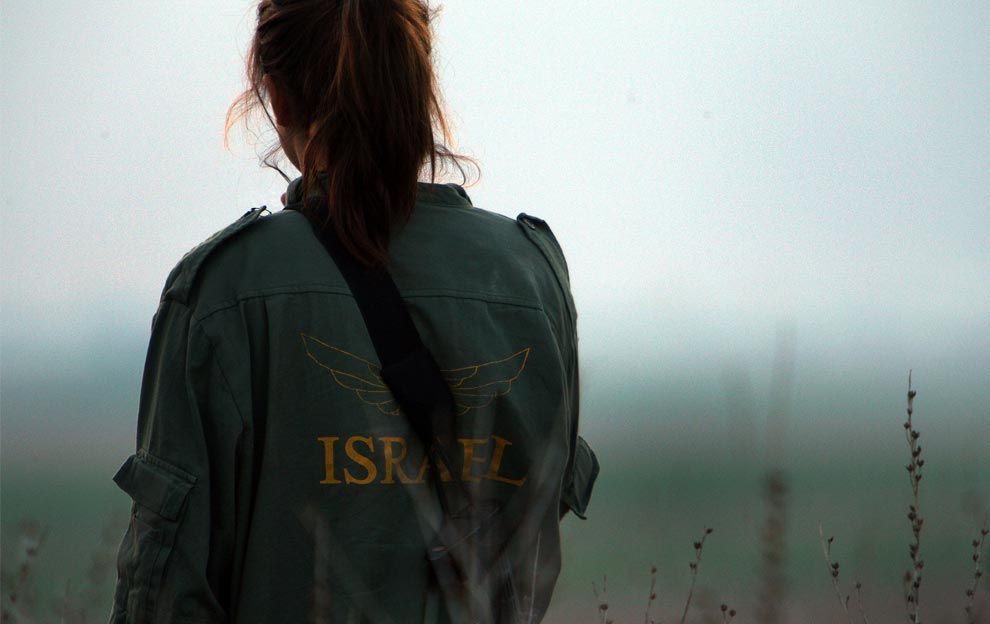
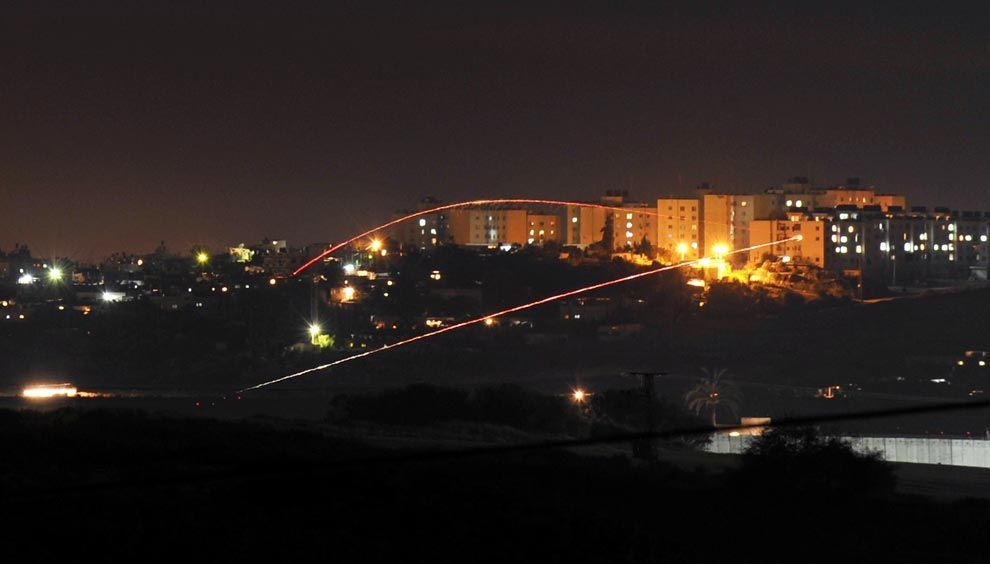
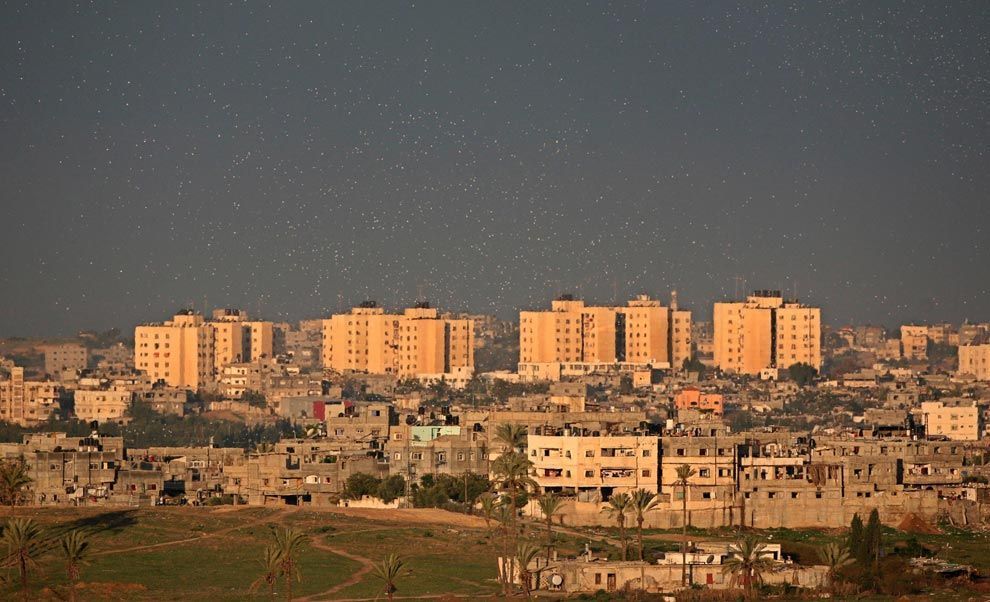
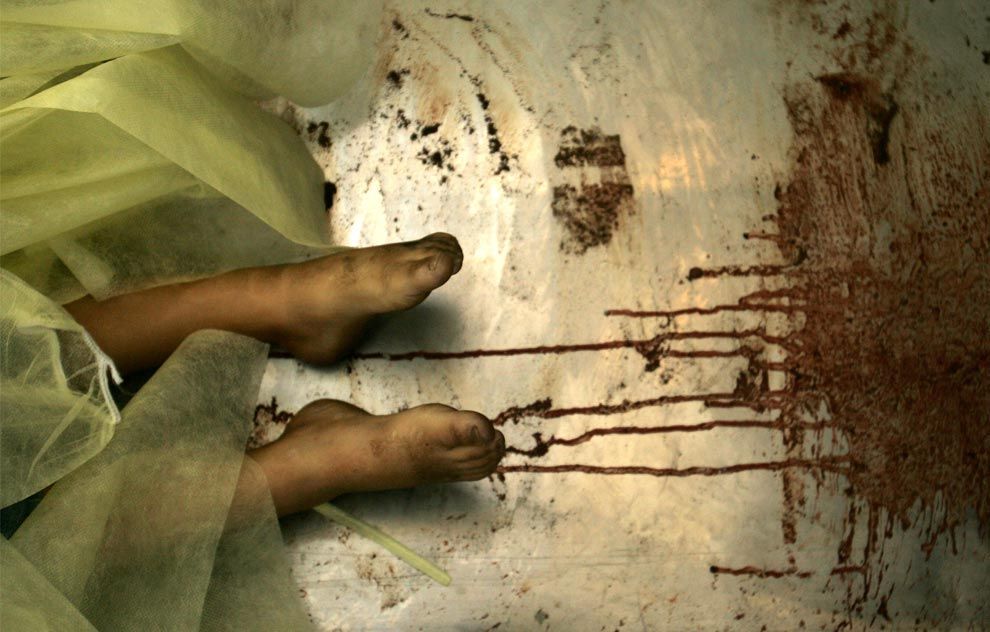
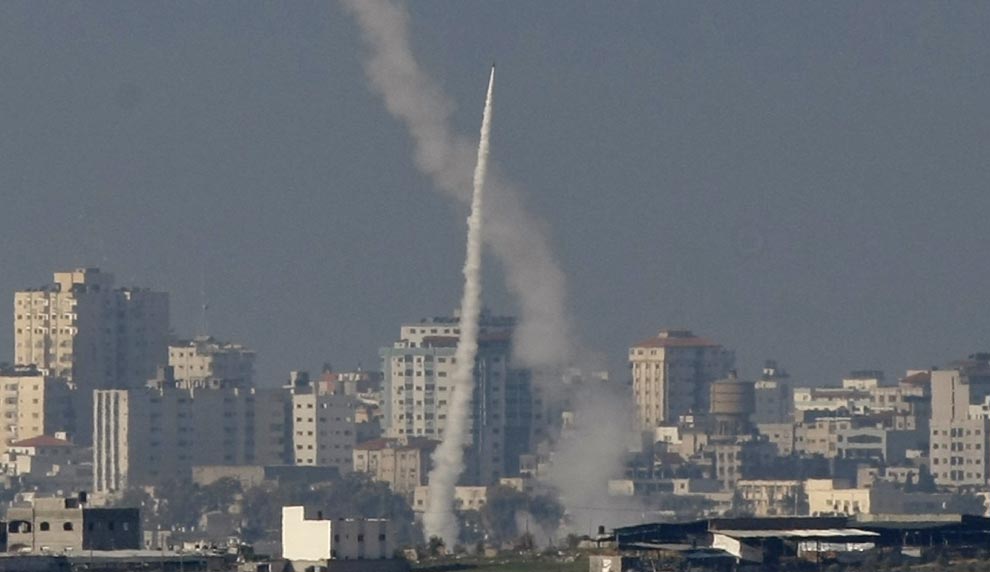
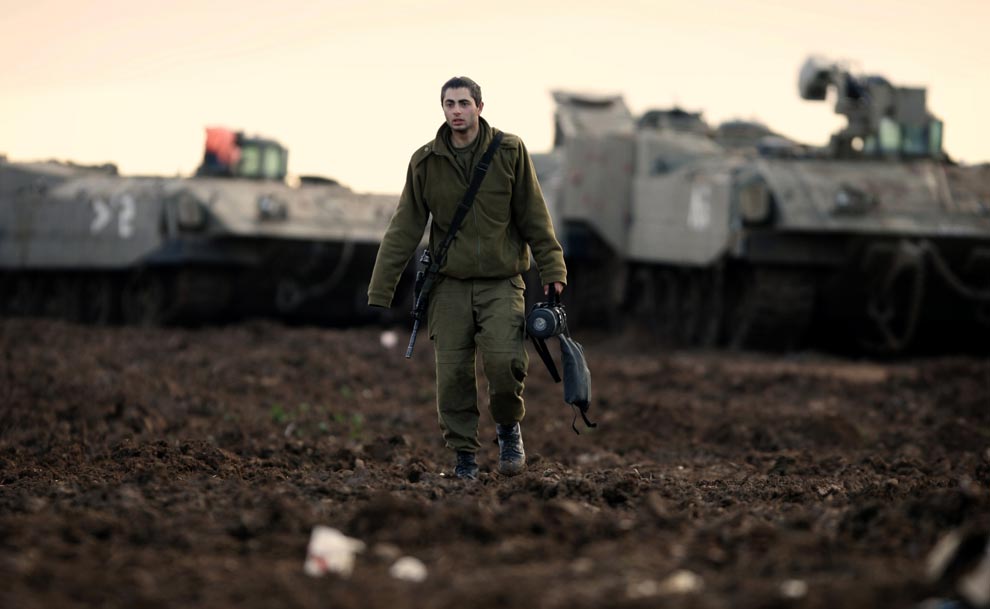
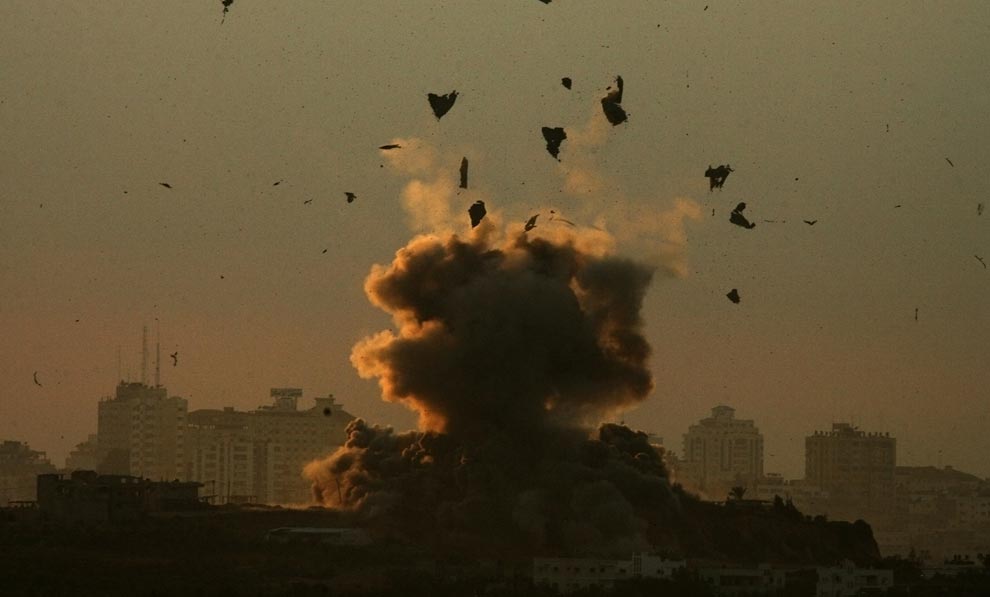
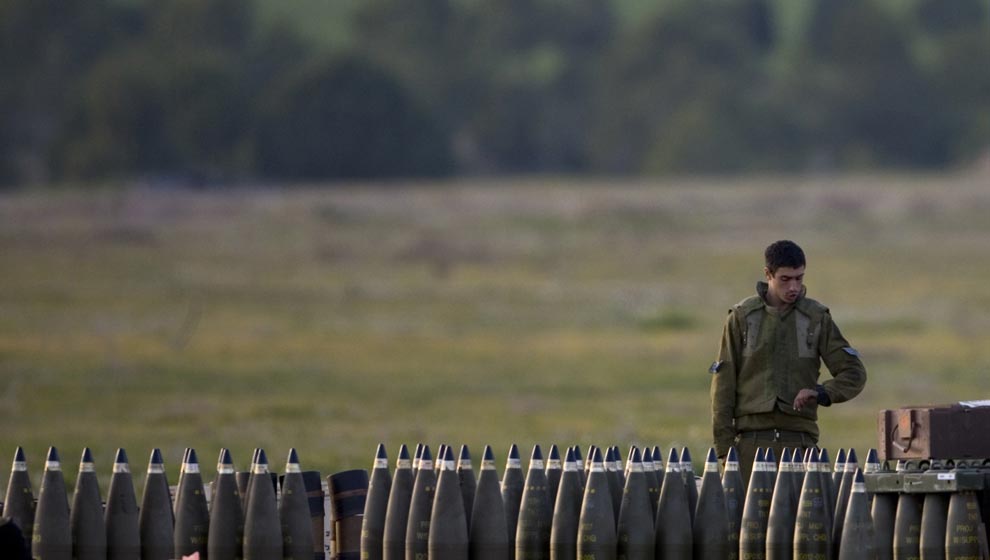
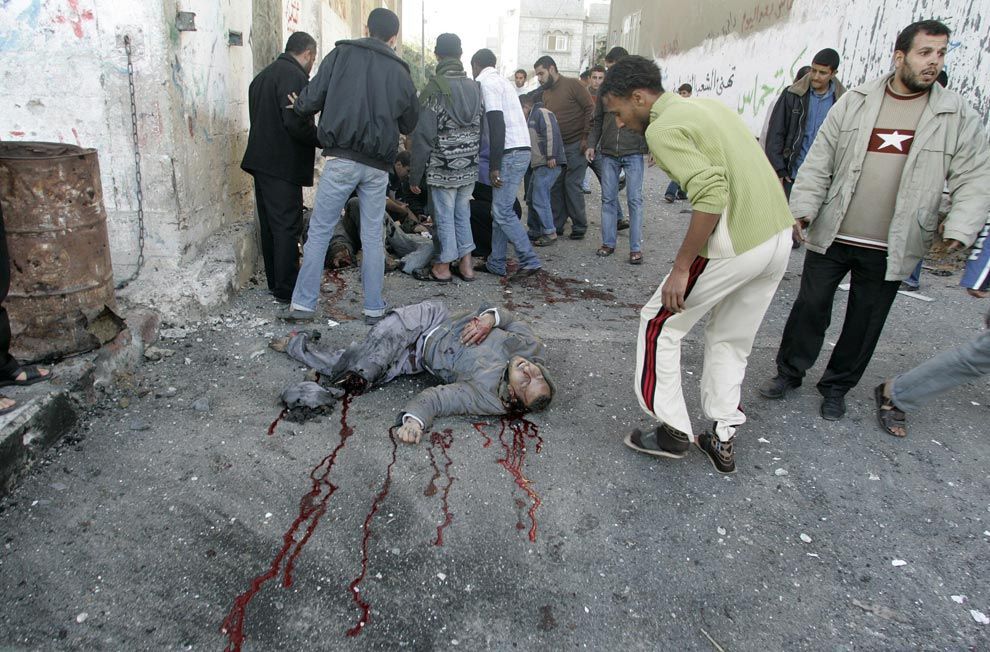
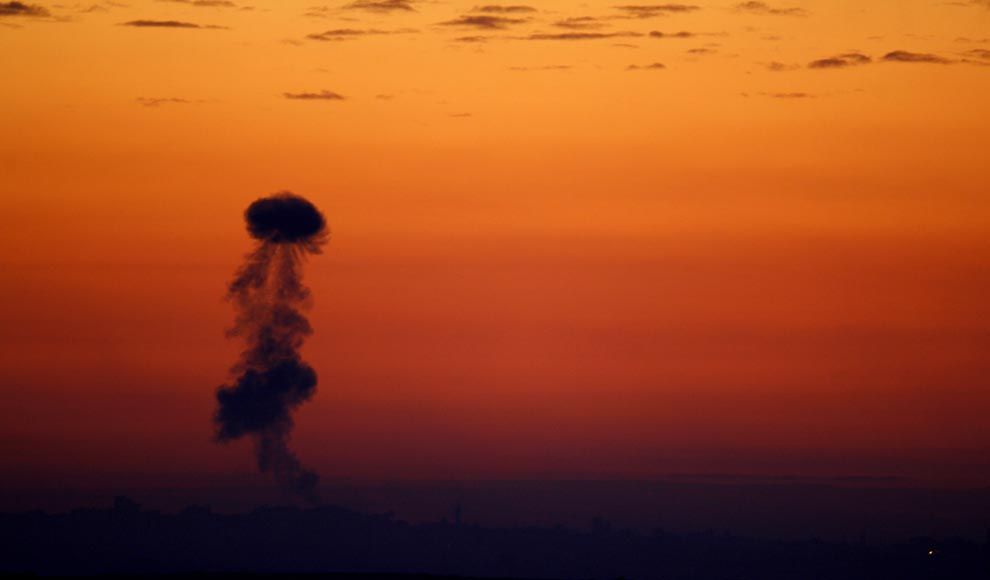
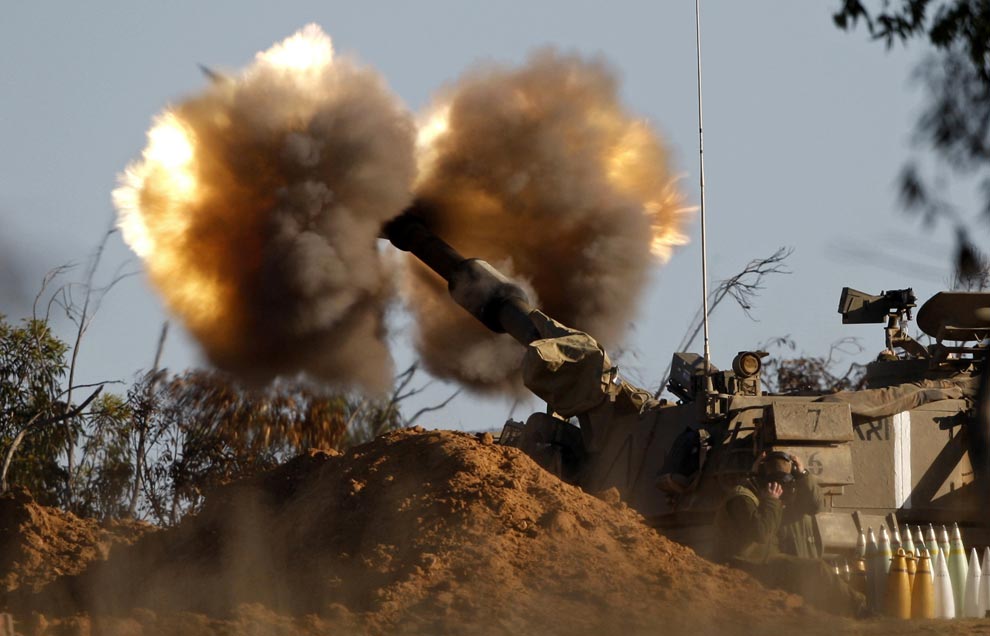
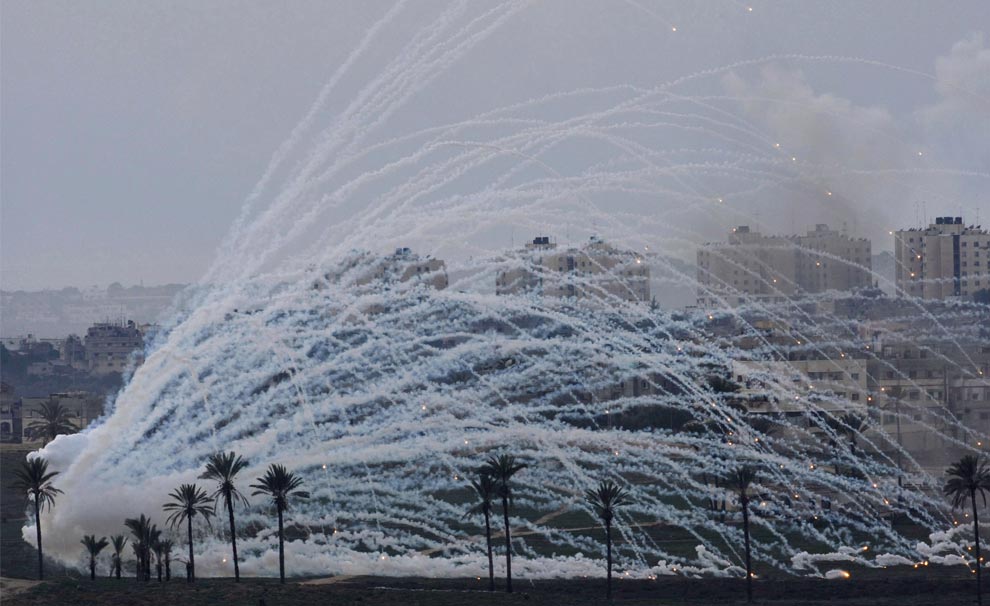
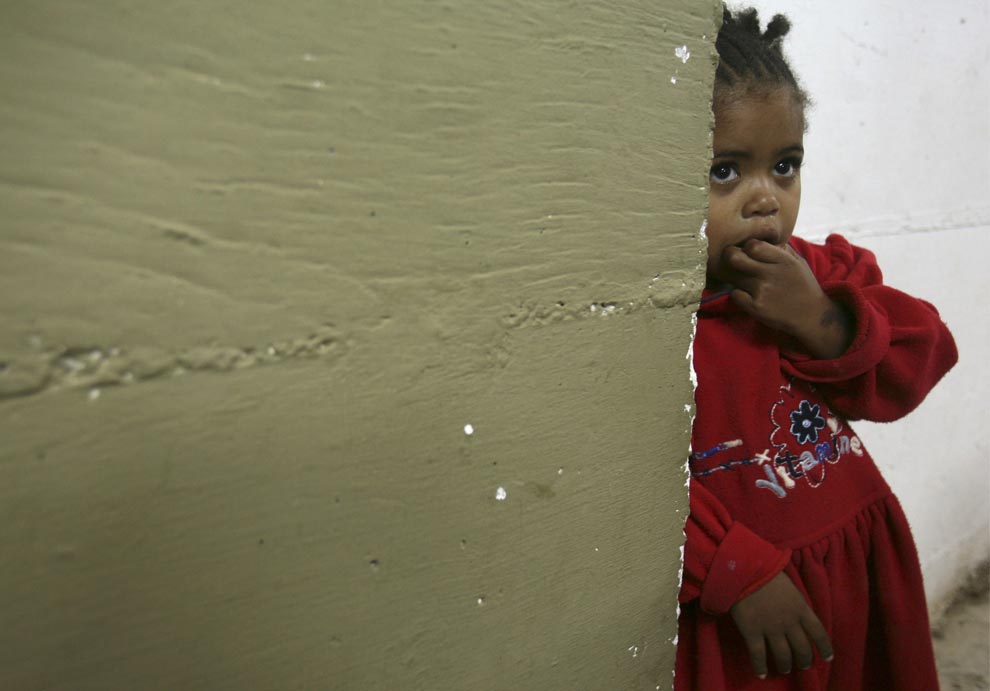
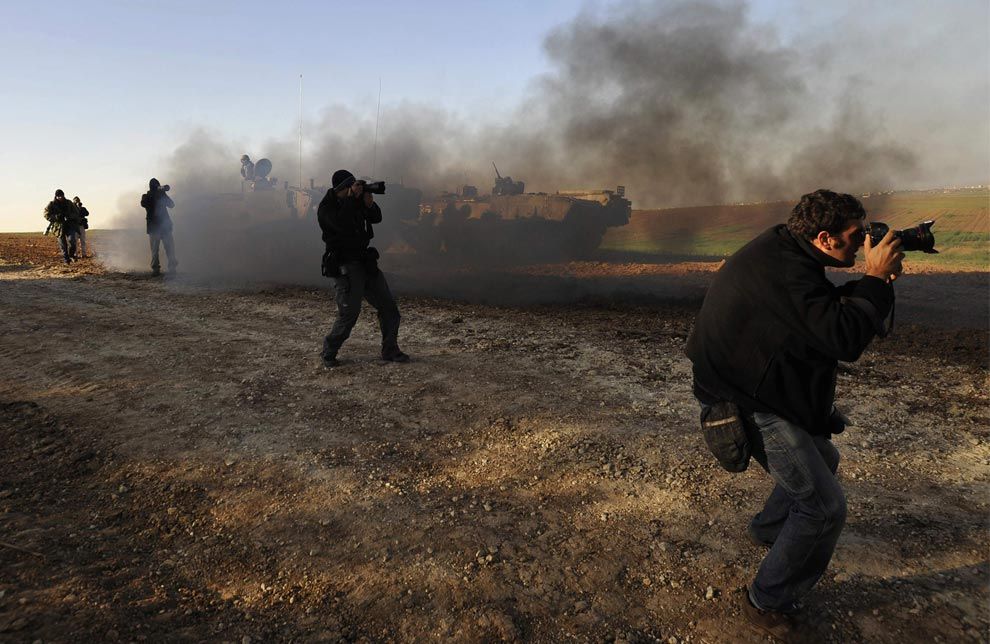
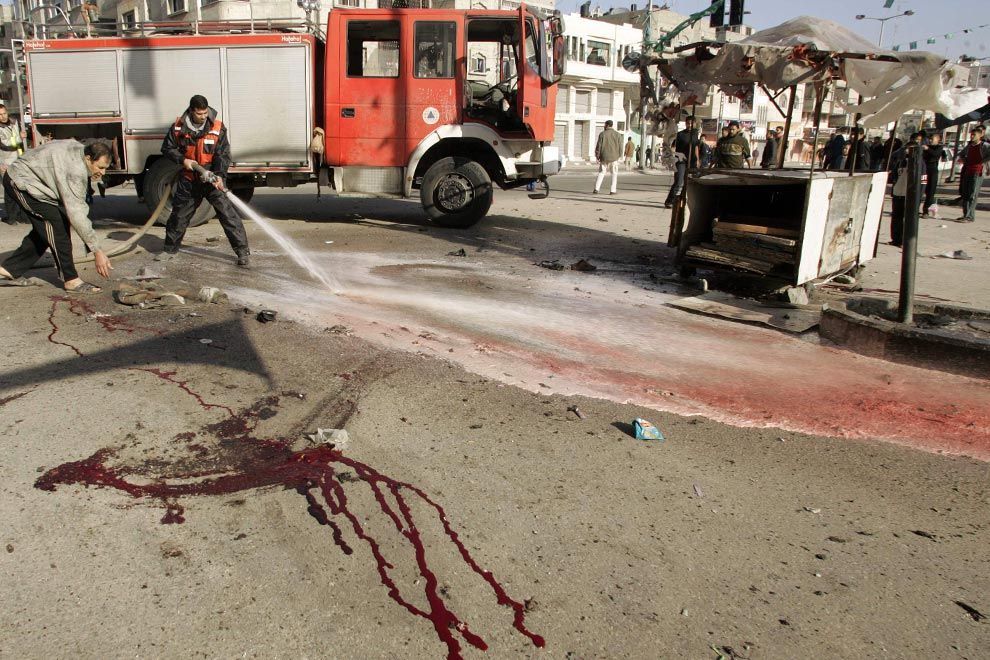
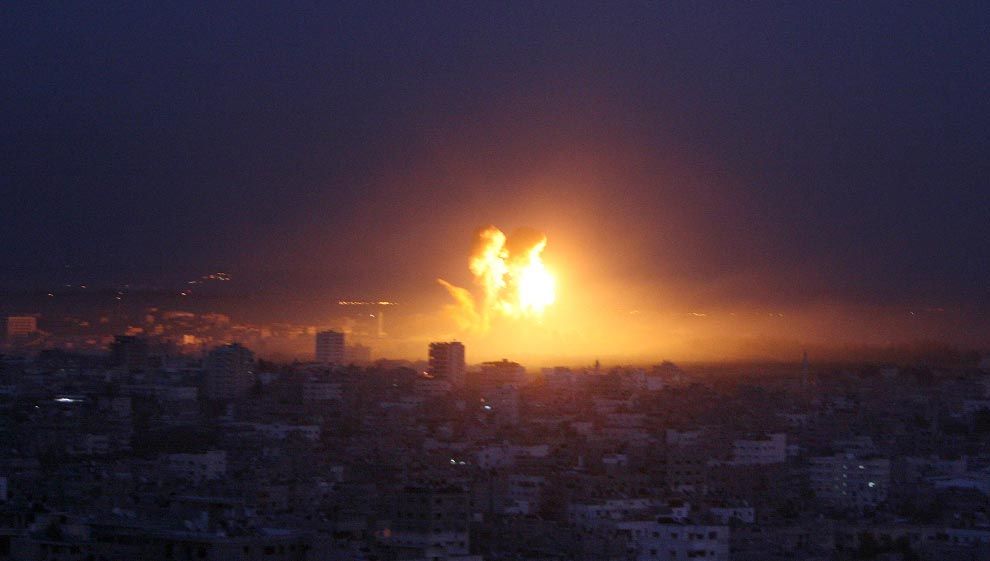
Operation Cast Lead was an Israeli military offensive against Hamas in the Gaza Strip from December 27, 2008, through January 18, 2009. Palestinian casualty figures and the classification of those killed remain disputed. PCHR initially counted 1,417 Palestinian deaths and later revised its estimate to between 1,414 and 1,419. B'Tselem counted 1,387 deaths, including 773 noncombatants, while the IDF reported 1,166 deaths, including 709 combatants. Much of the disagreement concerned whether police officers killed during the opening strikes were civilians or combatants. Thirteen Israelis were killed, including 10 soldiers and three civilians. Four of the soldiers were killed by friendly fire. Photographs from the conflict show Israeli aircraft and armored forces, Palestinian militants with rockets, airstrike plumes, bodies after the December 27 strike on a police compound, wounded children and adults, rubble rescues and a white phosphorus airburst. Other photographs show Israelis taking cover from rockets, damage to a Beersheba kindergarten, a wounded Israeli woman and military casualties receiving aid. 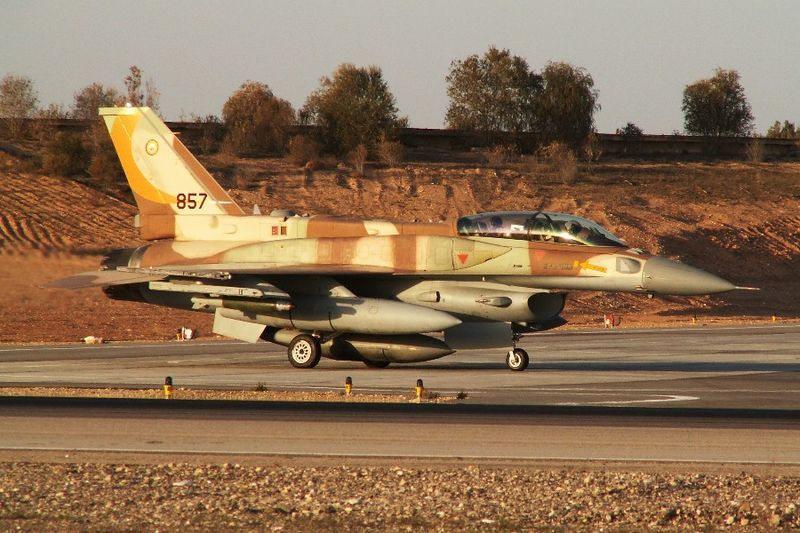 · 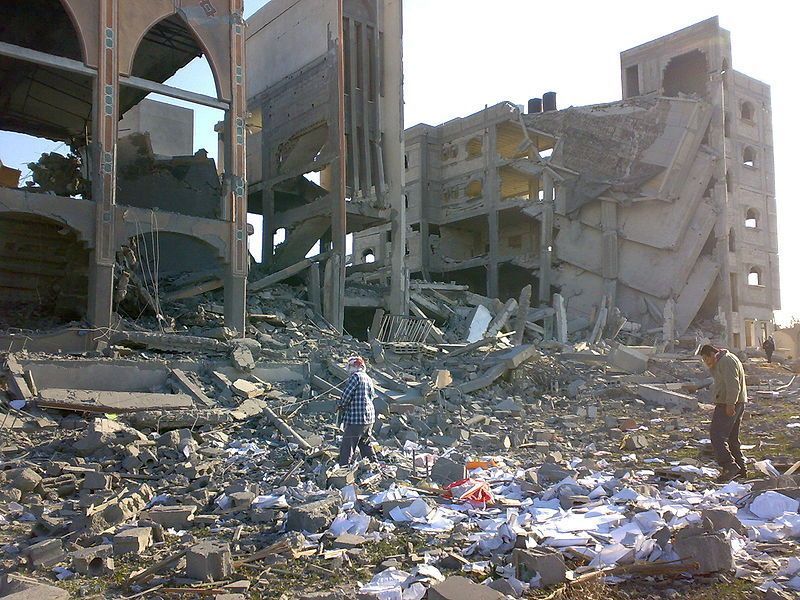 · 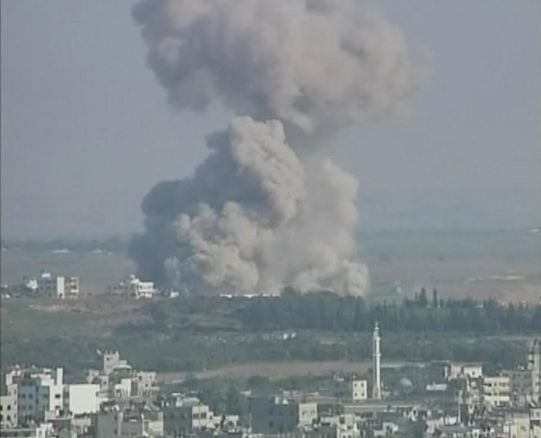 · 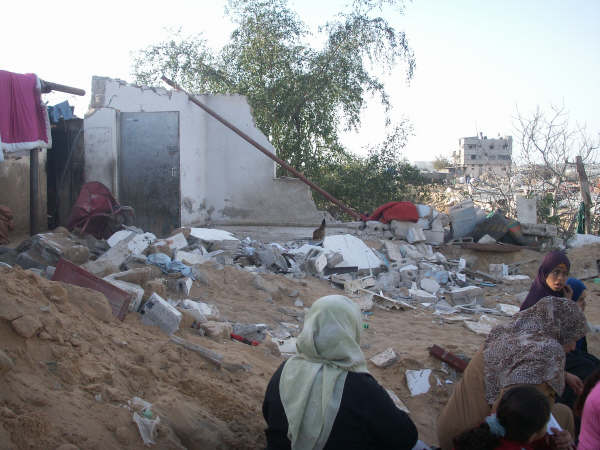 · 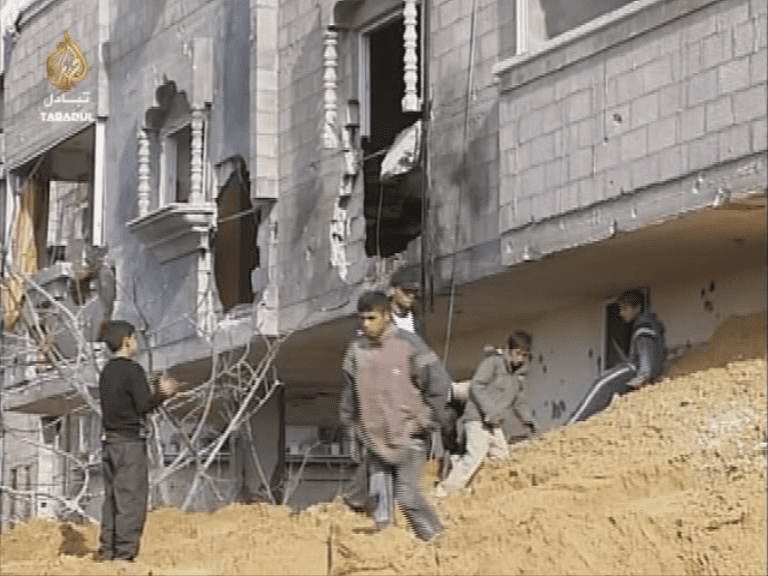 · 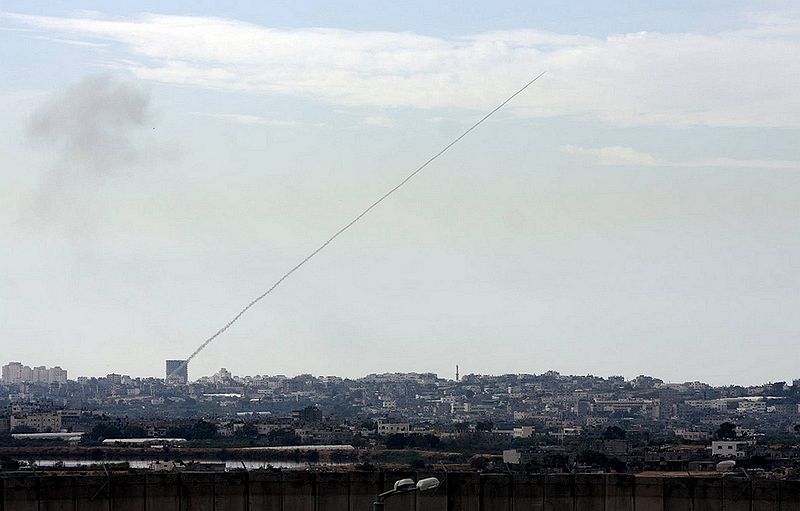 · 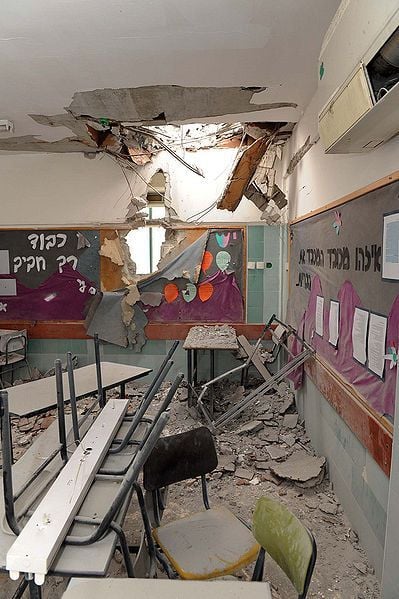 · 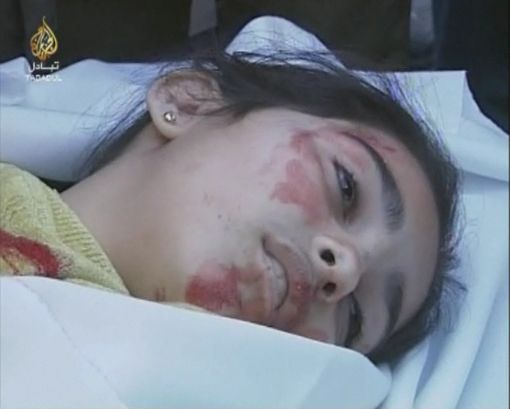 · 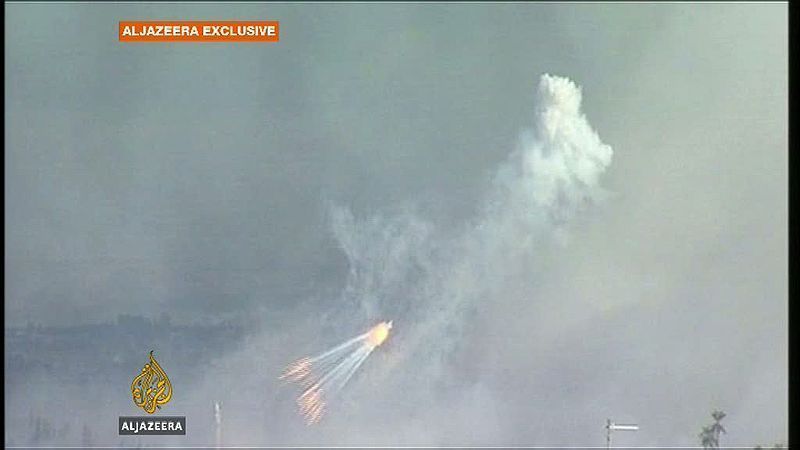 · 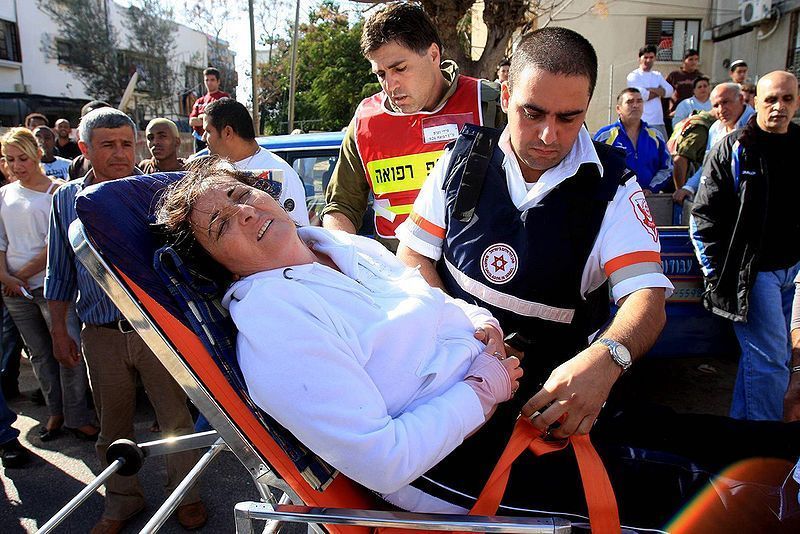 · 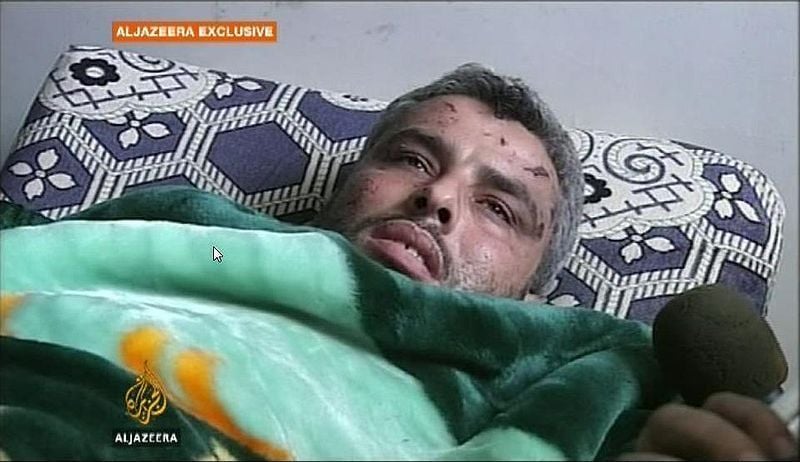 · 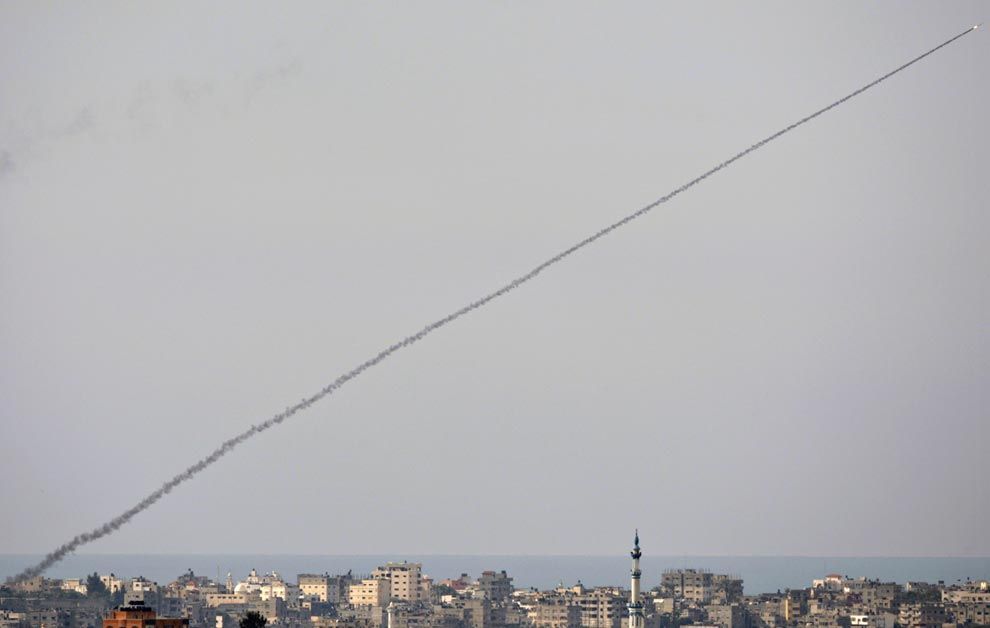 · 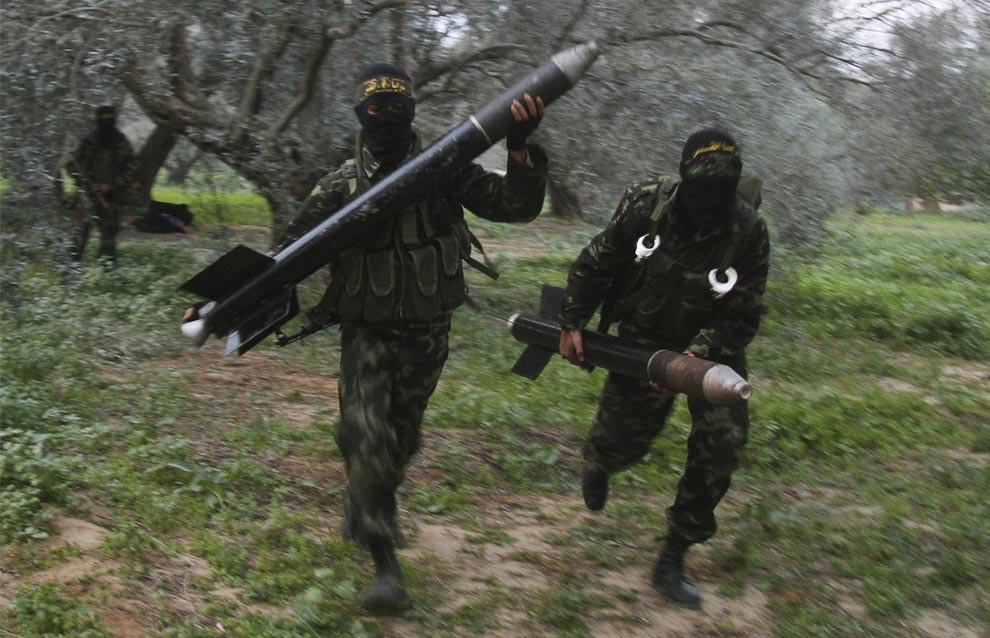 · 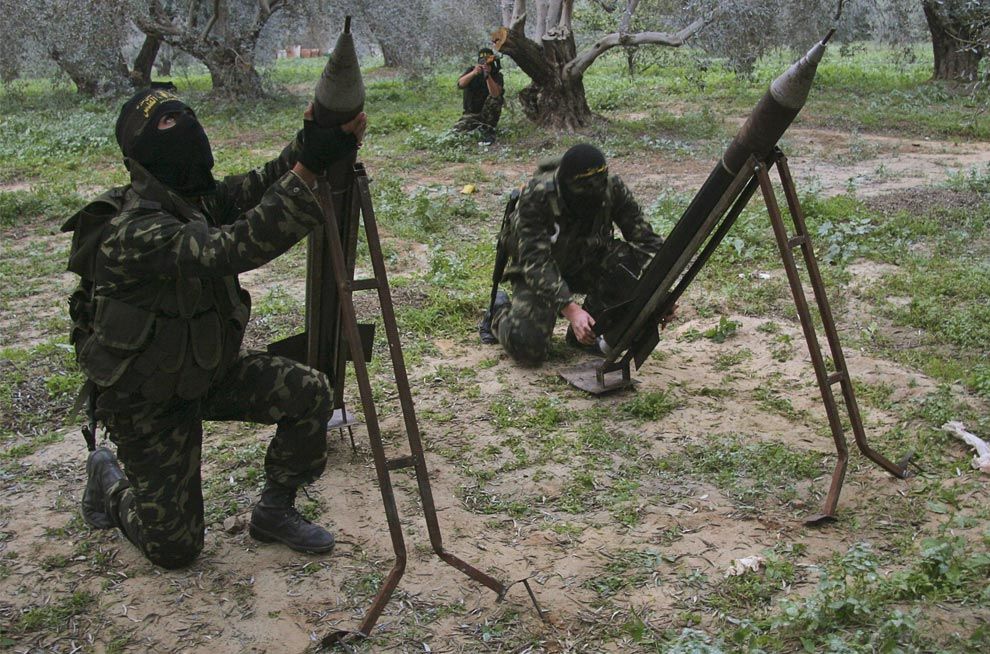 · 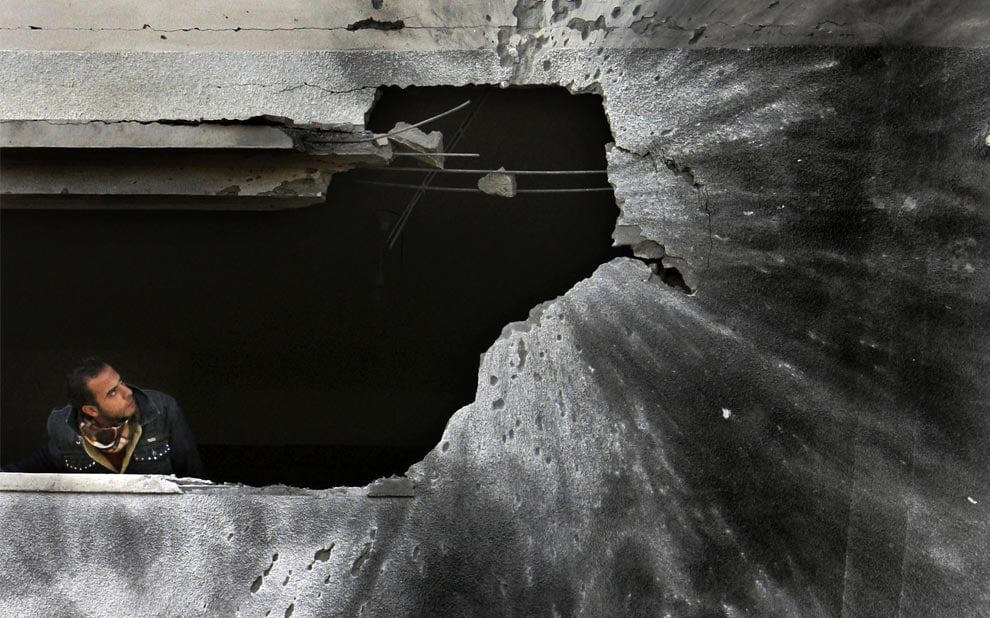 · 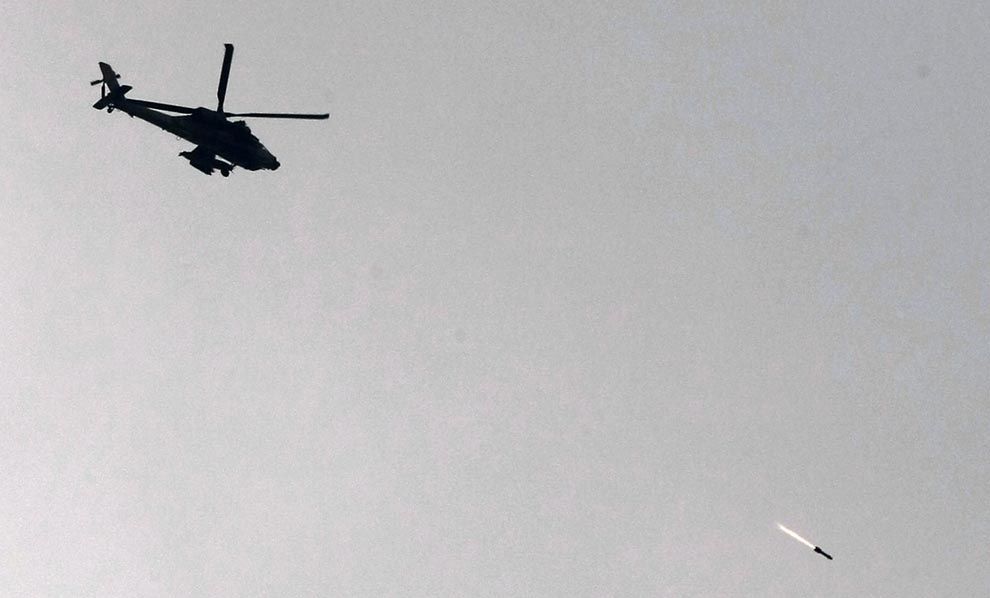 · 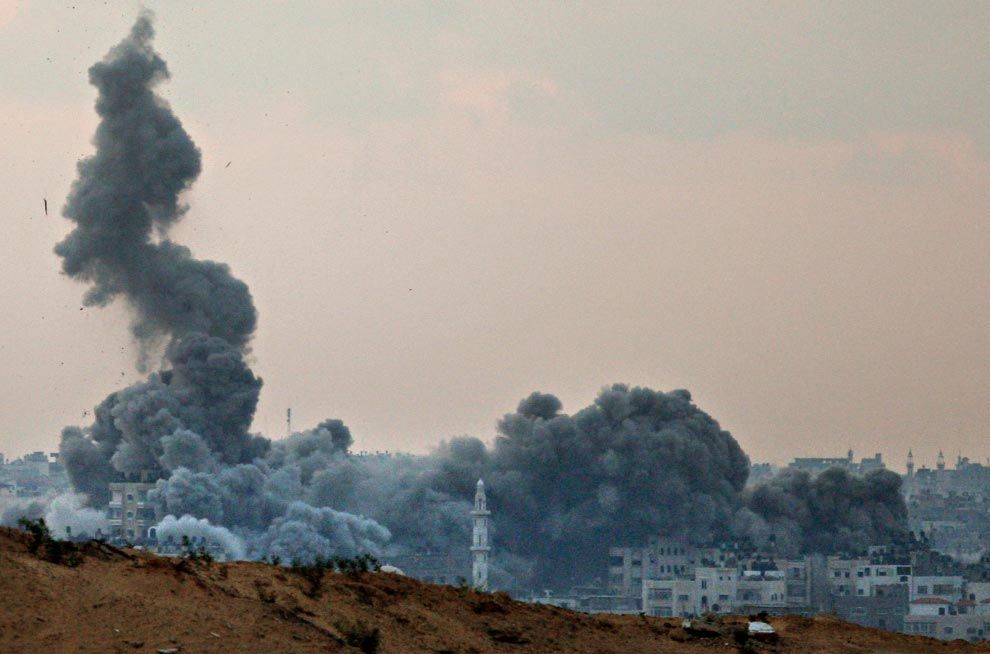 · 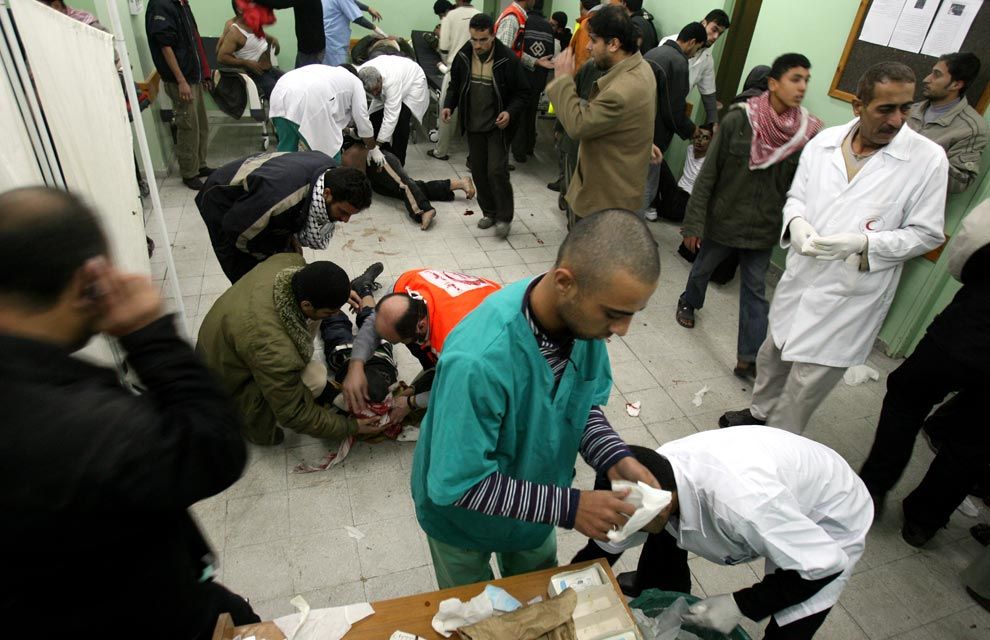 · 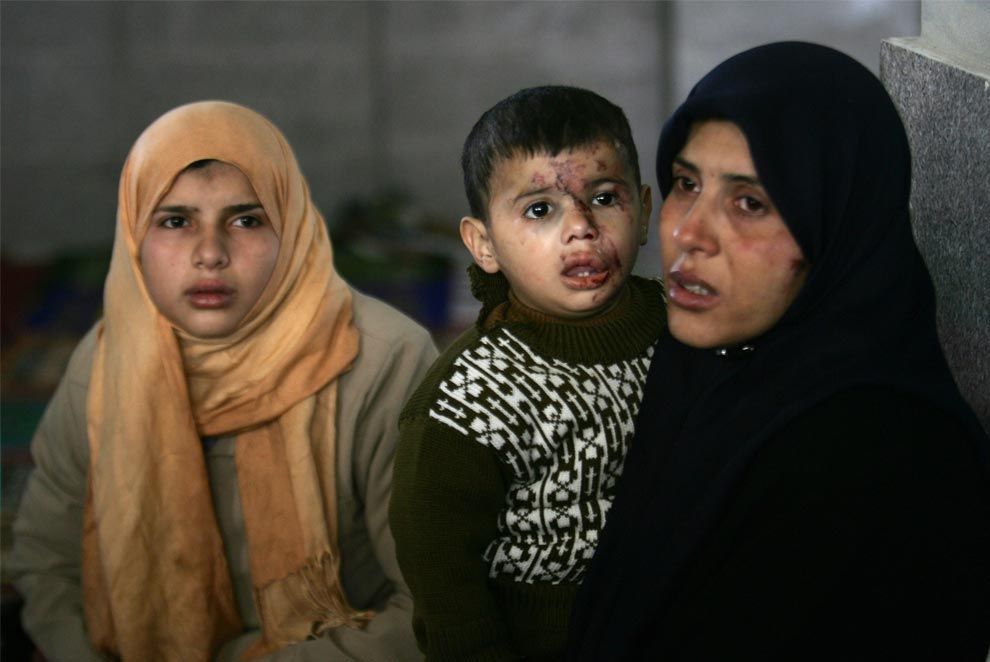 · 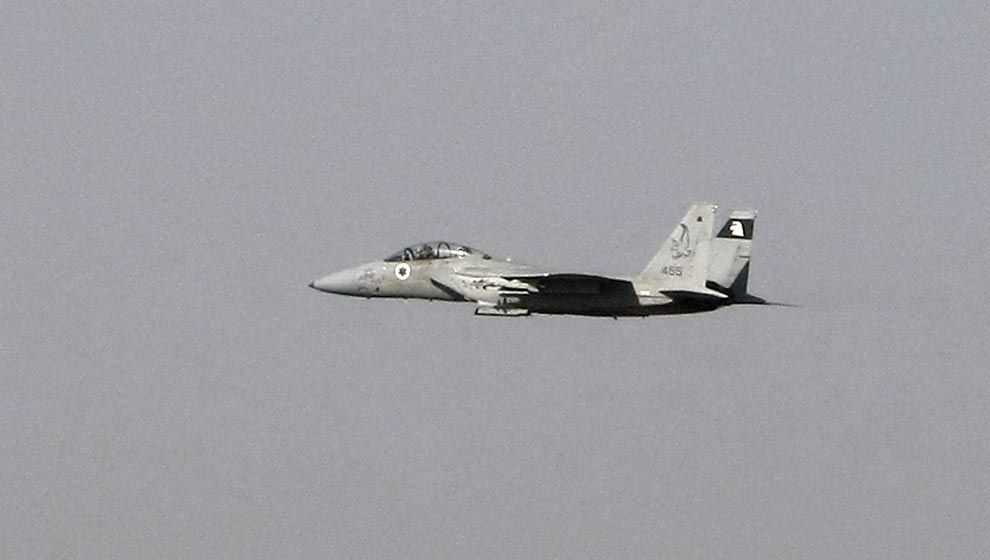 · 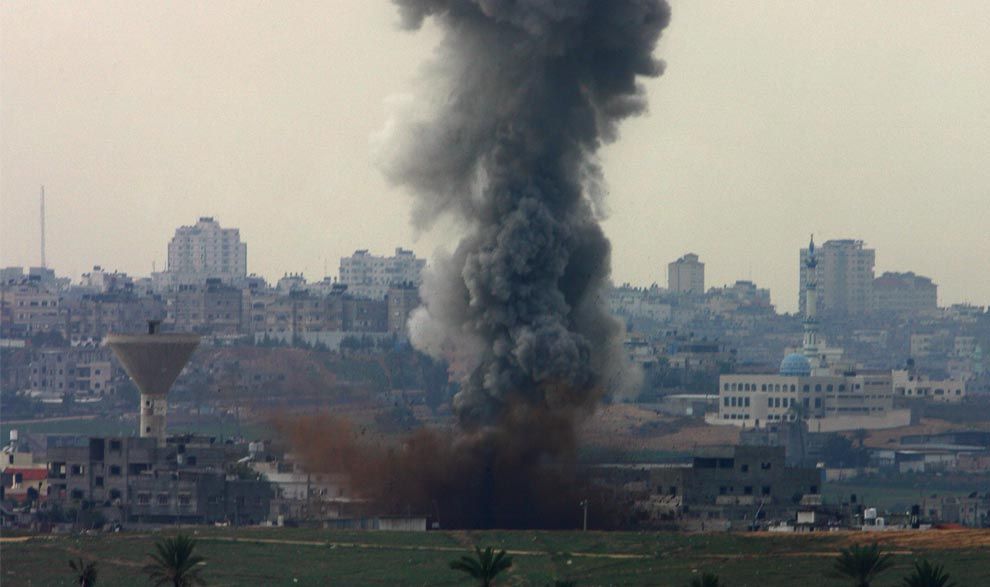 · 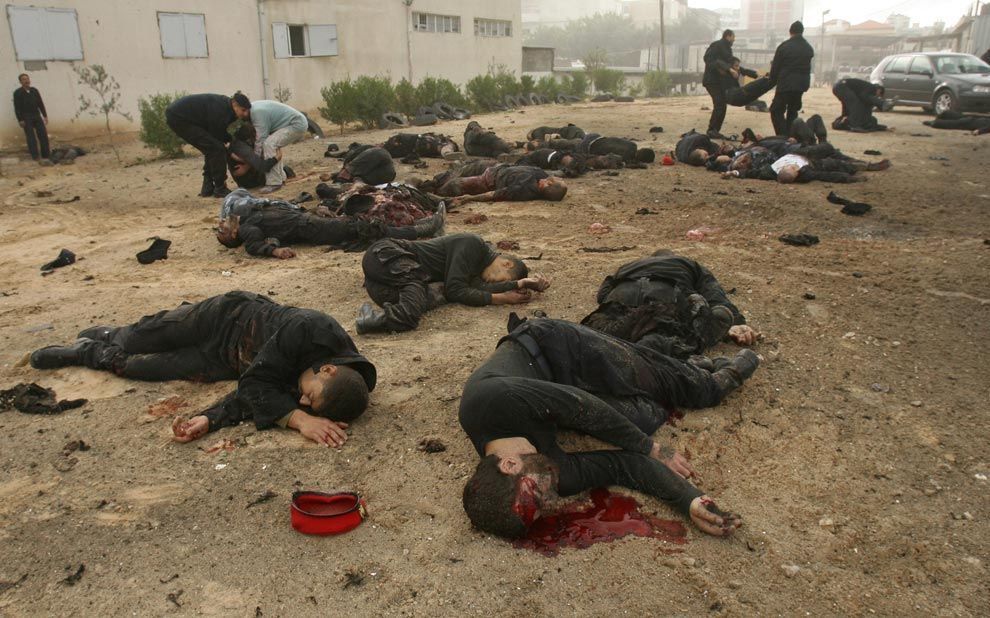 · 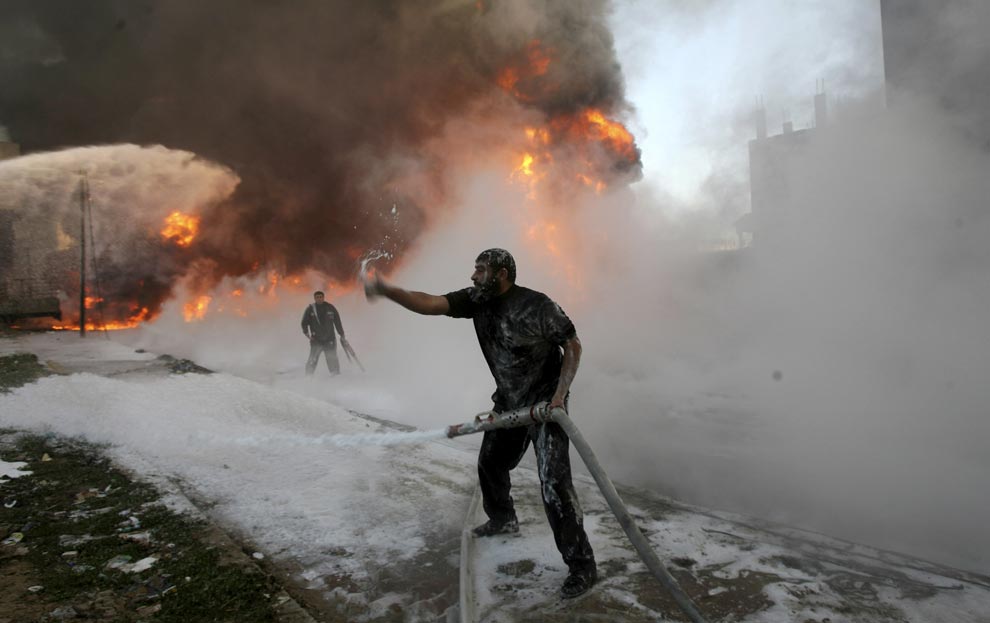 · 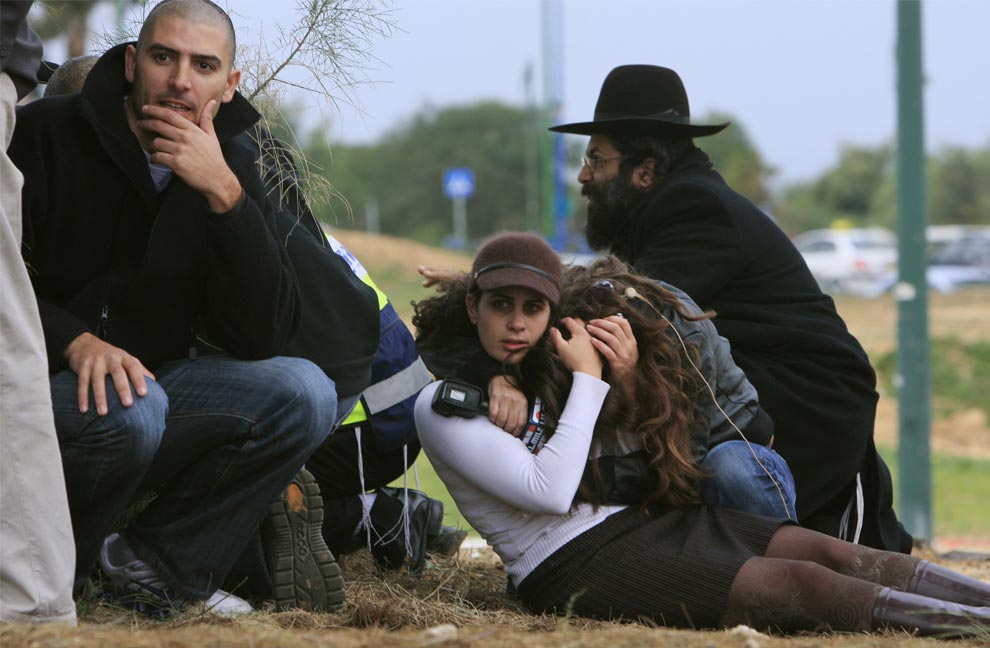 · 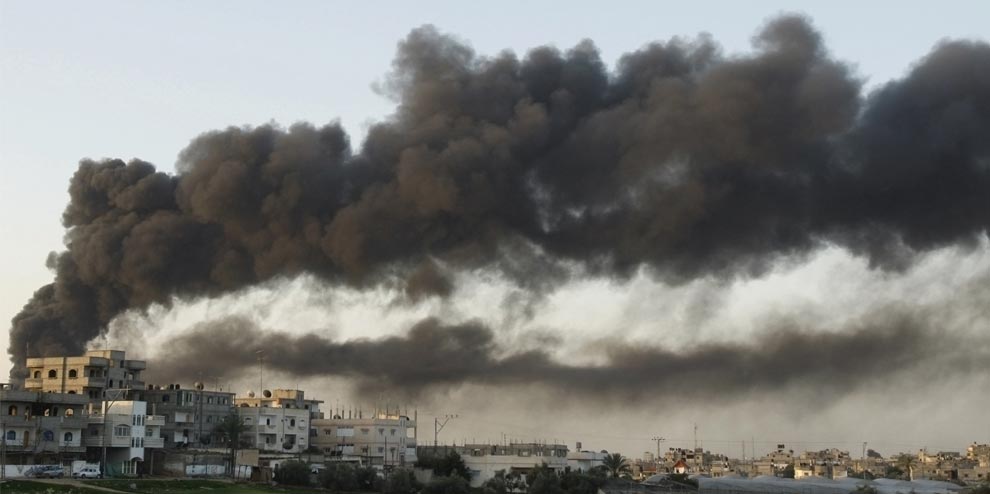 · 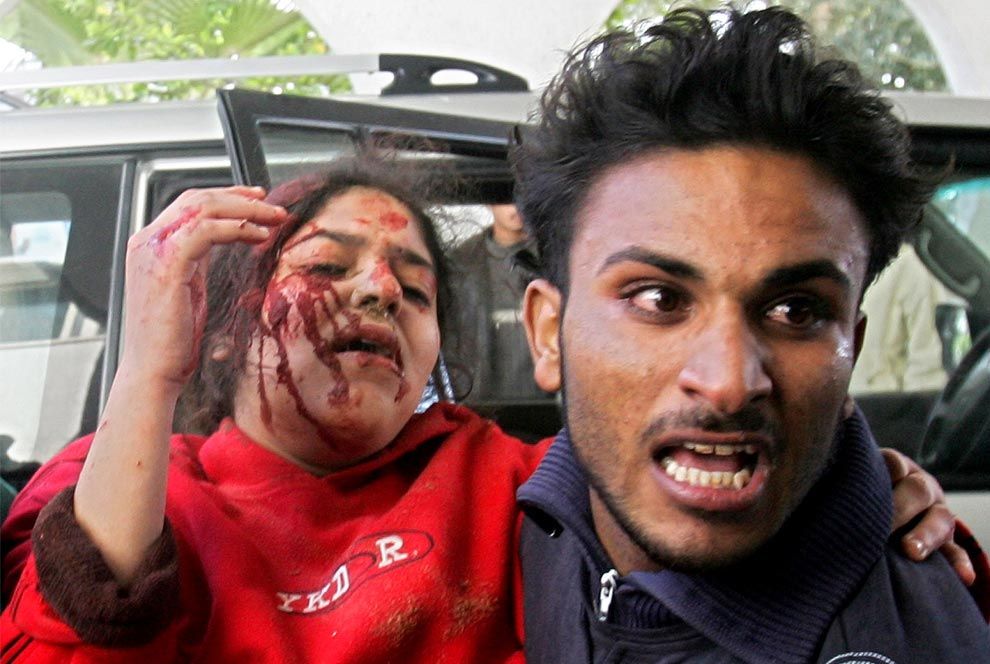 · 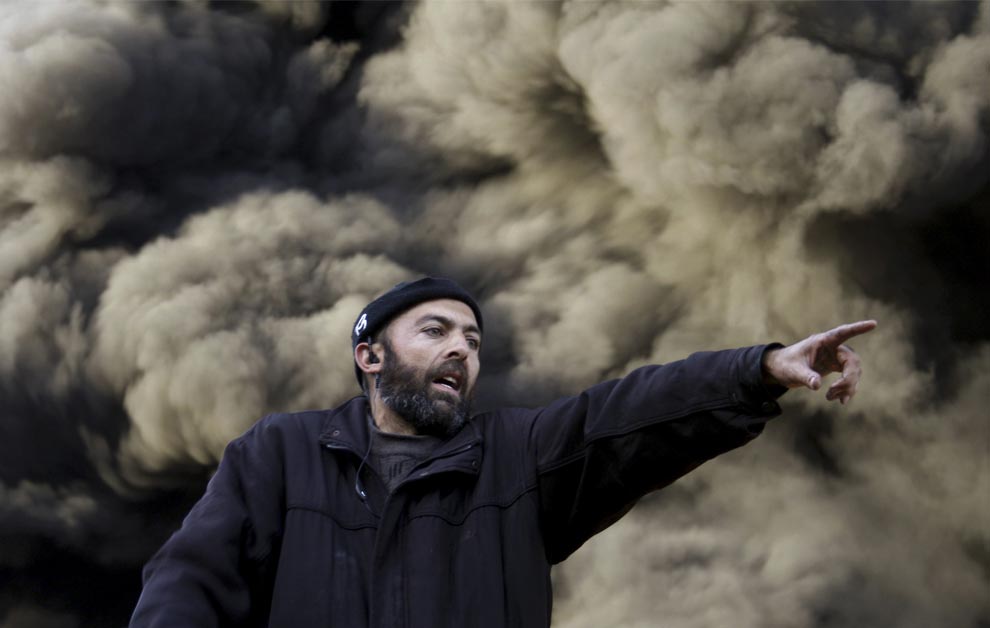 · 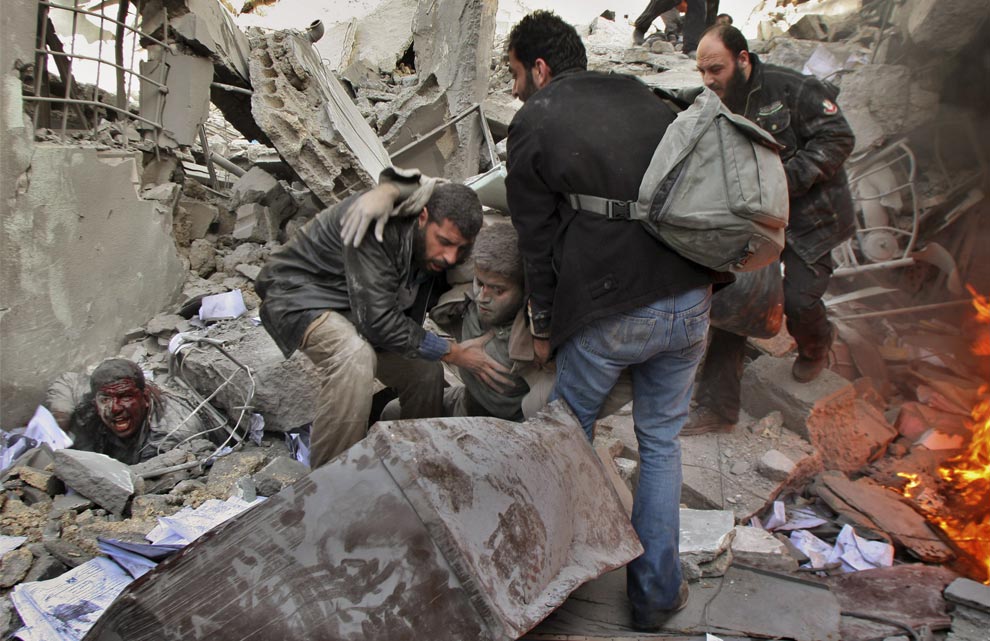 · 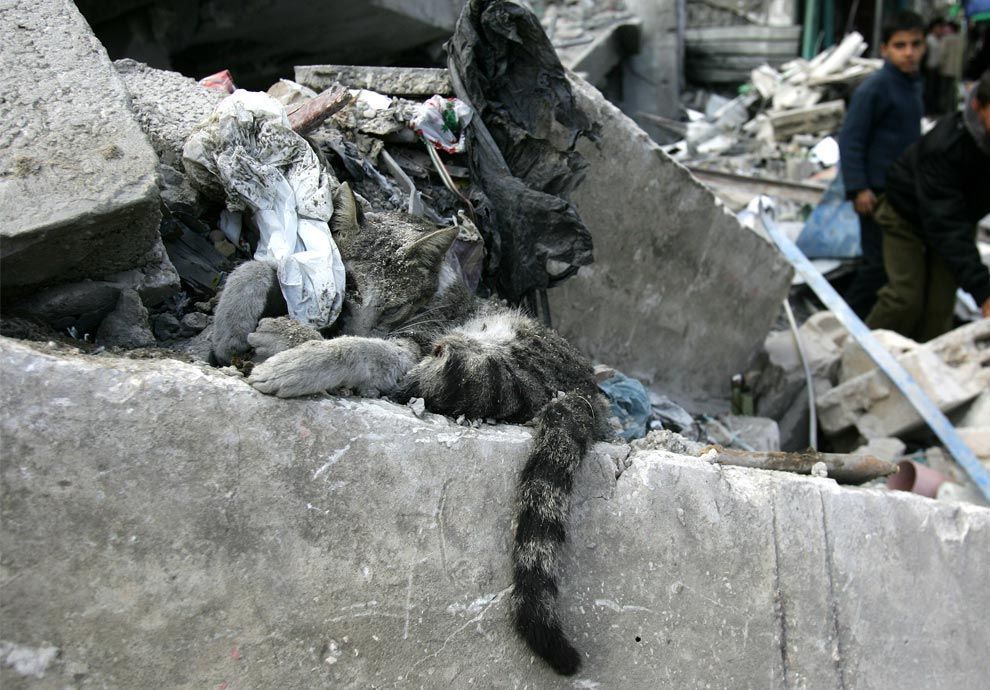 ·  · 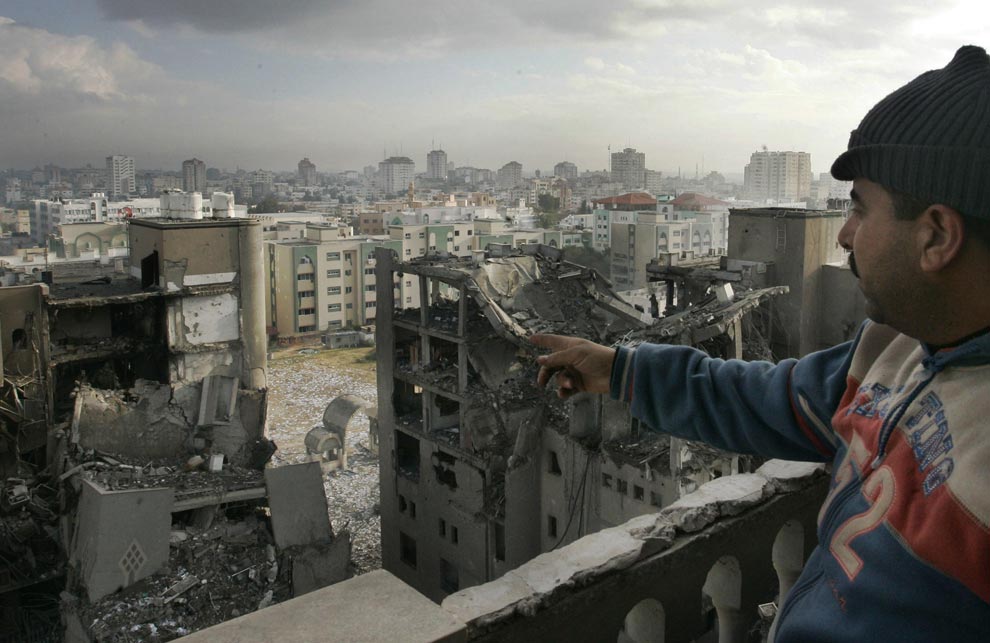 · 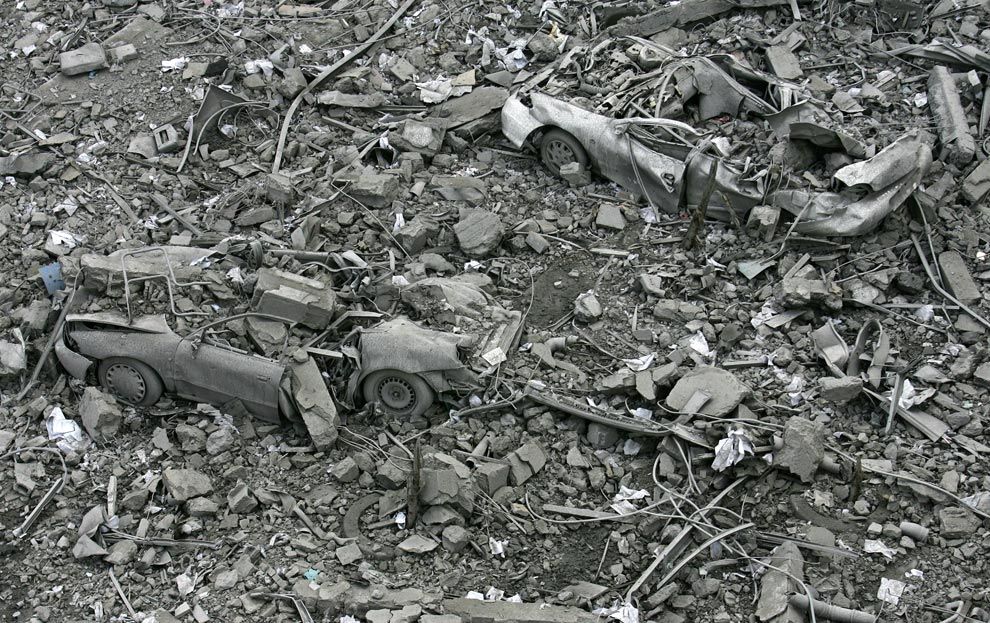 · 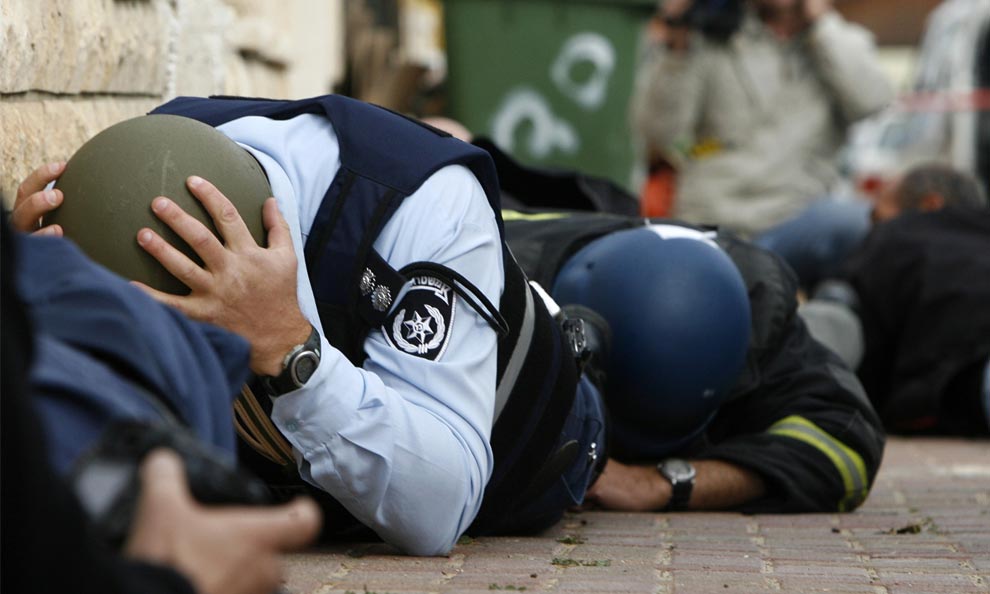 · 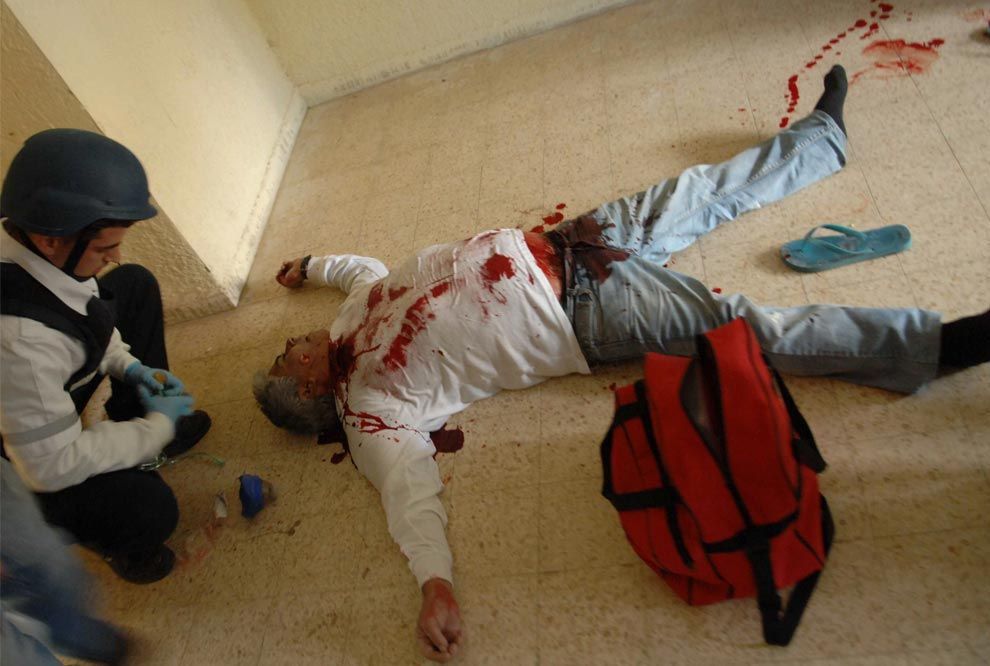 · 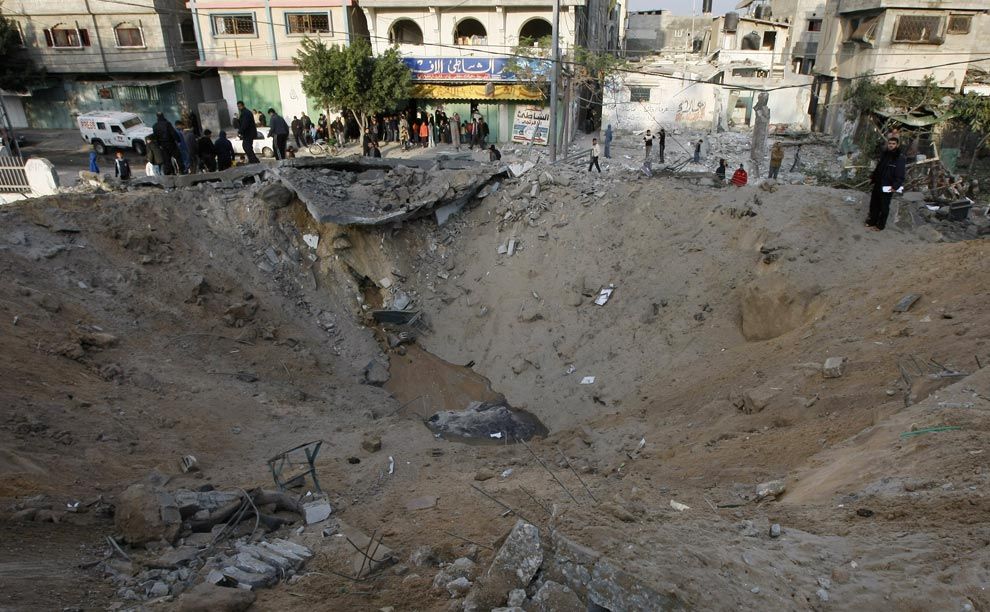 · 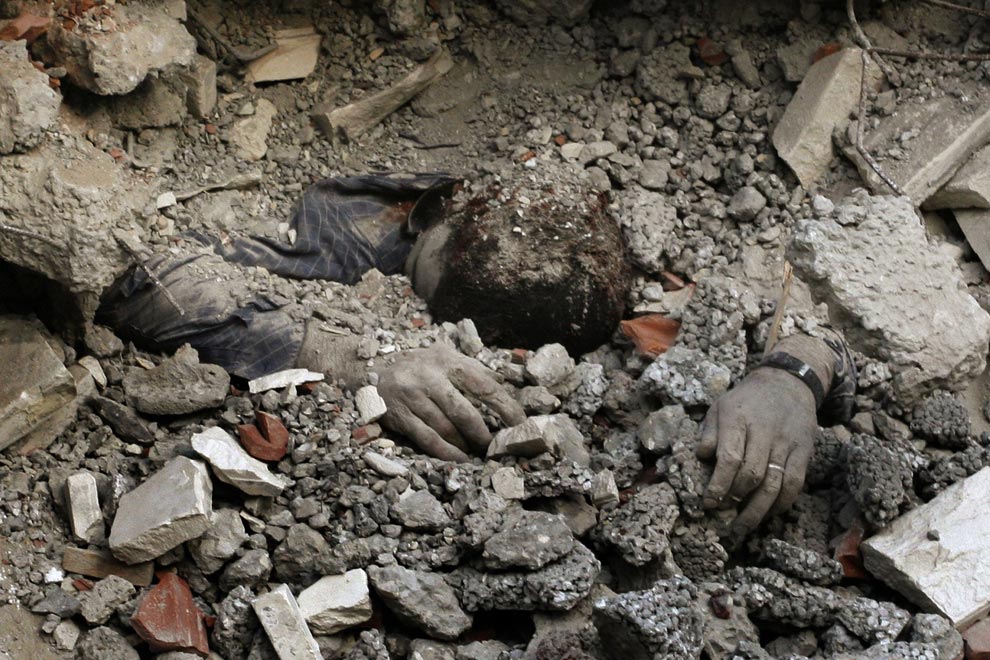 · 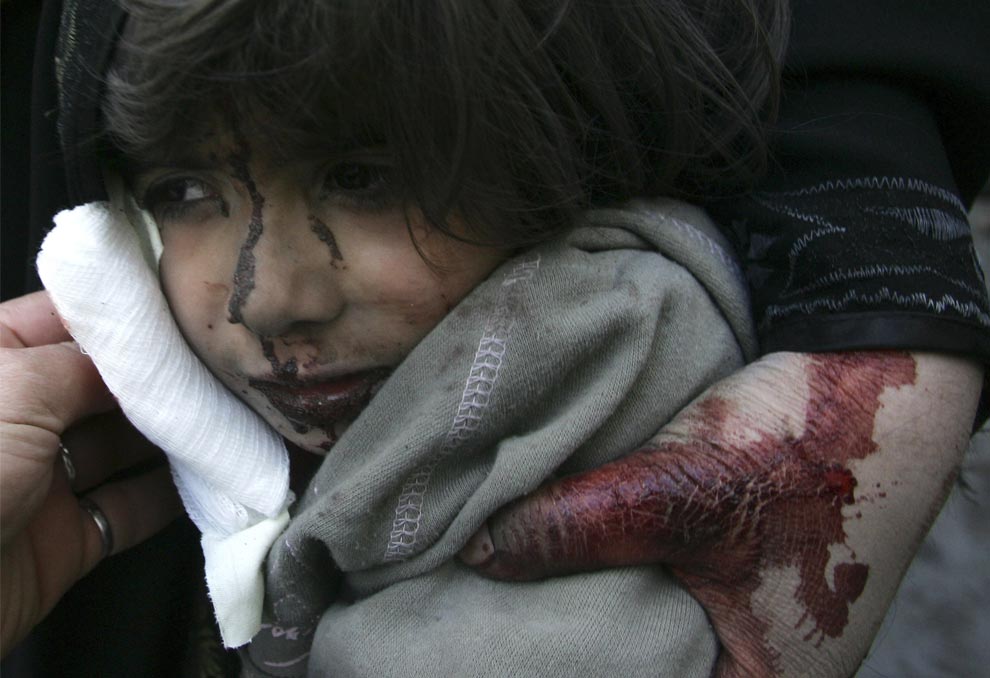 · 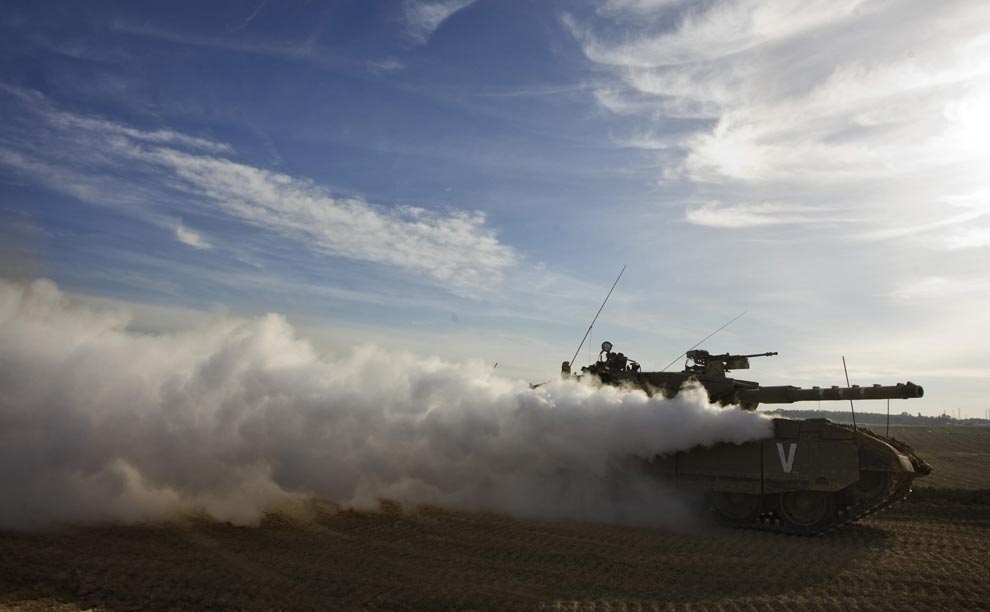 · 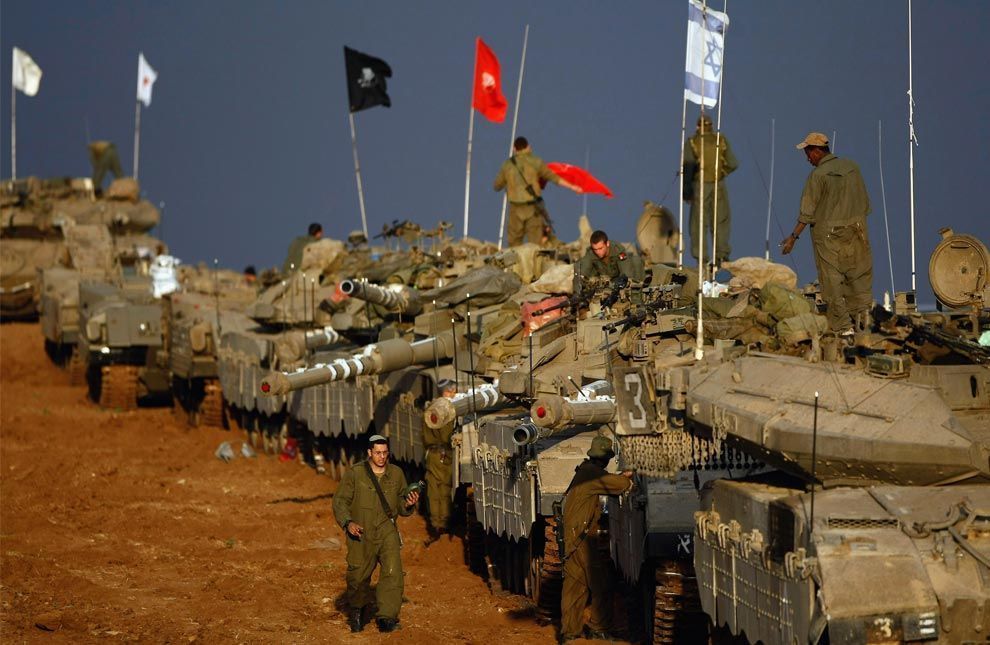 · 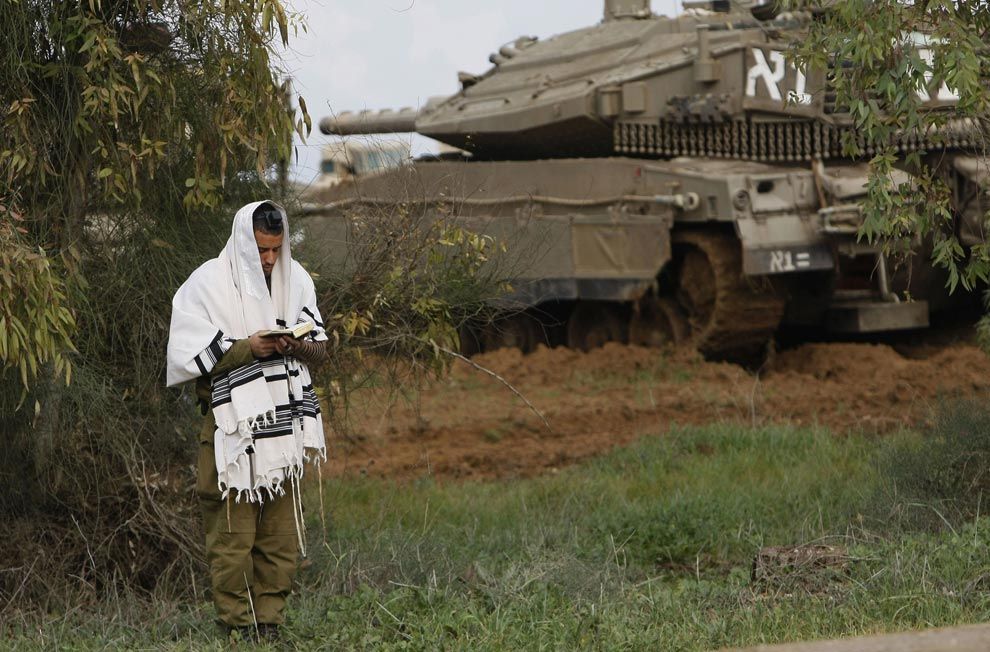 · 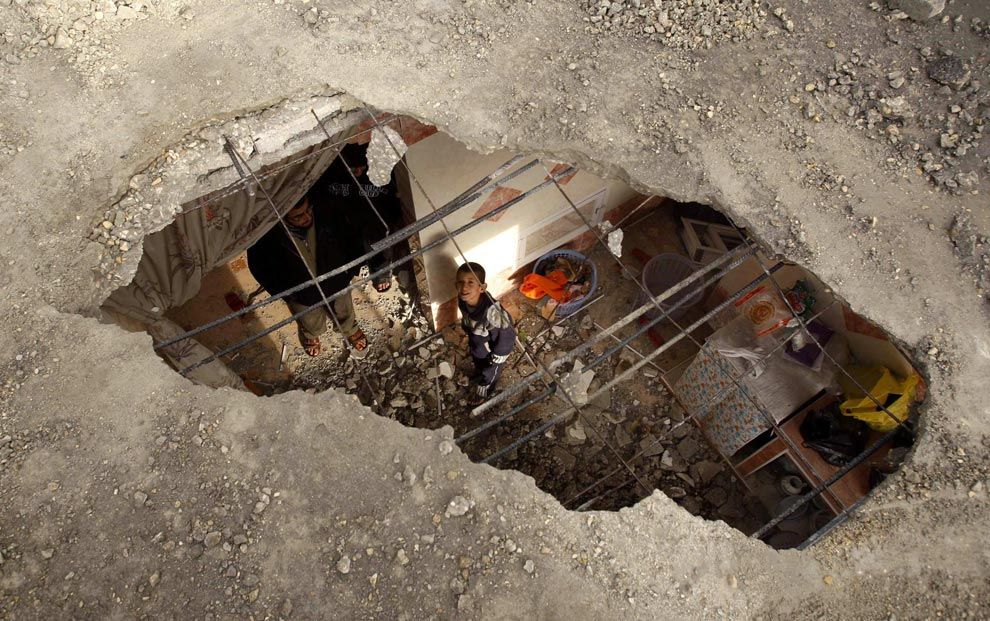 · 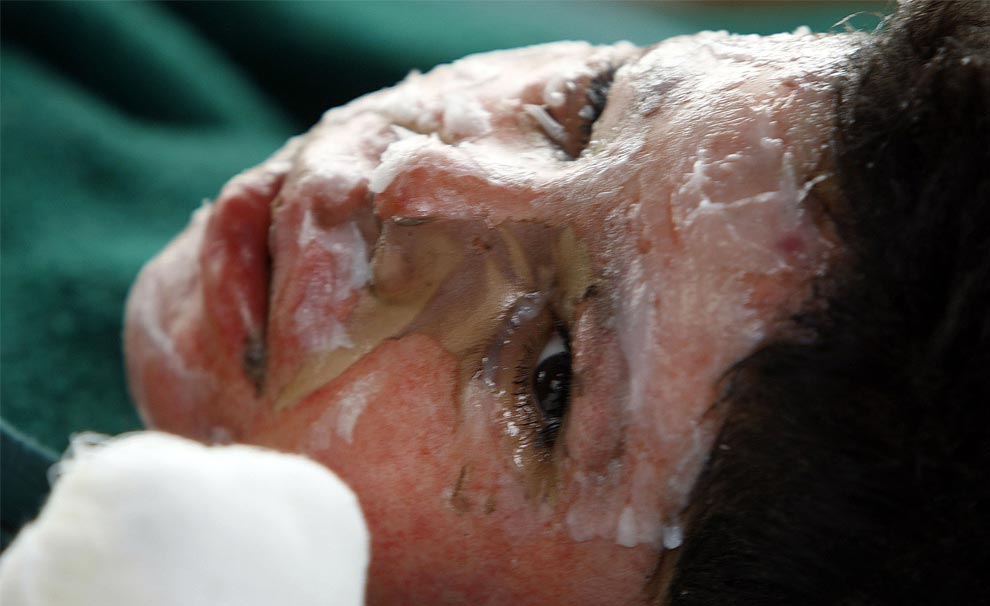 · 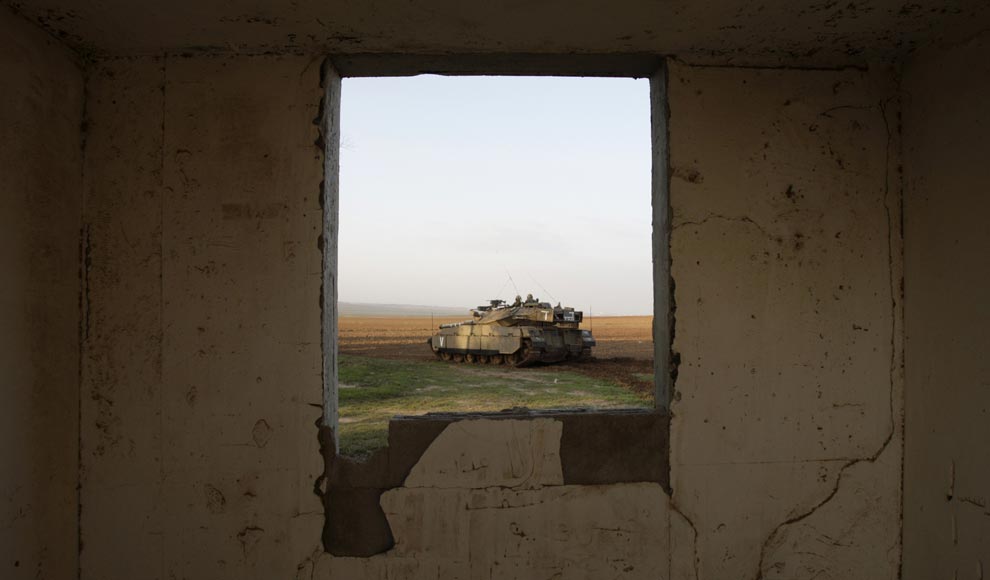 · 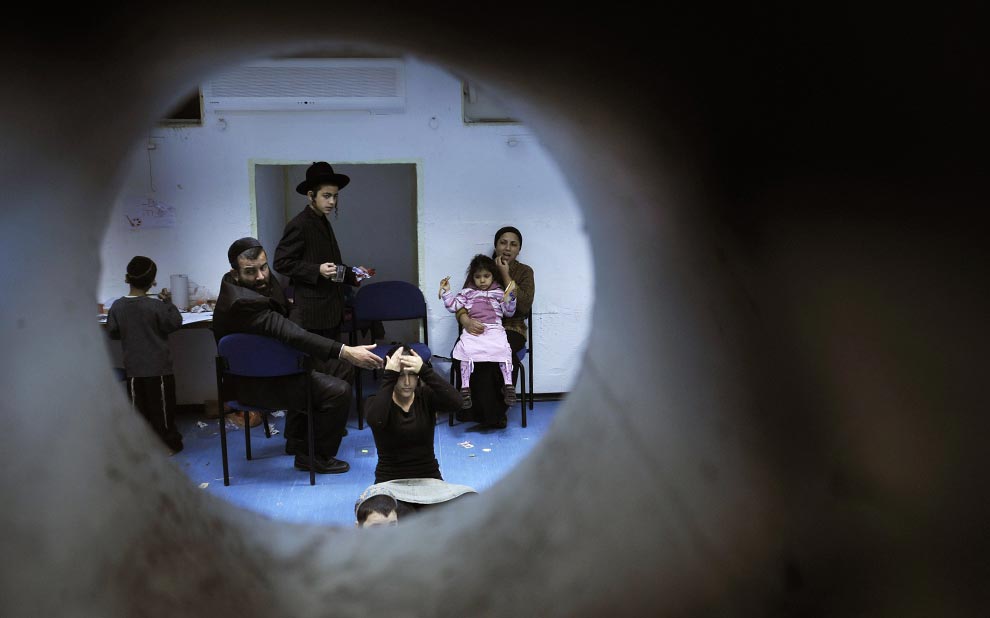 · 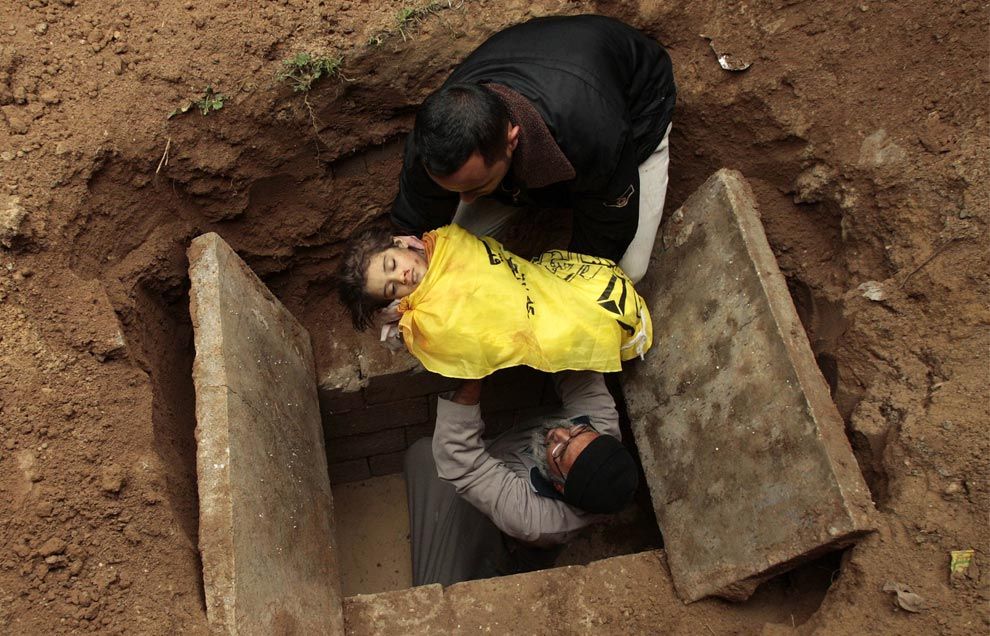 · 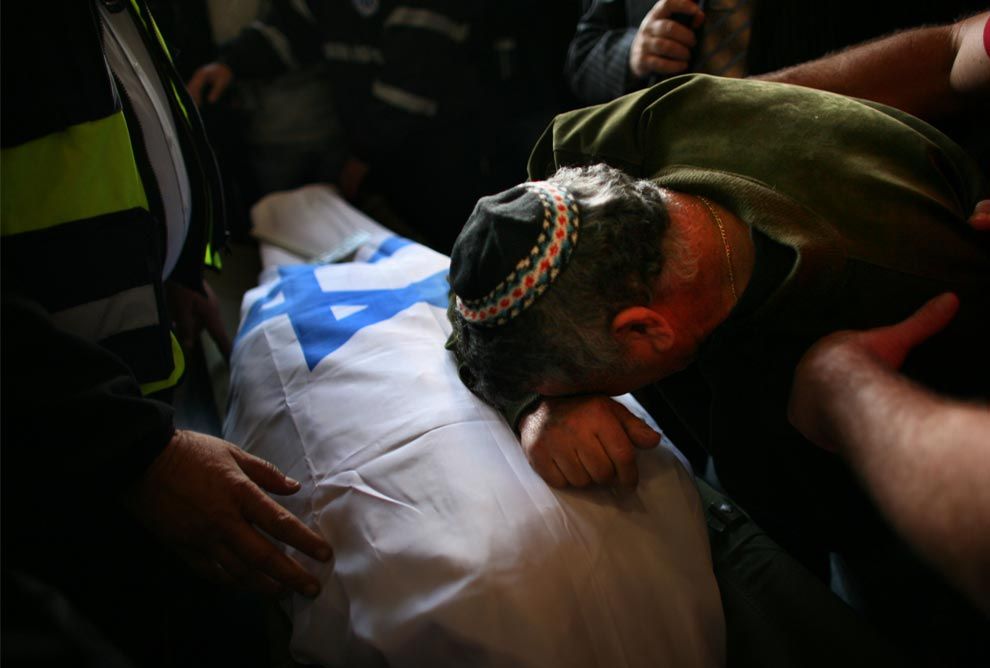 · 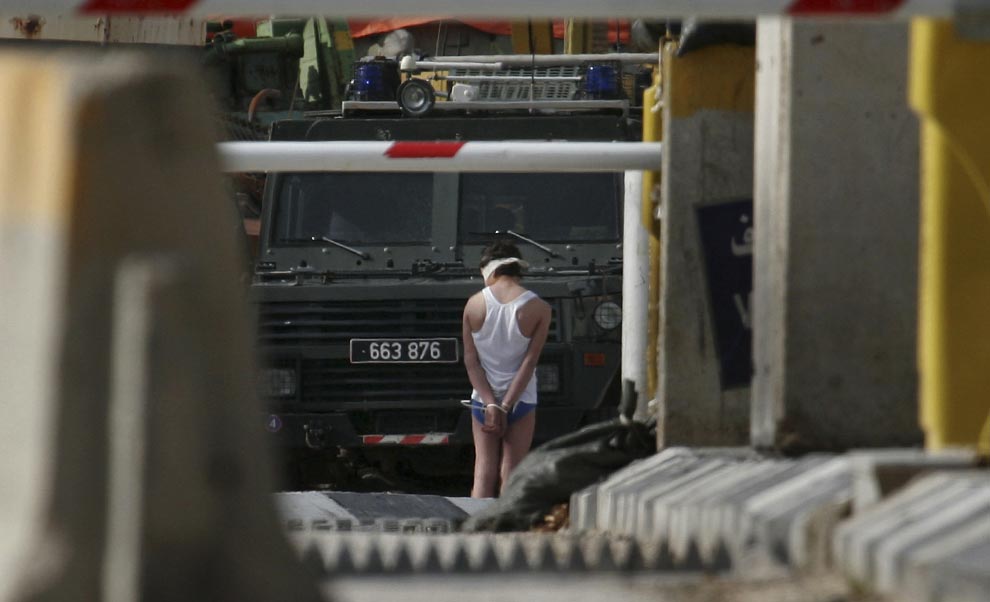 · |
|
#2
●
04-17-2010, 09:35 PM
|
| Super ********* Poster Rank:90 Join Date: Nov 2008 Posts: 17,370 17,370Posts 13,735Thanked 99Quoted 5Mentioned 0Contrib. |
|
Re: Operation Cast Lead Photos: Gaza Strip, December 27, 2008-January 18, 2009
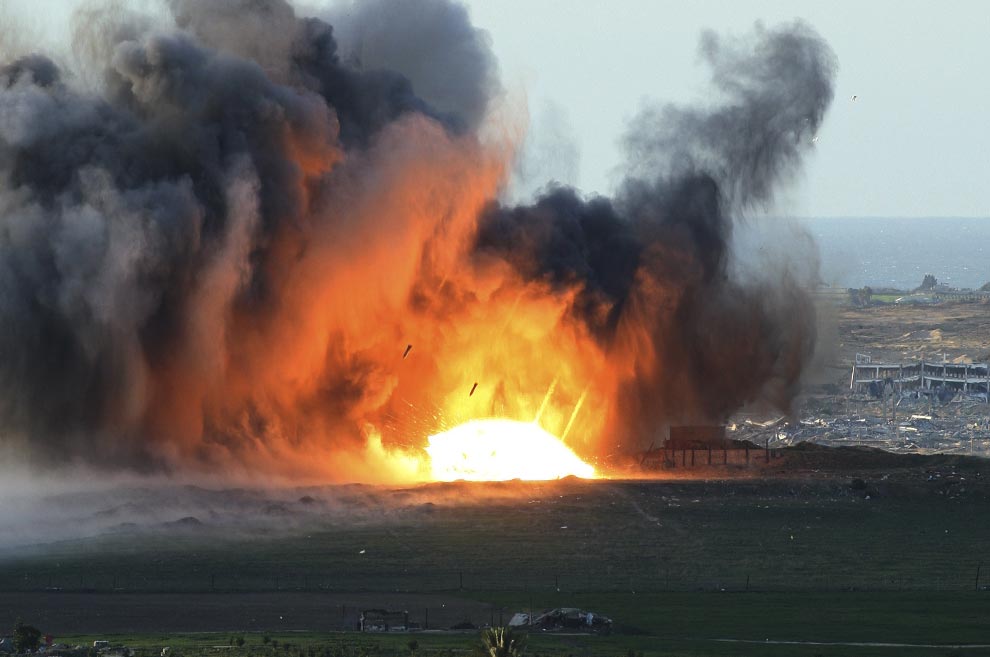
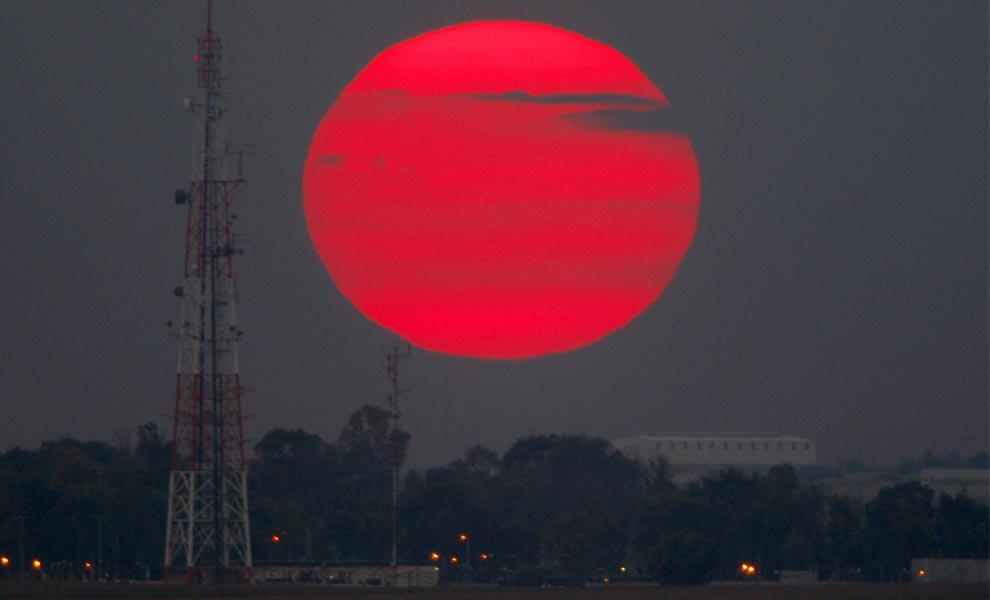
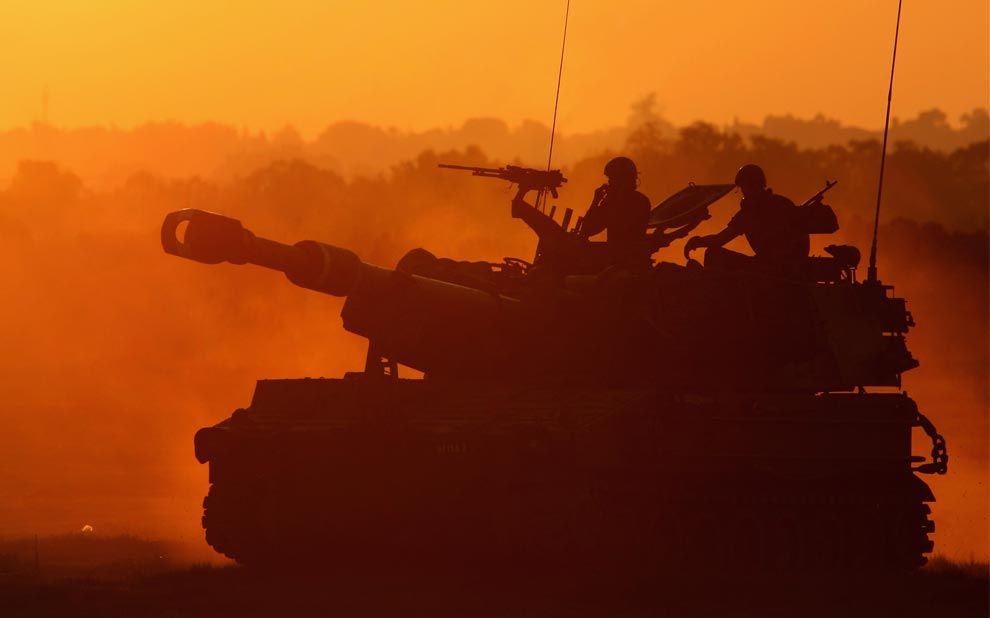
this set are taken form the first 5 days of January 2009
 ·  ·  ·  ·  ·  ·  ·  ·  ·  ·  ·  ·  ·  ·  ·  ·  ·  ·  ·  ·  ·  ·  ·  ·  ·  ·  ·  ·  ·  ·  ·  ·  ·  · |
|
#3
●
04-17-2010, 10:35 PM
|
| So Fucking Banned Poster Rank:9753 Palestine Join Date: Mar 2010 Posts: 15 15Posts 7Thanked 0Quoted 0Mentioned 0Contrib. |
|
Re: Operation Cast Lead Photos: Gaza Strip, December 27, 2008-January 18, 2009
As we can see so much damage inflicted from Hamas rockets, its devastating! So much raw power Hamas are capable of against F-15I's, battle tanks, howitzers, apaches and UAV's. Hardly a conflict. |
|
#5
●
04-18-2010, 01:09 AM
|
 My Rank: MASTER SERGEANT Poster Rank:524 Join Date: Feb 2009 Posts: 1,973 1,973Posts 789Thanked 15Quoted 0Mentioned 0Contrib. |
|
Re: Operation Cast Lead Photos: Gaza Strip, December 27, 2008-January 18, 2009
Al Jazeera did some awesome coverage of that war, fucking zionists
|
|
#6
●
04-16-2011, 03:39 AM
|
| So Fucking Banned Poster Rank:3571 Male Join Date: Dec 2009 Posts: 97 97Posts 51Thanked 0Quoted 0Mentioned 0Contrib. |
|
Re: Operation Cast Lead Photos: Gaza Strip, December 27, 2008-January 18, 2009
 Fuck palestine they shouldn't punch above their weight. Fuck palestine they shouldn't punch above their weight. |