|
#1
●
05-21-2012, 01:50 AM
| ||||||||
 My Rank: LANCE CORPORAL Poster Rank:1799 female Join Date: Feb 2010 Posts: 290 Mentioned: 0 Post(s) Quoted: 0 Post(s)
| ||||||||
|
The Fibonacci Sequence in Flowers
 Long Read But Worth It! Long Read But Worth It!We’ve all noticed beautiful patterns in nature: the clouds in the sky, rocks in a river, or waves in the ocean. Yet while some patterns seem random – the different colored flowers in a field, say – others are much less so – like the way the seeds are arranged in certain flower heads. In fact, it’s here that nature and mathematics intersect in a way that makes us wonder if everything in nature isn’t organized in a strictly mathematical way. In his book Liber Abaci – chapter 12, to be precise – Fibonacci describes the number sequence with which he would become so strongly associated. He used an example taken from nature – namely, pairs of rabbits procreating in a field to produce single sets of offspring that are also able to reproduce, after one month. Thus, starting with 1 pair of rabbits, in the next month you get 2 pairs (1+1), followed by 3 in the third month (2+1; remember, it’s still only the first pair that’s able to beget bunnies at this stage), then 5 (3+2), and so on. In fact, Fibonacci most likely didn’t invent the sequence: he was very familiar with the arithmetic discourse of the time and probably took the ‘rabbit problem’ from somebody else. He did, however, popularize the problem and, more importantly, its accompanying series of numbers through his work.This series, which is based on each new number being the sum of the two previous numbers (0, 1, 1, 2, 3, 5, 8, 13, 21, 34, 55, 89), would eventually become well known in Europe. However, it wasn’t until the 19th century that the sequence would get its current name, coined by the French mathematician Edouard Lucas in honor of the erstwhile Fibonacci. Looking at these flower florets, we can see a kind of spiraling pattern emerging. It’s amazing to learn that their display – or at least, the arrangement of the outermost florets – corresponds to the Fibonacci sequence. Looking at these flower florets, we can see a kind of spiraling pattern emerging. It’s amazing to learn that their display – or at least, the arrangement of the outermost florets – corresponds to the Fibonacci sequence. One researcher, H. Vogel, even proposed a mathematical model for the flower or seed patterns in sunflower heads, back in not-quite-so-distant 1979.As we’ve learned, the pattern of the florets in flower heads like the sunflower’s isn’t random. And what’s more, spirals found in nature like these can be produced mathematically using Fibonacci ratios. Different plants exhibit different ratios: taking the example of leaves alternating up a plant stem, for example, one rotation of the spiral might touch two leaves, meaning the ratio could be 1/2.From here we’re going to move on to a key concept very closely related to the Fibonacci sequence: the golden ratio. You see, each number of the Fibonacci sequence divided by the previous number (for example, 2/1, 3/2, 5/3, 8/5, 13/8, etc.) will result in a “quotient” that, as the numbers increase, gets closer and closer to a “golden ratio” of approximately 1.6180339887. The proportions relating to this golden number have long been seen as being aesthetically pleasing, with the golden ratio applied to anything from the arts, music and architecture to the human body and nature. It’s no coincidence that angles approaching this golden mean are often evidenced in the growth of plants. Below are a few very beautiful examples.(last one is really cool!) 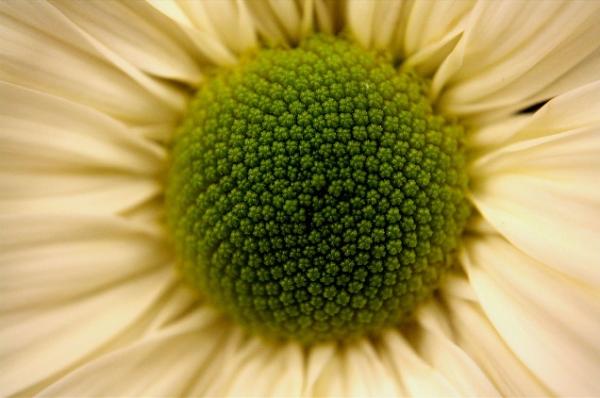 · 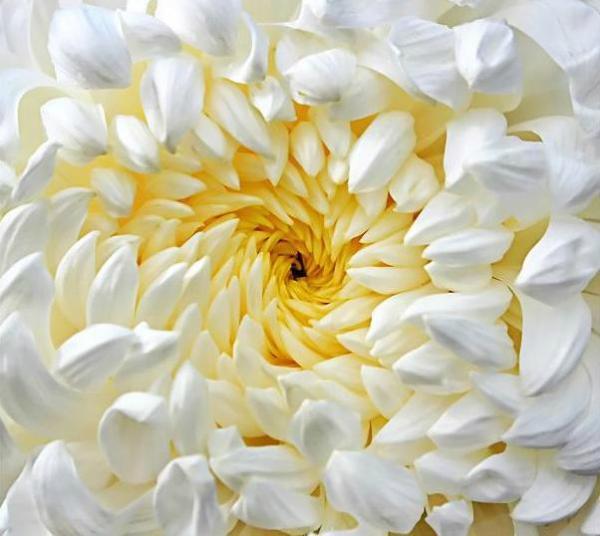 · 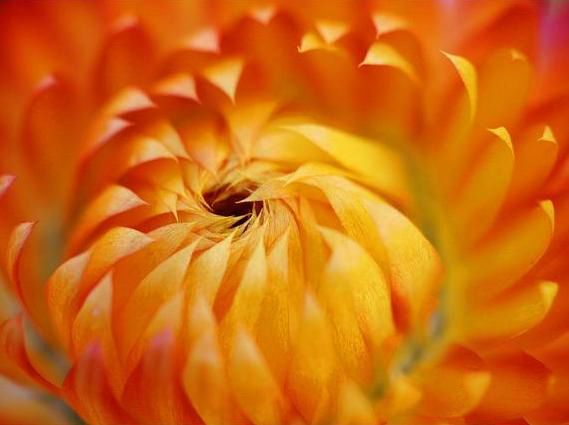 · 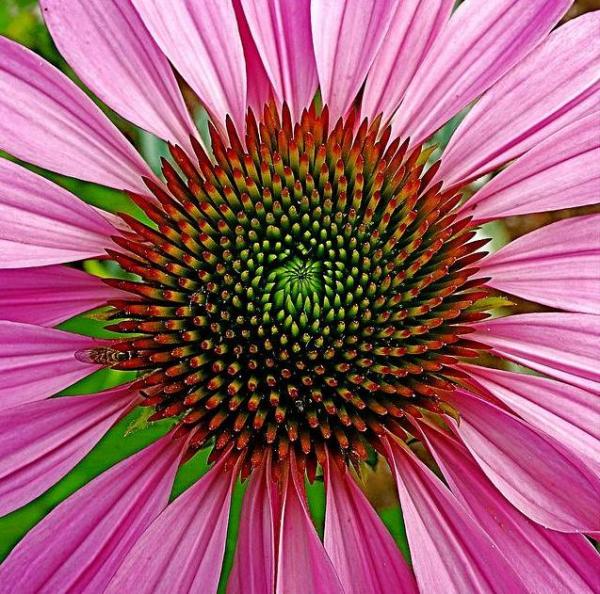 · 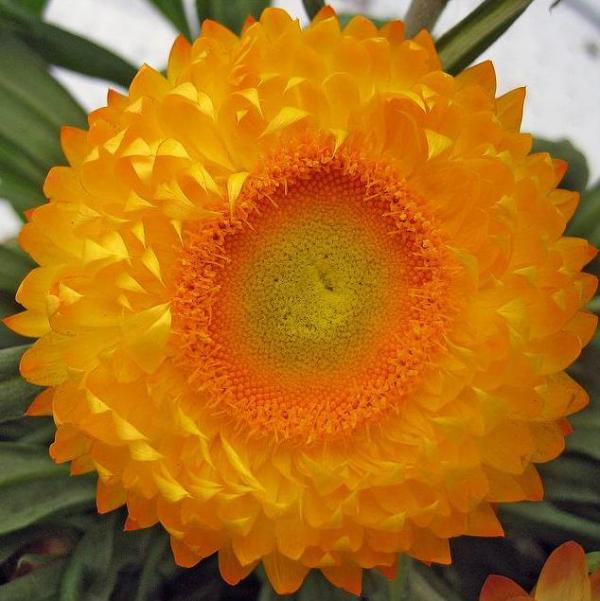 · 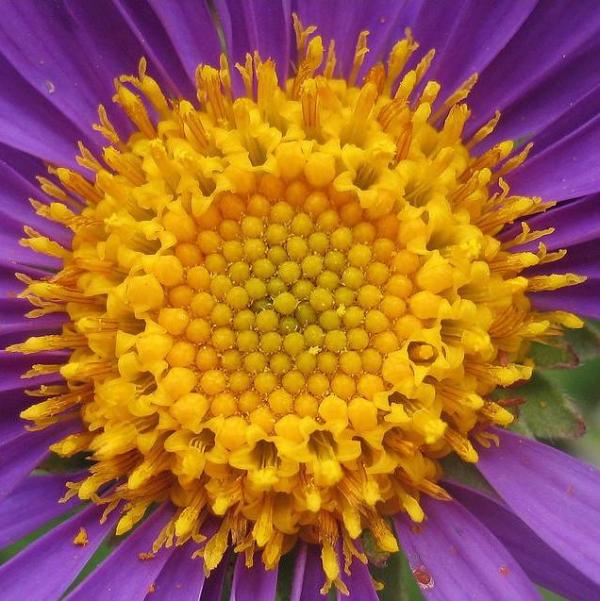 · 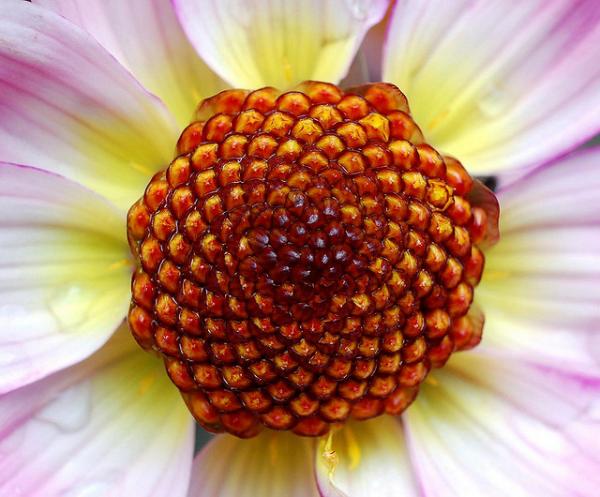 · 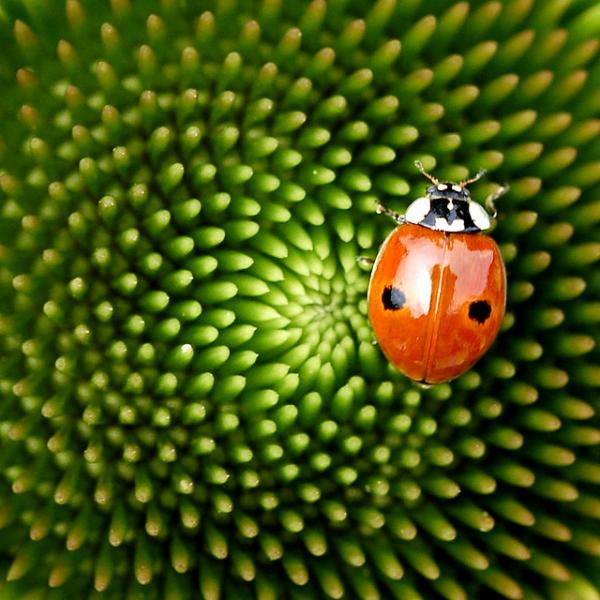 · 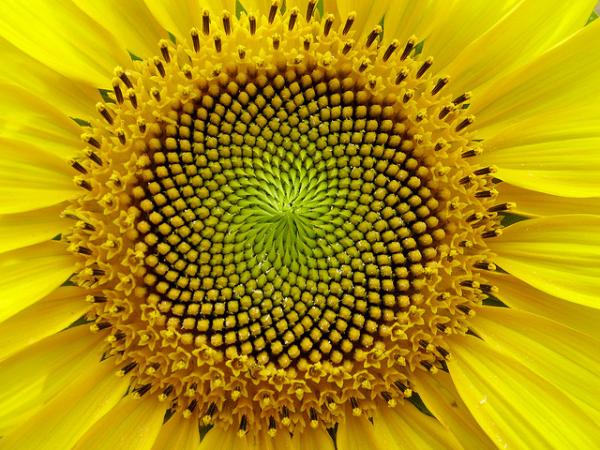 · 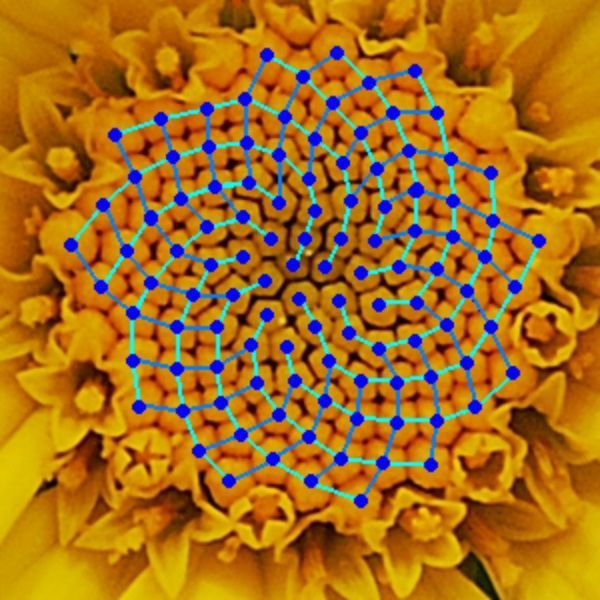 · |
|
#2
●
05-21-2012, 02:38 AM
| ||||||||
 ★ Legacy Member ★ Poster Rank:4 Join Date: Mar 2009 Posts: 118,371 Mentioned: 465 Post(s) Quoted: 34616 Post(s)
| ||||||||
|
Re: The Fibonacci Sequence in Flowers
This reminds me of a bit on fractals I took in once. Enjoyed this, thanks much :) |
|
#7
●
05-23-2012, 12:34 AM
| ||||||||
 So Fucking Banned Poster Rank:342 Male Join Date: May 2010 Posts: 3,734
Contributions: 28
Mentioned: 1 Post(s) Quoted: 32 Post(s)
| ||||||||
|
Re: The Fibonacci Sequence in Flowers
The original "Nature By Numbers" has had it's soundtrack blocked by youtube and other versions have been taken down or the posters accounts have been terminated or suspended. So enjoy this direct upload.
|