|
#1
●
12-04-2012, 02:29 PM
| ||||||||
 My Rank: MAJOR Poster Rank:12 Join Date: Jun 2009 Posts: 93,128
Contributions: 226
Mentioned: 91 Post(s) Quoted: 2009 Post(s)
| ||||||||
|
The Fastest Plane on Earth
Since 1976, the Lockheed SR-71 Blackbird has held the world record for the fastest ‘air-breathing manned aircraft’ with a recorded speed of 1,905.81 knots (2,193.2 mph; 3,529.6 km/h). That works out to a staggering 36.55 miles/58.83 km per minute. The Blackbird was so fast that its strategy against surface-to-air missiles was to simply accelerate and outfly them. 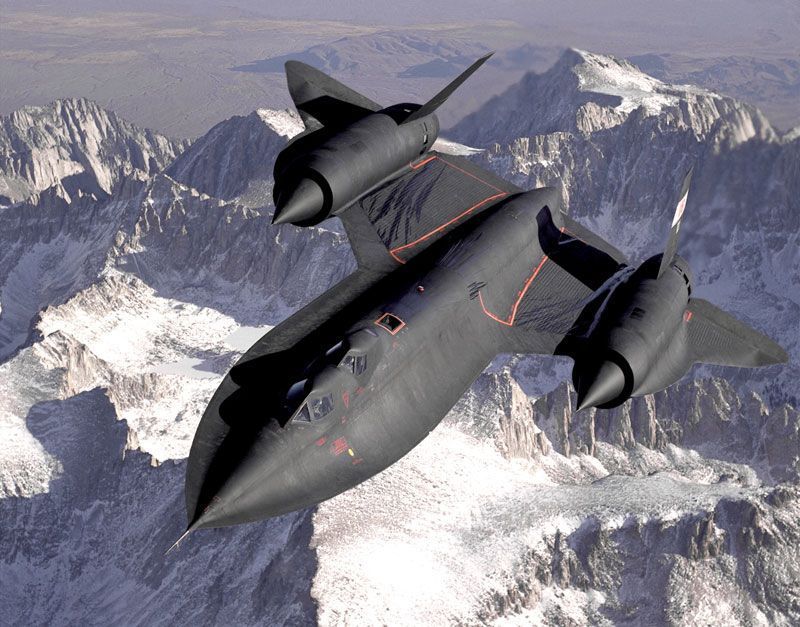 The SR-71 served with the U.S. Air Force from 1964 to 1998. Of the 32 aircraft built, 12 were lost in accidents, though none to enemy action. Since 1976, it has held the world record for the fastest air-breathing manned aircraft. The Blackbird was developed as a black project from the Lockheed A-12 reconnaissance aircraft in the 1960s by the Lockheed Skunk Works. Clarence “Kelly” Johnson was the lead designer and was responsible for many of the design’s innovative concepts. 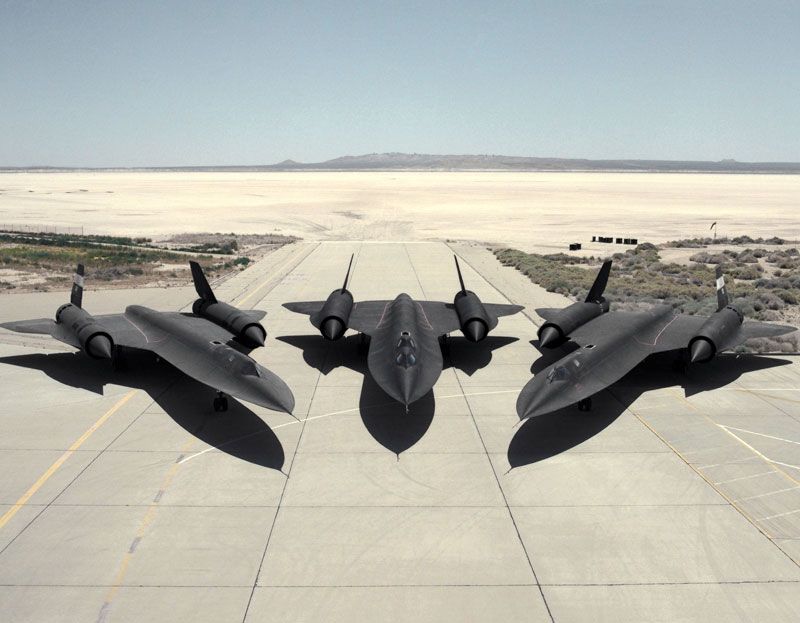 The SR-71 was designed for Mach 3+ flights (1020.87m/3349.31 ft per second) with a crew of two in tandem cockpits, with the pilot in the forward cockpit and the Reconnaissance Systems Officer (RSO) monitoring the surveillance systems and equipment from the behind cockpit. Finished aircraft were painted a dark blue, almost black, to increase the emission of internal heat and to act as camouflage against the night sky. The dark colour led to the aircraft’s call sign “Blackbird”. 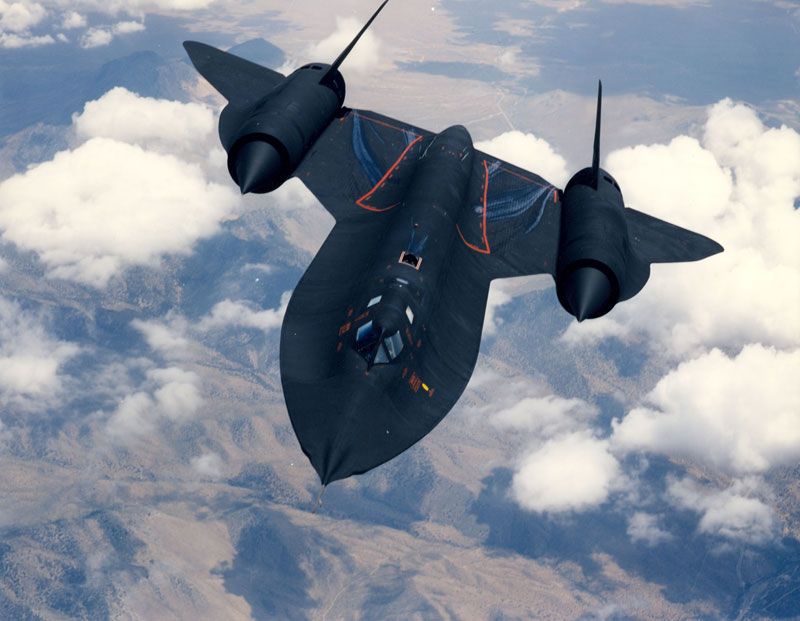 On most aircraft, use of titanium was limited by the costs involved in procurement and manufacture. It was generally used only in components exposed to the highest temperatures, such as exhaust fairings and the leading edges of wings. On the SR-71, titanium was used for 85% of the structure, with the rest made of composite materials. Flying at 80,000 ft (24,000 m) meant that crews could not use standard masks, which could not provide enough oxygen above 43,000 ft (13,000 m). Specialised protective pressurized suits were produced; similar suits were also used on the Space Shuttle. 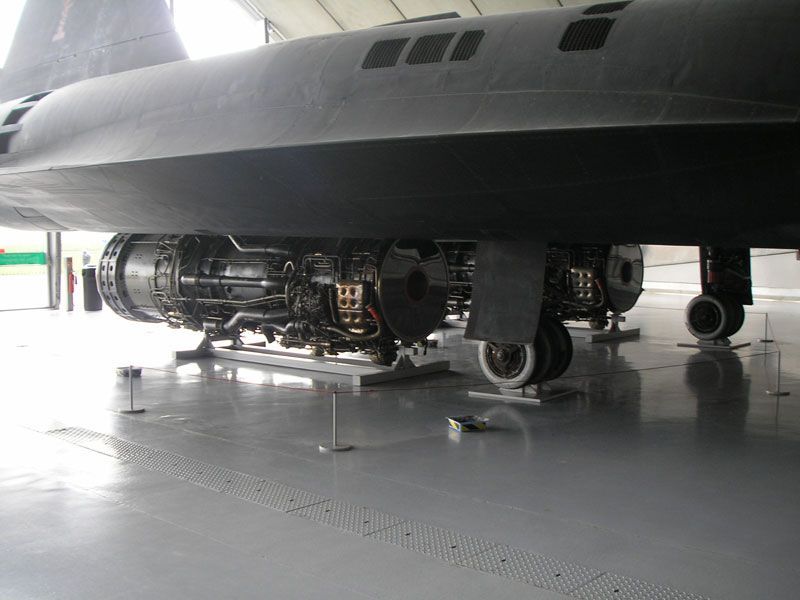 The Pratt & Whitney J58-P4 engine that powered the SR-71 was a considerable innovation of their era; each one could produce 32,500 lbf (145 kN) of static thrust. The J58 was most efficient around Mach 3.2, the Blackbird’s typical cruising speed. A unique hybrid, the engine can be thought of as a turbojet inside a ramjet. Originally, the Blackbird’s engines started up with the assistance of an external engine referred to as a “start cart”. The cart included two Buick Wildcat V8 engines positioned underneath the aircraft. The two engines powered a single, vertical driveshaft connecting to a single J58 engine. Once one engine was started, the cart was wheeled to the other side of the aircraft to start the other engine. The operation was deafening. Eventually, a quieter, pneumatic start system was developed for use at Blackbird main operating bases, but the start carts remained to support recovery team Blackbird starts at diversion landing sites not equipped to start J-58 engines. 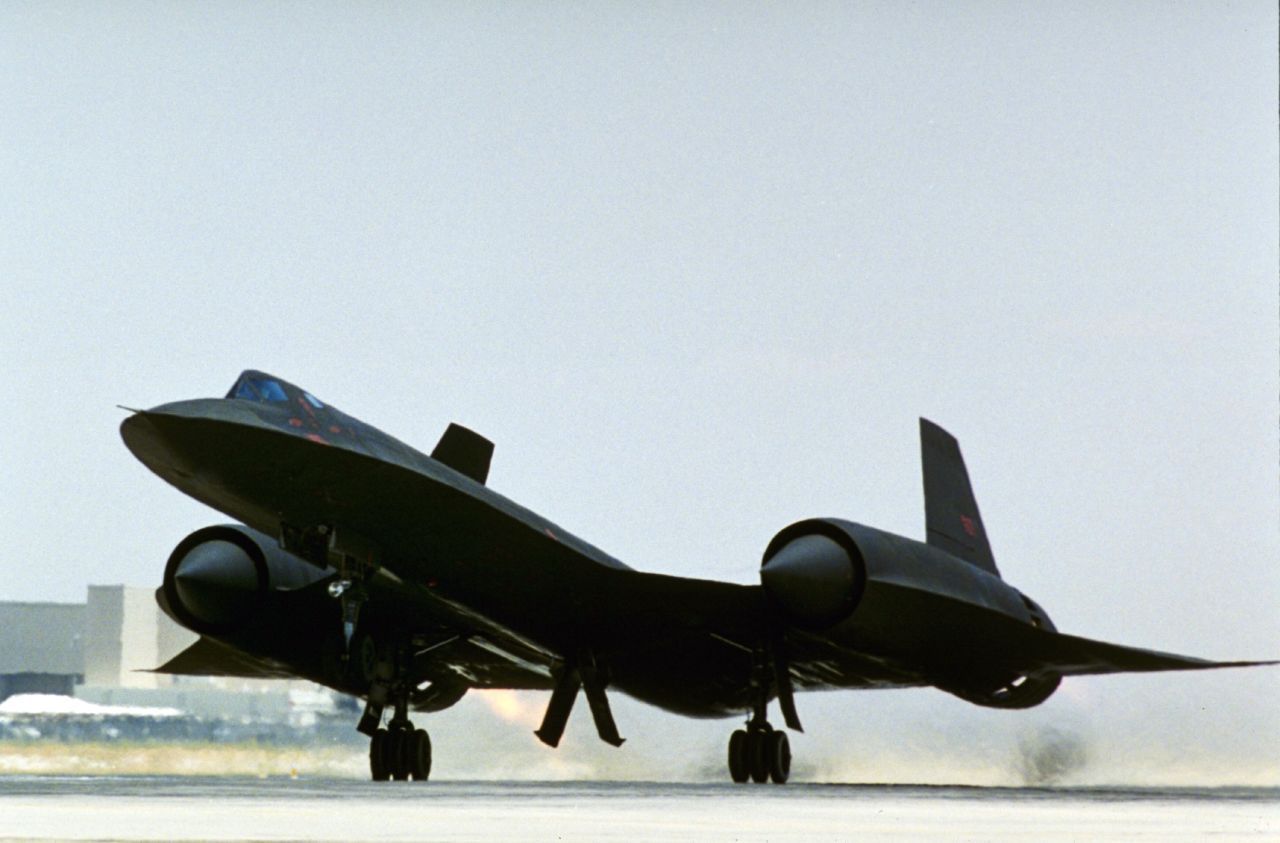 Before each takeoff, a time-consuming primary alignment brought the ANS’ inertial components to a high degree of accuracy. Once in flight, the ANS, which sat behind the Reconnaissance Systems Officer (RSO)’s position, tracked stars through a circular window set in the upper fuselage. Its blue light source star tracker, which could see stars during both day and night, would continuously track a variety of stars as the aircraft’s changing position brought them into view. The first flight of an SR-71 took place on 22 December 1964, at Air Force Plant 42 in Palmdale, California. The first SR-71 to enter service was delivered to the 4200th (later, 9th) Strategic Reconnaissance Wing at Beale Air Force Base, California, in January 1966. 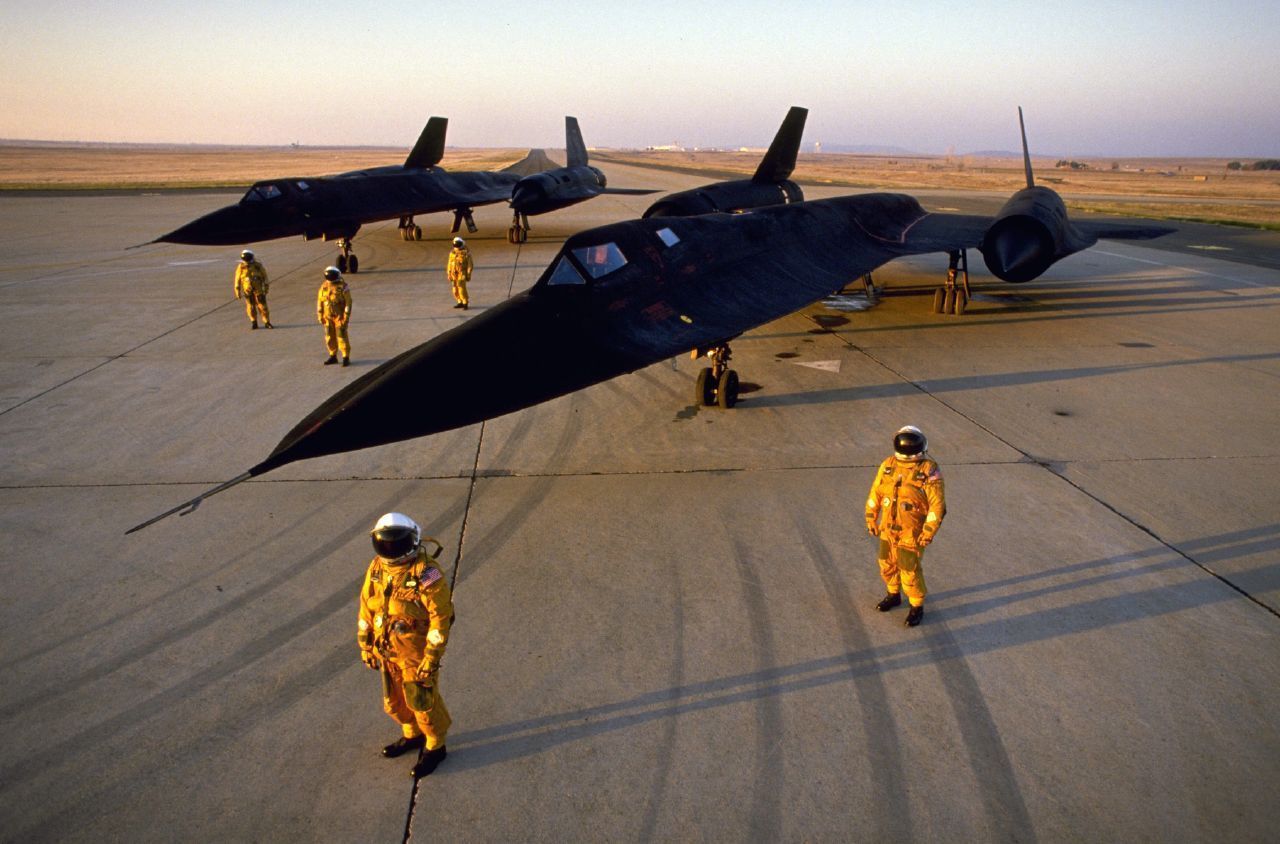 Operational highlights for the entire Blackbird family (YF-12, A-12, and SR-71) as of about 1990 included: - 3,551 Mission Sorties Flown - 17,300 Total Sorties Flown - 11,008 Mission Flight Hours - 53,490 Total Flight Hours - 2,752 hours Mach 3 Time (Missions) - 11,675 hours Mach 3 Time (Total) The SR-71 was the world’s fastest and highest-flying operational manned aircraft throughout its career. On 28 July 1976, it broke the world record for its class: an “absolute altitude record” of 85,069 feet (25,929 m). Several aircraft exceeded this altitude in zoom climbs but not in sustained flight. That same day an SR-71 set an absolute speed record of 1,905.81 knots (2,193.2 mph; 3,529.6 km/h). 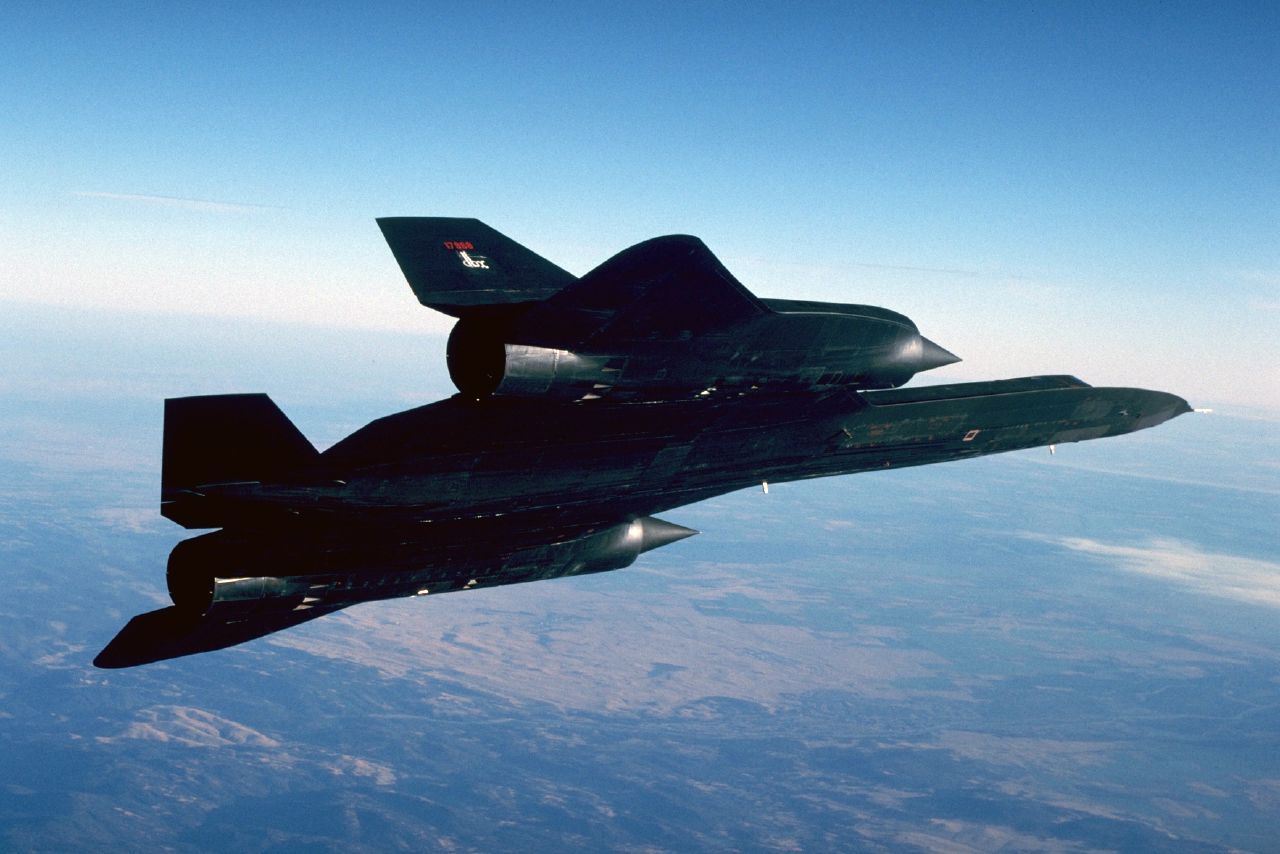 The SR-71 also holds the “Speed Over a Recognized Course” record for flying from New York to London distance 3,508 miles (5,646 km), 1,435.587 miles per hour (2,310.353 km/h), and an elapsed time of 1 hour 54 minutes and 56.4 seconds, set on 1 September 1974 while flown by U.S. Air Force Pilot Maj. James V. Sullivan and Maj. Noel F. Widdifield, reconnaissance systems officer (RSO). On 26 April 1971, 61-7968 flown by Majors Thomas B. Estes and Dewain C. Vick flew over 15,000 miles (24,000 km) in 10 hrs. 30 min. This flight was awarded the 1971 Mackay Trophy for the “most meritorious flight of the year” and the 1972 Harmon Trophy for “most outstanding international achievement in the art/science of aeronautics”. 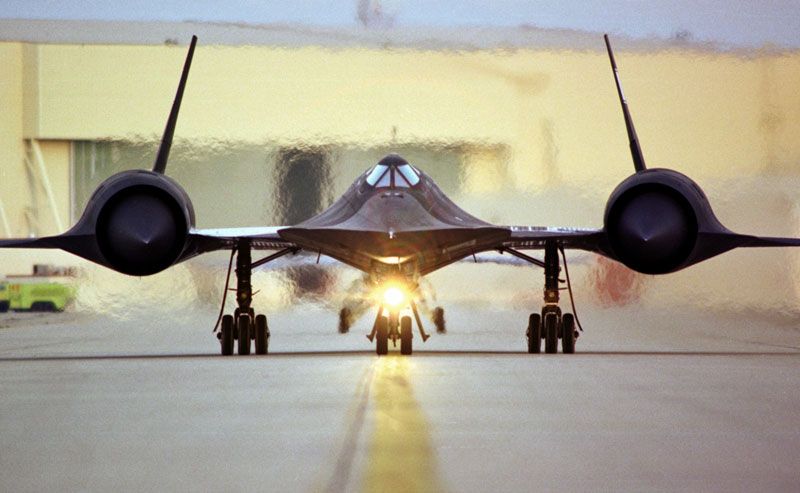 On 6 March 1990, Lt. Col. Raymond “Ed” E. Yielding and Lt. Col. Joseph “Jt” T. Vida piloted SR-71 S/N 61-7972 on its final Senior Crown flight and set four new speed records in the process: 1. Los Angeles, CA to Washington, D.C., distance 2,299.7 miles (3,701.0 km), average speed 2,144.8 miles per hour (3,451.7 km/h), and an elapsed time of 64 minutes 20 seconds. 2. West Coast to East Coast, distance 2,404 miles (3,869 km), average speed 2,124.5 miles per hour (3,419.1 km/h), and an elapsed time of 67 minutes 54 seconds. 3. Kansas City, Missouri to Washington D.C., distance 942 miles (1,516 km), average speed 2,176 miles per hour (3,502 km/h), and an elapsed time of 25 minutes 59 seconds. 4. St. Louis, Missouri to Cincinnati, Ohio, distance 311.4 miles (501.1 km), average speed 2,189.9 miles per hour (3,524.3 km/h), and an elapsed time of 8 minutes 32 seconds. Pictured below is the “Last Flight” of a SR-71. In the background is the SR-71 S/N 61-7972. In the foreground is Pilot Lt. Col. Raymond “Ed” E. Yielding and REO Col. Joseph “Jt” T. Vida on March 6, 1990. 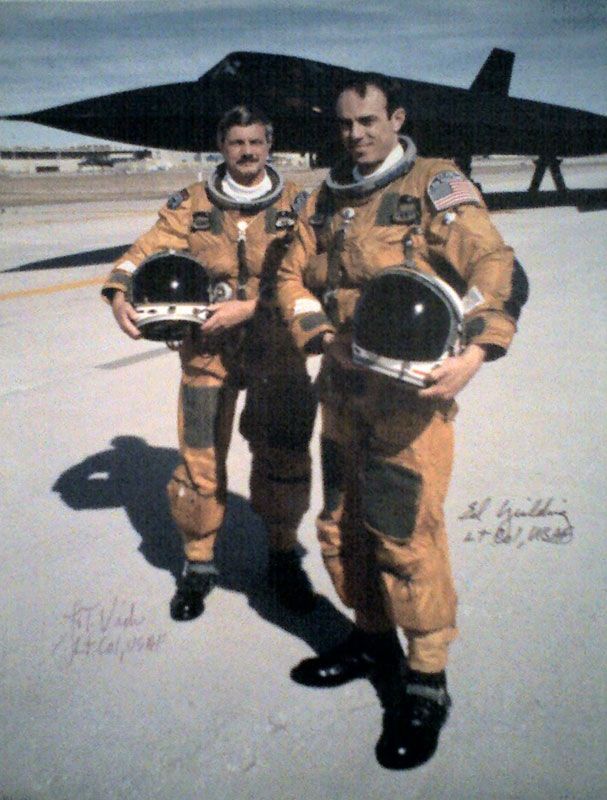 General Characteristics Crew: 2 (Pilot and Reconnaissance Systems Officer) Payload: 3,500 lb (1,600 kg) of sensors Length: 107 ft 5 in (32.74 m) Wingspan: 55 ft 7 in (16.94 m) Height: 18 ft 6 in (5.64 m) Wing area: 1,800 ft2 (170 m2) Empty weight: 67,500 lb (30,600 kg) Loaded weight: 152,000 lb (69,000 kg) Max. takeoff weight: 172,000 lb (78,000 kg) Powerplant: 2 × Pratt & Whitney J58-1 continuous-bleed afterburning turbojets, 34,000 lbf (151 kN) each Wheel track: 16 ft 8 in (5.08 m) Wheelbase: 37 ft 10 in (11.53 m) Aspect ratio: 1.7 Performance Maximum speed: Mach 3.3 (2,200+ mph, 3,530+ km/h, 1,900+ knots) at 80,000 ft (24,000 m) Range: 2,900 nmi (5,400 km) Ferry range: 3,200 nmi (5,925 km) Service ceiling: 85,000 ft (25,900 m) Rate of climb: 11,810 ft/min (60 m/s) Wing loading: 84 lb/ft² (410 kg/m²) Thrust/weight: 0.44 http://en.wikipedia.org/wiki/Lockheed_SR-71_Blackbird 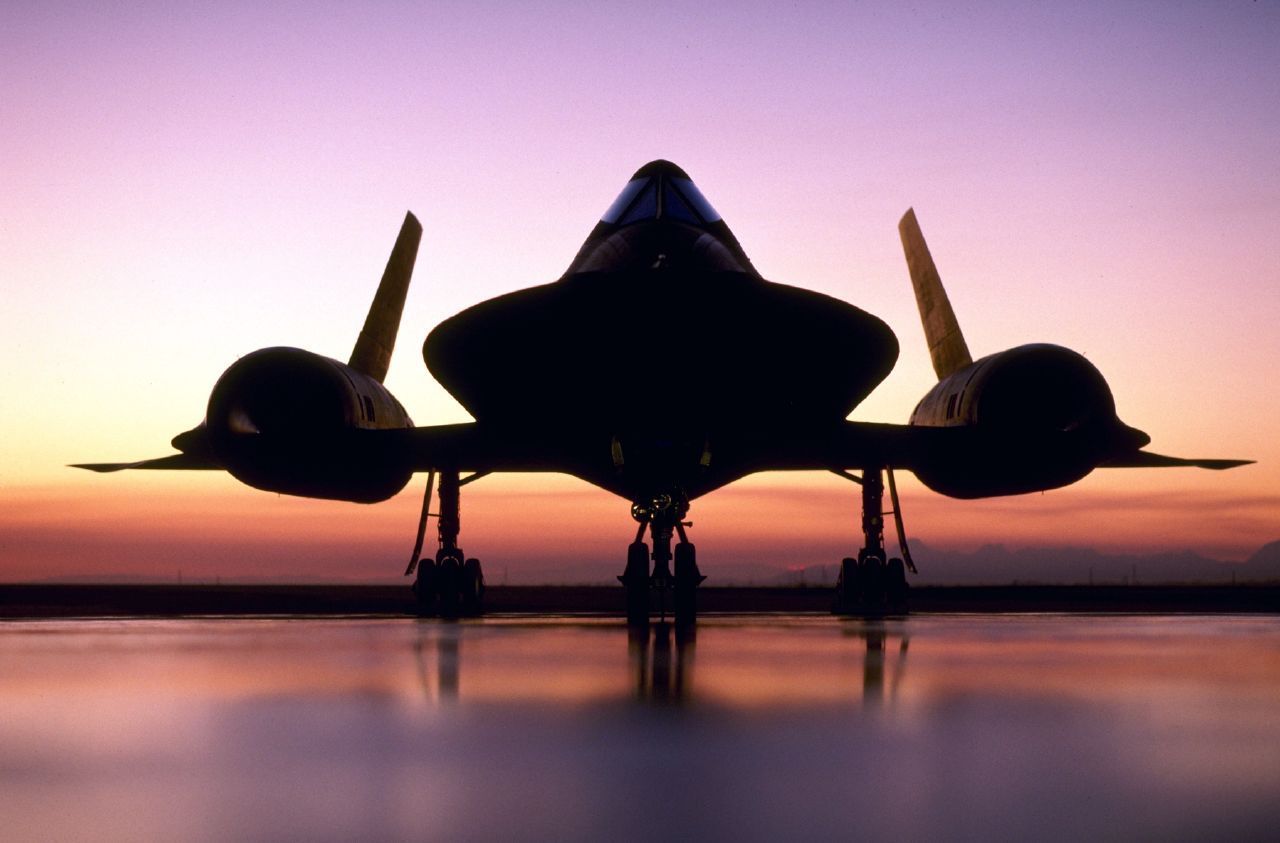 · 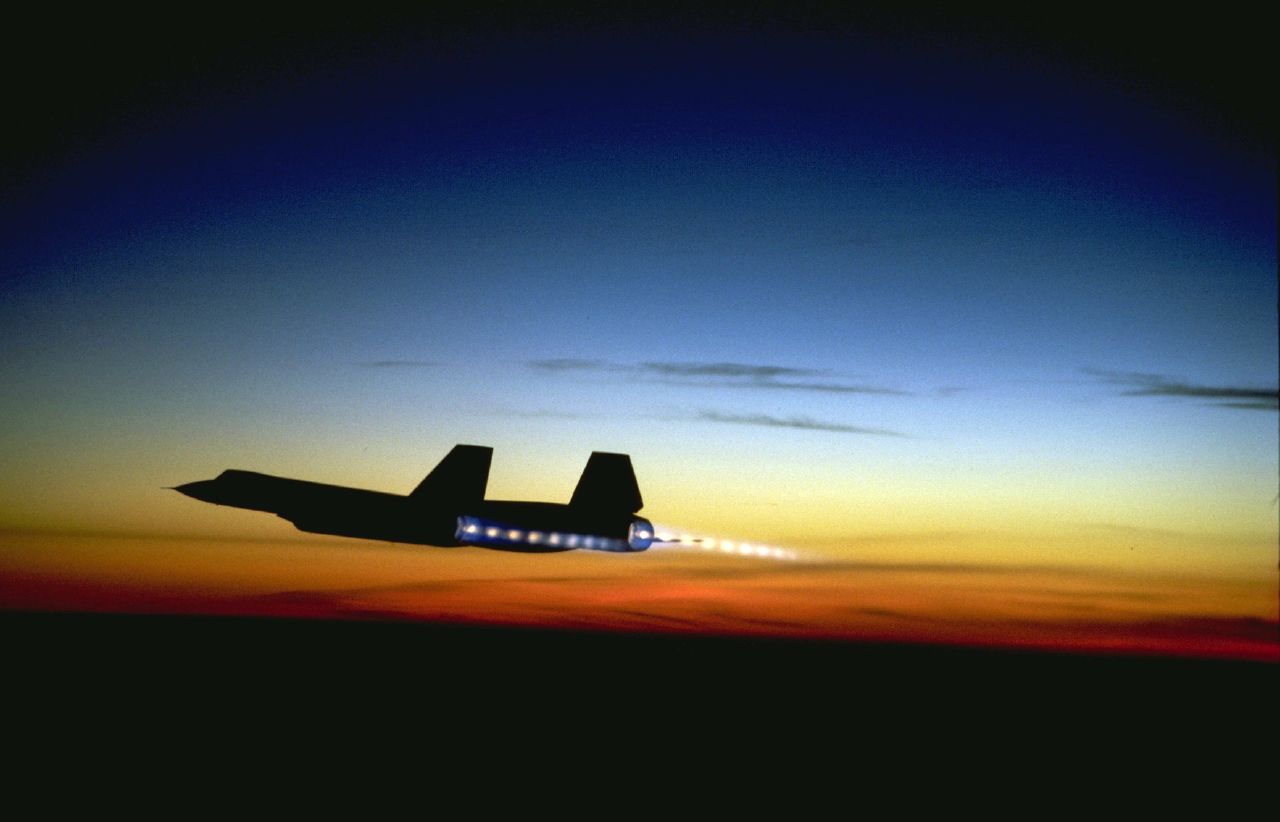 · 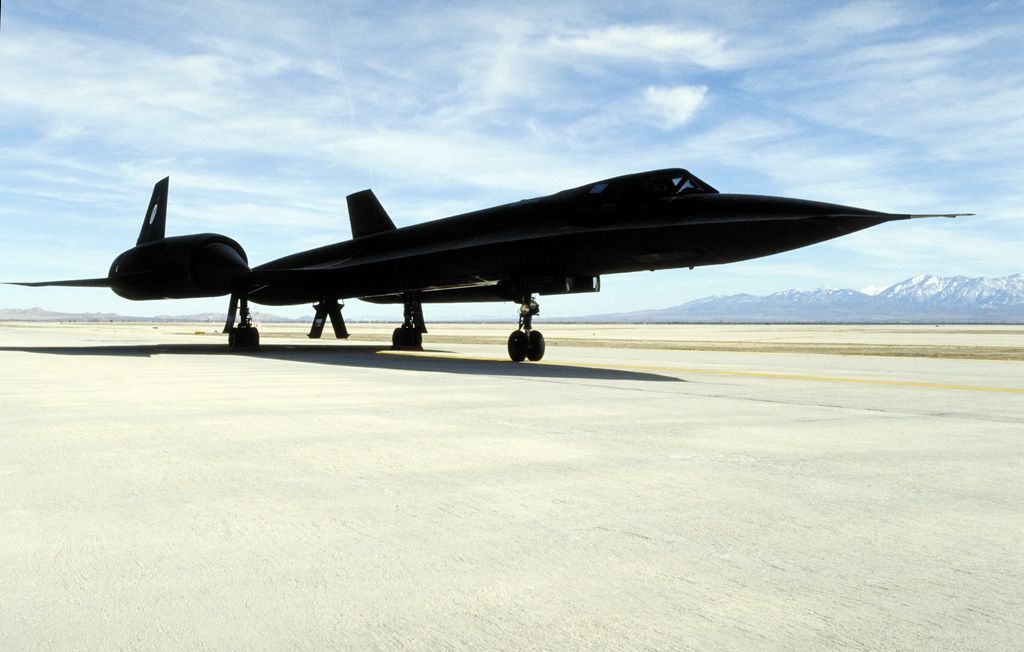 · 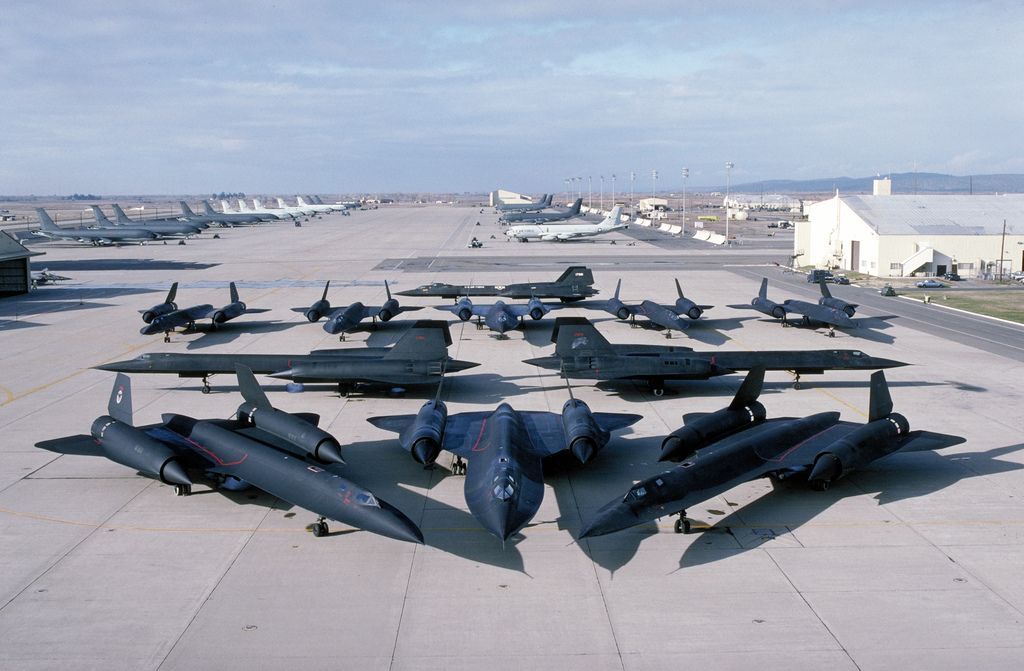 · 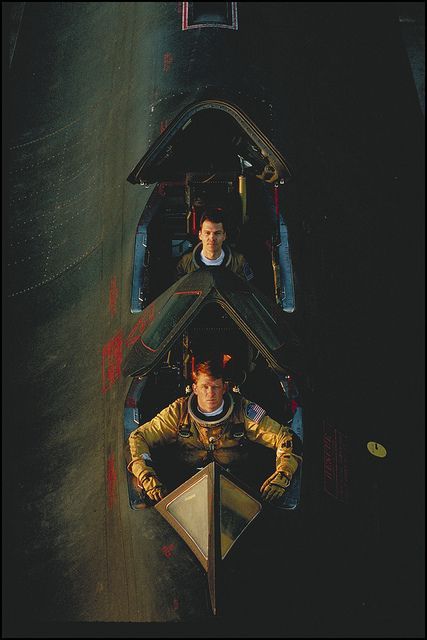 · 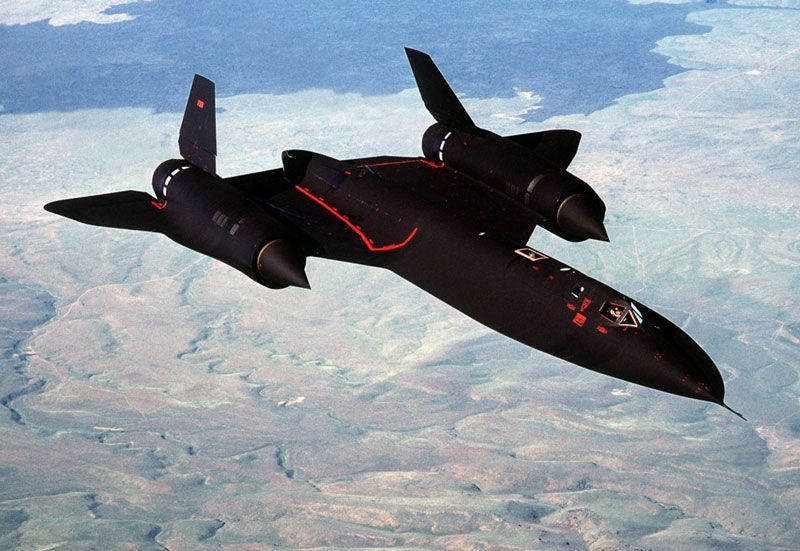 · 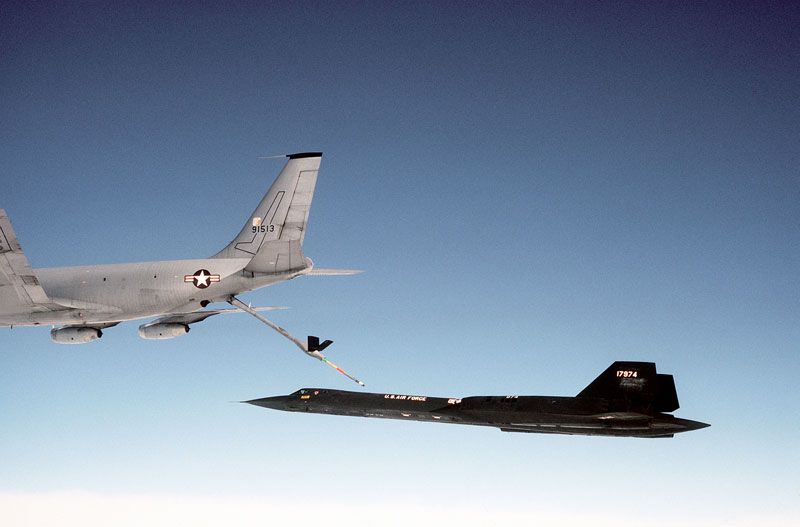 · 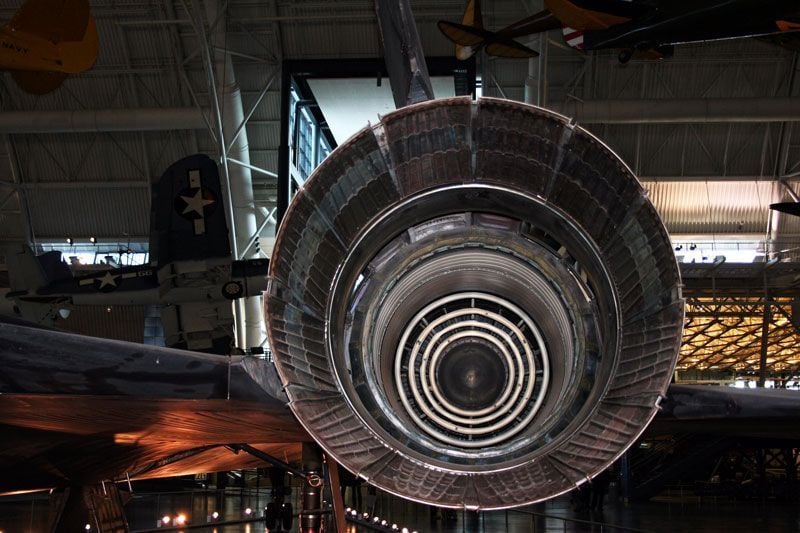 · 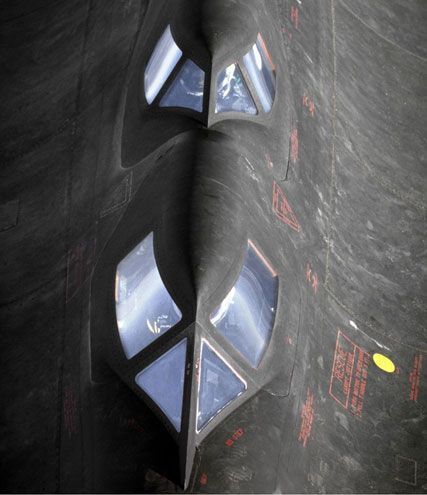 · 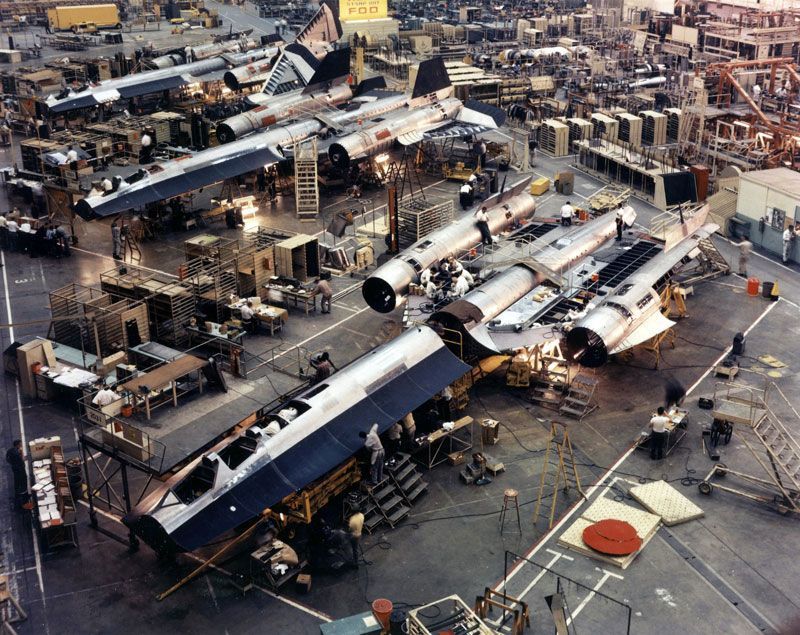 · 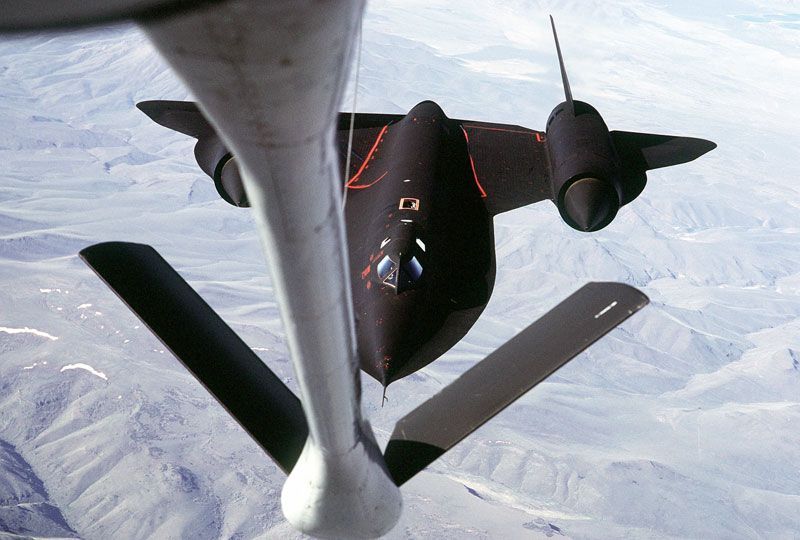 · 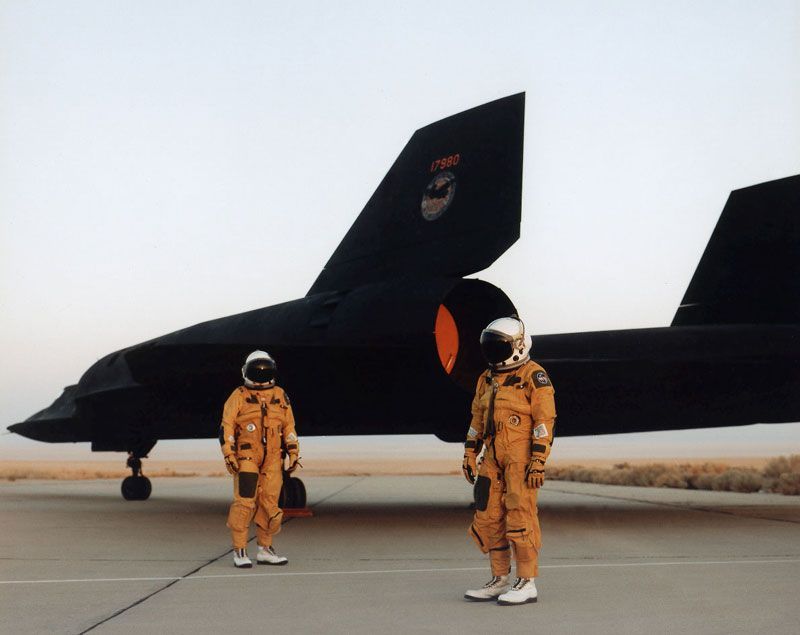 · 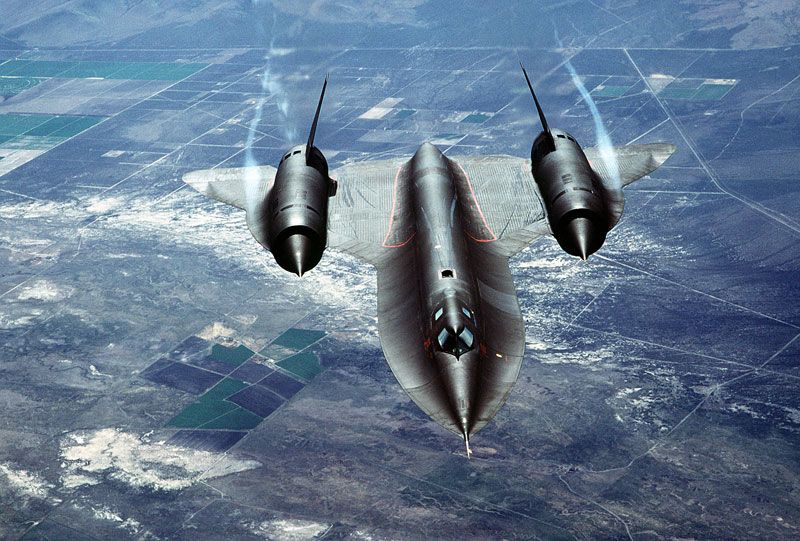 · |
|
#3
●
12-04-2012, 05:10 PM
| ||||||||
 My Rank: STAFF SERGEANT Poster Rank:820 Join Date: May 2010 Posts: 955 Mentioned: 0 Post(s) Quoted: 282 Post(s)
| ||||||||
|
Re: The Fastest Plane on Earth
Actualy Lockheed SR-71 is the 4rd fastest aircraft in the world. First place is taken by the space shuttles. Here are the other runner ups.  X-43 is the fastest airplane in the world. On 16 November 2004, the X-43 reached Mach 9.6 (7,000 miles or 11,265 kilometers per hour) according to NASA. The X-43 is an unmanned aircraft, which launches not from the ground but from a B-52 at about 40,000 feet (12.2 kilometers) in the air.  X-15 is the fastest plane in the world. Powered by a rocket engine, the X-15 is said to have reached speeds of Mach 6.85, or 4,520 miles per hour (7,274 kilometers per hour). Like the X-43, it too is launched mid-air from a B-52. The X-15 has also achieved altitude records by reaching 67 miles (107.8 kilometers) on 22 August 1963. The X-15 is powered by a rocket engine, however, so it is technically half rocket, arguably eliminating it from the running of fastest airplane in the world. |
|
#4
●
12-04-2012, 06:55 PM
| ||||||||
 My Rank: LANCE CORPORAL Poster Rank:2685 Beast Join Date: Jan 2010 Posts: 156 Mentioned: 1 Post(s) Quoted: 7 Post(s)
| ||||||||
|
Re: The Fastest Plane on Earth
The fastest is the SR-71 it's OG, this new stuff doesn't count if it's unmanned or in space
|
|
#6
●
12-05-2012, 06:52 AM
| ||||||||
| My Rank: MAJOR Poster Rank:12 Join Date: Jun 2009 Posts: 93,128
Contributions: 226
Mentioned: 91 Post(s) Quoted: 2009 Post(s)
| ||||||||
|
Re: The Fastest Plane on Earth
You really should learn to read the info before posting lol fastest ‘air-breathing manned aircraft’ |
|
#9
●
12-07-2012, 11:55 PM
| ||||||||
| My Rank: PRIVATE Poster Rank:6116 Join Date: Oct 2006 Posts: 37 Mentioned: 0 Post(s) Quoted: 1 Post(s)
| ||||||||
|
Re: The Fastest Plane on Earth
The SR71 has been the subject of a few amusing incidents with other aircraft/air traffic controllers who didn't know what callsigns starting with "blackbird" meant. The "other aircraft" issues typically dealt with "pissing contests" where pilots asked for ground reports of speed and altitude - naturally the SR71 would top them. Background for a typical ATC incident: all airspace from 18,000 feet (flight level 180) to 60,000 feet (FL600) is class "A" (must fly IFR). Over 60,000 feet is pretty much unregulated, since civilian aircraft aren't capable of flying that high. Some pilots flying VFR do a "pop-up" IFR request (i.e. they haven't filed an IFR flight plan, and need to be slotted in on the spot). Aircraft: This is Blackbird 5, requesting flight level 600 ATC: Blackbird 5, you are cleared to flight level 600, if able. (ATC thinks it's a normal "pop-up", doesn't believe it's able to get that high) Aircraft: Roger. Blackbird 5 leaving flight level 800, descending to flight level 600. A couple bits of SR71 trivia: - Due to their speed, friction would heat the structure enough to anneal it. As a result, no two had the same metallurgical characteristics, since they all had different heat treatment histories. - The fuel tanks leaked. There was no sealant that would withstand the temperatures involved, so the fuel tanks were designed so that thermal expansion would result in sealing the joints, so at low speeds the joints would leak. |
|
#10
●
12-08-2012, 12:50 PM
| ||||||||
| My Rank: STAFF SERGEANT Poster Rank:820 Join Date: May 2010 Posts: 955 Mentioned: 0 Post(s) Quoted: 282 Post(s)
| ||||||||
|
Re: The Fastest Plane on Earth
Yeah .. they had to take off real fast and reach speed in order to get heated enough so the meatal expands and closes the leaks ... preaty insane when you think about it.
|