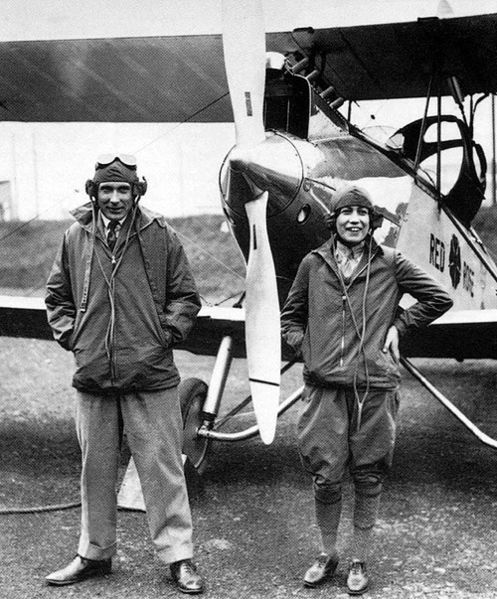
Captain William Newton "Bill" Lancaster (14 February 1898 – 20 April 1933, Tanezrouft, Algeria) was a pioneering British aviator.
Early life
Born in Birmingham, England, Lancaster emigrated to Australia as a child prior to World War I. In 1916, he joined first the Australian Army and later the Australian Flying Corps. He remained in Britain after the war and joined the Royal Air Force, marrying in 1919 and serving in India during the 1920s.[1] He was promoted to flying officer from pilot officer on 30 April 1921.
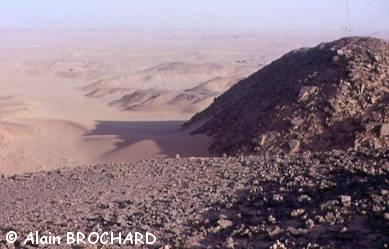
On Wednesday, April 12, 1933, the British airman William Lancaster, who was at the age of 35 years, trying to raid London - to Gao on an aircraft passenger "Avro" car, disappeared with all hands during the crossing Sahara.
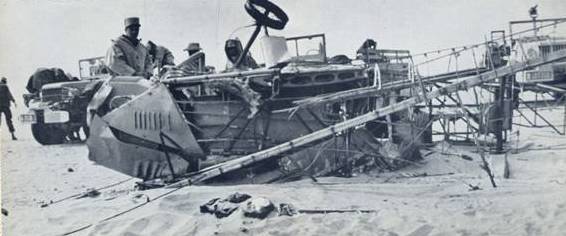
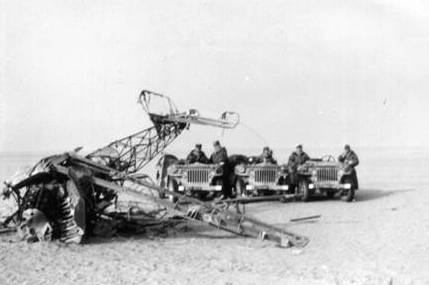
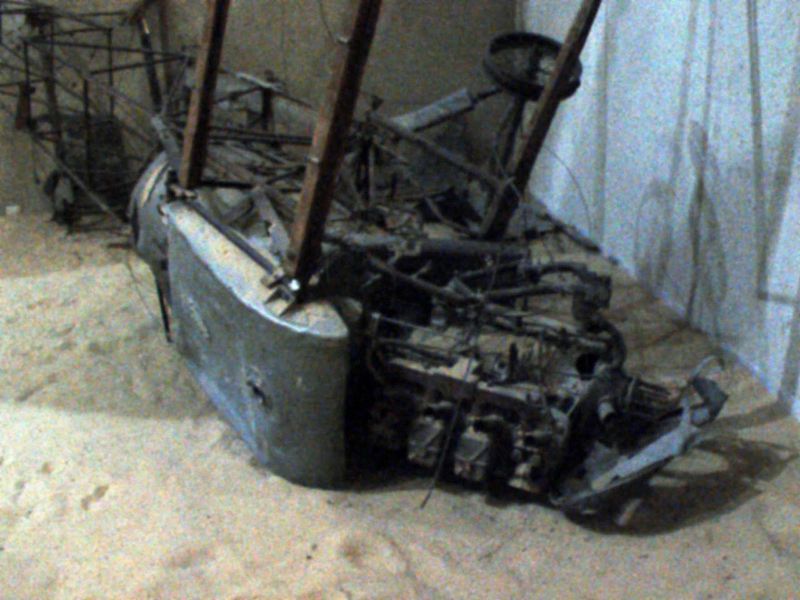
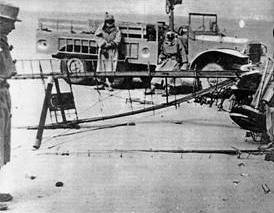
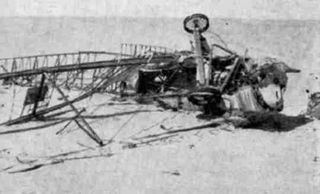
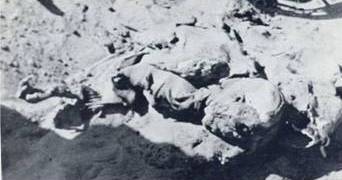
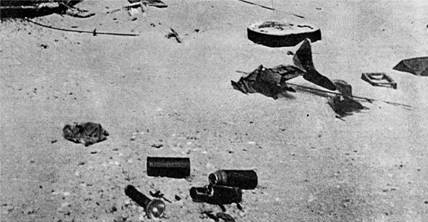
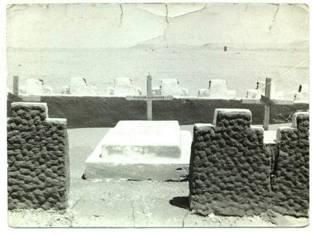
On February 11, 1962, 29 years later, a platoon of police in full Tanezrouft discovered the wreck of a plane and beside them the body of the driver perfectly preserved mummified, covered with a layer of sand: the unfortunate Lancaster had been found.
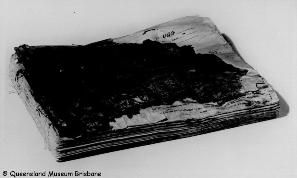
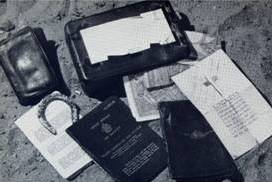
On the log perfectly preserved, the pilot in distress, from Thursday 13 April Thursday, April 20, 1933 until his death, had recorded her thoughts, described his state of mind and the stages of its slow demise throughout the endless days of this week, hoping to be rescued, thirst, despair, serenity ...
After the fall of his airplane whose name was "small Southern Cross, Lancaster is almost totally free and clear. All his wishes will strive to meet two resolutions, the first being not to leave the plane, the second to control thirst. He has nine liters of water it will draw every day inside a thermos.
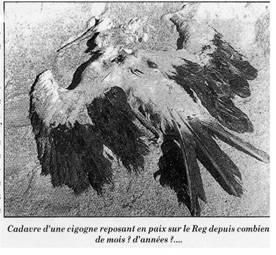
The first day, the sight of a vulture, he formed the desire to ride and fly to a basin of water and he says: "People who have not been to the desert have no real idea of what the thirst. It's hell. "
The first two days is the panic: "I do not want to die."
The third day, he is fatalistic.
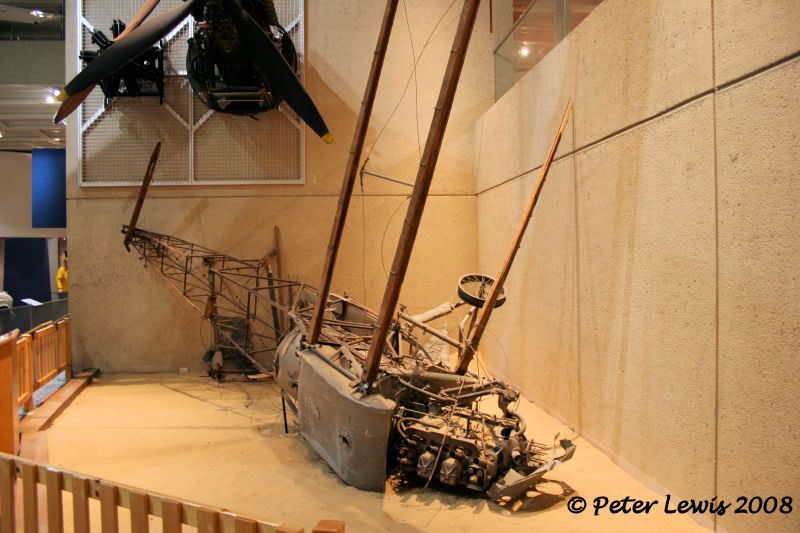
The fourth and fifth day, the resignation is "I realize that I will not be saved unless a miracle." He has torn the fabric of the aircraft to make torches and described the remains of his plane and "it looks like a poor duck broken back with a lot of feathers missing.
The sixth day is the depression that allows him to write a small page: "I'm going to attack me six hours of hell."
. The seventh day is marked by its lucid desperation, he drank the last sip and he is proud to write to his fiancee that has lasted for a whole week.
At the dawn of the eighth day, he wrote "I have no water ... no wind ... I'm waiting patiently." "Goodbye and God be with you. I will wait for you upstairs. "
He probably has not seen the sun set on the horizon of the infinite Tanezrouft the evening of April 20, 1933 ..