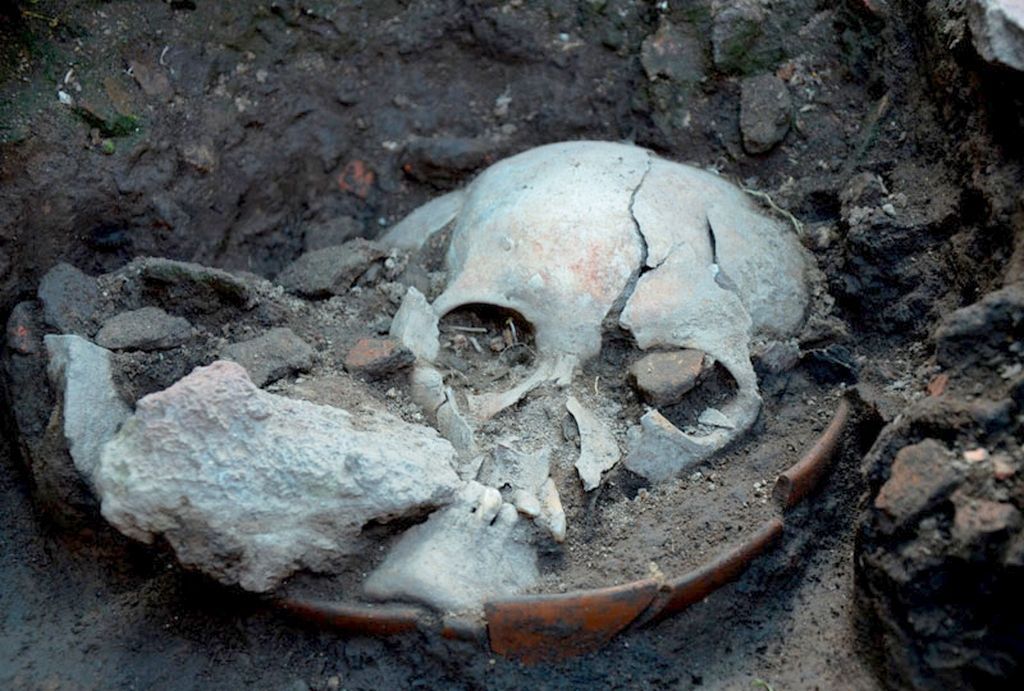
Archaeologists from the National Institute of Anthropology and History (INAH) recently found the decapitated skull of an individual still lying in the offering bowl, dating back 500 years ago at the Tlatelolco temple site in Mexico City.
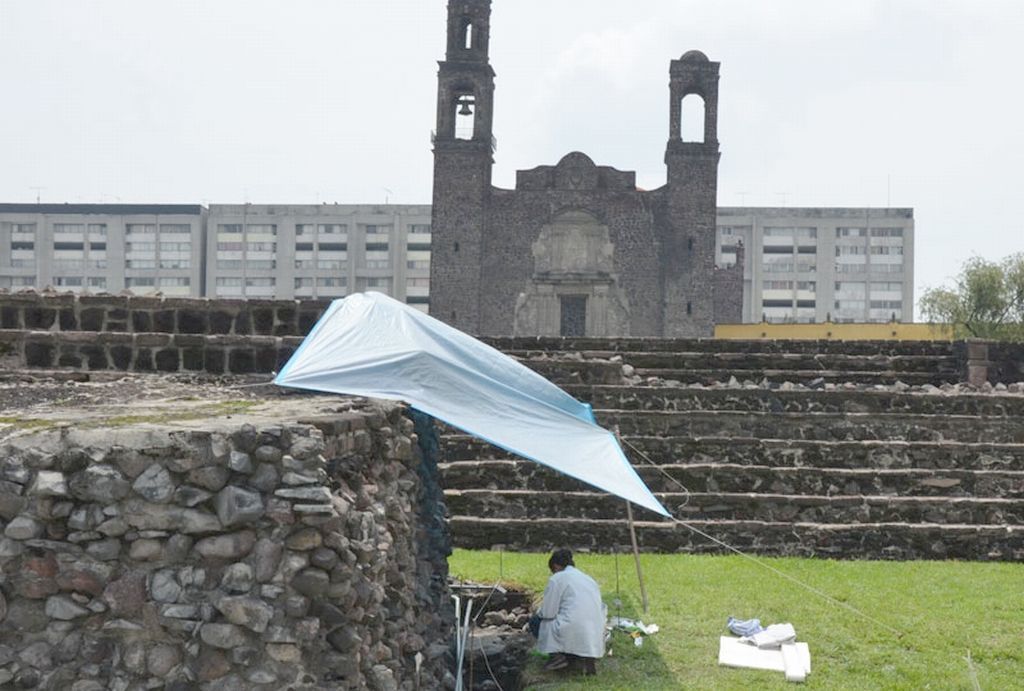
Tlatelolco is a site in Mexico City where remains of the pre-Columbian city-state of the same name have been found centred on the Plaza de las Tres Culturas, which is a large square surrounded on three sides by a excavated Aztec monuments and a seventeenth-century church called the Templo de Santiago.
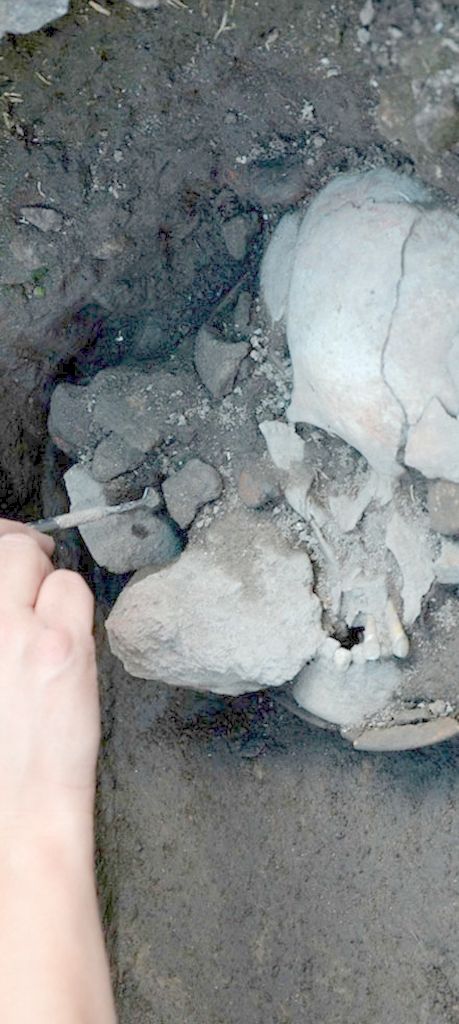
According to the archaeologist Salvador Guilliem, director of the Tlatelolco Project, the decapitated remains belonged to a young adult and were deposited as an offering in a ceramic vessel.
The grisly find was found at a stratum level that relates to the construction phase VII-A of the Great Temple (between 1500 and 1515 CE) and may represent a consecration offering, placed here during the preparation rituals of the space that the new structure would occupy.
“We are further exploring the area to see if the offering is composed exclusively of the skull in the bowl, or if there are more remains associated with it”, said Guilliem.
He added that although, “more physical anthropology studies were required, [the initial examination of] the teeth determine he is a young adult, most likely a war captive that would have been ritually decapitated.”
The discovery was made after a custodian, in charge of cleaning and maintaining the site, , reported what seemed to be a buried pot.
Subsequent inspection and excavation by archaeologists Salvador Guilliem and Paola Silva found a small offering that had been covered with limestone, because of the recent torrential rain a small landslide had exposed this fascinating discovery.
Paola Silva, responsible of maintenance in Tlatelolco, explained that this offering is actually the 34th found to date.







 metal
metal
