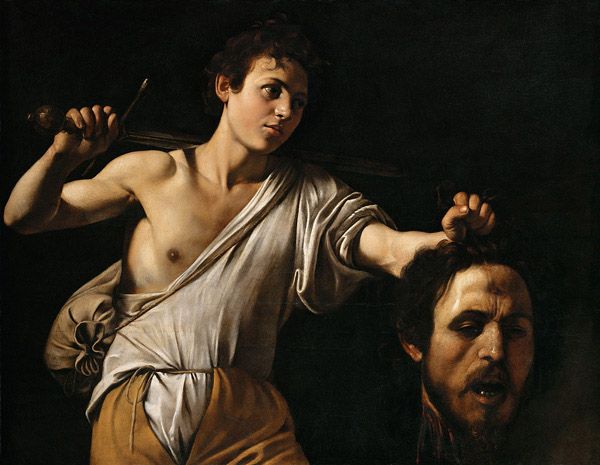
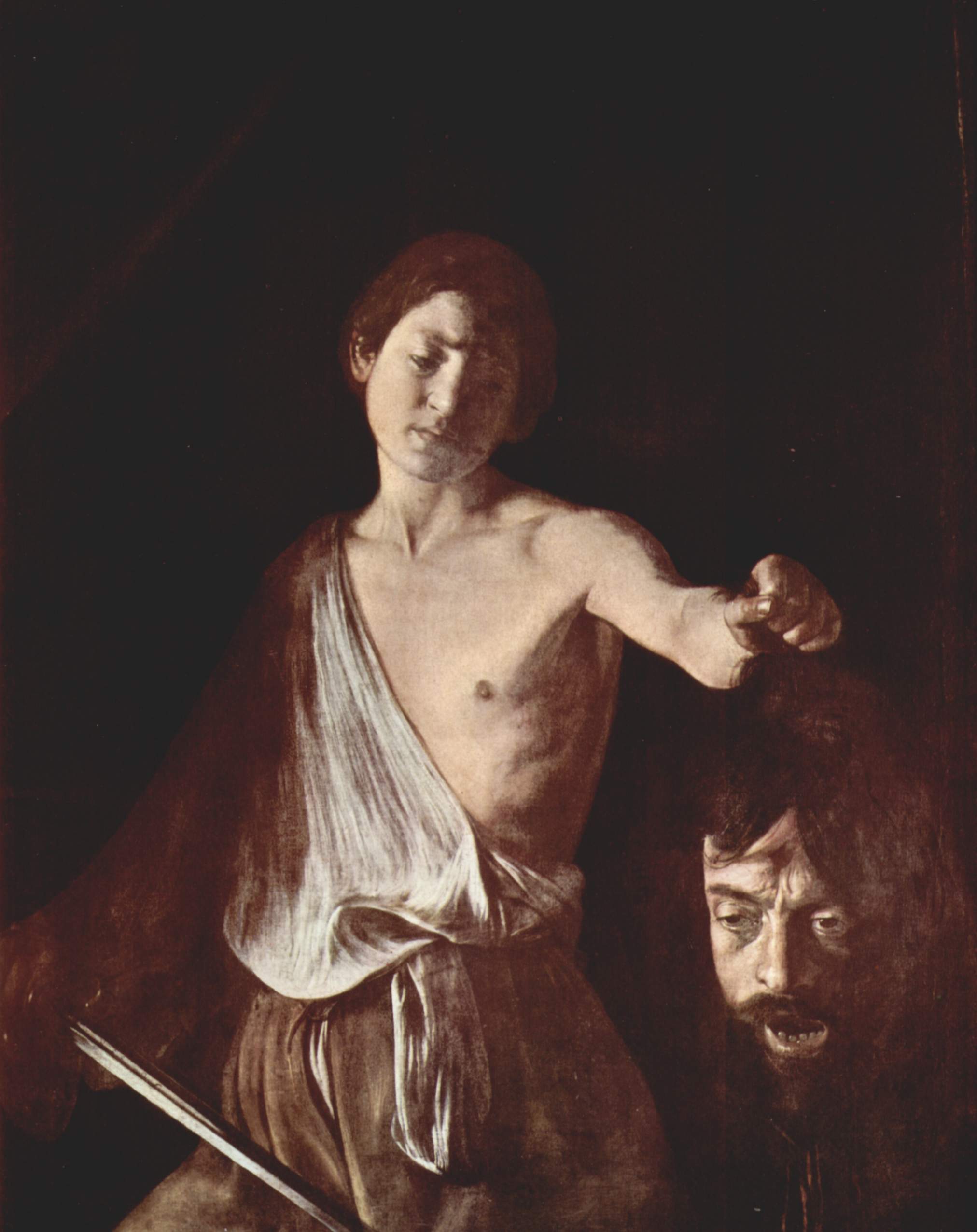
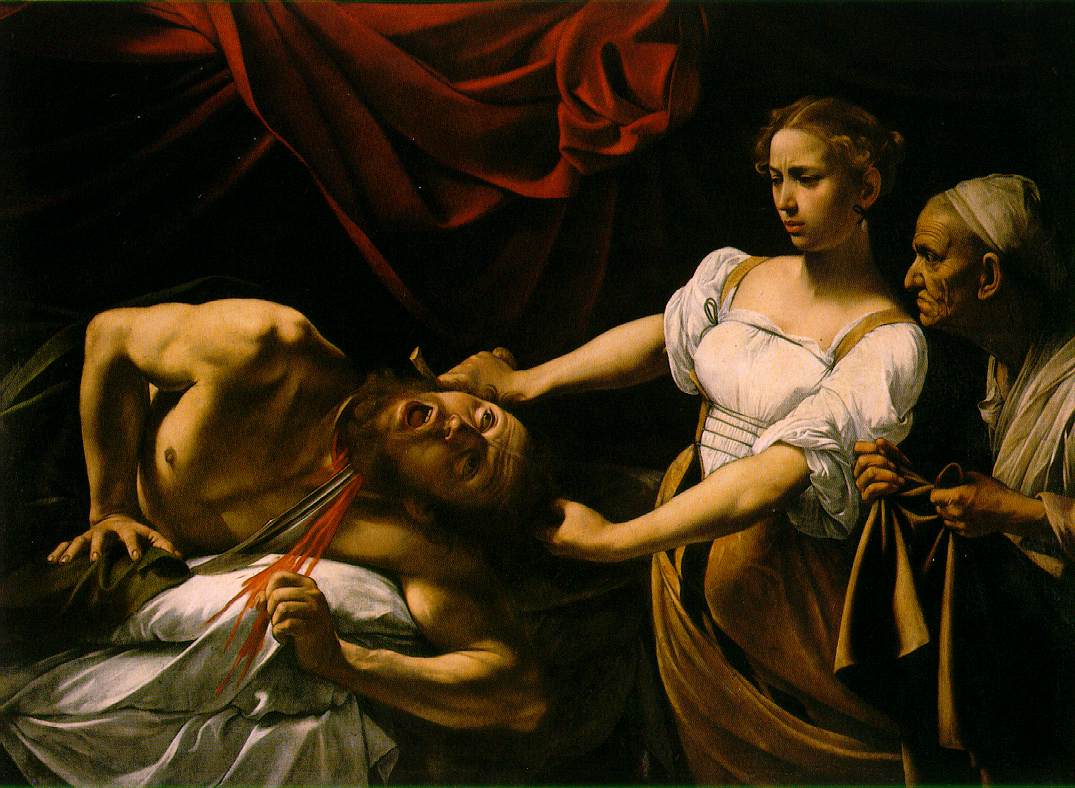
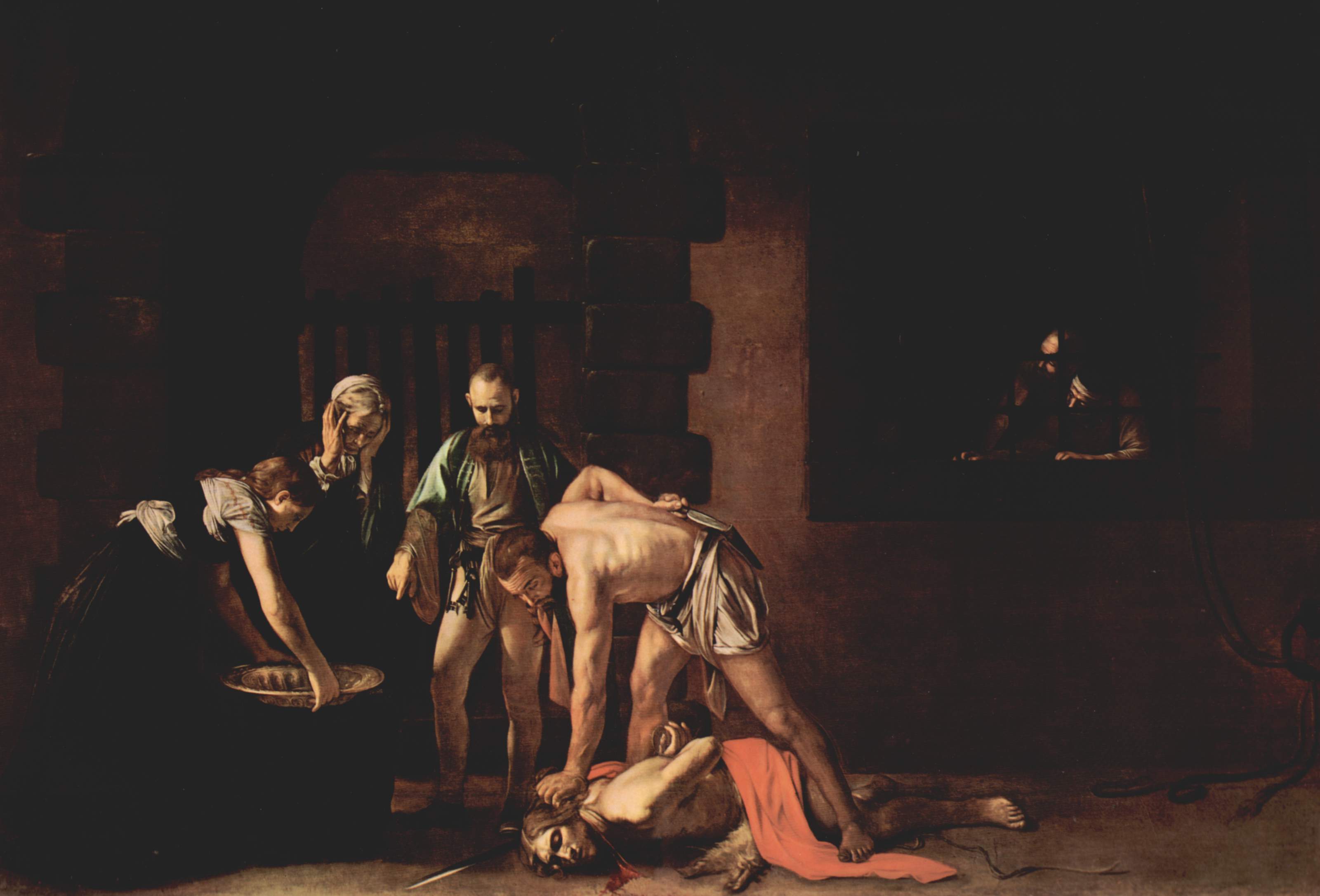
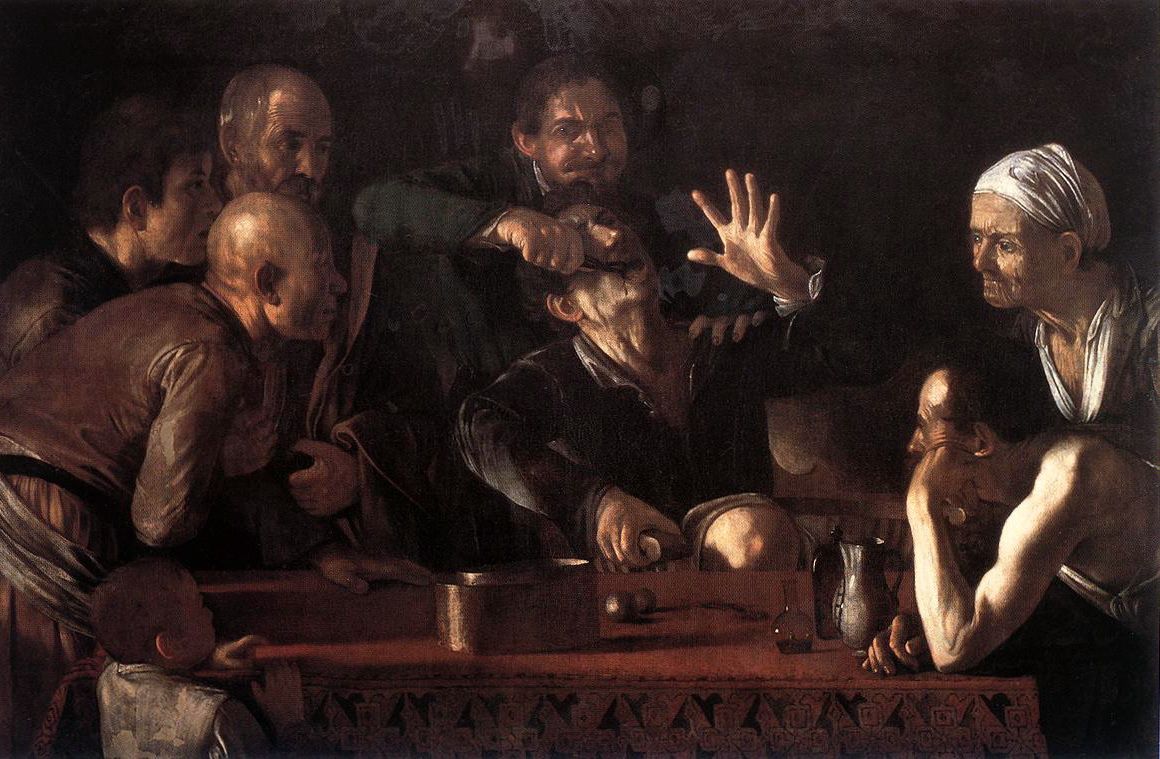
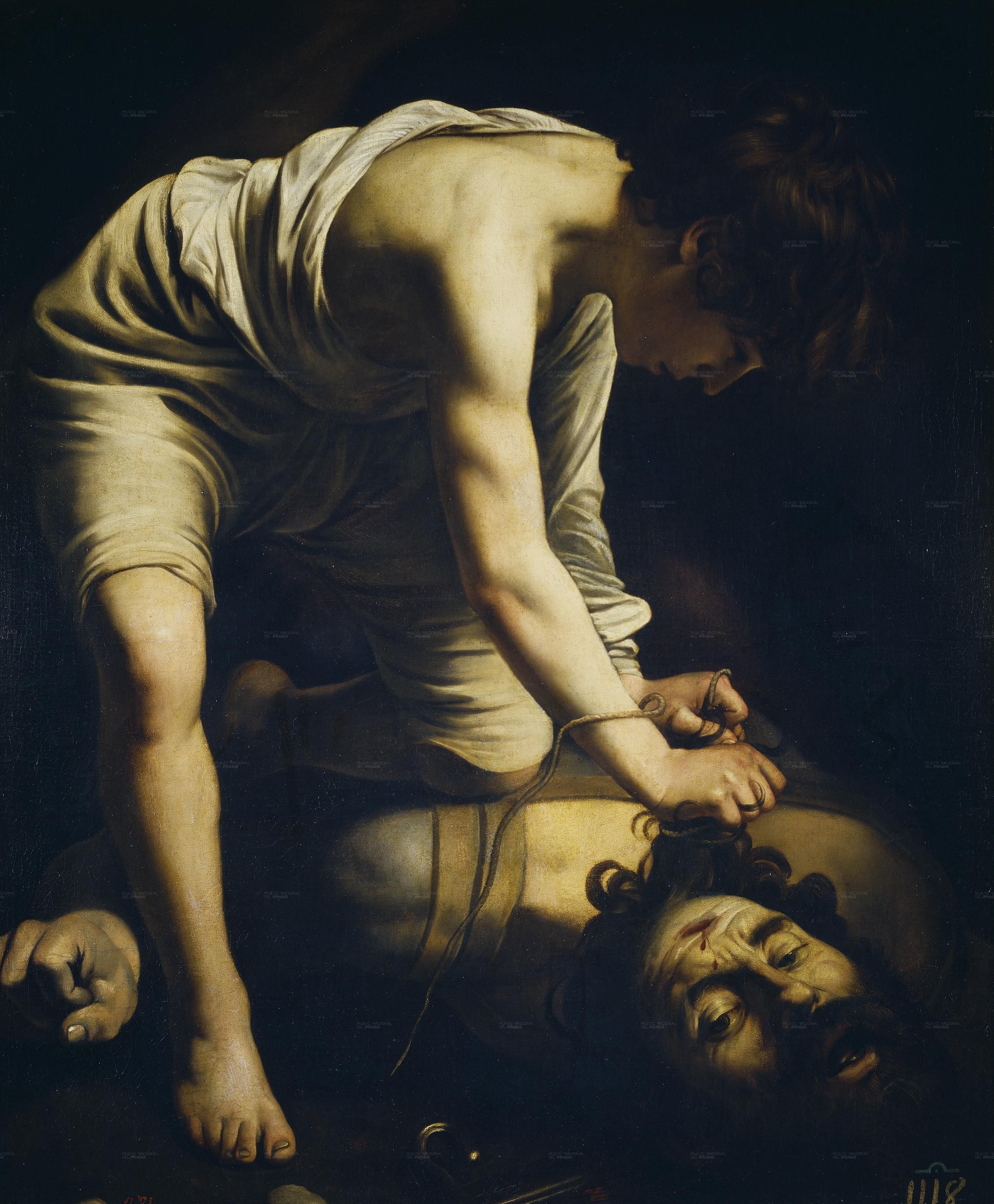
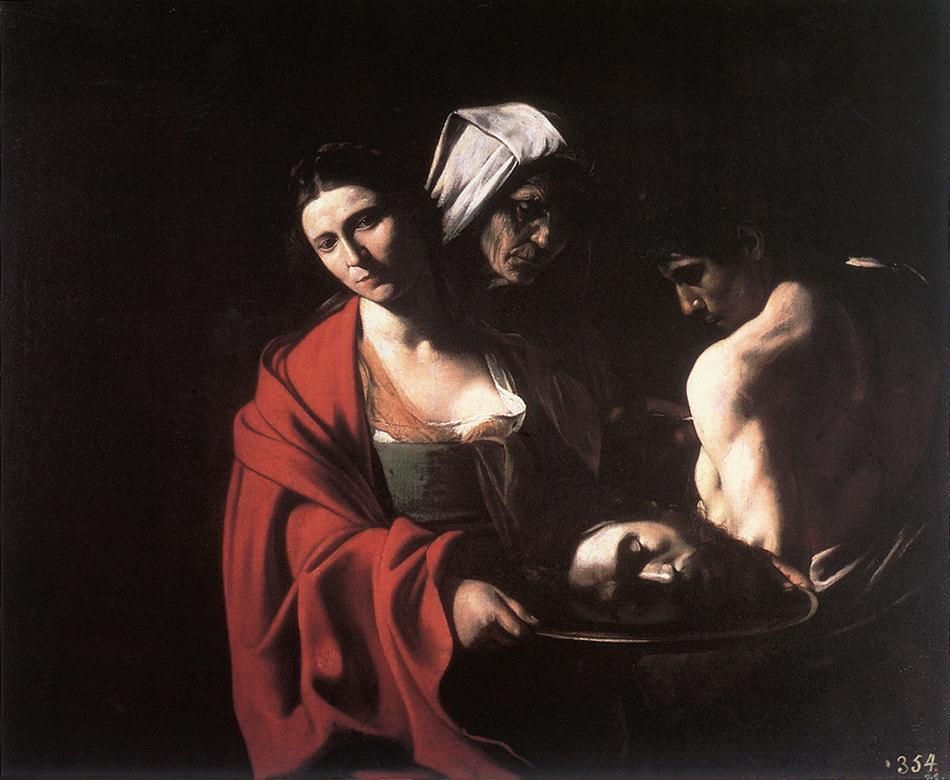
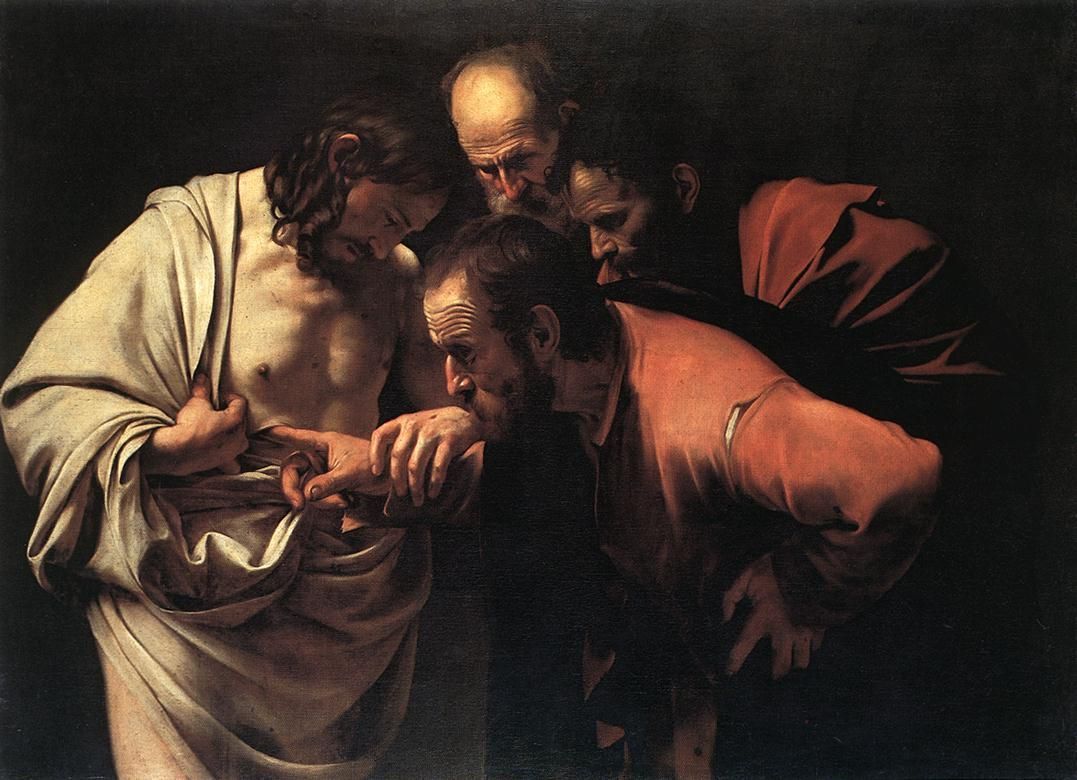
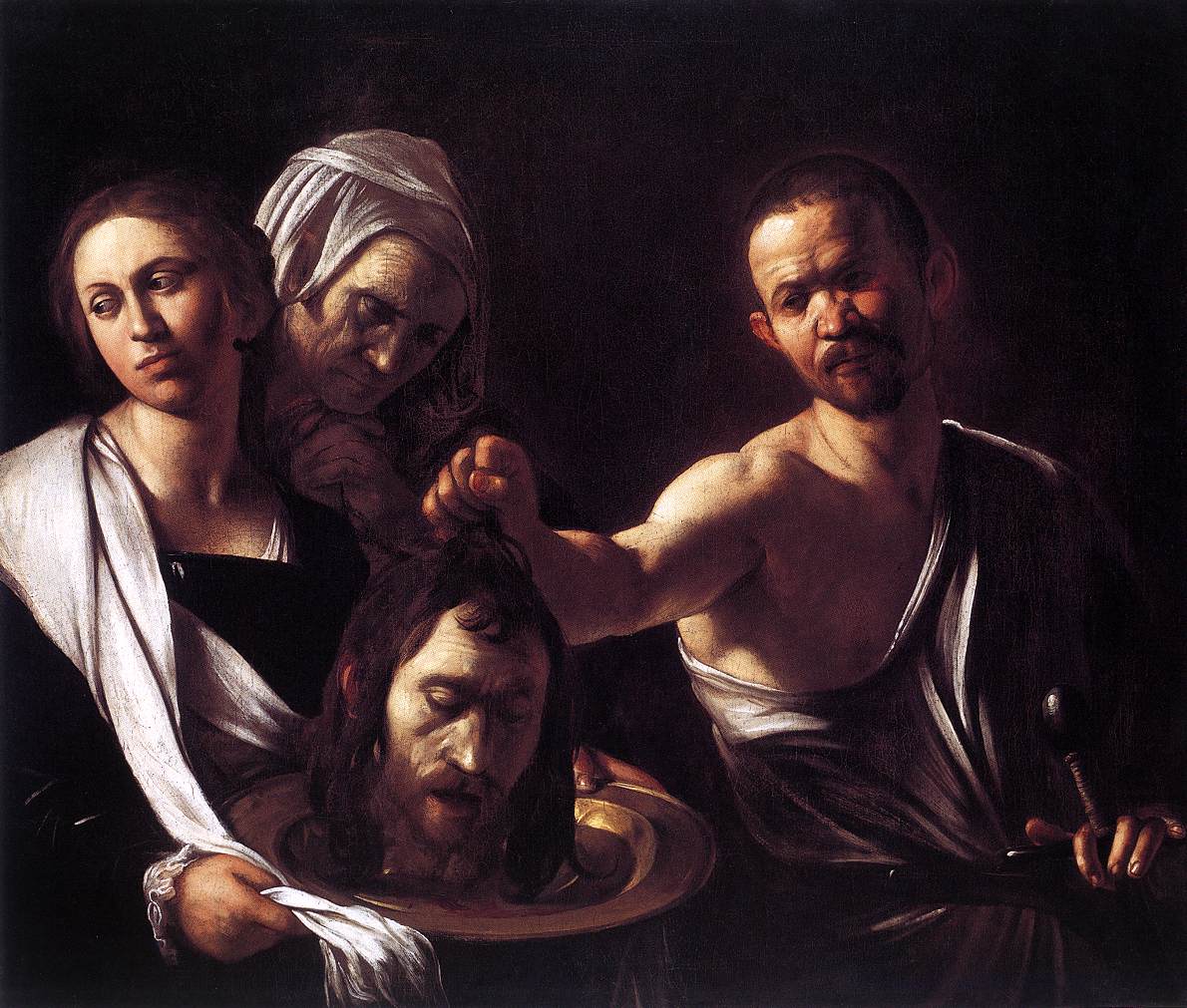
Michelangelo Merisi da Caravaggio (Italian pronunciation: [karaˈvaddʒo]; 29 September 1571 – 18 July 1610) was an Italian artist active in Rome, Naples, Malta, and Sicily between 1593 and 1610. His paintings, which combine a realistic observation of the human state, both physical and emotional, with a dramatic use of lighting, had a formative influence on the Baroque school of painting.
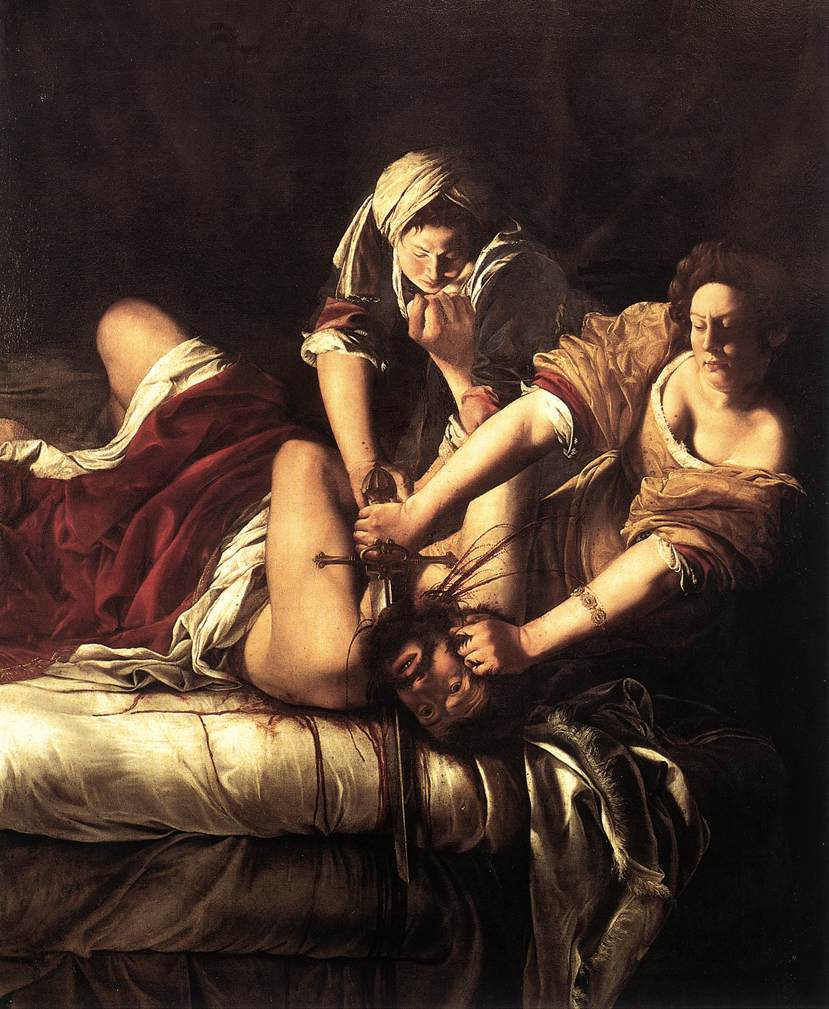
Caravaggio's novelty was a radical naturalism that combined close physical observation with a dramatic, even theatrical, use of chiaroscuro. This came to be known as Tenebrism, the shift from light to dark with little intermediate value. He burst upon the Rome art scene in 1600 with the success of his first public commissions, the Martyrdom of Saint Matthew and Calling of Saint Matthew. Thereafter he never lacked commissions or patrons, yet he handled his success atrociously. He was jailed on several occasions, vandalized his own apartment, and ultimately had a death warrant issued for him by the Pope.
An early published notice on him, dating from 1604 and describing his lifestyle three years previously, tells how "after a fortnight's work he will swagger about for a month or two with a sword at his side and a servant following him, from one ball-court to the next, ever ready to engage in a fight or an argument, so that it is most awkward to get along with him." In 1606 he killed a young man in a brawl and fled from Rome with a price on his head. He was involved in a brawl in Malta in 1608, and another in Naples in 1609, possibly a deliberate attempt on his life by unidentified enemies. This encounter left him severely injured. A year later, at the age of 38, he died under mysterious circumstances in Porto Ercole, reportedly from a fever while on his way to Rome to receive a pardon.


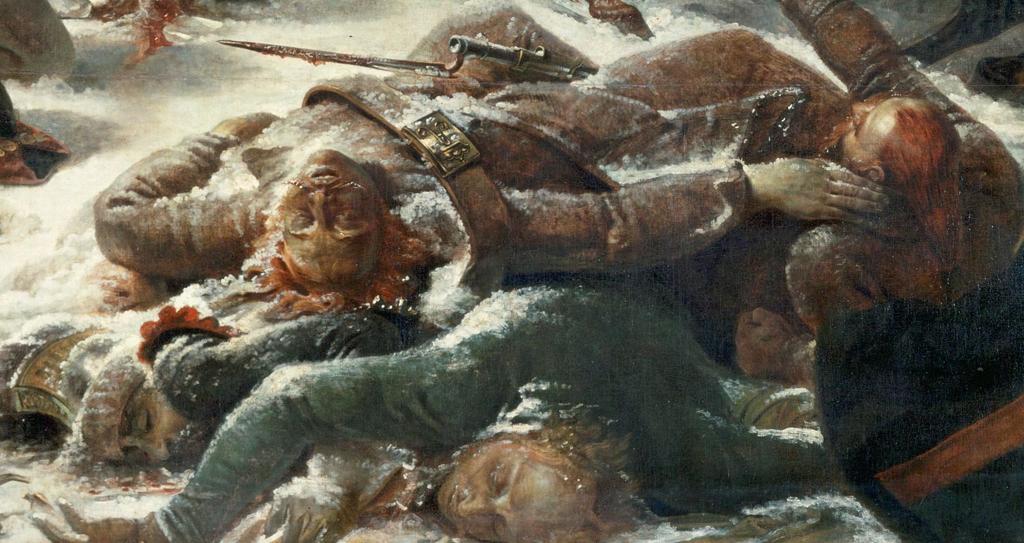
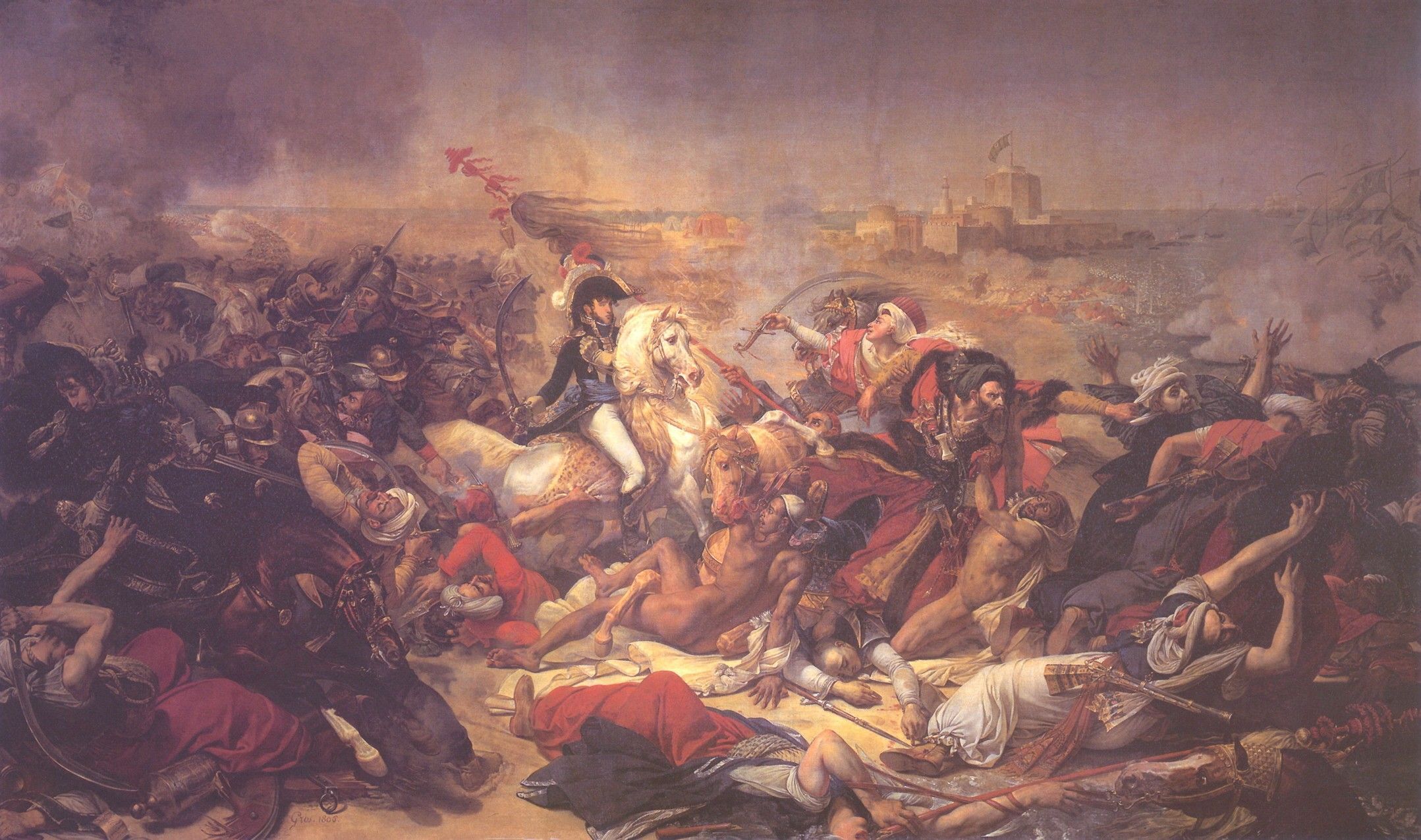
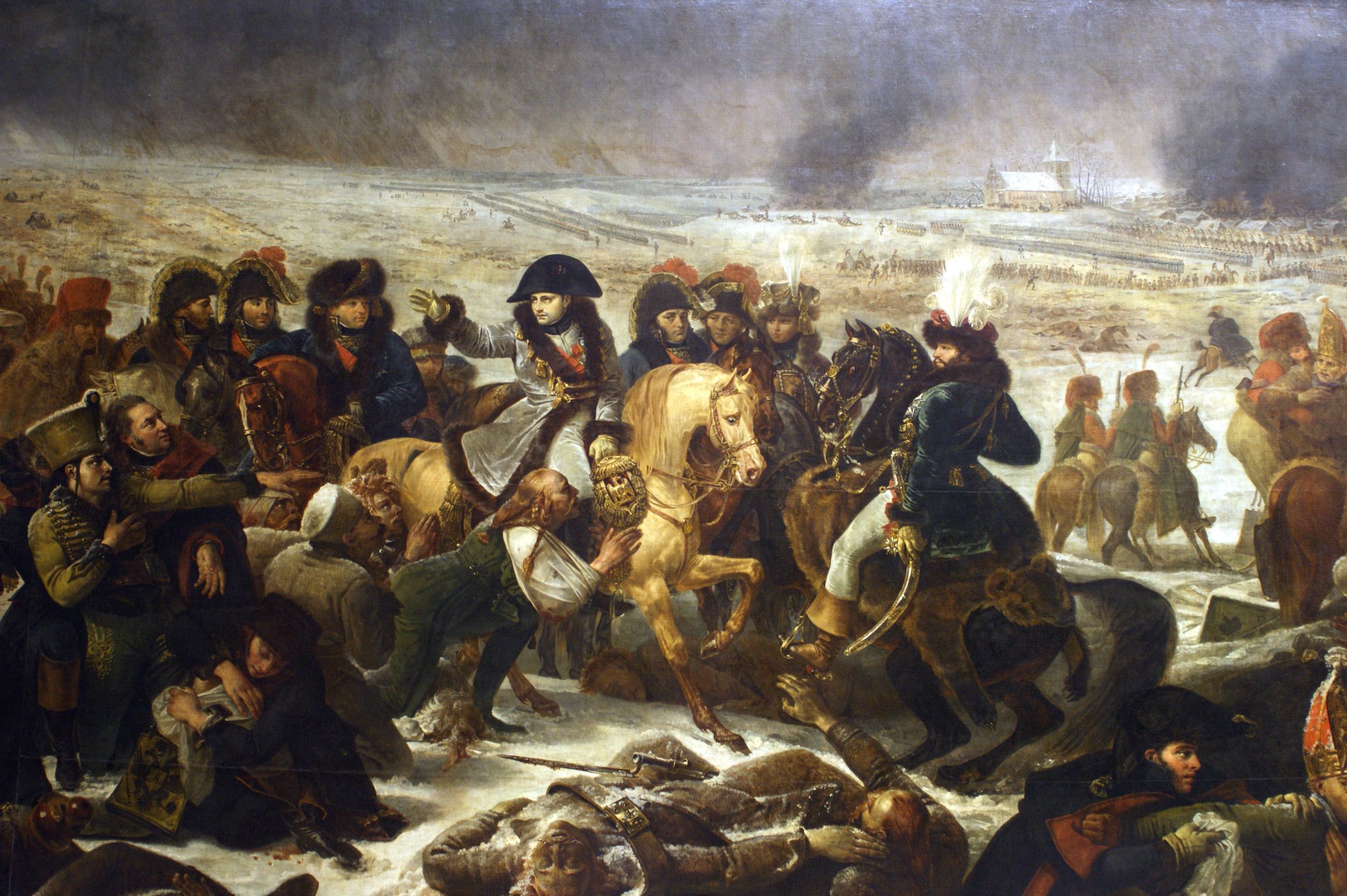
 Most of this stuff is pretty high res so you can zoom into the gore lol.