|
#1
●
11-08-2022, 01:41 PM
| ||||||||
 ✝Mudderator from Hell✝ Poster Rank:11 e-mail Join Date: Oct 2006 Posts: 96,223
Contributions: 817
Mentioned: 476 Post(s) Quoted: 10290 Post(s)
| ||||||||
|
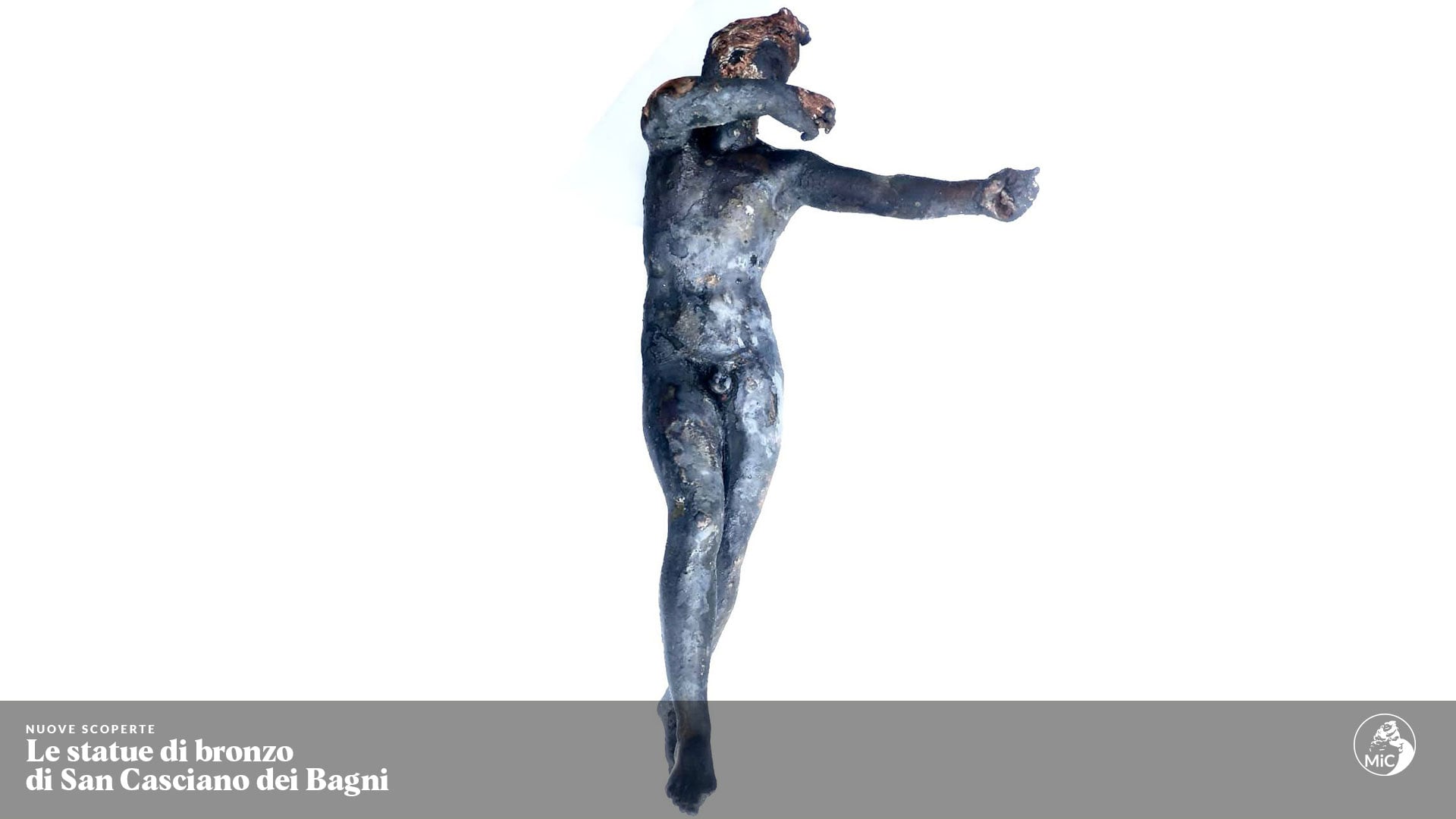
Bronze Statues, Golden, Silver and Bronze Coins Collection Found in Italy
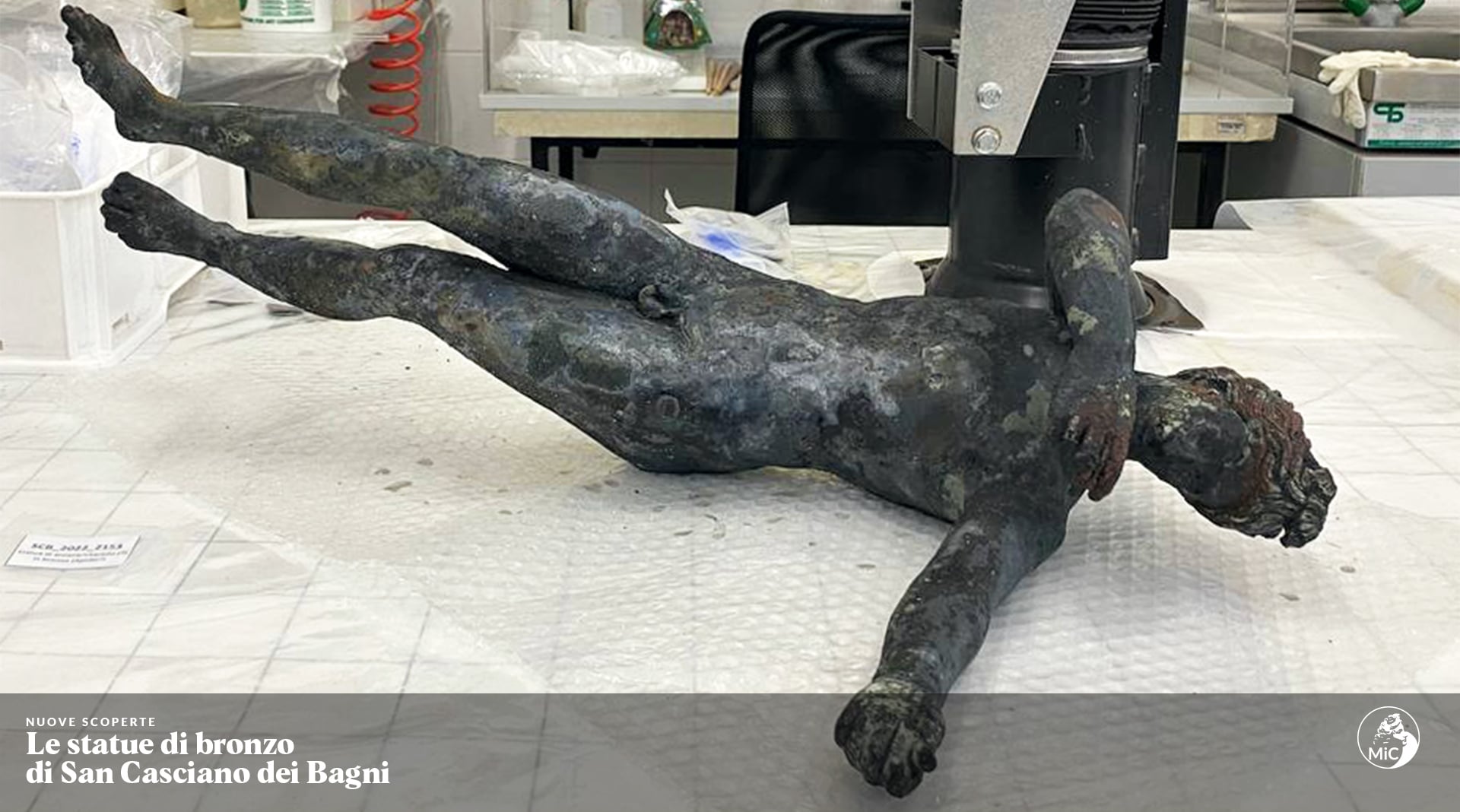
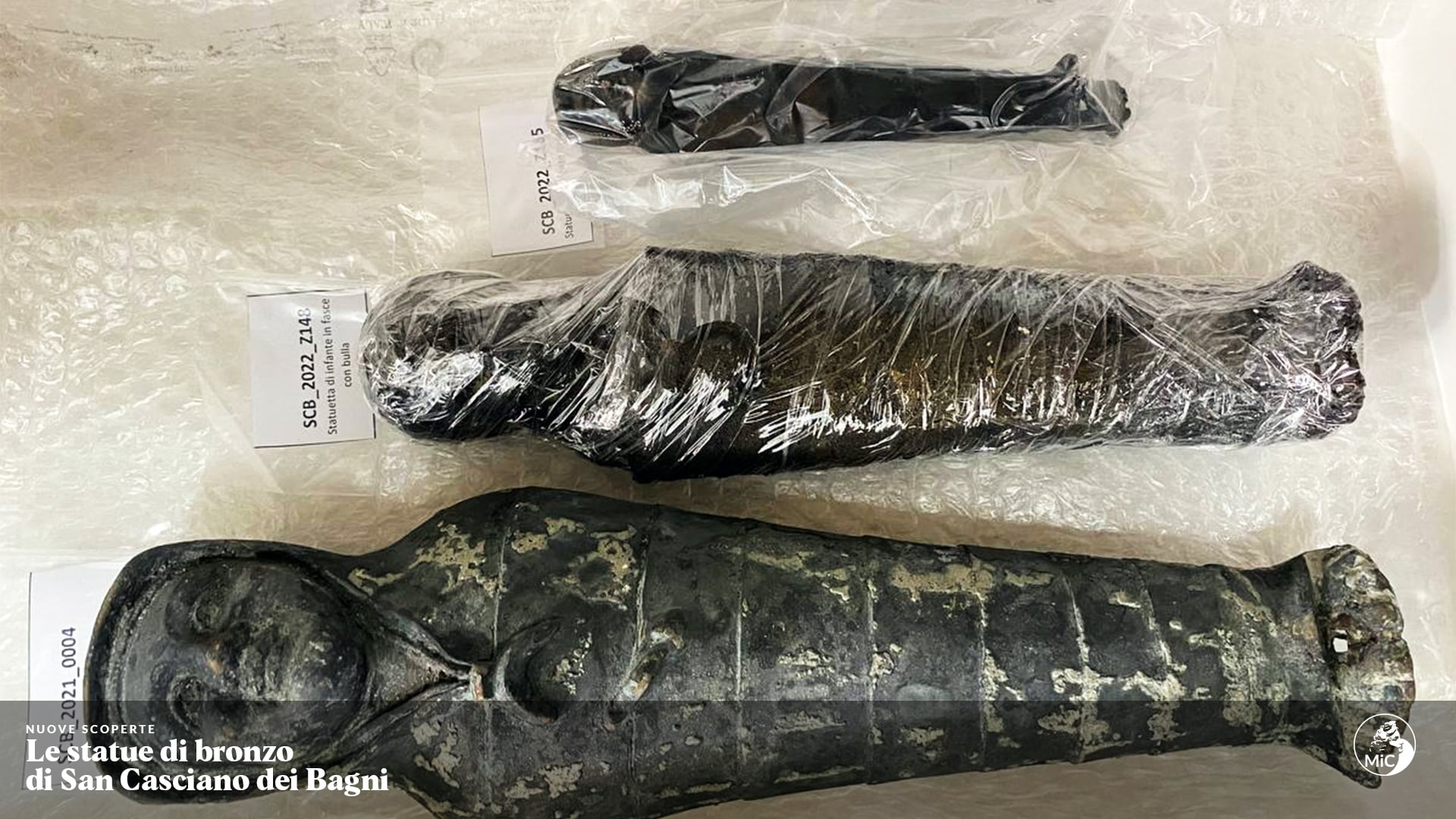
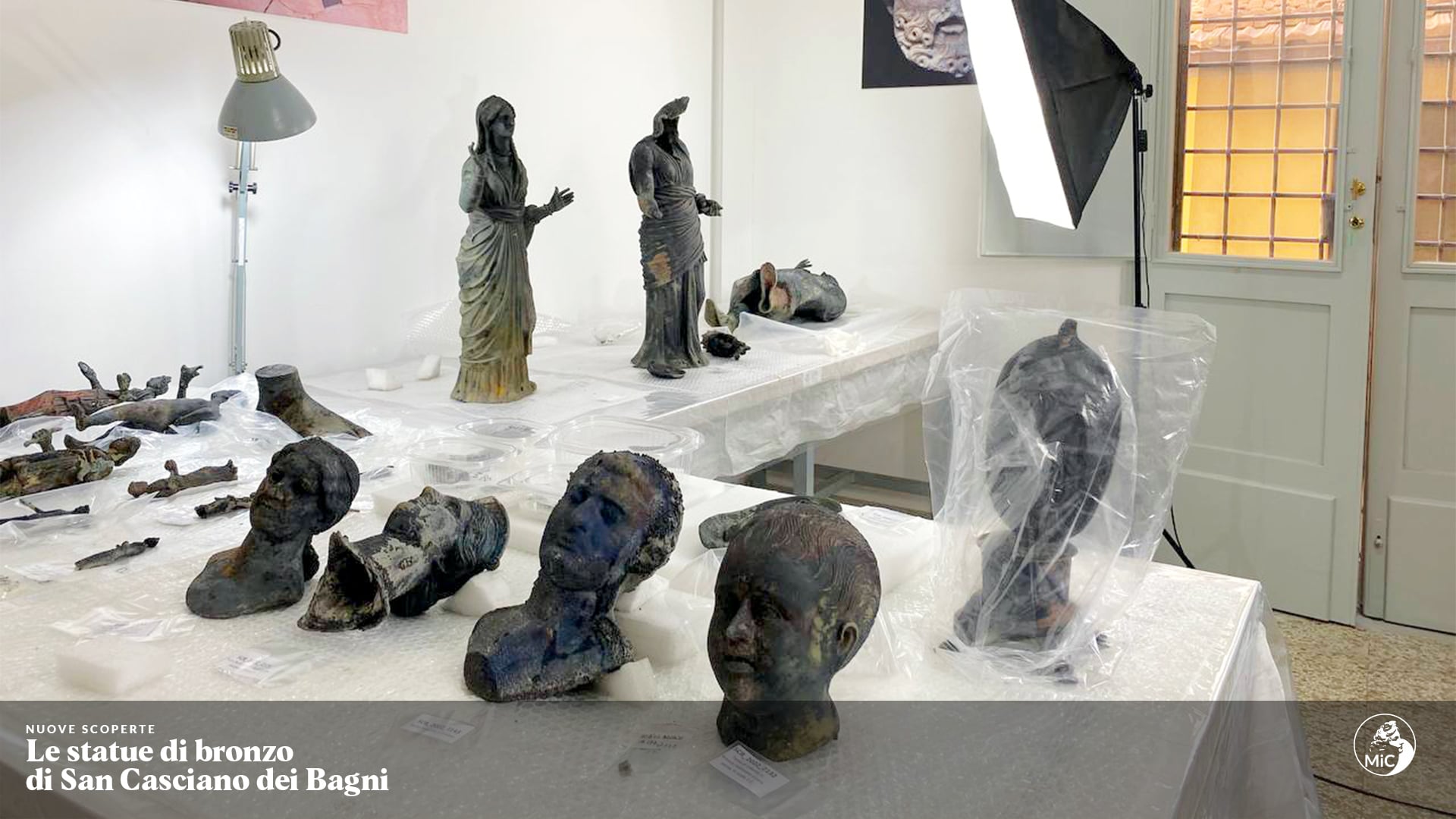
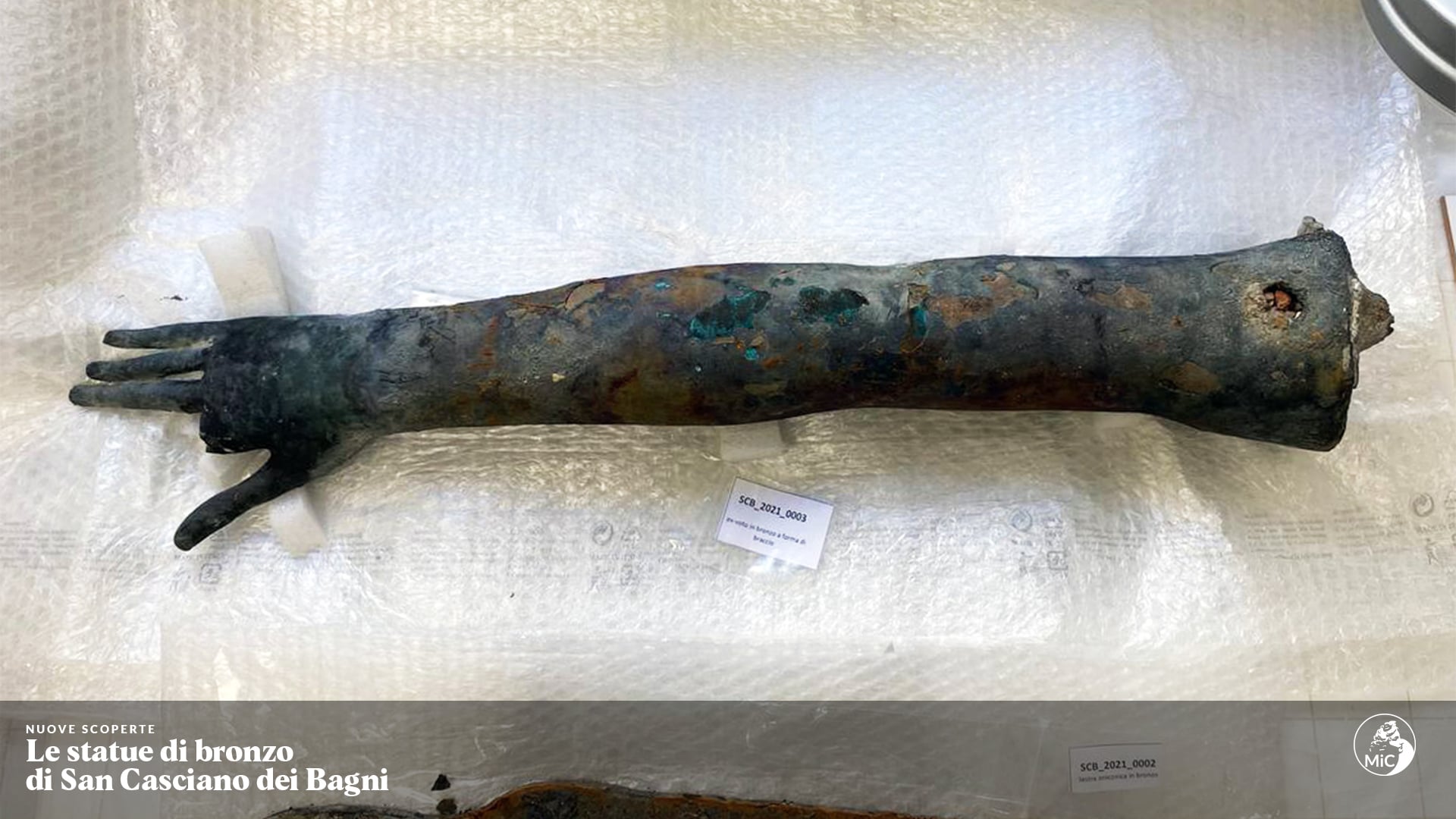
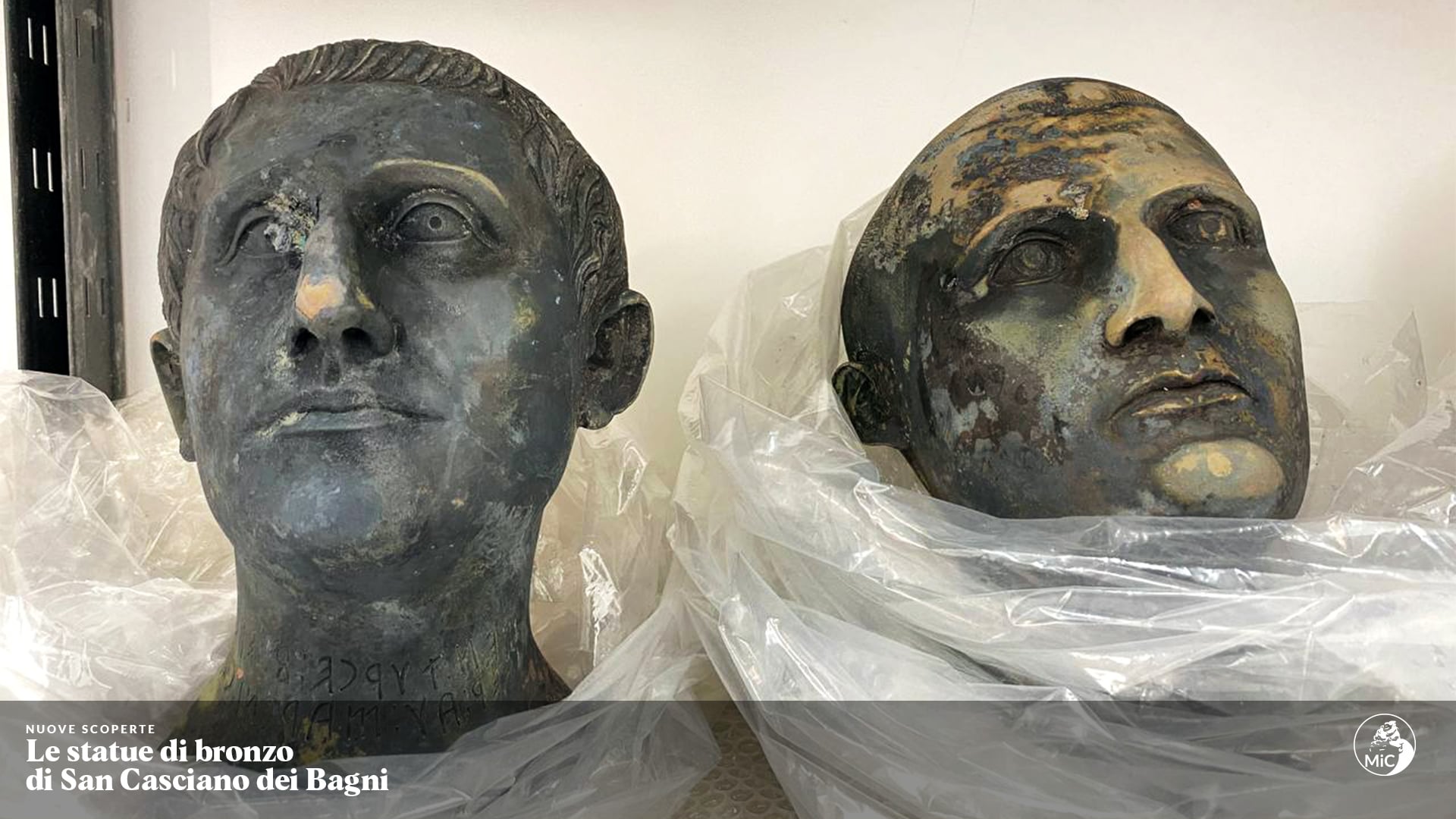
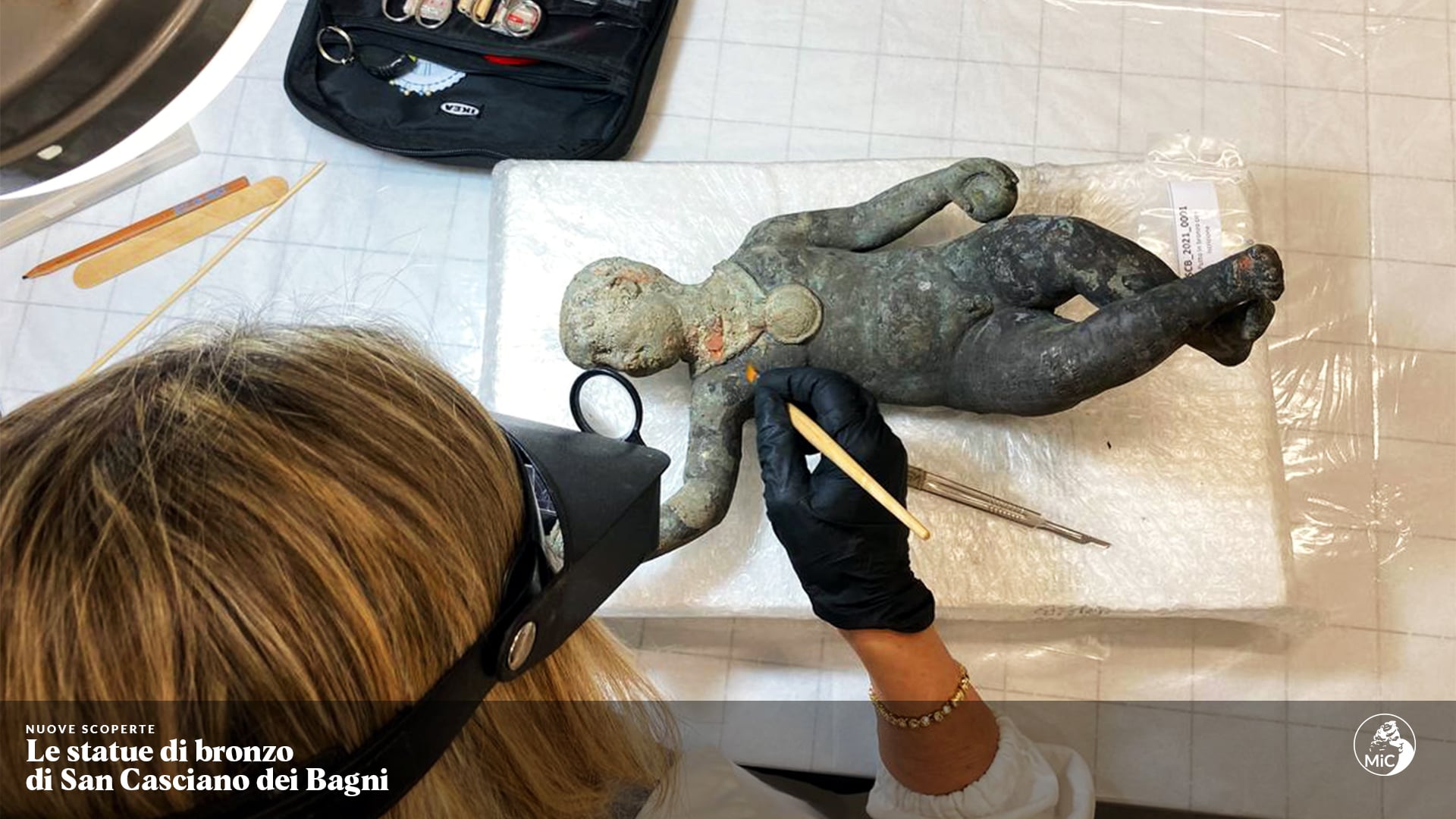
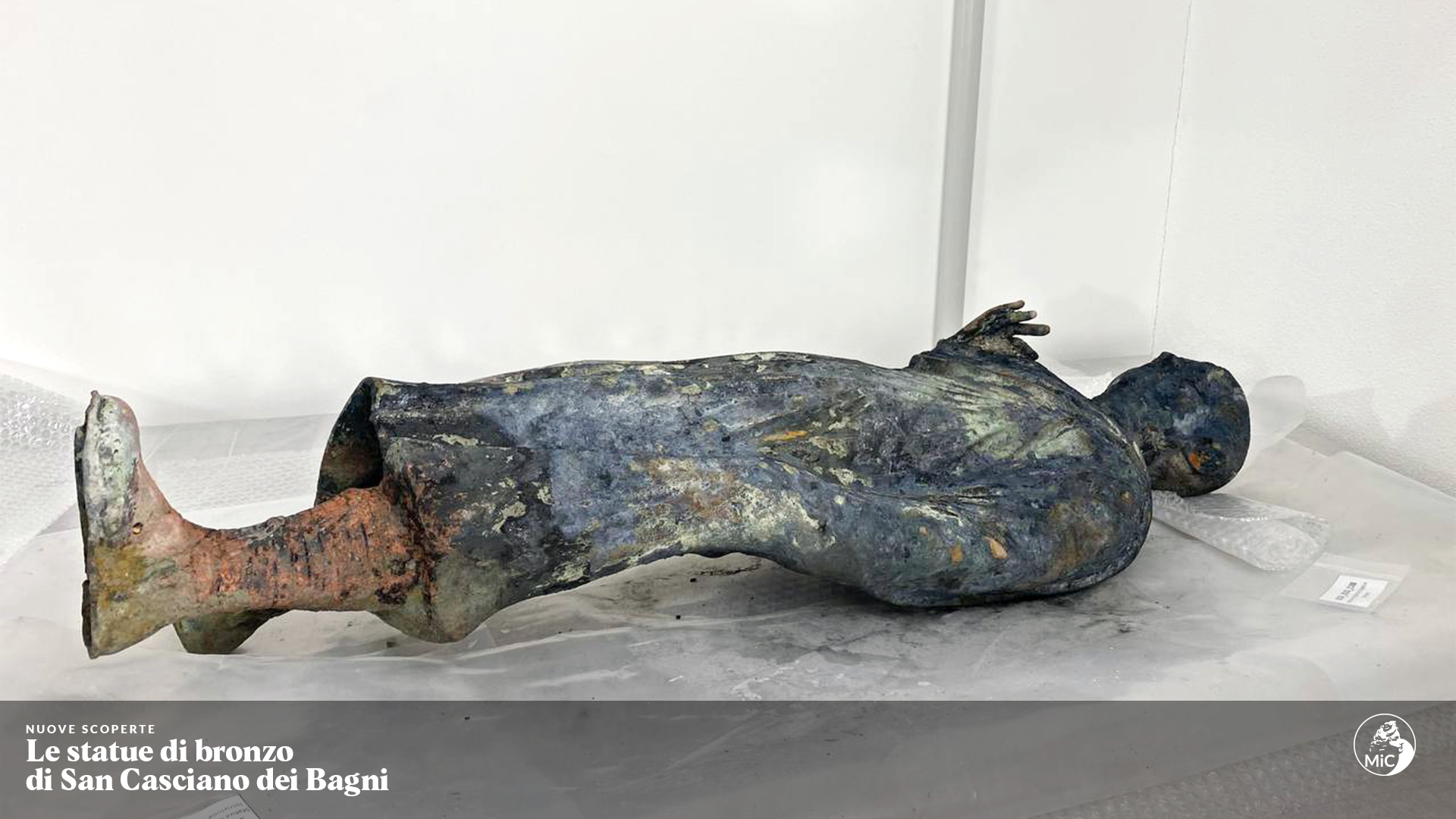
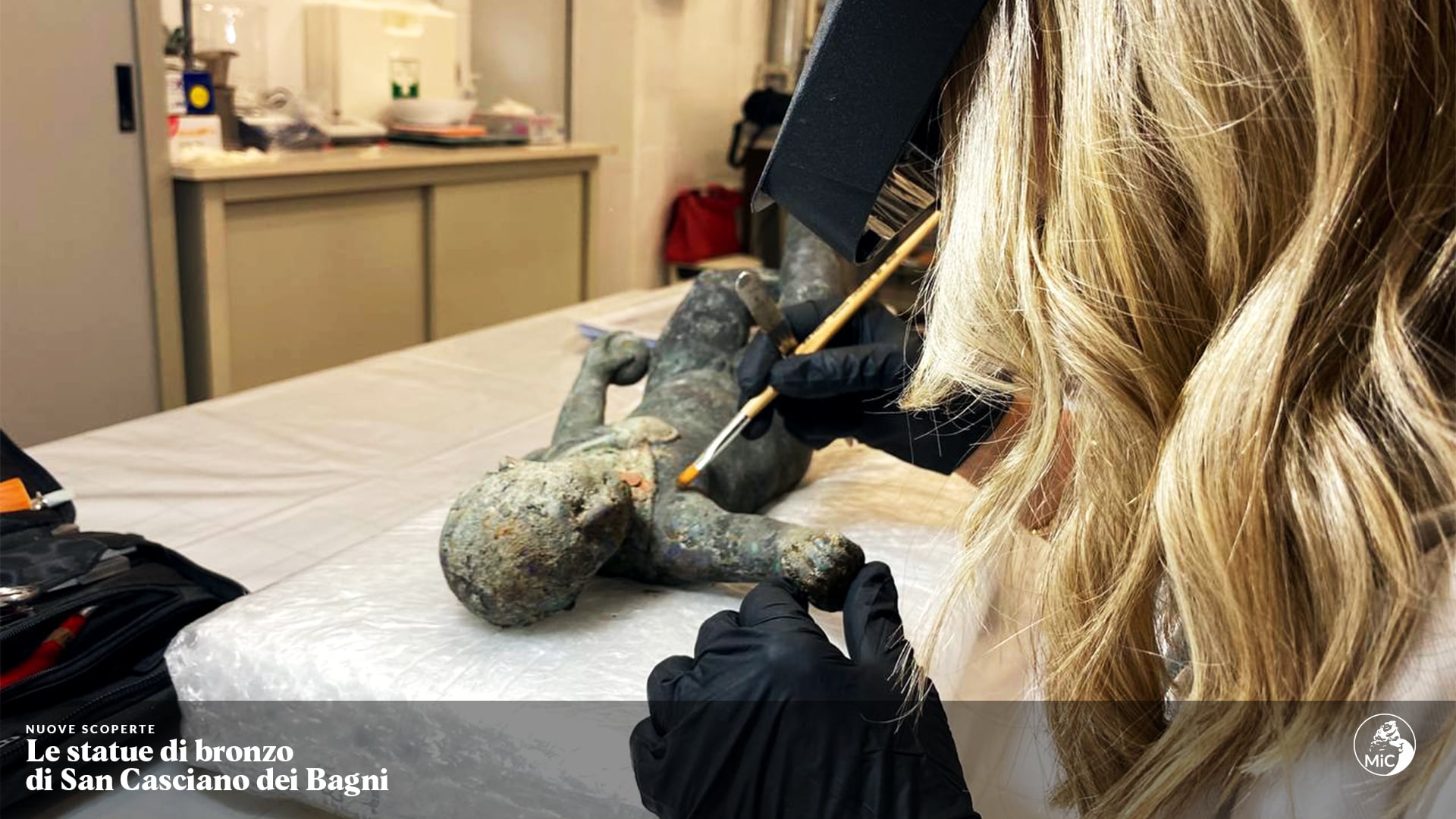
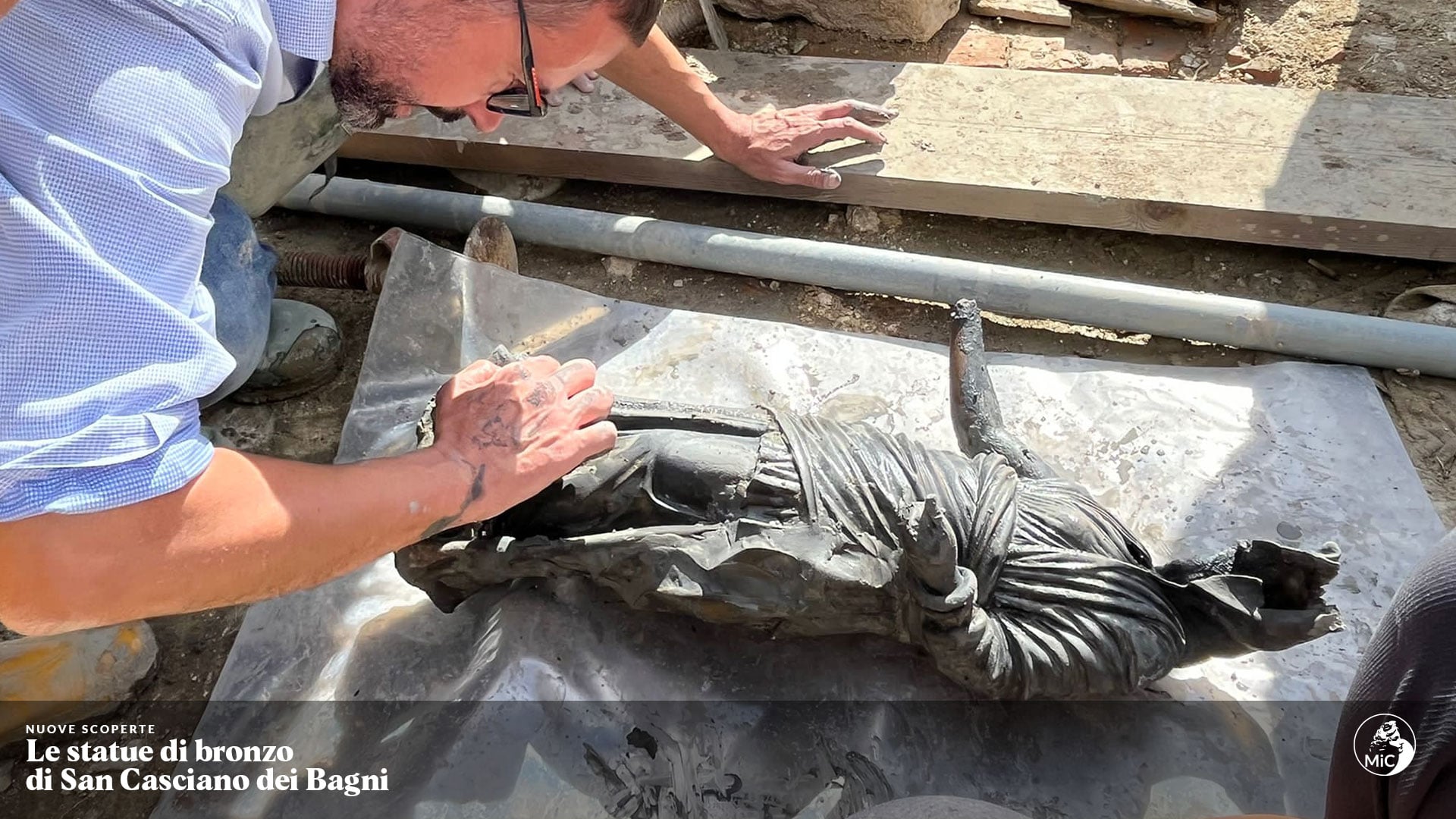
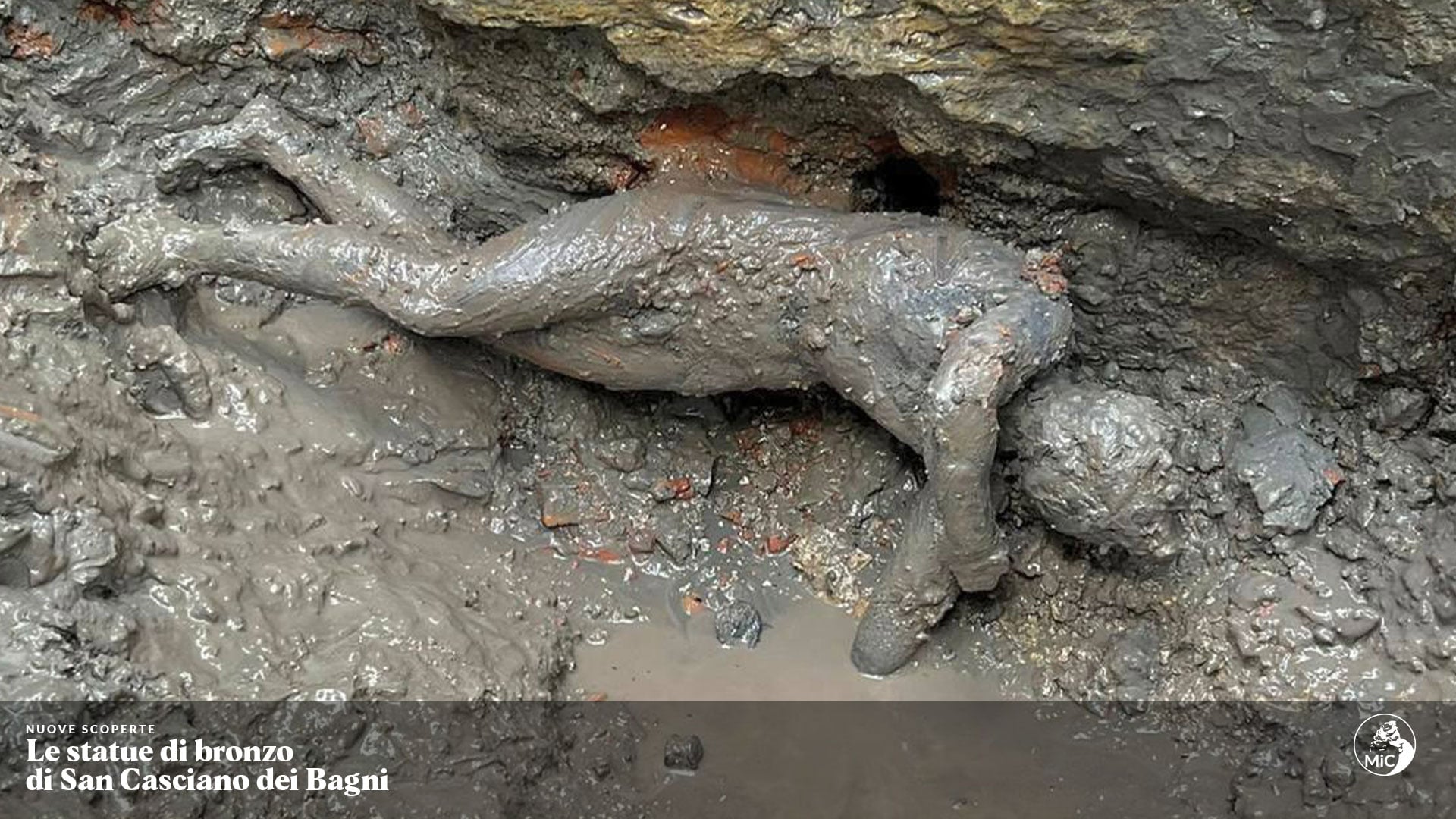
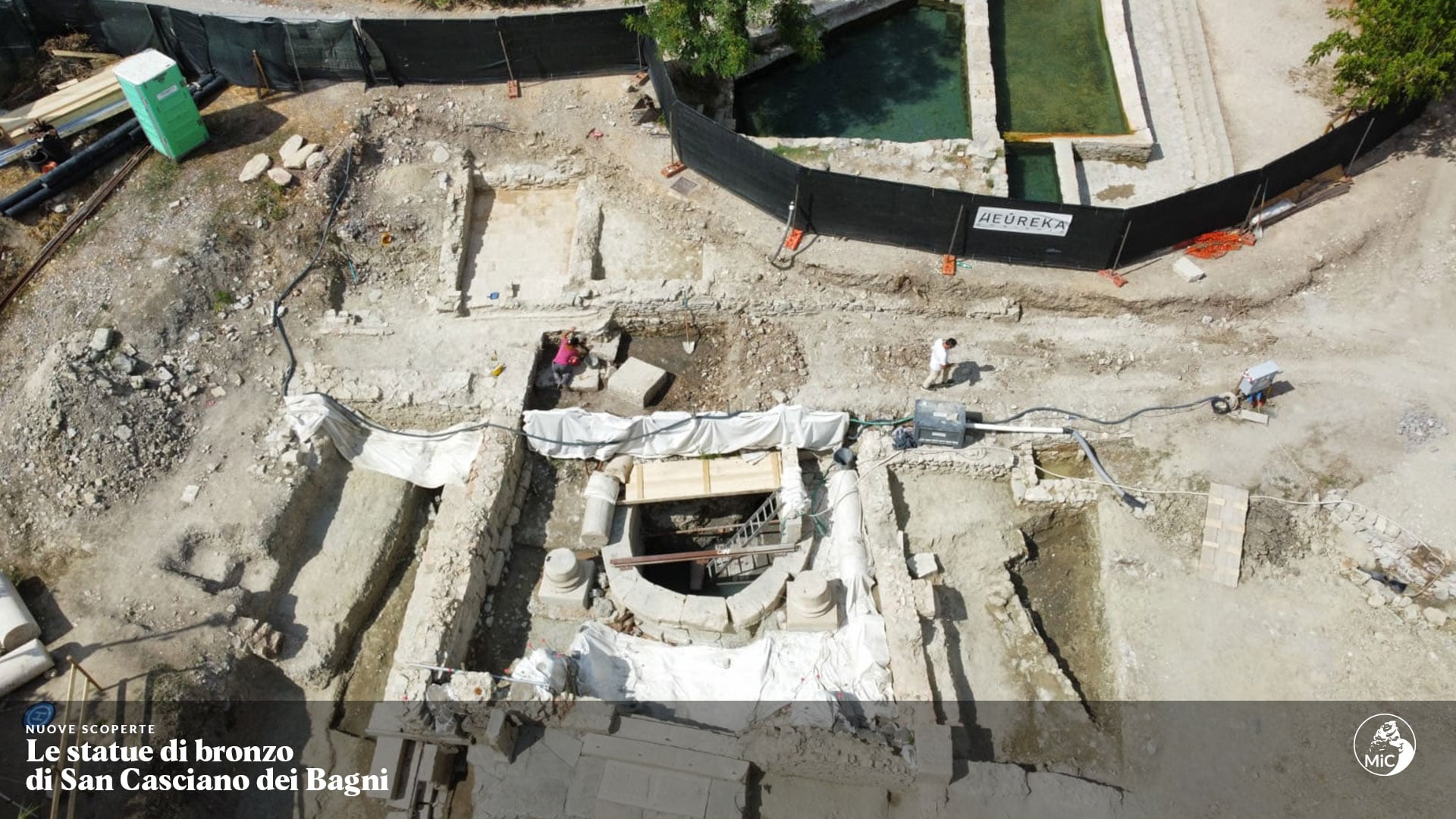
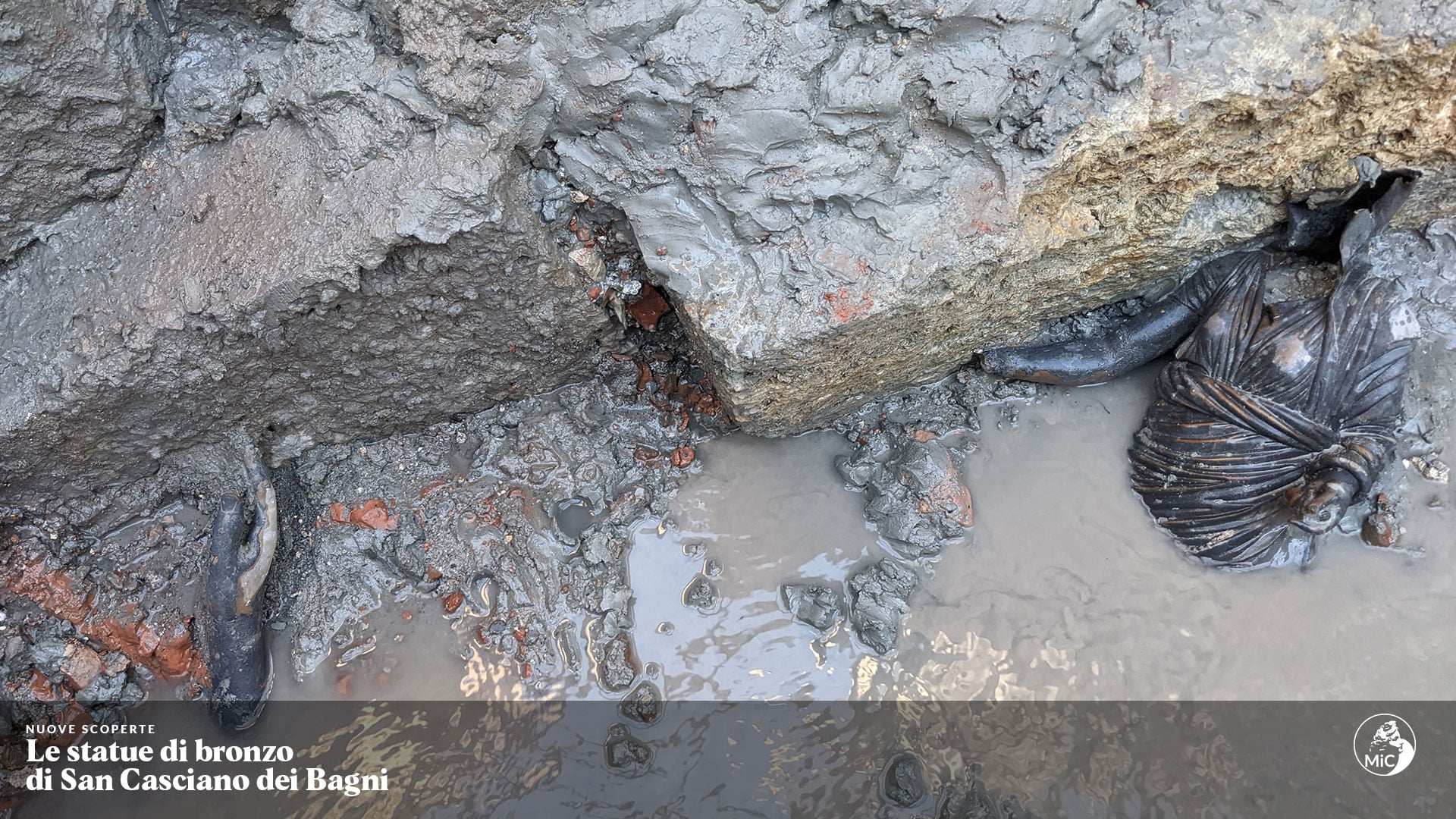
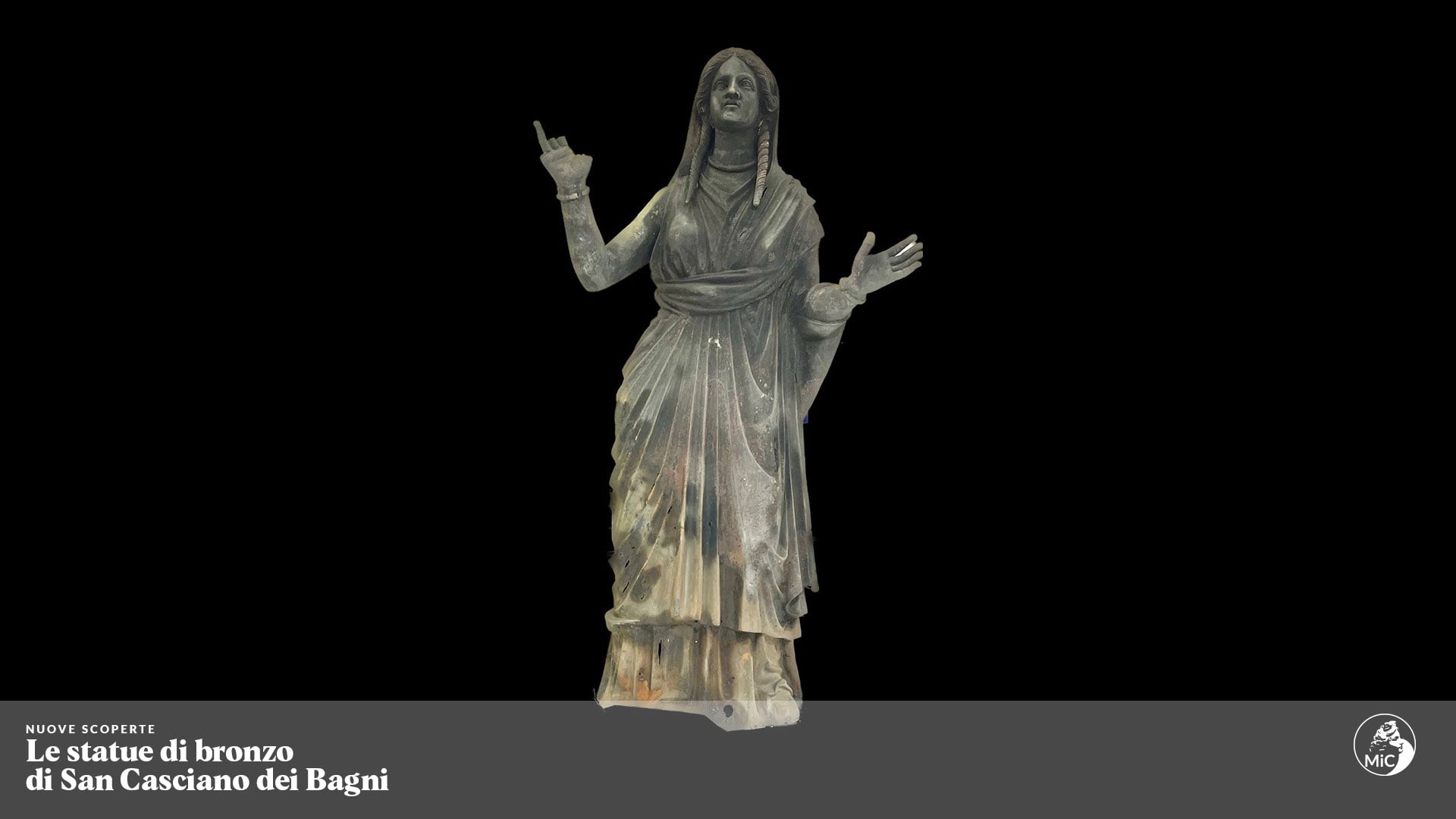
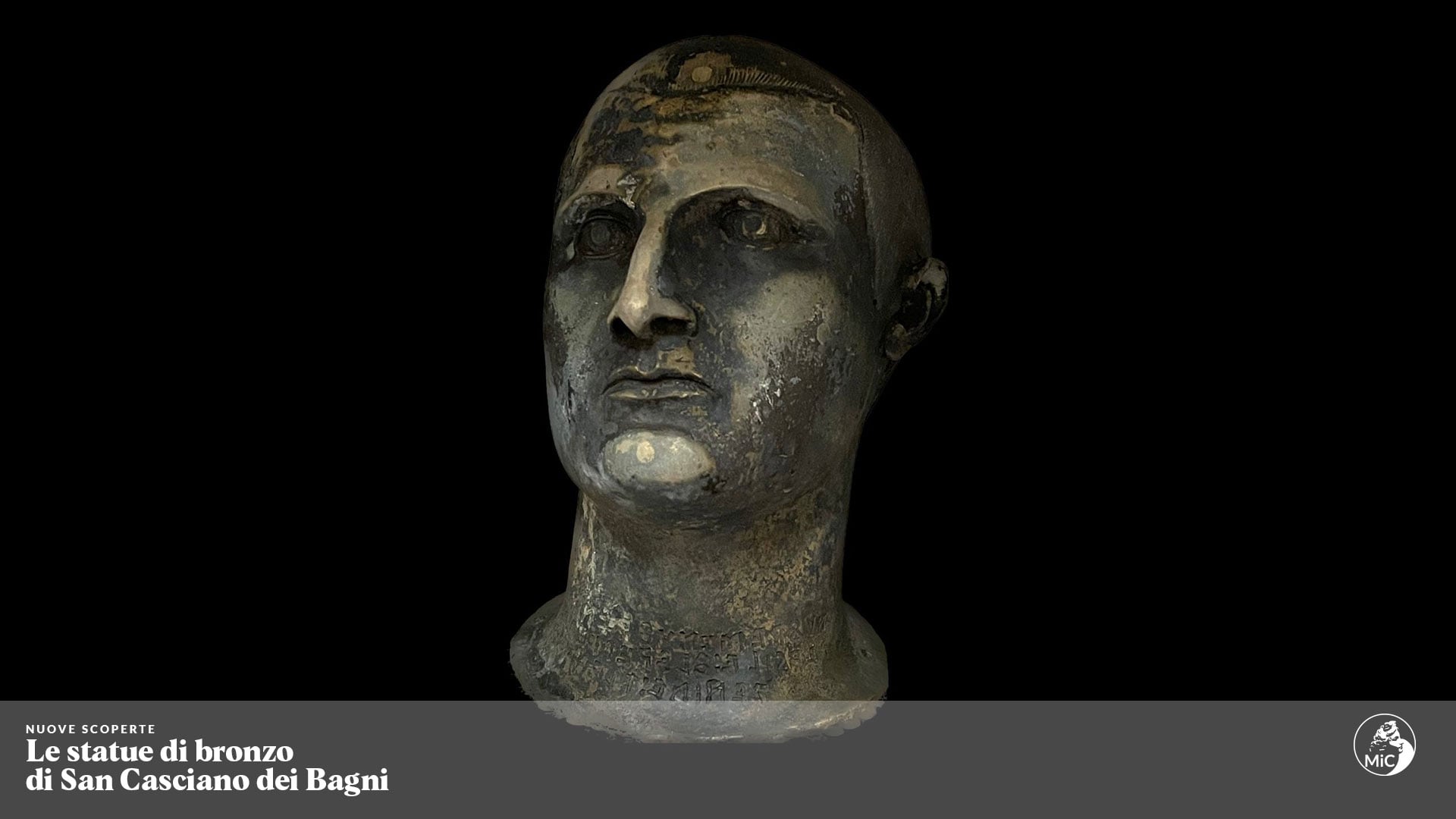
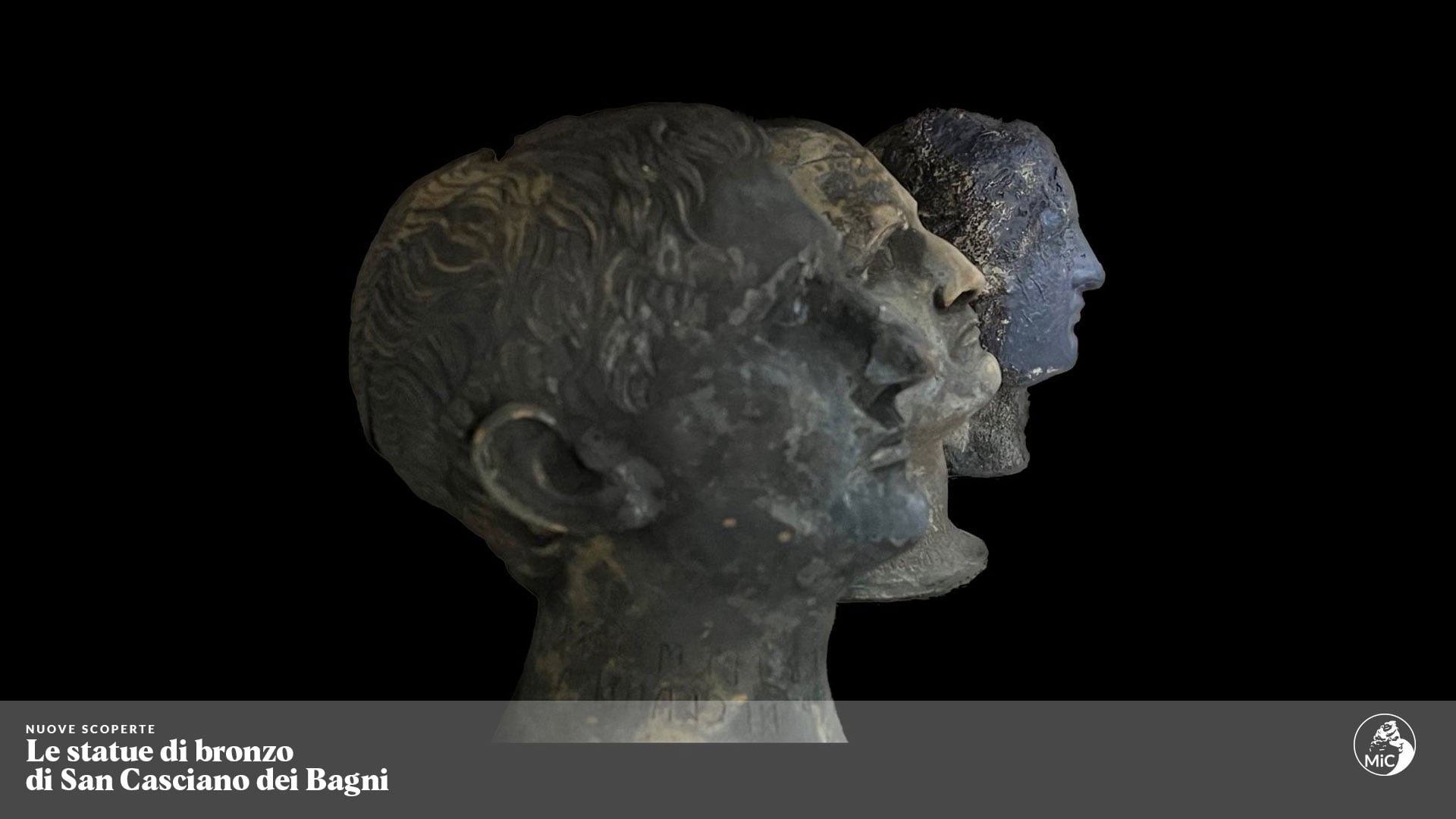
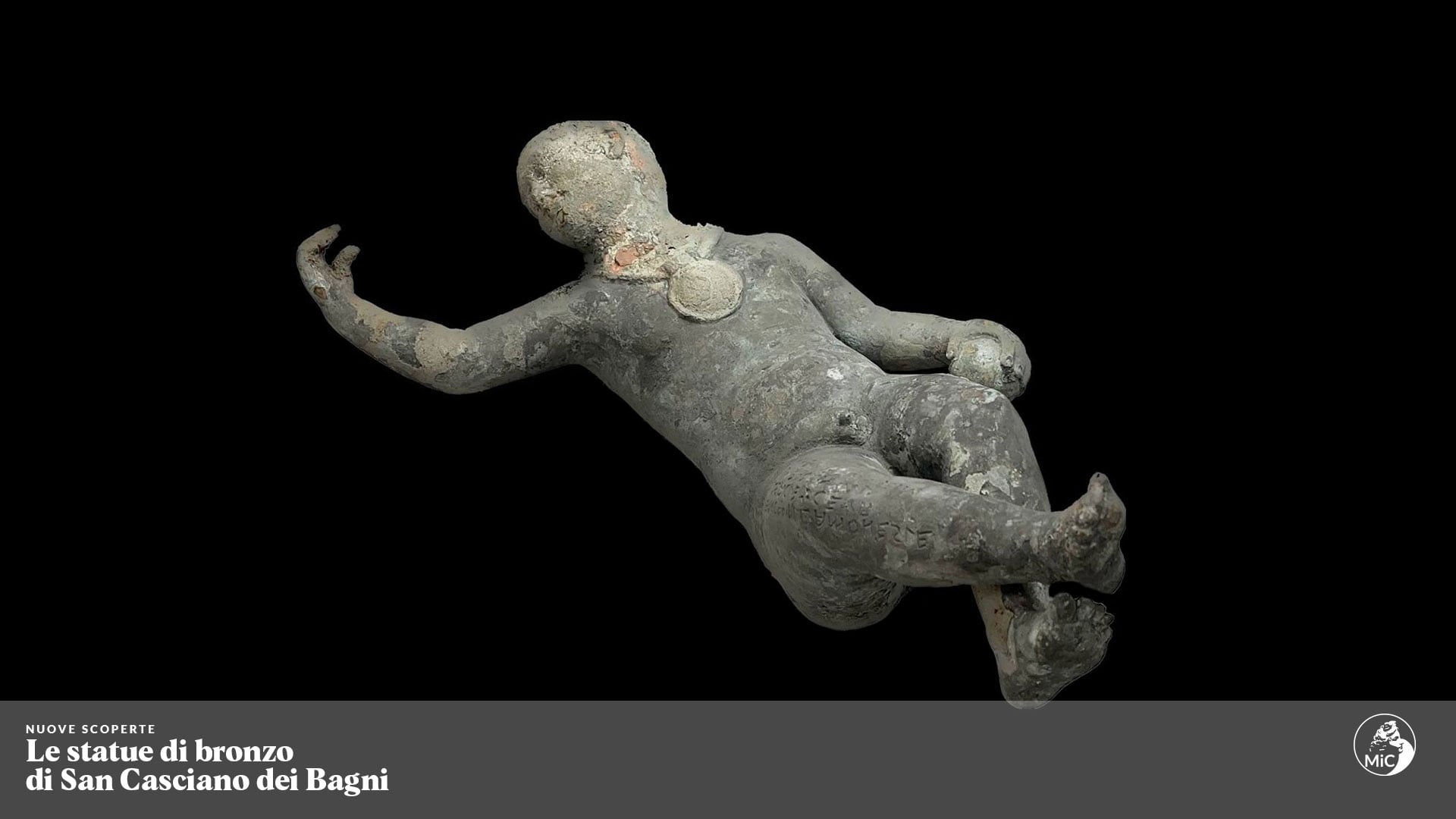
From the thermal waters, the largest discovery ever to emerge in Italy, will rewrite the history of Etruscan-Roman statuary. Over 20 bronze statues in perfect condition, ex voto and other objects, but also five thousand gold, silver and bronze coins. These are the new exceptional discoveries returned by the excavation campaign to the Etruscan-Roman sanctuary connected to the ancient sacred basin of the thermo-mineral spring of the Bagno Grande in San Casciano dei Bagni , in the province of Siena. Started in 2019, the excavation promoted by the Ministry of Culture and the Tuscan municipality with the coordination of prof. Jacopo Tabolli of the University for Foreigners of Siena led to these new extraordinary findsin the first weeks of October. In San Casciano, thanks to recent funding from the MiC , a new museum will be born to house the exhibits. "A discovery that will rewrite history and on which over 60 experts from all over the world are already at work", declares the Etruscologist in charge of the excavation, Prof. Jacopo Tabolli. It is thus in fact that, 50 years after the discovery in 1972 of the famous "Riace bronzes", the history of the ancient bronze statuary of the Etruscan and Roman age is rewritten in San Casciano dei Bagni. T hat of the Tuscan site is the largest deposit of bronze statues of the Etruscan and Roman age ever discovered in Italy ancient and one of the most significant in the whole Mediterranean: unmatched above all because, until now, mainly terracotta statues were known from this era. “An exceptional find , which confirms once more that Italy is a country of immense and unique treasures. The stratification of different civilizations is unique in Italian culture ", declares the Minister of Culture, Gennaro Sangiuliano who, just yesterday, on the occasion of one of his first visits outside Rome, was in Grosseto at the laboratory of the Central Institute of Restoration, where the study activities and the first interventions on the bronzes are in progress. “I personally wanted to congratulate the archaeologists and the research team ”, concluded the Minister. “Study and enhancementthis treasure will be a further opportunity for the spiritual growth of our culture and for the relaunch of territories less known to international tourism, but also as a driving force for the cultural industry of the Nation ”. "It is the most important discovery from the Riace Bronzes and certainly one of the most significant bronzes ever found in the history of the ancient Mediterranean ", comments the Director General of Museums, Massimo Osanna , who has just approved the purchase of the sixteenth-century building that will house in the village of San Casciano the wonders returned by the Bagno Grande, a museum to which a real archaeological park will be added in the future ". "The importance of the method used in this excavation is also represented by the collaboration between specialists of each discipline: from architects to geologists, from archaeobotanists to experts in epigraphy and numismatics", explains the Director of the Directorate General for Archeology, Fine Arts and Landscape of the MiC, Luigi La Rocca. "This discovery offers San Casciano an opportunity that is not only cultural and tourist, but is a real opportunity for rebirth",declares the Mayor of the Tuscan municipality, Agnese Carletti. “A new museum will be born in San Casciano, which will house the exceptional statues, and an archaeological park. Two new places that will be a real engine of development for the territory that will add to the already exciting presence of young archaeologists from all over the world who, thanks to this excavation, are now repopulating the country for many months a year ". The bronzes of San Casciano depict the deities venerated in the sacred place, together with the organs and anatomical parts for which the curative intervention of the divinity was requested through the thermal waters. In recent weeks effigies of Hygieia and Apollo have re-emerged from the hot mud , as well as a bronze that recalls the famous Arringatore, discovered in Perugia and in the historical collections of the National Archaeological Museum of Florence. The exceptional state of conservation of the statues inside the hot spring water has also made it possible to preserve wonderful inscriptions in Etruscan and Latin that were engraved before their creation. The inscriptions contain the names of powerful Etruscan families from the territory of internal Etruria, from the Velimna of Perugia to the Marcni known in the Sienese countryside. Alongside onomastics and dedicatory forms in Etruscan we find inscriptions in Latin, which also mention the aquae calidae, the hot springs of the Great Bath, where the statues were placed. Most of these masterpieces of antiquity date back to between the 2nd century BC and the 1st century AD, a historical period of important transformations in ancient Tuscany, in the passage between the Etruscans and the Romans. In this era of great conflicts between Rome and the Etruscan cities, but also of struggles within the social fabric of the city, the noble Etruscan families in the sanctuary of the Bagno Grande , in a phase in which the expansion of Rome also means cultural osmosis , they dedicated the statues to sacred water. An absolutely unique multicultural and multilingual context of peace, surrounded by political instability and war. “The sanctuary with its statues appears as a research laboratory on cultural diversity in antiquity, a unique testimony of Etruscan and Roman mobility”, explains prof. Jacopo Tabolli , Etruscologist of the University for Foreigners of Siena and director of the scientific project. "Compared to the well-known discoveries of ancient statues in bronze alloys - think for example of the famous Arringatore discovered in Perugia and exhibited at the National Archaeological Museum of Florence - what emerged from the mud in San Casciano dei Bagni is a unique opportunity to rewrite the history of 'ancient art and with it the history of the passage between Etruscans and Romans in Tuscany”. "The discoveries of Bagno Grande constitute an extraordinary excellence in the very rich archaeological heritage on which the Superintendency is called to exercise the functions of protection, confirming once again that the archeology sector can surprise us at any time with new and extraordinary discoveries and possibility of research”, declares the Superintendent of Archeology, Fine Arts and Landscape for the provinces of Siena, Grosseto and Arezzo, Gabriele Nannetti. |