|
#1
●
04-05-2013, 01:55 PM
| ||||||||
 ★ Legacy Member ★ Poster Rank:340 Male Join Date: Mar 2010 Posts: 3,794 Mentioned: 0 Post(s) Quoted: 28 Post(s)
| ||||||||
|
Bidston Hill Deep Shelter
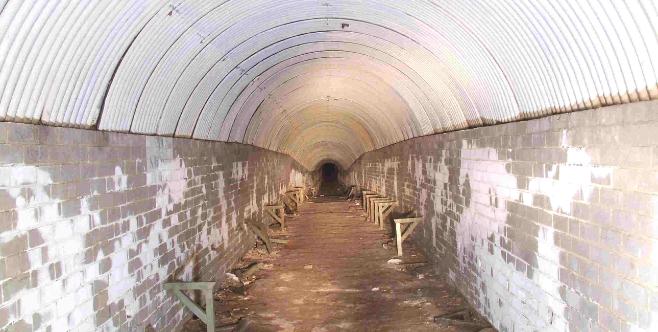
another one very close to where i lived, i have played up on bidston hill many times, there are tunnels that extend right across the Wirral,, the ones depicted here are the bomb shelters,,, there are also the 'Monks Tunnels' which are hundreds of years old and very extensive. Bidston Underground Tunnels For many of the earlier generation the tunnels beneath Bidston were a place to play, a place to explore and a place to hide from the world. But for many years now the tunnels have been shut off from the outside world due to lack of maintenance and persistent health & safety issues. With the exception of the occasional opening to the public, the tunnels are now permanently closed. Minutes of Wirrals Civil Defence Emergency Committee in 1941 reveal that the peninsulas skilled workforce saw it granted almost unprecedented funds to establish two deep air raid shelters. One sprawling under Tranmere around Olive Mount, Thompson Street and Holborn Hill.. The other under Bidston Hills Rhododendron Garden with its entrance facing Hoylake Road. Tickets were to be handed out to ensure access to residents in the event of an air raid. By June 1943 the final bill for the project was £163;48,006 with the corporation paying £163;6510. The tunnels were 7 feet wide and 6 feet high with a large arched roof. A reporter in 1943 advised that due to the unreliable nature of the rock costs increased, and it was noted that the unskilled workforce available had been markedly inferior to the Tranmere Shelter. Less explosives were required in Bidston, and the spoil was tipped close to the entrance which accounts for the rise in the grassed land around the Hoylake Road area. Emergency Committee minutes also reveal that during construction the project was plagued with trespassers and vandalism, not just a modern problem then !! Nine hundred and fifty tonnes of sand were sold to a contractor for building purposes. Although it never saw the scale of use it was intended for, tickets do still exist and people did shelter under Bidston. There were 2213 bunks and 793 seats, as well as a canteen staff dormitory, toilets, medical posts and a ventilation shaft which could double as an emergency escape hatch if necessary. Chair of Bidston Preservation Society Peter Crawford has conducted meticulous research into the shelter. He said "As a child i remember seeing the escape shaft building on Bidston Hill. It was a brick structure about 8 feet tall, and inside were a series of ladders which meant people could get out if the Rhododendron Garden entrance was hit. After the war it was a real problem for police because if someone got in there and got into trouble there was very little chance of them being found. This was a structure that could house 3000 people and it was totally dark. In the 1960s they saw it as a p[lace the could be of use because of the Cold War, but there was a lot of dry rot in the timber work" Peter hopes that with the right investment, Wirral could make the most of the Bidston shelter as a tourist attraction revealing the true nature of the home front area. He added " The people working in the dockland were irreplaceable, skilled labour was vital and structures like Bidston shelter show how seriously the threat was taken". As the police reports from the time show, the tunnels were an extremely dangerous site, and it is worth pointing out to would be adventurers that thanks to the careful application of huge amounts of concrete the tunnels are now completely inaccessible. However in November 2007 before they were resealed, a small band of Wirral adventurers gained access to the caves for one last expedition. Of course i cannot condone this action, and I'm sure that the men who entered the cave would not recommend it to anyone, however curiosity got the better of them, and as result we have a great many photographs of the inside of the tunnels and a short video guide of the walk through. http://www.28dayslater.co.uk/forums/...ch-2012-a.html the wirral has awesome history  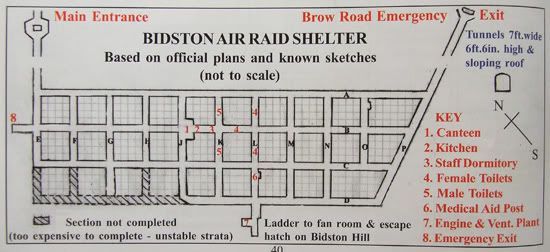 · 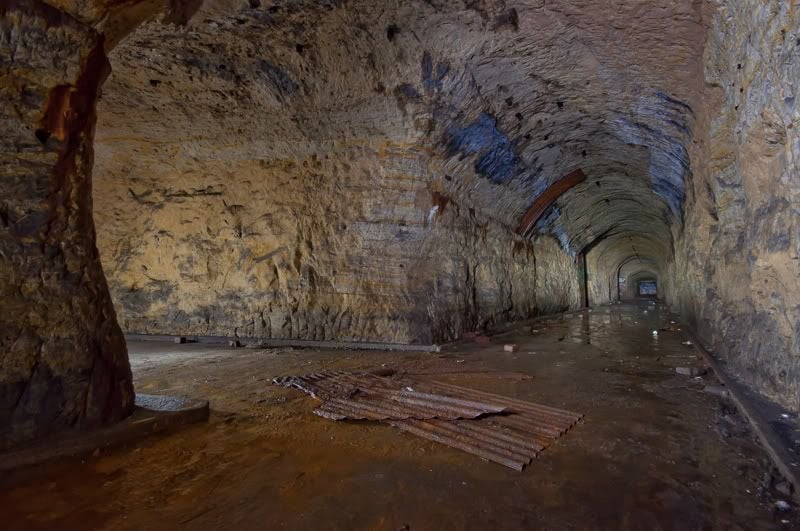 · 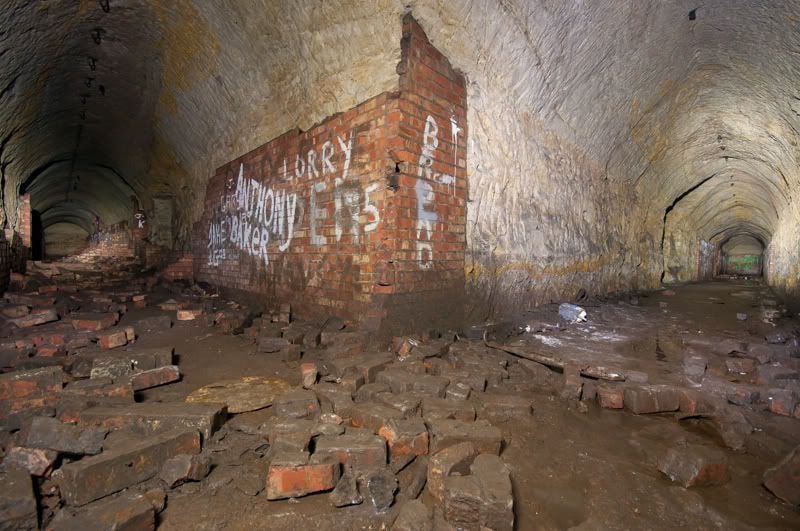 · 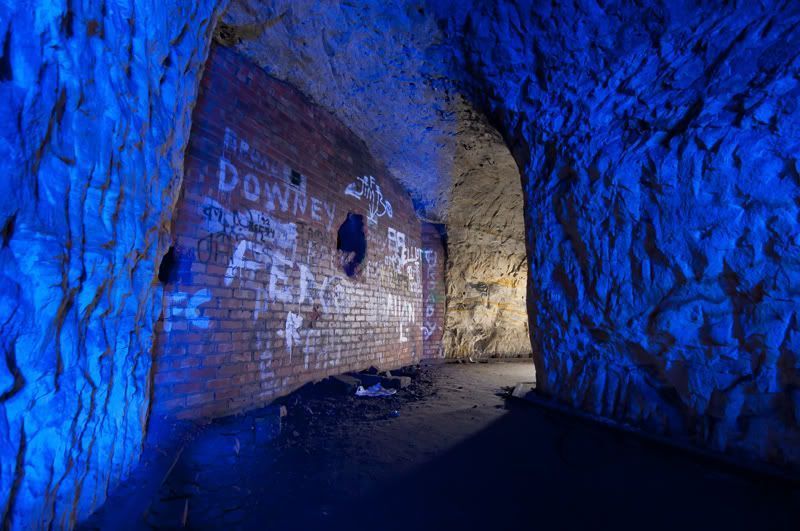 · 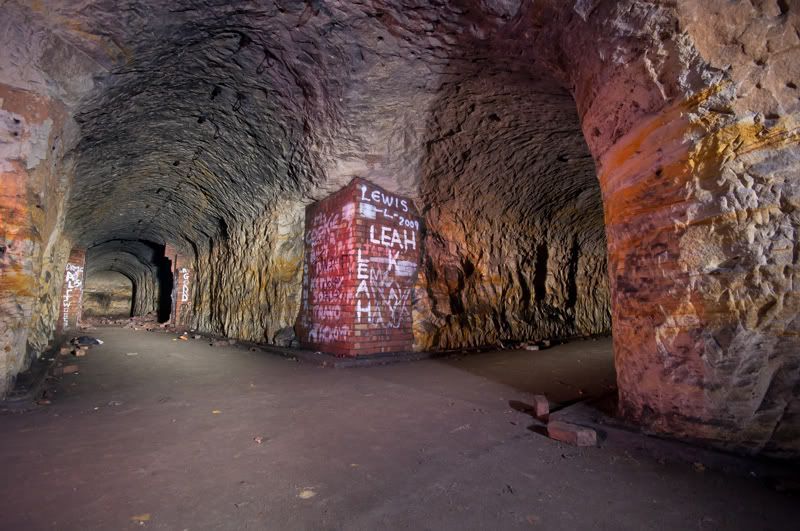 · 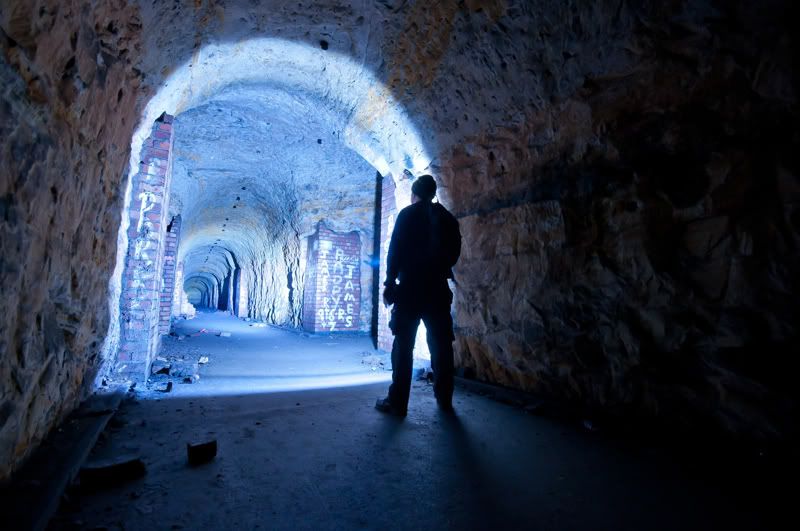 · 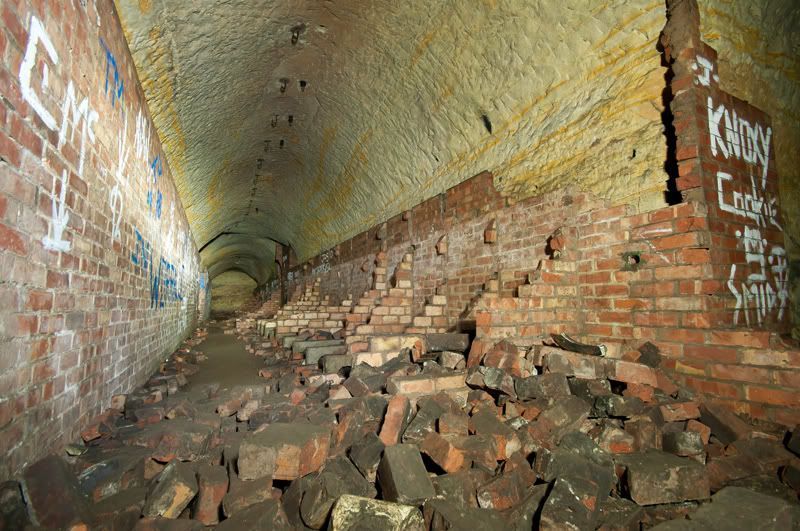 · 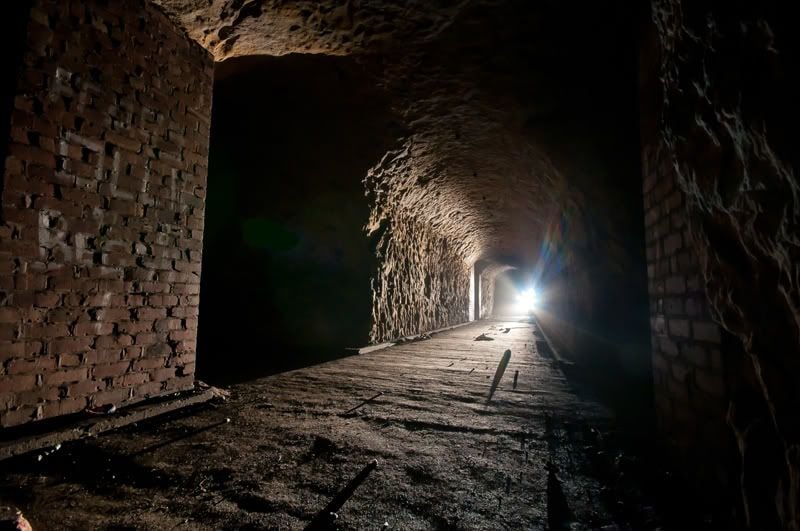 · 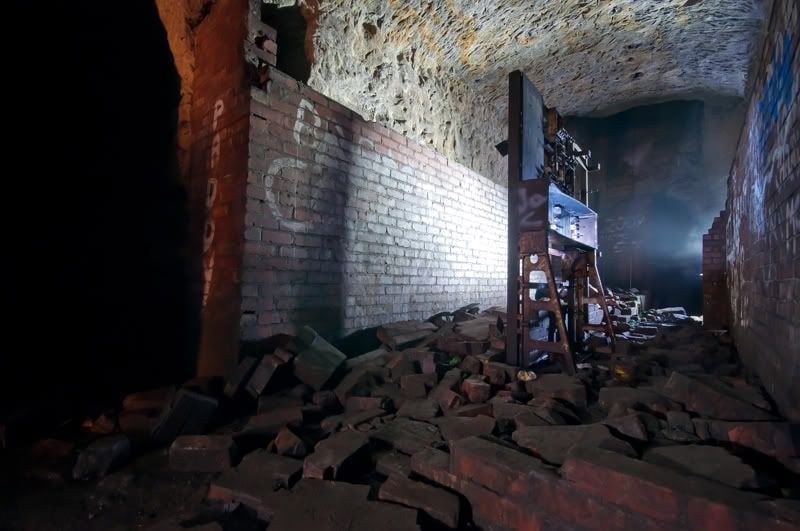 · 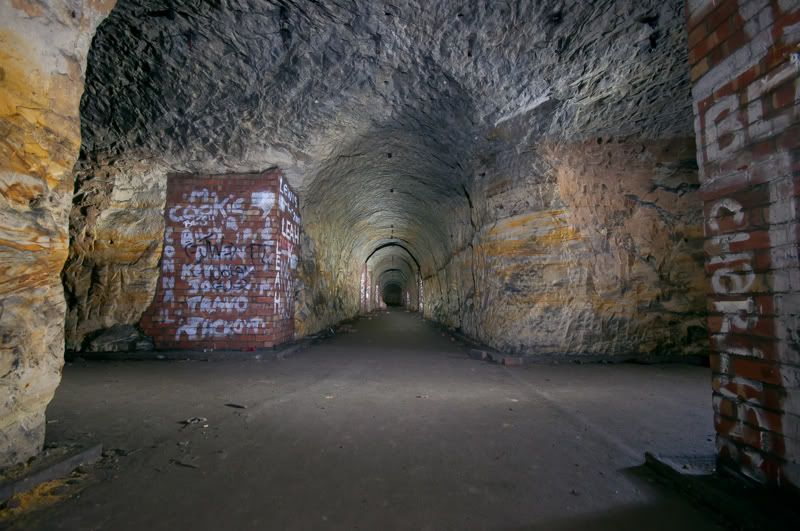 · 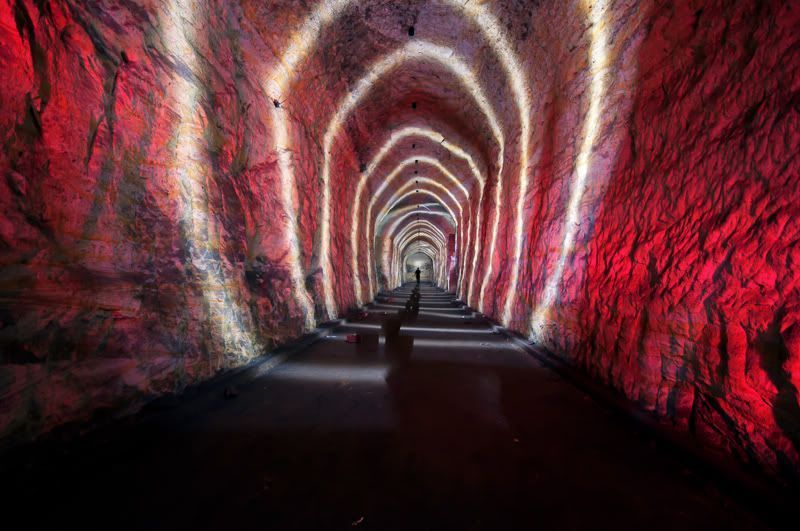 ·  · |