|
#1
●
04-03-2026, 07:23 PM
| ||||||||
 ✝Mudderator from Hell✝ Poster Rank:10 e-mail Join Date: Oct 2006 Posts: 96,370
Contributions: 817
Mentioned: 476 Post(s) Quoted: 10314 Post(s)
| ||||||||
|
American Airlines Flight Passenger Captures Space Launch System Rocket
Passengers on an American Airlines flight from Atlanta to San Juan, Puerto Rico, captured video of the SLS rocket ascending through the atmosphere. From an altitude of approximately 35,000 feet, the rocket's brilliant exhaust plume and arc were clearly visible, creating the illusion of being "close" even though the plane remained outside a 33-nautical-mile exclusion zone. Artemis II launched from Kennedy Space Center in Florida at 6:35 p.m. EDT on April 1, 2026 with the crew that consists of Reid Wiseman, Victor Glover, Christina Koch, and Jeremy Hansen. They are currently on a 10-day journey to fly around the Moon. During the first 8 minutes of the flight, the four RS-25 engines and two solid-fuel rockets/boosters delivered more than 8 million pounds of thrust to launch the Orion capsule into space. After the rocket had placed the Orion capsule into orbit, the various stages, the boosters and the central stage, detached and fell back into the atmosphere. As of now they're approx. 100,000 miles from Earth and on track for their lunar flyby scheduled for Monday, April 6. |
|
#2
●
04-06-2026, 09:17 AM
| ||||||||
| ✝Mudderator from Hell✝ Poster Rank:10 e-mail Join Date: Oct 2006 Posts: 96,370
Contributions: 817
Mentioned: 476 Post(s) Quoted: 10314 Post(s)
| ||||||||
|
Re: American Airlines Flight Passenger Captures Space Launch System Rocket
|
|
#3
●
04-07-2026, 10:58 AM
| ||||||||
| ✝Mudderator from Hell✝ Poster Rank:10 e-mail Join Date: Oct 2006 Posts: 96,370
Contributions: 817
Mentioned: 476 Post(s) Quoted: 10314 Post(s)
| ||||||||
|
Re: American Airlines Flight Passenger Captures Space Launch System Rocket
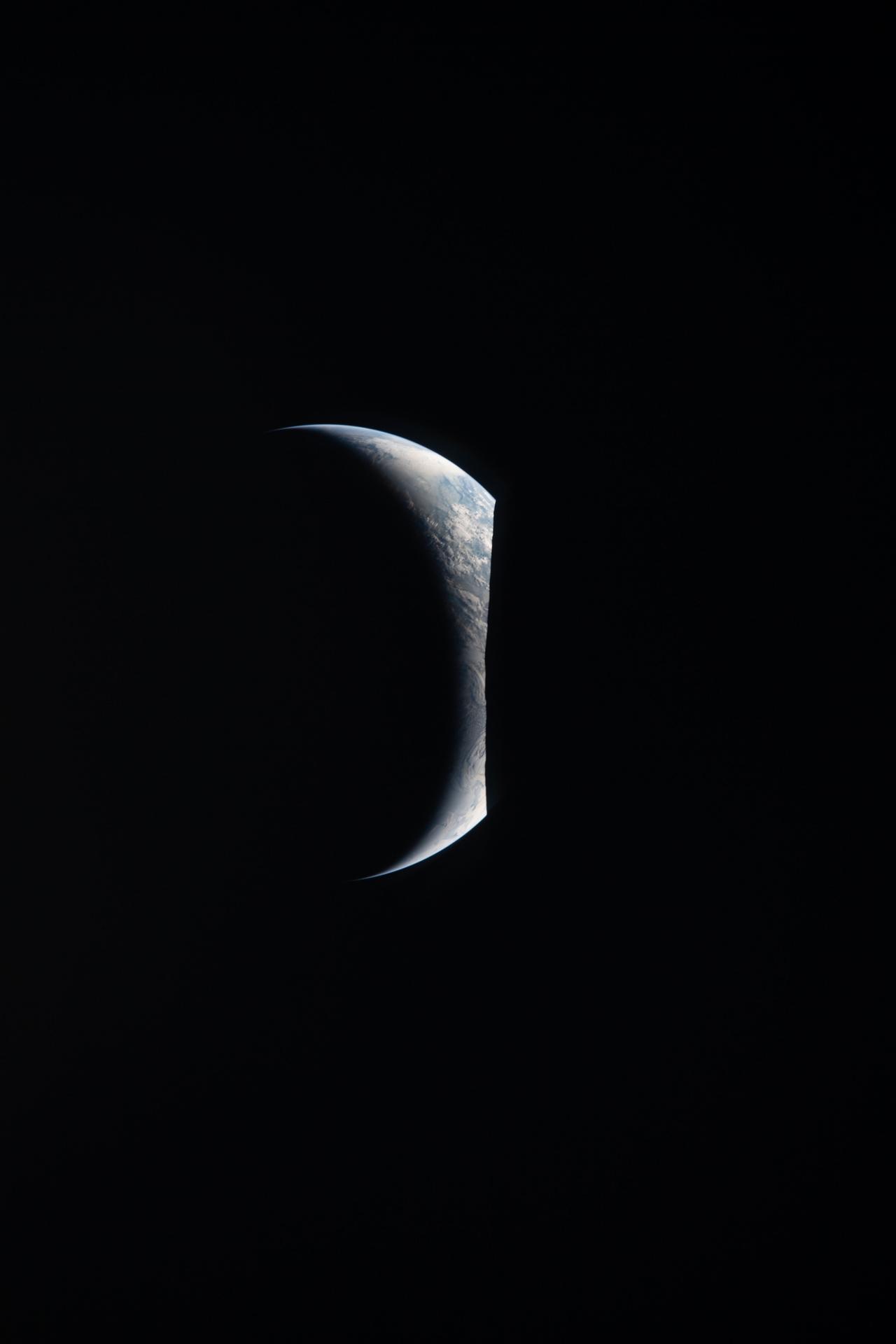
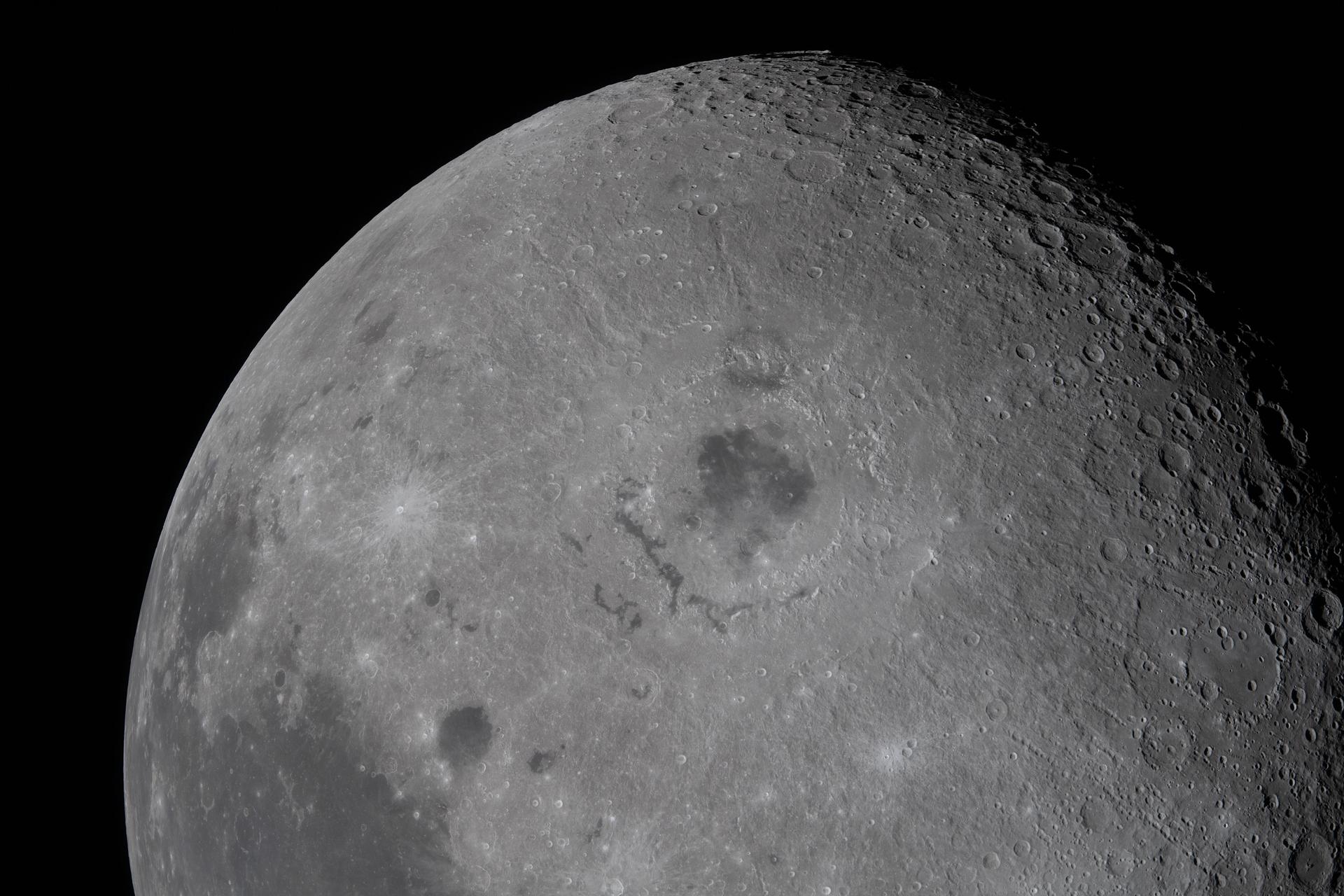
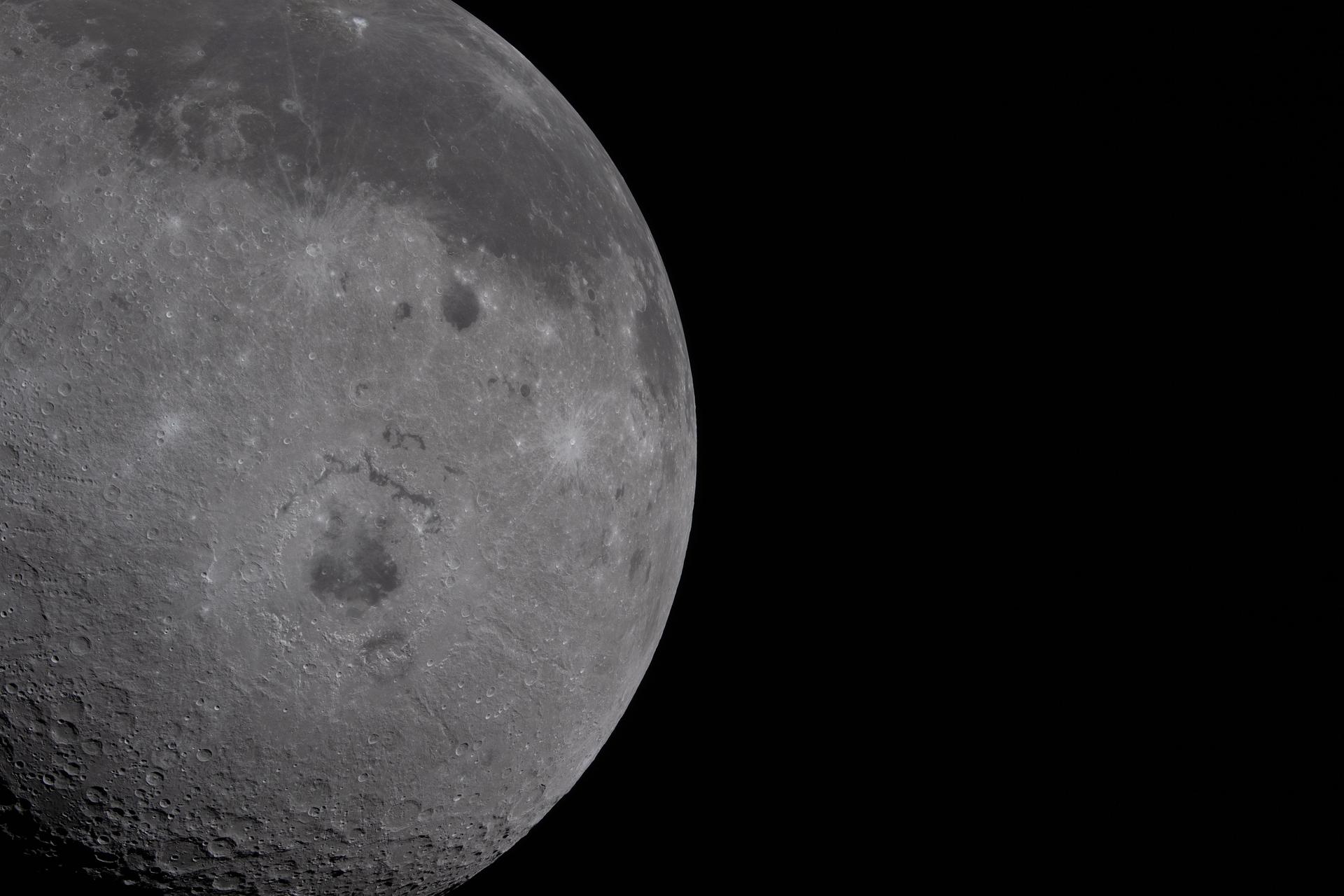
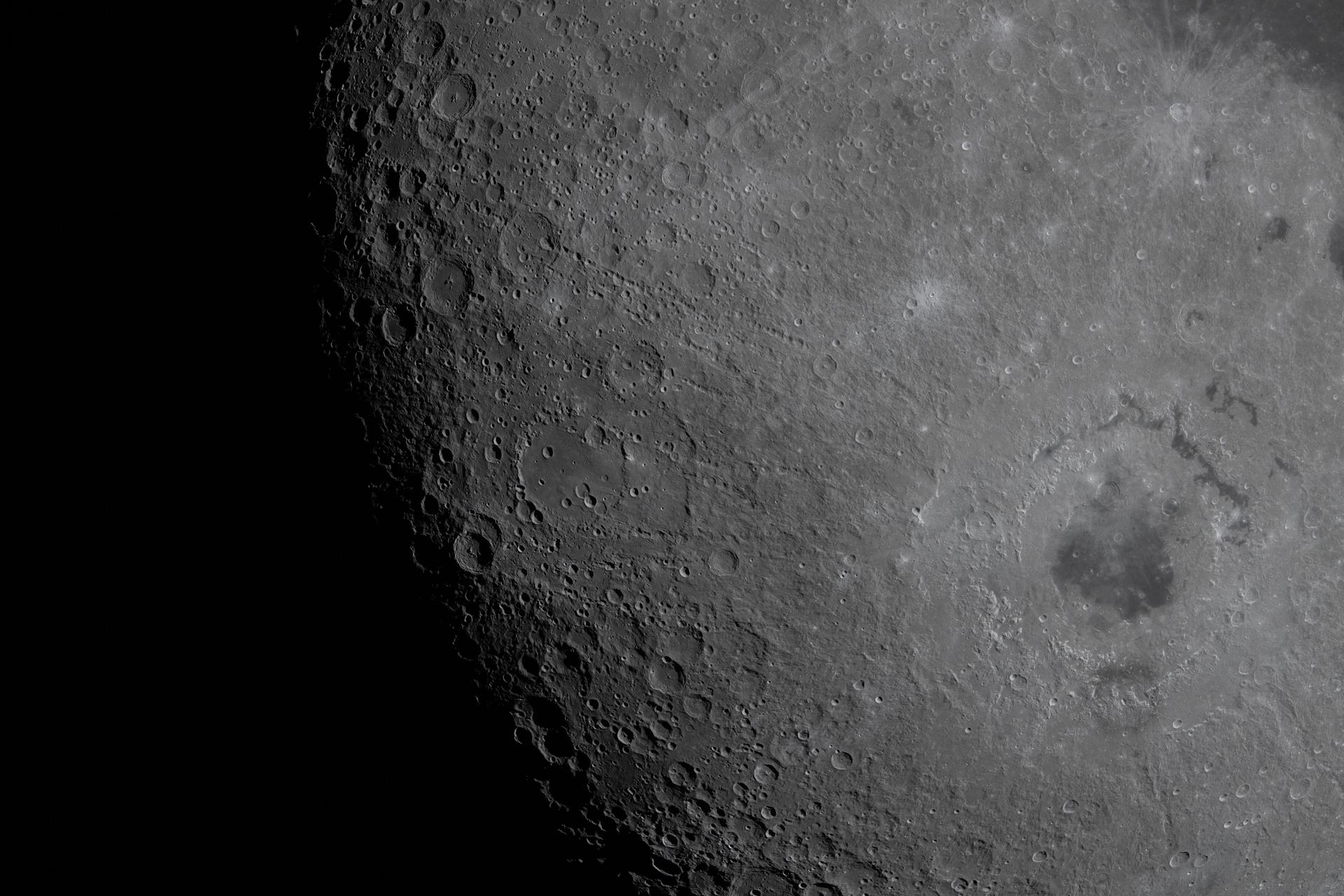
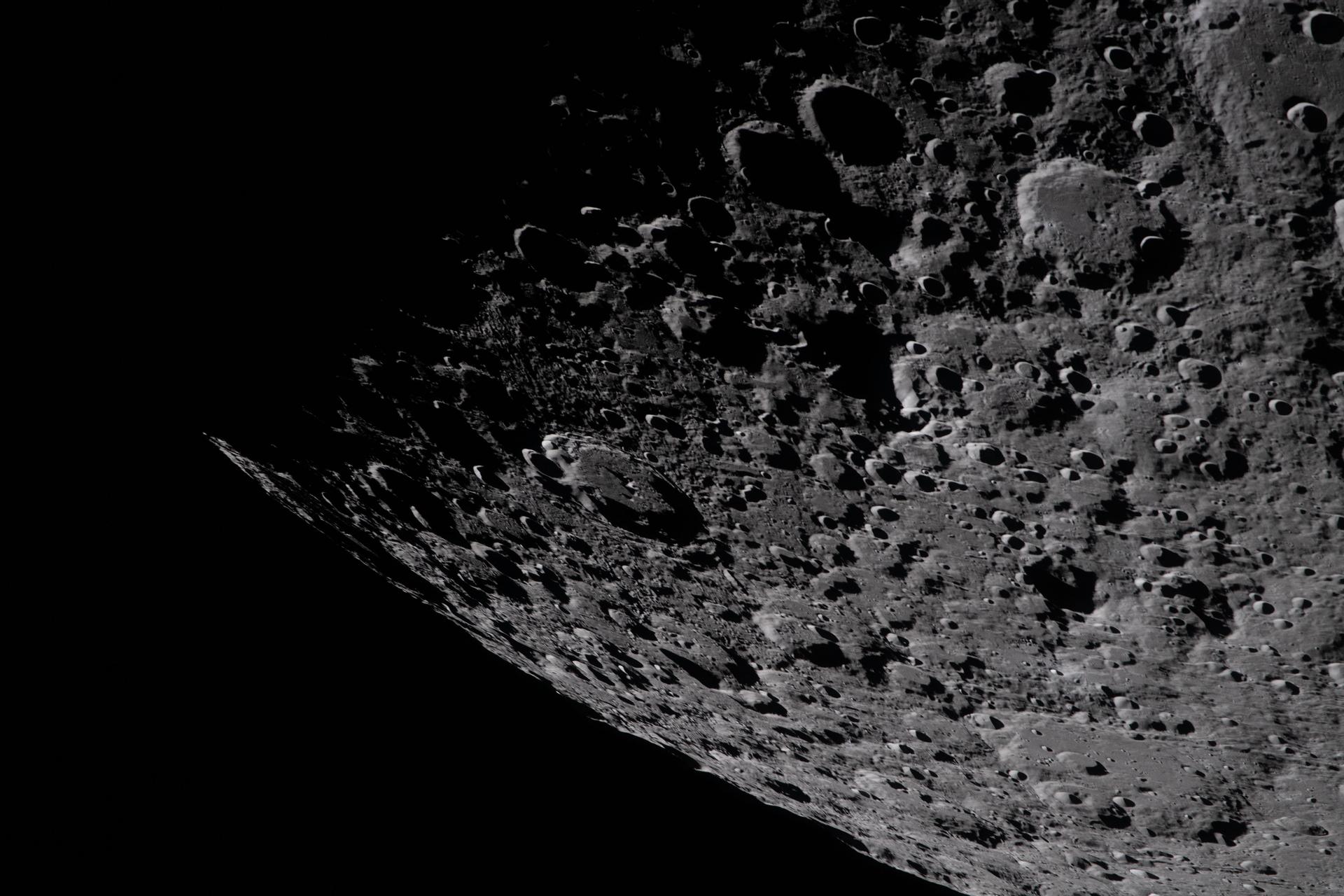
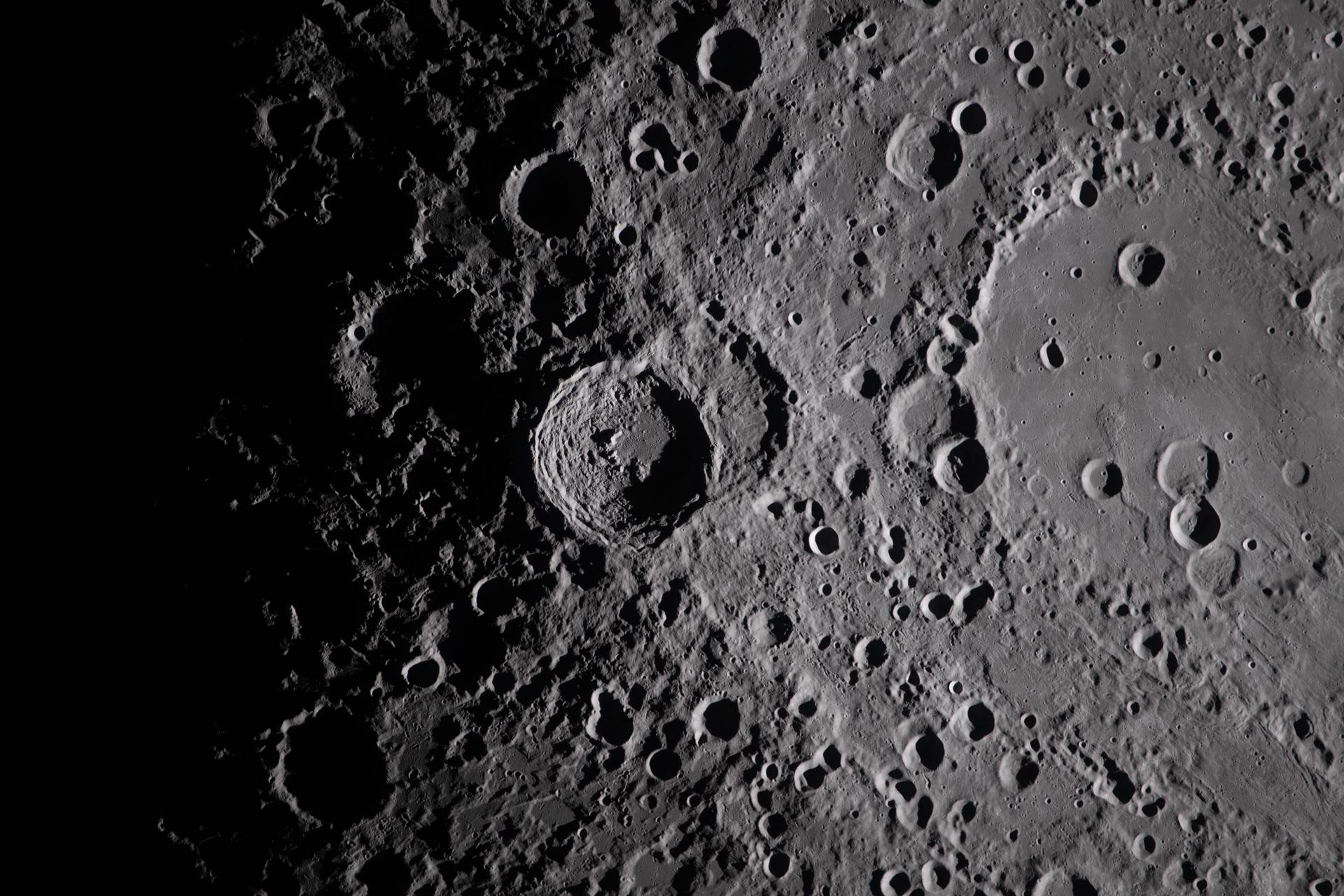
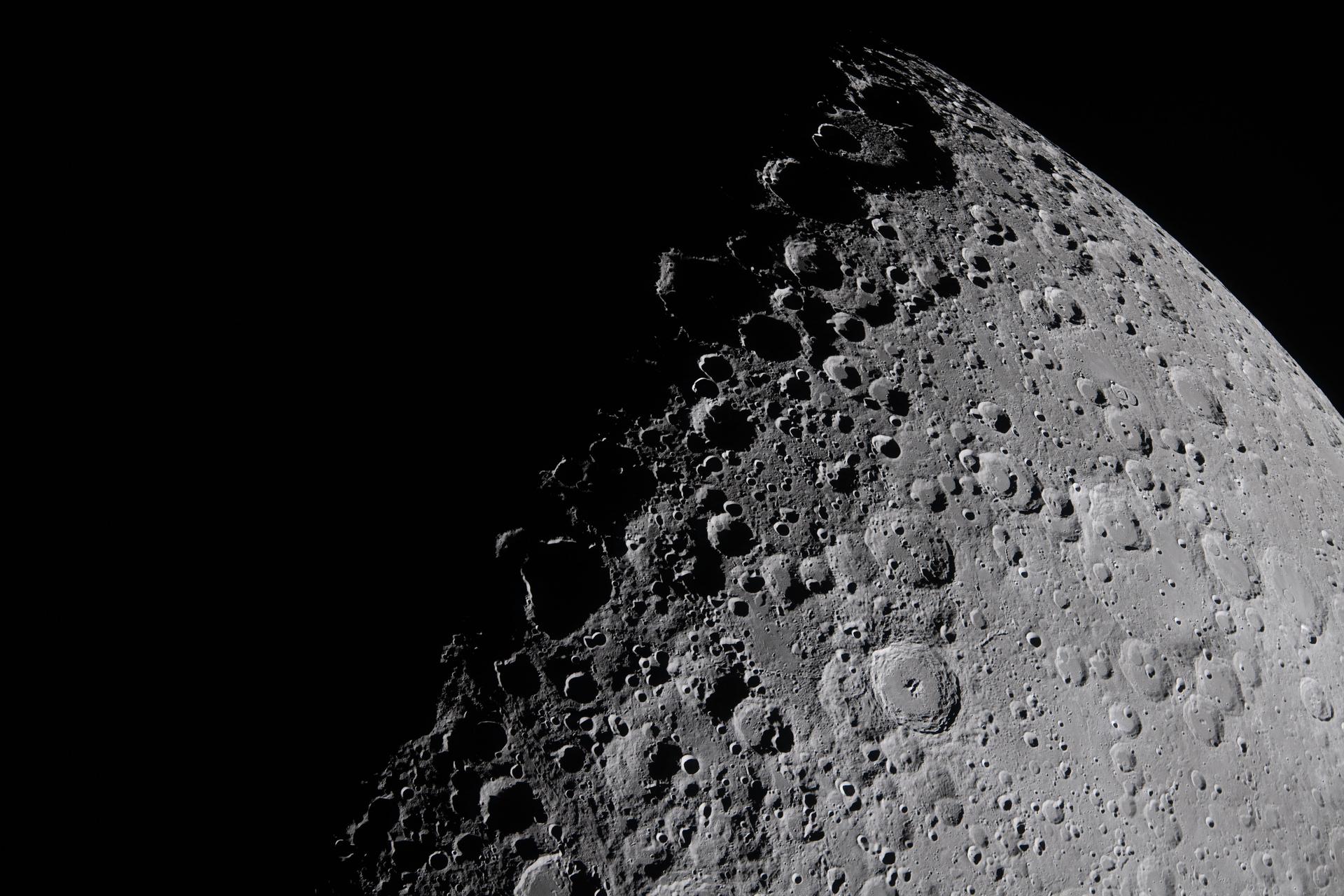
pics.
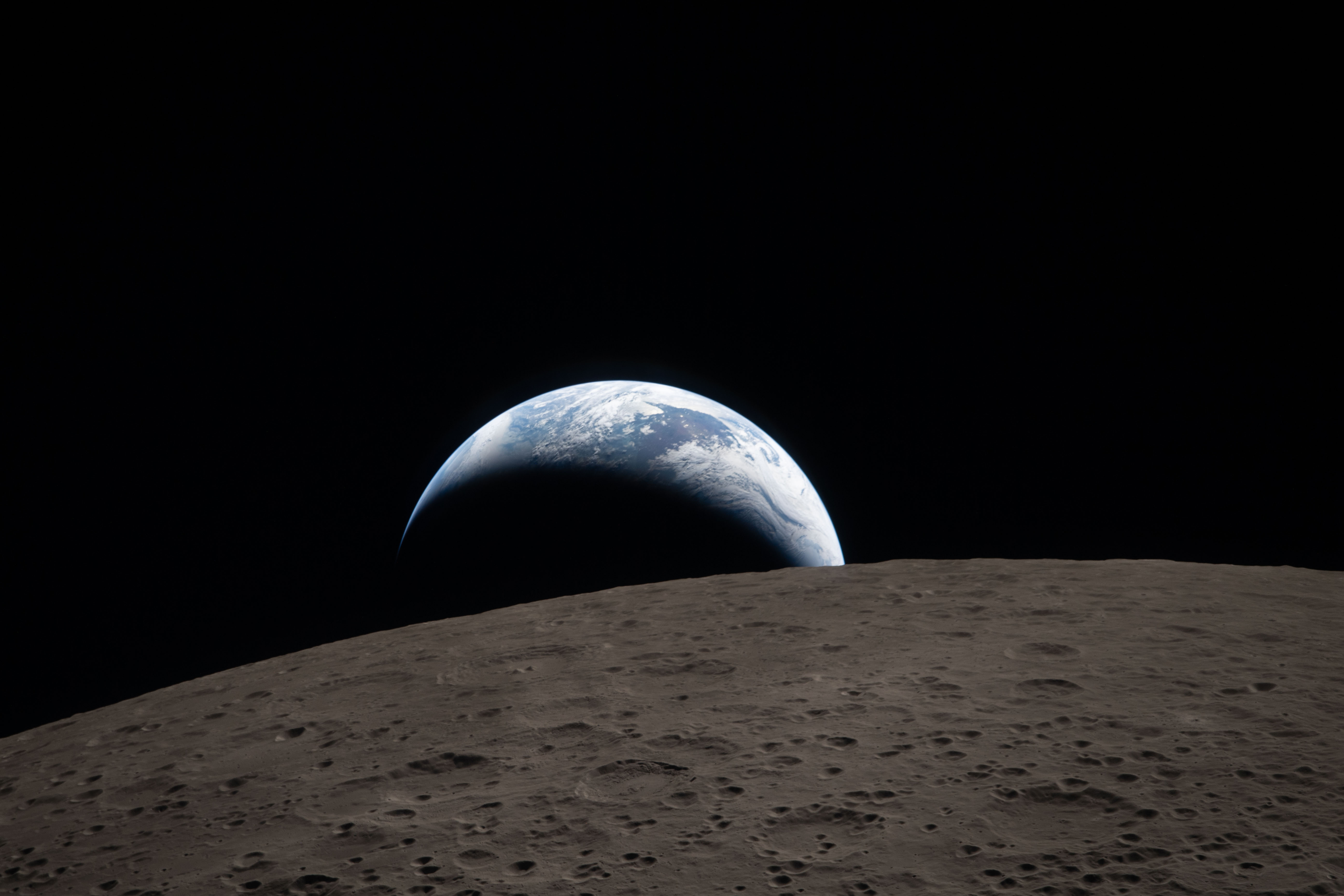 · 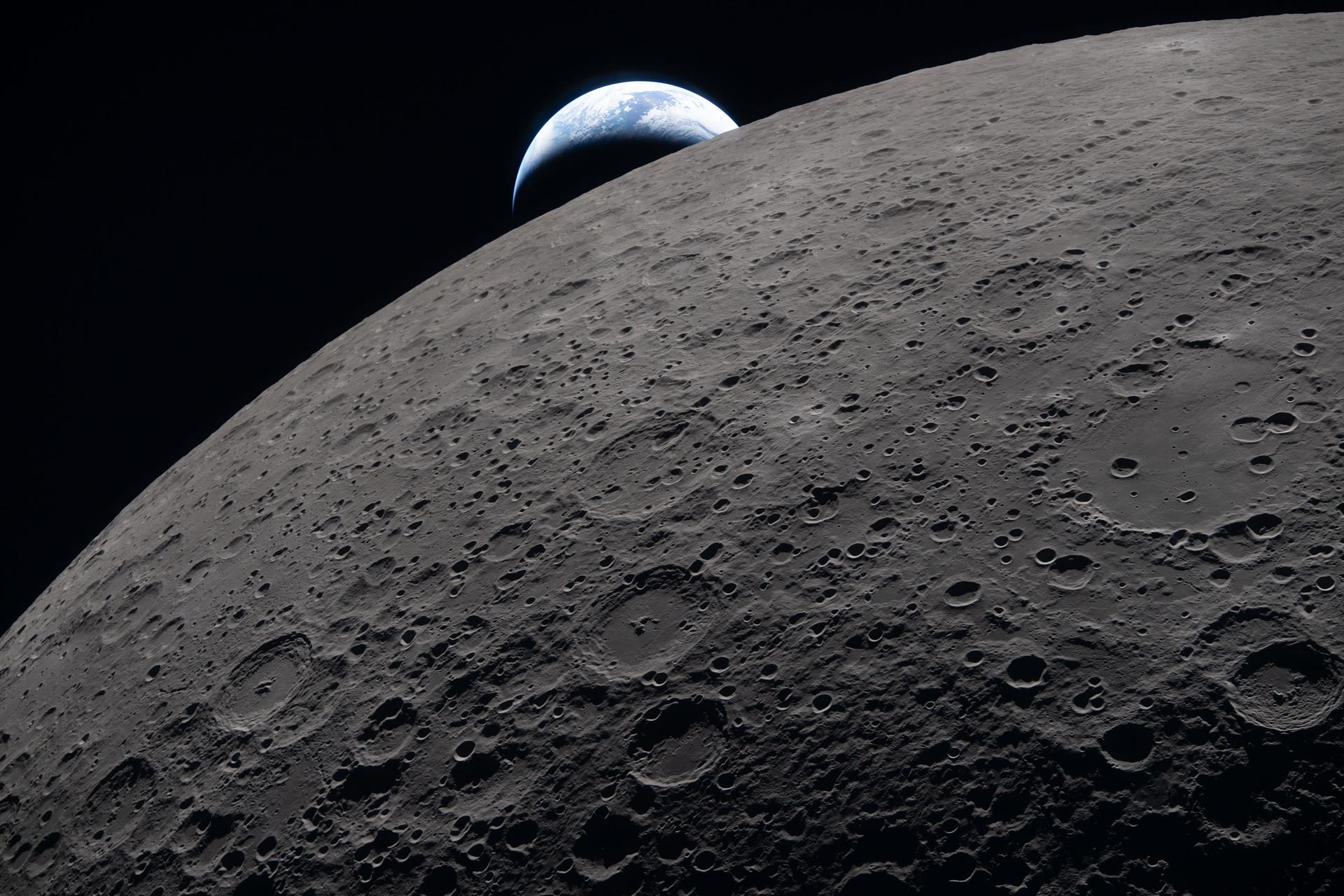 · 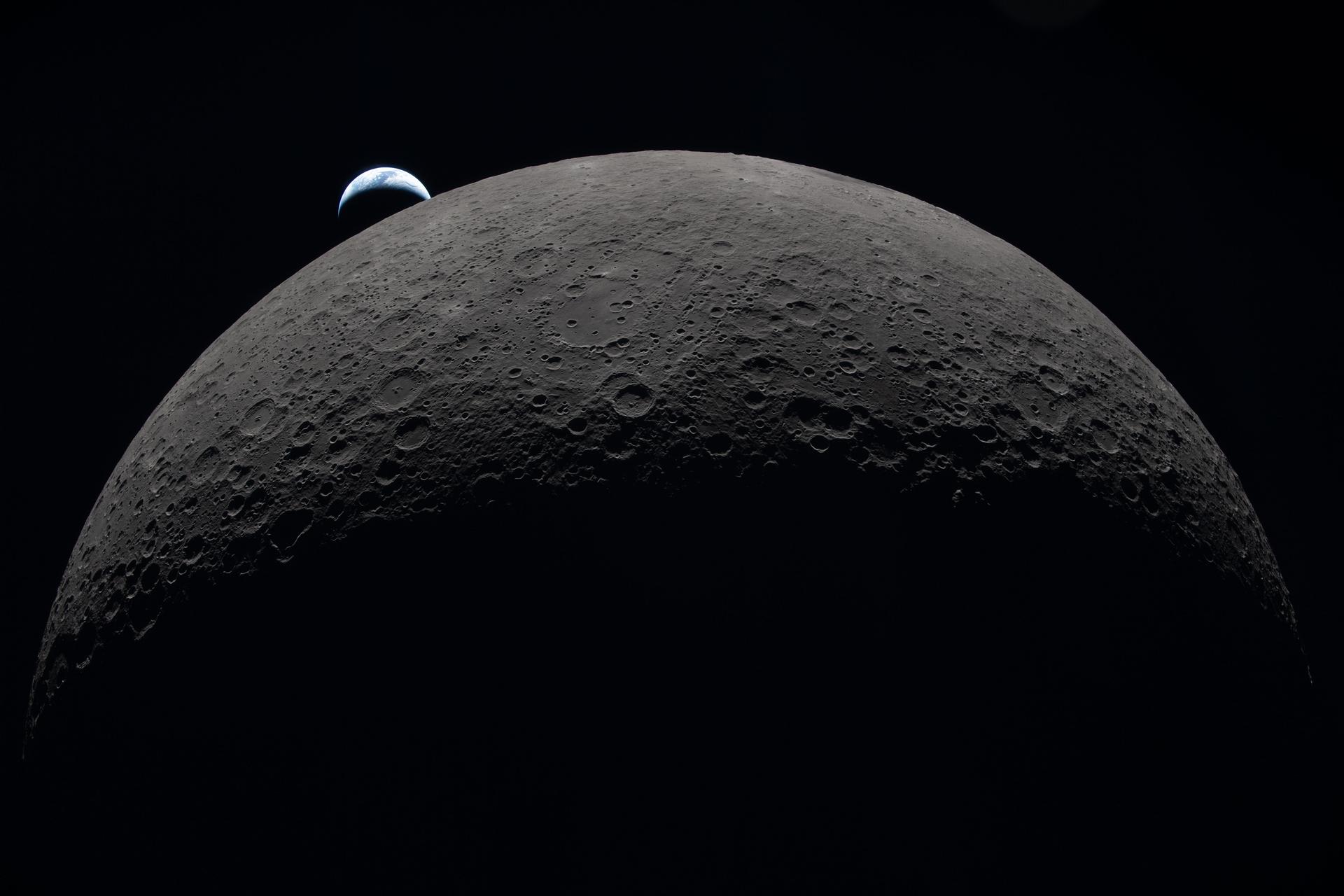 · 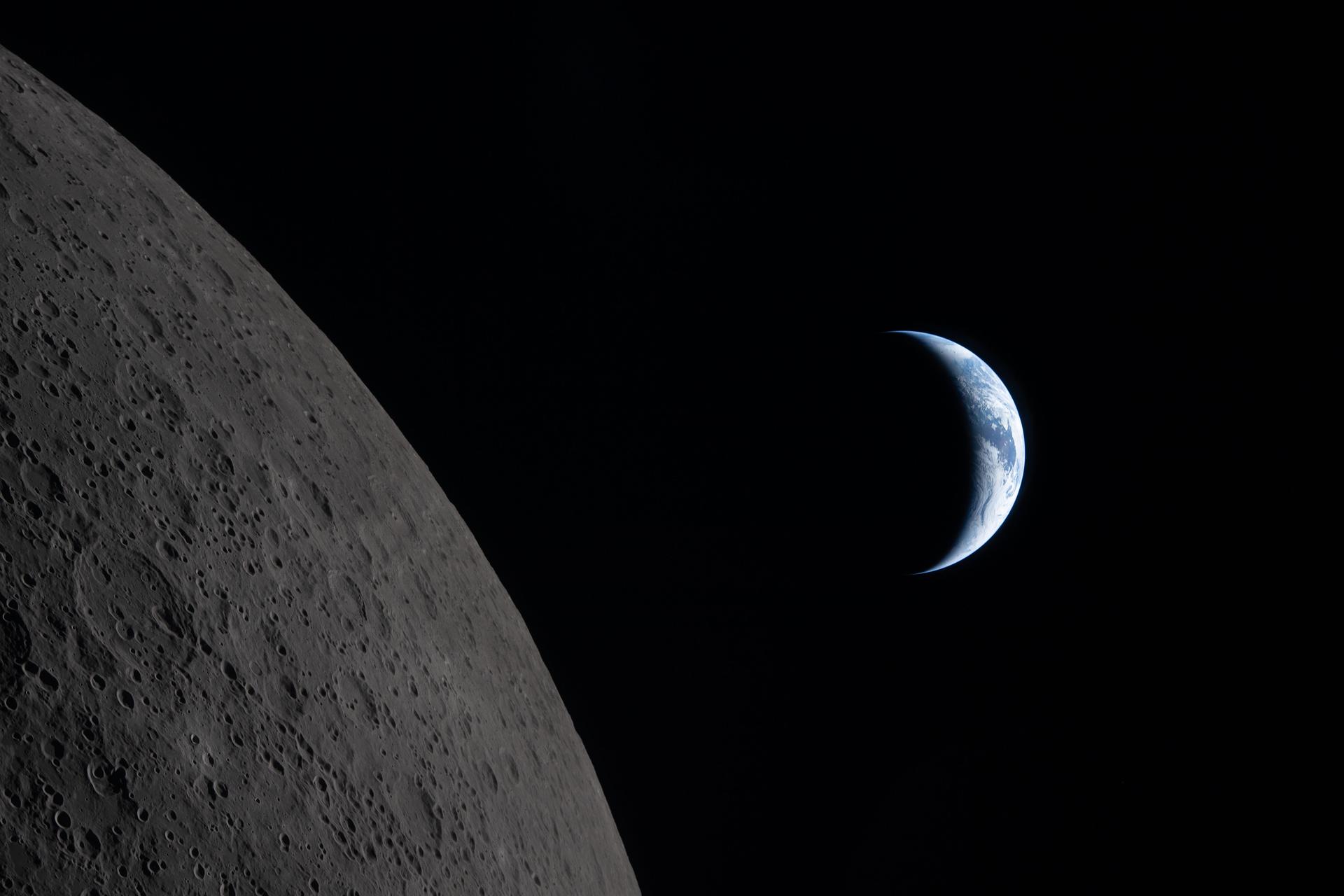 ·  ·  ·  ·  ·  ·  ·  · |
|
#4
●
04-08-2026, 07:41 AM
| ||||||||
| ✝Mudderator from Hell✝ Poster Rank:10 e-mail Join Date: Oct 2006 Posts: 96,370
Contributions: 817
Mentioned: 476 Post(s) Quoted: 10314 Post(s)
| ||||||||
|
Re: American Airlines Flight Passenger Captures Space Launch System Rocket
The closest video of the moon in history was just filmed at 100km.
|
|
#6
●
04-09-2026, 01:38 AM
| ||||||||
| ♚ Legacy Gold Member ♚ Poster Rank:93 Male Join Date: Nov 2009 Posts: 17,069 Mentioned: 8 Post(s) Quoted: 4672 Post(s)
| ||||||||
|
Re: American Airlines Flight Passenger Captures Space Launch System Rocket
No, I think they have MUCH better cameras than we had 50 years ago. I bet they have better color capture, and better glare suppression. Probably better optical systems too. These pics look REALLY awesome when you put them up against the old ones. The new better colors might also come because we now can see them better, but also because those asteroids brought their colors with them from wherever they came from. Kind of like "Painting with all the colors of the universe"  Either that, or "WHOOPSIE!!! The alien landing to put a base on the moon, with which to watch those Sneaky Earthlings, did NOT go so well!" |
|
#7
●
04-09-2026, 04:14 AM
| ||||||||
| ✝Mudderator from Hell✝ Poster Rank:10 e-mail Join Date: Oct 2006 Posts: 96,370
Contributions: 817
Mentioned: 476 Post(s) Quoted: 10314 Post(s)
| ||||||||
|
Re: American Airlines Flight Passenger Captures Space Launch System Rocket
Orion is carrying 32 cameras and devices, including any instrument with a lens capable of capturing photos or video, inside or on the exterior of the vehicle. The systems support engineering, navigation, crew monitoring, and a range of lunar science and outreach activities. 15 cameras are mounted directly to the spacecraft, and 17 are handheld cameras operated by the crew. 4 Solar array wing cameras located at the tips of each solar panel on the service module. These can rotate to take selfies of the spacecraft with the Earth or Moon in the background. 1 Optical navigation camera which is a specialized camera used to photograph the Earth and Moon. The onboard computer analyzes these images to autonomously determine Orion’s position and velocity. 3 Internal cabin cameras which are wireless cameras positioned to capture the crew's perspective. One looking out the pilot’s window, one over the commander's shoulder, and one looking up through the hatch at the parachutes. 3 Callisto cameras which are part of a technology demonstration (by Lockheed Martin, Amazon, and Cisco) to test deep-space video conferencing via Webex. 2 High-Speed exterior cameras that are dedicated to record the deployment of the parachutes during the descent and splashdown. 1 Heat shield camera that captures images of the heat shield after the Crew Module separates from the Service Module during re-entry. 1 European service module camera which is used to monitor critical structural events, such as stage separation. The crew carries Nikon D5 DSLRs which is the primary workhorses for high-resolution stills. They are modified to withstand the high-radiation environment of deep space. Nikon Z9 Mirrorless which is a newer addition to the kit, used to test how modern mirrorless sensors handle cosmic radiation compared to traditional DSLRs. GoPro Action Cameras. Various models (incl. modified Hero series) used for wide-angle interior footage and vlogging-style updates. iPads/Smartphones used by the crew for personal documentation, quick snapshots, and interface tasks, though they remain offline during the flight. Visuals are getting processed and is done to convert raw data into a form that matches human vision or highlights specific scientific details. They're adjusting colors to account for the harsh, direct sunlight of space, which lacks the filtering effect of Earth’s atmosphere. They're refining low-resolution frames sent via limited bandwidth to improve clarity and remove digital noise. They're correcting lens distortions, such as the curved fisheye effect caused by wide-angle cameras on the spacecraft. They also combining multiple smaller images to create large, high-resolution panoramas of the lunar surface or the Earth. The videos undergo two specific technical processes before being posted. The 4K video was transmitted via the Orion Artemis II Optical communications system, which uses infrared lasers. This allowed for much higher resolution than previous missions, meaning the crispness is real, not a digital enhancement. Some of the smooth flyover videos are time-lapses made by stitching together high-resolution still photos taken seconds apart to create a fluid motion effect. The highest resolution 4K video and raw photos are stored on the cameras' flashcards and are only fully available once the crew returns to Earth and the hardware is recovered. Because the Earth and Moon are extremely bright in direct sunlight, cameras use a fast shutter speed to capture them clearly. The faint light of distant stars is too weak to show up at these settings. If the camera were set to see stars, the Earth and the spacecraft would appear as bright, overexposed white blobs. NASA makes the RAW data from many missions publicly available, allowing citizen scientists to process the same original files used by NASA experts. For Mars pics NASA often releases 3 versions of Martian landscapes: 1. RAW: The image exactly as the sensor recorded it. On Mars, this often looks very red or orange due to the dust and lighting. 2. Natural Color: Adjusted to look like what you would see if you were standing on Mars. 3. White-Balanced: Adjusted to look as if it were under Earth’s lighting conditions. This helps geologists identify different types of rocks and minerals that might be hidden by the red Martian tint. 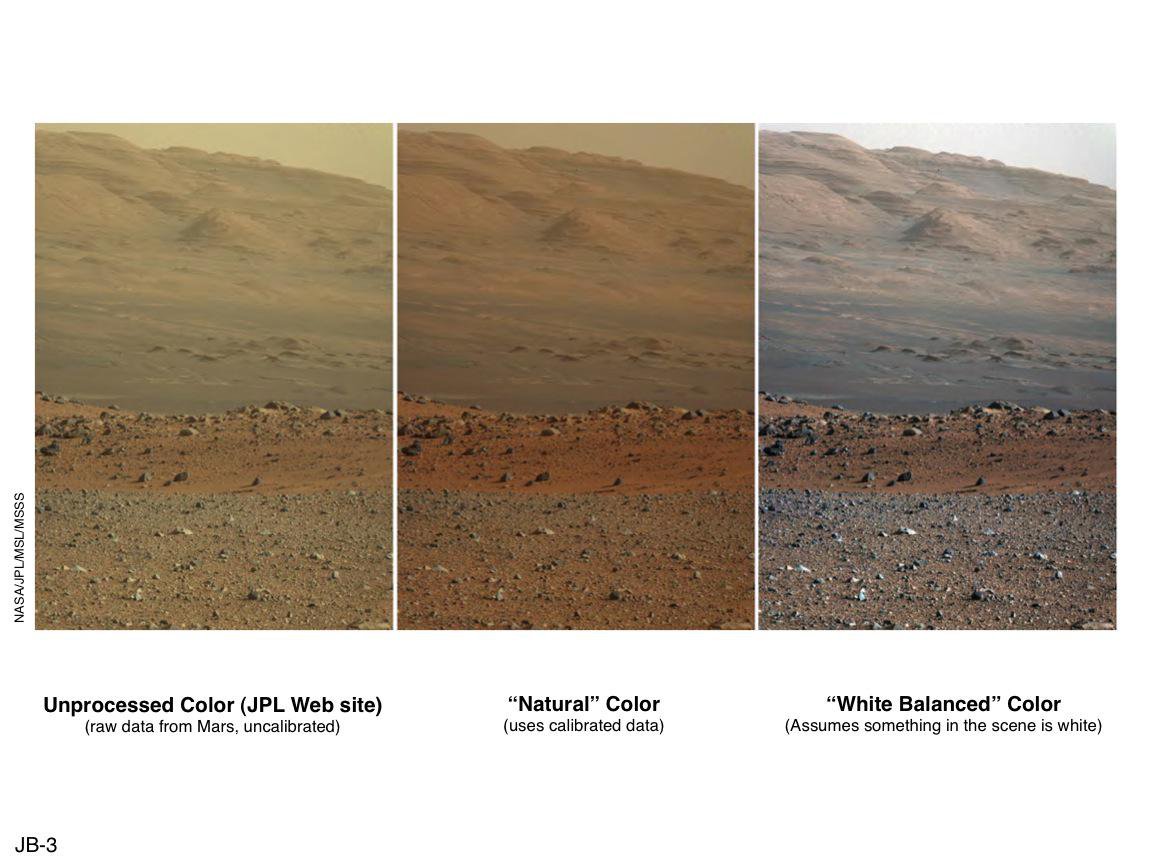 · |
|
#8
●
04-09-2026, 11:31 AM
| ||||||||
| ♚ Legacy Gold Member ♚ Poster Rank:93 Male Join Date: Nov 2009 Posts: 17,069 Mentioned: 8 Post(s) Quoted: 4672 Post(s)
| ||||||||
|
Re: American Airlines Flight Passenger Captures Space Launch System Rocket
Oh, YEAH!?!? Well, I have a Kodak Instamatic!!! It was good enough for my Granpappy, so it's good enough for ME! (But I probably WILL buy a NEW camera, if I ever get to go to Mars!) |
|
#9
●
04-10-2026, 02:02 AM
| ||||||||
 My Rank: FIRST SERGEANT Poster Rank:460 Join Date: Apr 2013 Posts: 2,426 Mentioned: 1 Post(s) Quoted: 597 Post(s)
| ||||||||
|
Re: American Airlines Flight Passenger Captures Space Launch System Rocket
Now they just need to photograph the Apollo landing sites to shut some people up.
|
|
#10
●
04-10-2026, 03:11 AM
| ||||||||
| ✝Mudderator from Hell✝ Poster Rank:10 e-mail Join Date: Oct 2006 Posts: 96,370
Contributions: 817
Mentioned: 476 Post(s) Quoted: 10314 Post(s)
| ||||||||
|
Re: American Airlines Flight Passenger Captures Space Launch System Rocket
|