|
#1
●
04-27-2010, 03:00 PM
|
 Super ********* Poster Rank:90 Join Date: Nov 2008 Posts: 17,370 17,370Posts 13,735Thanked 99Quoted 5Mentioned 0Contrib. |
|
Green Movement Protests in Tehran After Iran's June 12, 2009 Election
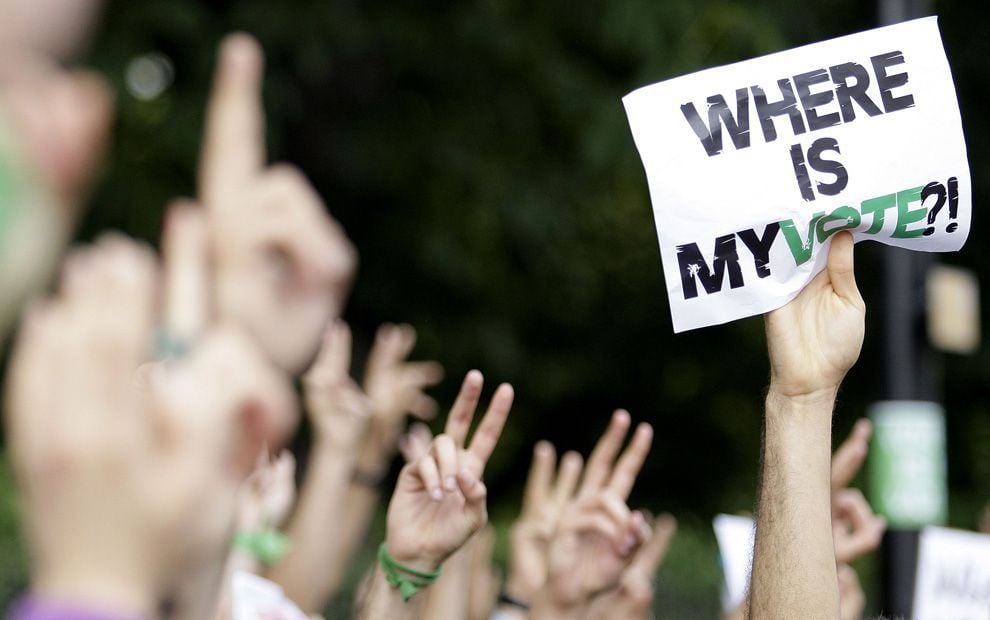
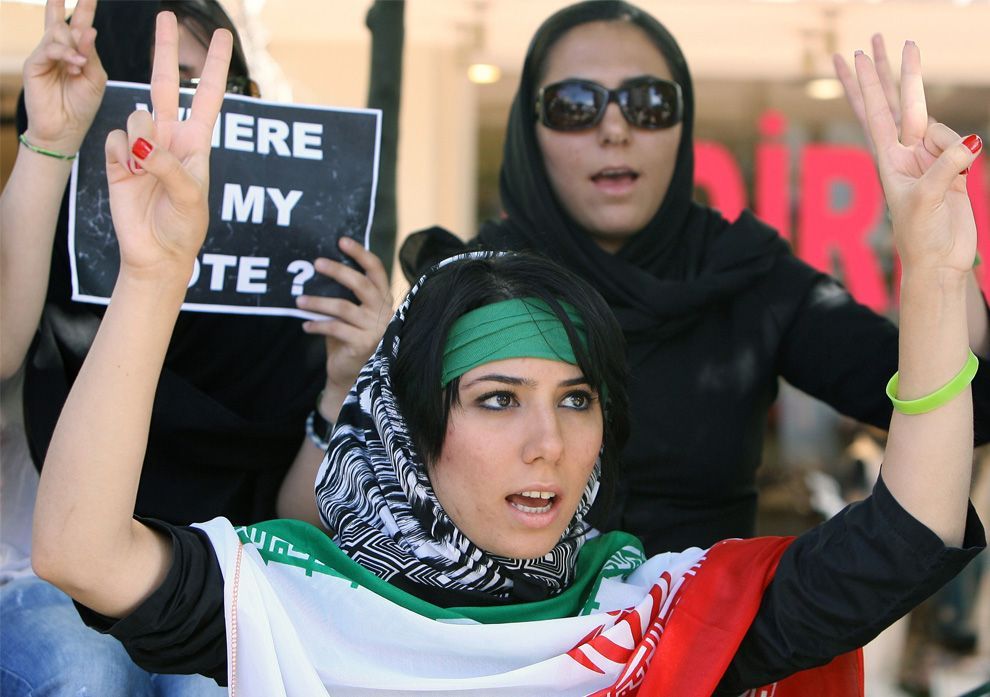
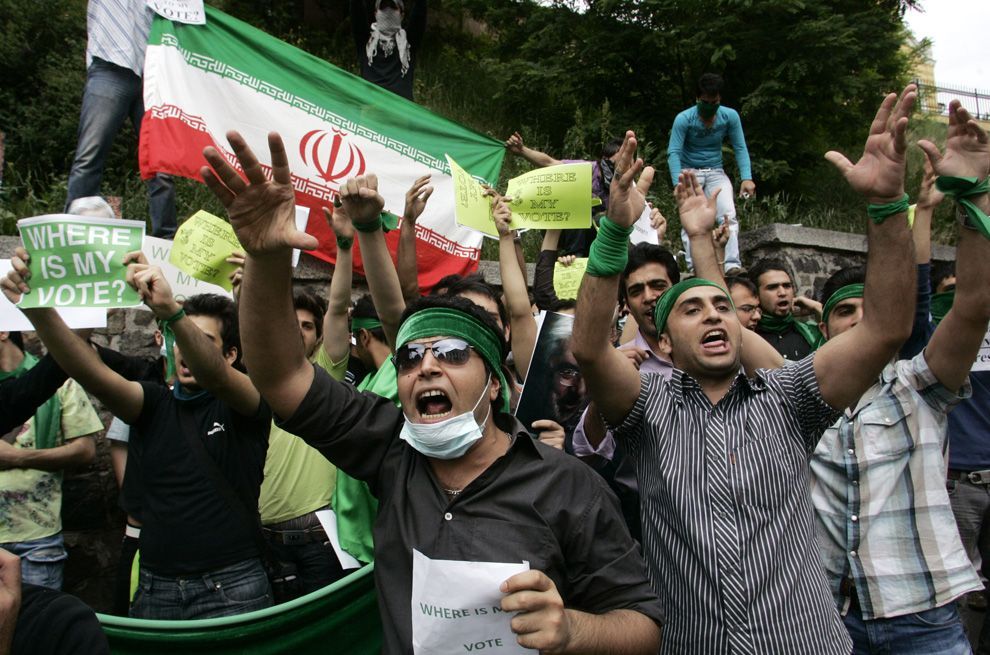
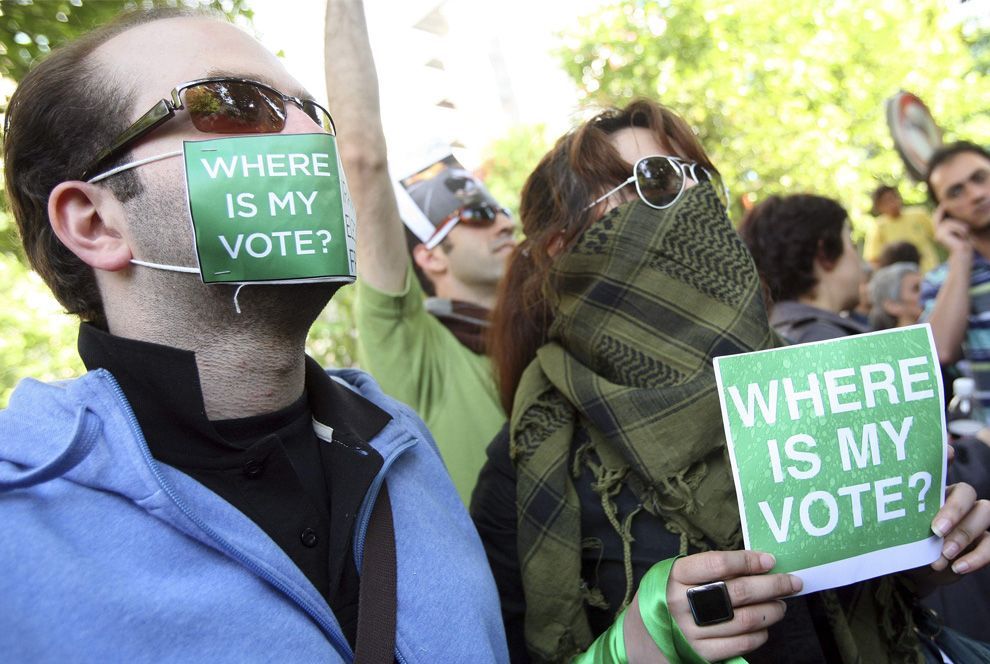
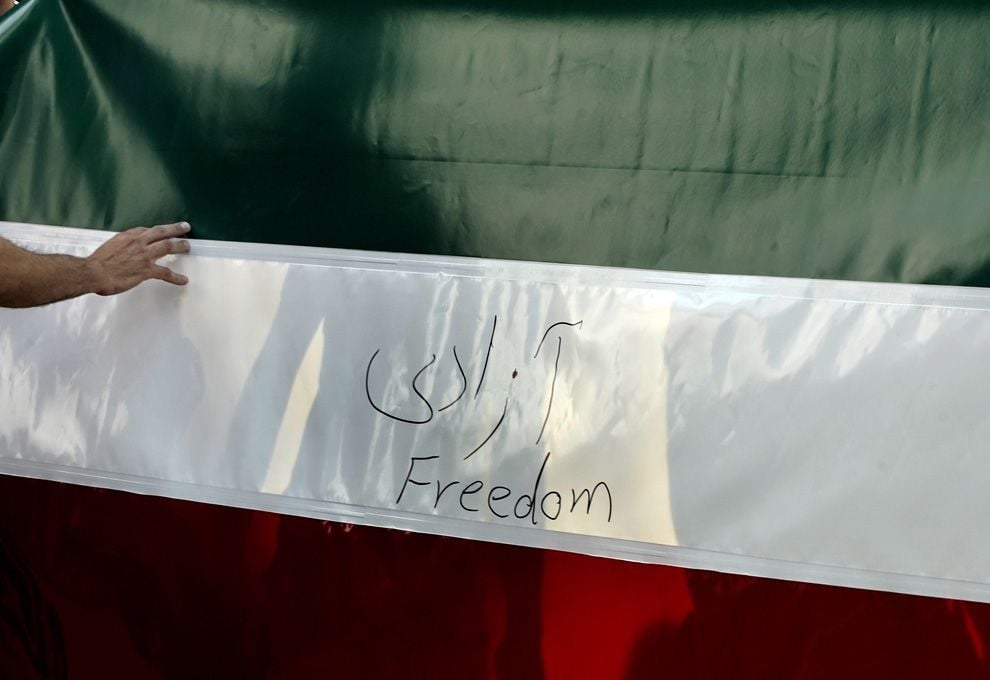
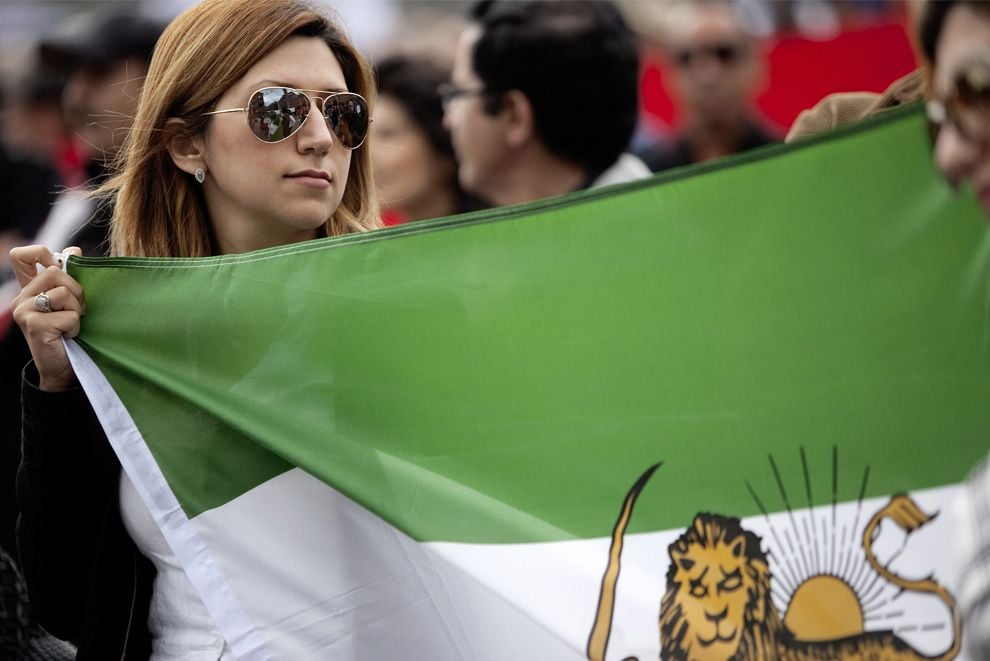
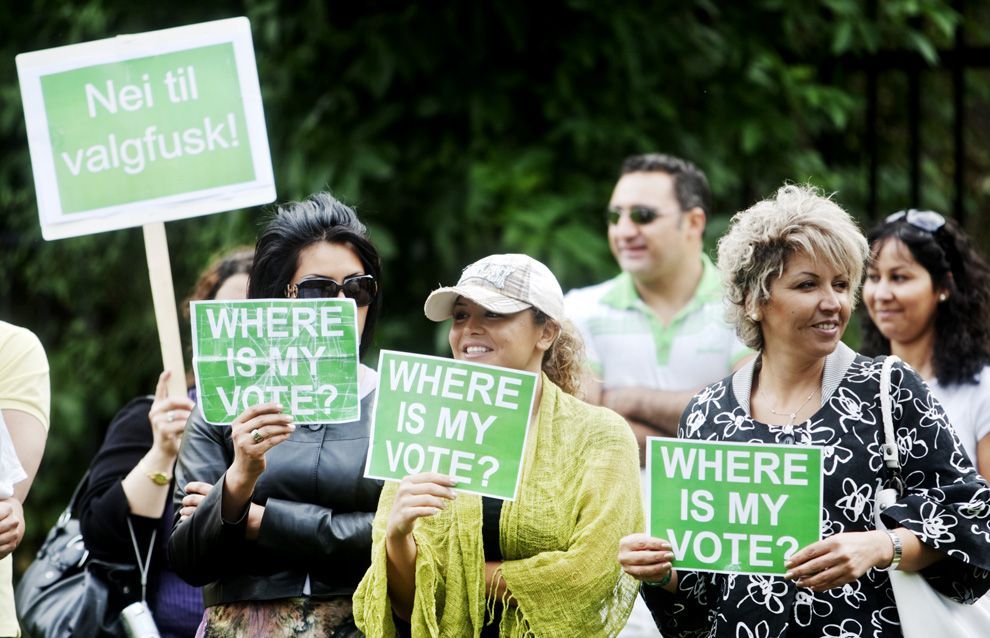
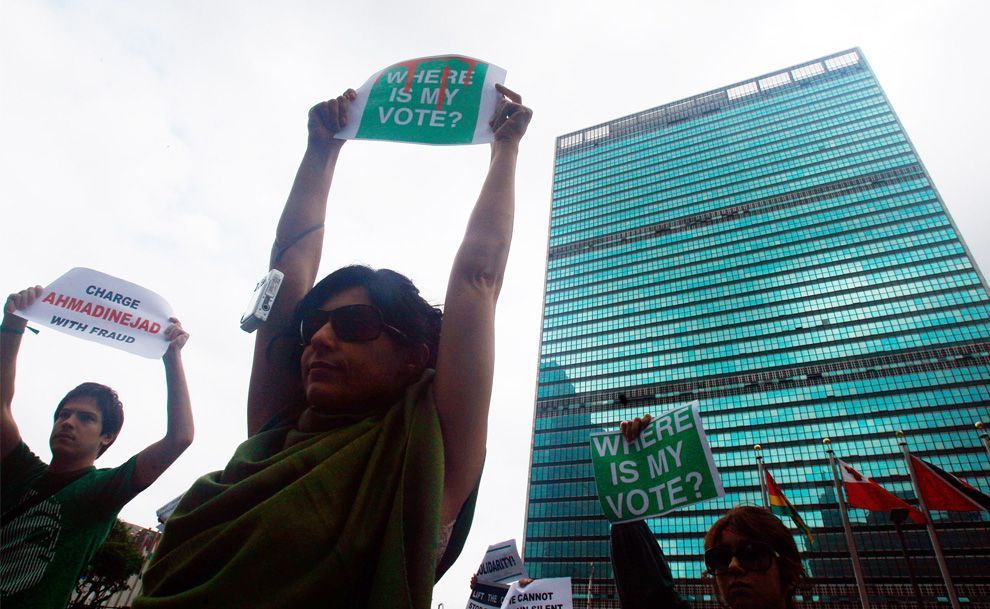
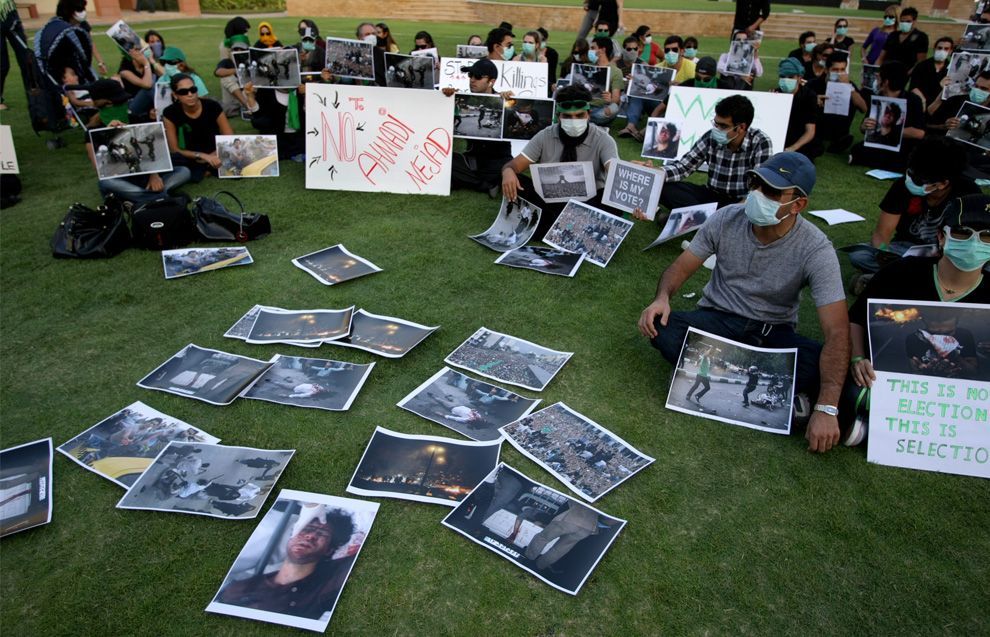
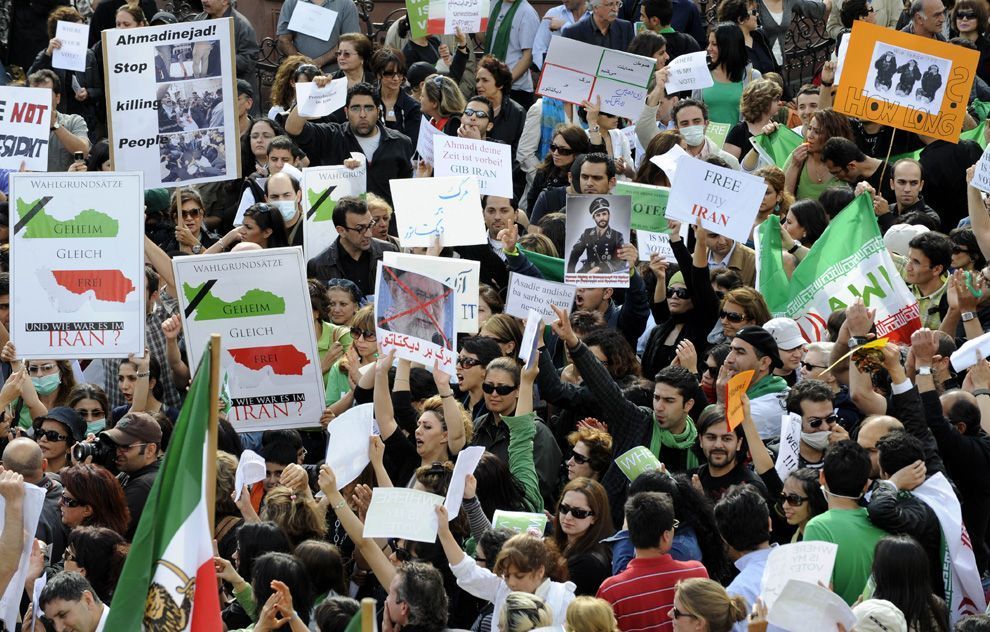
Supporters of opposition candidate Mir-Hossein Mousavi began demonstrating in Tehran on June 13, 2009, after election officials declared President Mahmoud Ahmadinejad the winner of the previous day's presidential vote. Mousavi and other opposition candidates alleged that the results had been manipulated. The demonstrations became known as the Green Movement and continued through December. Riot police and Basij forces moved against protesters during the unrest. The government reported 36 deaths, while opposition sources put the toll at 72. The photographs show mass marches, burning buses and motorcycles, baton charges, motorcycle-mounted Basij members and tear gas near the gate of Tehran University. They also show damage inside a university dormitory following the June 14-15 raid, wounded men being carried on a taxi hood and in a pickup bed, a protester holding a "Where is my vote" sign and a worker painting over graffiti. Additional photographs depict solidarity demonstrations outside Iran. 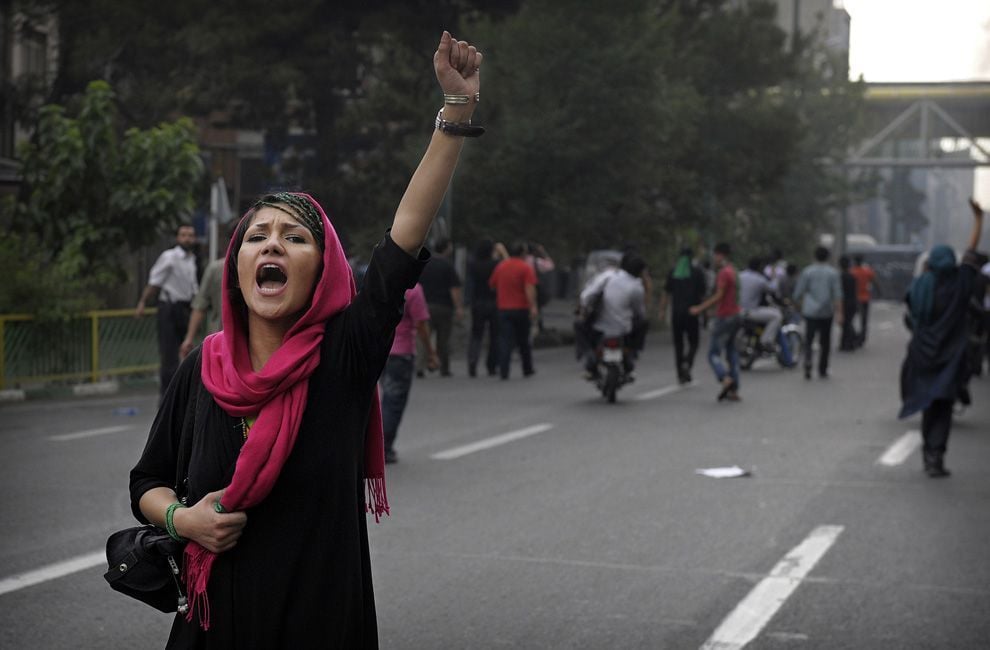 · 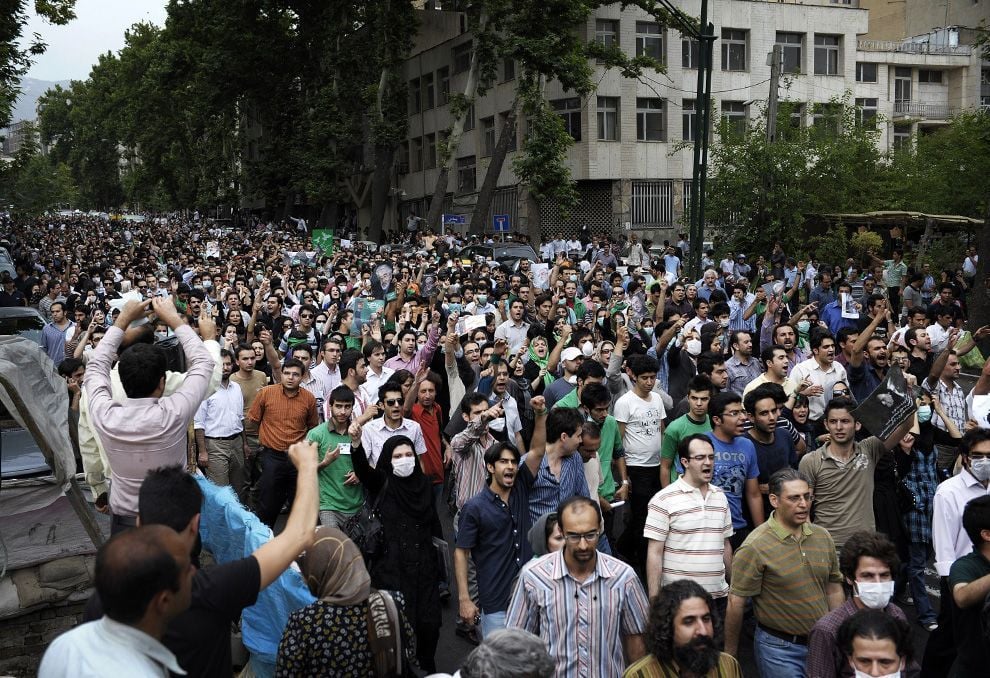 · 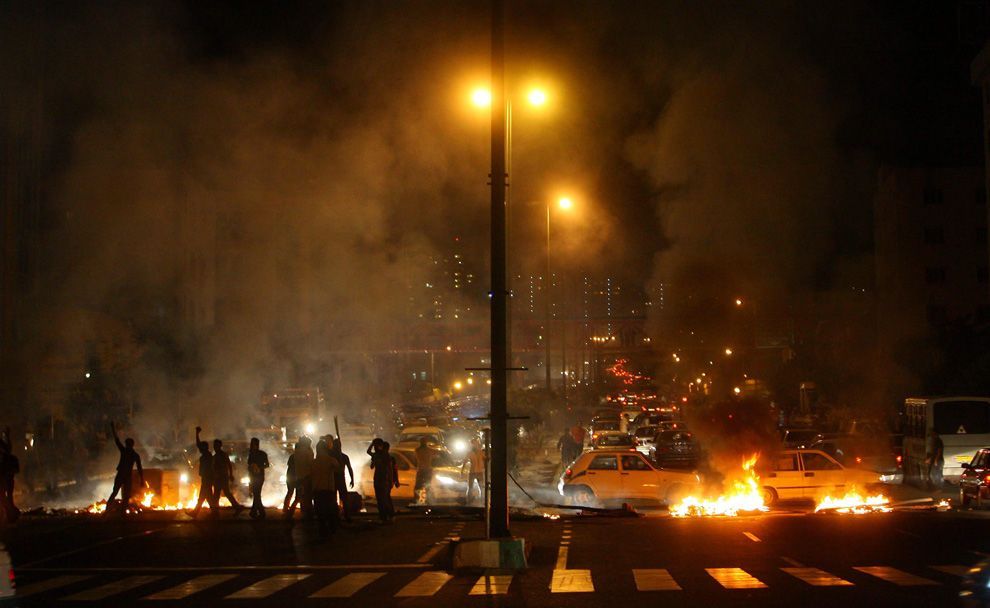 · 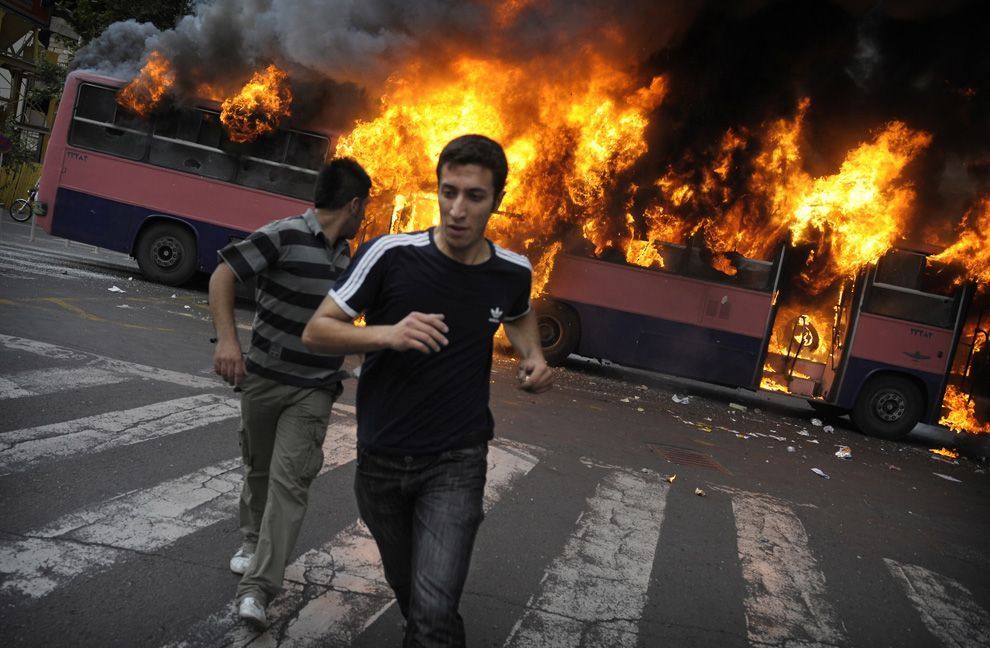 · 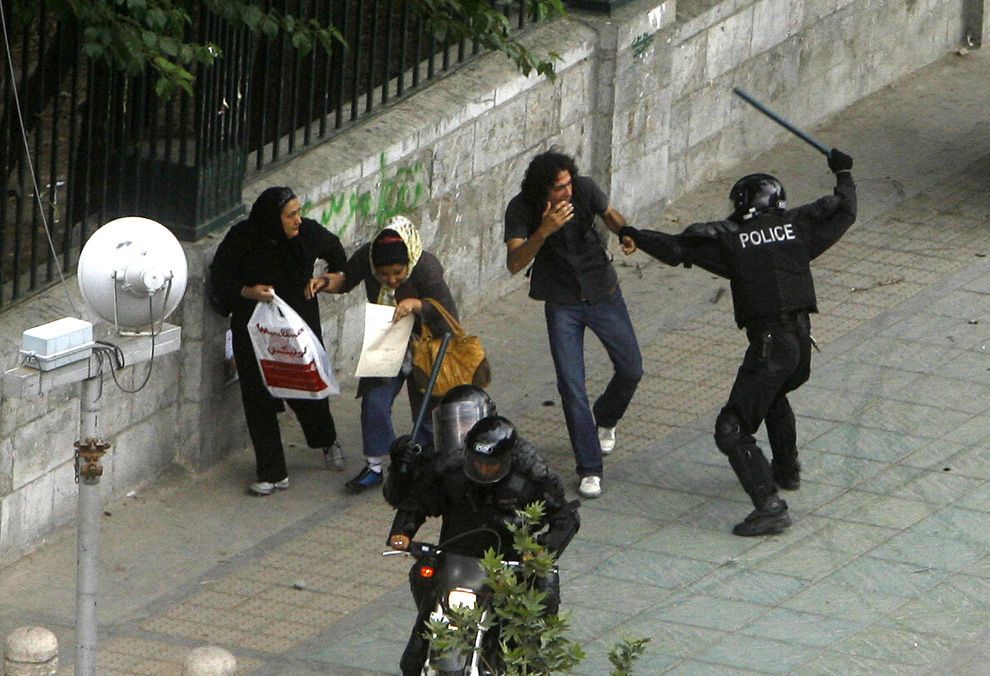 · 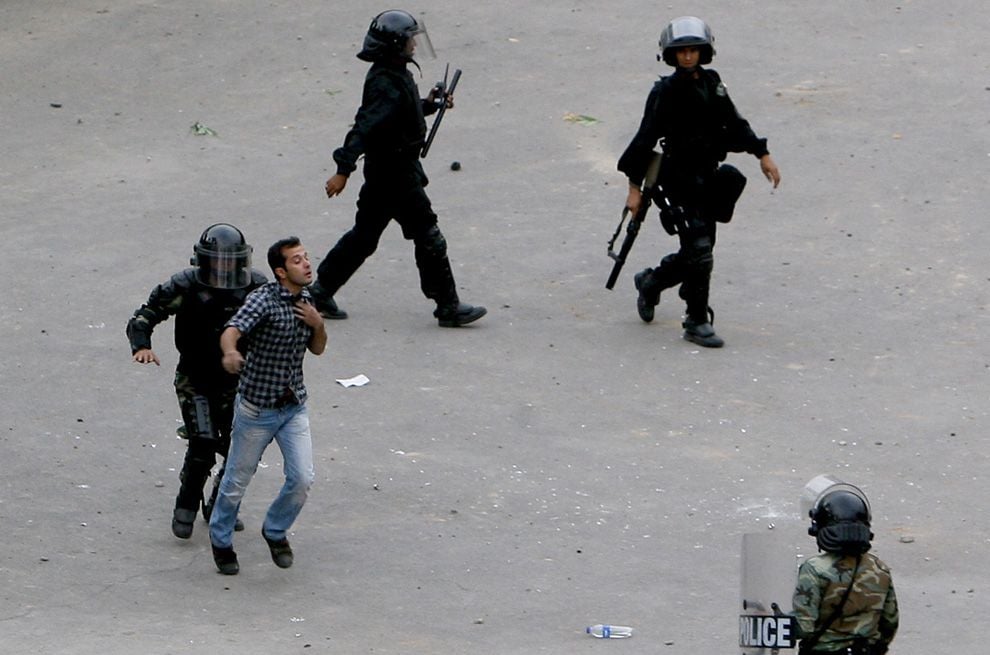 · 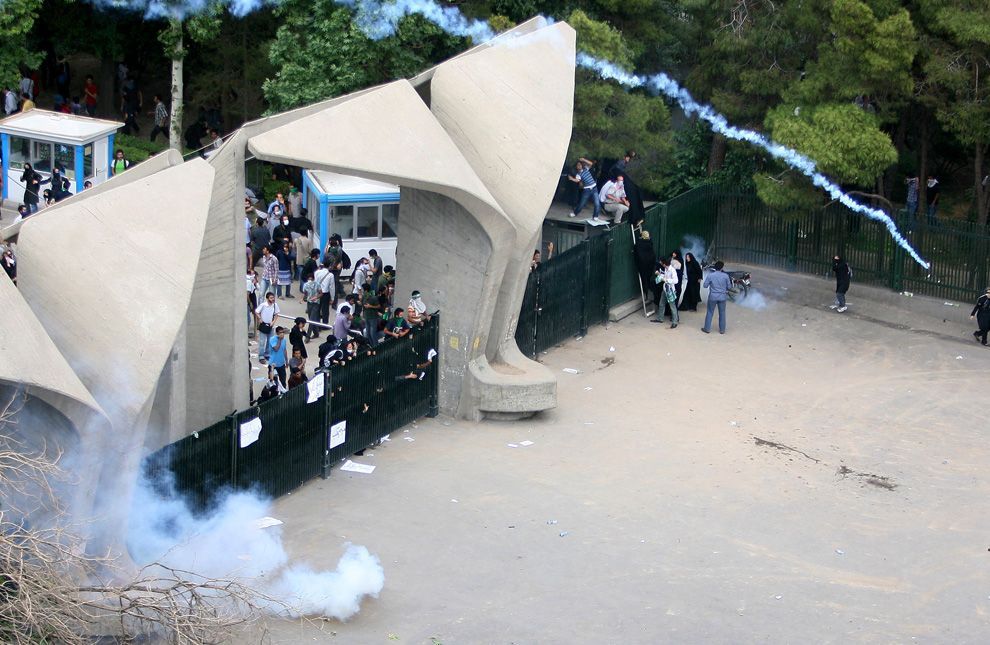 · 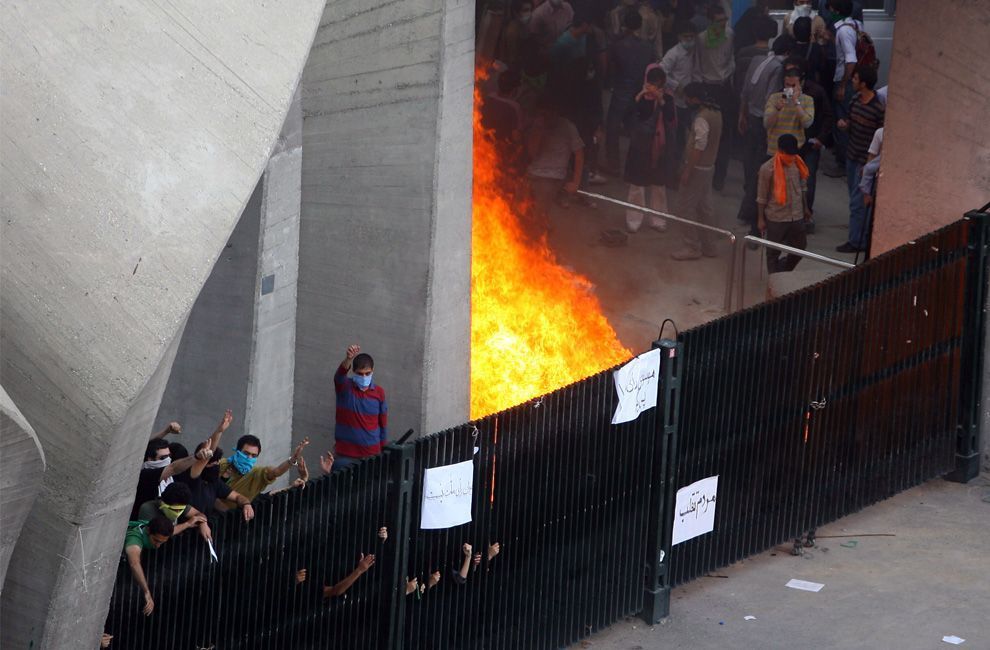 · 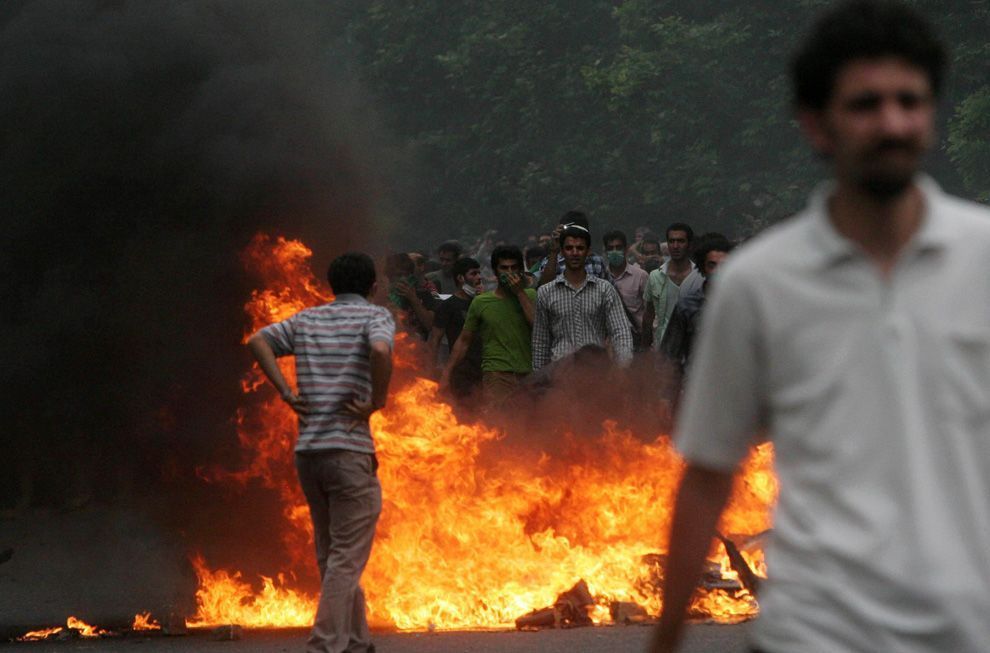 · 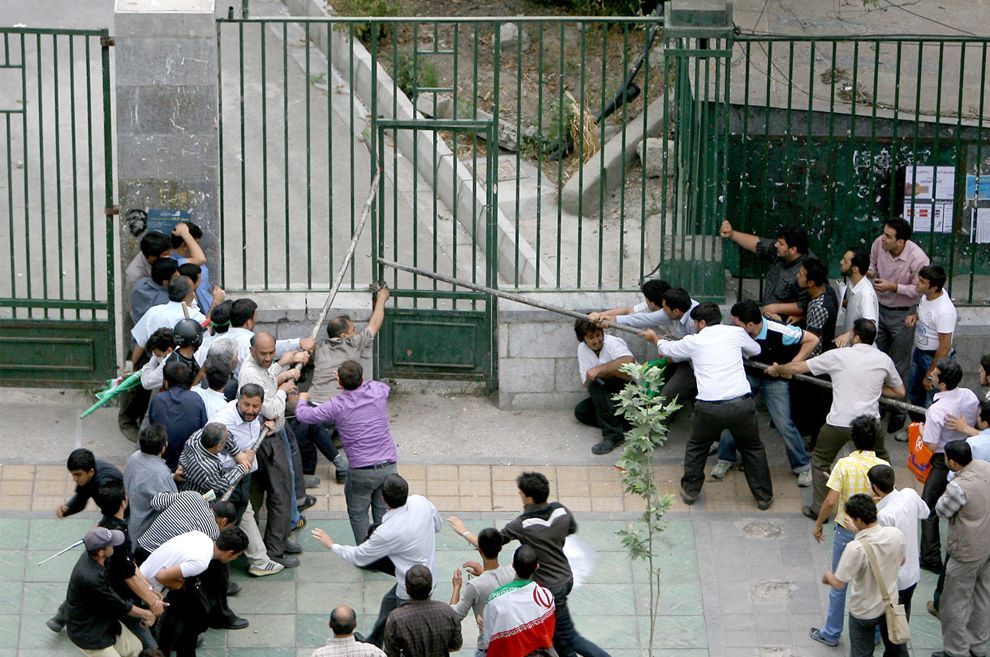 · 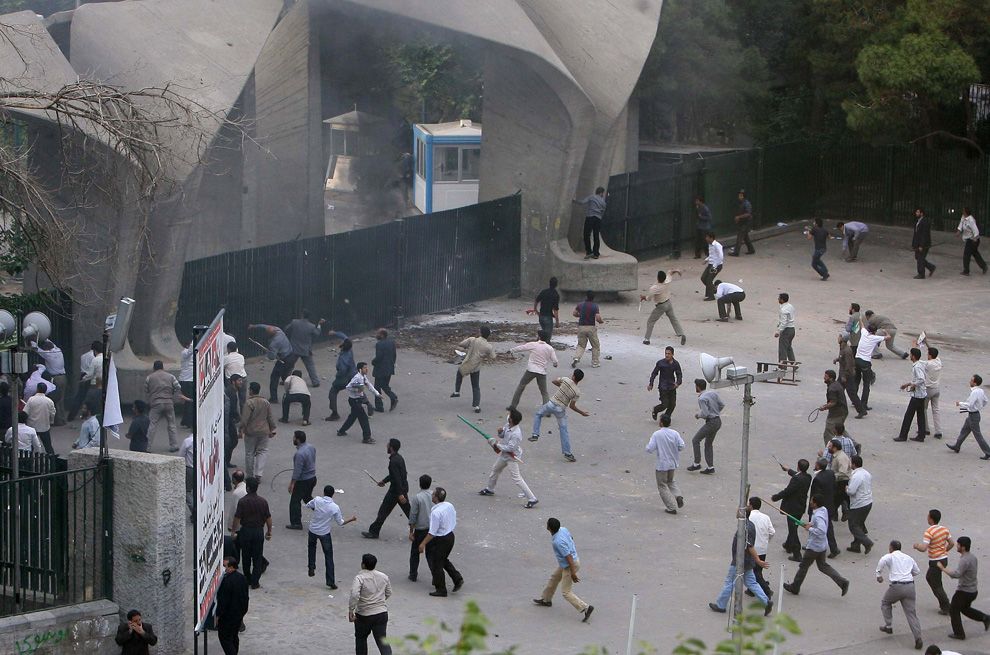 · 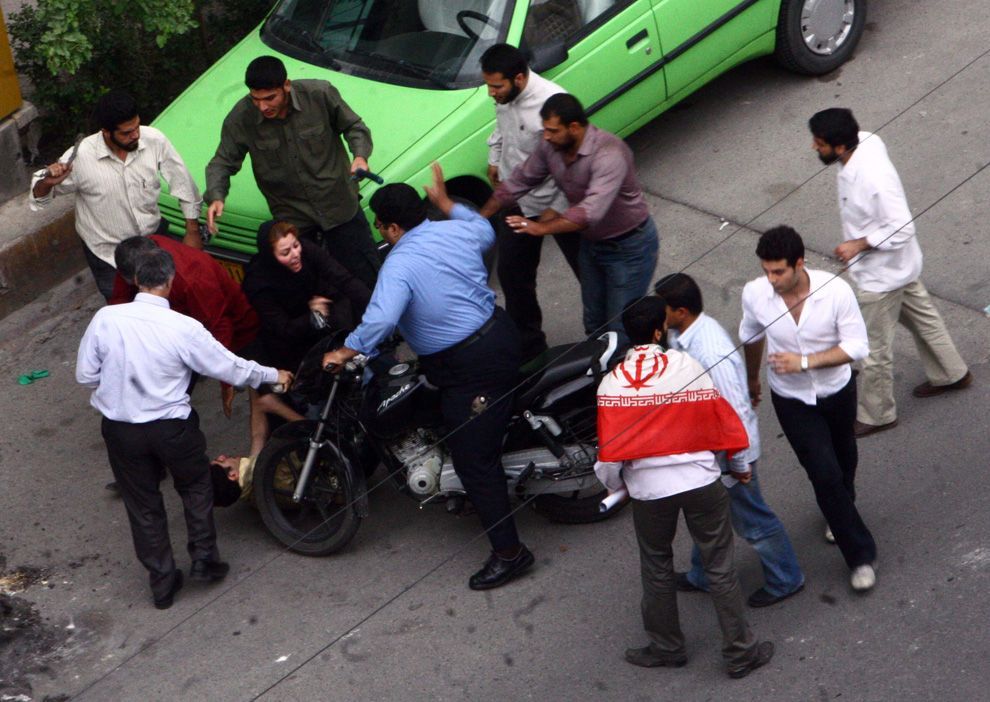 · 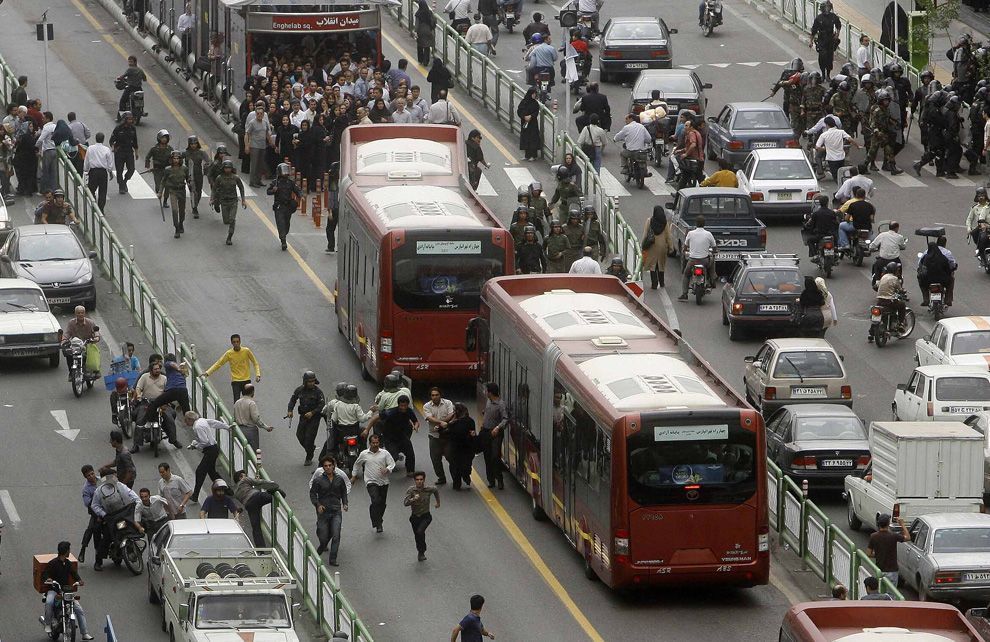 · 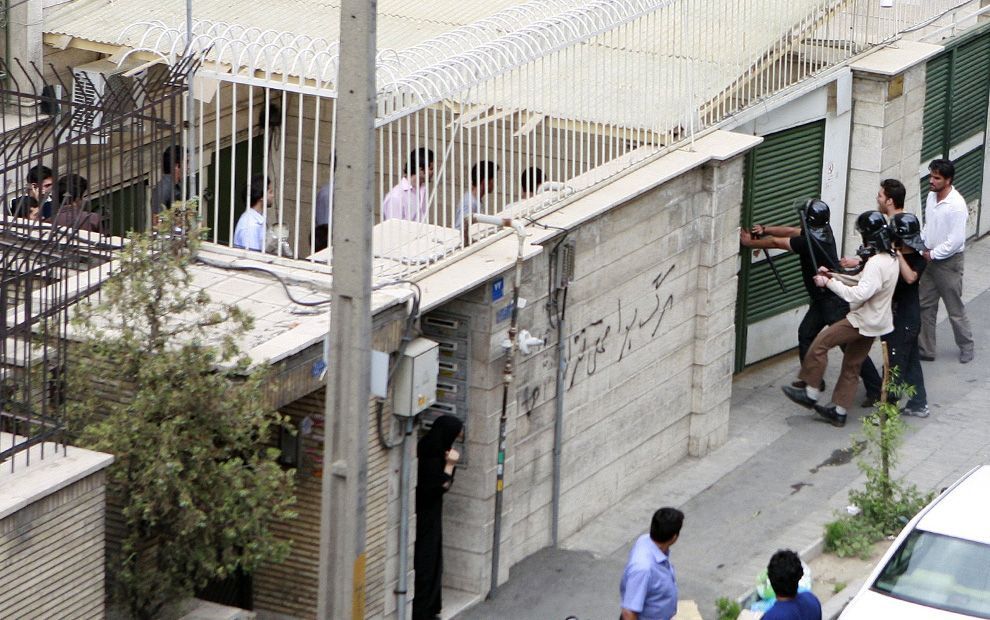 · 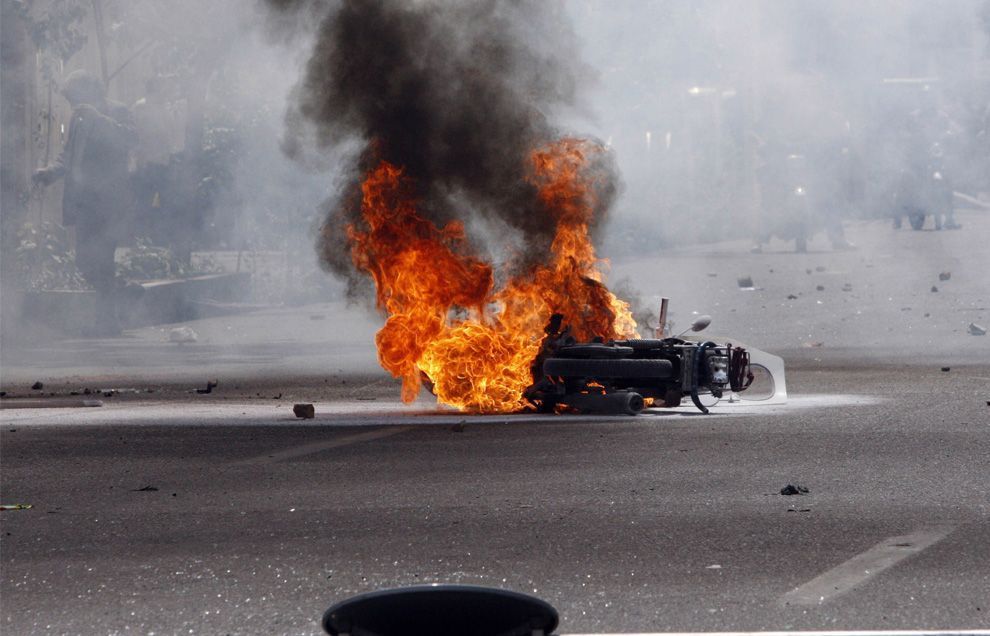 · 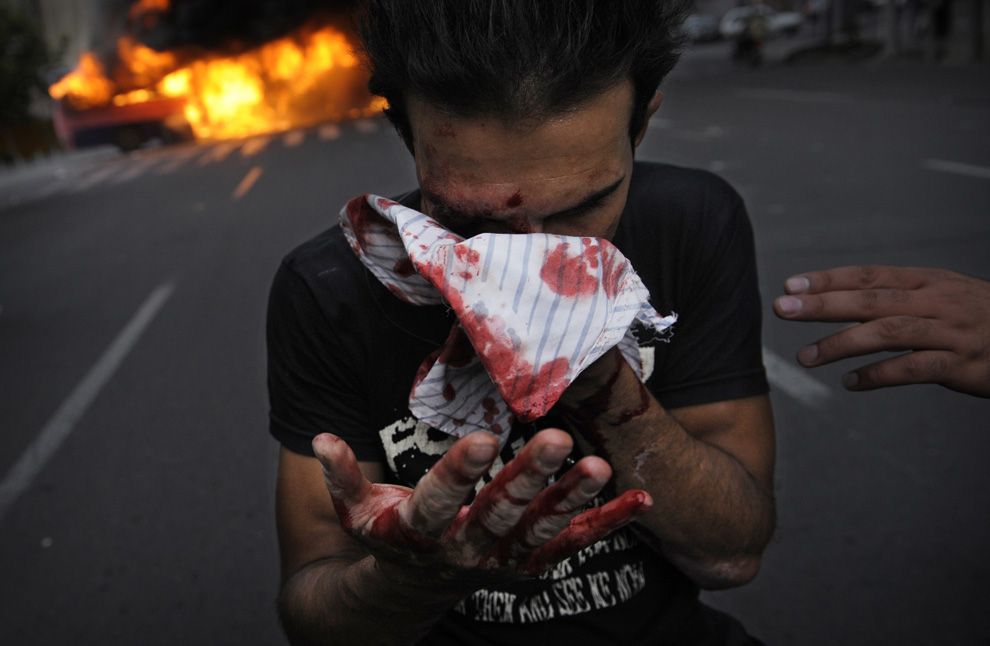 · 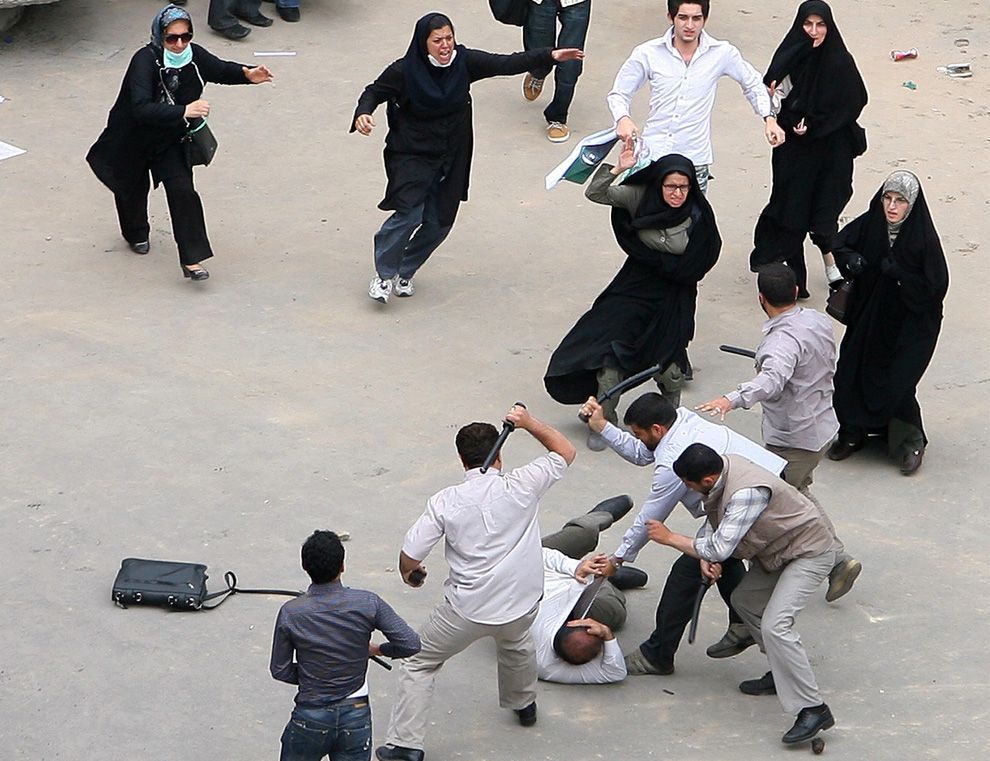 · 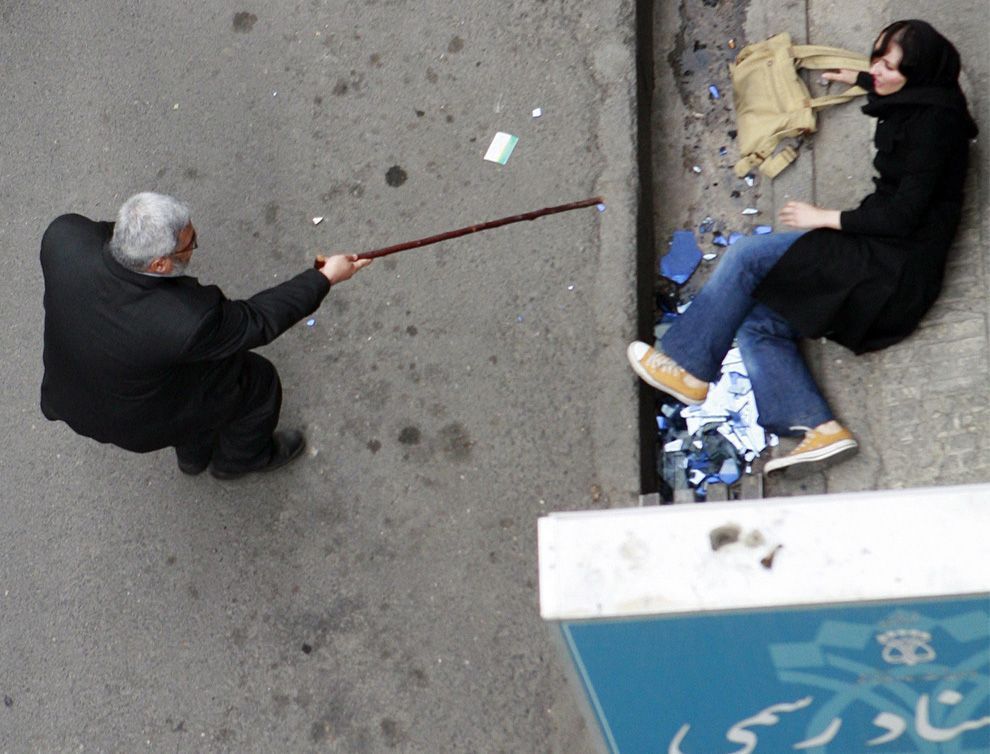 · 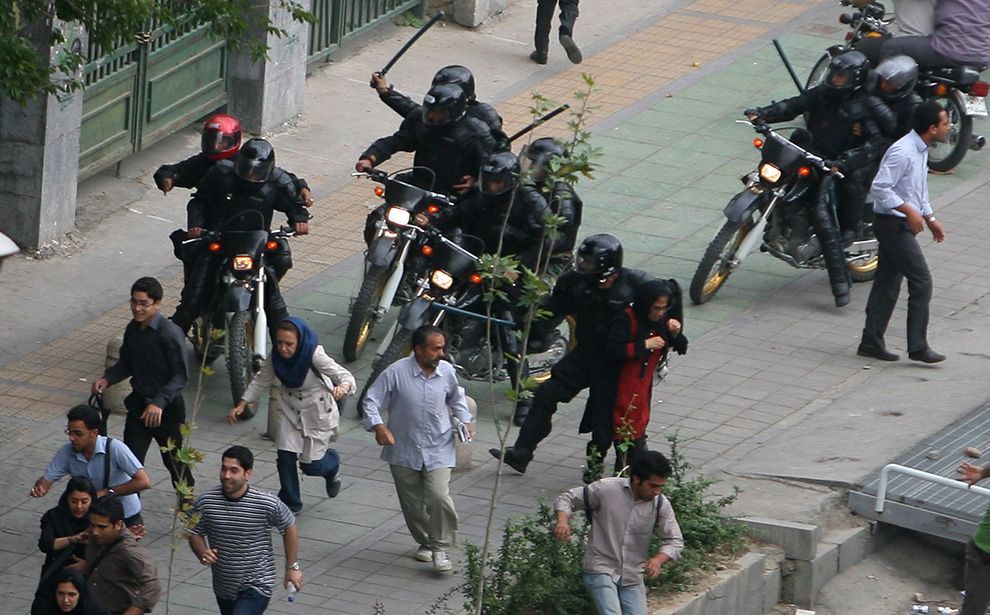 · 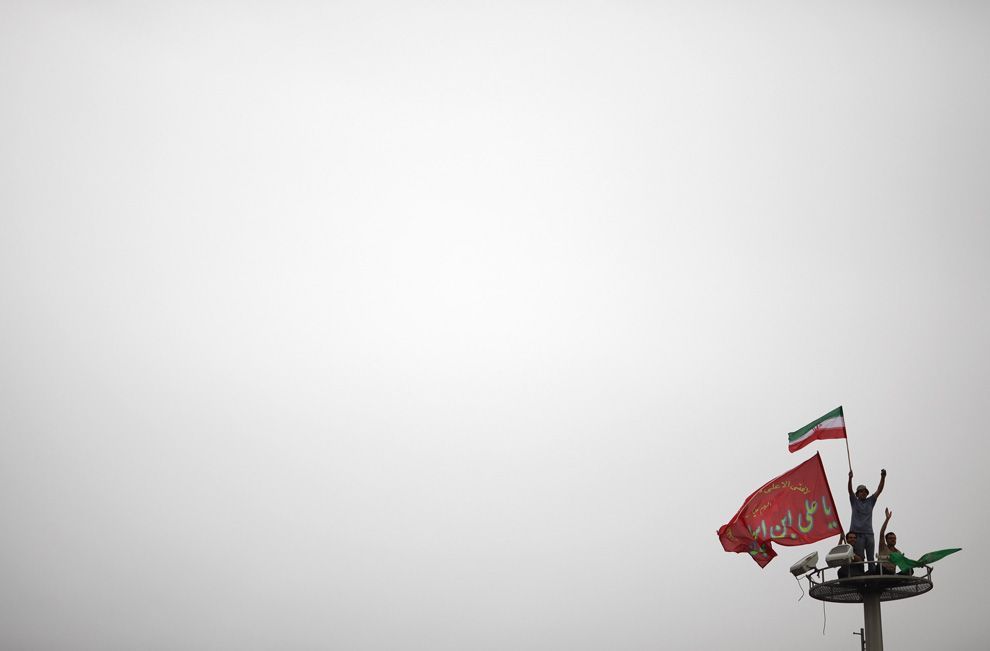 · 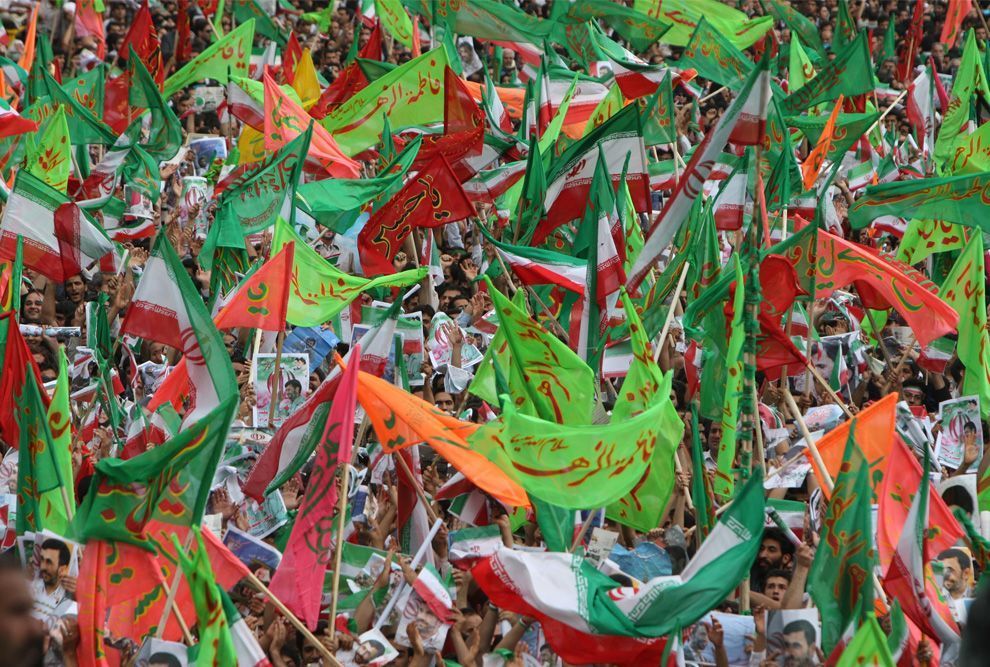 · 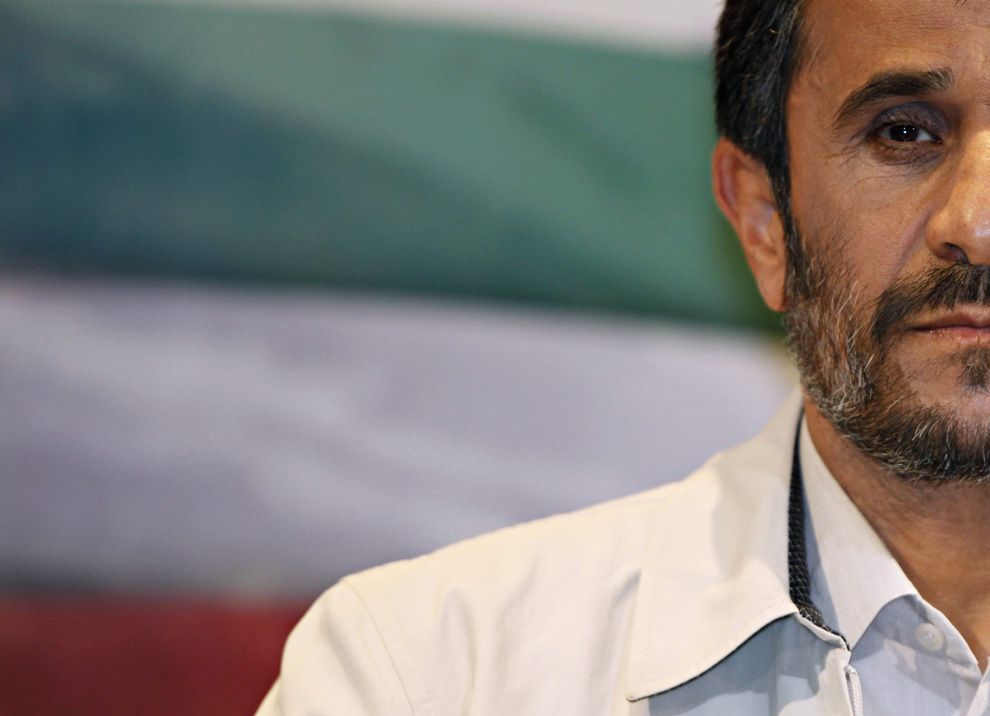 · 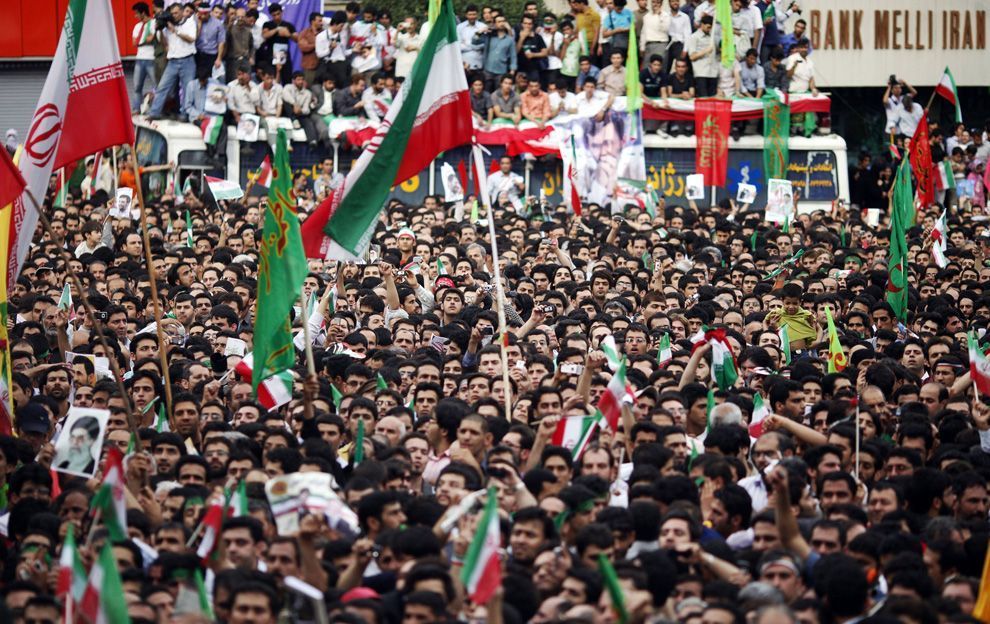 · 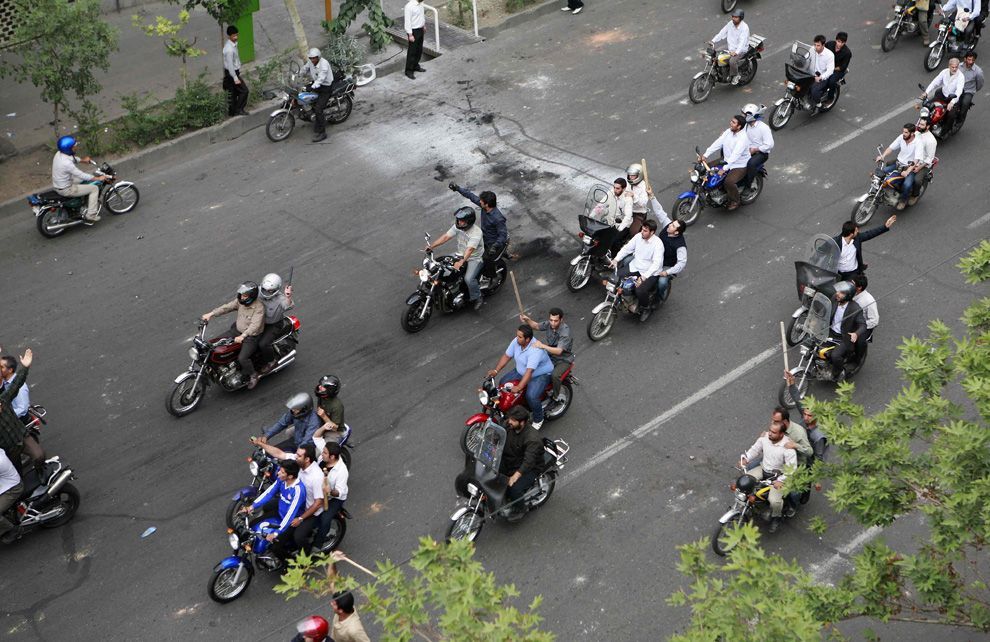 · 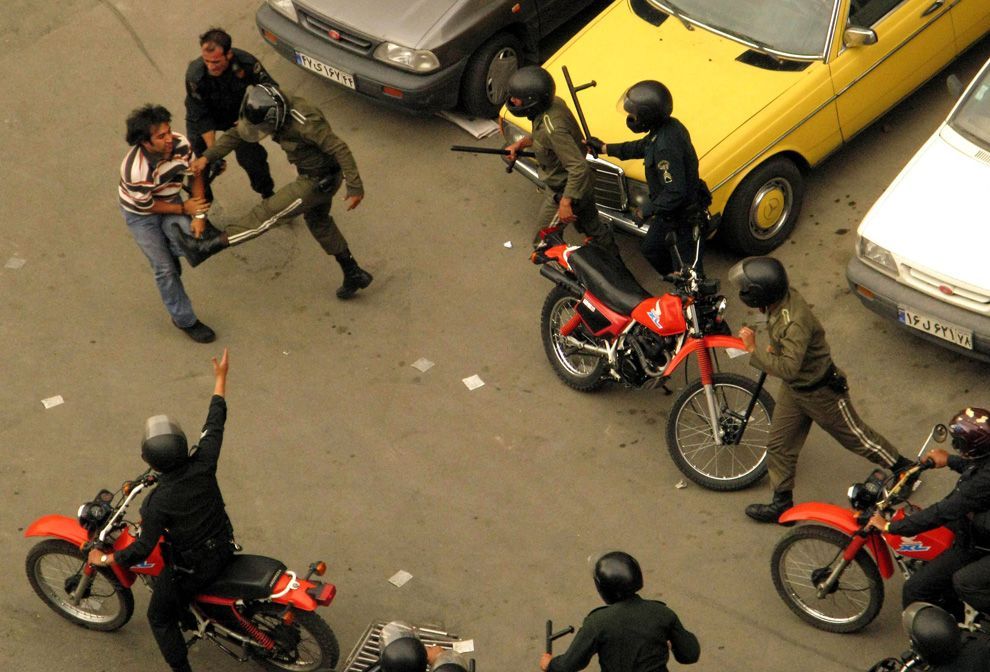 · 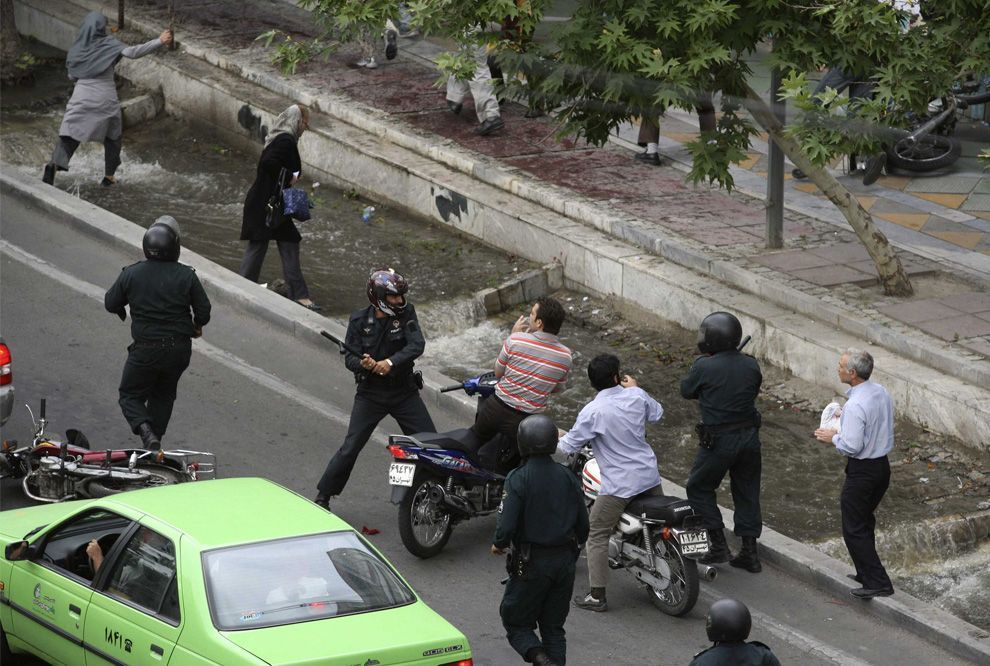 · 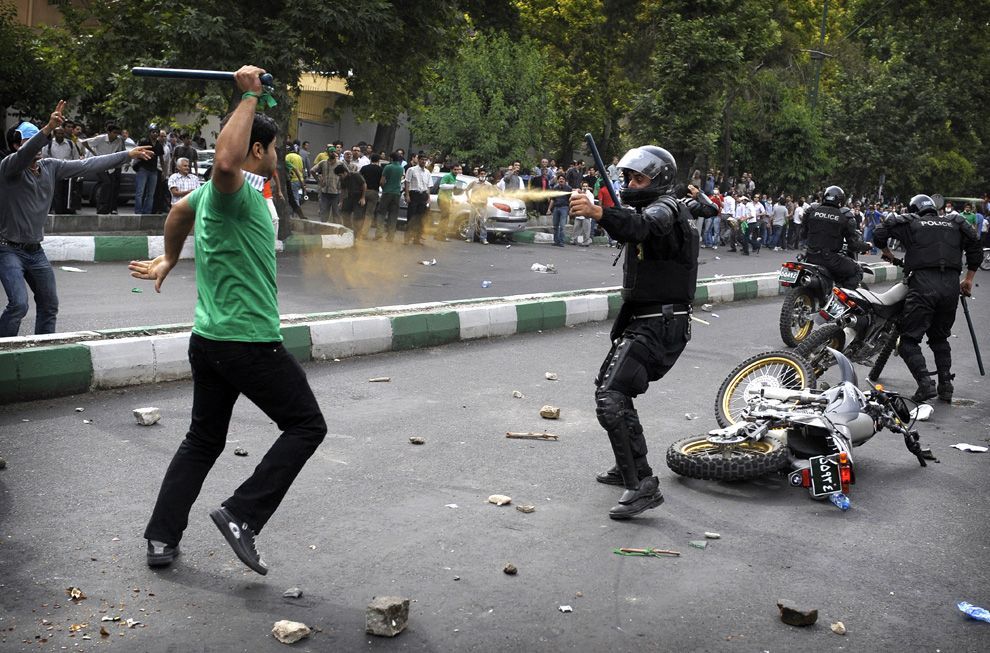 · 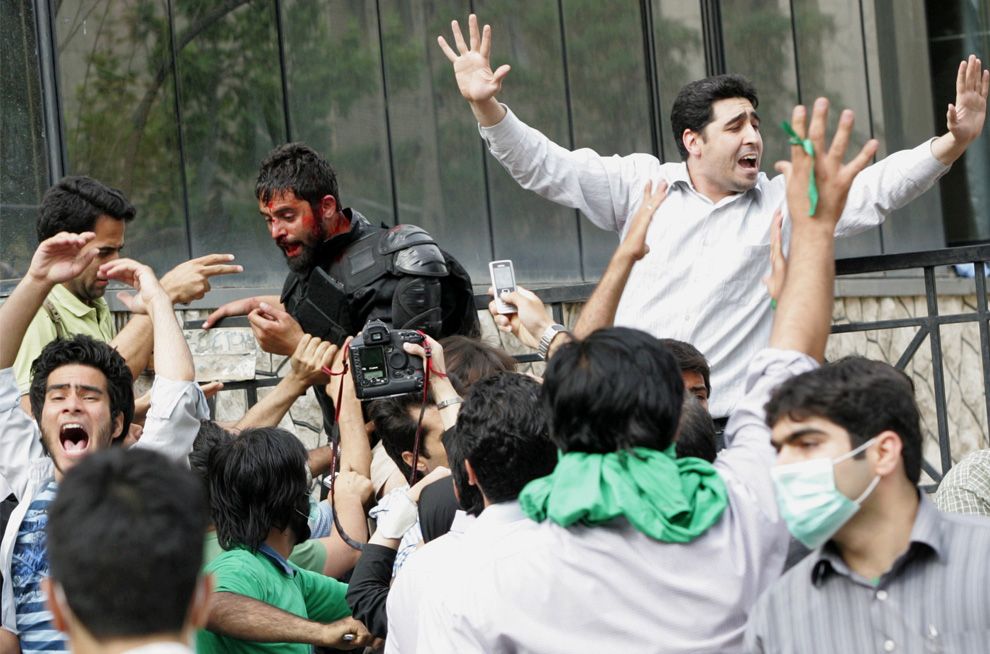 · 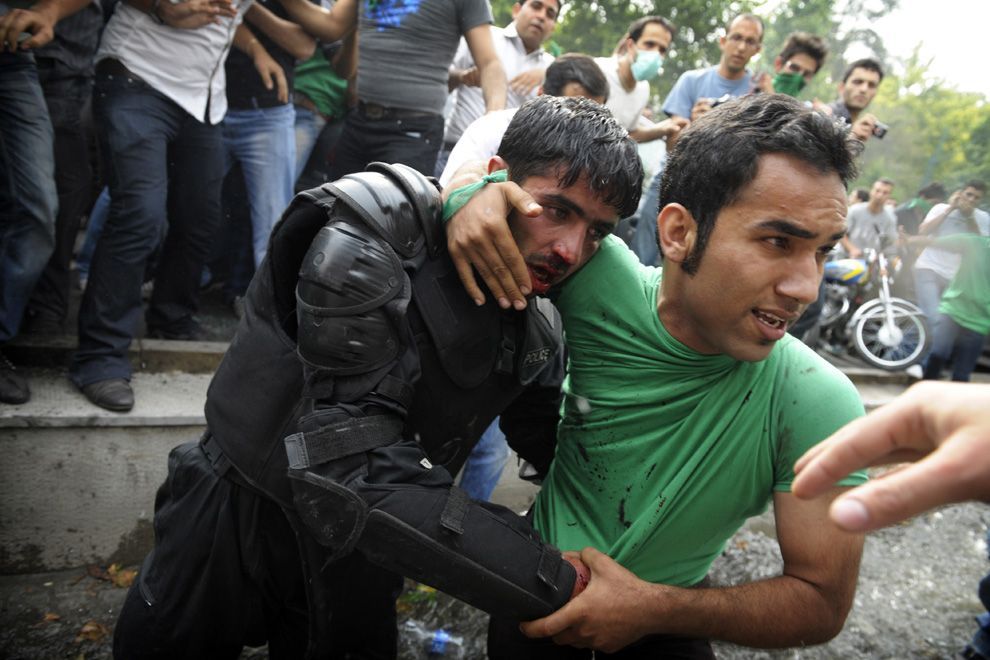 · 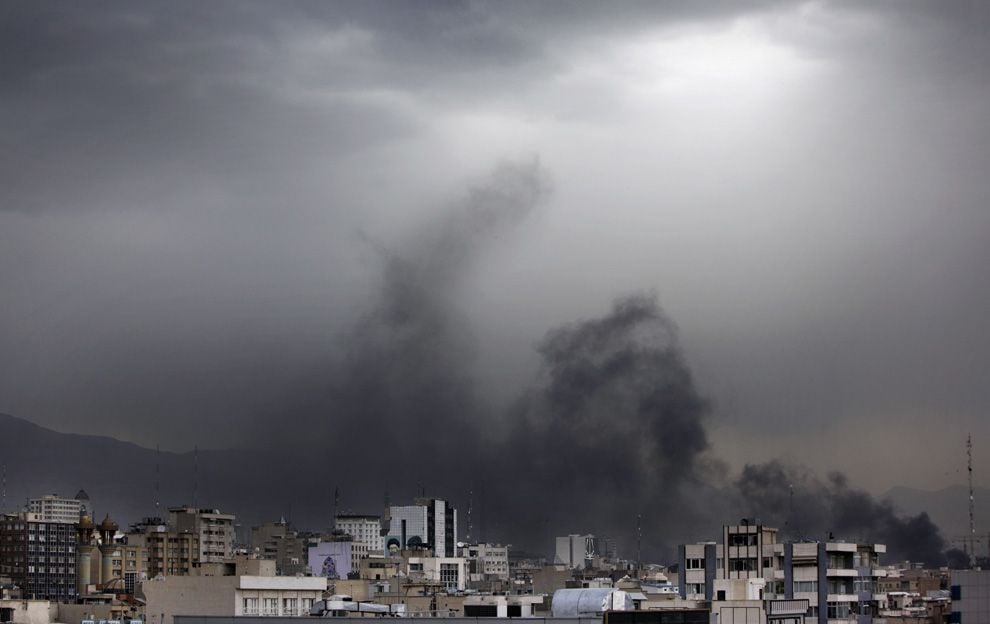 · 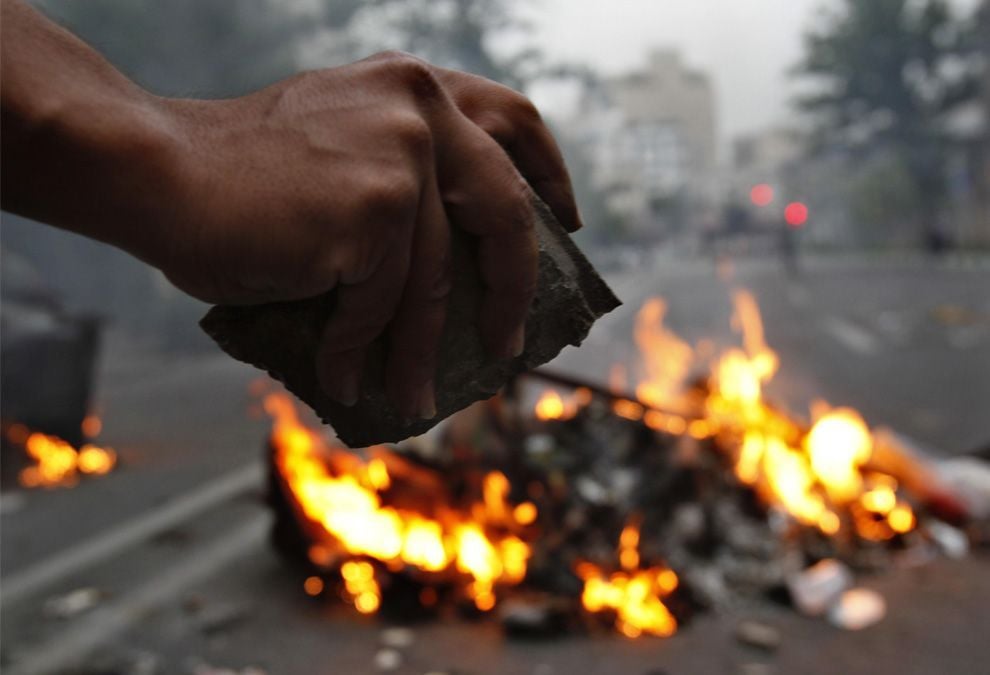 · 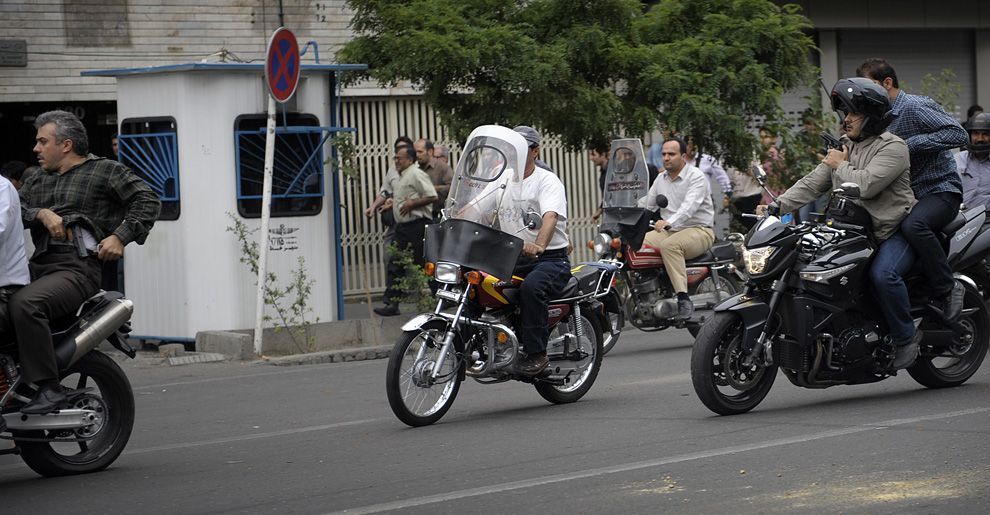 · 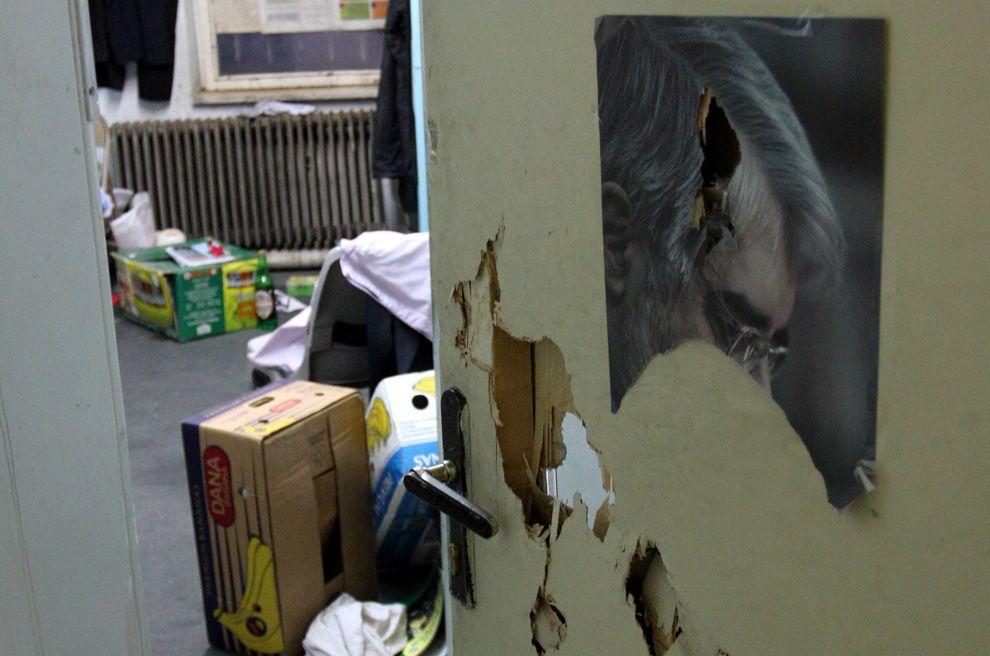 · 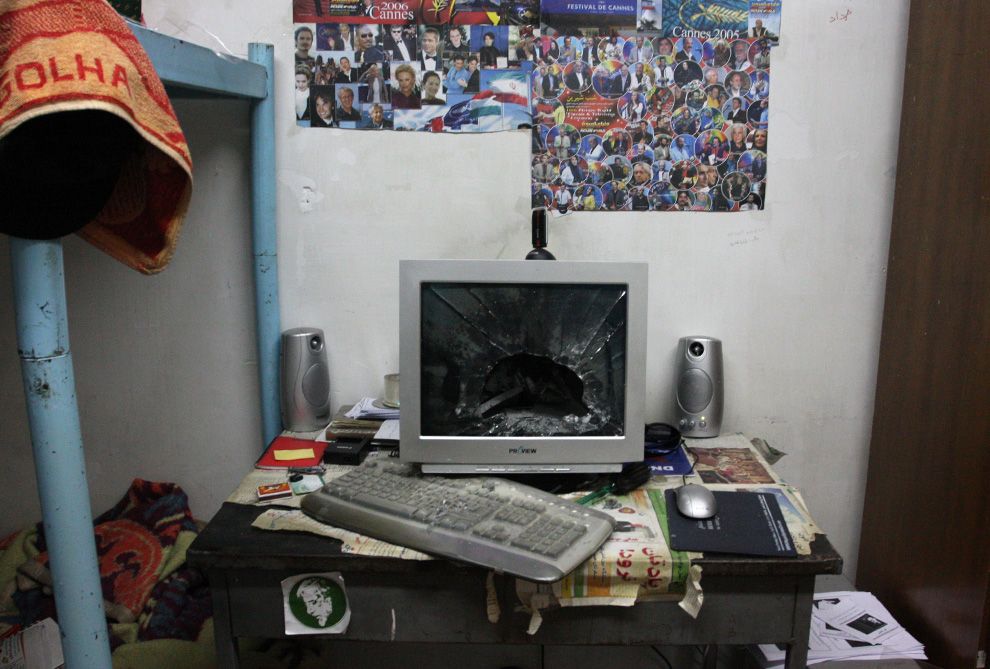 · 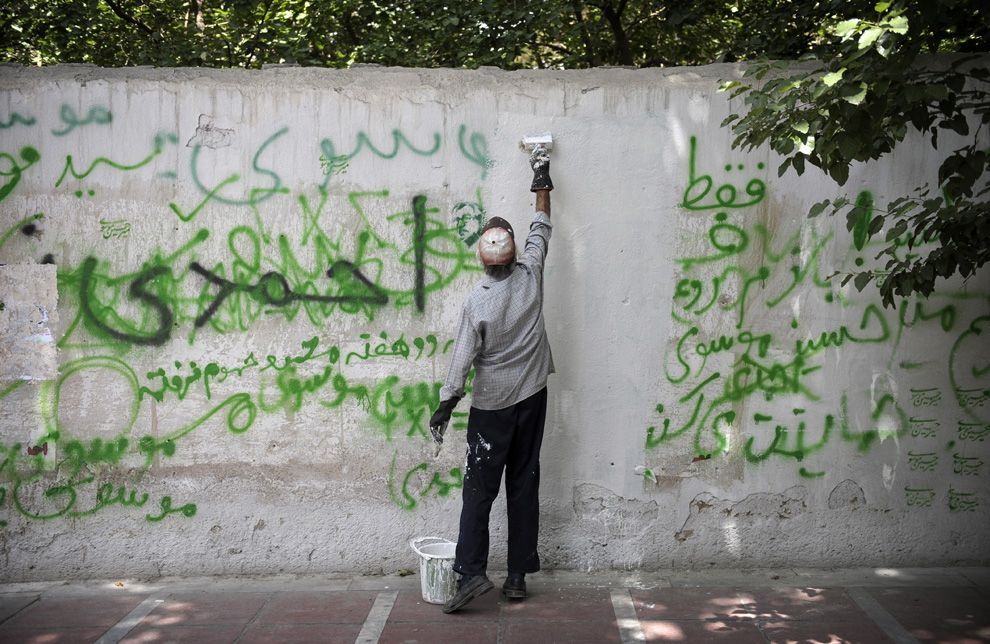 · 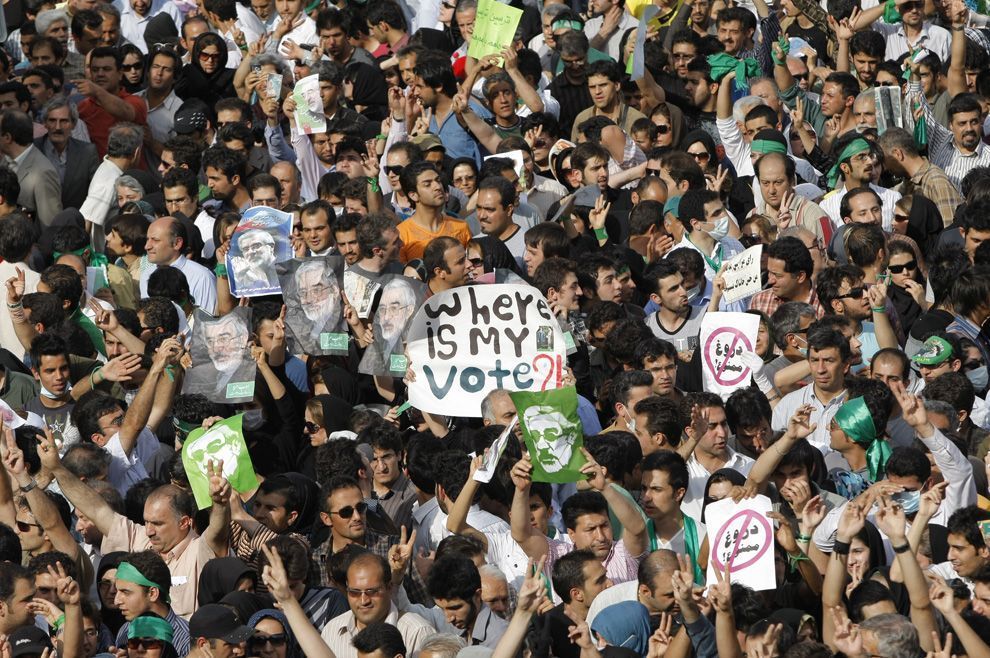 · 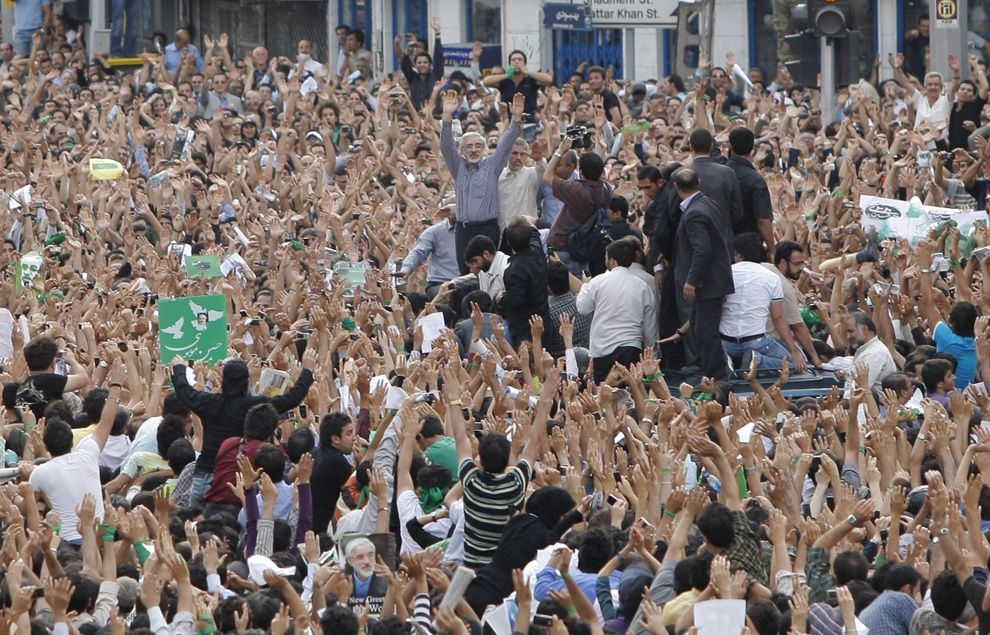 · 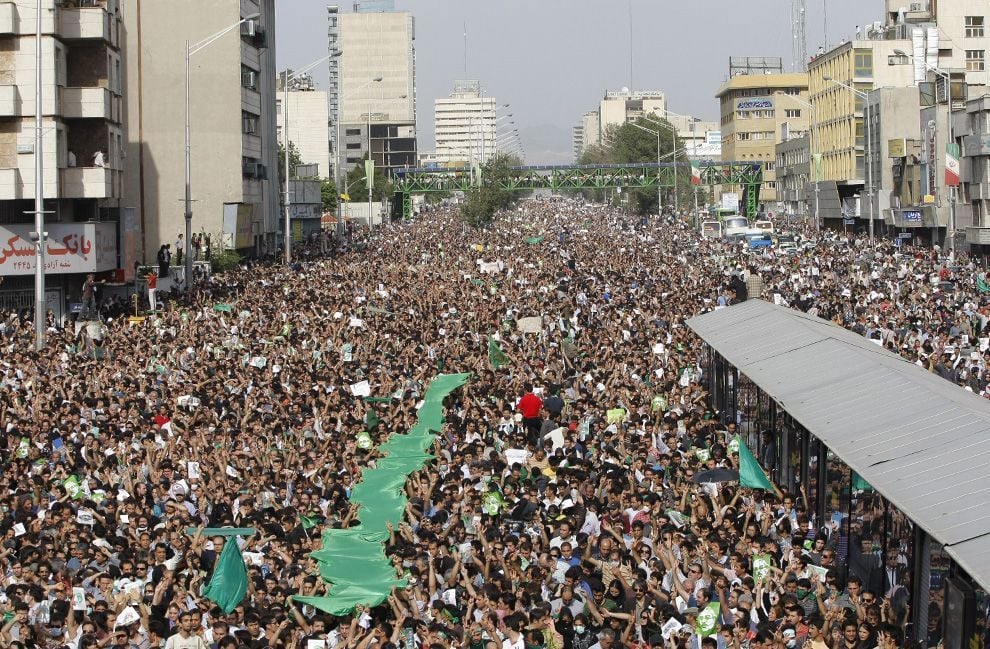 · 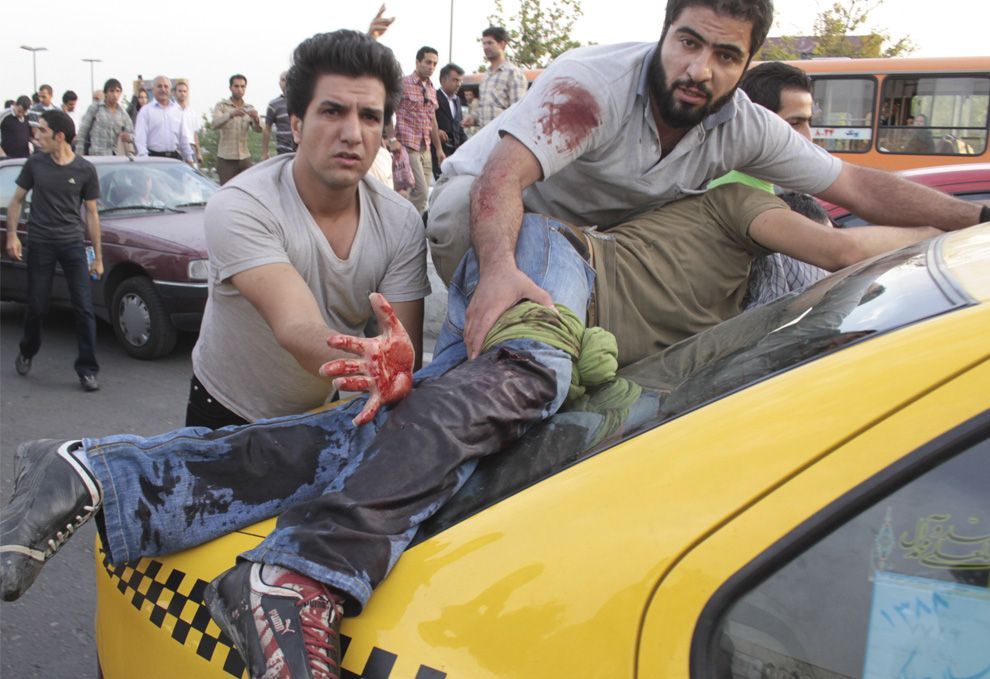 · 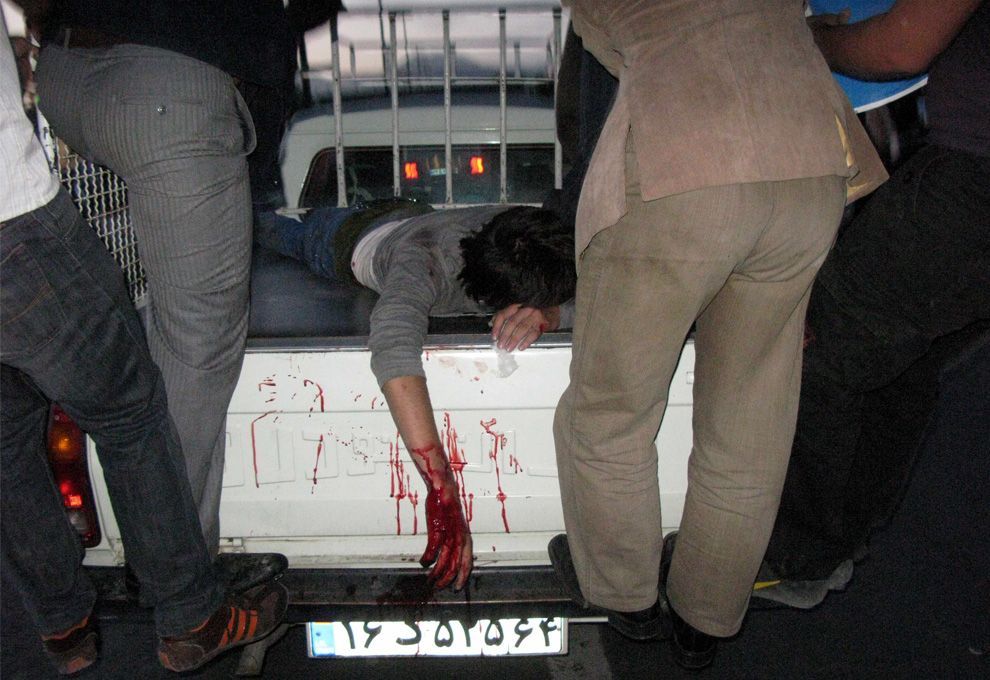 · 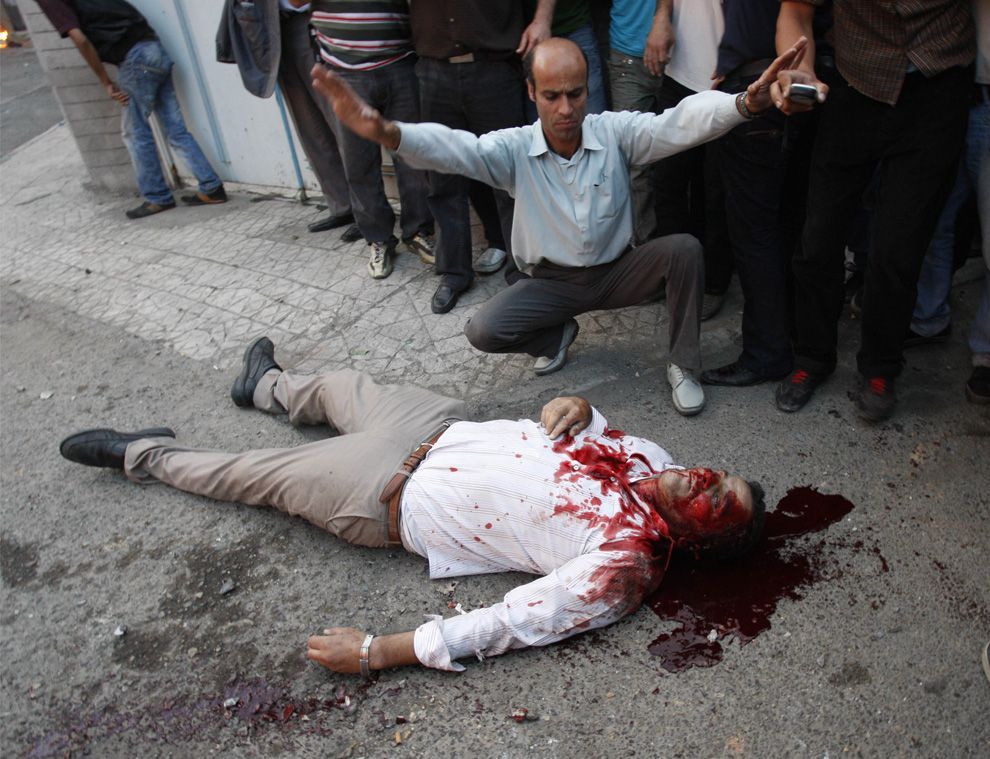 · 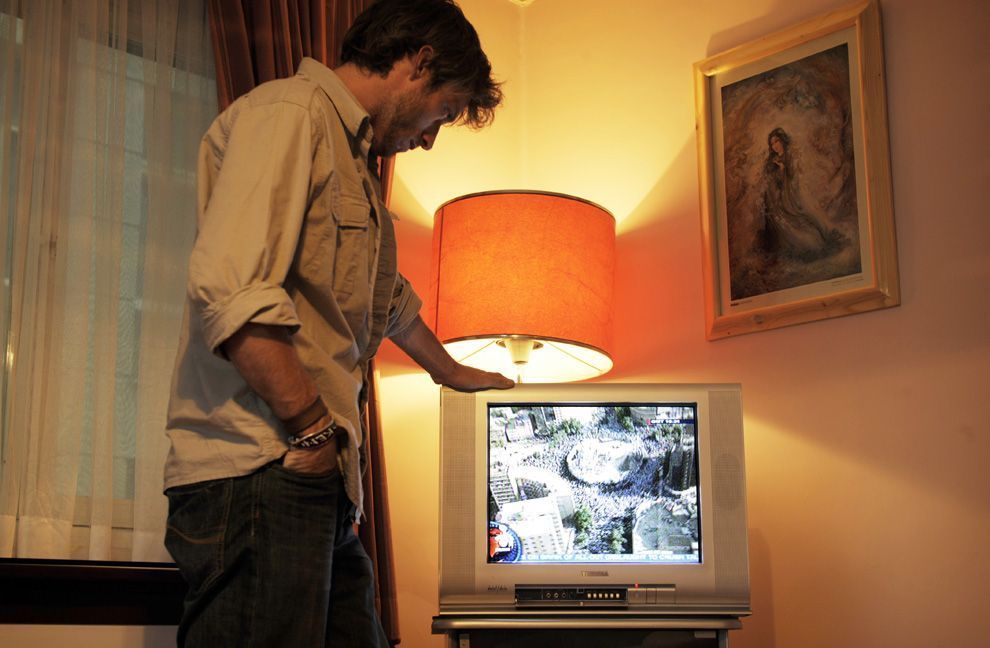 · 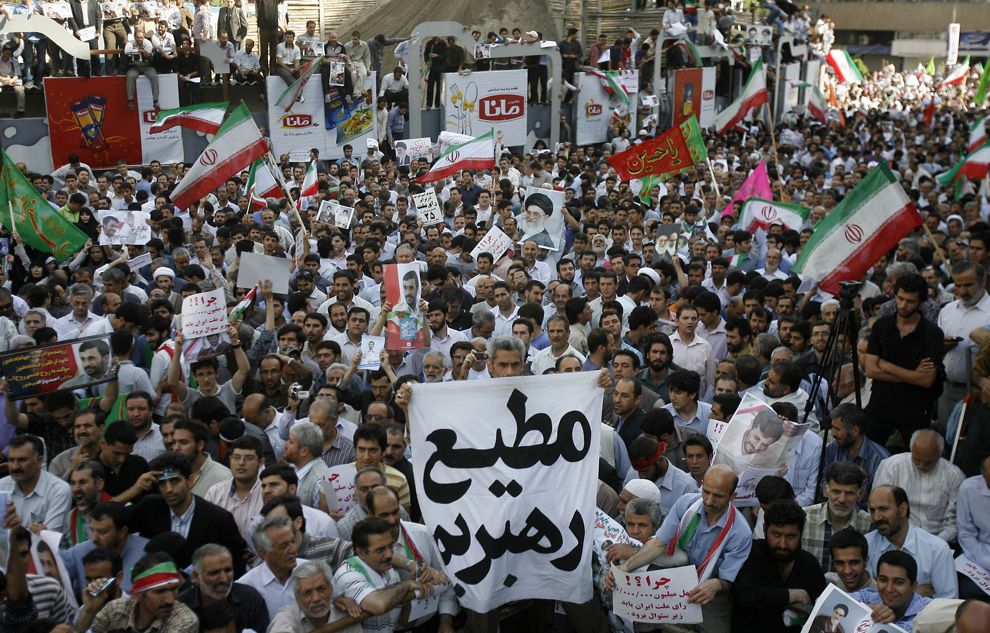 · 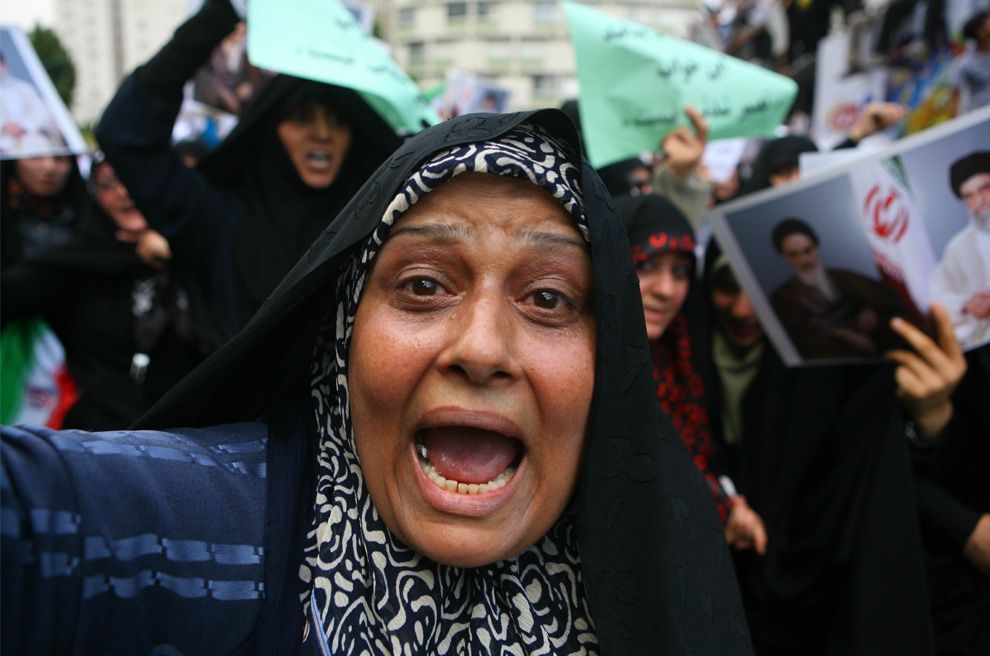 · 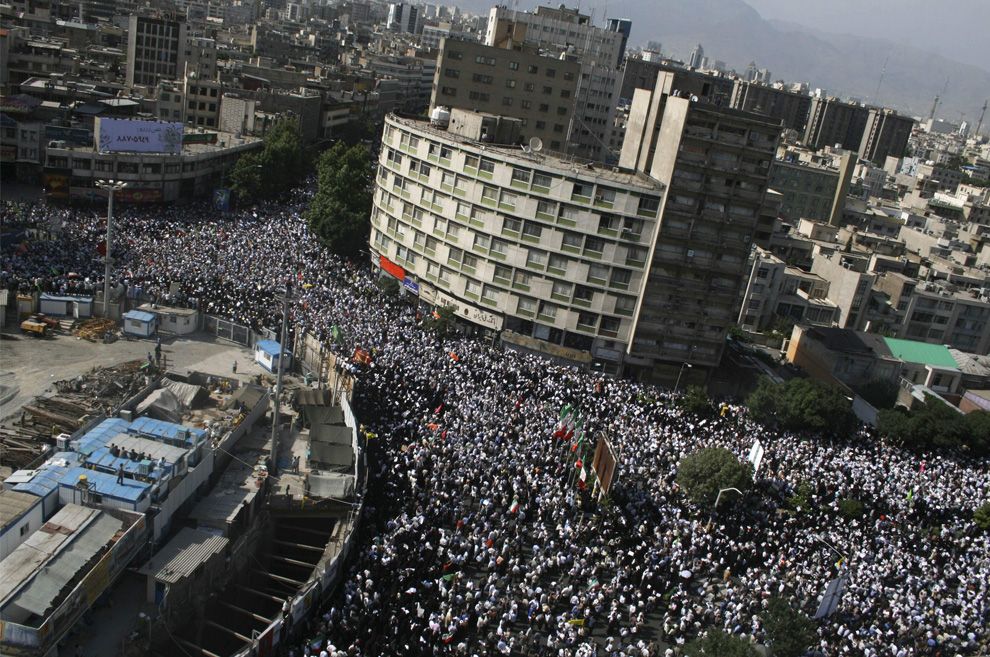 · 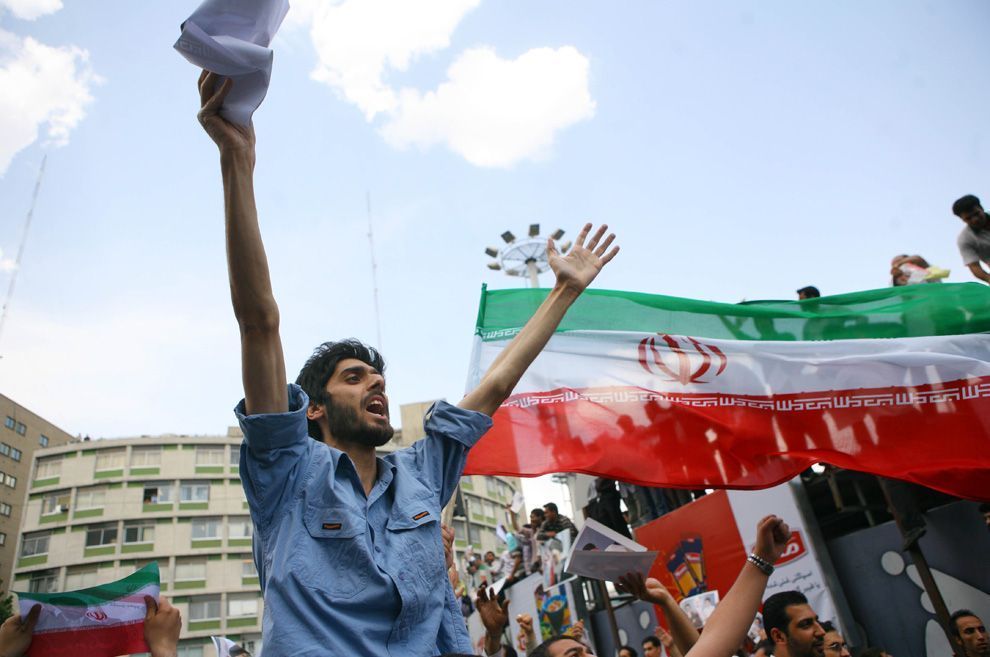 · 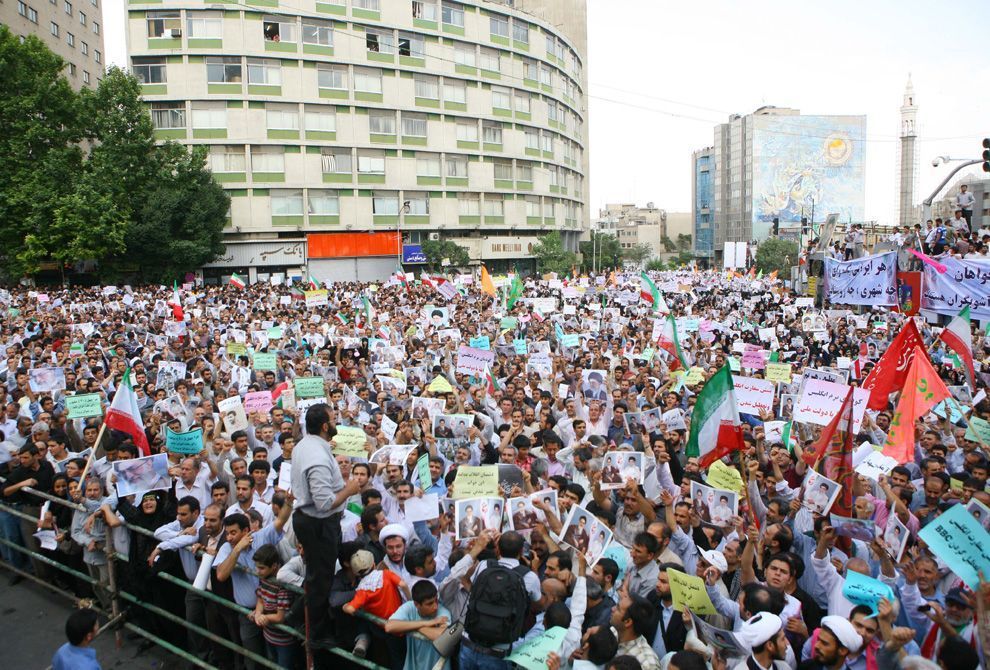 · 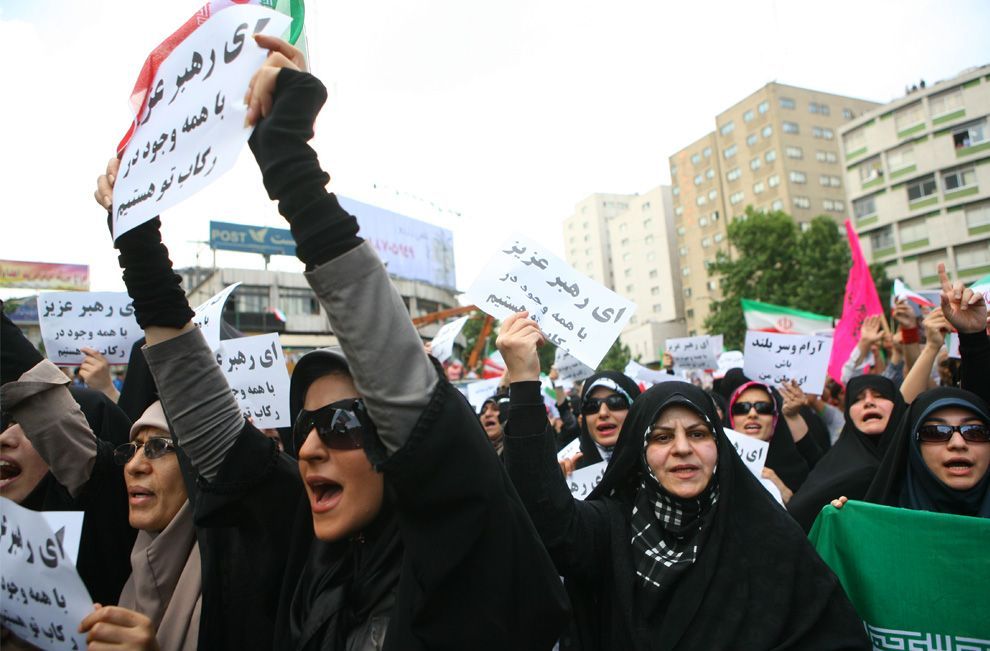 · 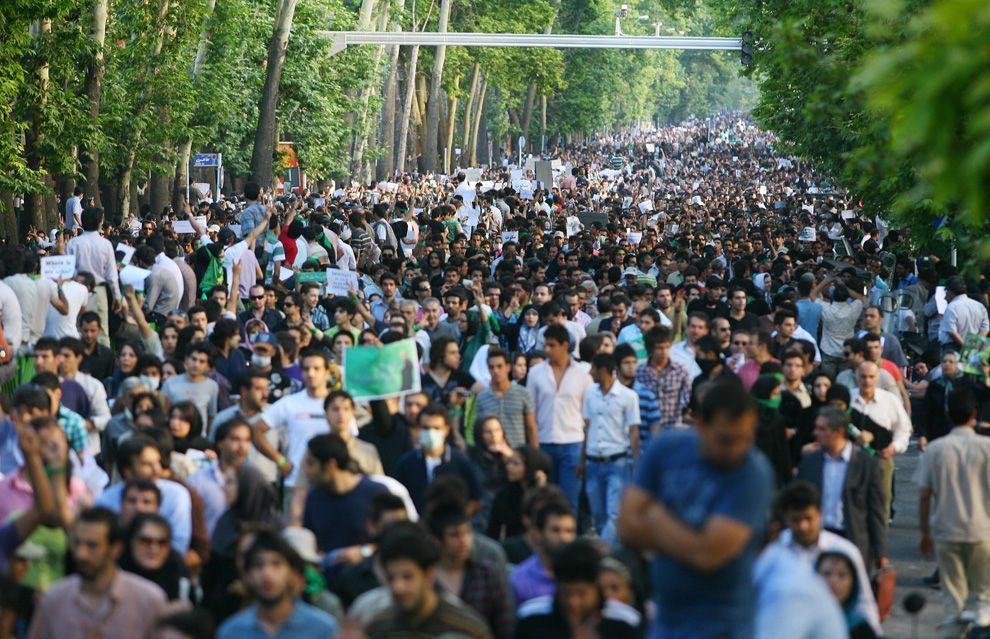 · 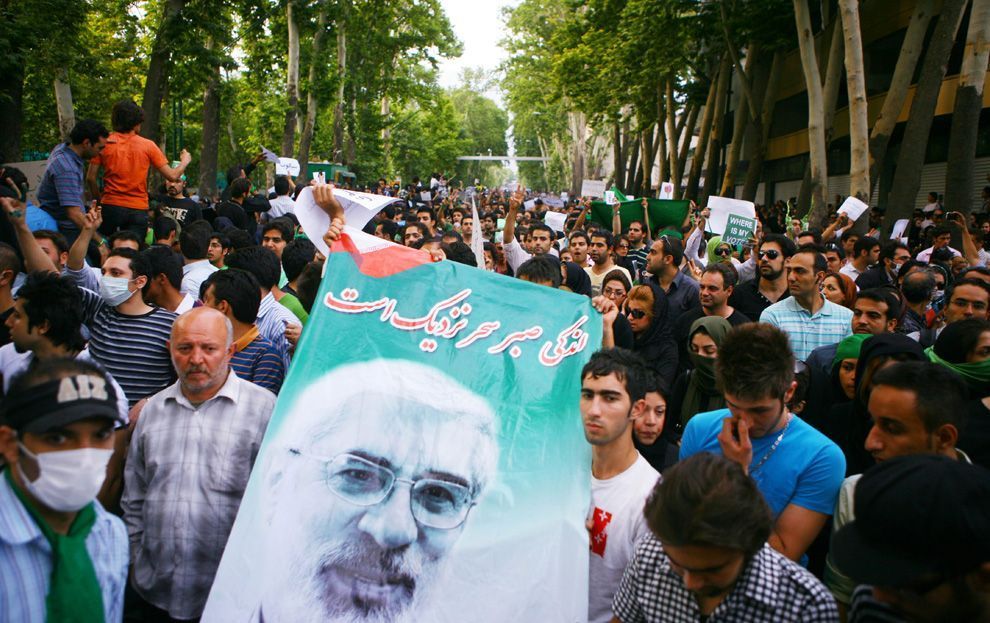 · 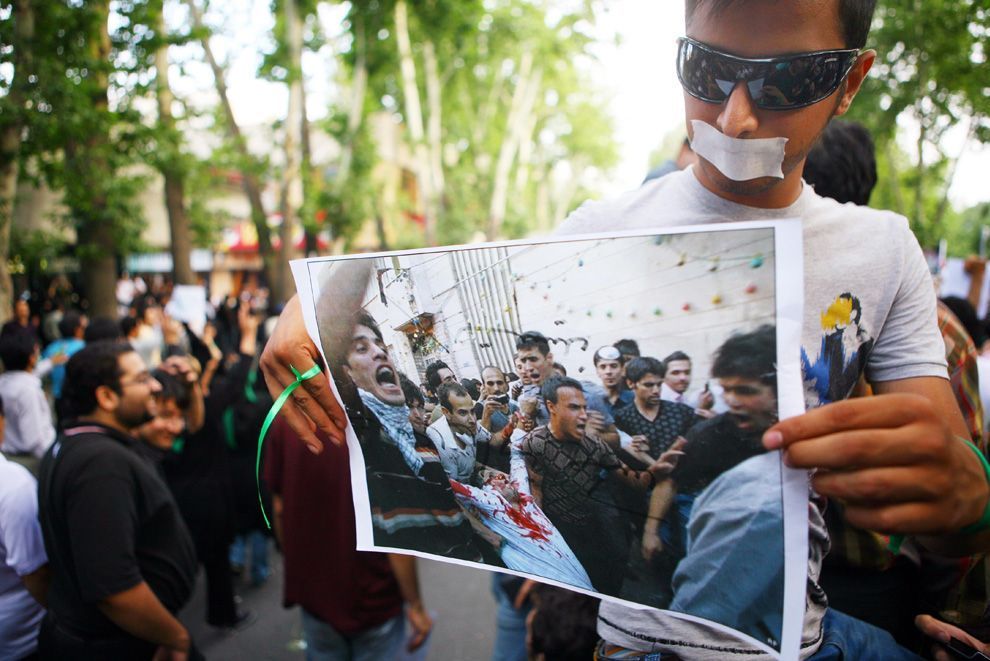 · 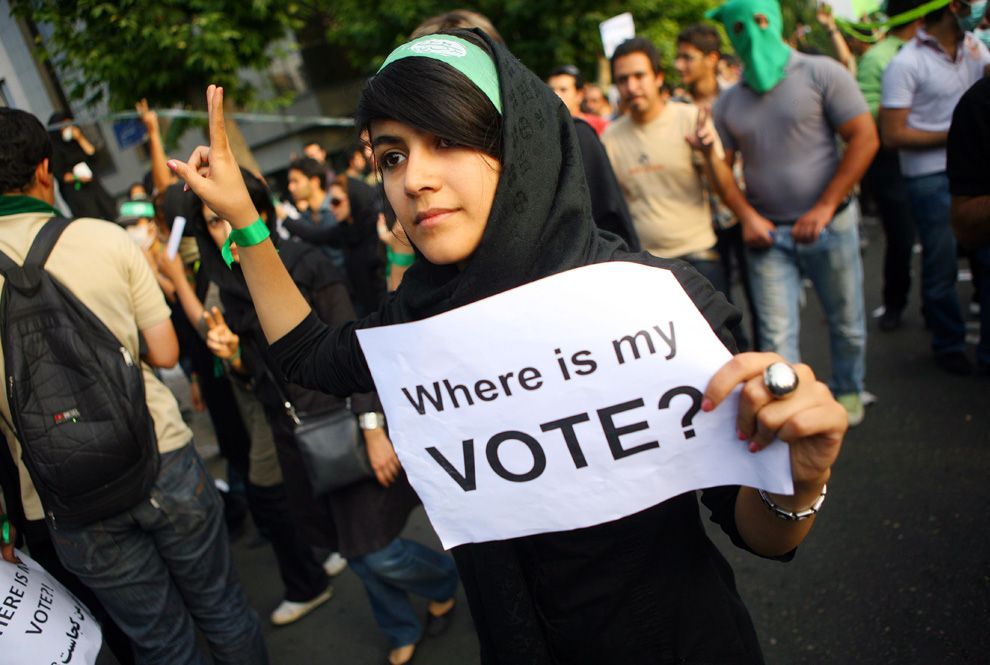 · 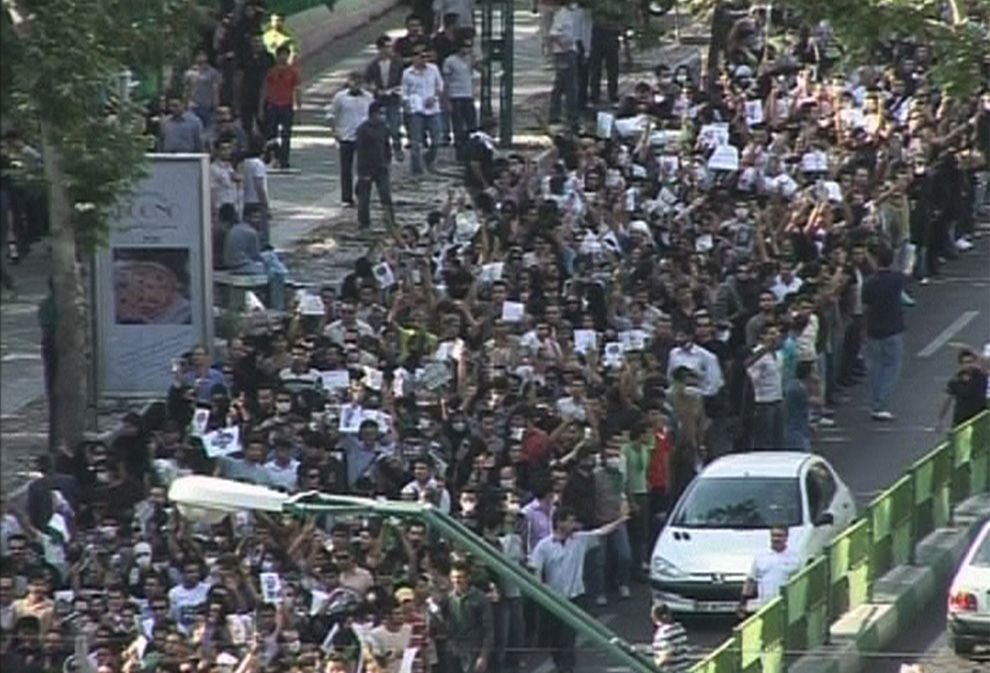 · 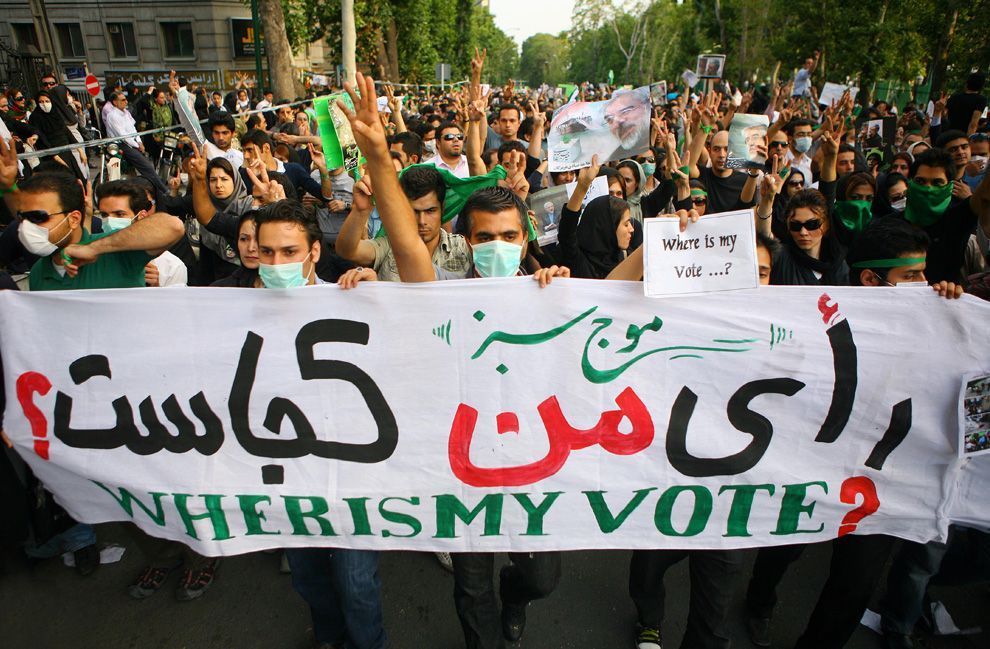 · 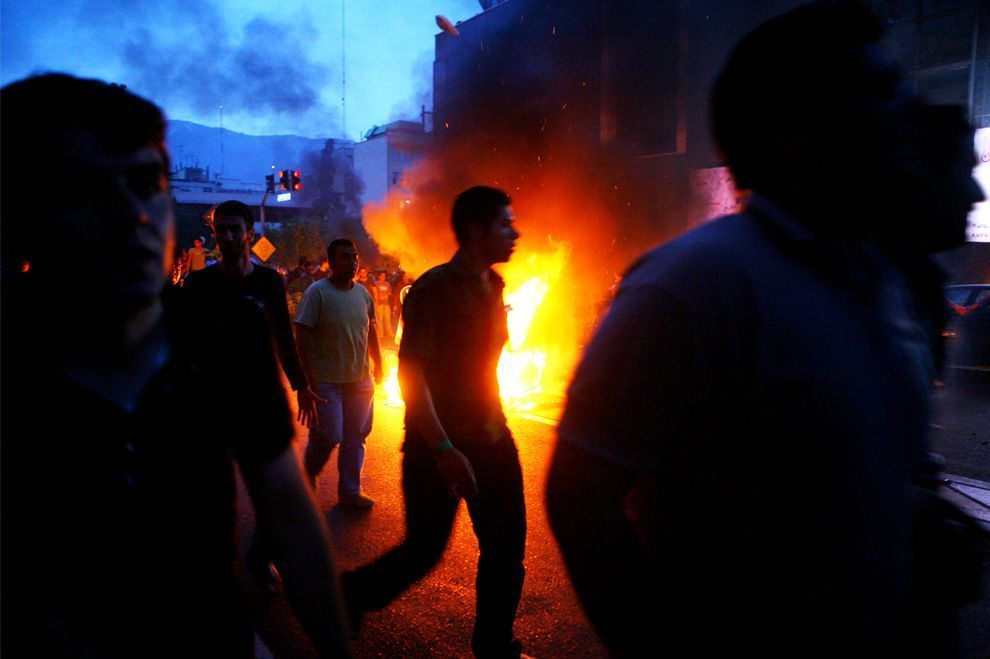 · 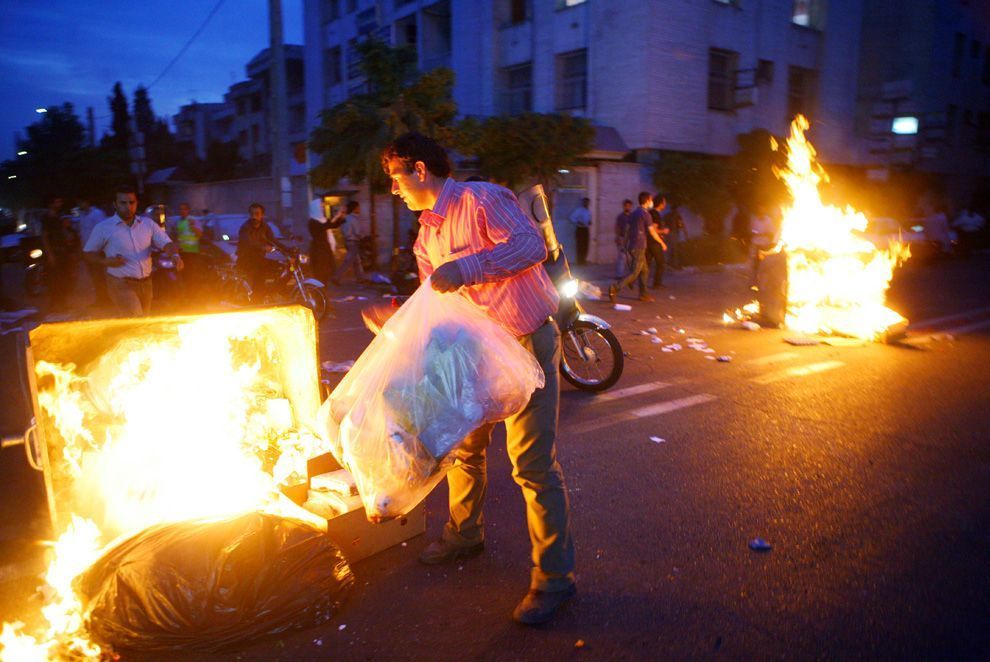 · 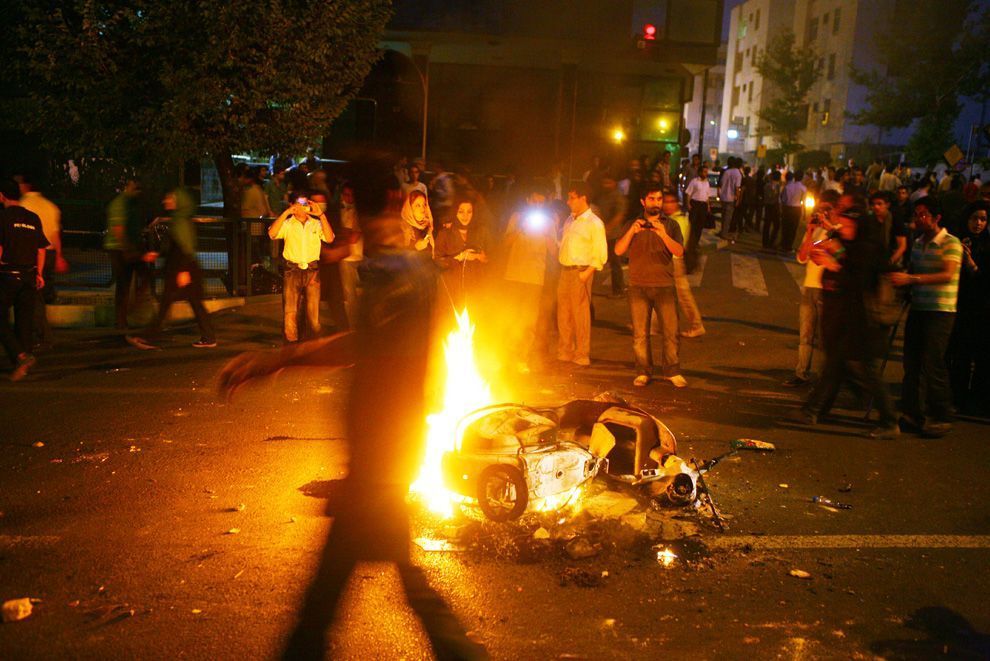 · 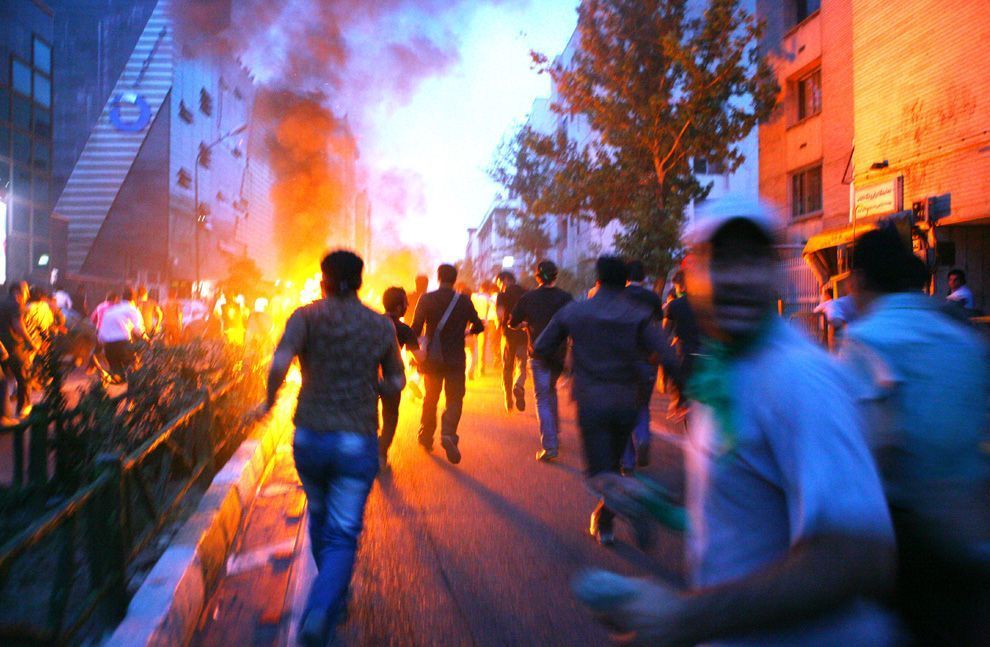 · 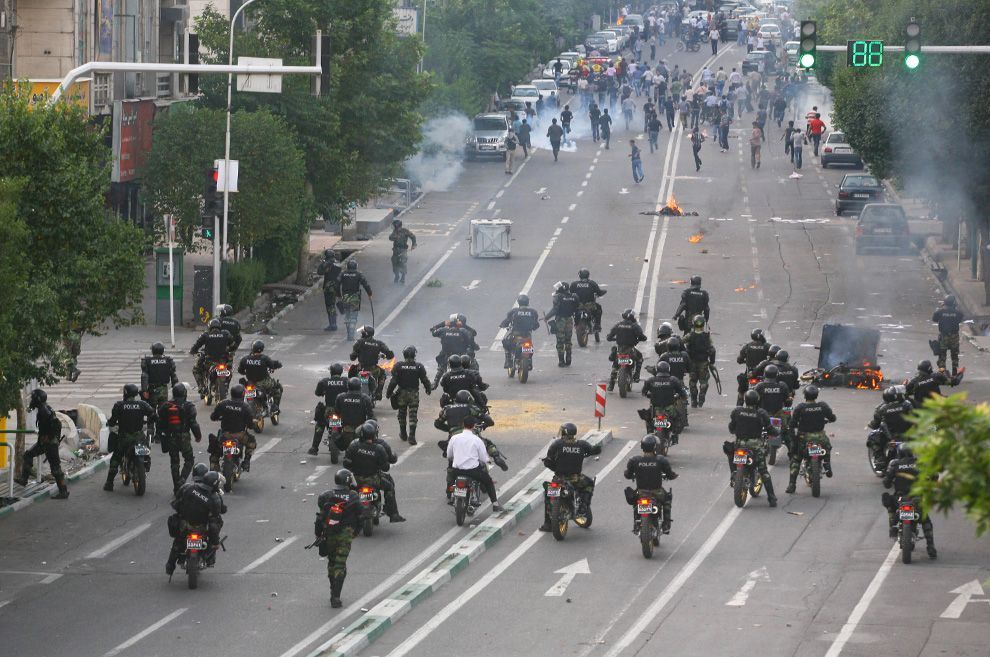 · 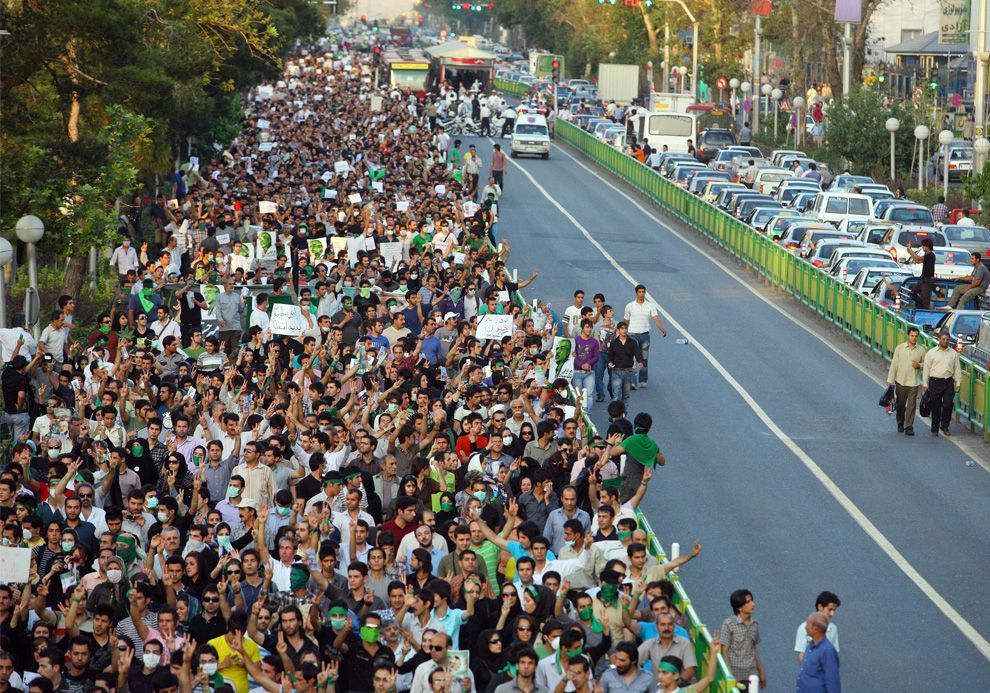 · 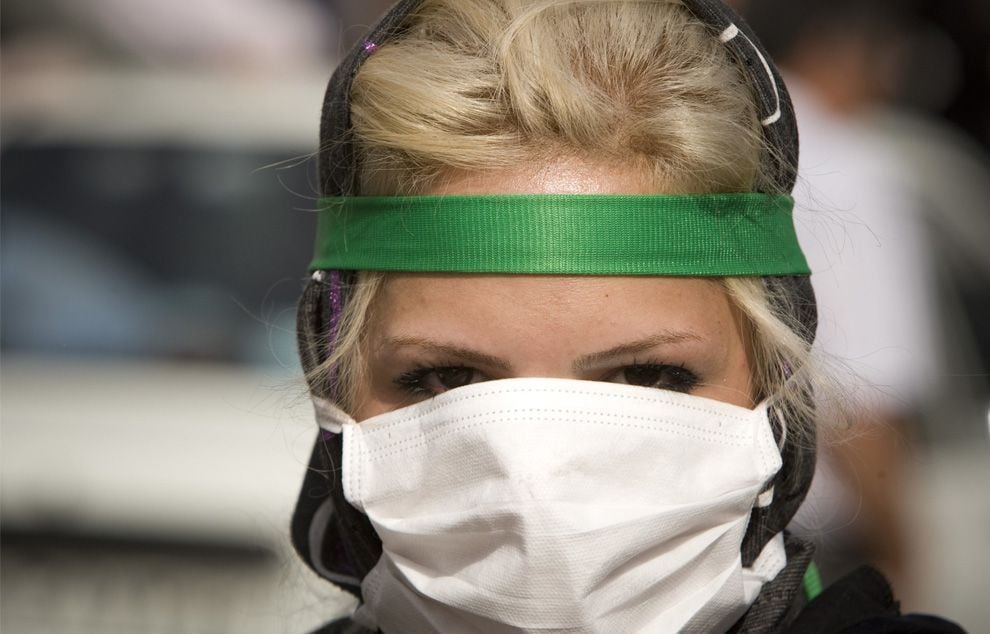 · 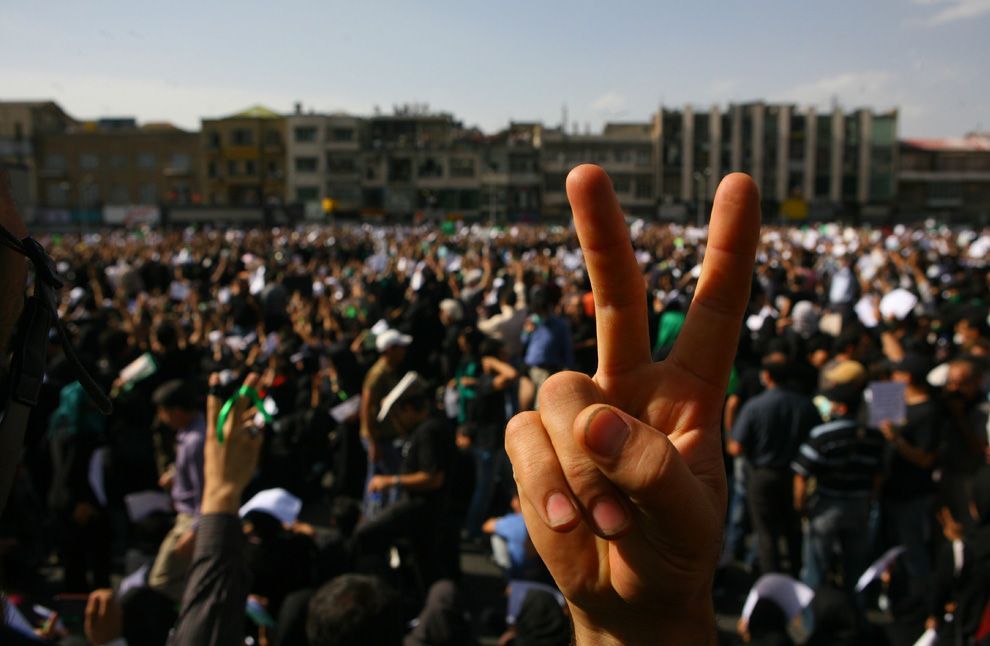 · 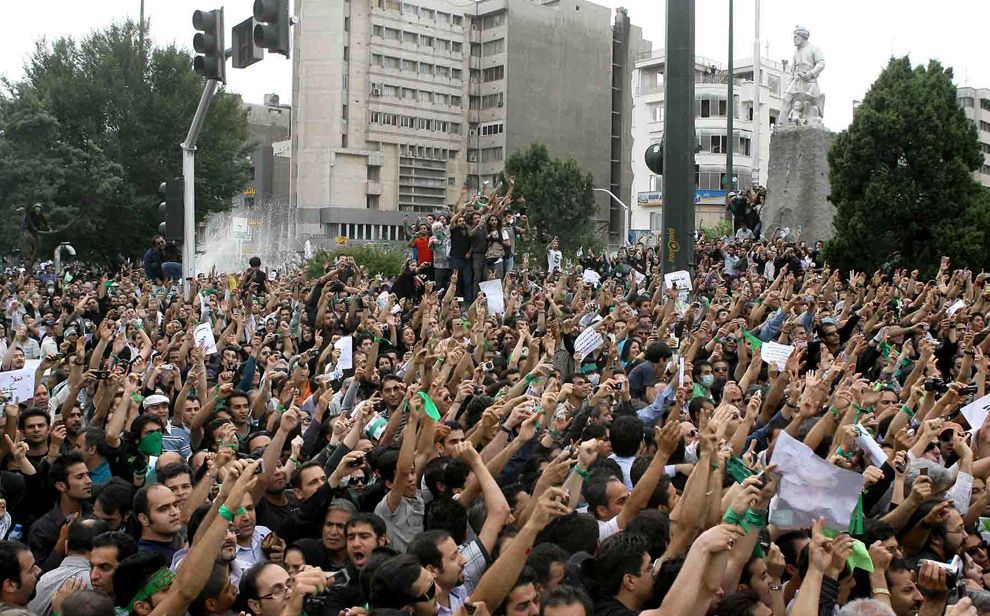 · 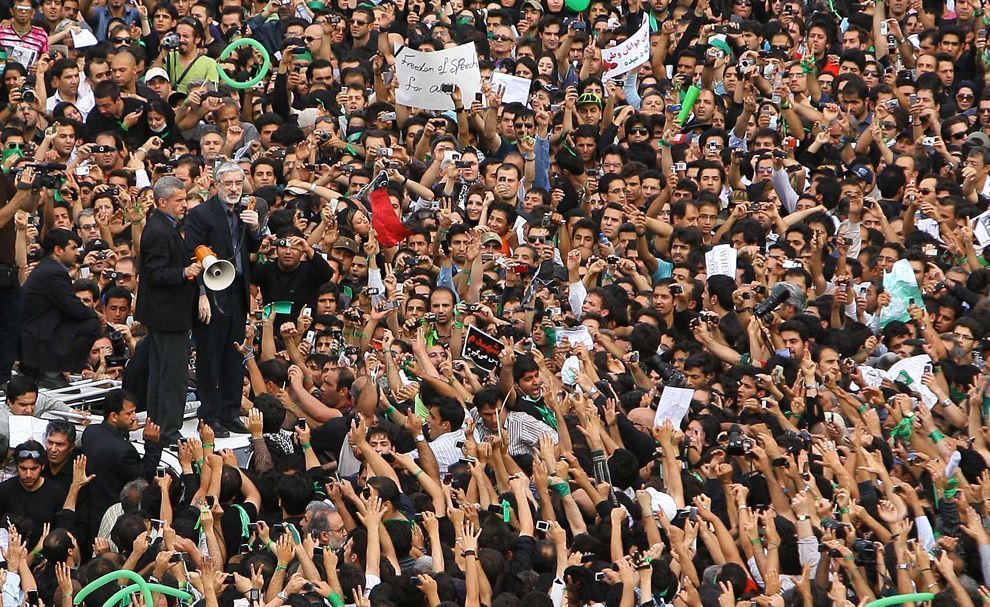 · 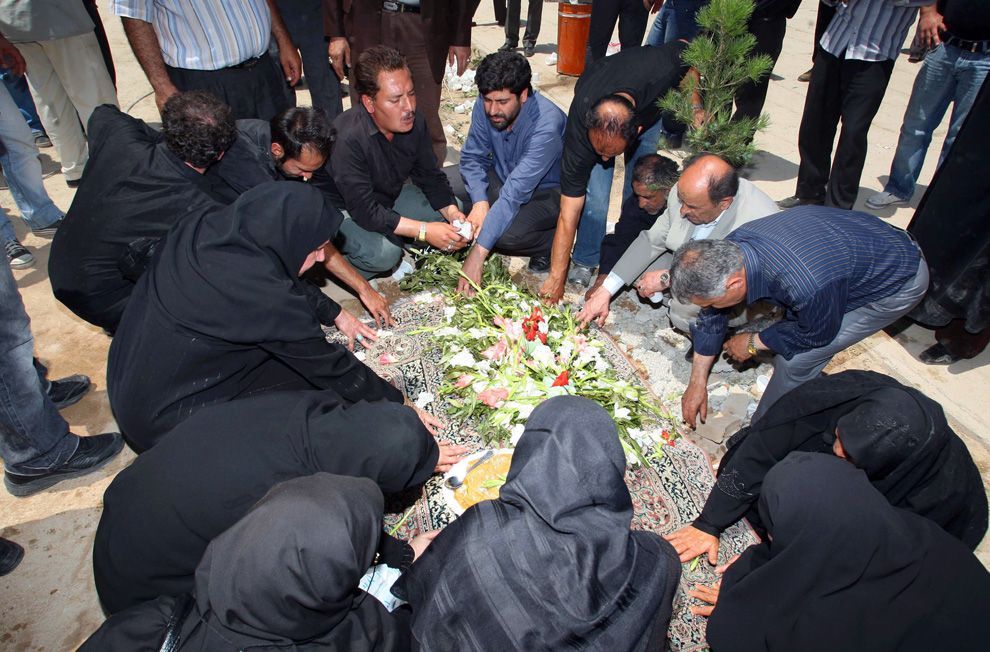 · 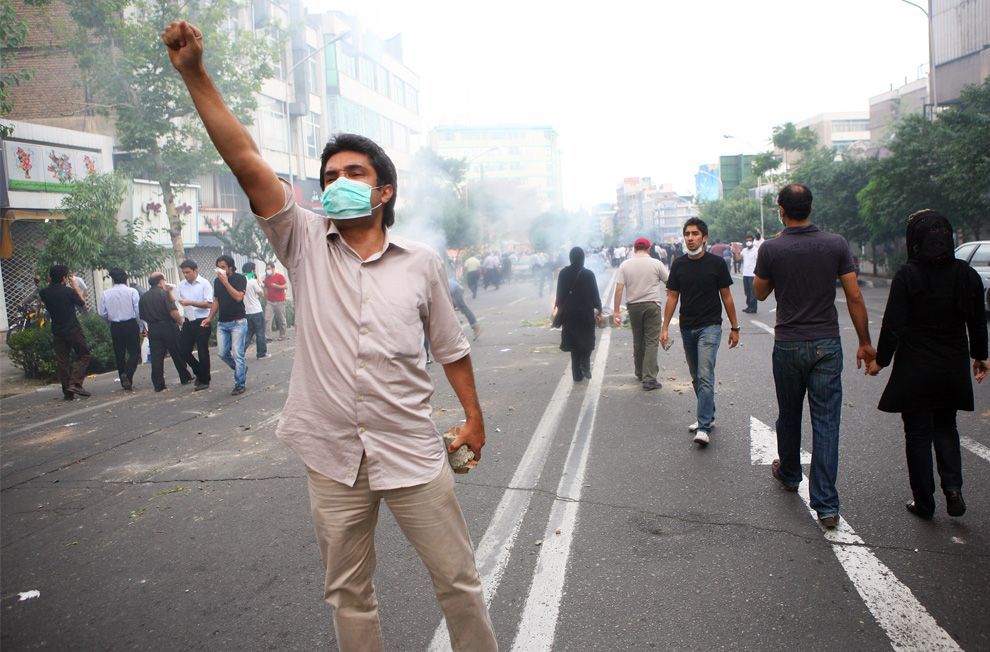 · 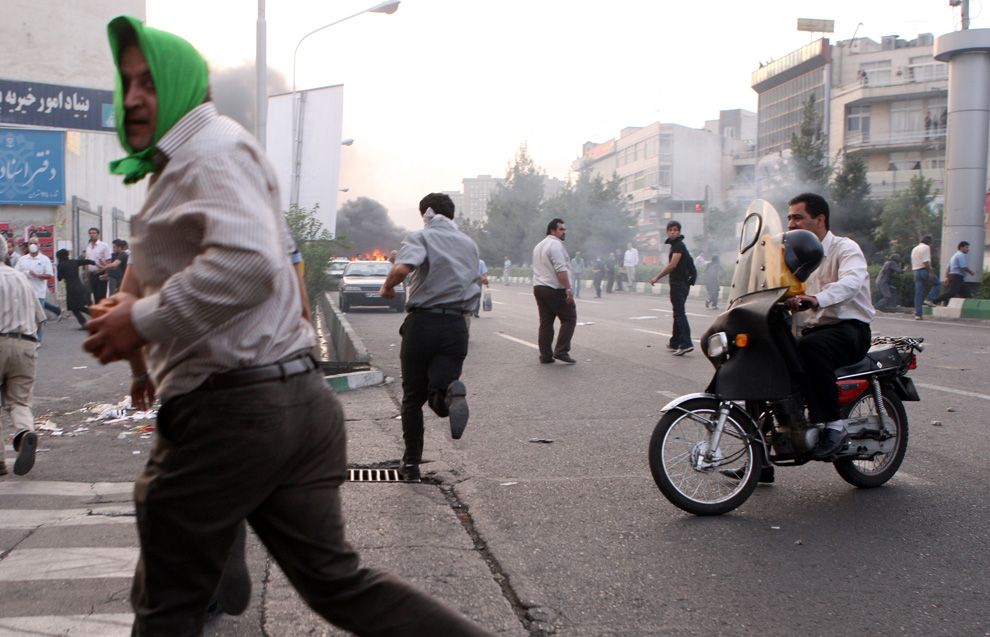 · 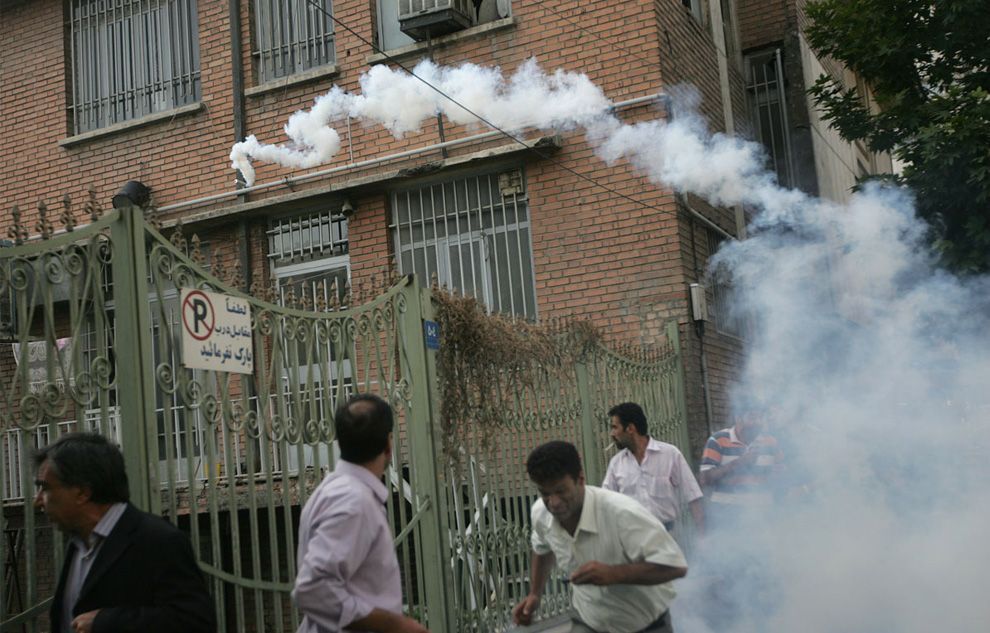 · 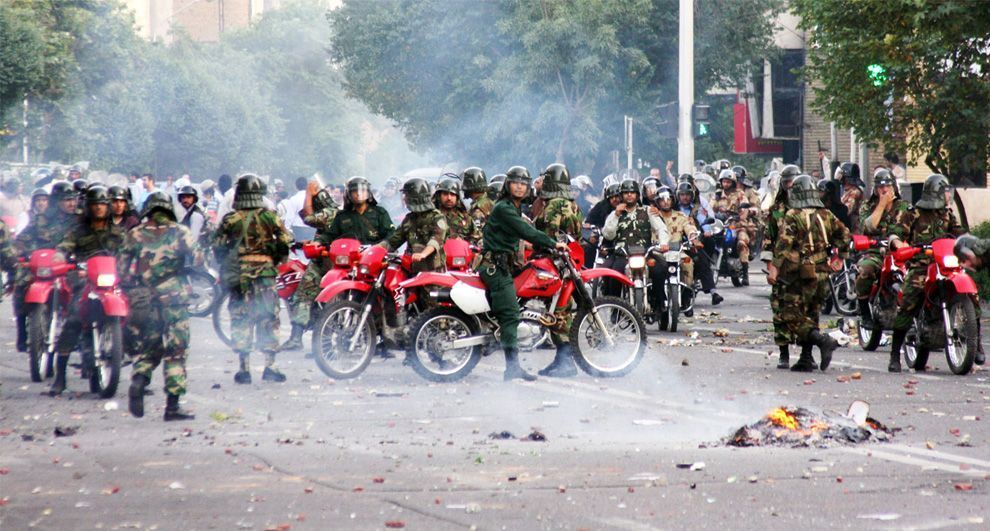 ·  ·  ·  ·  ·  · 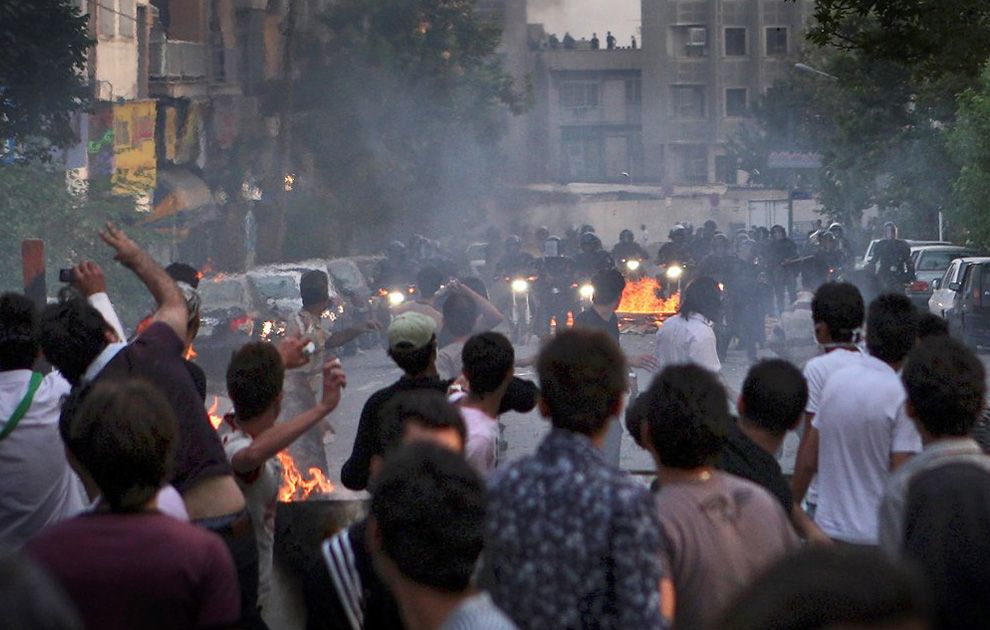 · 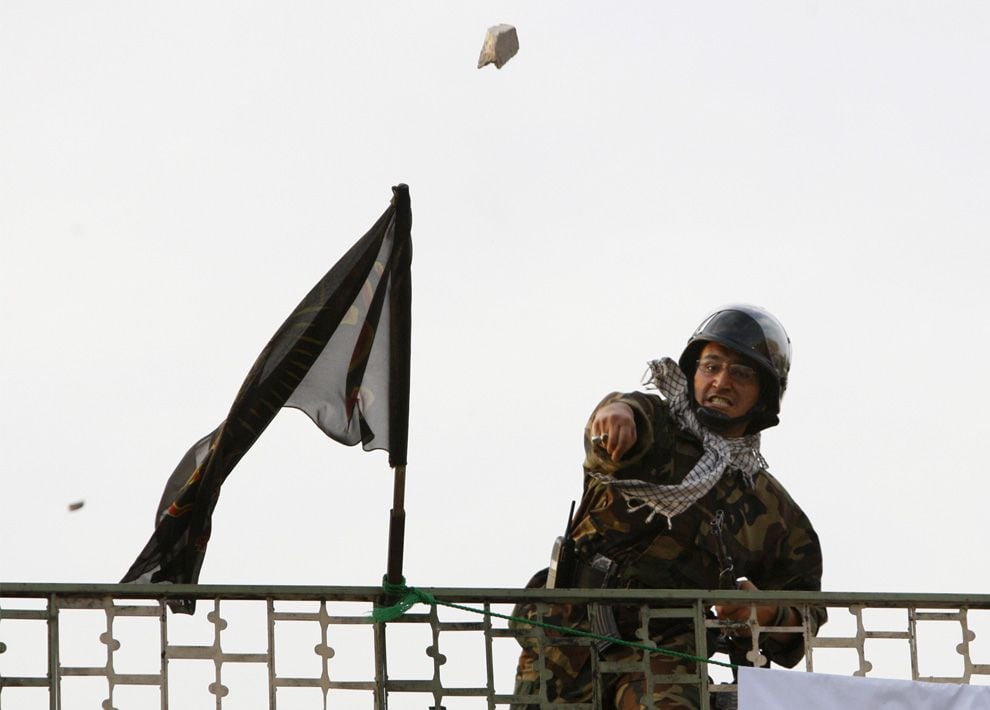 · 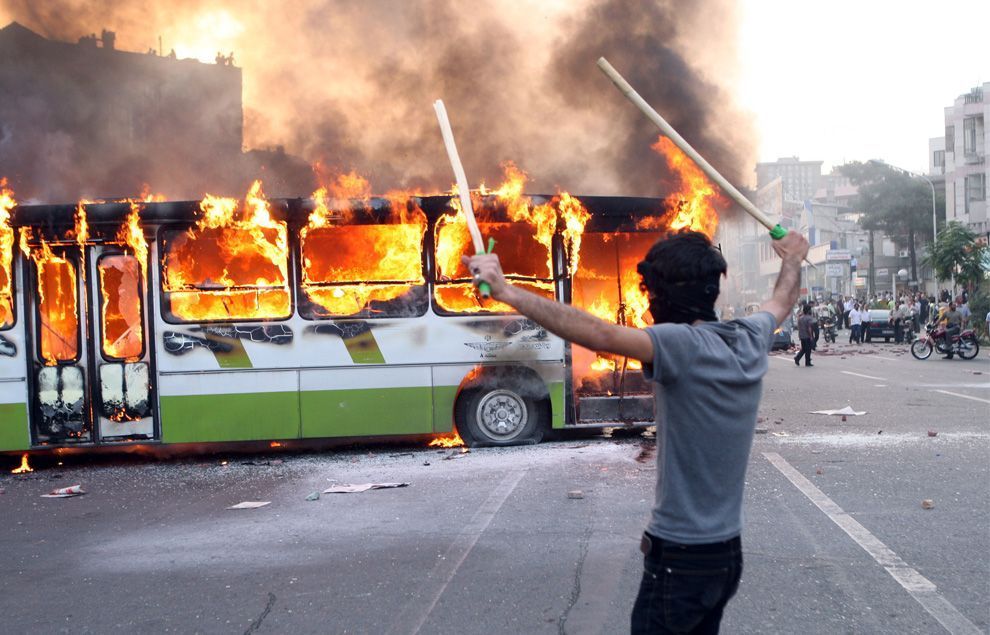 · 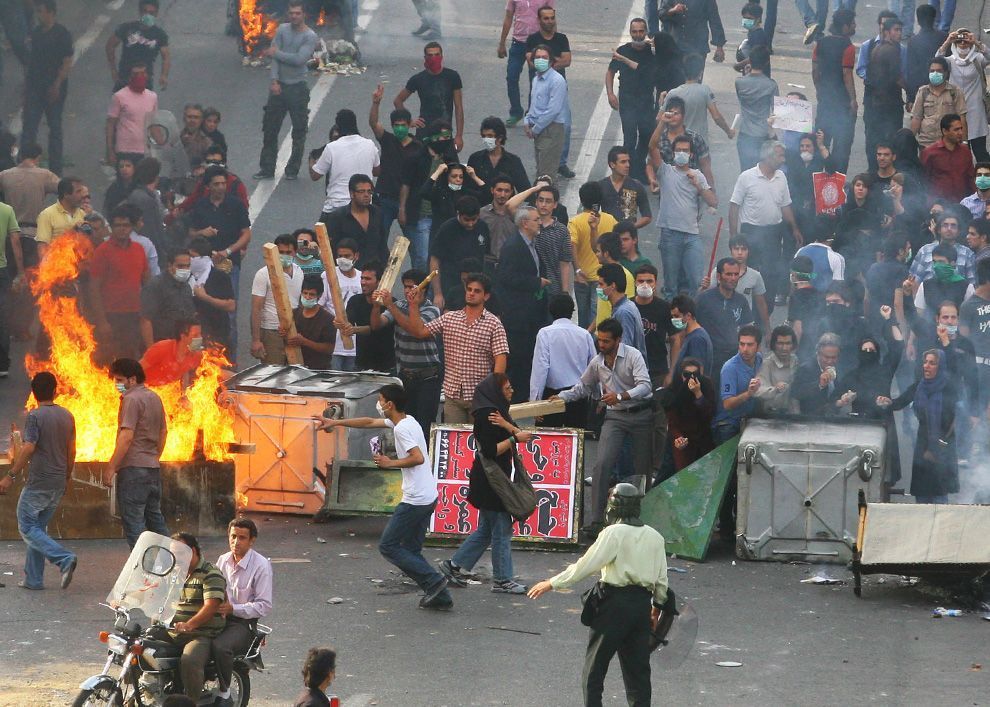 · 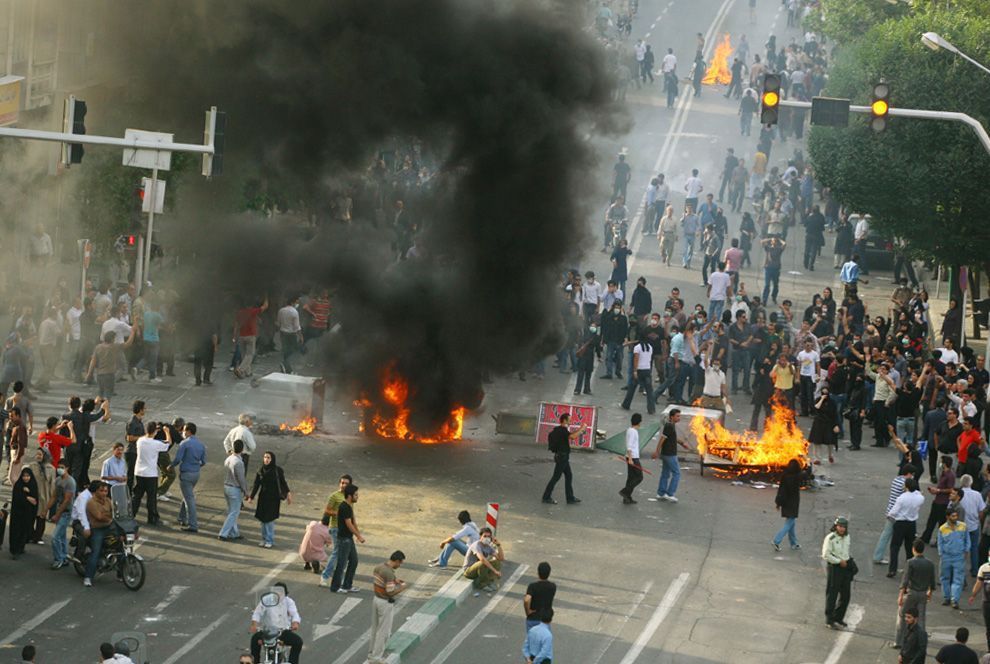 · 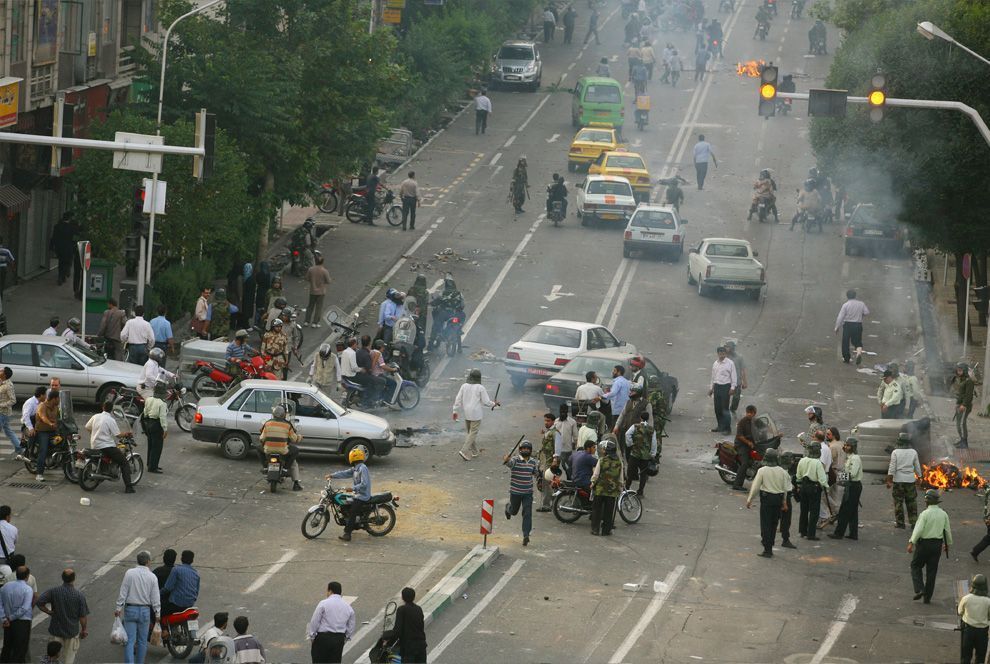 · 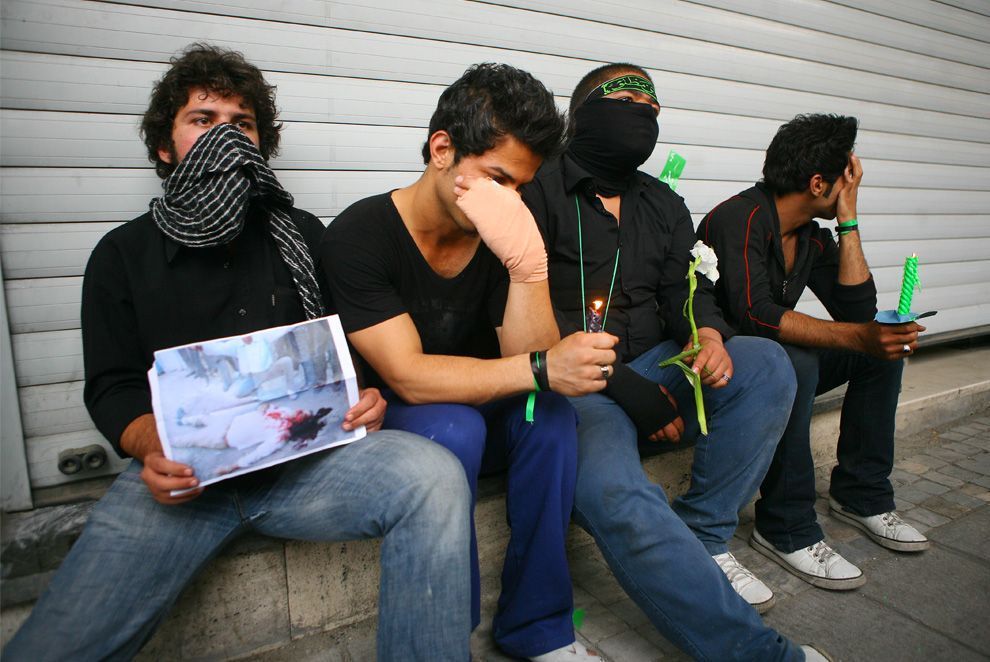 · 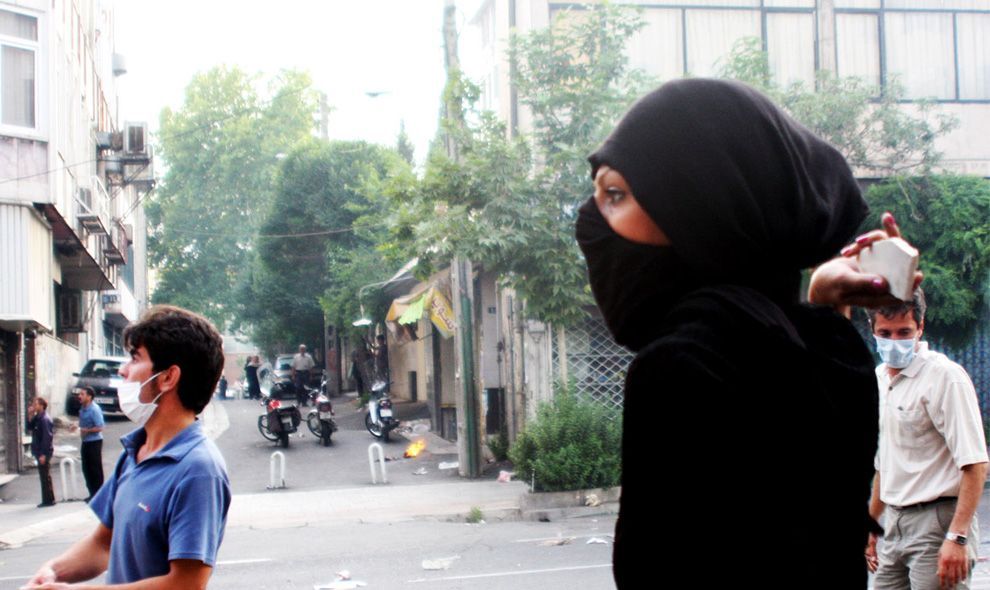 · 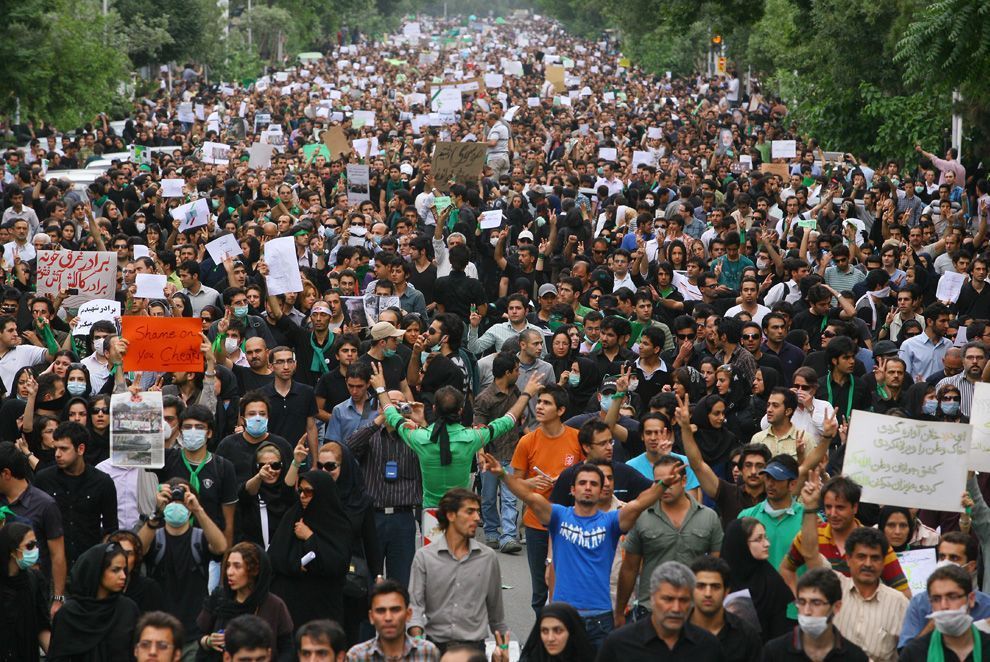 · 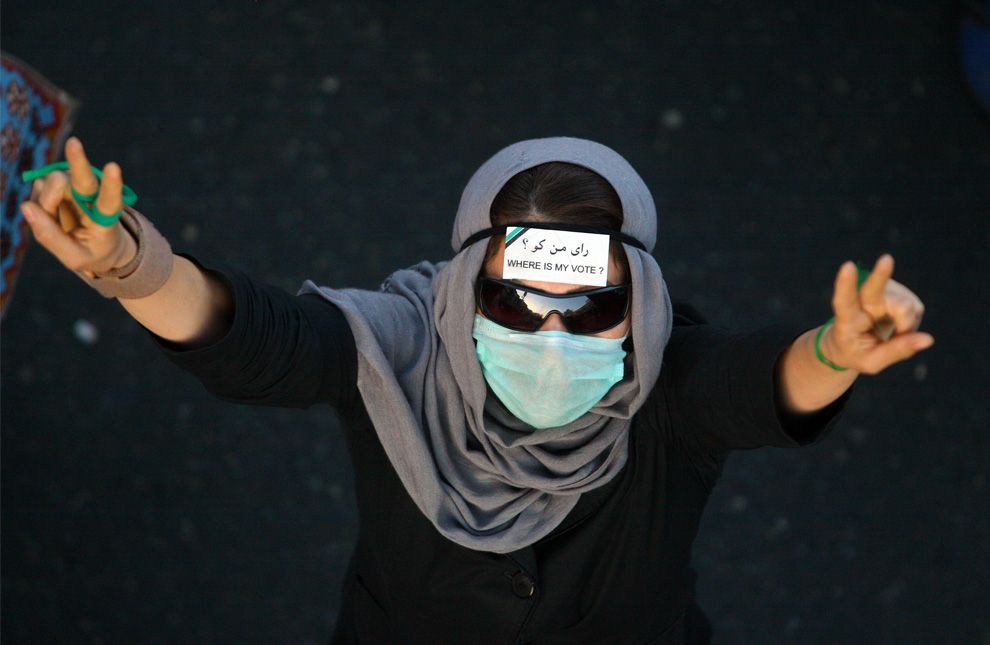 · 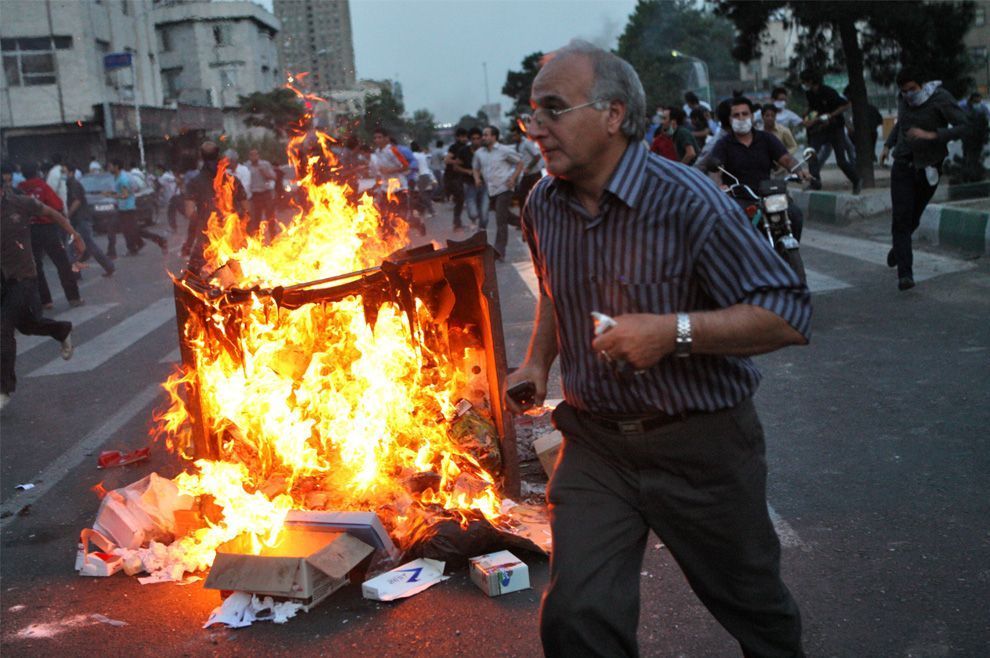 · 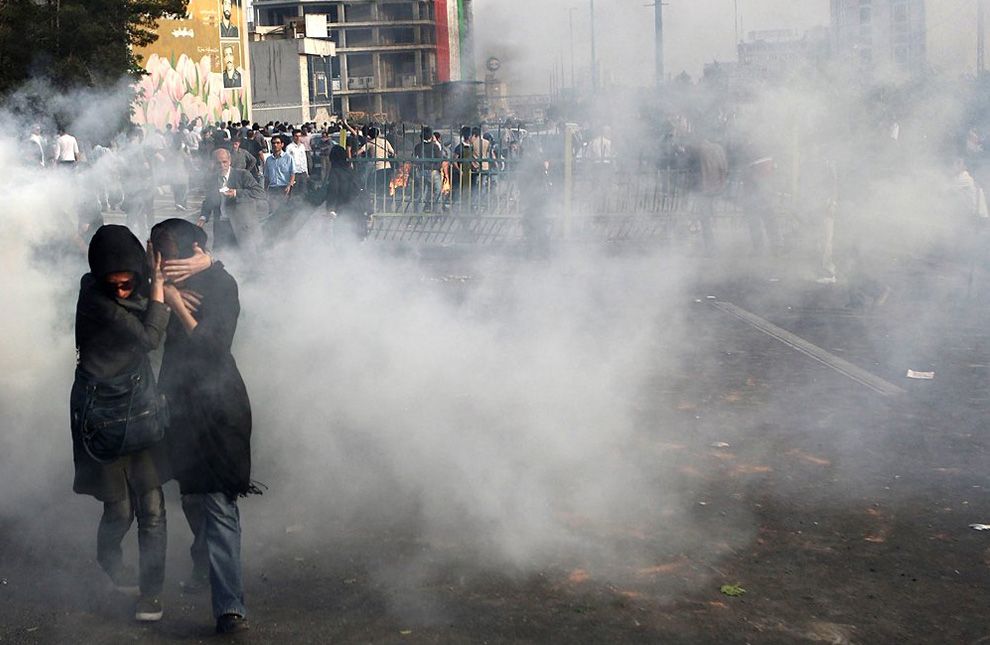 · 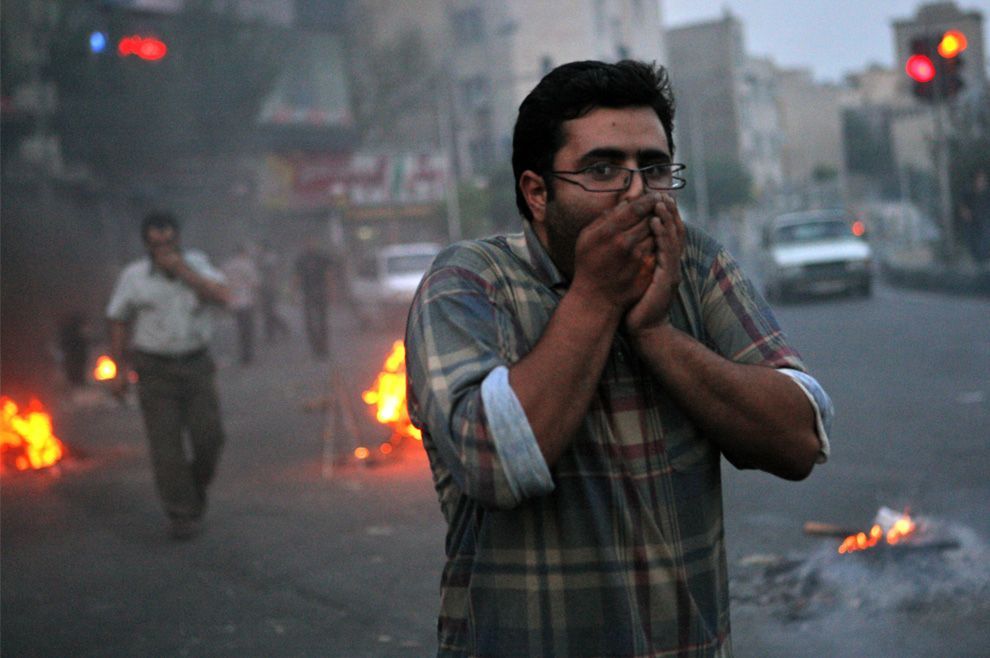 · 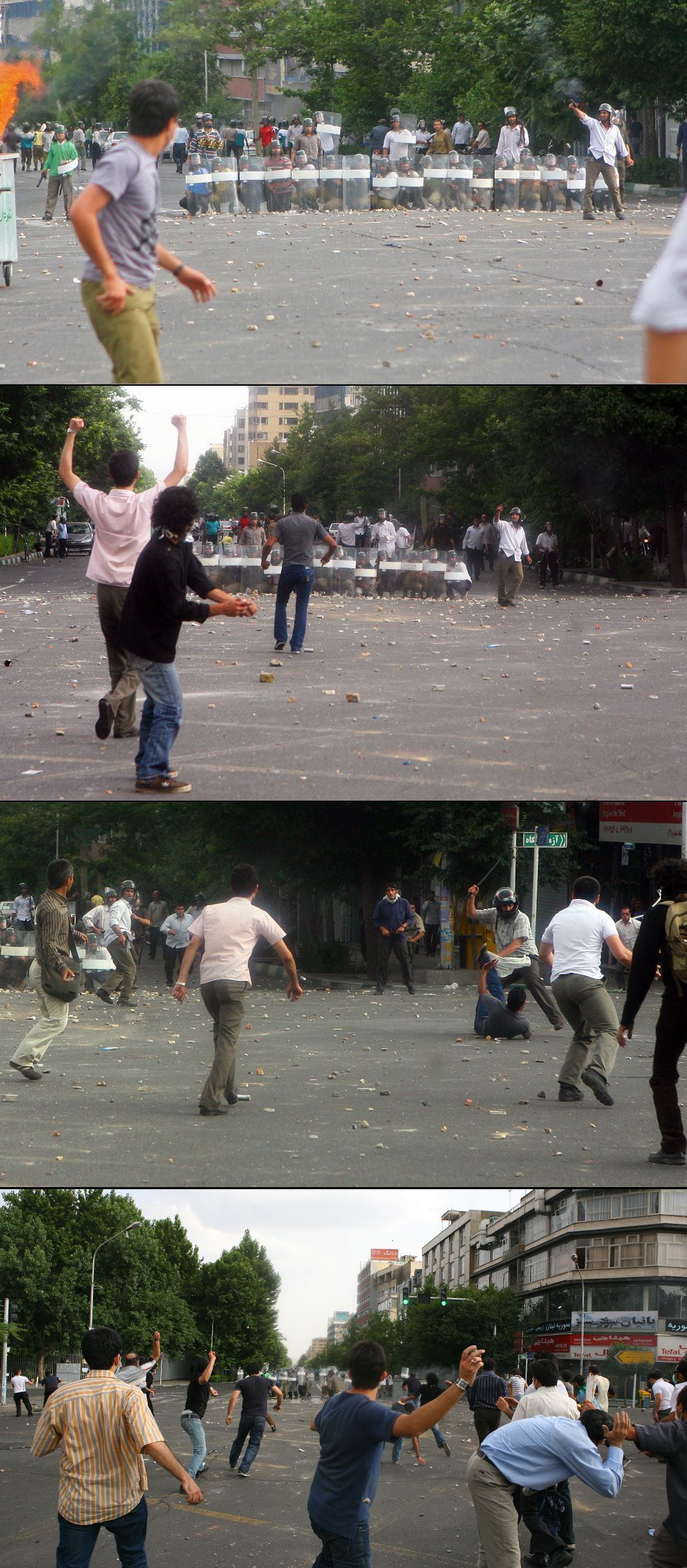 · 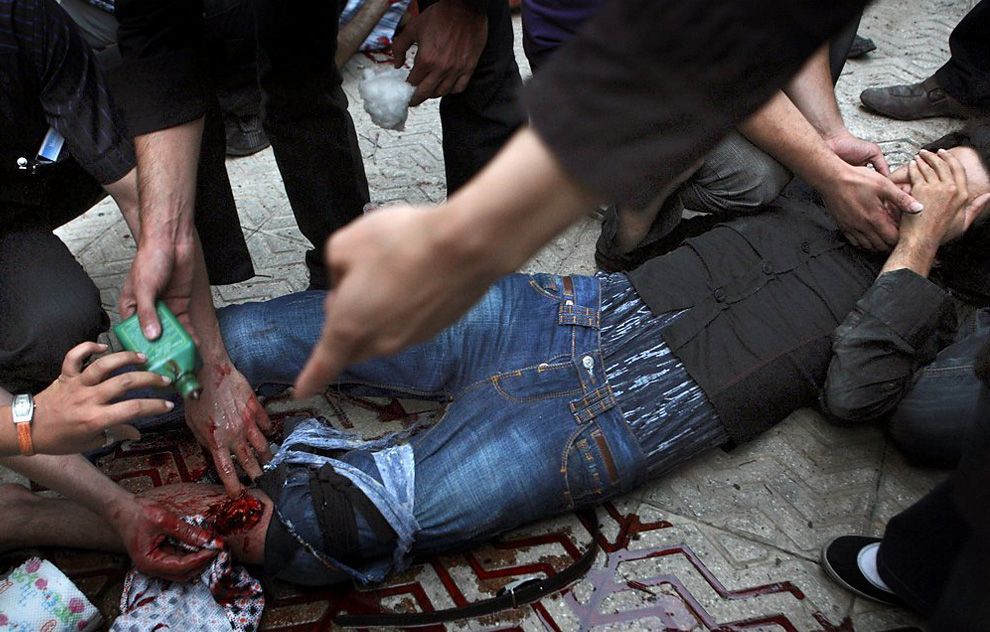 · 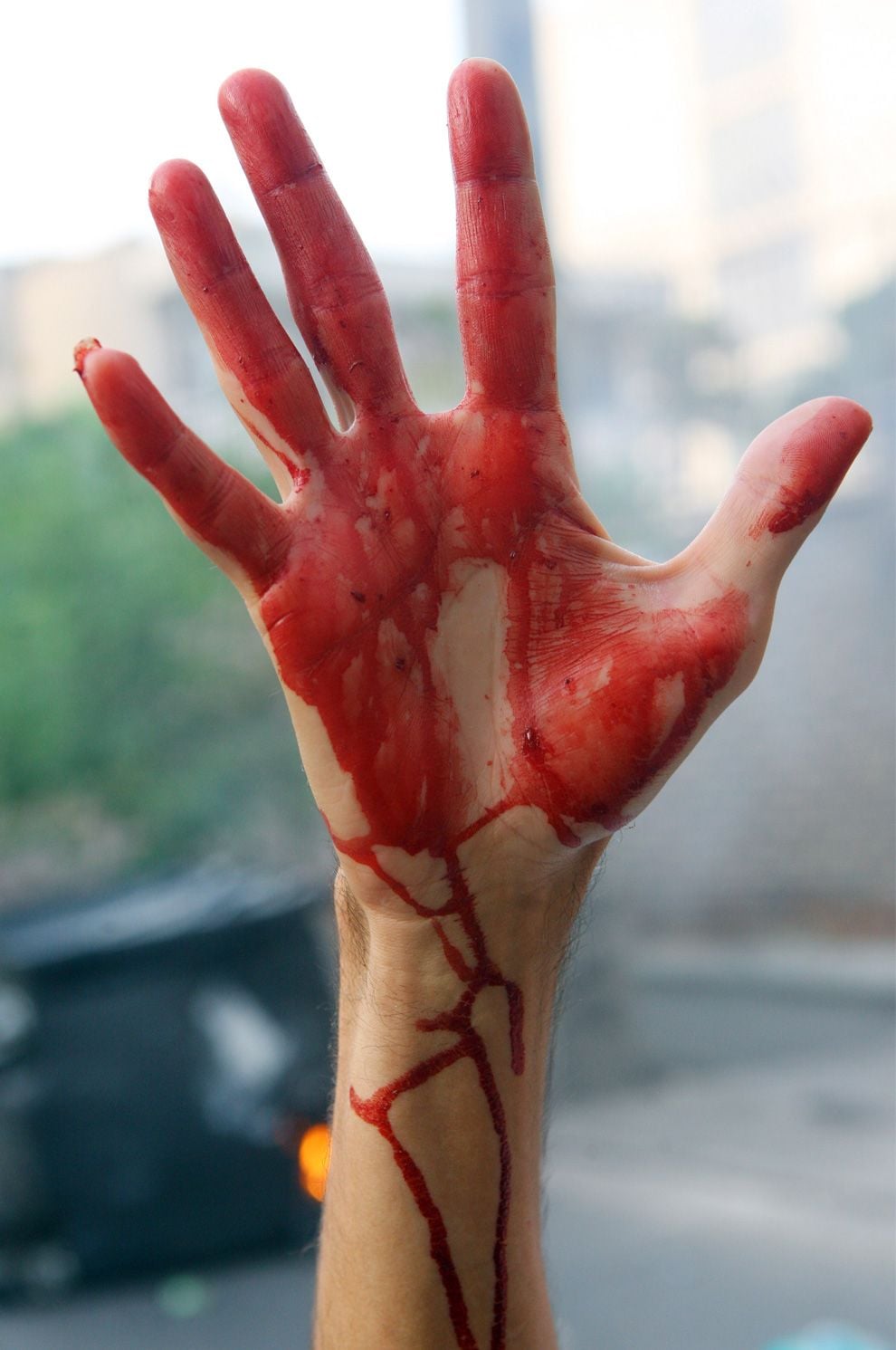 · 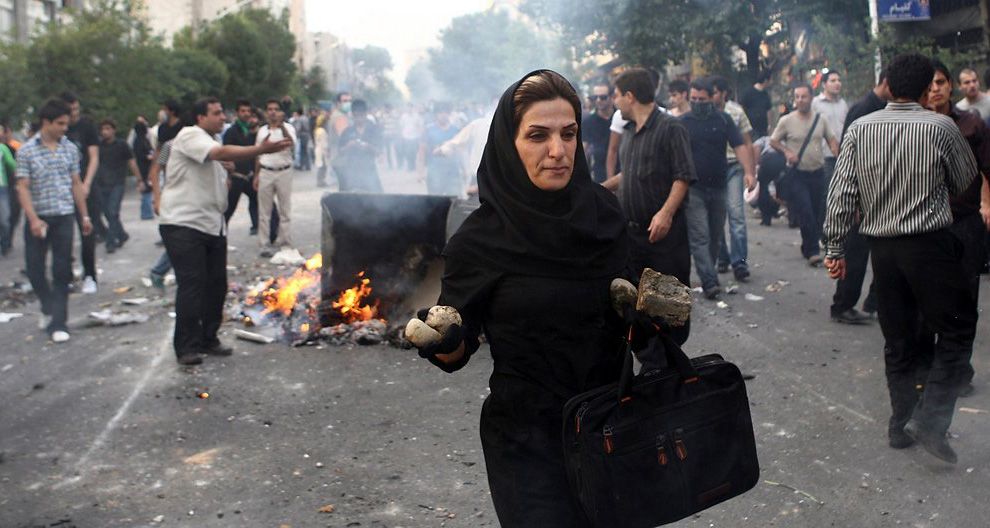 · 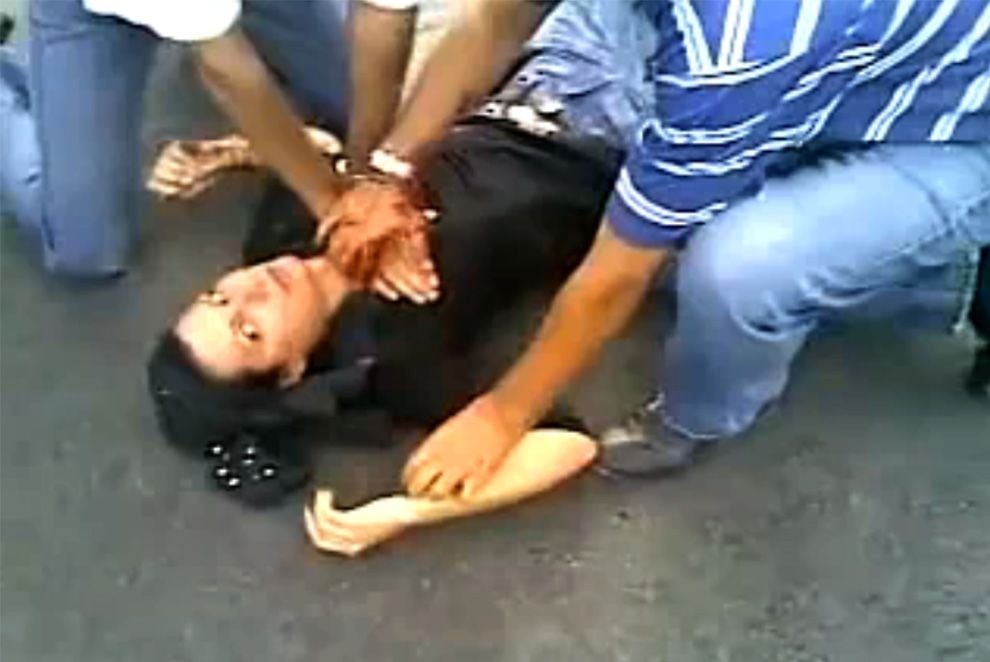 · 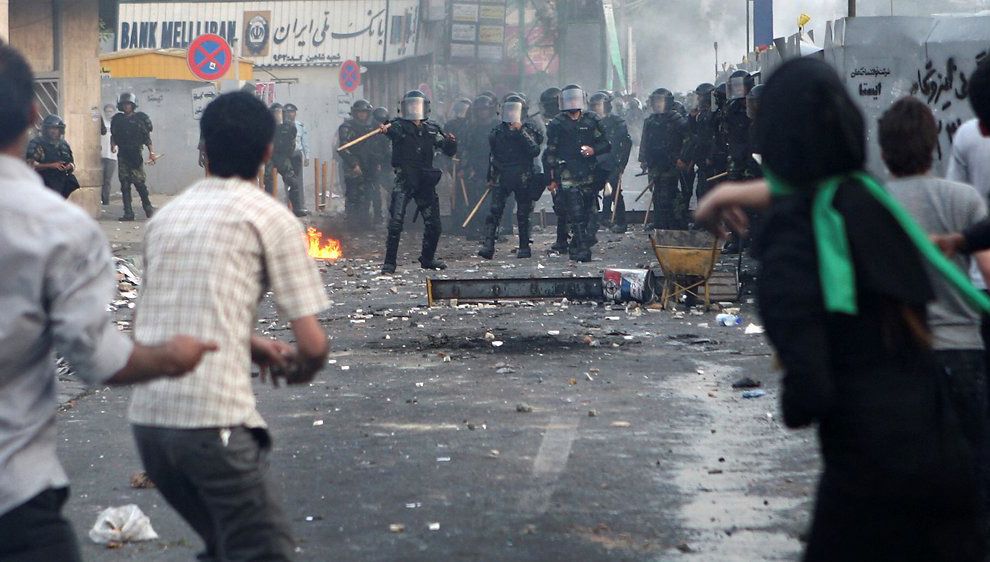 · 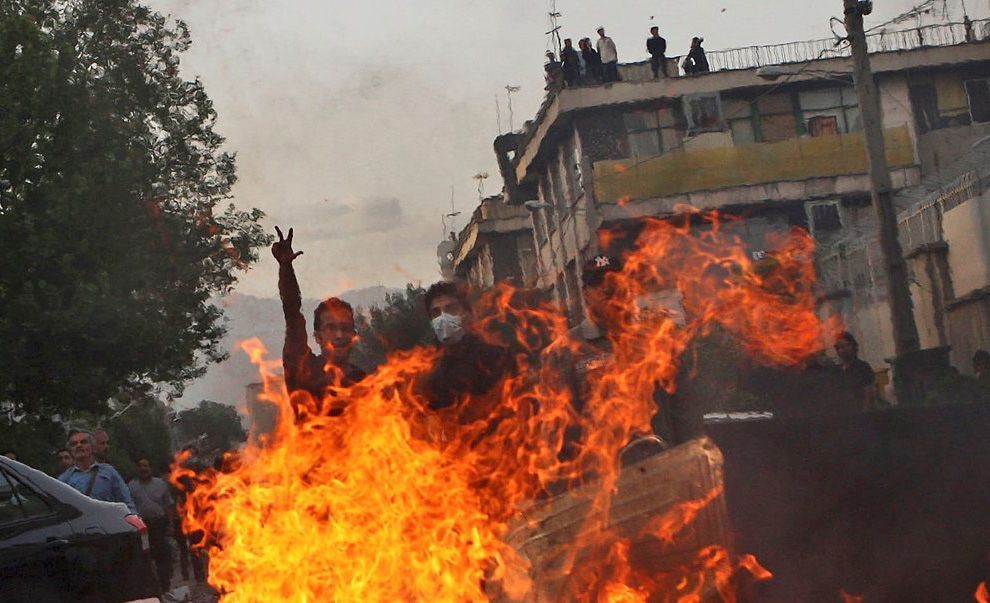 · 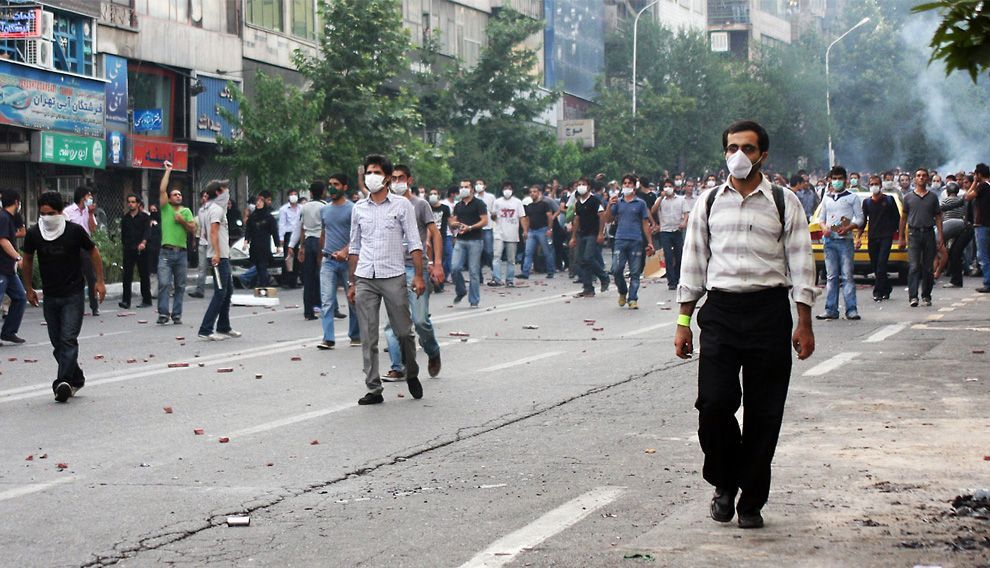 · 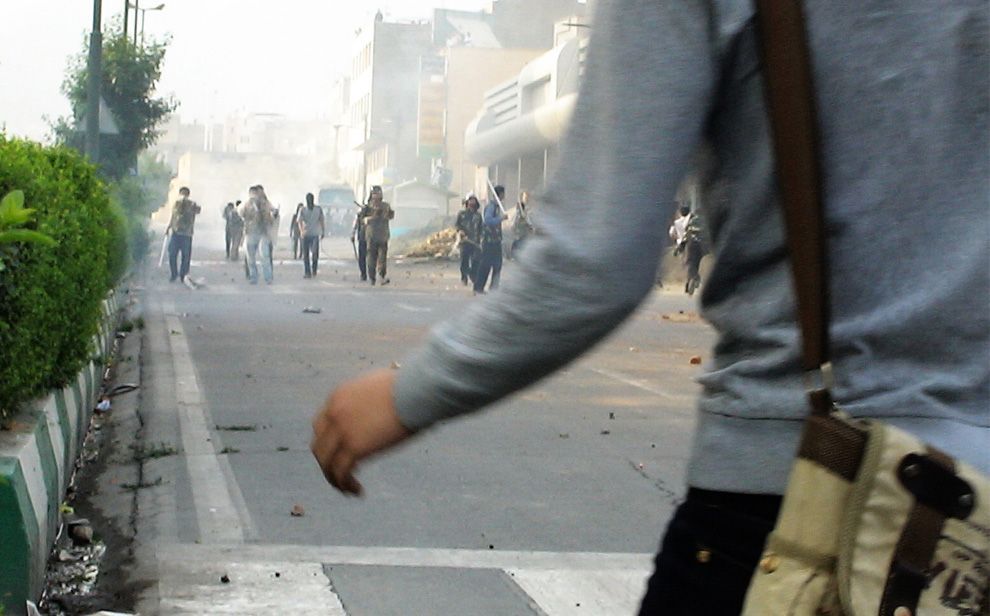 · |