|
#1
●
03-21-2018, 03:30 PM
| ||||||||
 ★ ★ GENERAL ★ ★ Poster Rank:37 male Join Date: Oct 2006 Posts: 41,987
Contributions: 35
Mentioned: 2245 Post(s) Quoted: 21139 Post(s)
| ||||||||
|
Austin Bomber Mark Anthony Conditt Crime Scene
The Austin serial bombings, a series of horrific attacks that terrorized the city in March 2018, were carried out by Mark Anthony Conditt, a 23-year-old resident of Pflugerville, Texas. Between March 2 and March 21, Conditt orchestrated the detonation of five package bombs, resulting in the deaths of two people and injuries to five others. Raised in a deeply religious Christian family, Conditt was the eldest of three children and was homeschooled by his mother. He attended Austin Community College from 2010 to 2012 but did not graduate. Prior to the bombings, he had been employed at Crux Manufacturing but was dismissed for poor performance. Conditt held conservative views and was reportedly a member of a survivalist group called Righteous Invasion of Truth (R.I.O.T.), which involved home-schooled children. The bombings concluded when Conditt was located by law enforcement in his vehicle in Round Rock, Texas. As SWAT officers approached, Conditt detonated an explosive inside the vehicle, killing himself and injuring an officer. A 25-minute video found on Conditt's phone revealed him confessing to the bombings and describing the devices, but it offered no insight into his selection of victims or his broader motives. Initially, Austin Police Chief Brian Manley did not classify Conditt as a domestic terrorist, citing the absence of references to terrorism or hate in the video. However, this position was later revised, and Conditt was posthumously labeled a domestic terrorist. 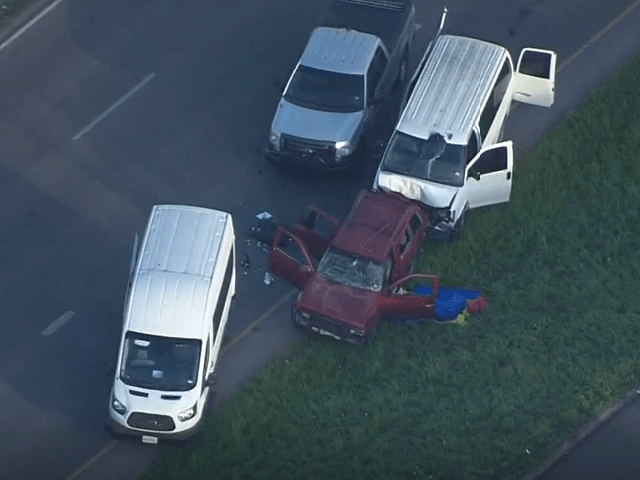 · 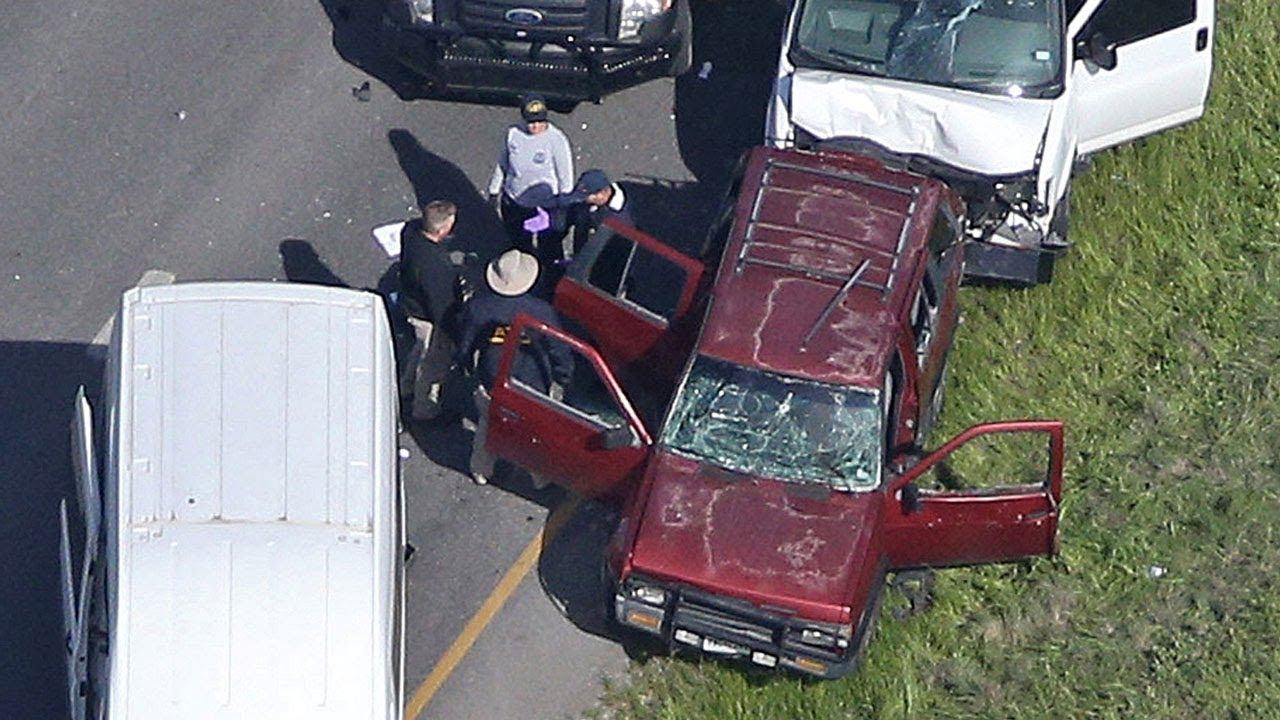 · 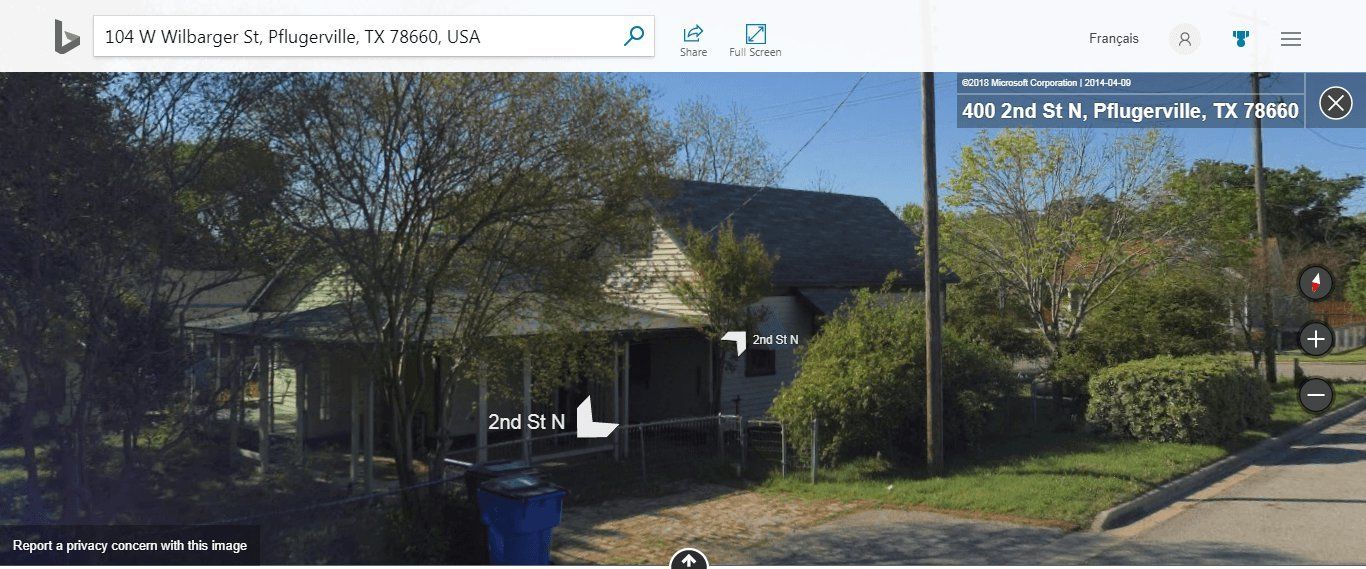 · 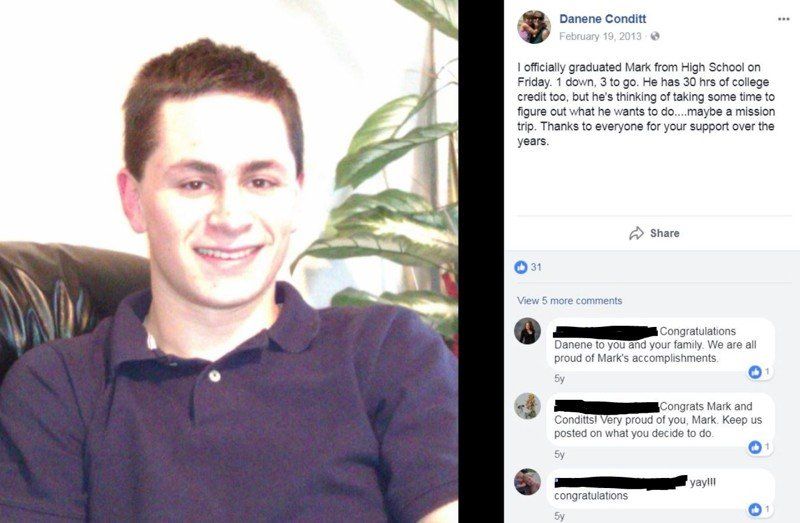 · 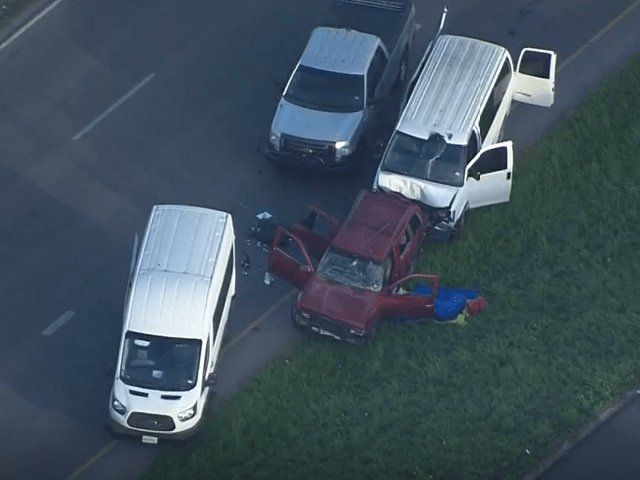 · 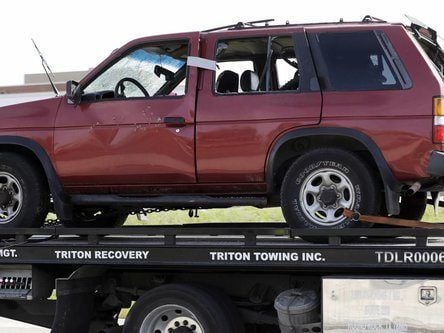 · 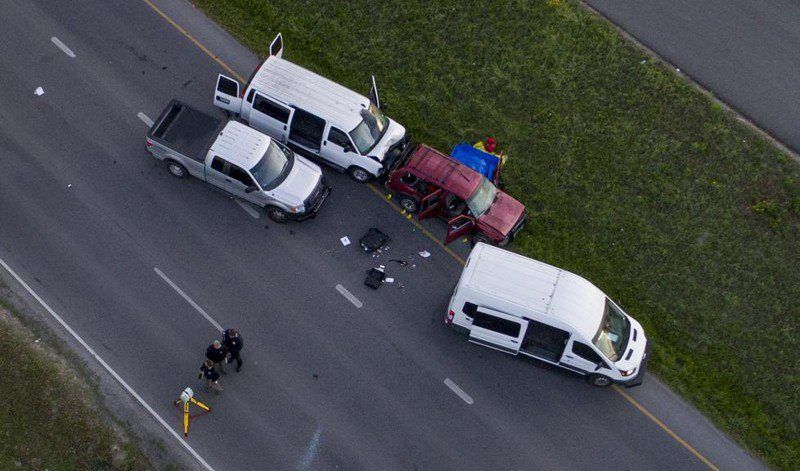 ·
__________________ Support the site and our continued existance by upgrading to a Green Name |
|
#2
●
03-21-2018, 04:40 PM
| ||||||||
| So Fucking Banned Poster Rank:2398 male Join Date: Jan 2010 Posts: 188 Mentioned: 0 Post(s) Quoted: 29 Post(s)
| ||||||||
|
Re: Austin Bomber Mark Anthony Conditt Crime Scene
Bet it still runs . Cherokees go forever ...
|
|
#3
●
03-21-2018, 04:45 PM
| ||||||||
 ★ Legacy Member ★ Poster Rank:497 Male Join Date: Jan 2010 Posts: 2,129 Mentioned: 4 Post(s) Quoted: 275 Post(s)
| ||||||||
|
Re: Austin Bomber Mark Anthony Conditt Crime Scene
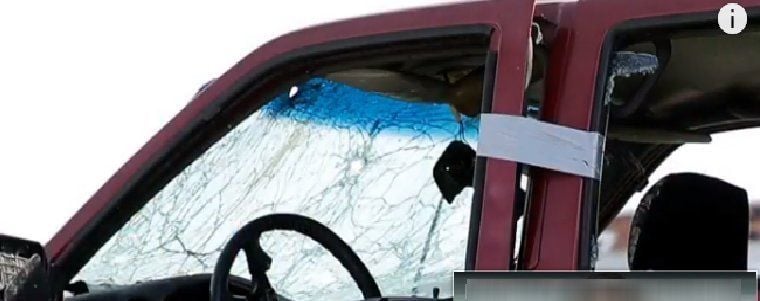 So,if this lad has blown himself up in this truck,why are there no pieces of flesh or blood all over the window and headliner,just saying: US officials have identified the suspect linked to a series of deadly parcel bombs targeting the Texas city of Austin as Mark Anthony Conditt, 23. The man was killed after he detonated an explosive as officers approached his car following a chase in Round Rock, north of the Texas state capital. Officials say he lived about 20 miles (30km) from Austin in a shared home. The incident follows four bomb attacks in the Austin area. Officials warn he may have placed more bombs in the area. Before his death Conditt had been criminally charged with one count of unlawful possession and transfer of a destructive device, the US attorney for the Western District of Texas said in a press release on Wednesday. |
|
#4
●
03-21-2018, 05:33 PM
| ||||||||
| My Rank: PRIVATE FIRST CLASS Poster Rank:5183 male Join Date: Sep 2009 Posts: 50 Mentioned: 0 Post(s) Quoted: 3 Post(s)
| ||||||||
|
Re: Austin Bomber Mark Anthony Conditt Crime Scene
From my understanding he didn’t “blow himself up” he detonated one or two of the bombs he had with him after driving into the ditch and being shot by police. From what I’ve seen nothing said he had the bombs ON him or exactly in the car. Now I could be wrong and missing some information but that’s what I got. |
|
#5
●
03-21-2018, 10:06 PM
| ||||||||
 My Rank: PRIVATE FIRST CLASS Poster Rank:3609 Female Join Date: Dec 2009 Posts: 95 Mentioned: 0 Post(s) Quoted: 17 Post(s)
| ||||||||
|
Re: Austin Bomber Mark Anthony Conditt Crime Scene
They are now saying he blew himself up after running his car into a ditch as he realized the police were on his tail. He blew up the bomb but the cops are now saying a police officer shot him now... I find it interesting that there is no blood on the inside of the windshield, etc.. surely there would be matter sprayed everywhere. We will see what the medical examiner says...
|
|
#6
●
03-22-2018, 03:23 AM
| ||||||||
 ✝Mudderator from Hell✝ Poster Rank:10 e-mail Join Date: Oct 2006 Posts: 96,430
Contributions: 817
Mentioned: 476 Post(s) Quoted: 10327 Post(s)
| ||||||||
|
Re: Austin Bomber Mark Anthony Conditt Crime Scene
vid from the scene
|
|
#7
●
03-22-2018, 03:34 AM
| ||||||||
| ✝Mudderator from Hell✝ Poster Rank:10 e-mail Join Date: Oct 2006 Posts: 96,430
Contributions: 817
Mentioned: 476 Post(s) Quoted: 10327 Post(s)
| ||||||||
|
Re: Austin Bomber Mark Anthony Conditt Crime Scene
Maybe he leaned over the (small) explosive device to be sure he died so the significant damage to his body is on the front downside so no blood reached the windshield and only the floor and dash?
|
|
#8
●
03-22-2018, 06:09 AM
| ||||||||
 ★ Legacy Member ★ Poster Rank:437 male Join Date: Jun 2014 Posts: 2,667
Contributions: 19
Mentioned: 6 Post(s) Quoted: 732 Post(s)
| ||||||||
|
Re: Austin Bomber Mark Anthony Conditt Crime Scene
Maybe it was a dud bomb, and didn't explode fully? Not enough to blow him to smithereens, but enough to be fatal?  |
|
#9
●
03-22-2018, 07:10 AM
| ||||||||
 ★ Legacy Member ★ Poster Rank:112 Join Date: May 2009 Posts: 14,064 Mentioned: 44 Post(s) Quoted: 3721 Post(s)
| ||||||||
|
Re: Austin Bomber Mark Anthony Conditt Crime Scene
One thing to consider would be Concussion, which alone can easily be fatal. The Germans, in WWII, used their famous 'potato masher' (Stielhandgranate) grenades - most of which - were Concussion only grenades. Of course, police bullets can also be fatal.  I'm getting the feeling that the FBI is going to shut information down about this occurrence just as they did about Las Vegas. 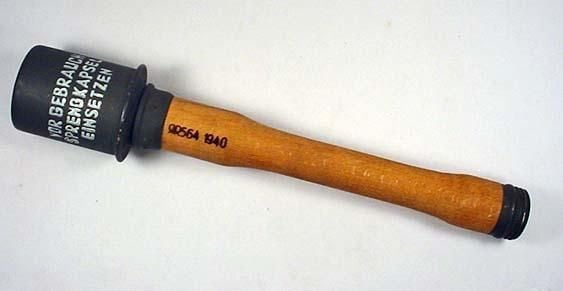 · |
|
#10
●
03-22-2018, 02:02 PM
| ||||||||
| ★ ★ GENERAL ★ ★ Poster Rank:37 male Join Date: Oct 2006 Posts: 41,987
Contributions: 35
Mentioned: 2245 Post(s) Quoted: 21139 Post(s)
| ||||||||
|
Re: Austin Bomber Mark Anthony Conditt Crime Scene
Not sure if this could be related in some way. 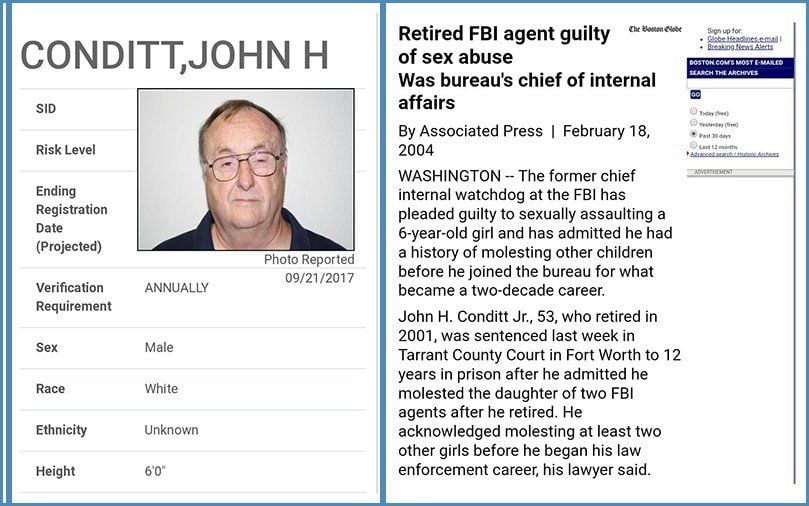
__________________ Support the site and our continued existance by upgrading to a Green Name |