very intresting post.
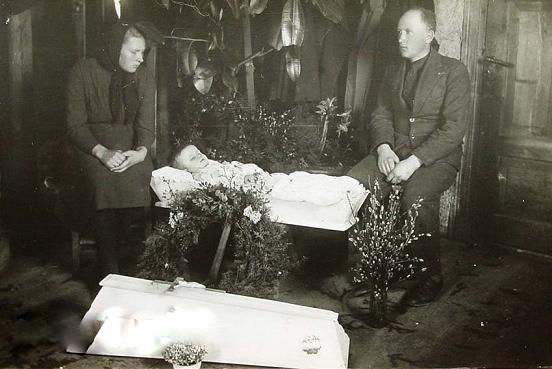
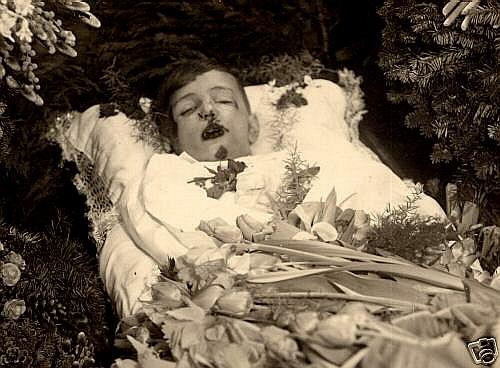
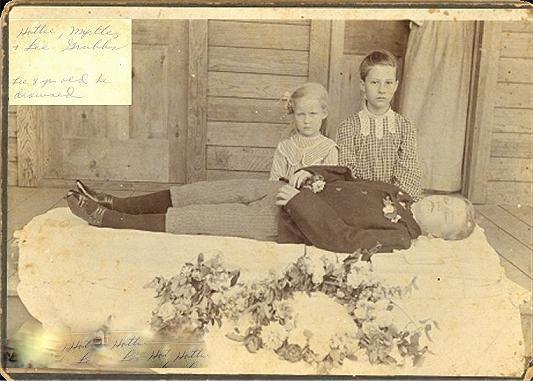
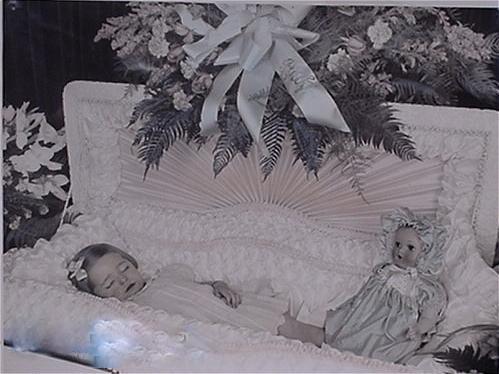
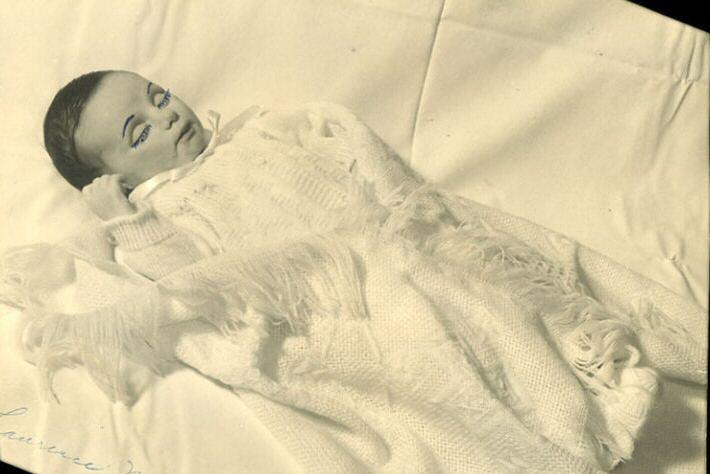
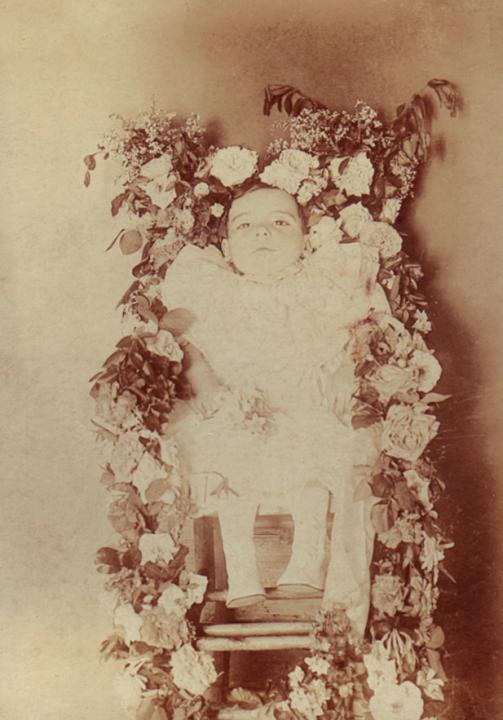
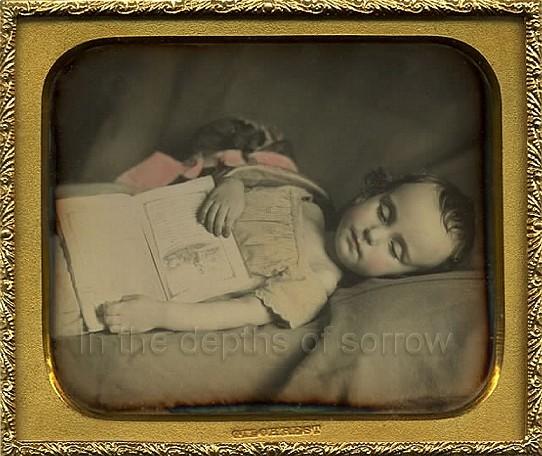
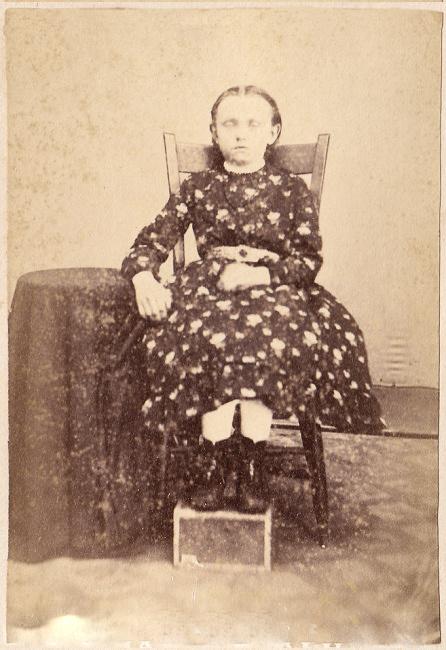
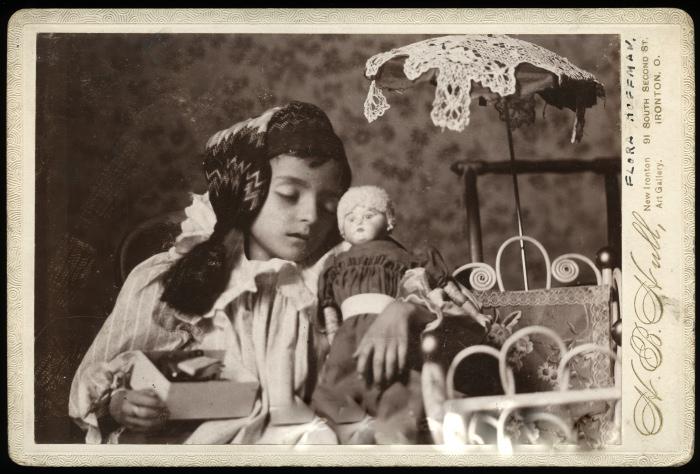
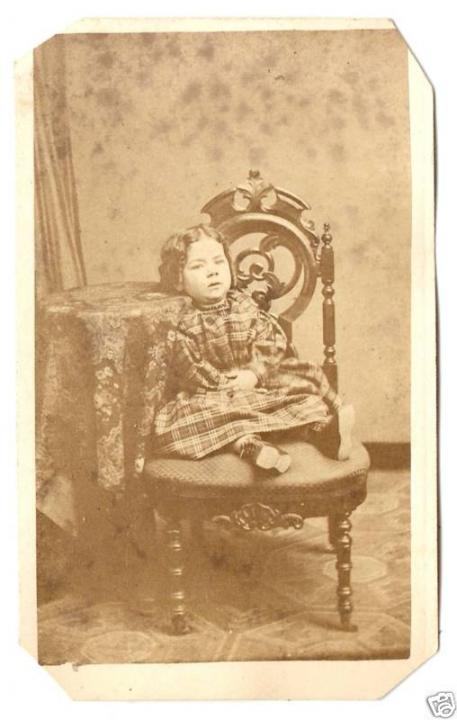
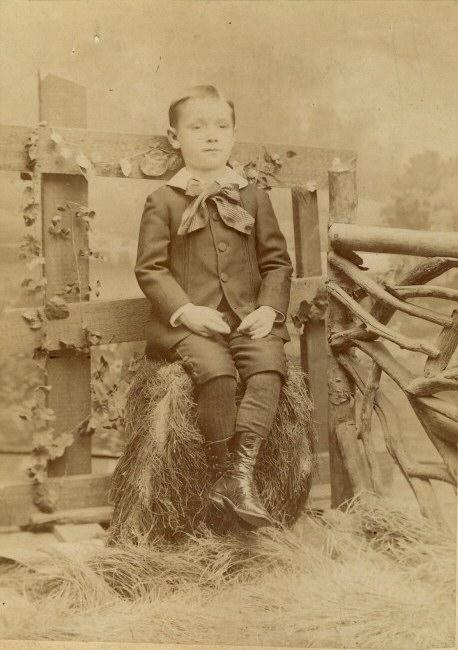
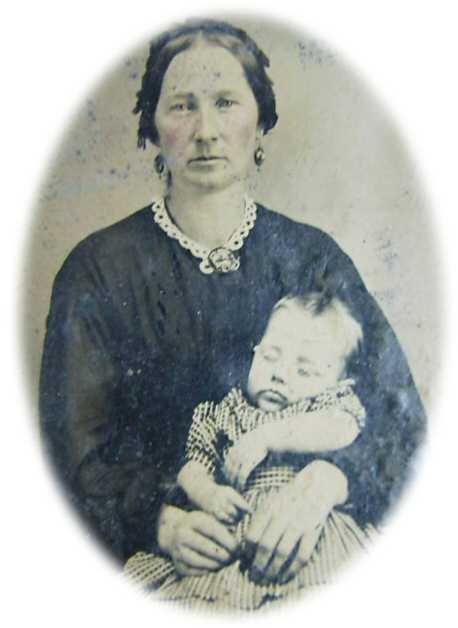
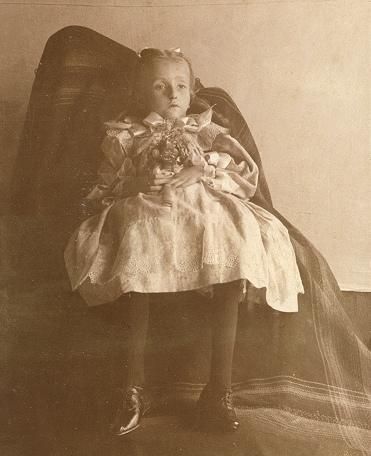
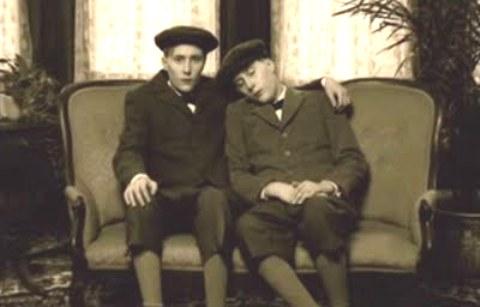
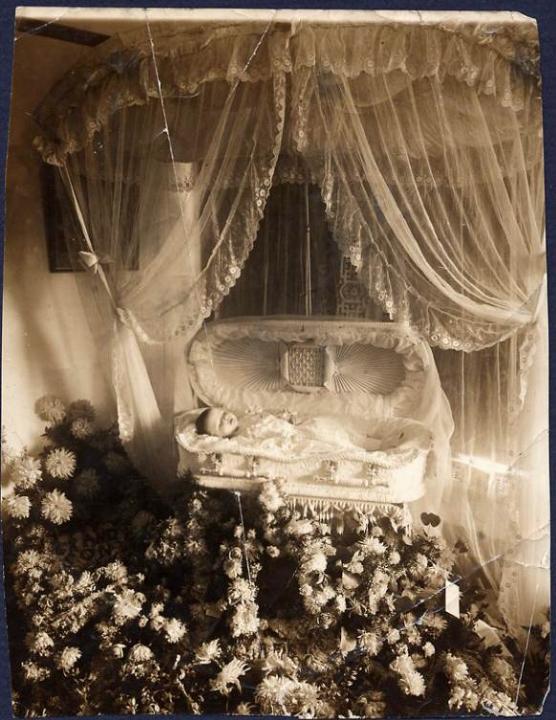
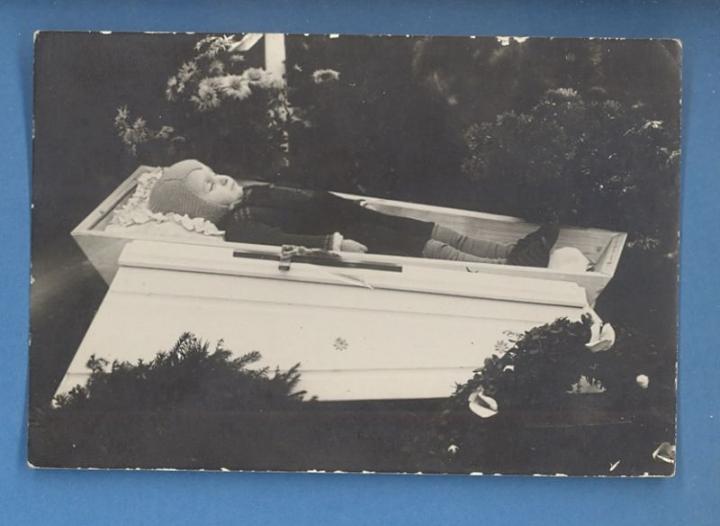
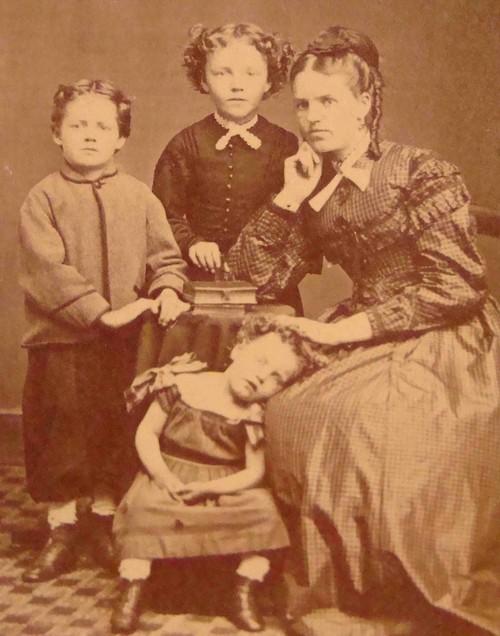
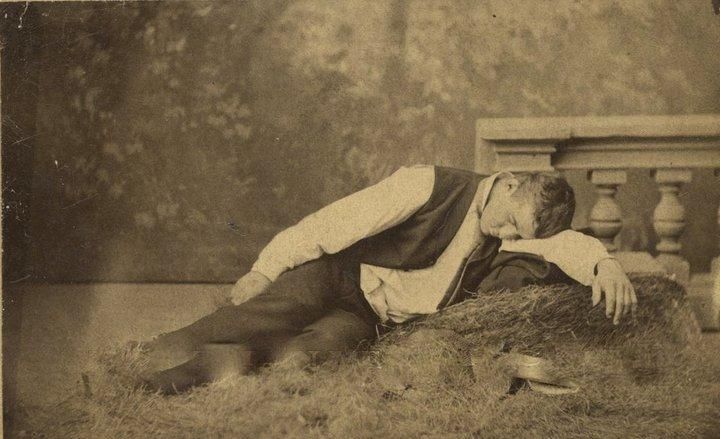
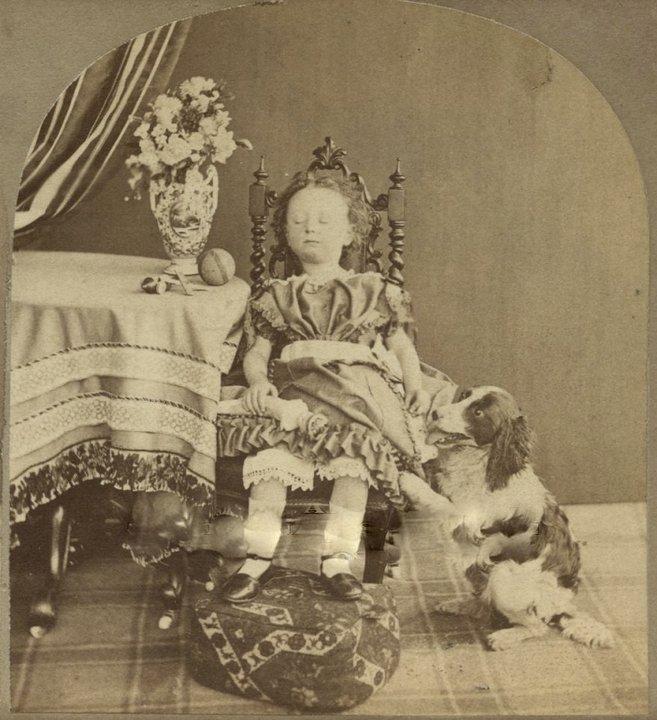
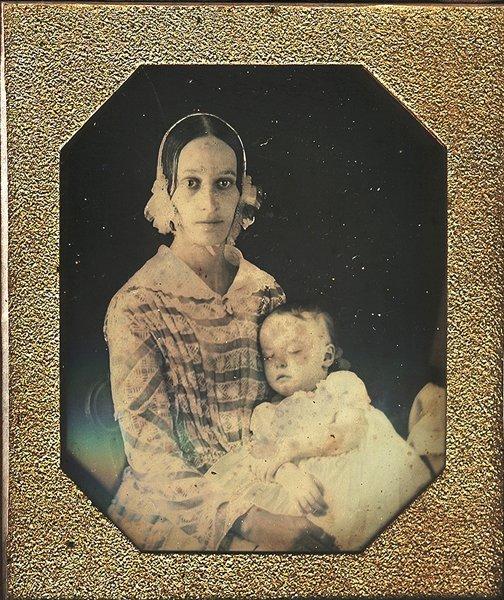
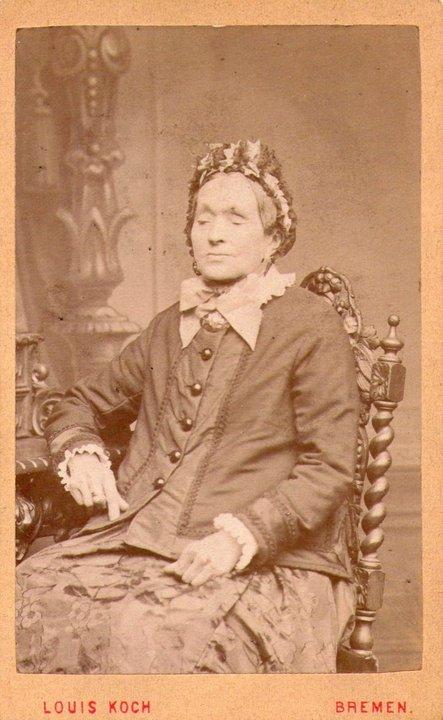
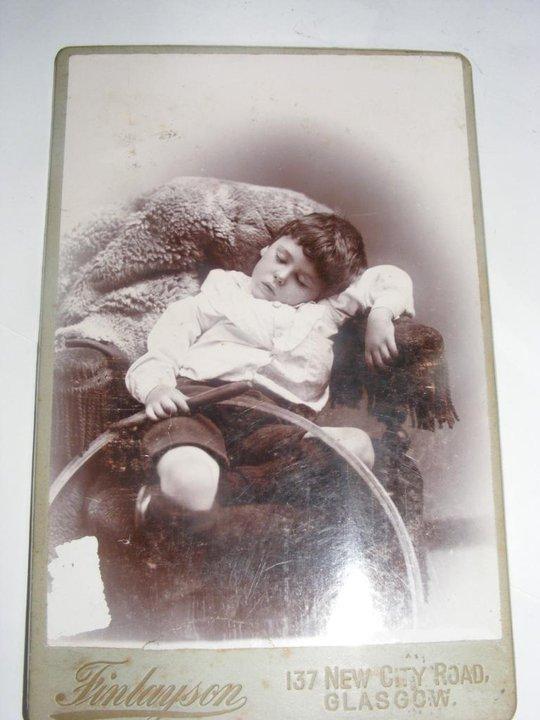
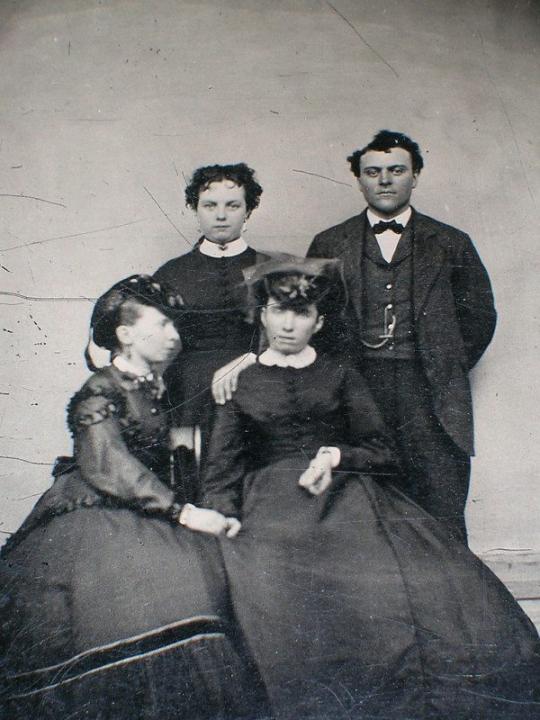
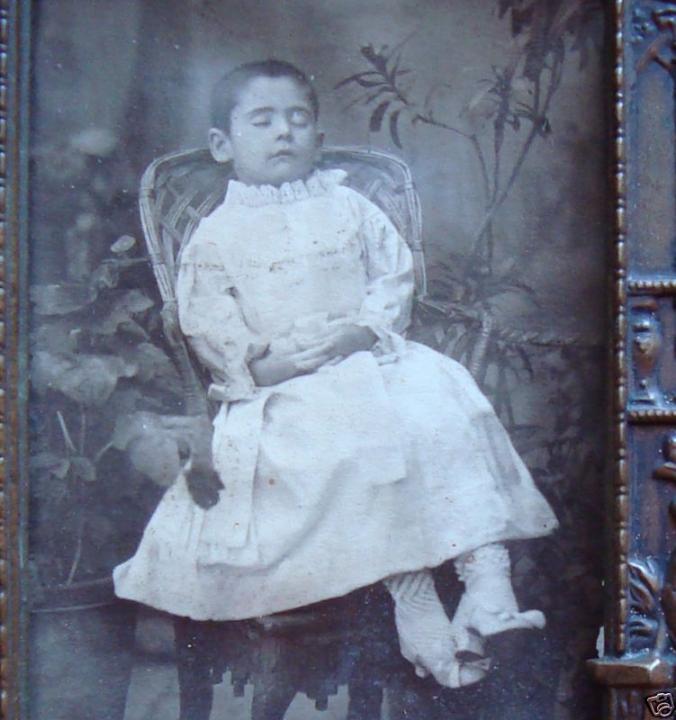
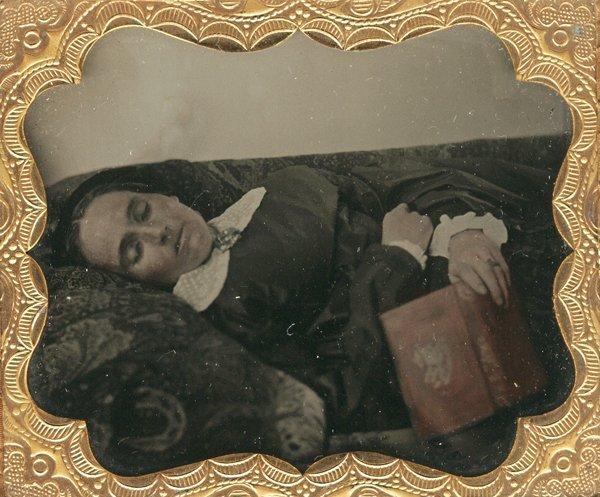
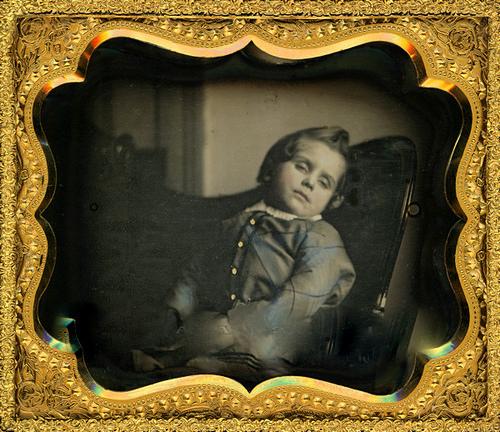
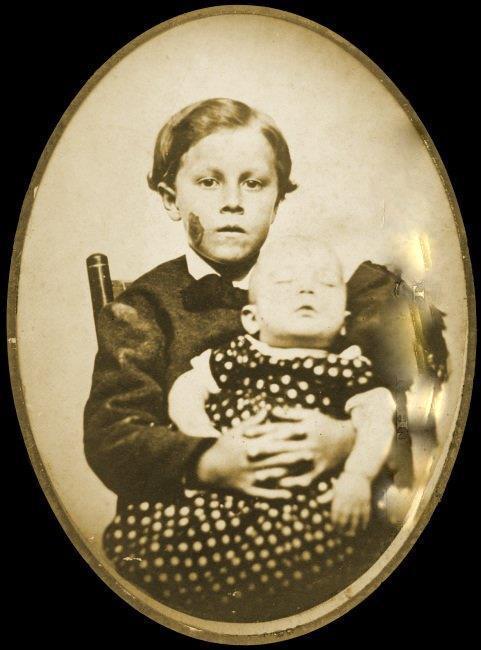
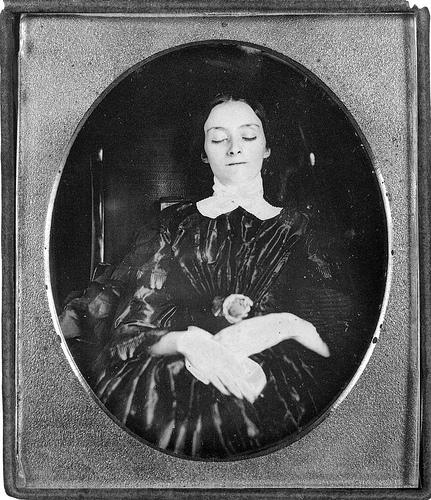
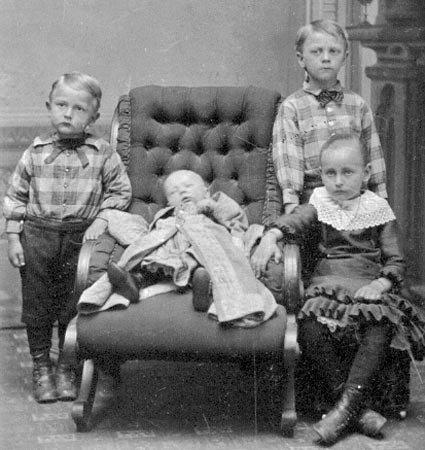
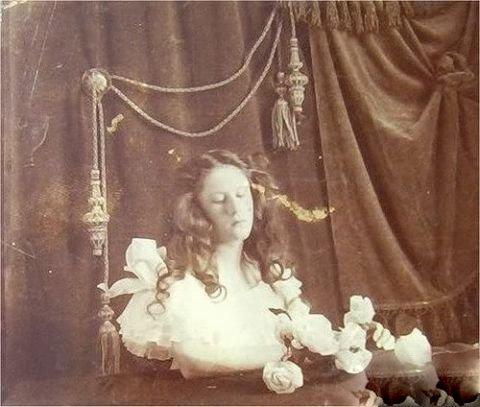
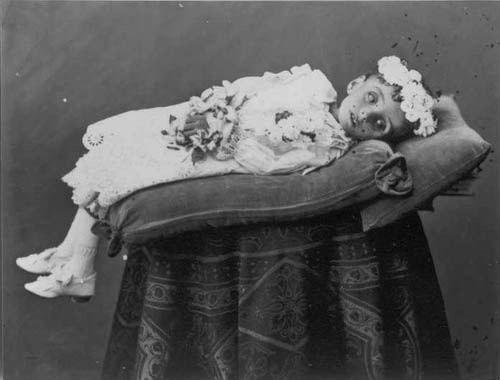
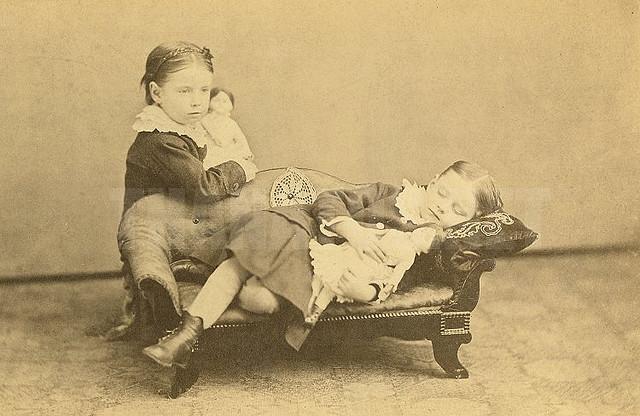
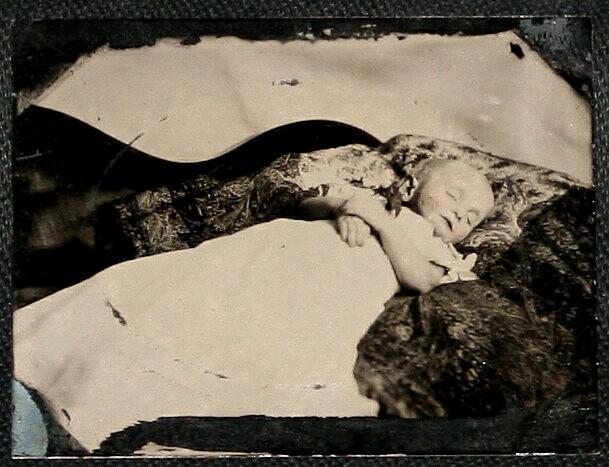
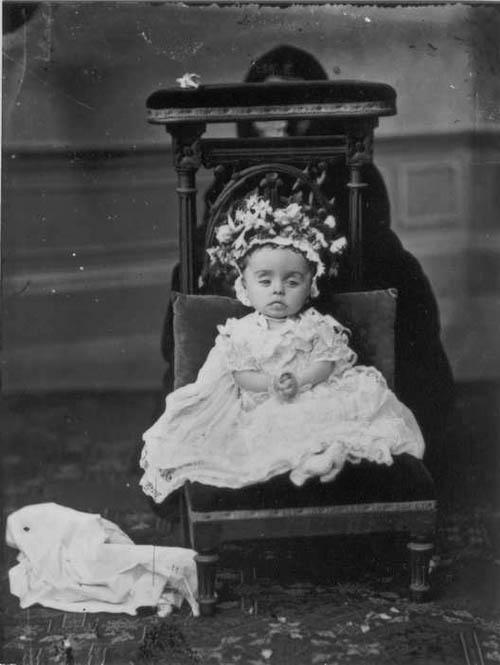
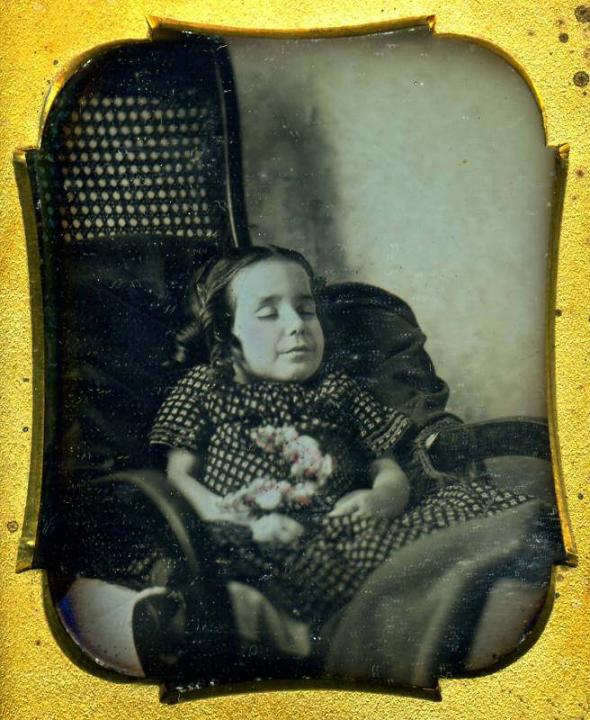
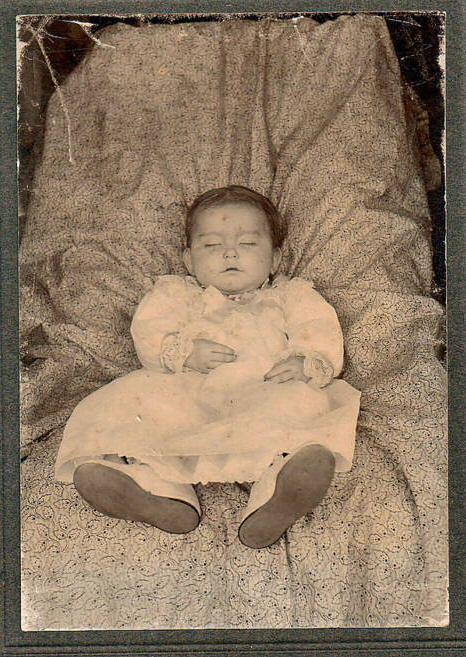
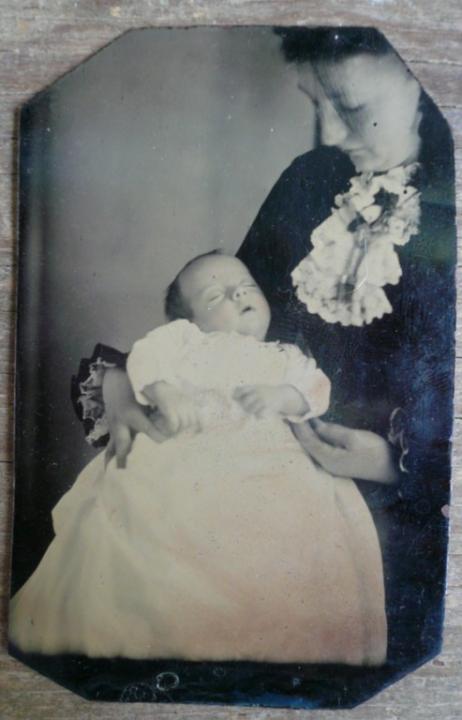
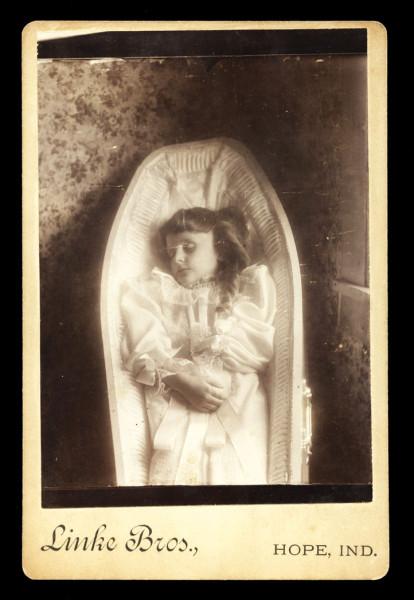
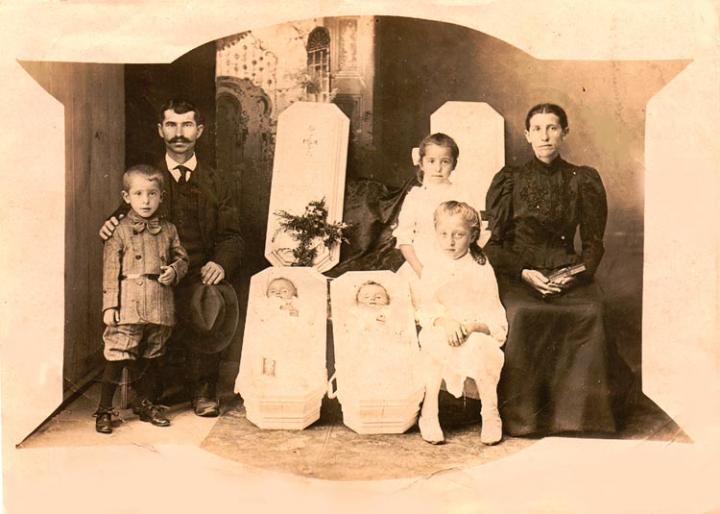
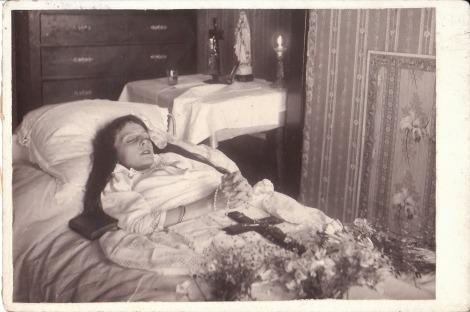
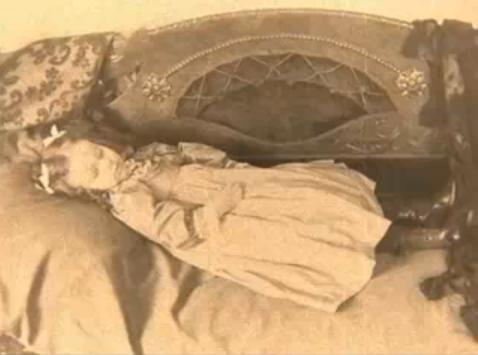
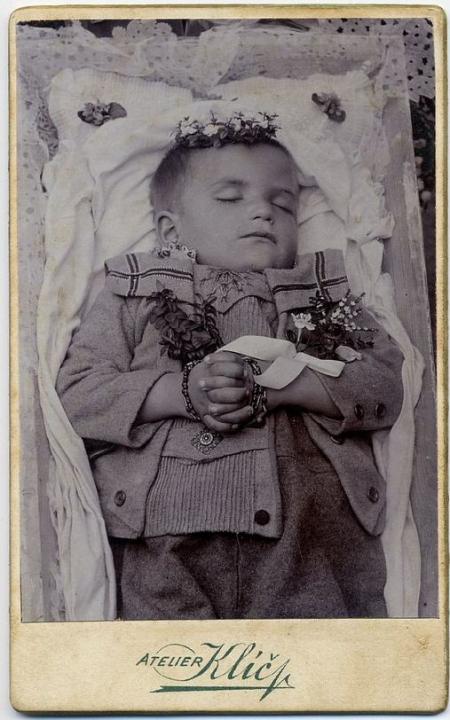
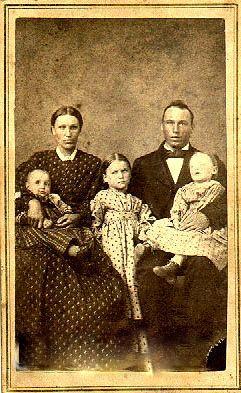
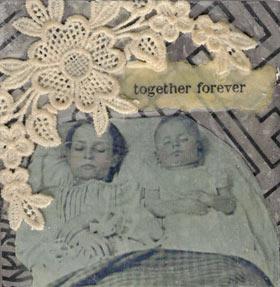
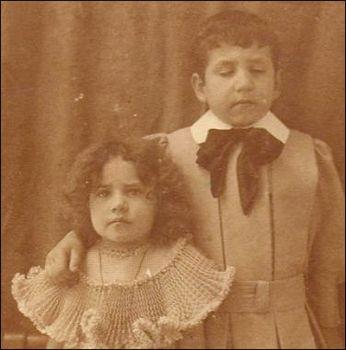
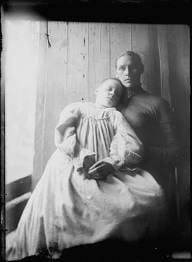
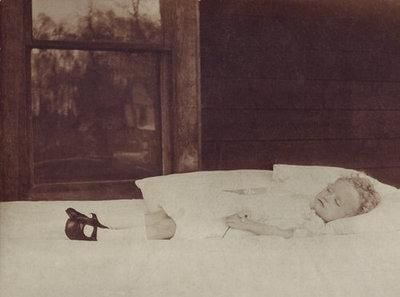
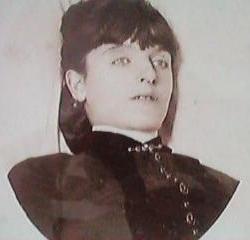
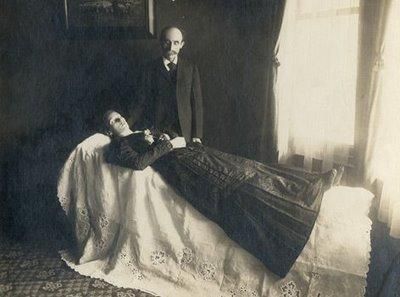
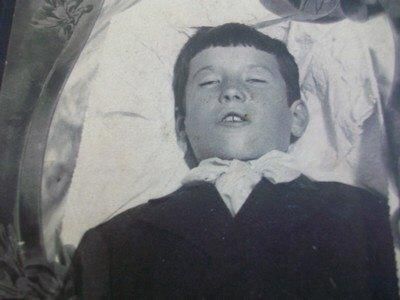
The invention of the daguerreotype in 1839 made portraiture much more commonplace, as many of those who were unable to afford the commission of a painted portrait could afford to sit for a photography session. This cheaper and quicker method also provided the middle class with a means for memorializing dead loved ones.
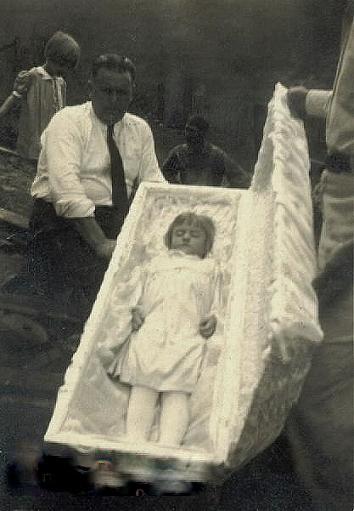
These photographs served less as a reminder of mortality than as a keepsake to remember the deceased. This was especially common with infants and young children; Victorian era childhood mortality rates were extremely high, and a post-mortem photograph might have been the only image of the child the family ever had. The later invention of the carte de visite, which allowed multiple prints to be made from a single negative, meant that copies of the image could be mailed to relatives.
The practice eventually peaked in popularity around the end of the 19th century and died out as "snapshot" photography became more commonplace, although a few examples of formal memorial portraits were still being produced well into the 20th century.
As the common practice of post-mortem photography in North America and Western Europe has largely ceased, the portrayal of such images has become increasingly seen as vulgar, sensationalistic and taboo. This is in marked contrast to the beauty and sensitivity perceived in the older tradition, indicating a cultural shift that may reflect wider social discomfort with death. Notably, however, the photographs of a number of contemporary artists imply a dialogue that helps illuminate the intent of the early works.
Andres Serrano's controversial "corpse" series presents morgue photographs of the victims of violent death in the manner of beautified portraits.
Somewhat similarly, the Mexican tabloid photographer Enrique Metinides—known for his stark and often grisly depictions of life in Mexico City—documents crime scene victims using an unexpected compositionally rich aesthetic that has seen his work exhibited to positive critical response in galleries worldwide. Joel-Peter Witkin does similar work.
Irish photographer Maeve Berry finds an aesthetic compromise by capturing the burning embers of bodies within the funeral crematorium.
Recently Lyn Hagan has produced a series of hand embroidered portraits of the children in Paul Freckers collection. These reflect a fascination in how people react to impermanence and how such photos were "a means of capturing the image of the person in one last futile gesture that denies their loss whilst at the same time admitting it totally"