|
#1
●
10-07-2012, 04:31 PM
|
| My Rank: PRIVATE Poster Rank:5245 Join Date: Sep 2009 Posts: 49 49Posts 146Thanked 9Quoted 0Mentioned 0Contrib. |
|
The Tuskegee Syphilis Study
The Tuskegee Study of Untreated Syphilis in the ***** Male was a clinical study, conducted between 1932 and 1972 in Tuskegee, Alabama, in which 399 (plus 201 control group without syphilis) poor — and mostly illiterate — African American sharecroppers were denied treatment for Syphilis. This study became notorious because it was conducted without due care to its subjects, and led to major changes in how patients are protected in clinical studies. Individuals enrolled in the Tuskegee Syphilis Study did not give informed consent and were not informed of their diagnosis; instead they were told they had “bad blood” and could receive free medical treatment, rides to the clinic, meals and burial insurance in case of death in return for participating. In 1932, when the study started, standard treatments for syphilis were toxic, dangerous, and of questionable effectiveness. Part of the original goal of the study was to determine if patients were better off not being treated with these toxic remedies. For many participants, treatment was intentionally denied. Many patients were lied to and given placebo treatments—in order to observe the fatal progression of the disease. By the end of the study, only 74 of the test subjects were still alive. Twenty-eight of the men had died directly of syphilis, 100 were dead of related complications, 40 of their wives had been infected, and 19 of their children had been born with congenital syphilis. The Tuskegee Health Benefit Program (THBP) is a congressionally mandated program that provides comprehensive lifetime medical and health benefits to the affected widows and offspring of study participants. There are 13 children and two grandchildren currently receiving medical and health benefits. Annual visits are made to the clients to ensure that they are receiving medical services and to resolve any health-related problems they may be experiencing. The visits also allow the program staff and health care representatives the opportunity to interact on a personal basis about the clients' health care needs. Wikipedia - Tuskegee Syphilis Study ** below is an unknown black male blinded by congenital syphilis. 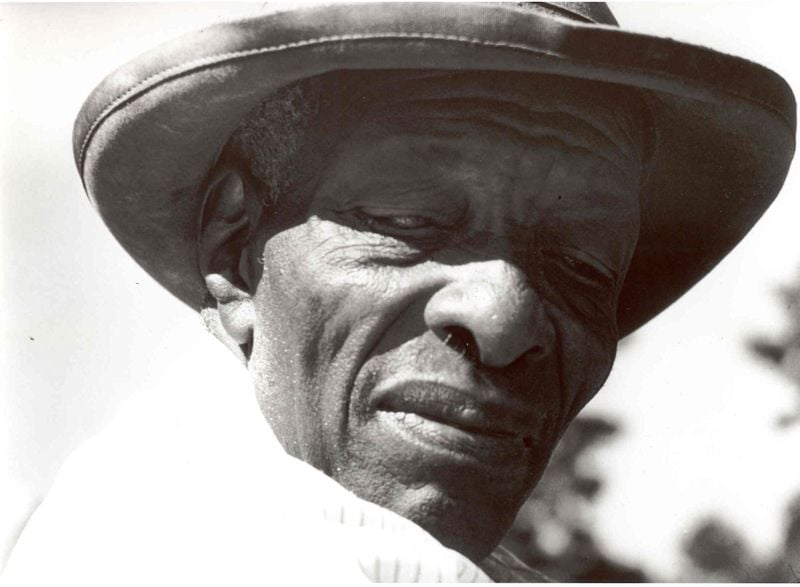 · |
|
#8
●
10-10-2012, 06:04 AM
|
 My Rank: STAFF SERGEANT Poster Rank:832 Inny Join Date: Sep 2009 Posts: 928 928Posts 1,013Thanked 42Quoted 1Mentioned 0Contrib. |
|
Re: The Tuskegee Syphilis Study
It's truly awful that they could get away with crap like that. On the other hand, it sounds as if the treatments for the disease may well have killed them even sooner... so perhaps they got more time than they would have with "proper" care. |
|
#9
●
10-10-2012, 06:05 AM
|
| My Rank: STAFF SERGEANT Poster Rank:832 Inny Join Date: Sep 2009 Posts: 928 928Posts 1,013Thanked 42Quoted 1Mentioned 0Contrib. |
|
Re: The Tuskegee Syphilis Study
I forgot to add... if they had at least educated these men, however, about the disease they suffered from, perhaps their wives and children may have been spared.
|