|
#12
●
11-30-2014, 02:03 AM
| ||||||||
 They Lied. There ALL LIES Poster Rank:305 <--We Did It. So Can You Join Date: Mar 2013 Posts: 4,211
Contributions: 48
Mentioned: 23 Post(s) Quoted: 894 Post(s)
| ||||||||
|
Re: Oldies but Goodies....
Volga Famine Districts the wars wiped out the stores and the ardent sun made fields dry. First, people sold what they could sell but very soon even the supplies ware run out of products and didn’t want to take things for food. So, people started to eat cats, dogs, rats, birds, grass and finally, human beings. The cases involving cannibalism usually were not measured as a real crime, and were considered to be just a survival thing. Anyway, those people were sent to prisons, were cannibalism was a common practice as well. Samara region, 13 April, 1922 “… in the larder we found two pieces, in the stove there was one piece of boiled human flesh, and in the inner porch there was a pot with jellied minced flesh of the same kind, and near the porch we found a lot of bones. When we asked the woman where she had taken the flesh from, she confessed that back in February her 8-year-old son Nikita died and then her 15-year-old daughter Anna and she took his copse and cut it into pieces, and as they were starving they ate it together. When there was nothing else left, she decided to kill the daughter for meat and did it in the early April. While the girl was sleeping, she slaughtered her and cut the corpse into pieces, and started to cook it. She gave the jellied flesh and liver to her neighbors Aculina and Evdokia, saying that it was horse meat. The human flesh, Anna’s thighs and feet are taken to the police as evidence, the boiled meat and bones and the jellied meat have been consigned to the earth…” Even with such horrific conditions, Lenin initially blocked foreign aid, but continued efforts by a handful of humanitarian groups would bring Lenin to the table and open the channels to allow relief supplies to reach the impoverished peoples. Contrary to the popular view that mass humanitarian aid can only be accomplished through strictly governmental means, the relief effort in Russia was a private affair that grew out of both private and governmental programs and was funded by both congress and private donations. Hoover undertook the relief of Soviet Russia not as an official representative of the United States government but as the head of a private agency–the American Relief Administration (A.R.A.). Yet, to observers throughout the world and especially to the Bolshevik regime, the meeting at Riga in August 1921 between A.R.A. and Soviet representatives to establish the ground rules for the relief mission took on the aspect of an important diplomatic conference. The quasi-official status of the A.R.A. derived from its inheritance of the title and personnel of an official American agency in 1919, its direction by the secretary of commerce, and its history of close support of American foreign policy. As it turned out, the Riga conference developed into a vigorous dialogue by proxy between Hoover and Lenin, and culminated in an agreement signed by their representatives after only ten days of negotiation Read more: http://www.border-wars.com/2012/07/b...#ixzz3KX4iMONH 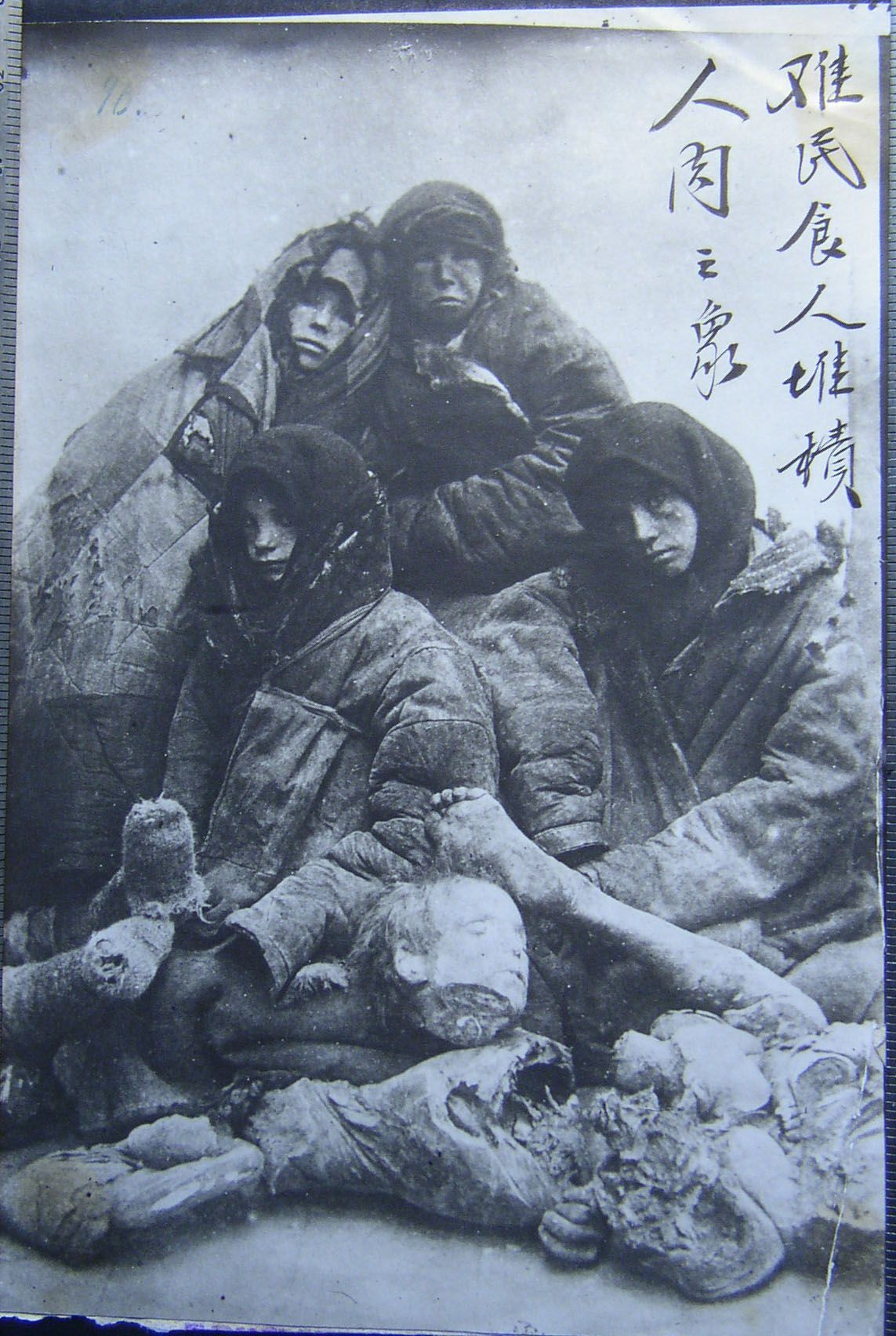 · 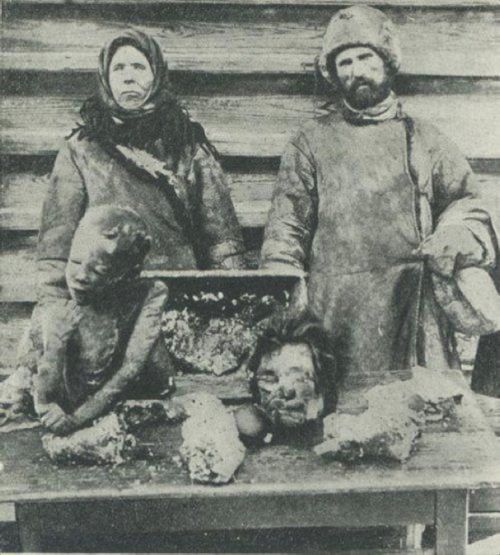 · 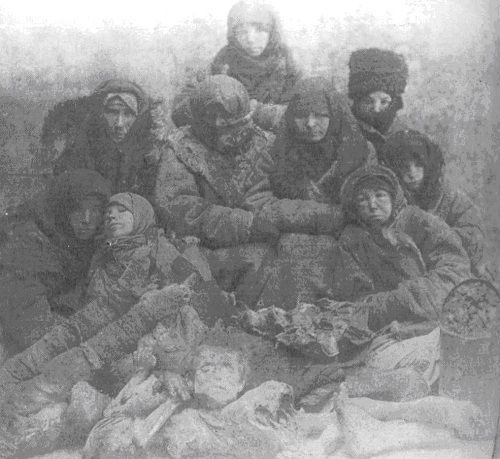 · 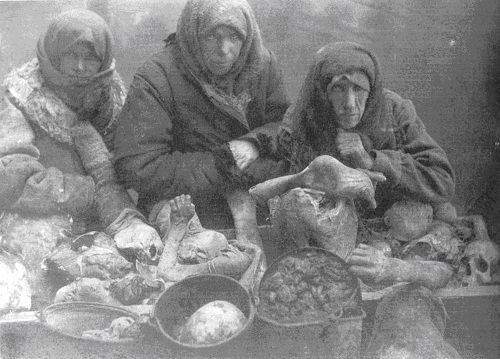 · 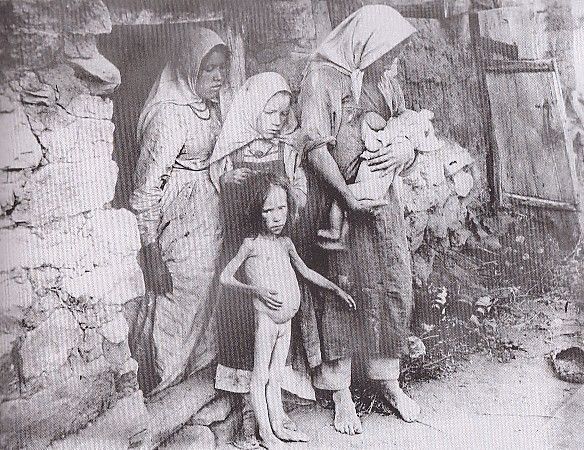 · 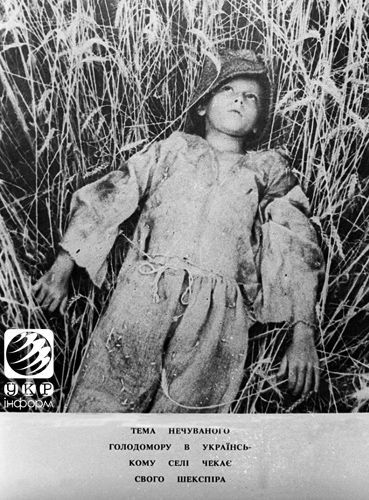 · 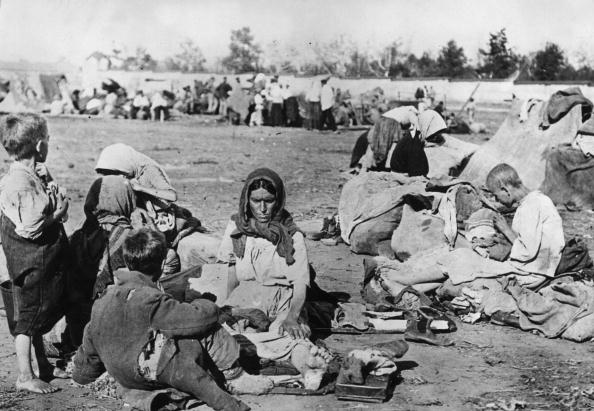 · 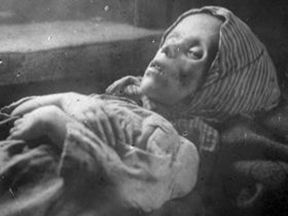 · 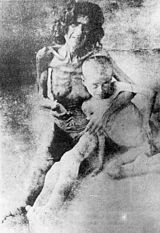 · 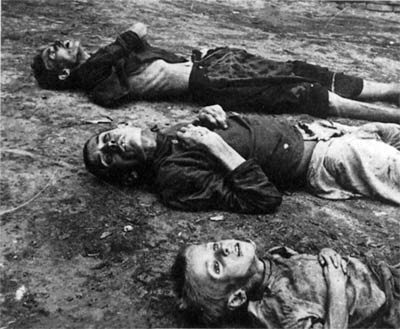 · 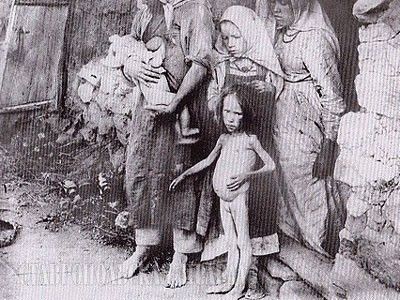 · 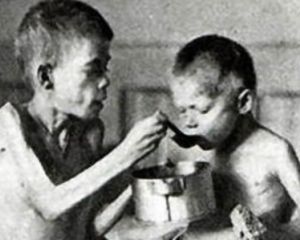 · 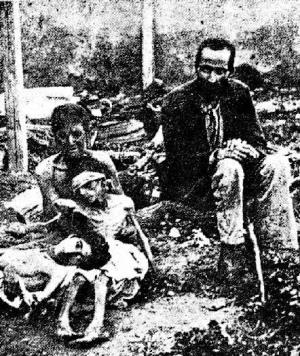 · |