|
#1
●
01-04-2012, 09:05 AM
| ||||||||
 My Rank: MAJOR Poster Rank:12 Join Date: Jun 2009 Posts: 93,128
Contributions: 226
Mentioned: 91 Post(s) Quoted: 2009 Post(s)
| ||||||||
|
New York Crime Scenes By Photojournalist Weegee
With their hard shadows and dark imagery, these pictures could have been taken from any number of crime scenes in a melodramatic movie. But the grisly images don't appear in any film noir. In fact, they inspired the genre. What follows are real-life pictures of New York between 1935 and 1946, when photographer Arthur Fellig, or Weegee as he became known, covered the police beat on the Lower East Side. The wife of man who has just been killed tries desperately to get to his body before collapsing in New York in 1940: 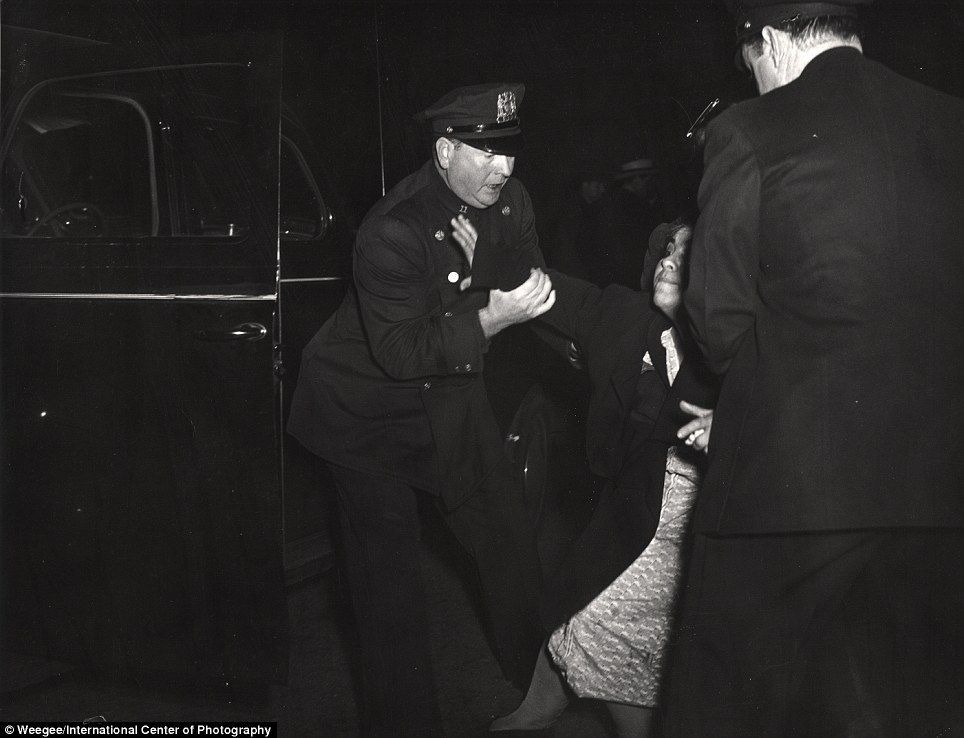 Weegee, Fellig's pseudonym derived from a Ouija board (chosen for his ability to arrive at crime scenes before police) set a new standard for tabloid photojournalism with his distinct and dramatic black and white street photography. He started out as a Hollywood paparazzo but his talents eventually landed him freelance jobs for a variety of New York newspapers and photo agencies, such as the Daily News and the Daily Mirror. In a 2006 article entitled 'Unknown Weegee, on Photographer Who Made The Night Noir', New York Times reporter Holland Cotter described his technique. 'He prowled the streets in a car equipped with a police radio, a typewriter, developing equipment, a supply of cigars and a change of underwear,' Mr Cotter wrote, dubbing Weegee a 'one-man photo factory'. 'He drove to a crime site; took pictures; developed the film, using the trunk as a darkroom; and delivered the prints.' Anthony Esposito is booked on suspicion of killing a policeman in New York on January 16, 1941: 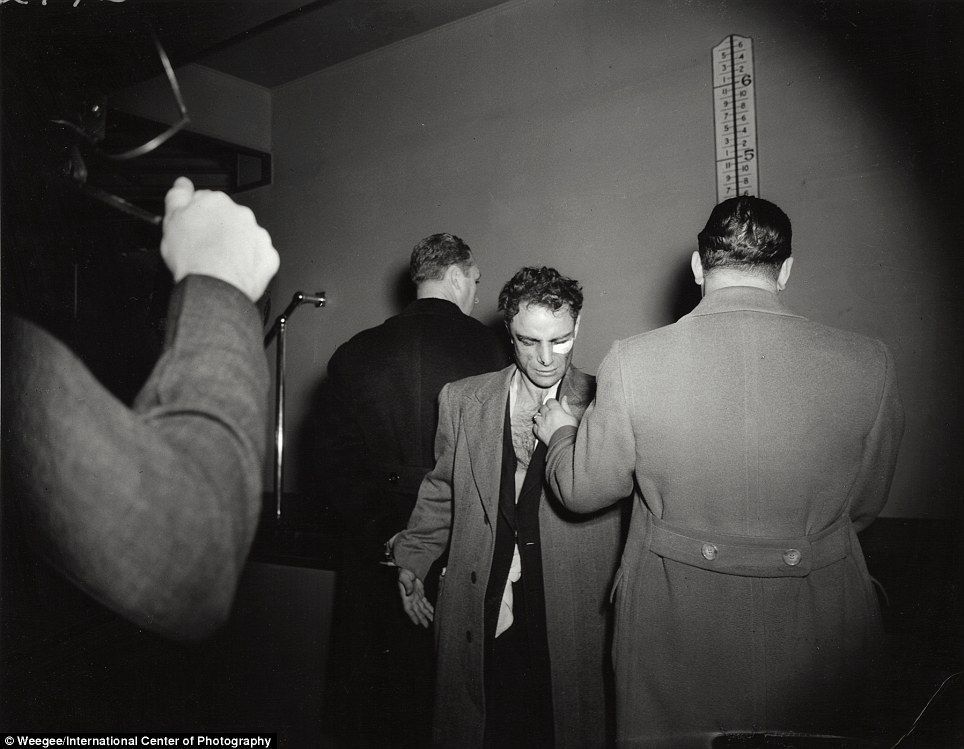 Police officers stand outside a restaurant in front of the body of someone shot dead in 1943: 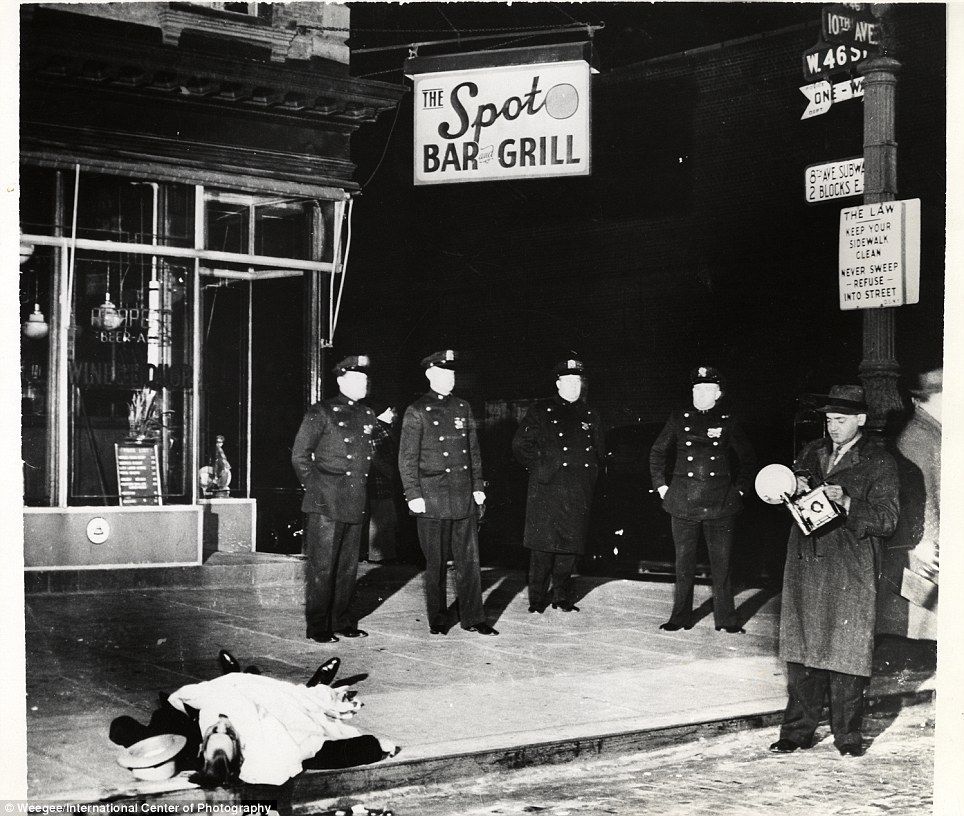 The blood-spattered body of Dominick Didato is shown in Elizabeth Street, New York, in 1936: 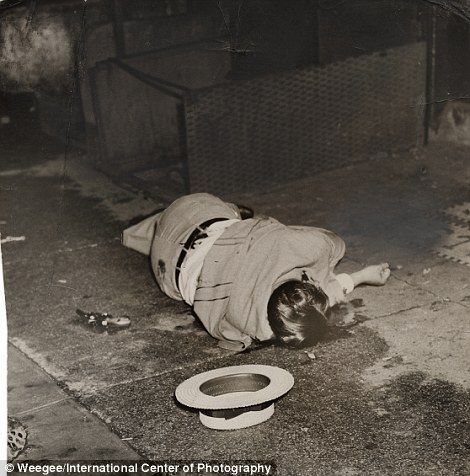 Weegee captures police recovering the body of Reception Hospital ambulance driver Morris Linker, along with his vehicle, from the East River in 1943: 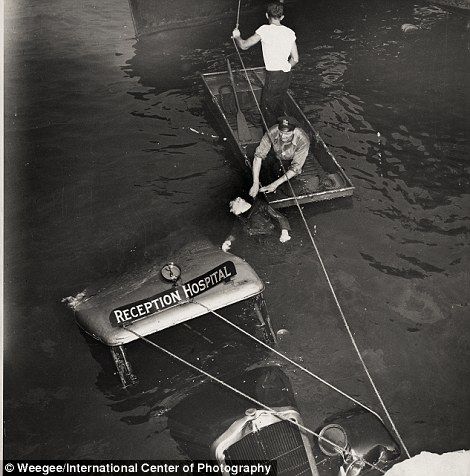 Police officers search around the body of a murder victim lying in front of a pram in 1940: 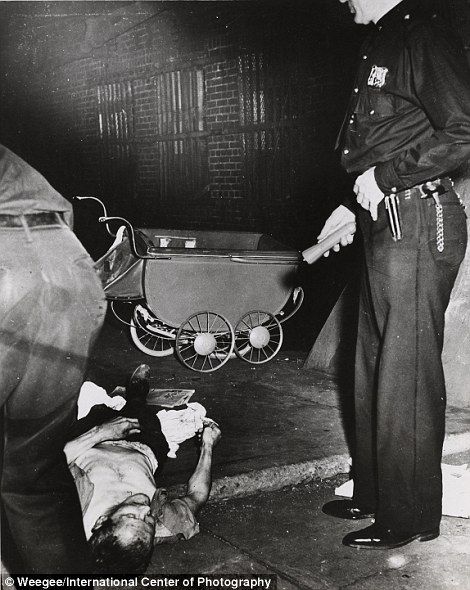 A police officer and a lodge member look at the blanket-covered body of a woman trampled to death during an excursion ship stampede in 1941. Other bodies are also visible in the scene: 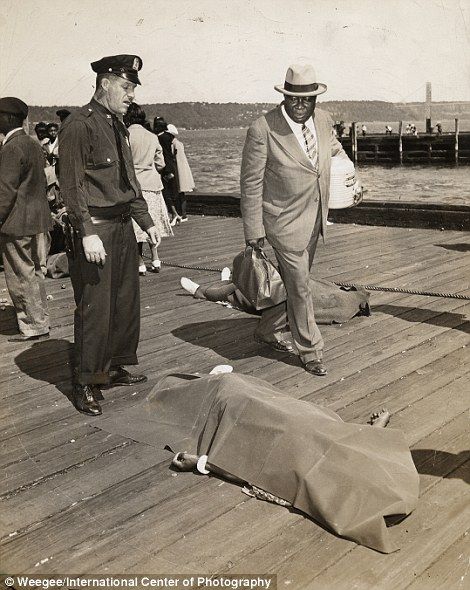 This girl was killed after jumping out of a car on Park Avenue, New York, in 1938: 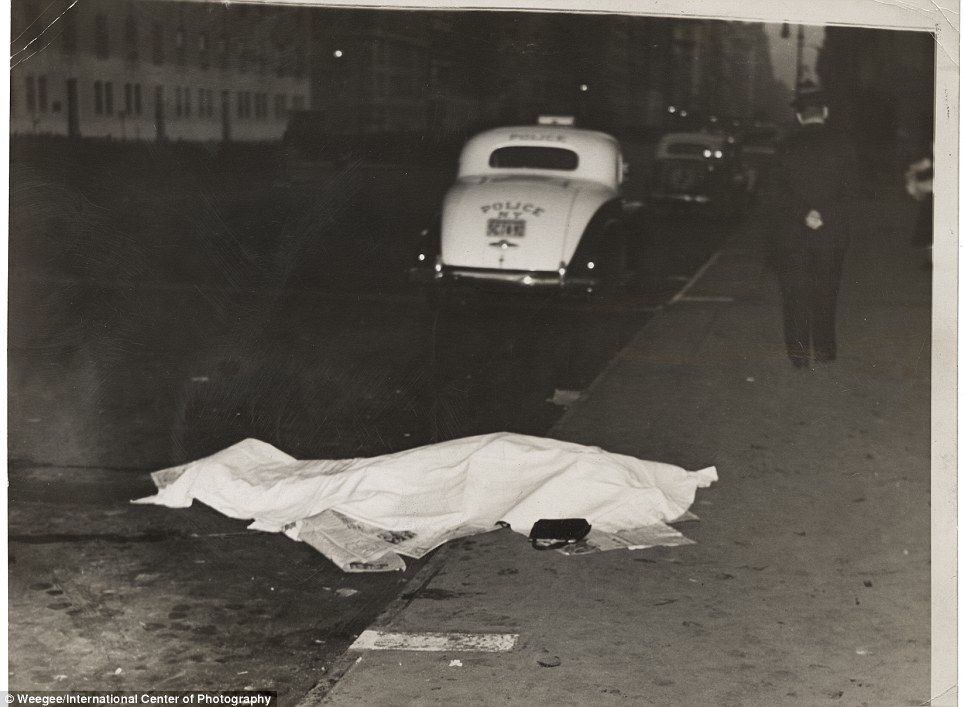 This well-dressed man was shot dead during a hold up on November 24, 1941: 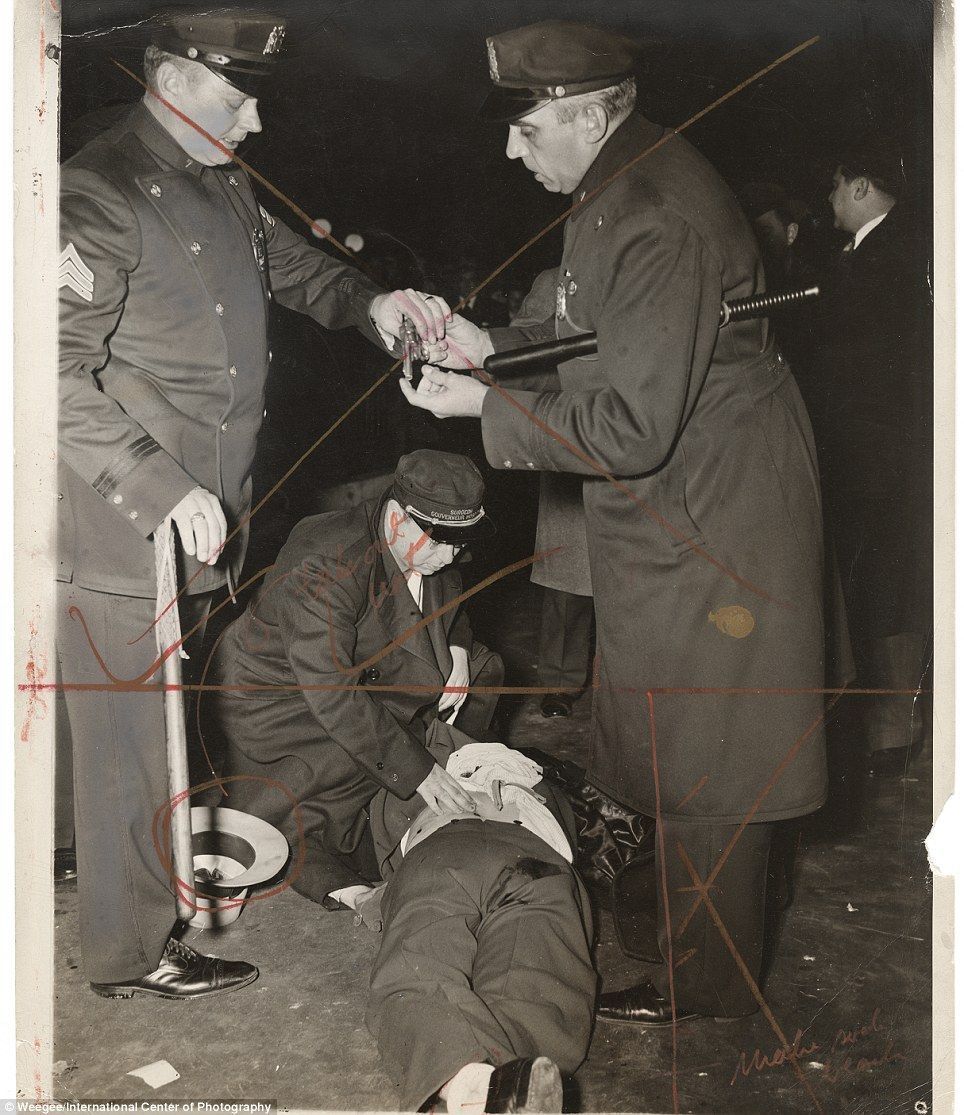 Weegee was born Usher Fellig in Zlockzów, Austrian Galicia (now Ukraine), and his name was changed to Arthur when his family emigrated to New York in 1909. After New York's crime-ridden Lower East Side, he worked for Hollywood, where he was credited as a still photographer in the 1964 Stanley Kubrick film Dr Strangelove. His 1945 book of photographs, Naked City, was also the inspiration behind the 1947 film The Naked City and he revelled in his own notoriety, stamping the back of his pictures with 'Credit Photo by Weegee the Famous'. Speaking in his archive, he said: 'The easiest kind of a job to cover was a murder. The stiff would be laying on the ground. 'He couldn't get up and walk away or get temperamental.' He died in December 1968 at the age of 69. In 1980, his widow Wilma Wilcox formed The Weegee Portfolio Incorporated to create a collection of his works from the original negatives and his entire archive was donated to the International Center of Photography in New York in 1993. In the 1992 film The Public Eye, the lead character Bernzy - played by actor Joe Pesci - was largely inspired by Weegee's character. Weegee's work from the 1930s and 1940s - 100 framed photographs, magazine, newspapers and films - is now on display as part of a travelling exhibition called 'Weegee: Murder Is My Business', opening at the International Center for Photography on January 20. The exhibit features the museum's extensive Weegee Archive, including lurid highlights of crime scenes, murder victims covered by blankets and crowds gathered around bodies - scenes that have been repeatedly replicated in film noir. It will also include 'environmental recreations of Weegee’s apartment and exhibitions'. The exhibit will be on display until September 2. 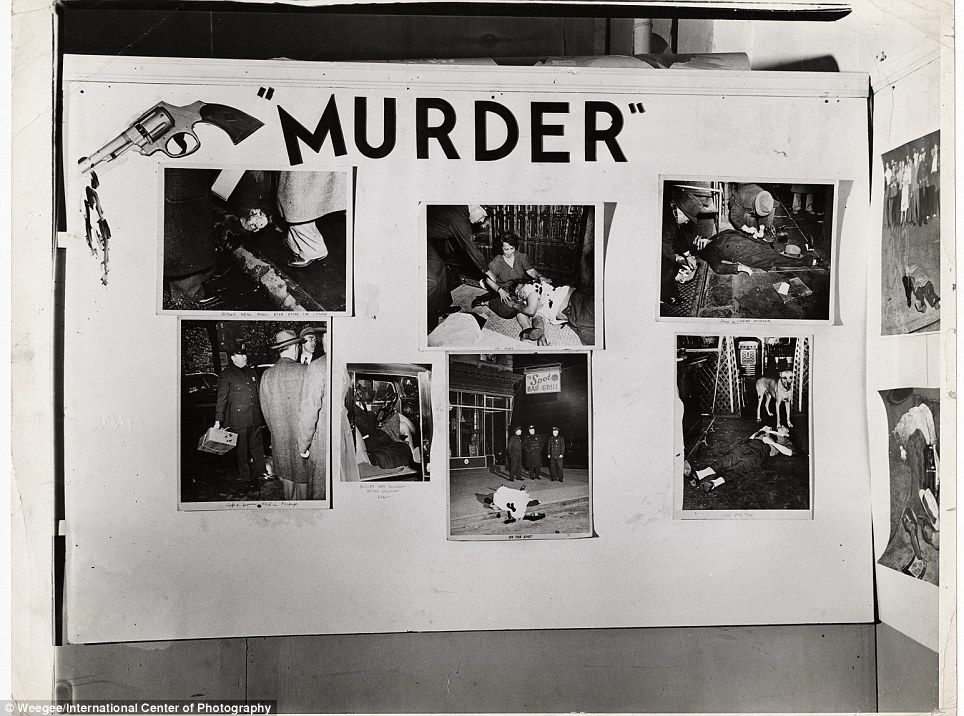 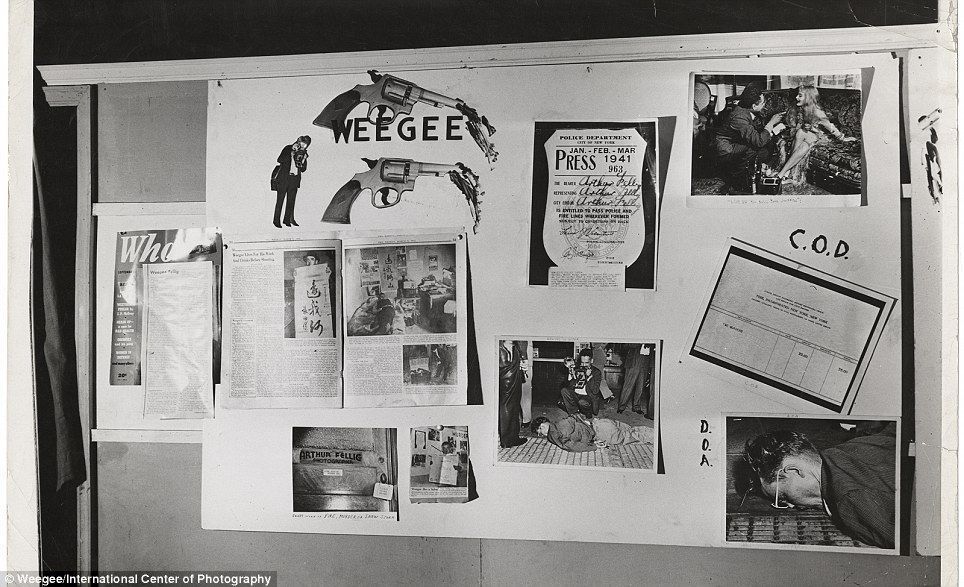 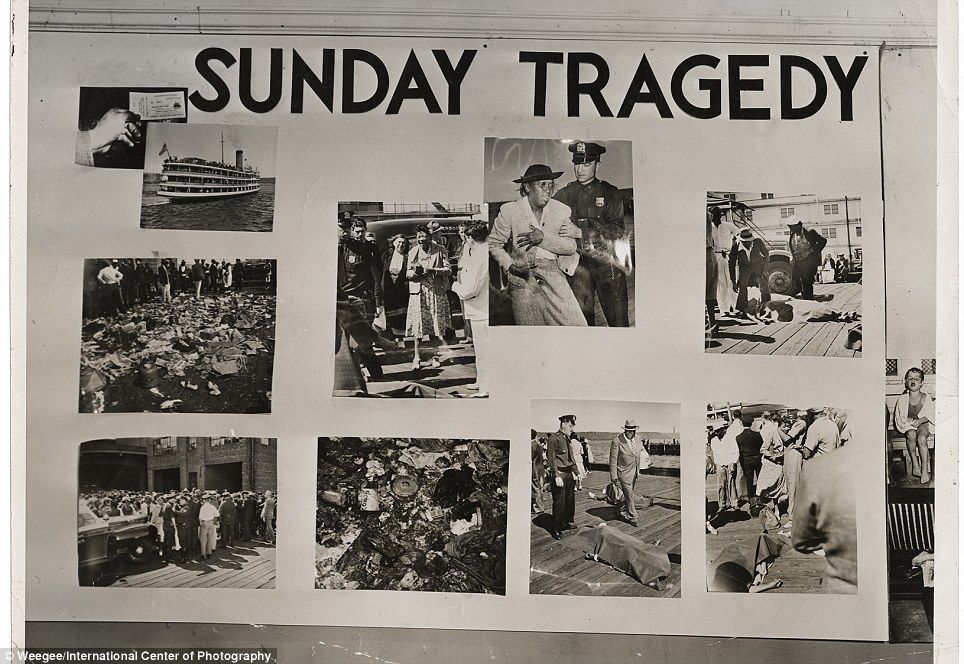 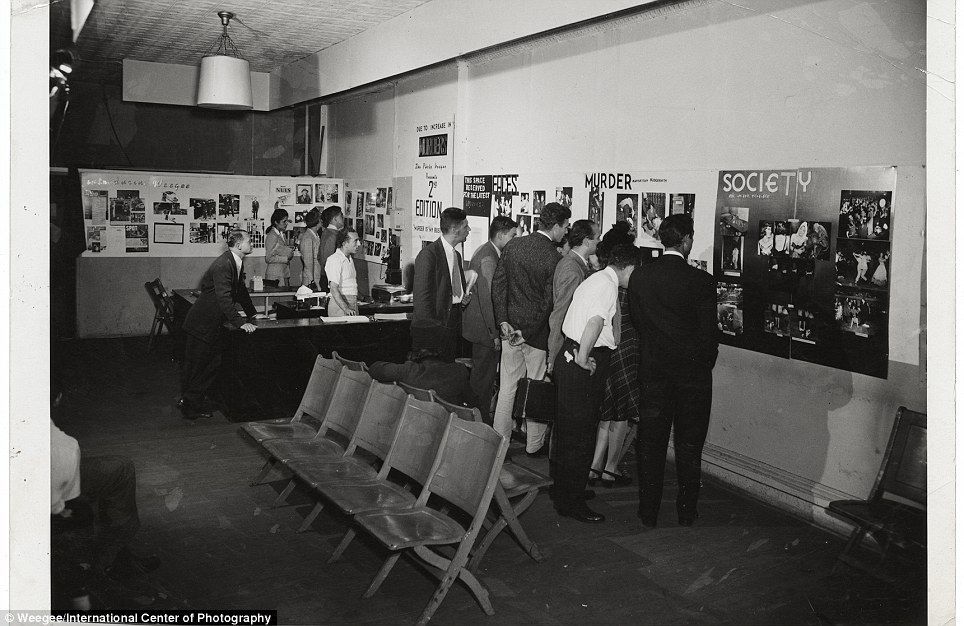 |
|
#3
●
01-04-2012, 11:05 AM
| ||||||||
 ★Wizard Of Gore★ Poster Rank:2 Join Date: Aug 2009 Posts: 127,649
Contributions: 1
Mentioned: 453 Post(s) Quoted: 30201 Post(s)
| ||||||||
|
Re: New York Crime Scenes By Photojournalist Weegee
Interesting stuff, Kel! I remember when that Joe Pesci film was released about 20 years ago that there was a renewed interest in Weegee's work.  |
|
#5
●
01-04-2012, 10:36 PM
| ||||||||
 wolfie Poster Rank:221 male Join Date: Jan 2010 Posts: 6,511 Mentioned: 2 Post(s) Quoted: 109 Post(s)
| ||||||||
|
Re: New York Crime Scenes By Photojournalist Weegee
I would bet the camera was a 4 x 5 Queen Graphic. The quality is superb and grain is minimum. I don't think a better camera was ever made. Those who have used film are familiar with the cheap 110's. Step up from that was a 35 millimeter. Prior to color, the 4 inch by 5 inch format negatives was the nuts. You could buy them in ASA's from 100 up thru 1000, 400 being the most versatile. Nice quality pics Kel. Detail is excellent. You have to love B&W. |
|
#9
●
01-14-2012, 02:55 AM
| ||||||||
 My Rank: FIRST SERGEANT Poster Rank:394 Join Date: Apr 2011 Posts: 3,054 Mentioned: 2 Post(s) Quoted: 276 Post(s)
| ||||||||
|
Re: New York Crime Scenes By Photojournalist Weegee
Great post, featuring very stylish and inspiring pics O good ol' crime photo journalism, come back I'm begging!
|