|
#1
●
01-01-2026, 06:36 PM
| ||||||||
 ★ Legacy Member ★ Poster Rank:1689 Male Join Date: Jul 2011 Posts: 322 Mentioned: 0 Post(s) Quoted: 90 Post(s)
| ||||||||
|
Neck Tie Party
User from Facebook “I inherited a bunch of very old photos. Some were from my great uncles war service. Did not expect to see a 'neck tie party'.” 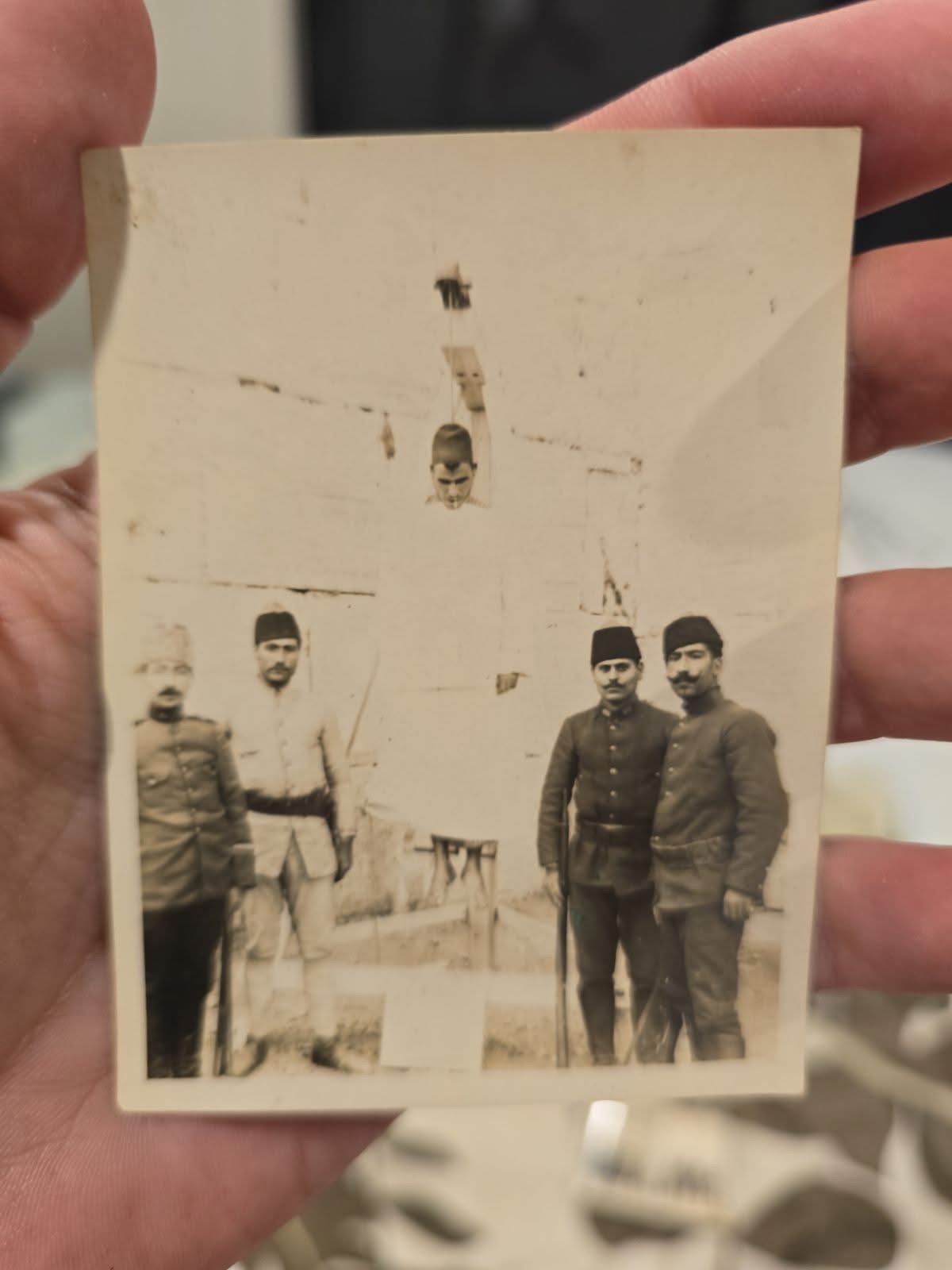 · 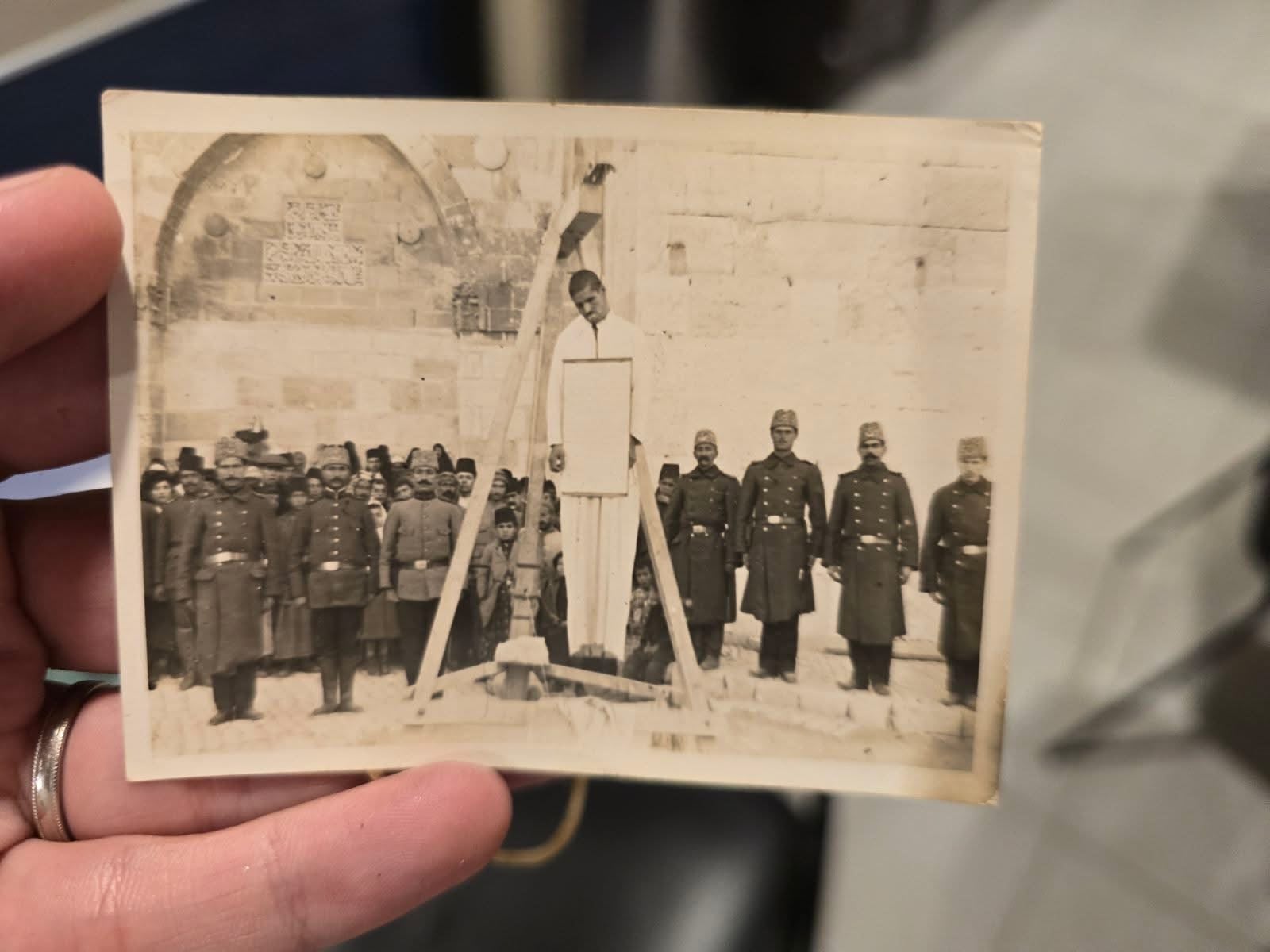 · 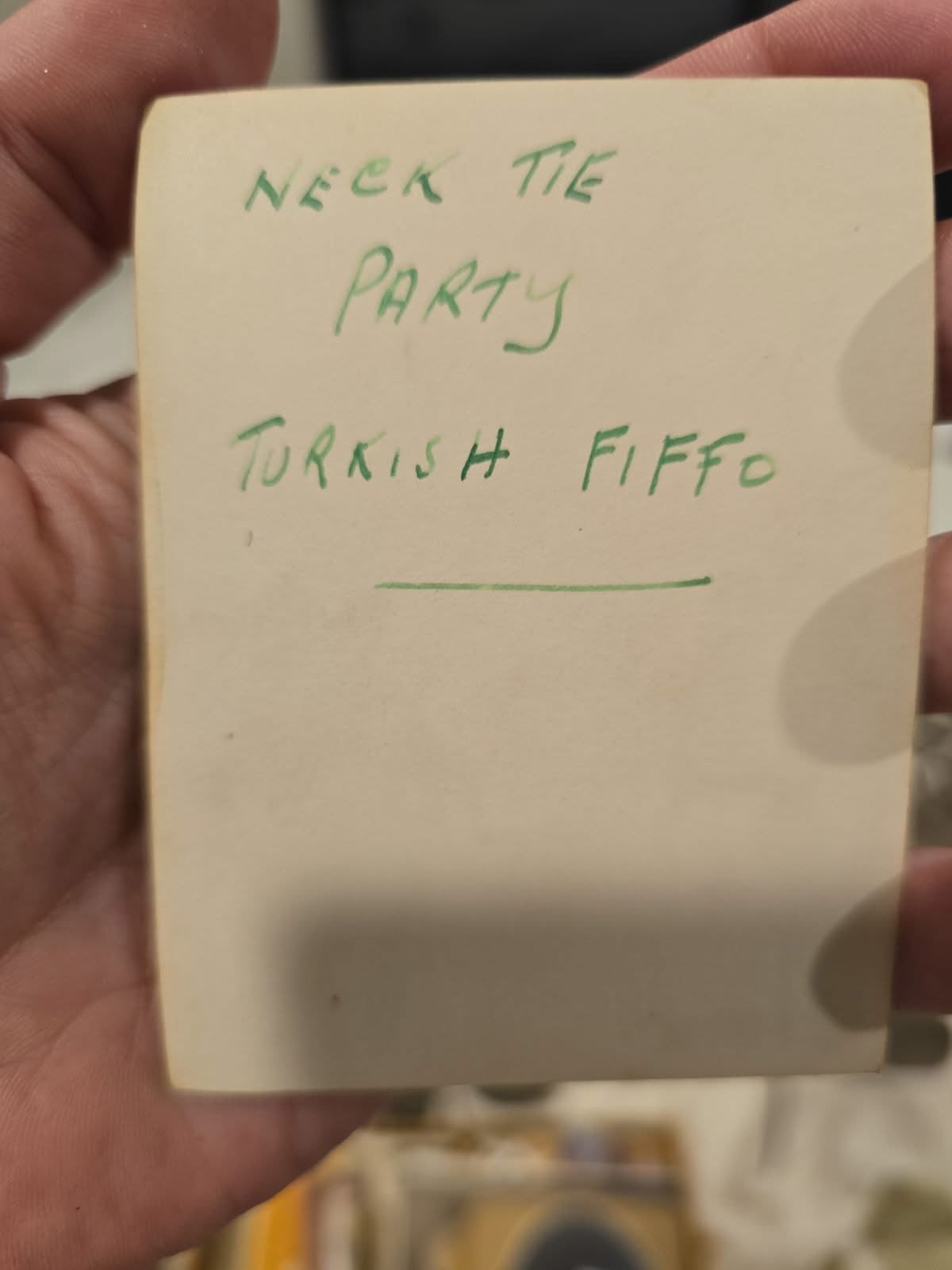 · |
|
#3
●
01-02-2026, 03:09 AM
| ||||||||
 ✝Mudderator from Hell✝ Poster Rank:10 e-mail Join Date: Oct 2006 Posts: 96,370
Contributions: 817
Mentioned: 476 Post(s) Quoted: 10314 Post(s)
| ||||||||
|
Re: Neck Tie Party
Location They made postcards out of these. Postcards on auction sites go for over $100 each so the original photos are probably worth way higher i think. The Jerusalem Hangings took place on June 29, 1916, at the height of World War I. The Ottoman government in Israel executed five residents of the city, of all ethnicities, by hanging in Jaffa Gate Square. The five were declared deserters from the Ottoman Empire's army and were randomly selected to die. They were sentenced to death and hanged in order to deter other deserters and make them return to their units. In 1916, the Ottoman army in the Middle East was in a difficult situation. Its attempt to capture the Suez Canal from the British failed and the army suffered many desertions. The dire economic situation following the war in the Ottoman Empire, and the difficulties in the Middle East, worsened the situation. The loss of income from tourism, a severe drought, and a plague of locusts in 1914-1915 caused widespread hunger and poverty. Forced conscription into the army affected the livelihoods of many families, and many of the residents were sent to forced labor battalions. Demoralization and the economic situation exacerbated the phenomenon of desertion. Many deserters remained in cities throughout the empire. Ahmed Djemal Pasha, commander of the Fourth Army and governor of Syria and Israel, warned deserters that they would be executed if they did not return to their service, but the phenomenon did not stop. Pasha took cruel measures, and committed many war crimes, including involvement in the Armenian genocide. Pasha toured the Middle East and ordered the execution of deserters and traitors. In mid-1916, he turned to implementing his methods in Jerusalem, announcing that all deserters must return to their units by the end of June and would not be punished, but any deserter who did not do so would be executed. When the deserters did not comply, Pasha ordered five deserters to be chosen in Jerusalem to be publicly executed as a deterrent. The condemned were chosen according to the denominations that made up the population of Jerusalem - two Christians, two Jews and one Muslim. Within one day, five deserters were captured according to the established key. On the morning of June 29, they were brought to the gallows in Jaffa Gate Square in the presence of local government officials and military personnel. After a short ceremony, their sentences were carried out. The bodies remained hanging on the gallows all day to terrorize the population. Signs were hung on the bodies describing the reason for their hanging. The event was photographed by photographer Khalil Rad. The Muslim Ahmed Allozzo, the Christians Ibrahim Andalfat and Musa Sus, and the Jews Moshe Mallal and Yosef Amuzig were the five to be executed. Moshe Mallal was 22 years old, the only son of his widowed mother. He worked in a hotel in the city and as a customs officer. He was drafted into the army and served as a translator in Damascus. In his deathbed request, he requested that money owed to him be collected and given to his mother. His request to remove the blindfold was denied. Yosef Amuzig, born in Morocco, immigrated to Israel with his mother and sister. He was a tailor in Jerusalem and operated a large tailoring workshop. He was drafted and sent to work as a tailor in Beersheba. He was sent to Jerusalem to sew clothes for his commander and was arrested by the military police. His military movement order disappeared and he was unable to explain his situation to the police. He was married and had a daughter. The hanging incident became a familiar story in Jerusalem, and the cruelty with which the condemned were selected and executed made the event a landmark in the city's history and a symbol of its being a home for residents of three religions. Bit more about Ahmed Djemal. Ahmed Djemal, the Minister of Marine, was the third member in the Committee of Union and Progress triumvirate. Djemal graduated from the Ottoman Military Academy and was regarded as the cruelest of the three. In 1919, he was sentenced to death in absentia by Turkish Court Martial for his role in the genocide. According to Henry Morgenthau Sr, "he despised the subject peoples of the Ottoman country - Arabs, Greeks, Armenians, Circassians, Jews; it was his determination to Turkify the whole empire." According to Morgenthau, at Djemal’s insistence “…the Turkish Government began the deliberate effort to remove all Greeks from the seashores of Asia Minor.” He was assassinated in Tbilisi, Georgia in 1922. 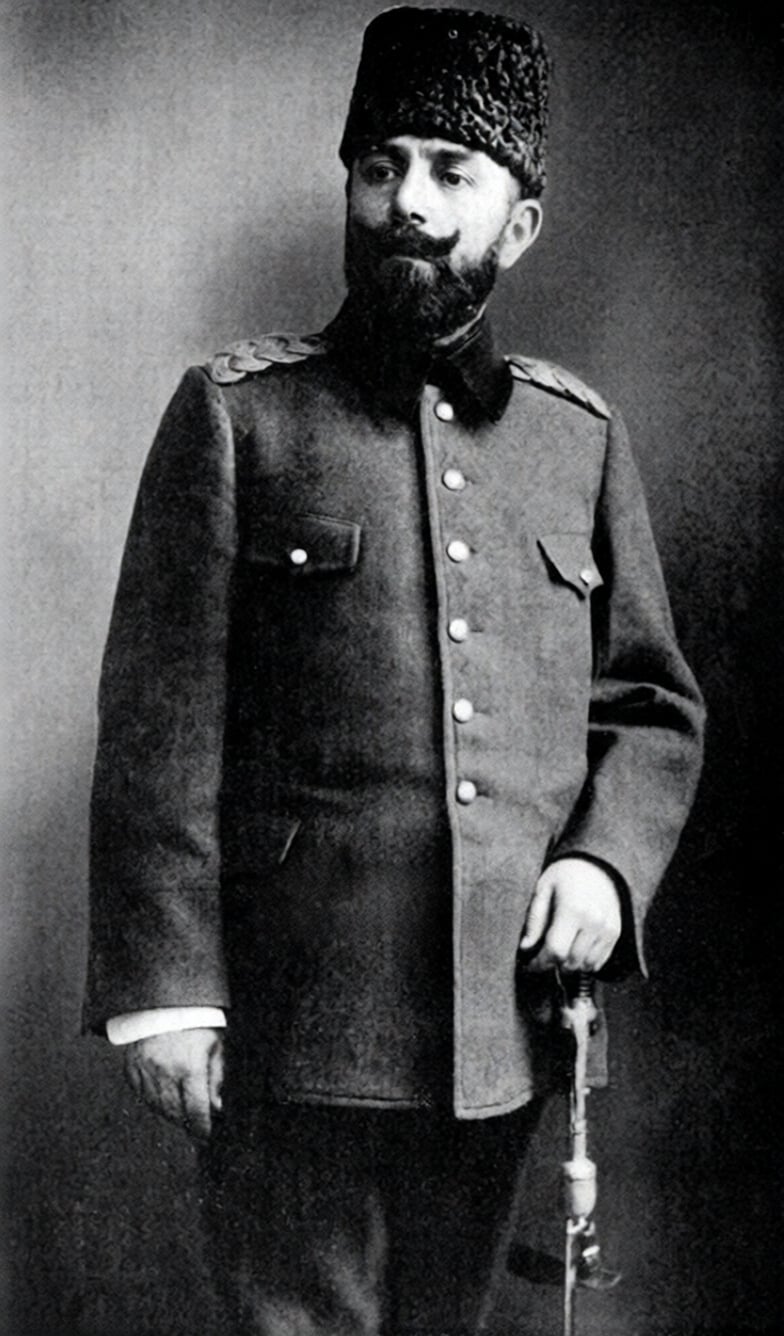 ·  · |