|
#1
●
09-18-2008, 10:18 PM
| ||||||||
 ★ ★ GENERAL ★ ★ Poster Rank:36 male Join Date: Oct 2006 Posts: 41,969
Contributions: 35
Mentioned: 2237 Post(s) Quoted: 21124 Post(s)
| ||||||||
|
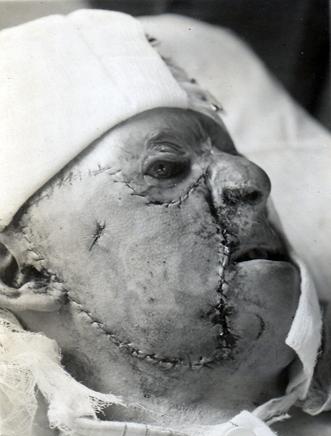
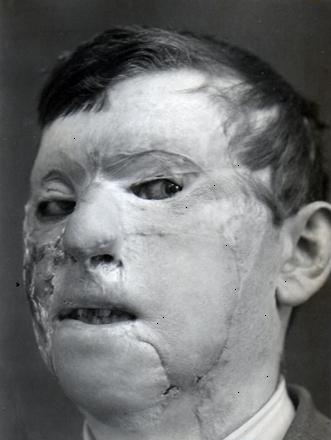
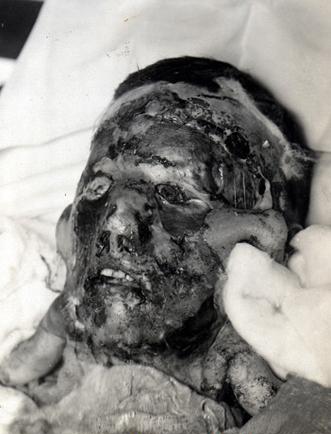
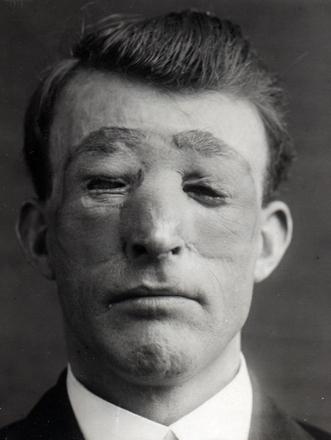
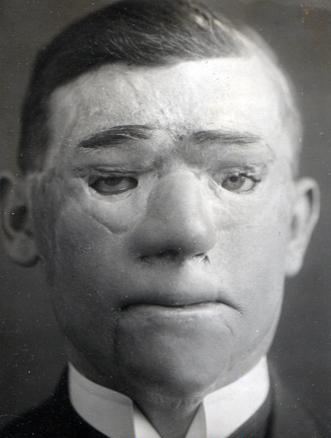
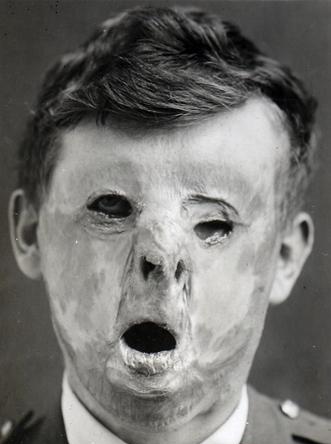
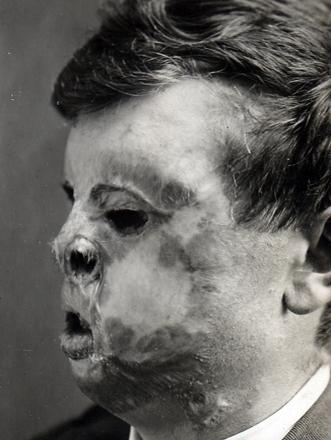
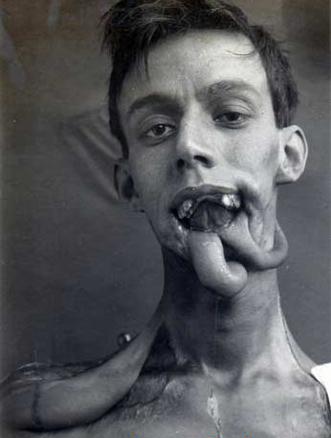
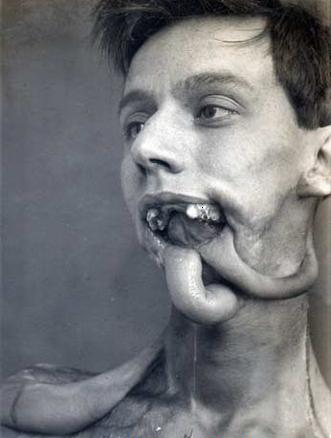
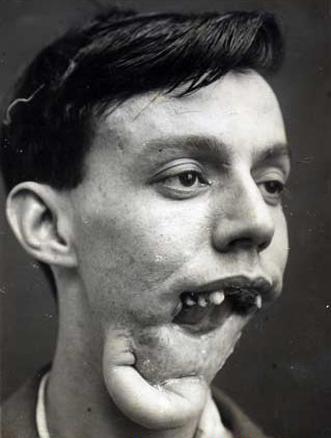
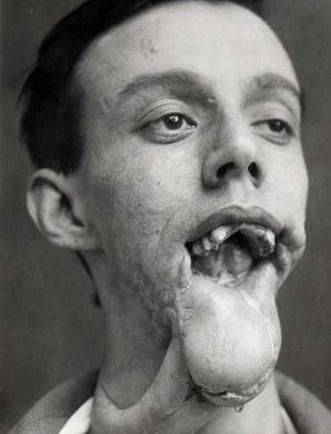
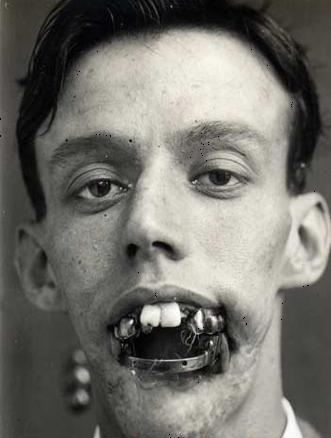
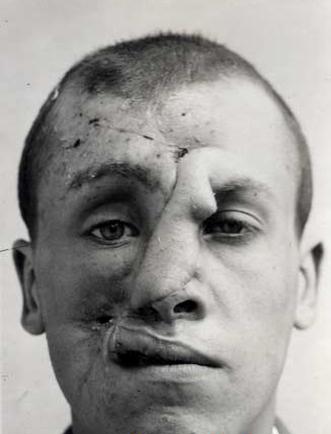
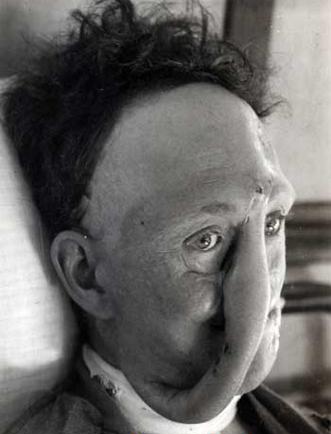
The Faces of World War I
The flood of casualties from the battle of the Somme, the Queen's Hospital, Sidcup was developed as the First World War's major center for maxillo-facial and plastic surgery.. here are some examples
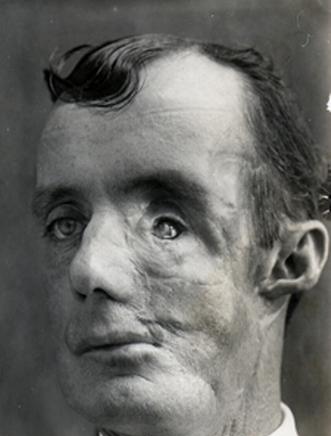 · 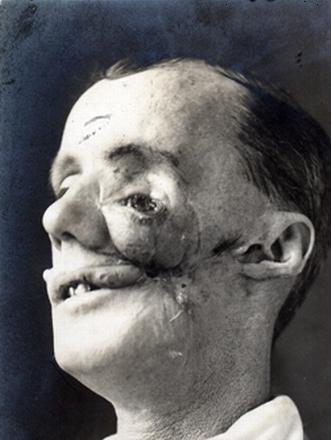 · 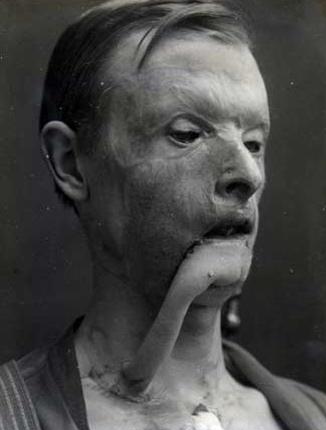 · 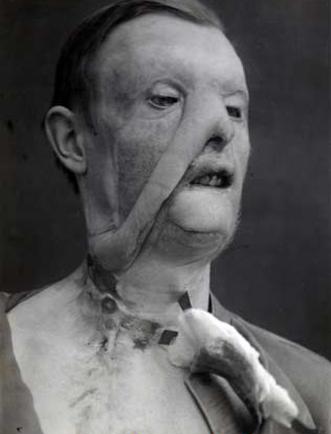 · 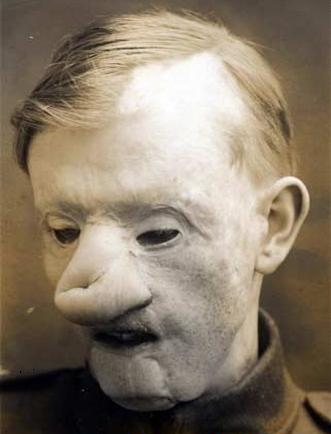 · 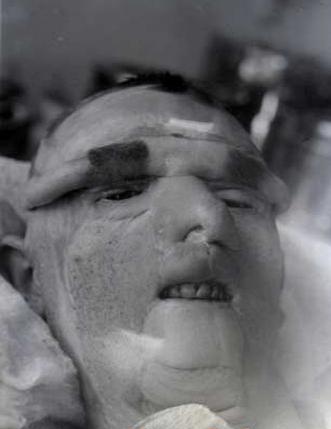 · 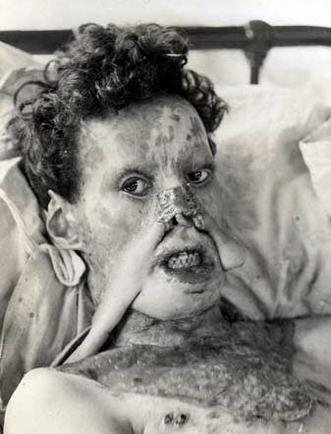 · 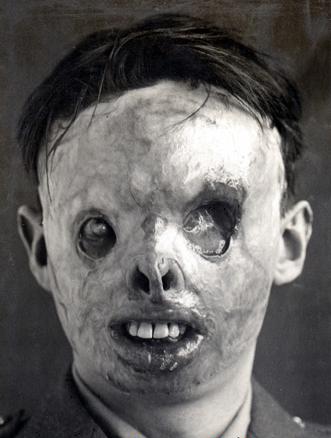 ·  ·  ·  ·  ·  ·  ·  ·  ·  ·  ·  ·  ·  ·  ·
__________________ Support the site and our continued existance by upgrading to a Green Name |
|
#2
●
11-29-2008, 10:26 AM
| ||||||||
 ♚ Legacy Gold Member ♚ Poster Rank:34 Female Join Date: Nov 2008 Posts: 43,396
Contributions: 204
Mentioned: 95 Post(s) Quoted: 2281 Post(s)
| ||||||||
|
Re: The Faces of World War I
For the time, that is amazing, pioneering stuff and it's thanks to that we can save faces today in a more aesthetic way. I think the ancient Egyptians dabbled in plastic surgery also. Poor men, wonder how they coped?
|
|
#3
●
12-29-2008, 03:40 PM
| ||||||||
| So Fucking Banned Poster Rank:1990 Join Date: Dec 2008 Posts: 251 Mentioned: 0 Post(s) Quoted: 2 Post(s)
| ||||||||
|
Re: The Faces of World War I
Wtf? They look like plastic dolls  |
|
#4
●
12-29-2008, 04:35 PM
| ||||||||
 My Rank: SERGEANT Poster Rank:975 Male Join Date: Nov 2008 Posts: 725 Mentioned: 0 Post(s) Quoted: 6 Post(s)
| ||||||||
|
Re: The Faces of World War I
that is some fucked up surgery ! i bet alot of them wish they had died from the wounds...
|
|
#5
●
01-02-2009, 11:13 PM
| ||||||||
 My Rank: LANCE CORPORAL Poster Rank:2092 Join Date: Nov 2008 Posts: 232 Mentioned: 0 Post(s) Quoted: 3 Post(s)
| ||||||||
|
Re: The Faces of World War I
there was no such thing as facil recostruction back in those days there was only crude facial together putting (nvm my grammar it sucks  ) )
|
|
#7
●
01-21-2009, 12:45 AM
| ||||||||
 My Rank: PRIVATE Poster Rank:20559 Join Date: Jan 2009 Posts: 2 Mentioned: 0 Post(s) Quoted: 1 Post(s)
| ||||||||
|
Re: The Faces of World War I
Holy fuck. Some of those faces remind me of Scary Stories books as a kid.
|
|
#8
●
02-23-2009, 05:39 AM
| ||||||||
 ★ Legacy Member ★ Poster Rank:870 Male Join Date: Feb 2009 Posts: 865
Contributions: 1
Mentioned: 0 Post(s) Quoted: 155 Post(s)
| ||||||||
|
Re: The Faces of World War I
I love the masks they are wearing |
|
#9
●
02-23-2009, 08:05 AM
| ||||||||
 My Rank: LANCE CORPORAL Poster Rank:1833 I Masturbate Every Day Join Date: Feb 2009 Posts: 280 Mentioned: 0 Post(s) Quoted: 12 Post(s)
| ||||||||
|
Re: The Faces of World War I
That was awesome. I want to learn more about this. Any one with more information on this-- let me know! Please! It will be greatly appreciated.  |