|
#1
●
05-30-2011, 08:54 PM
| ||||||||
 ♚ Legacy Gold Member ♚ Poster Rank:35 Female Join Date: Nov 2008 Posts: 43,396
Contributions: 204
Mentioned: 95 Post(s) Quoted: 2282 Post(s)
| ||||||||
|
Dr William Price - Welsh Pioneer Of Cremation
SURGEON, heretic, Chartist, exiled political activist, creator of an embryonic national health service and founder of the country’s first co-operative society, Archdruid of Wales and pioneer in the legalisation of cremation in the British Isles, Dr William Price was undoubtedly one of the most flamboyant and eccentric characters in Welsh history, as bright and colourful as his burning funeral pyre which shone across a dark and dull Victorian age. The passing of the Cremation Act in 1902 had a profound effect on the entire country, but there was much more to Dr William Price than his radical attitudes to disposing of the dead. Were his actions Druidic rituals of which he claimed to be the master scholar? He still deserves record as the man whose actions on a hilltop above the ancient town of Llantrisant caused a revolutionary result in a new method of disposal of the dead in the UK. His burning of the body of his infant son with full druidic rites, like something from Dante’s Inferno, his subsequent trial and the judgement of Justice James Fitzhamon Stephens, established the legality of cremation throughout Great Britain. As he stalked around the leaping flames, clothed in long druidic robes, his tumbled white hair streaming in the wind, reciting incantations in Welsh over a cast at the centre of the blaze, few would have realised the tremendous impact he would have on modern-day society. Dr Price was far from the epitome of the Victorian gentleman, defying in the most exhibitory fashion the conventions and beliefs of his time, including law, religion, morality and his own medical profession. In his youth he practised nudism, roaming about stark naked across the clouded mountains close to his home, attempting to bring back some form of a new druidic society. Born in Rudry near Caerphilly on March 4th 1800, William was the fifth child of Rev William Price and his wife Mary. His father – who had been educated at Jesus College, Oxford – suffered from a severe mental illness, possibly schizophrenia, which left him incapable of holding a post in the clergy. Gradually his deterioration became so severe that he was often imprisoned in his own home, even tied to his armchair when the sickness enveloped his mind. Young William attended a school in nearby Machen from the age of 10 and was apprenticed to a local surgeon, Dr Evan Edwards of Caerphilly, at the age of 13 for a period of five years at the cost of £35. He later studied at St Bartholomew’s Hospital, London and the London Hospital in Whitechapel where he was made a Licentiate of the Society of Apothecaries and a Member of the Royal College of Surgeons before turning a mere 22 years of age. In 1827 he opened a surgery at Craig yr Helfa, Glyntaff and became the surgeon for the eccentric Francis Crawshay at his Treforest Tinplate works, before being elected as surgeon of the Brown Lenox chainworks on the banks of the Glamorganshire Canal, where he allegedly performed one of the first skin-graft operations on an injured worker. Dr Price made one of the first attempts at creating an embryonic national health service there, believing patients should pay him when they were well and he would treat them if they became ill – a system advocated in later years by many of the colliery owners in South Wales. He allegedly delivered a Crawshay heir by Caesarian on a kitchen table – one of the first where both the mother and baby survived. His obsession with litigation constantly involved him in the law courts. He was charged with the manslaughter of a patient and had his father’s body exhumed to prove mental illness, infuriating the entire community. With an extensive knowledge of the law, and draped in a shawl of royal tartan, Price would conduct his own defence, lacing his speeches with a mystic poetry, once satirically bringing to court as his learned counsel his infant daughter, born in 1841, whom he named Iarlles Morgannwg – the Countess of Glamorgan. He never ate meat, his favourite drink was champagne and refused to treat smokers. As a local philanthropist and healer, Dr Price was best remembered in Pontypridd, organising fundraising events, donating money to local charities, bringing Shakespeare’s play Othello to the town and holding tea parties for the elderly while paying towards the construction of Pontypridd’s Victoria Bridge in 1857. Departing Pontypridd In 1873 he settled in Ty’r Clettwr, Llantrisant. On his 81st birthday he held a pagan wedding at the Rocking Stones with his housekeeper, Gwenllian Llewellyn, almost 60 years his junior. She gave birth to their first child, named Iesu Grist (Jesus Christ) in August 1883, when the good doctor was 83-years-old. Tragically, the infant died suddenly on January 10, 1884 and Price took the body onto the hilltop of East Caerlan where he cremated him in a container of paraffin oil. This “vicious act of blasphemy” caused a riot in the town, and crowds led by chapel deacons dragged the corpse from the flames as the “blasphemer” was arrested. The criminal trial that followed aroused interest throughout the world, enough for Arthur Conan Doyle, the creator of the Sherlock Holmes tales, to write his first published work on Price, named the Baby Burning Case. In March, he brilliantly conducted his own defence at Cardiff Crown Court, typically playing to a crowded gallery by claiming: “It is not right that a carcass should be allowed to rot and decompose in this way. It results in a wastage of good land, pollution of the earth, water and air, and is a constant danger to all living creatures”. Price had been charged with two counts – causing a public nuisance and not allowing an inquest to be held in to the child’s death. The cremation wasn’t illegal, as no court had given a verdict on it. His acquittal allowed the Cremation Society the opportunity to pave the way for the passing of the Cremation Act of 1902. Price finally cremated Iesu Grist some weeks after the trial, commemorating the event by having 3,000 oval shaped medal struck in bronze which he sold at 3d each. Gwenllian bore him two further children named Penelopen and Iesu Grist II (later renamed Nicholas). After a fall he took to his settee and died at 9pm on Monday, January 23 1893 uttering his last words, “Give me champagne”. His own cremation, for which he left full instructions, took place on the same hilltop at East Caerlan as that of his son; with 20,000 people assembling to watch the iron coffin set alight. A carnival atmosphere prevailed and the 20 or more pubs in Llantrisant ran dry during the height of the day-long festivities. Although his wish for a crematorium to be built in Llantrisant never materialised, it was fitting that the first to be opened in Wales was in Glyntaff, a stone’s throw from his surgery in Craig yr Helfa. Price longed for the golden age of druids. On moonlit evenings while grim chapels preached their puritanical doctrine and while the pits and the ironworks clanged in the new industrial era, Price was high above at the druid’s stones, at one with nature. He infuriated and frightened, but above all was one of the most brilliant and far-seeing men the nation has ever produced. Despite the passing of time and the growth of the many stories associated with this man, it has become almost impossible to separate fact from fiction as the myth of the doctor grows more stronger in the annals of Welsh history. 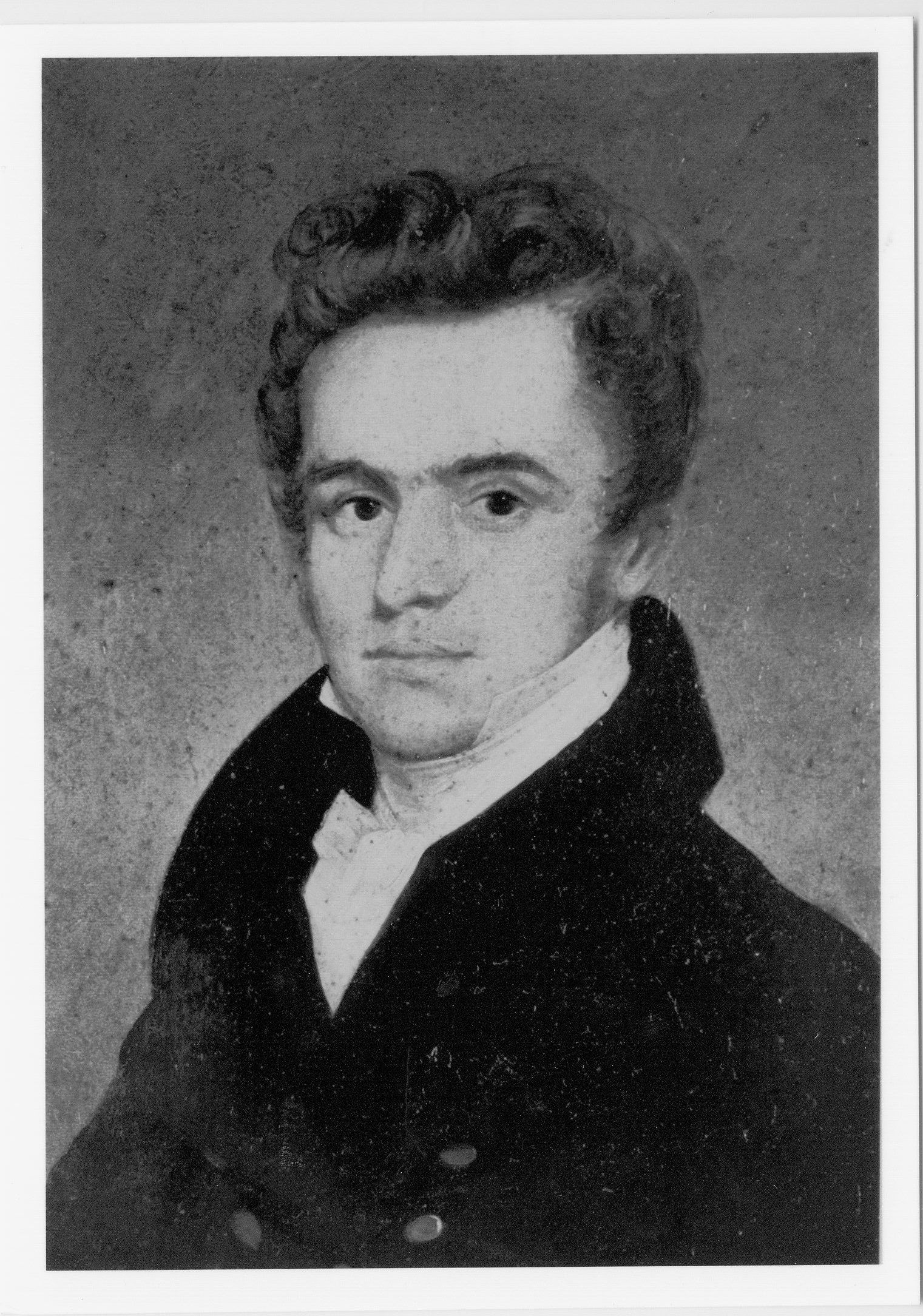 · 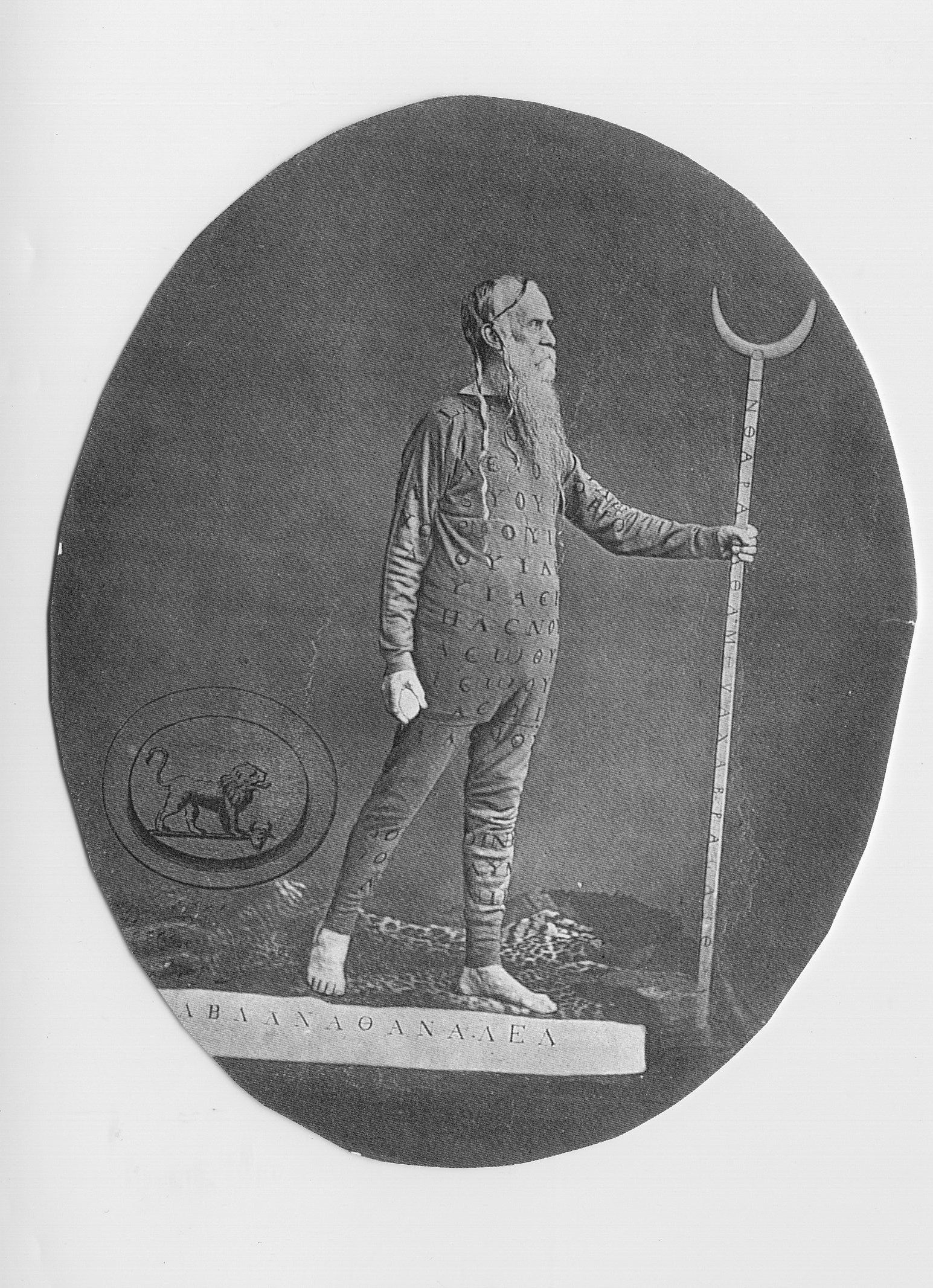 · 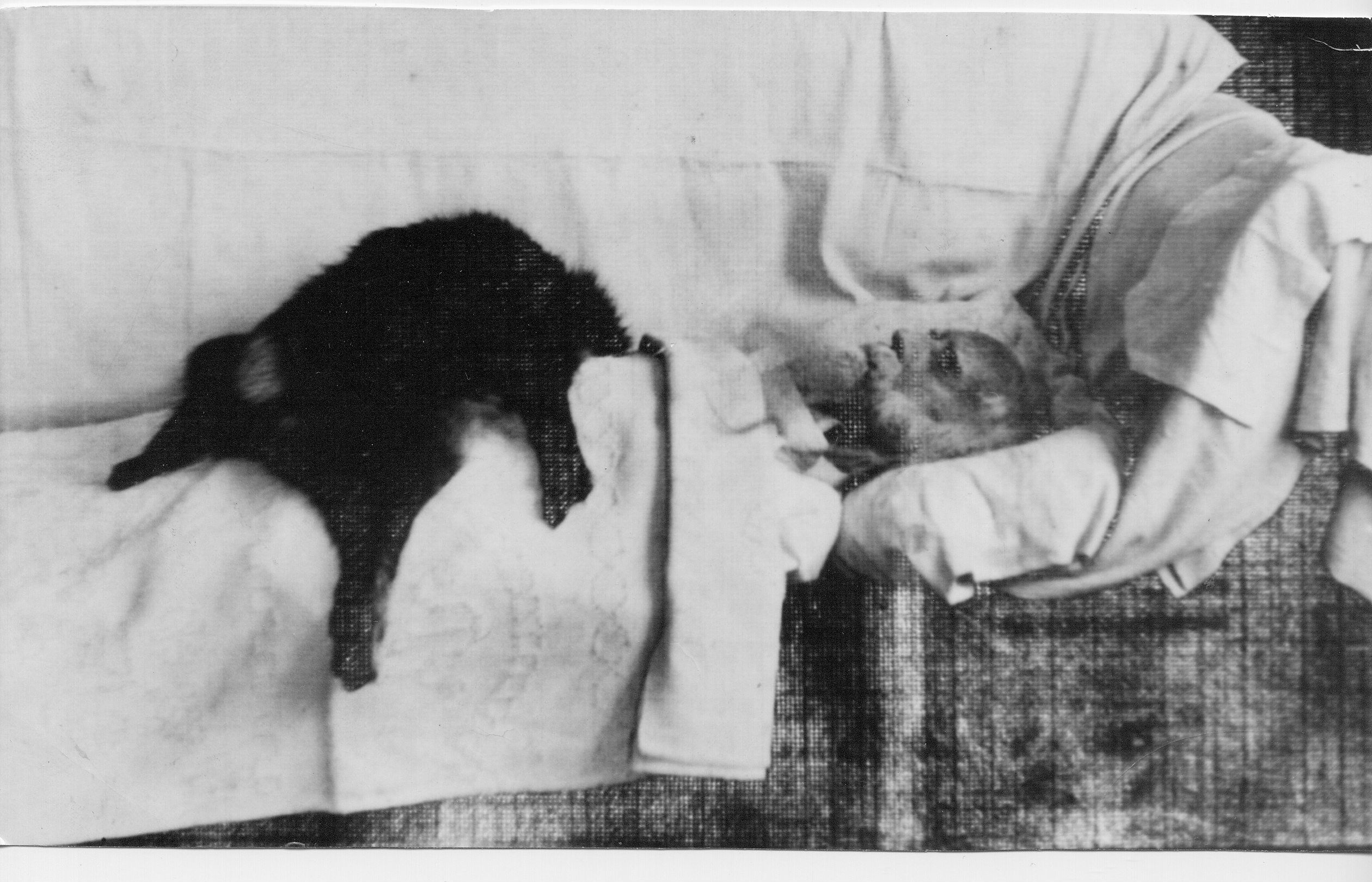 · |
|
#6
●
06-01-2011, 03:22 PM
| ||||||||
 Crewism Master Poster Rank:1232 Join Date: May 2010 Posts: 514 Mentioned: 0 Post(s) Quoted: 4 Post(s)
| ||||||||
|
Re: Dr William Price - Welsh Pioneer Of Cremation
Makes you wonder whether the idea that they didn't know the effects of smoking back in those days was actually true, unless Price was so far ahead of the times that no-one else could see that. Very interesting post  |
|
#8
●
06-01-2011, 03:36 PM
| ||||||||
| Crewism Master Poster Rank:1232 Join Date: May 2010 Posts: 514 Mentioned: 0 Post(s) Quoted: 4 Post(s)
| ||||||||
|
Re: Dr William Price - Welsh Pioneer Of Cremation
A lot of the words are Welsh Edit: I mean that because Wales is part of the UK, many of their words and the like are understandable to most other Brits. Kinda in a similar way to how Americans can understand certain Hispanic words (which tend to go right over my head  ) )
|