|
#1
●
10-11-2014, 03:46 AM
| ||||||||
 ★ ********* ★ Poster Rank:247 Male Join Date: Jul 2009 Posts: 5,565
Contributions: 368
Mentioned: 66 Post(s) Quoted: 932 Post(s)
| ||||||||
|
The Bocksten Man
The Bocksten Man (Swedish: Bockstensmannen) (also spelled as Boxsten) is the remains of a medieval man's body found in a bog in Varberg Municipality, Sweden. It is one of the best-preserved finds in Europe from that era and is exhibited at the Varberg County Museum. The man had been killed and knocked to the bottom of a lake which later became a bog. The bog where the body was found lies about 24 kilometres (15 mi) east of Varberg on the west coast of Sweden, close to the most important medieval road in the area: the Via Regia. He was recently reconstructed to show what he may have looked like when he was alive. 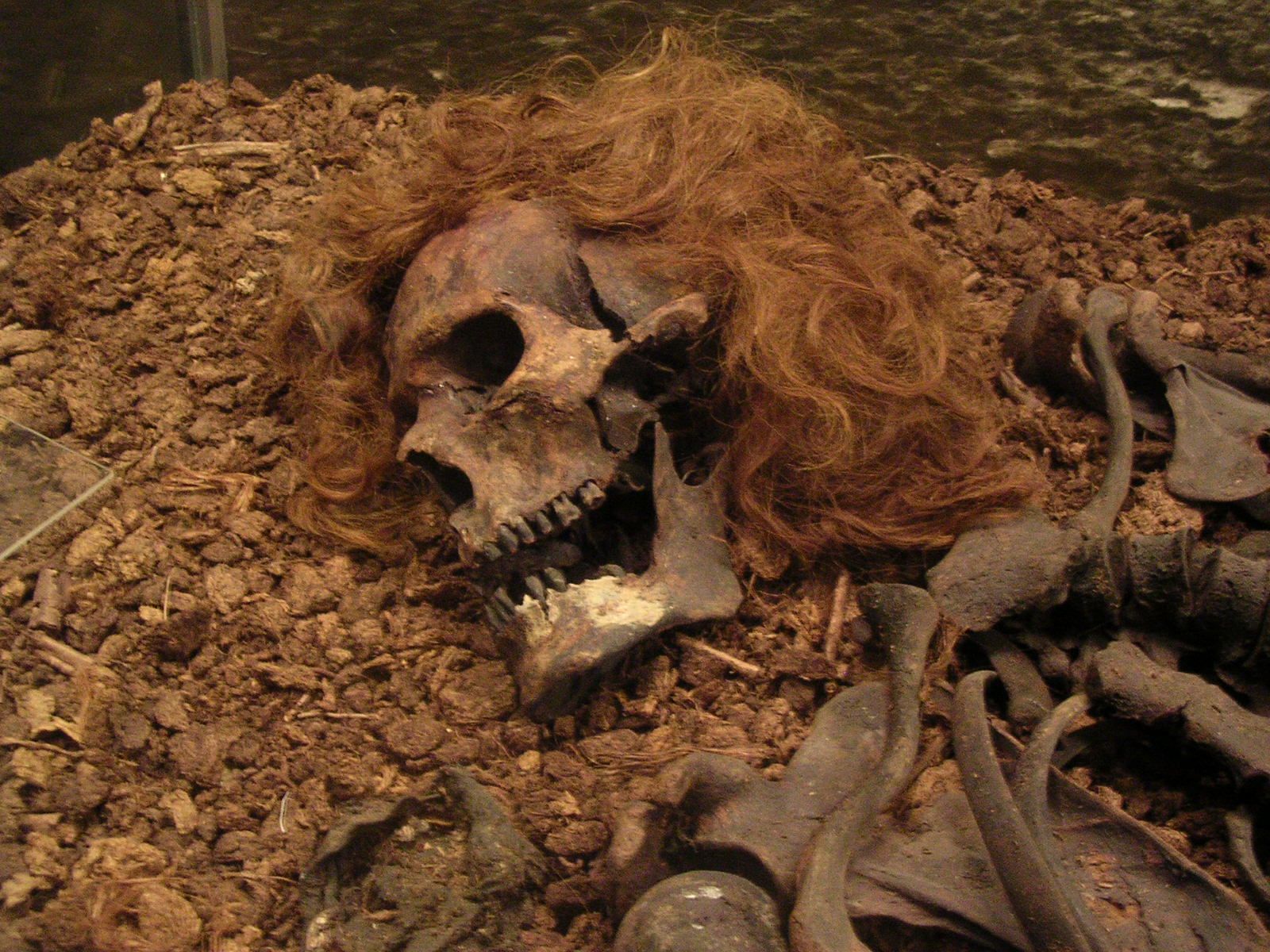 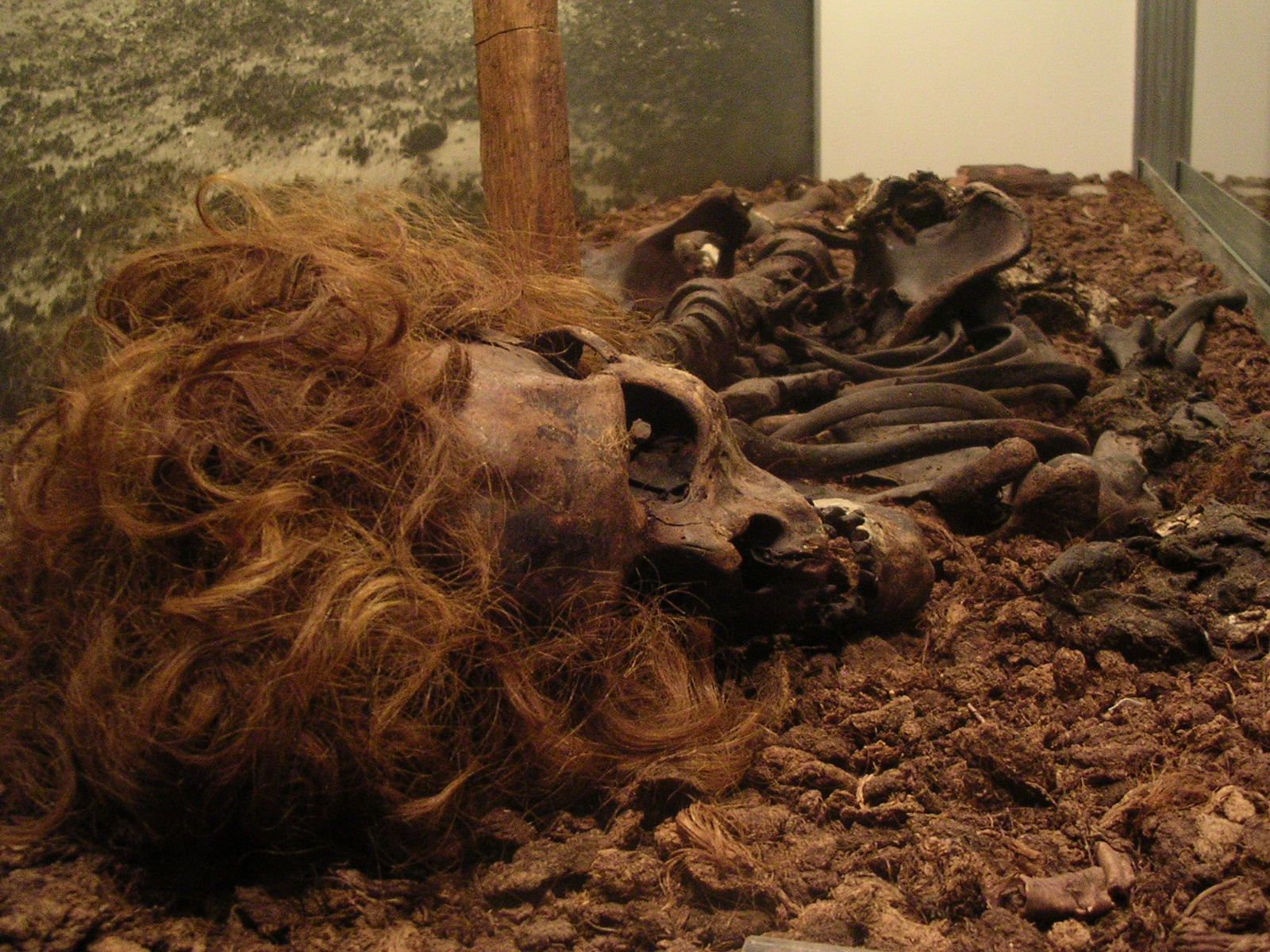 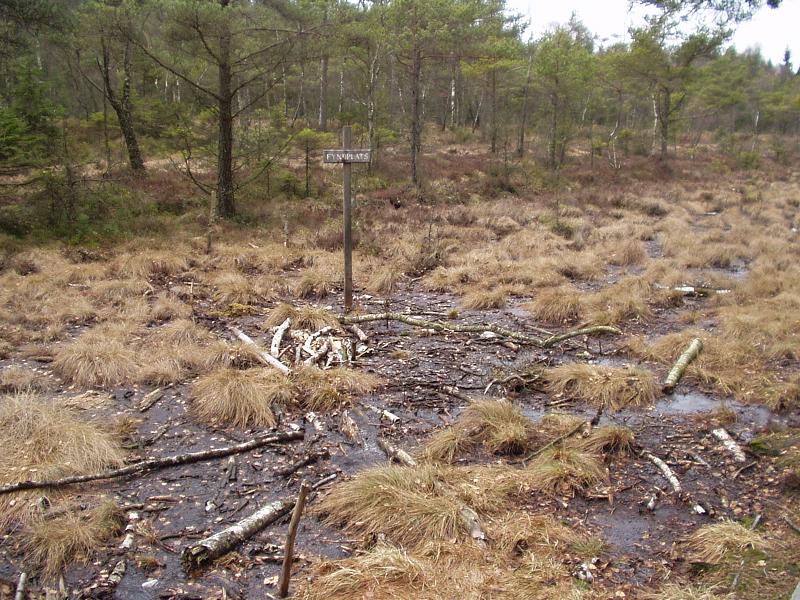  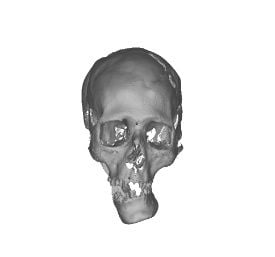 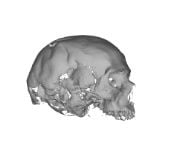 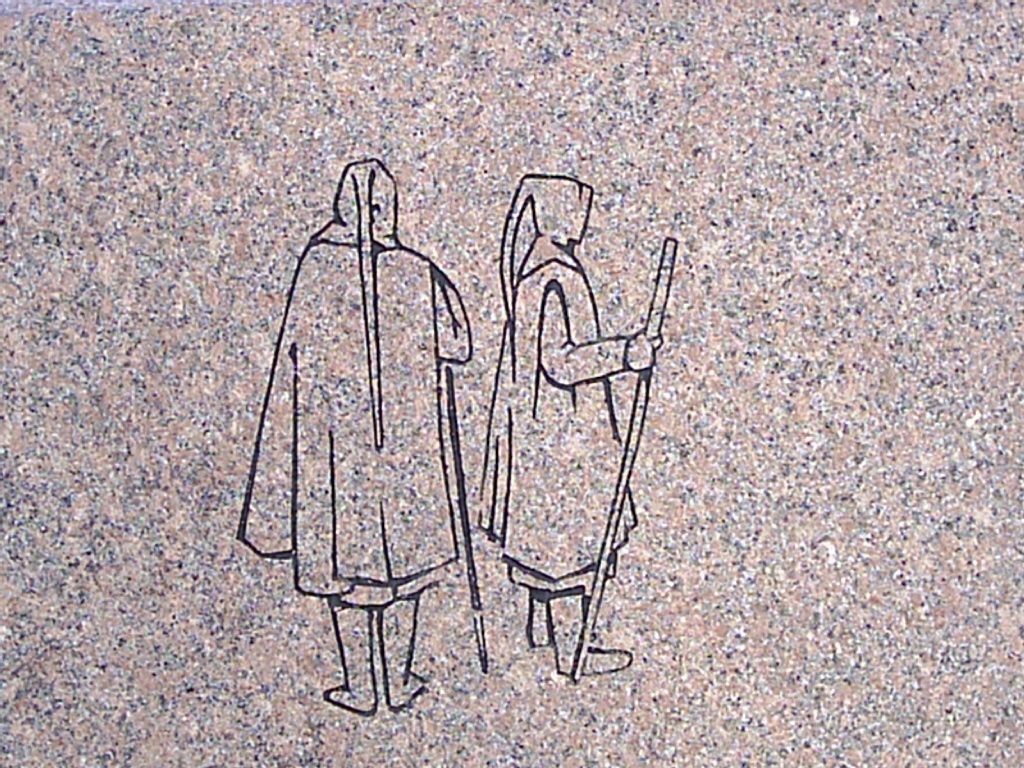 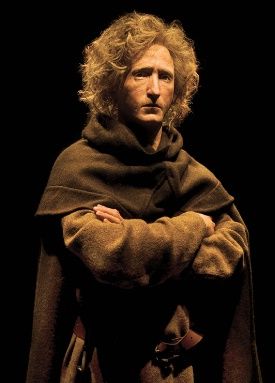 |
|
#2
●
10-11-2014, 05:05 AM
| ||||||||
 My Rank: LANCE CORPORAL Poster Rank:3057 Female Join Date: Apr 2010 Posts: 127 Mentioned: 1 Post(s) Quoted: 61 Post(s)
| ||||||||
|
Re: The Bocksten Man
Bockstensmannen has always interested me, thanks for posting this! Swedish pupils are introduced to this guy very early in their school years, probably to get them interested in swedish history, I suppose.  When I was a kid we were reading a book about a cat who ran away from his family when they were on vacation around Varberg and later found his way back to their home (by walking across the country) and the little boy who loved him deeply. I was more interested in the very brief information about Bockstensmannen than I was in the heartwarming story about a boy and his amazing cat. When I was a kid we were reading a book about a cat who ran away from his family when they were on vacation around Varberg and later found his way back to their home (by walking across the country) and the little boy who loved him deeply. I was more interested in the very brief information about Bockstensmannen than I was in the heartwarming story about a boy and his amazing cat.  If my memory serves me right, I was particularly fascinated by his big hair. If my memory serves me right, I was particularly fascinated by his big hair.
|
|
#3
●
10-11-2014, 06:05 AM
| ||||||||
| My Rank: LANCE CORPORAL Poster Rank:3057 Female Join Date: Apr 2010 Posts: 127 Mentioned: 1 Post(s) Quoted: 61 Post(s)
| ||||||||
|
Re: The Bocksten Man
Just adding a few more interesting facts from the swedish wiki article about him: While a leather shoe was found in the bog by Albert Johansson, it wasn't the same Johansson who found the skeleton. Instead, it was 11-year old Thure G. Johansson and his older brother Harry who made the discovery while harrowing. Part of why experts believe he belonged to a social group of higher status, besides the clothes, is that he showed early signs of Forestiers disease, which has only been found in skeletons from higher standing social groups. He is believed to have been blonde, and the lovely copper colour comes from substances in the bog, which can turn blonde hair red in just a couple of months. Also, his long haircut was apparently very popular during the 14th century. He is believed to have died either in spring time or fall, because his clothes were not warm enough to withstand the winter cold, but the many layers could indicate that it wasn't summer (or at least not a warm summer) when he died. The poles in his body were not two, but three. The oak pole was apparently part of a medieval roof construction, more precisely a pole that kept the straw from falling off. It was completely preserved in the bog. Since the oak pole must have been brought from a farm, it is believed that the killer(s) were local farmers. The other two poles were both of birch wood, but there were only smaller pieces of them left. It hasn't been 100% confirmed that he really was murdered, but it is very likely. Poles through the corpse were typically used to prevent victims of wrongful death from haunting and taking revenge on their killer(s). How he died isn't completely clear either, since some experts believe the crack in the skull to be from a fatal blow to the head, while others say it's probably from surrounding material in the bog putting a lot of pressure on it (apparently the cranium goes soft and leather-like after being buried in the bog for a while, making it easy to deform and crush). Since his clothing and slender muscles reveal that he was of high status and not used to physical labor, and his femur showed he rode horses a lot, it is very likely that he came to the area to bring bad news for the locals, who then decided to kill the messenger, quite literally. |
|
#4
●
10-11-2014, 03:09 PM
| ||||||||
| ★ ********* ★ Poster Rank:247 Male Join Date: Jul 2009 Posts: 5,565
Contributions: 368
Mentioned: 66 Post(s) Quoted: 932 Post(s)
| ||||||||
|
Re: The Bocksten Man
Guess what? A friend of mine used to tell me the story (happened in Sweden) of a cat who re-united with his best friend, a 9 years old boy or so; their family moved after leaving the cat somewhere, and to much of their surprise the cat tracked them down YEARS after, and thousands of miles far away from where they had left. Maybe we're talking about the same cat. Anyway, thank you for your help with all those informations, that was much appreciated mate. |
|
#5
●
10-11-2014, 05:40 PM
| ||||||||
| My Rank: LANCE CORPORAL Poster Rank:3057 Female Join Date: Apr 2010 Posts: 127 Mentioned: 1 Post(s) Quoted: 61 Post(s)
| ||||||||
|
Re: The Bocksten Man
That sounds like a lovely story, but I don't think it's the same as the book I read as a kid. Interestingly enough though, new (true) stories about cats who find their way back against all odds keep popping up from time to time here in Sweden! Everything from hitchhiking cats to wanderers who walk hundreds of kilometers just to find their families again. It really is fascinating that they do that!
|
|
#6
●
10-13-2014, 02:28 AM
| ||||||||
 ★ Legacy Member ★ Poster Rank:184 female Join Date: Oct 2013 Posts: 8,138 Mentioned: 19 Post(s) Quoted: 1185 Post(s)
| ||||||||
|
Re: The Bocksten Man
Great post, Gato- thanks! And yes, cats do travel miles and miles to be with their 'person', just like dogs |
|
#8
●
10-15-2014, 06:49 PM
| ||||||||
 My Rank: MASTER SERGEANT Poster Rank:525 yes Join Date: Sep 2009 Posts: 1,951 Mentioned: 0 Post(s) Quoted: 93 Post(s)
| ||||||||
|
Re: The Bocksten Man
Hair is in pretty good shape...It's a good thing this wasn't India or it would have been a wig by now!  |