|
#24
●
07-19-2012, 08:10 AM
| ||||||||
| My Rank: LANCE CORPORAL Poster Rank:3452 Join Date: Feb 2010 Posts: 102 Mentioned: 0 Post(s) Quoted: 31 Post(s)
| ||||||||
|
Re: B/W Selection Of WW2 Victims
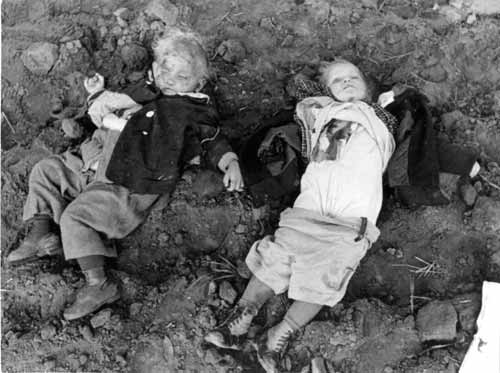
No they are not, the Goebbel's children are laid out all in their white night wear
|
|
#29
●
10-31-2012, 02:38 PM
| ||||||||
| Your Mothers Nightmare... Poster Rank:411 Male Join Date: Oct 2012 Posts: 2,856 Mentioned: 4 Post(s) Quoted: 1036 Post(s)
| ||||||||
|
Re: B/W Selection Of WW2 Victims
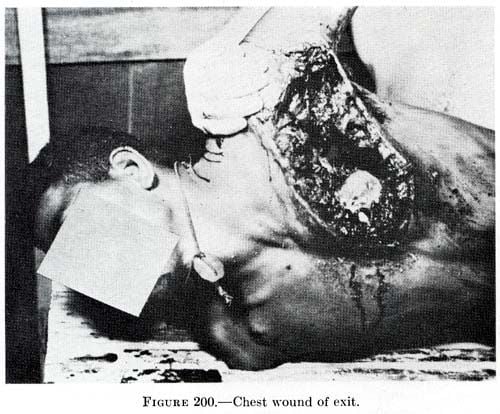
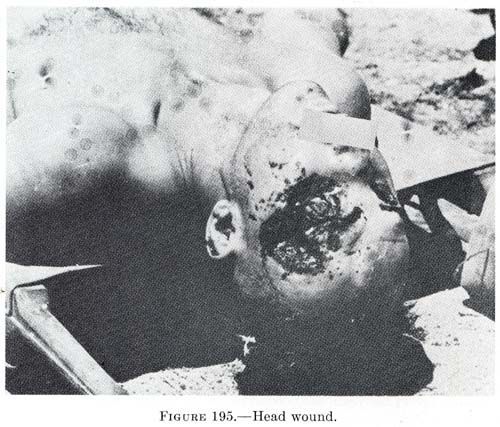
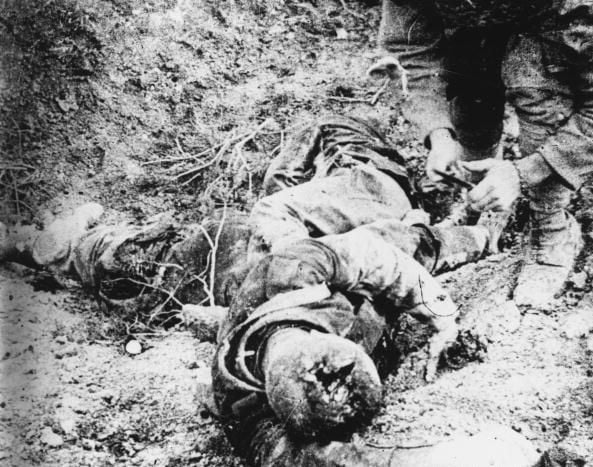
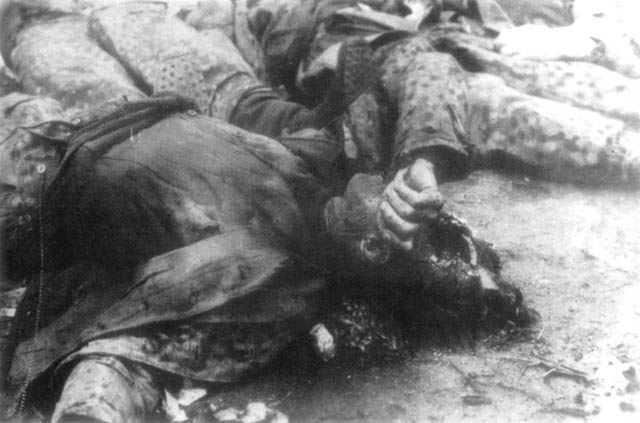
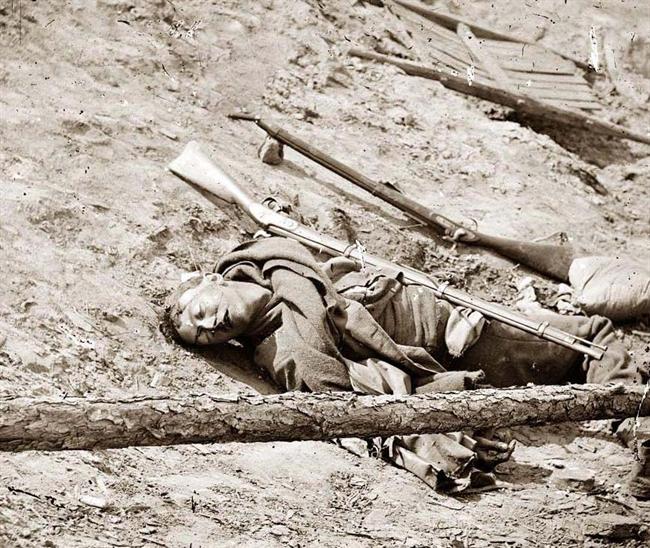
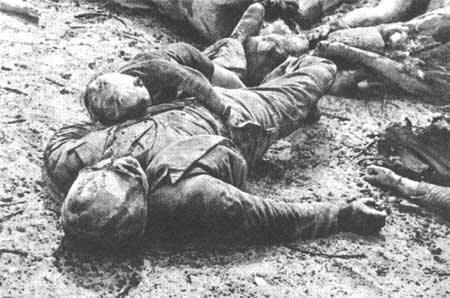
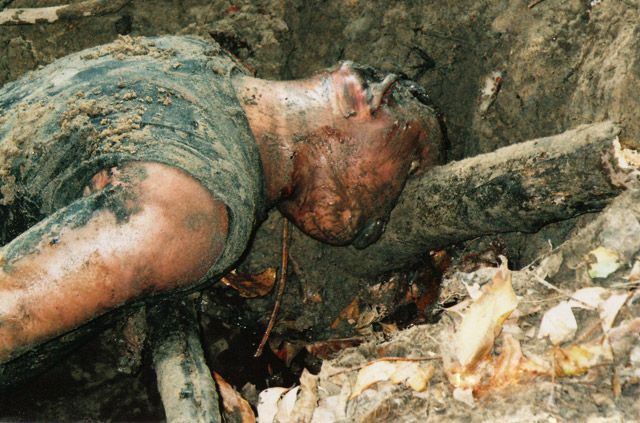
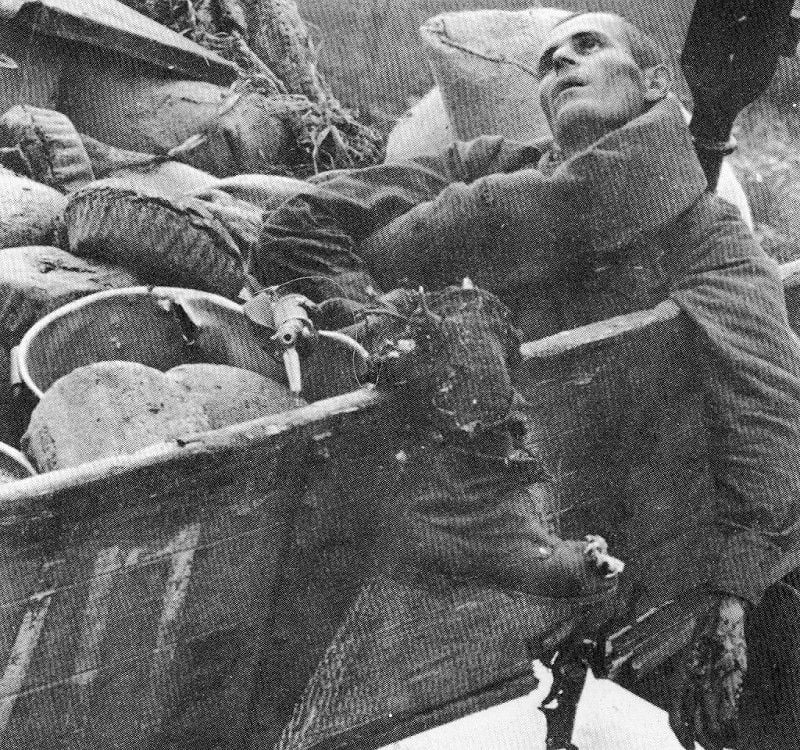
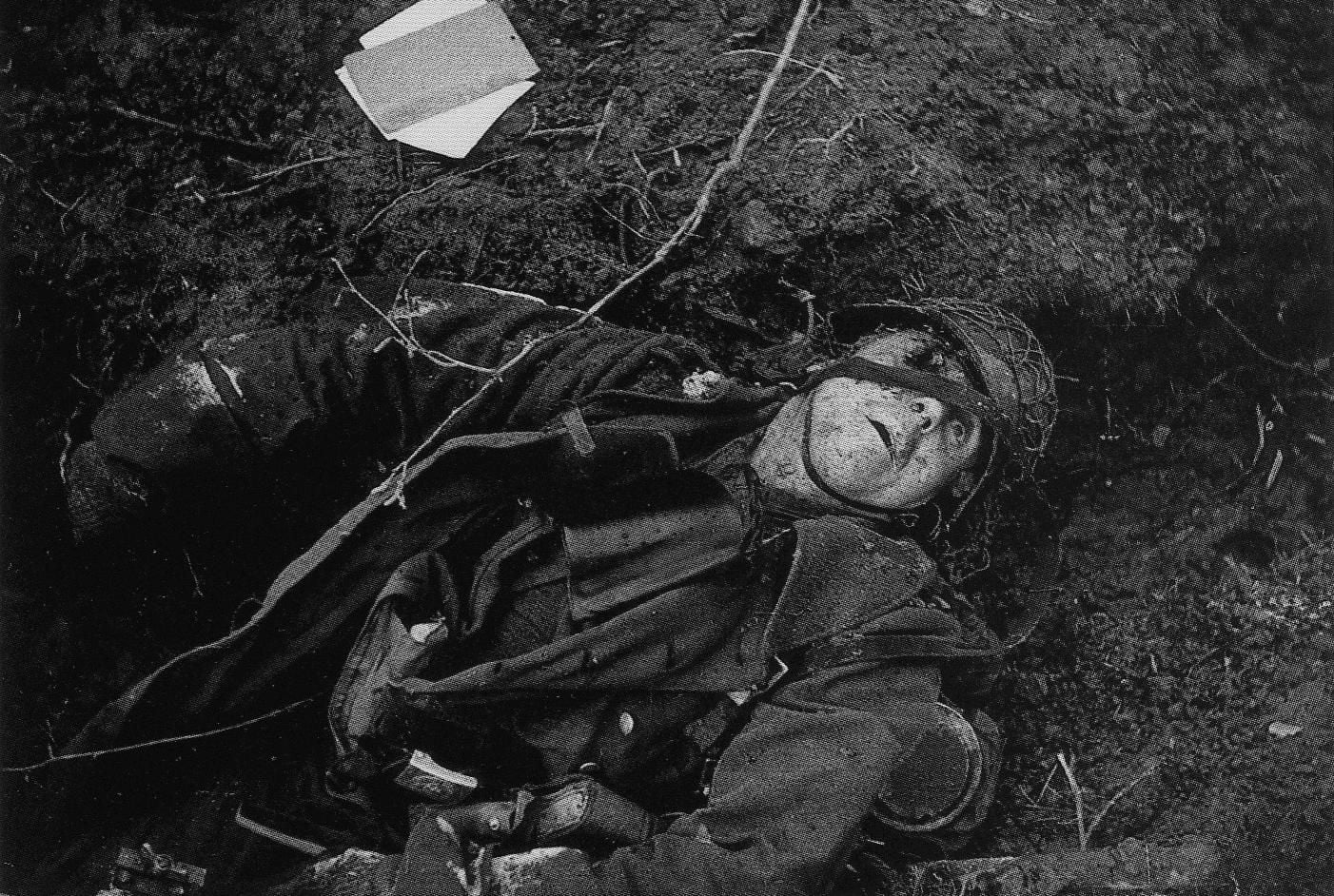
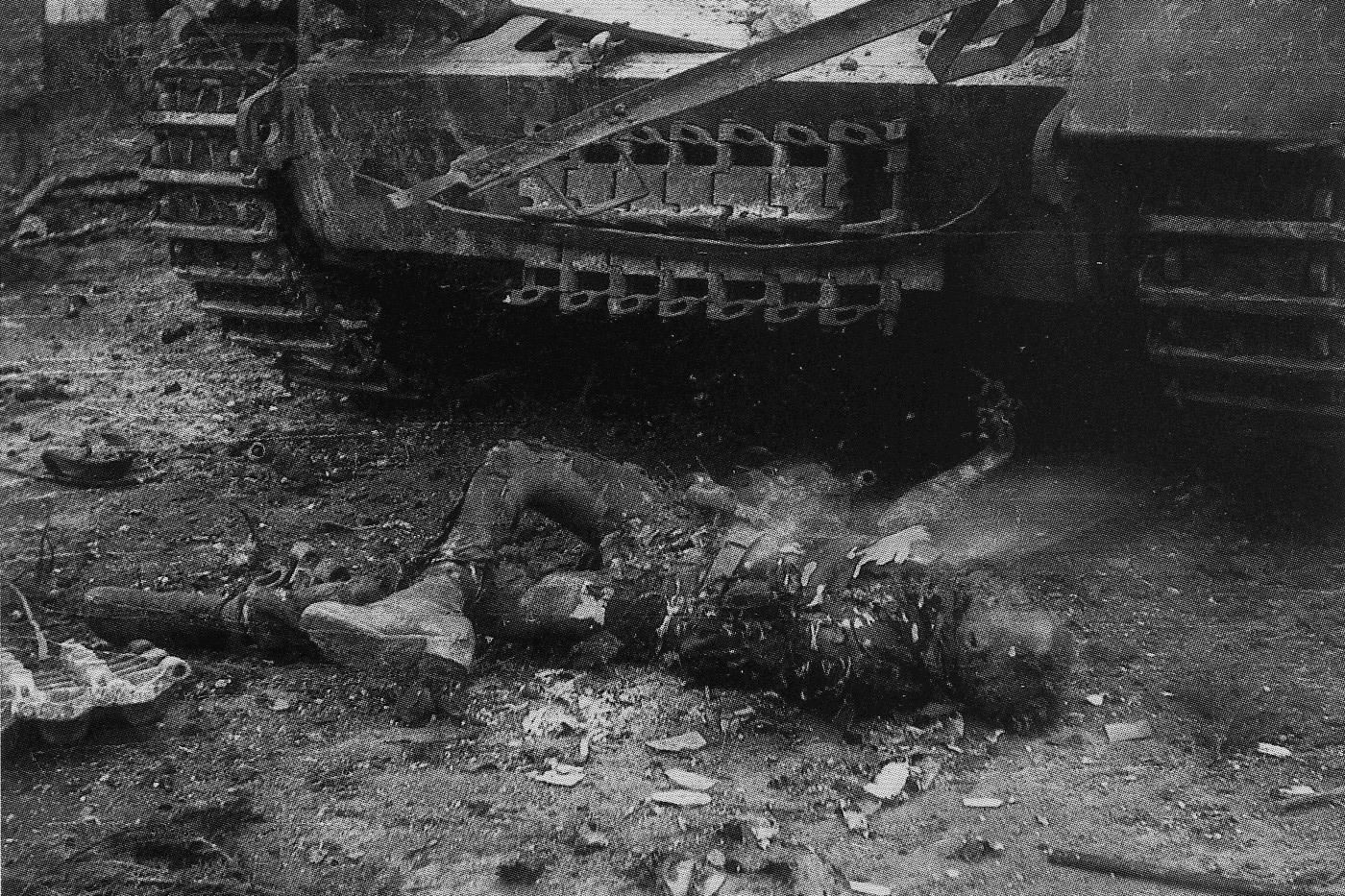
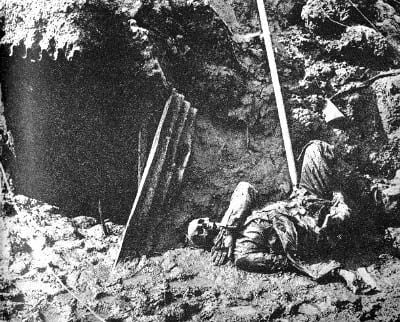
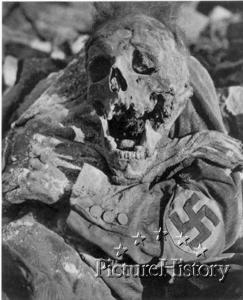
Pic 5 looks like a suicide rather than capture with the exit wound being so central in the top of the head. Pic 6 looks disturbingly like survival after injury what with the arm over their eyes...imagine surviving that traumatic injury even for just a very short while, I would pray for complete confusion and sleepiness then lights out Pic 7 is the civil war. One of the surprising identifiers for civil war photography is the clarity, certain photos of that era are far sharper than that of WW1 and WW2 B&W. There is also a common element of staging in the picturedone by the cameraman. If you notice the battered old musket behind the body, this has probably been found by the cameraman and placed with the body and then he has either found (very unlikely) or borrowed (more likely) the very nice well looked after hunting/sharpshooters rifled musket giving the soldier a greatly increased status (from Grunt to sharp shooter) sadly 2 booboo's the first the failure to remove the carefully placed older gun and the 2nd weapon is far too clean to have been with the man at time of death and I suppose there is a third...any rifle like that would have been picked up in seconds by another soldier. 3rd from last is a WW1 photo which I believe was taken after the end of the war and this is during the huge cleanup phase when they drained a large amount of bunkers and deep line trenches which had been built during the savage winters of 1916-17 the frozen ground allowed for easier construction as there was less chance of collapse during bombardment in the critical phase between the digging and the shoring up of the walls and ceilings with wooden walls and pit posts. These deep bunkers where not popular with the high ranking Generals as the Allies didn't want their troops getting too "comfortable" or settled in one location in case they became reluctant to leave the comfortable "safer" positions for the open land ahead. After all the idea was to push the German aggressors back into Germany as such the Allies needed a mobile war. Sadly there was a massive problem that was unknown to the Allies as no-one had dug deeply in this vast farming region, and when spring and summer arrived the frozen ground melted revealing just how high the water table actually was, in some area's it varied around 3-7 yards/metres higher than estimated! Sadly come the thaw, these temporary bunkers just slowly filled up with water. The Germans on the other hand had a different outlook and where by now content to hold onto the land they had gained. They where content to dig in and hold a static line. So they built permanent structures ,huge concrete trenches and massive underground bunkers that would let their troops feel comfortable and safe (hugely different from the allies). These structures where lined not with just any cement but with a cement called Portland Cement (there is still a legal wrangle going on over this as the raw ingredients for Portland cement where bought by one nation from the UK and then secretly passed onto the german war machine. Portland cement is incredibly hard and is also waterproof, now the Germans had sunk deep test pits when searching for fresh water the previous year and already knew the highly variable water table. They used the frozen winters to hollow out the ground and line it with 2+feet thick walls and huge sumps under the living area to catch rain water and hold fresh water...of this water proof cement knowing come thaw time they would be safe.... fortunately and somewhat funnily the good old Hun had another problem come the thaw Portland cement being so strong did not need to be so thick, therefore it was lighter and as the thaws came and the water table rose and the allies began to be flooded out they began to notice large buildings slowly appearing in the German lines and where baffled by the sloping roofs and long chimneys and periscopes.. until they captured the land and found these "strange buildings" where actually deep concrete bunkers that hadn't flooded, but had actually floated on the rising water table making them unusable due to them rising at unequal angles! The red faced sausage munching engineers tried filling them with water to sink them and anchoring them to the ground but in the end they built different designs a little further back and abandoned the disaster to the Allies..who promptly looked at the state of the newly won area nad buggered off back to their own lines and remained there as the germans had filled the trenches with 100's of dead horses and corpses and flooded them making a disease filled soup mmmm yummy (sorry if I bored the pants off you but I studied the First World War and was fortunate to live in Belgium for three years and visit many miles of the former front lines.. |
|
#30
●
11-02-2012, 09:52 PM
| ||||||||
| My Rank: PRIVATE Poster Rank:10512 Join Date: Oct 2012 Posts: 13 Mentioned: 0 Post(s) Quoted: 2 Post(s)
| ||||||||
|
Re: B/W Selection Of WW2 Victims
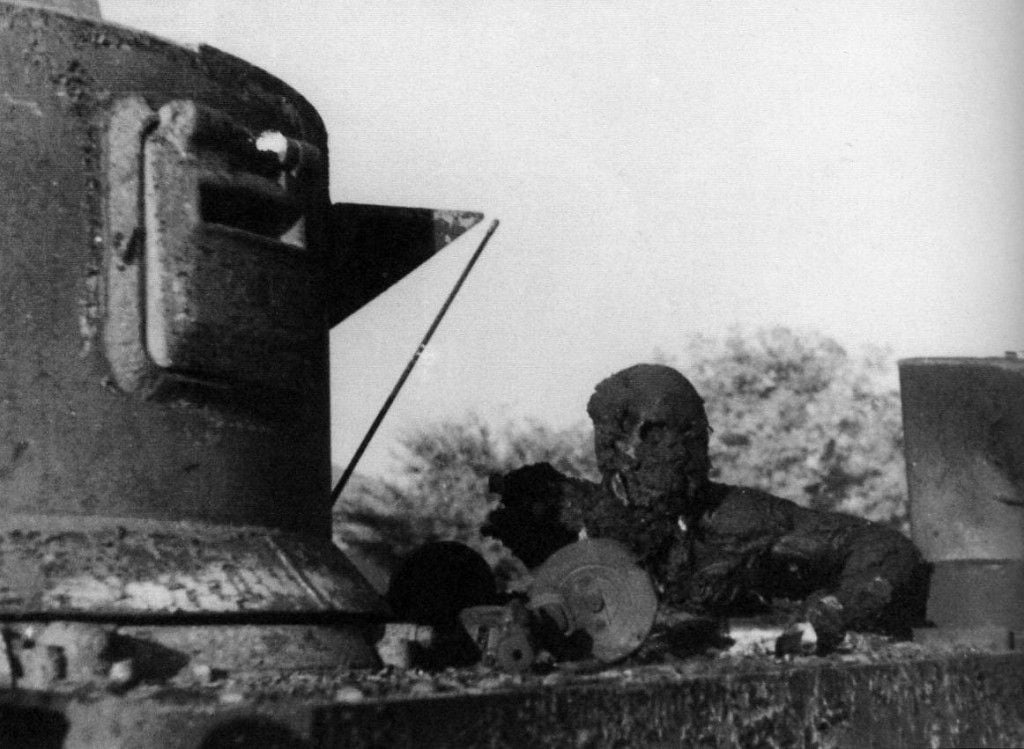
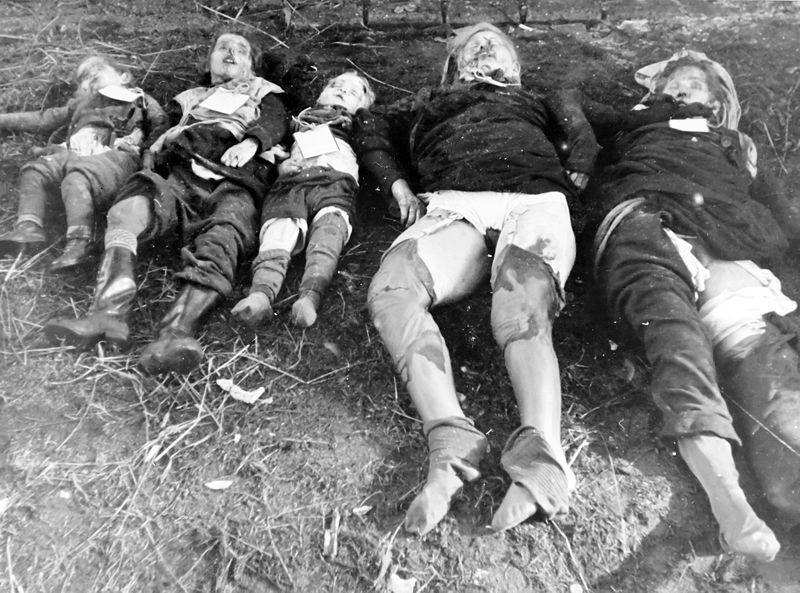
Here is the Story to the pic http://en.wikipedia.org/wiki/Metgethen_massacre |