|
#1
●
12-13-2025, 11:12 AM
| ||||||||
 My Rank: MAJOR Poster Rank:198 male Join Date: Mar 2021 Posts: 7,766 Mentioned: 2 Post(s) Quoted: 1468 Post(s)
| ||||||||
|
Venezuela Tanker Capture by US
Thought I would post the raw (unclassified) (censored) footage.
|
|
#2
●
12-13-2025, 01:55 PM
| ||||||||
 My Rank: SERGEANT MAJOR Poster Rank:293 Join Date: Dec 2009 Posts: 4,484 Mentioned: 5 Post(s) Quoted: 874 Post(s)
| ||||||||
|
Re: Venezuela Tanker Capture by US
|
|
#3
●
12-14-2025, 03:14 AM
| ||||||||
 ✝Mudderator from Hell✝ Poster Rank:10 e-mail Join Date: Oct 2006 Posts: 96,382
Contributions: 817
Mentioned: 476 Post(s) Quoted: 10320 Post(s)
| ||||||||
|
Re: Venezuela Tanker Capture by US
Tensions between the US and Venezuela are soaring after American forces seized an oil tanker in the Caribbean Sea. The White House has said the vessel captured on Wednesday was part of a "shadow fleet" used to carry "black market" oil. Reports have suggested the seizure could be the first of many, with the Trump administration compiling a list of more tankers for possible seizure. So why is the US now targeting "shadow fleets", and how does it impact the tensions between US President Donald Trump and his Venezuelan counterpart? The term refers to fleets of unregulated vessels that aim to bypass sanctions on oil, according to S&P Global. They're often made up of aging tankers that sail under changing names and flags of countries they are not affiliated with, as well as without required onboard trackers, all to avoid detection. Valuable cargoes are typically handed off in the middle of the ocean before tankers reach their final destinations. The 20-year-old tanker seized by the US on Wednesday, currently known as the Skipper, has had a chequered history as part of a shadow fleet. Previously called the Maera, Toyo and Adisa, it was sanctioned by the US in 2022 for facilitating oil trades that supported designated terrorist organisations Hezbollah and Iran's Islamic Revolutionary Guard Corps. What suggested the Skipper was part of a shadow fleet? It was employing multiple evasion techniques. At the time of capture, the Skipper was falsely flying the flag of Guyana, despite not being registered in that nation, according to the Guyanese government. The record of the vessel's movements is patchy, too. All ships above a certain tonnage are required to have a location tracker known as an Automatic Identification System (AIS), according to a UN treaty — a requirement the Skipper was not complying with. An analysis by maritime intelligence firm Pole Star Defense of the Skipper's movements from November 2024 through November 2025 showed it went 200 days without AIS transmissions. That included six separate "dark" periods where no location data was shared, with one spanning 83 days. During those times, the tanker is believed to have passed through known illicit transfer zones and appeared to have conducted cargo operations offshore, "invisible to standard compliance monitoring", the analysis said. Windward, which uses satellite imagery relied on by US officials mapping the movements of the shadow fleet, reported the Skipper had sailed to China with a cargo of Iranian oil in recent months. It was also linked to illicit cargoes from Russia. In late October, Pole Star says the Skipper began spoofing its location data. Its AIS coordinates placed it off the coast of Guyana at the time, but satellite imagery showed no vessel present at the broadcast location. Instead, the Skipper was docked at Venezuela's San José Offshore Terminal, loading crude oil. "This represented an escalation from passive AIS avoidance to active geographic spoofing — an attempt to obscure not just the act of loading, but the specific jurisdiction and origin of the cargo itself," the analysis by Pole Star reads. US Attorney-General Pam Bondi said the decision was made to seize the Skipper because of its alleged involvement in "an illicit oil shipping network" that supported terrorist organisations. That links back to why the US sanctioned it in 2022. But the vessel's capture also comes at a time when the US government is mounting a pressure campaign on Venezuelan President Nicolás Maduro Moros. The Trump administration has for months launched lethal air strikes on boats that it claims are being used to ship illicit drugs, killing more than 80 people. All the while, the US has built up the largest military presence in the Caribbean Sea in decades and authorised its Central Intelligence Agency (CIA) to begin covert operations inside Venezuela. The White House has said these operations aim to stop the flow of drugs into the US. But many, including some in Congress and the Venezuelan president himself, have argued Mr Trump is seeking a regime change. Stifling Venezuela's oil trade further would ramp up the squeeze on Mr Maduro. Venezuela's economy is highly dependent on its crude oil trade, which is estimated to make up more than 80 per cent of the country's exports. A collapse in global oil prices in 2013 caused hyperinflation, food and medicine shortages, and an increase in violence rates. Democratic senator Chris Van Hollen, a member of the Senate Foreign Relations Committee, said the seizure of the Skipper cast doubt on the government's stated intention to combat drug smuggling. Maria Machado, the leader of the US-backed Venezuelan opposition, applauded the Trump administration for weakening the country's already sanctioned oil trade on Thursday. "The regime is using the resources, the cash flows that come from illegal activities, including the black market of oil, not to give food for hungry children, not for teachers who earn one dollar a day, not to hospitals," she said. "They use those resources to repress and persecute our people." Ms Machado intended to challenge Mr Maduro in last year's presidential election but the government barred her from running for office. |
|
#5
●
12-14-2025, 09:36 PM
| ||||||||
| My Rank: SERGEANT MAJOR Poster Rank:293 Join Date: Dec 2009 Posts: 4,484 Mentioned: 5 Post(s) Quoted: 874 Post(s)
| ||||||||
|
Re: Venezuela Tanker Capture by US
No, it's actually one of the more legal things the US has done recently.
|
|
#7
●
12-22-2025, 11:00 AM
| ||||||||
| My Rank: MAJOR Poster Rank:198 male Join Date: Mar 2021 Posts: 7,766 Mentioned: 2 Post(s) Quoted: 1468 Post(s)
| ||||||||
|
Re: Venezuela Tanker Capture by US
Two more tankers are ceased off Venezuela. 2. Centuries 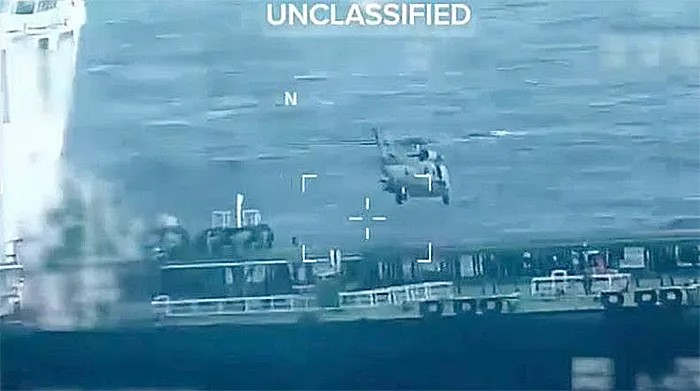 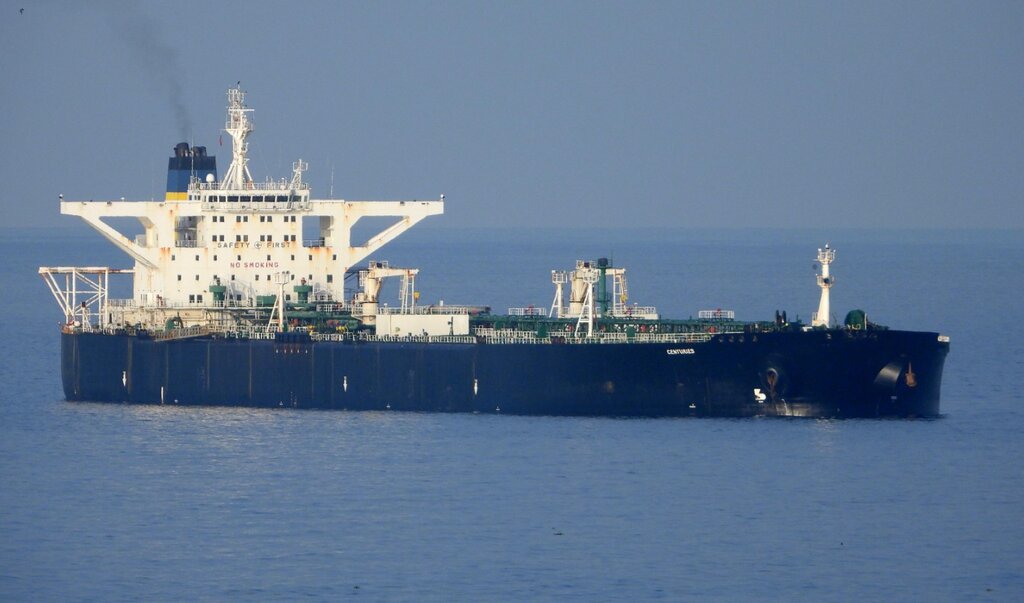 3. Bella1 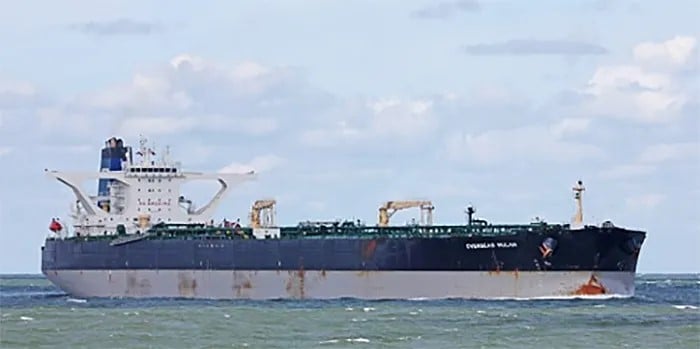 |