|
#1
●
02-23-2015, 09:06 PM
| ||||||||
 ★ ********* ★ Poster Rank:251 Male Join Date: Jul 2009 Posts: 5,564
Contributions: 368
Mentioned: 66 Post(s) Quoted: 932 Post(s)
| ||||||||
|
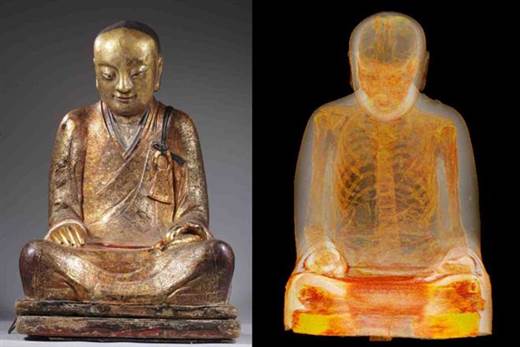
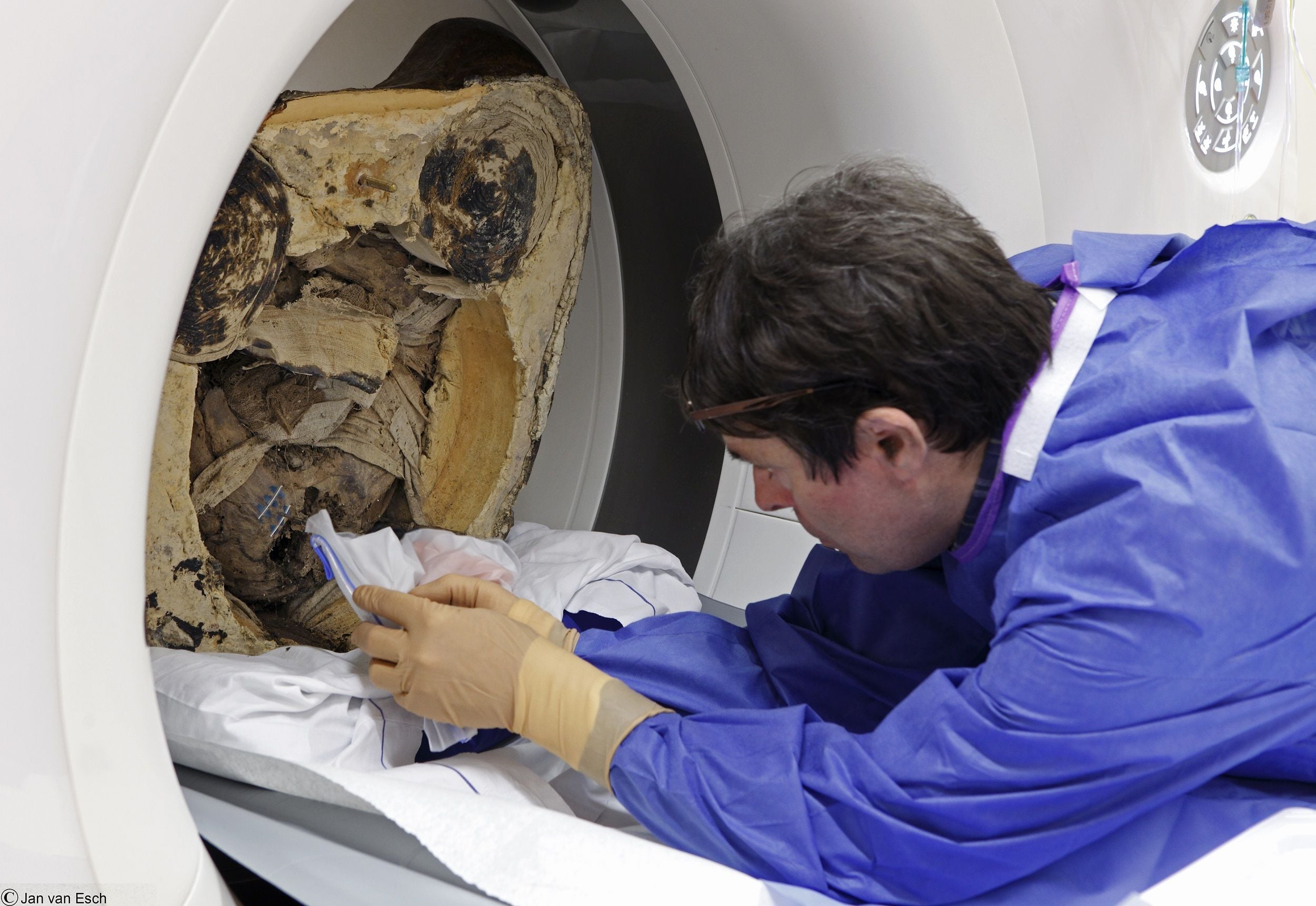
Surprise! 1,000-Year-Old Mummy Found in Buddha Statue
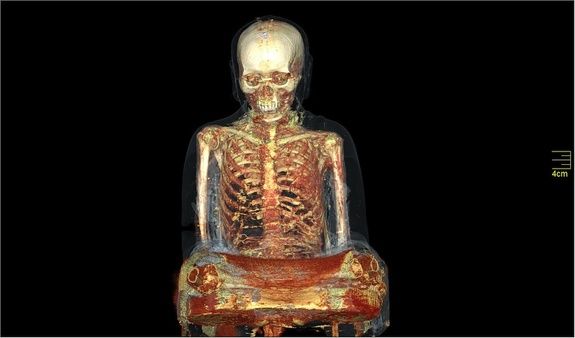
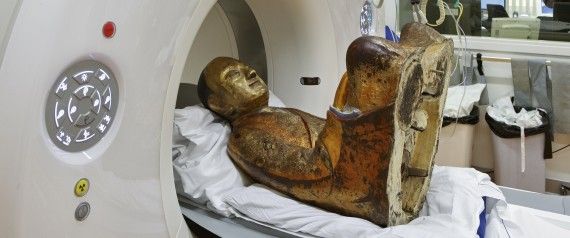
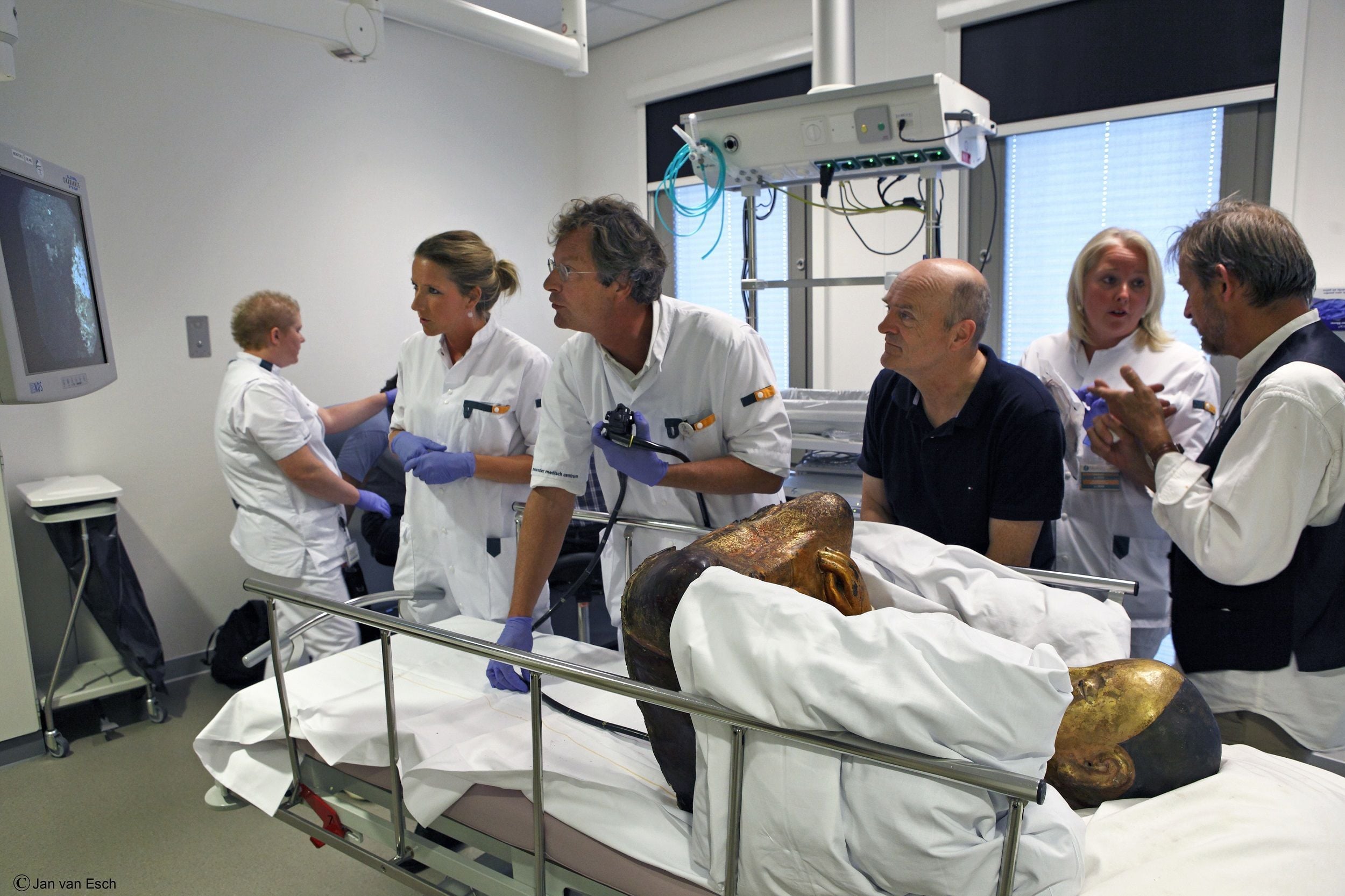
Scientists found something strange inside of an ancient Buddha statue — the mummified remains of a monk. The statue was subjected to CT scans in December at Meander Medical Center in Amsterdam. Researchers determined that the monk went through self-mummification, a process that involves being buried alive inside of a chamber while meditating.
"The object is a rarity," Wilfried Rosendahl, head of the German-Mummy-Project at the Reiss-Engelhorn-Museen in Mannheim, Germany, told NBC News via email. Nothing like it has been studied in Europe before, he said.The CT scans revealed that the mummy was a man, between 30 to 50 years old, who was mummified and probably kept in a monastery for 200 years before he was covered by paper and enamel to make a statue. Rosendahl and a team of researchers determined that the mummy dates back to around the year 900 to 1,000. The statue was originally discovered in China and can currently be seen at the Natural History Museum in Budapest. http://www.nbcnews.com/science/weird...statue-n311236 http://www.livescience.com/49909-bud...lds-mummy.html https://www.meandermc.nl/wps/portal/...vZ0FBIS9nQSEh/ |
|
#2
●
02-23-2015, 11:16 PM
| ||||||||
 My Rank: GUNNERY SERGEANT Poster Rank:678 male Join Date: Apr 2010 Posts: 1,291 Mentioned: 4 Post(s) Quoted: 288 Post(s)
| ||||||||
|
Re: Surprise! 1,000-Year-Old Mummy Found in Buddha Statue
Ah the good ol' days when men were monks, monks were mummies, and mummies were in statues of Buddha. I remember it like it never happened to me. Ahh....... ...those were the days. |
|
#3
●
02-24-2015, 12:15 AM
| ||||||||
 ★ Legacy Member ★ Poster Rank:373 I need a nap =| Join Date: Aug 2012 Posts: 3,203
Contributions: 43
Mentioned: 42 Post(s) Quoted: 901 Post(s)
| ||||||||
|
Re: Surprise! 1,000-Year-Old Mummy Found in Buddha Statue
Religion gets people to do the weirdest shit...   |
|
#5
●
02-24-2015, 06:17 AM
| ||||||||
 ✝Mudderator from Hell✝ Poster Rank:10 e-mail Join Date: Oct 2006 Posts: 96,423
Contributions: 817
Mentioned: 476 Post(s) Quoted: 10327 Post(s)
| ||||||||
|
Re: Surprise! 1,000-Year-Old Mummy Found in Buddha Statue
a statue that once was alive, how cool is that  |
|
#6
●
02-24-2015, 04:15 PM
| ||||||||
 My Rank: MAJOR Poster Rank:94 Male Join Date: Aug 2009 Posts: 17,002 Mentioned: 9 Post(s) Quoted: 1899 Post(s)
| ||||||||
|
Re: Surprise! 1,000-Year-Old Mummy Found in Buddha Statue
He was buried alive in that thing?  |
|
#7
●
02-24-2015, 04:45 PM
| ||||||||
| ★ Legacy Member ★ Poster Rank:373 I need a nap =| Join Date: Aug 2012 Posts: 3,203
Contributions: 43
Mentioned: 42 Post(s) Quoted: 901 Post(s)
| ||||||||
|
Re: Surprise! 1,000-Year-Old Mummy Found in Buddha Statue
It says the statue was made 200 years after he died, so probably not.
|
|
#8
●
02-25-2015, 03:40 AM
| ||||||||
| ★ ********* ★ Poster Rank:251 Male Join Date: Jul 2009 Posts: 5,564
Contributions: 368
Mentioned: 66 Post(s) Quoted: 932 Post(s)
| ||||||||
|
Re: Surprise! 1,000-Year-Old Mummy Found in Buddha Statue
It's a practice called Sokushinbutsu (Living Buddhas): some Buddhist priests (there are some dozens of known successful self-mummification cases, but way more are those who failed) decided to bury themselves alive in chambers as small as graves: despite it's a form of suicide after all, they didn't see it as suicide, but rather as a super-advanced form of enlightenment: this form of self-mummification is thought to be a secret tantric practice and very little is known about the techniques employed. According to some researches, following a technique known as nyūjō (入定), the monk first spent 1000 days drinking only water and eating only seeds and nuts, this in order to remove as much fat as possible from the body; then they used to spend 1000 more days drinking only urushi tea (made from Toxicodendron vernicifluum, toxic) and eating only pine barks and roots: the purpose of drinking that tea was to keep worms and parasites away from the body after death. Finally, the monk was closed into a grave big enough to allow him to sit in lotus position, and he had to ring a bell once a day to show to the people outside that he was still alive. After the first day that the bell didn't ring, the grave was sealed and the body was left there for 1000 more days: after this lapse of time the grave was opened: if the body was successfully mummified it was seen as a Buddha, so it was put on display in some temple: if the process was unsuccessful, the body was either buried or cremated. Any form of self mummification is now outlawed. 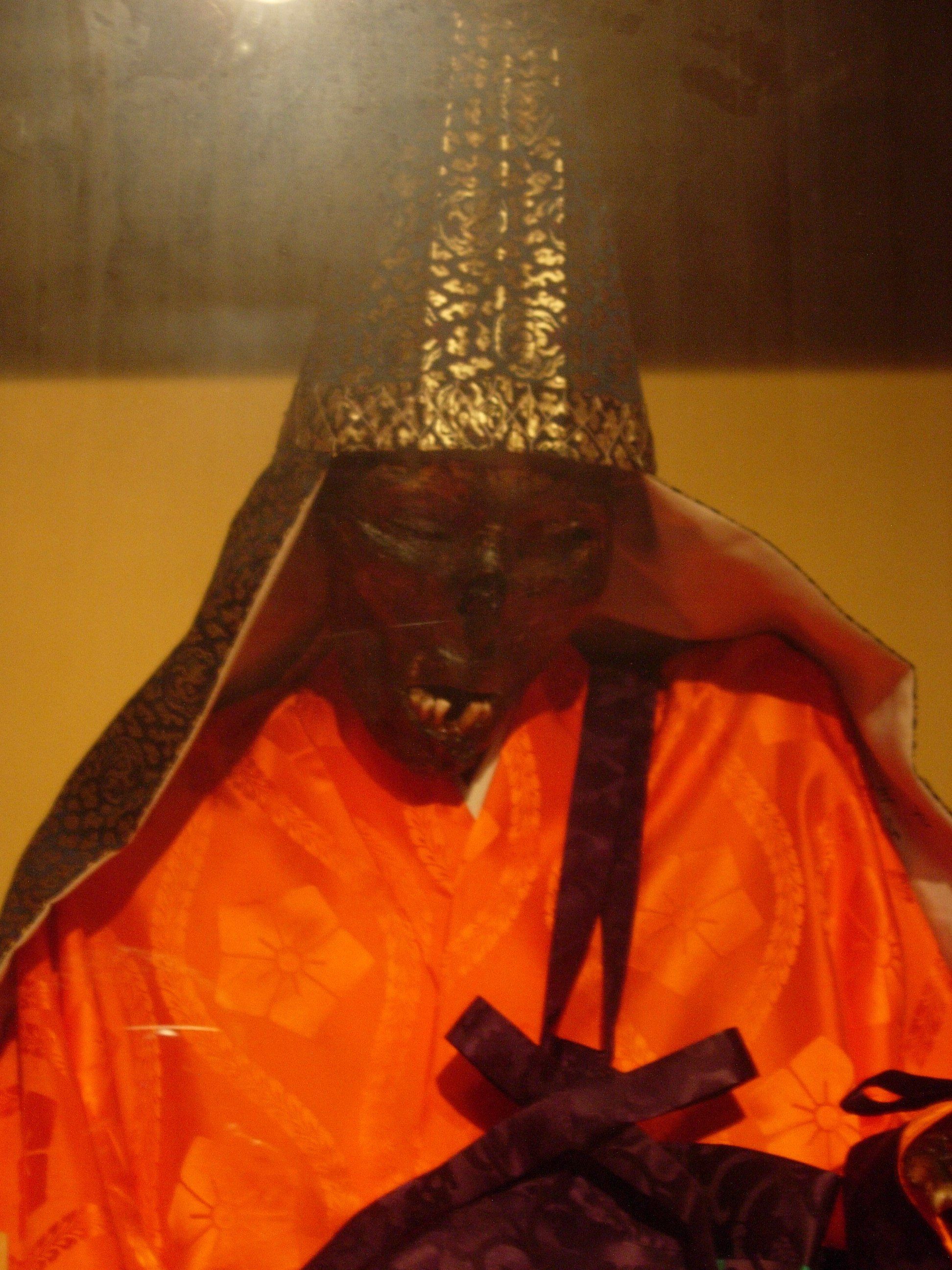 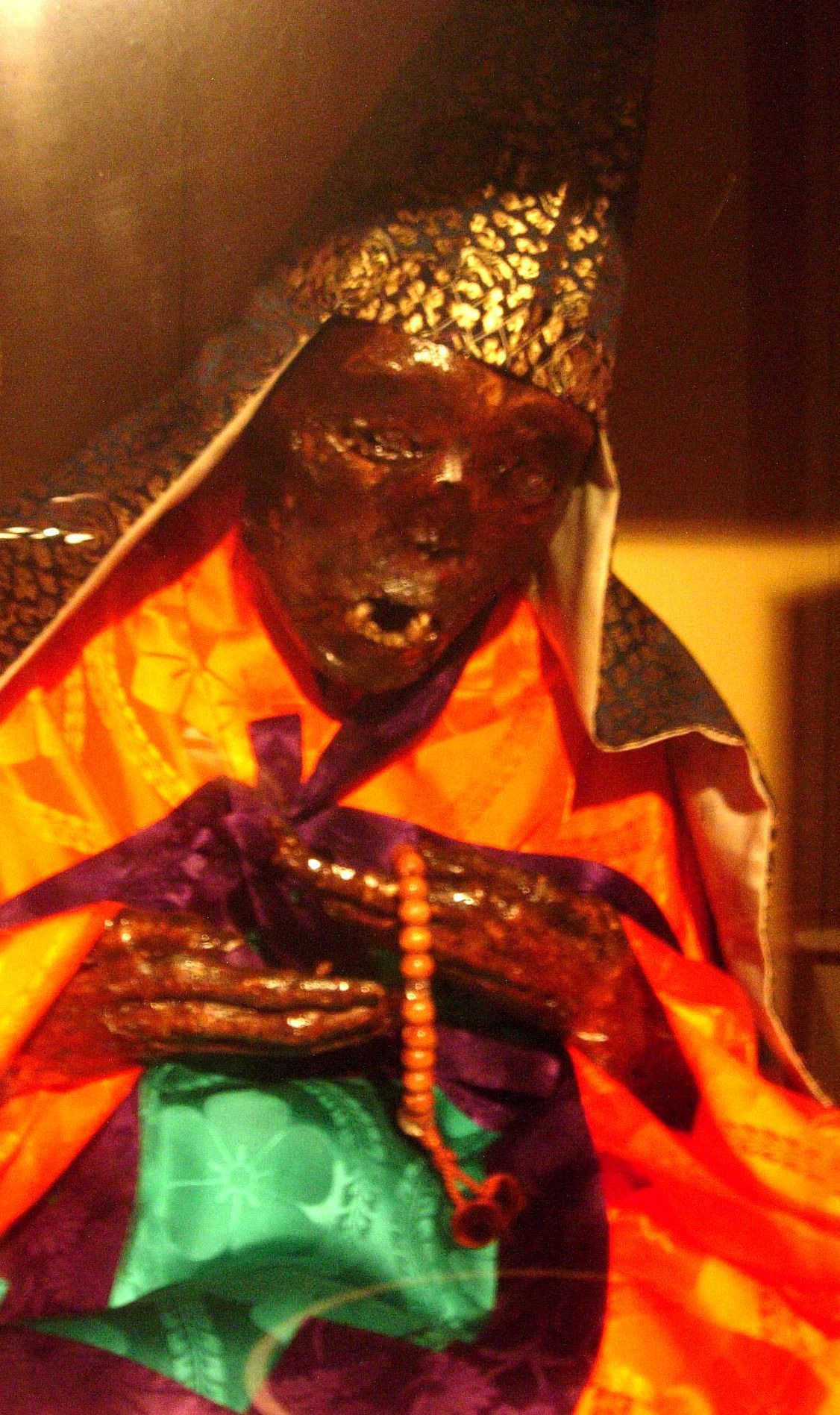  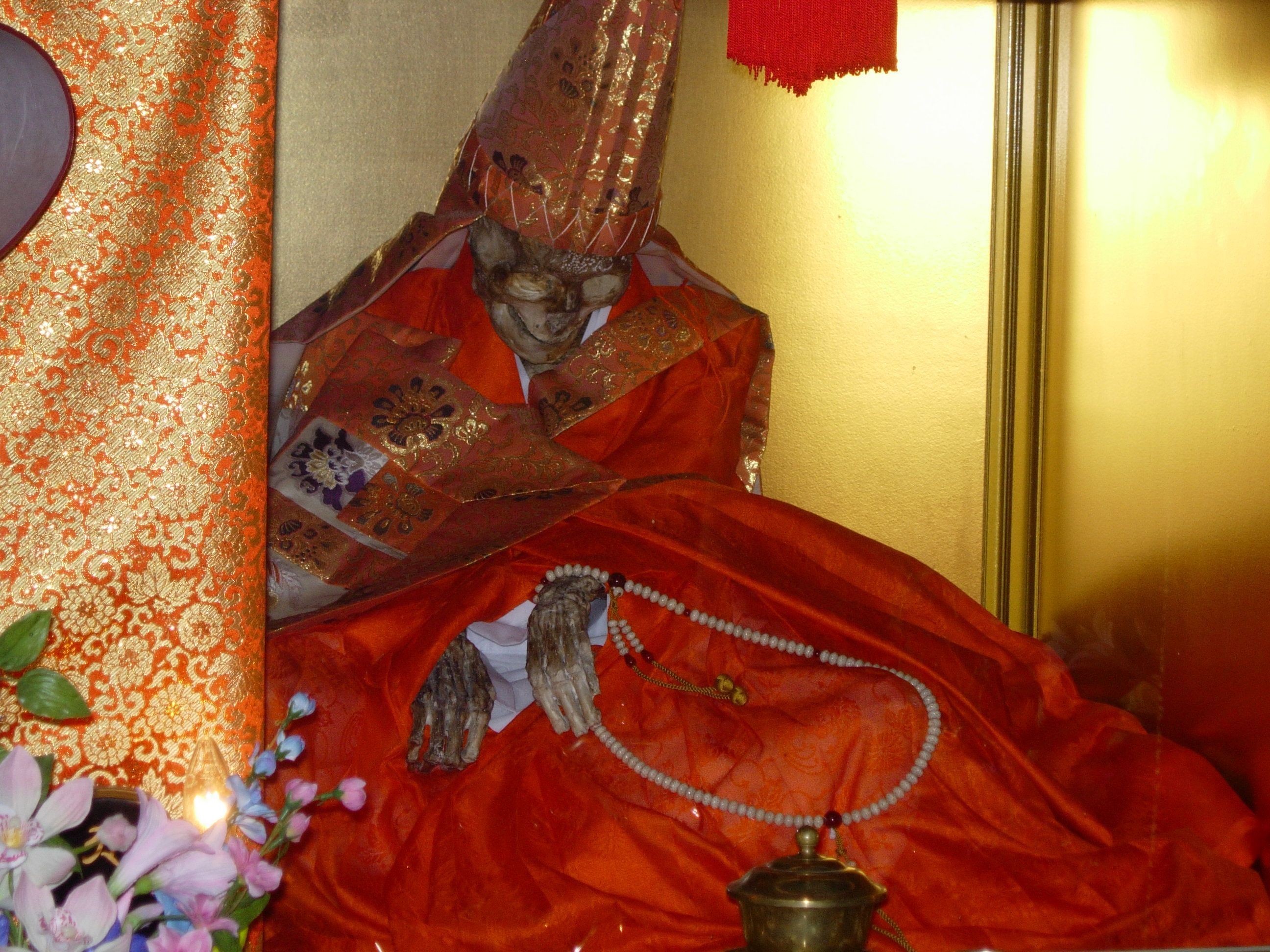 |
|
#9
●
02-25-2015, 06:30 AM
| ||||||||
 My Rank: FIRST SERGEANT Poster Rank:421 Join Date: Jun 2009 Posts: 2,795 Mentioned: 6 Post(s) Quoted: 1044 Post(s)
| ||||||||
|
Re: Surprise! 1,000-Year-Old Mummy Found in Buddha Statue
Really amazing. Its like a Kinder surprise egg, only with a Buddha!! |