|
#1
●
06-24-2021, 11:58 AM
| ||||||||
 BEHEMOTH Poster Rank:53 Blue-Eyes White Dragon Join Date: Apr 2021 Posts: 27,684
Contributions: 21
Mentioned: 322 Post(s) Quoted: 13279 Post(s)
| ||||||||
|
Surfside Florida Building Collapse
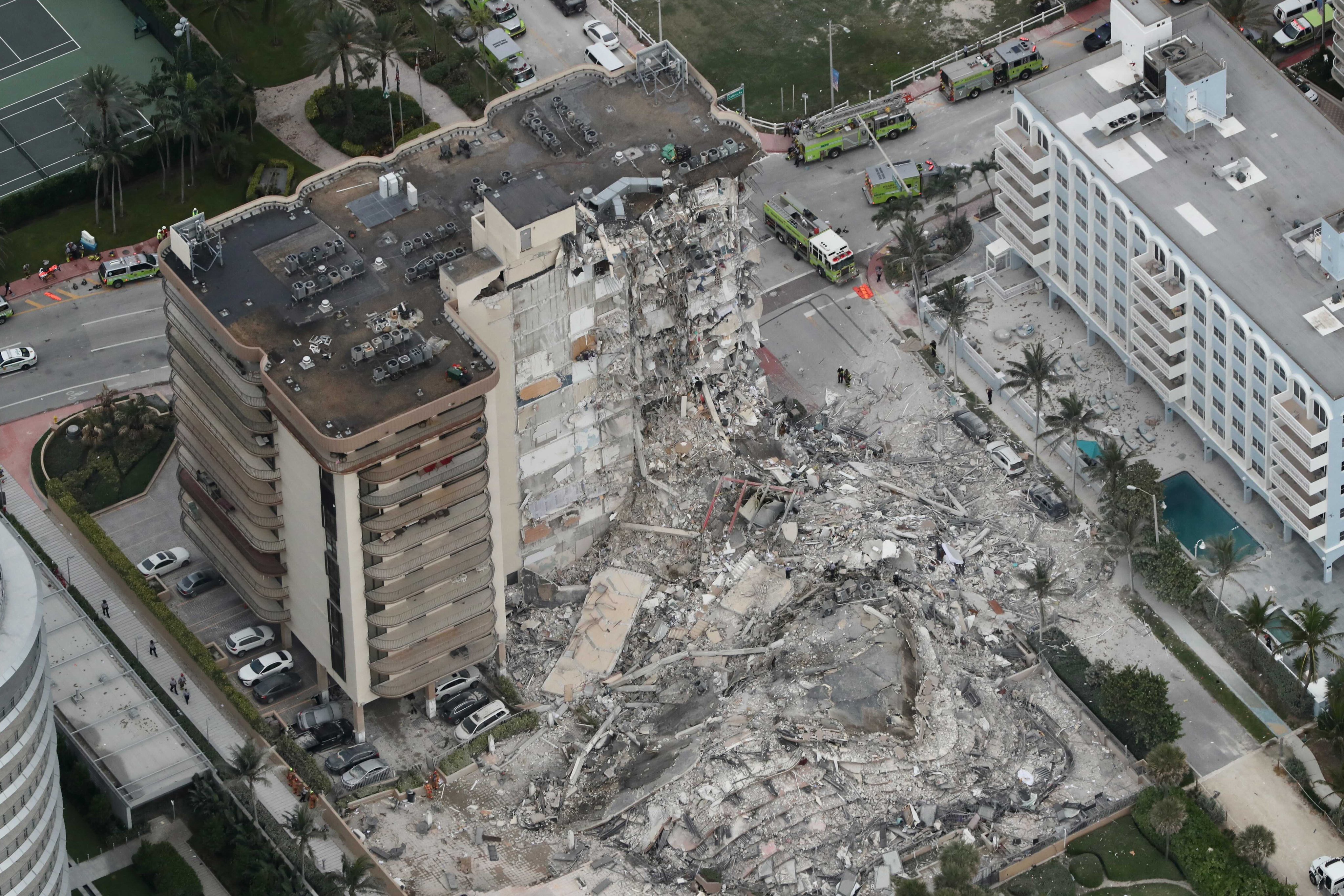
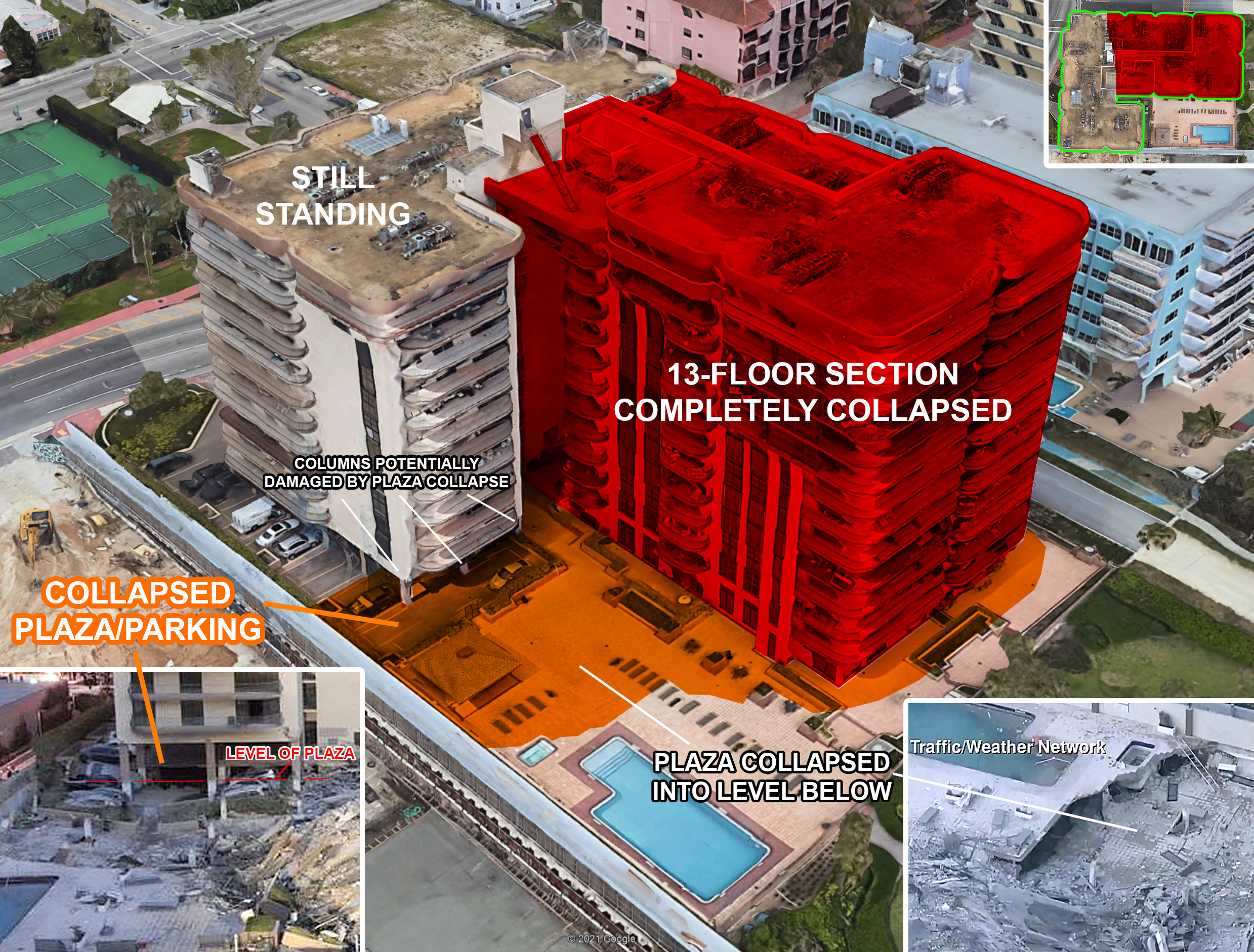
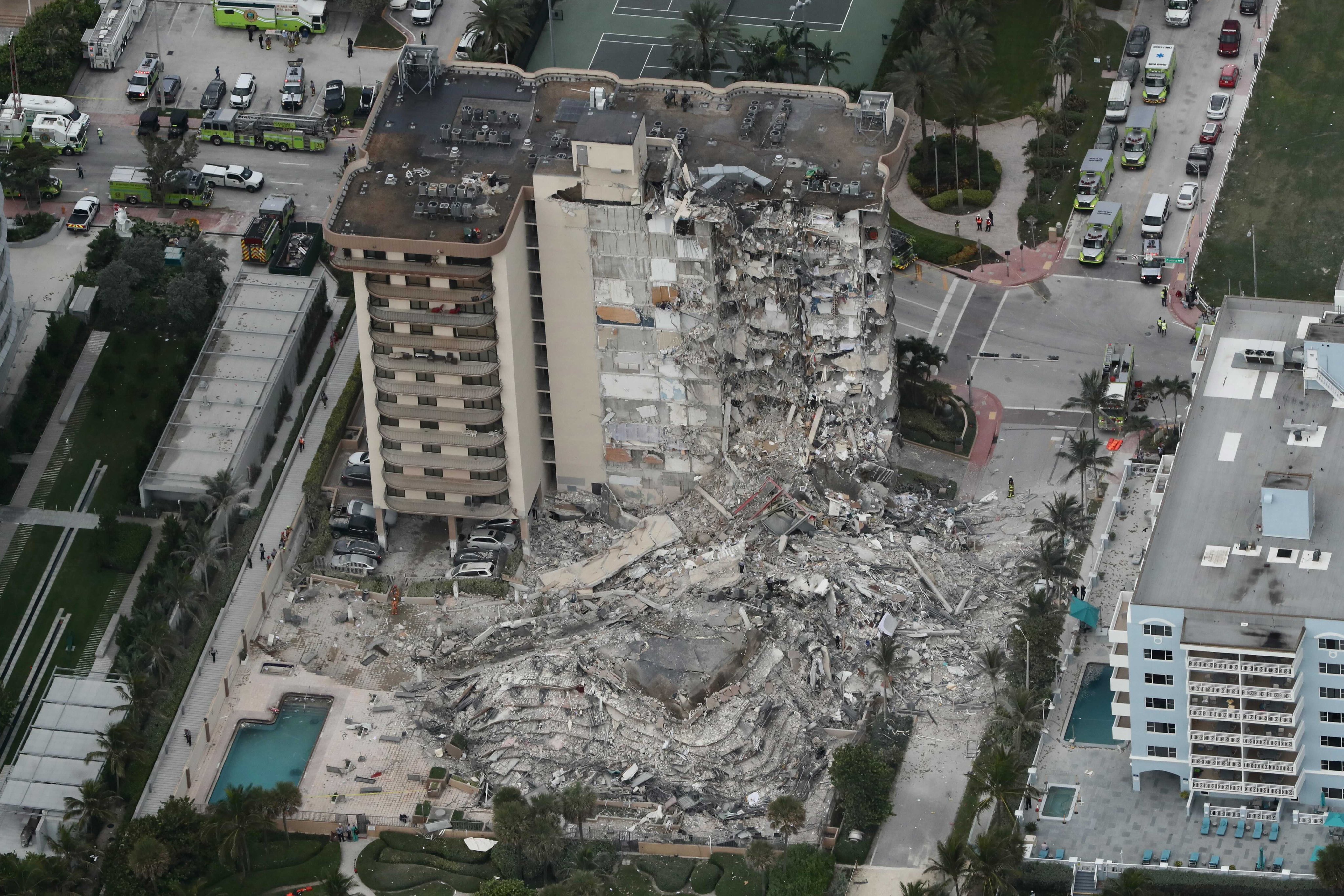
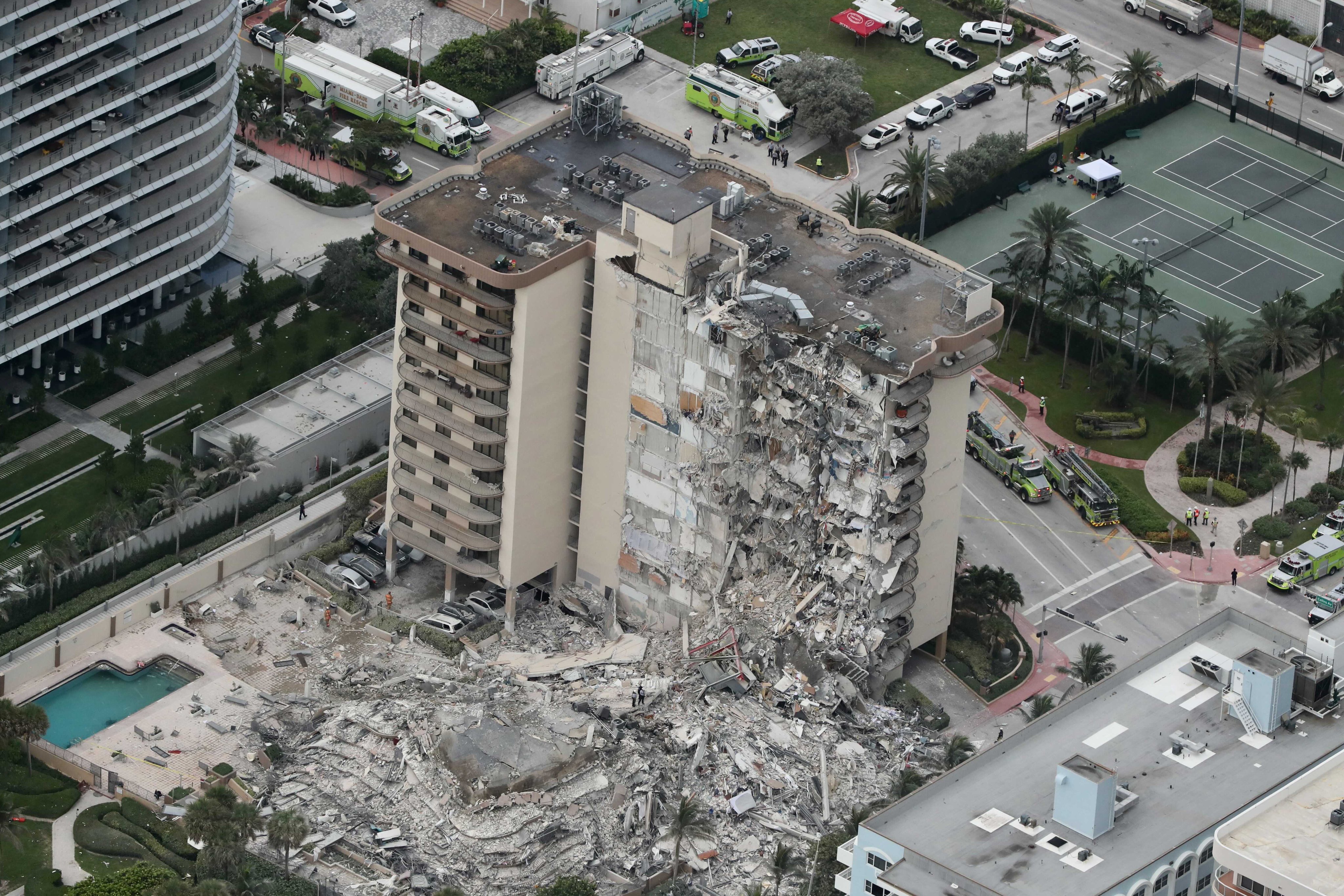
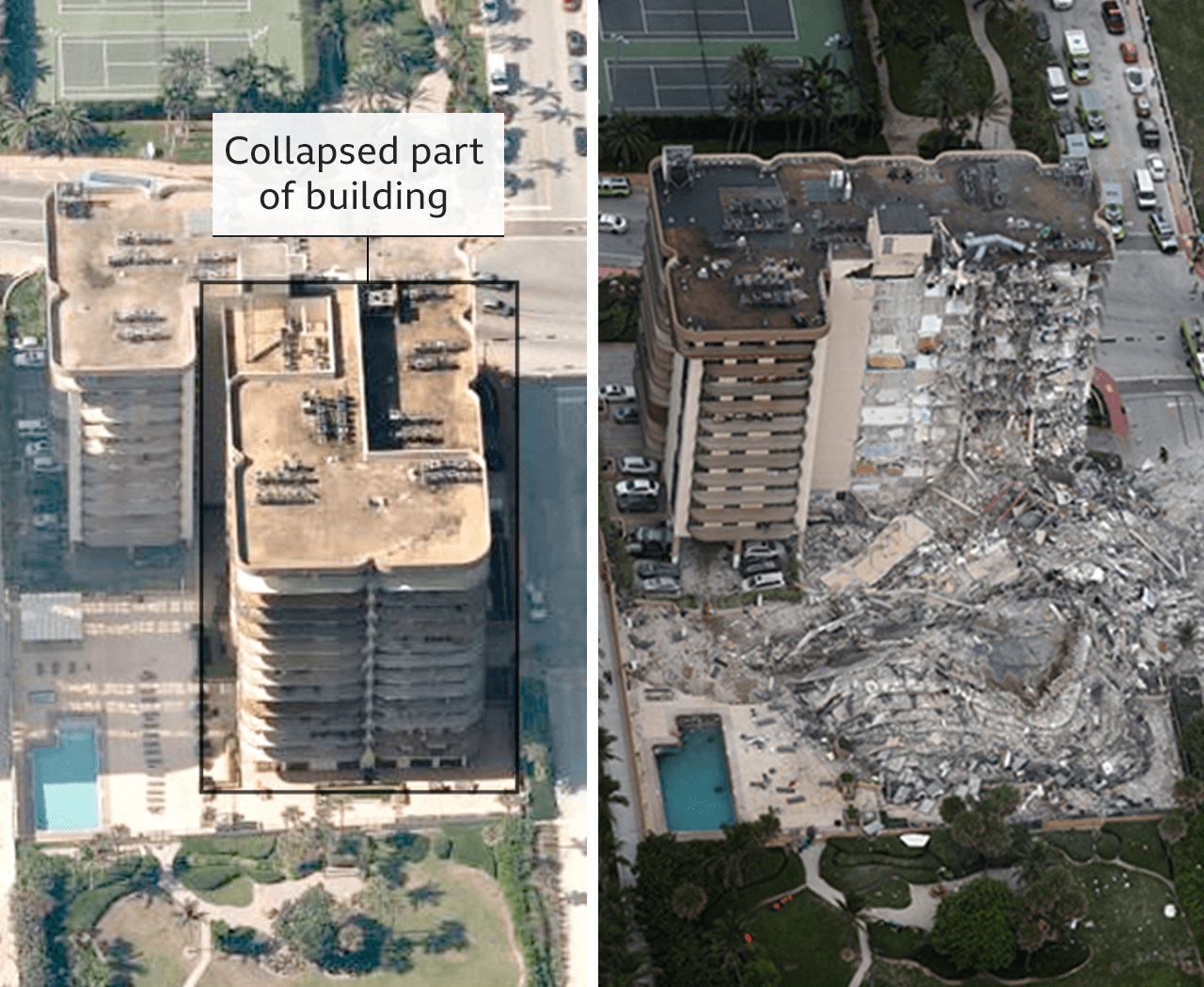
Officials say 55 of the more than 130 units in a Miami-area condo building that collapsed have been destroyed. Only 35 occupants, including those injured and killed, have been pulled from the rubble as concern remains about a secondary collapse. https://www.bbc.com/news/world-us-canada-57592827 |
|
#2
●
06-24-2021, 03:11 PM
| ||||||||
| My Rank: CORPORAL Poster Rank:1706 Join Date: Oct 2010 Posts: 314 Mentioned: 0 Post(s) Quoted: 69 Post(s)
| ||||||||
|
Re: Surfside Florida Building Collapse
Thanks for sharing this. I didn’t realize there was video footage. It’s incredibly tragic and shocking that stuff like this still happens in the US despite our attempts to improve building codes.
|
|
#4
●
06-24-2021, 06:14 PM
| ||||||||
| My Rank: PRIVATE Poster Rank:6794 Female Join Date: Nov 2014 Posts: 31 Mentioned: 0 Post(s) Quoted: 10 Post(s)
| ||||||||
|
Re: Surfside Florida Building Collapse
http://video.twimg.com/ext_tw_video/...yQL.mp4?tag=12 Hope this works. It’s video from inside the building from a resident who luckily wasn’t home. |
|
#5
●
06-24-2021, 07:49 PM
| ||||||||
 ☆☆☆Jumbo Lesbian Cunt☆☆☆ Poster Rank:56 My pronouns are thin/skinny Join Date: Nov 2012 Posts: 25,925
Contributions: 1
Mentioned: 160 Post(s) Quoted: 13914 Post(s)
| ||||||||
|
Re: Surfside Florida Building Collapse
Jesus Tapdancing Christ!  What made these complexes collapse in the first place, neglect? What made these complexes collapse in the first place, neglect?
|
|
#6
●
06-24-2021, 08:43 PM
| ||||||||
 My Rank: FIRST SERGEANT Poster Rank:390 Probably Male. Who knows really? Join Date: May 2013 Posts: 3,076
Contributions: 8
Mentioned: 8 Post(s) Quoted: 729 Post(s)
| ||||||||
|
Re: Surfside Florida Building Collapse
Had to have been one rude awakening at 2 in the morning. Terrible.
|
|
#7
●
06-24-2021, 09:29 PM
| ||||||||
| My Rank: PRIVATE Poster Rank:5794 Make Join Date: Sep 2008 Posts: 41 Mentioned: 0 Post(s) Quoted: 5 Post(s)
| ||||||||
|
Re: Surfside Florida Building Collapse
This is just 25 mins south of me. I have a buddy with Miami Dade PD, he told me they aren't expecting to pull anyone else out alive.
|
|
#8
●
06-25-2021, 01:33 AM
| ||||||||
 ✝Mudderator from Hell✝ Poster Rank:11 e-mail Join Date: Oct 2006 Posts: 95,546
Contributions: 817
Mentioned: 473 Post(s) Quoted: 10172 Post(s)
| ||||||||
|
Re: Surfside Florida Building Collapse
A Florida high-rise that collapsed early Thursday was determined to be unstable a year ago, according to a researcher at Florida International University. The building, which was constructed in 1981, has been sinking at an alarming rate since the 1990s, according to a study in 2020 by Shimon Wdowinski, a professor in the Department of Earth and Environment. When Wdowinski saw the news that the Champlain Towers South condominium in Surfside collapsed, he instantly remembered it from the study, he said. “I looked at it this morning and said, ‘Oh my god.’ We did detect that,” he said. A 1990s study of land displacement in the area of the Champlain Towers South complex shows the land sank roughly 2 millimeters a year over the course of the study. Shimon Wdowinski, who co-wrote the study, said such sinking can impact buildings. The county requires commercial and multifamily buildings to be recertified every 40 years. The process involves electrical and structural inspections for a report to be filed with the town. It was underway for the condominium building but had not been completed, town officials said Thursday. In 2015, a lawsuit alleged building management failed to maintain an outside wall, resulting in water damage and cracks. The owner who filed that suit had previously sued over the same issue, according to a court filing. The management company paid for damages in the earlier case, according to records. Cracked walls or shifting foundations can be clues that sinking has affected the stability of a structure, according to Matthys Levy, a consulting engineer, professor at Columbia University and author of “Why Buildings Fall Down: How Structures Fail.” Residents of the building might have noticed changes, he said. “Had there been changes in the building? Cracks in the walls, in the floor? Floors not being level, things rolling off tables?” he said. That would indicate the building was shifting. The city needs to invest in technology that can determine which buildings are at risk of collapse due to geologic processes, said Keren Bolter, a Florida-based geoscientist at the engineering firm Arcadis who has advised the Federal Emergency Management Agency on hazard mitigation. “It's very sad that people are forced to be reactive. We're constantly putting out fires. I think there's a systemic problem we have,” she said. "Investing in preventative measures instead of reactive responses saves lives, money and time.” Satellites, drones and other means are used to monitor where Florida is sinking and understand which buildings might be at risk, according to Ryan Shamet, a professor of engineering at the University of North Florida. Those efforts vary by jurisdiction and depend on whether structures are privately or publicly owned, he said. Aside from the analysis at the time of construction, monitoring is generally not done proactively, he said. 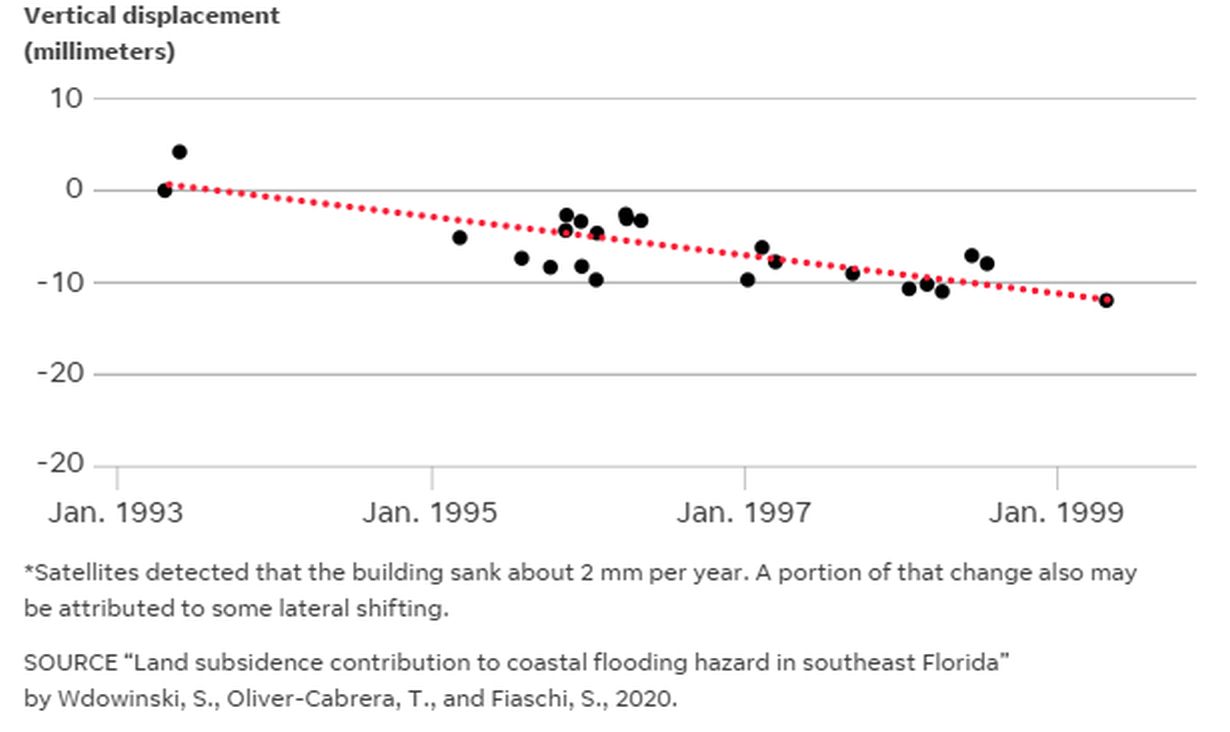 · |
|
#9
●
06-25-2021, 02:50 AM
| ||||||||
 Fuck WonderMomma Poster Rank:23 Your and idiot Join Date: Aug 2009 Posts: 55,783 Mentioned: 160 Post(s) Quoted: 31688 Post(s)
| ||||||||
|
Re: Surfside Florida Building Collapse
Dear God, I hope Chris Wilson was a victim. Love, Tubba. |
|
#10
●
06-25-2021, 02:51 AM
| ||||||||
| Fuck WonderMomma Poster Rank:23 Your and idiot Join Date: Aug 2009 Posts: 55,783 Mentioned: 160 Post(s) Quoted: 31688 Post(s)
| ||||||||
|
Re: Surfside Florida Building Collapse
Yeah  I hoped more than once  |