|
#1
●
11-19-2017, 08:03 PM
| ||||||||
 ★ Legacy Member ★ Poster Rank:22 Join Date: Oct 2009 Posts: 60,085
Contributions: 26
Mentioned: 400 Post(s) Quoted: 31503 Post(s)
| ||||||||
|
Search Continues For Missing Argentine Submarine
A sign of hope from Argentina’s vanished submarine: Seven mysterious signals By Cleve R. Wootson Jr. November 19 at 9:20 AM Argentine authorities received a few blips of hope in their effort to find a three-decade old submarine — and 44 crew members — that suddenly stopped communicating during a routine mission Wednesday. That hope came in the form of seven signals to a satellite, which defense officials believe may have been attempts to communicate. Contact wasn’t made and nothing was transmitted, but the signals, if from the sub, are the first signs of life from the ARA San Juan. “We received seven satellite calls that likely came from the submarine San Juan. We are working hard to locate it,” Argentine Defense Minister Oscar Aguad tweeted. “To the families of the 44 crew members: We hope you’ll have them home soon.” The calls came into different bases Saturday between 10:52 a.m. and 3:42 p.m., according to CNN. The shortest was four seconds, while the longest was 36. It was unclear Sunday whether authorities could use the signal attempts to determine the sub’s location. A U.S. company that specializes in satellite communication is trying to help the Argentines pinpoint the location of the sub. The communications company is part of a growing international search mission combing the waters of the Atlantic and listening to all frequencies for signs of the sub. The diesel-electric ARA San Juan was returning to its base south of Buenos Aires after a routine mission to Ushuaia, near the southern tip of South America, on Wednesday. Then, suddenly, it went silent. Complicating matters: strong winds and high waves that were battering search-and-rescue ships. The Argentine government has received logistical help from several governments, including Britain, Chile and the United States. The U.S. Navy sent several assets to help, including vehicles capable of conducting underwater rescues. Read more: https://www.washingtonpost.com/news/...=.2cf326ebf125 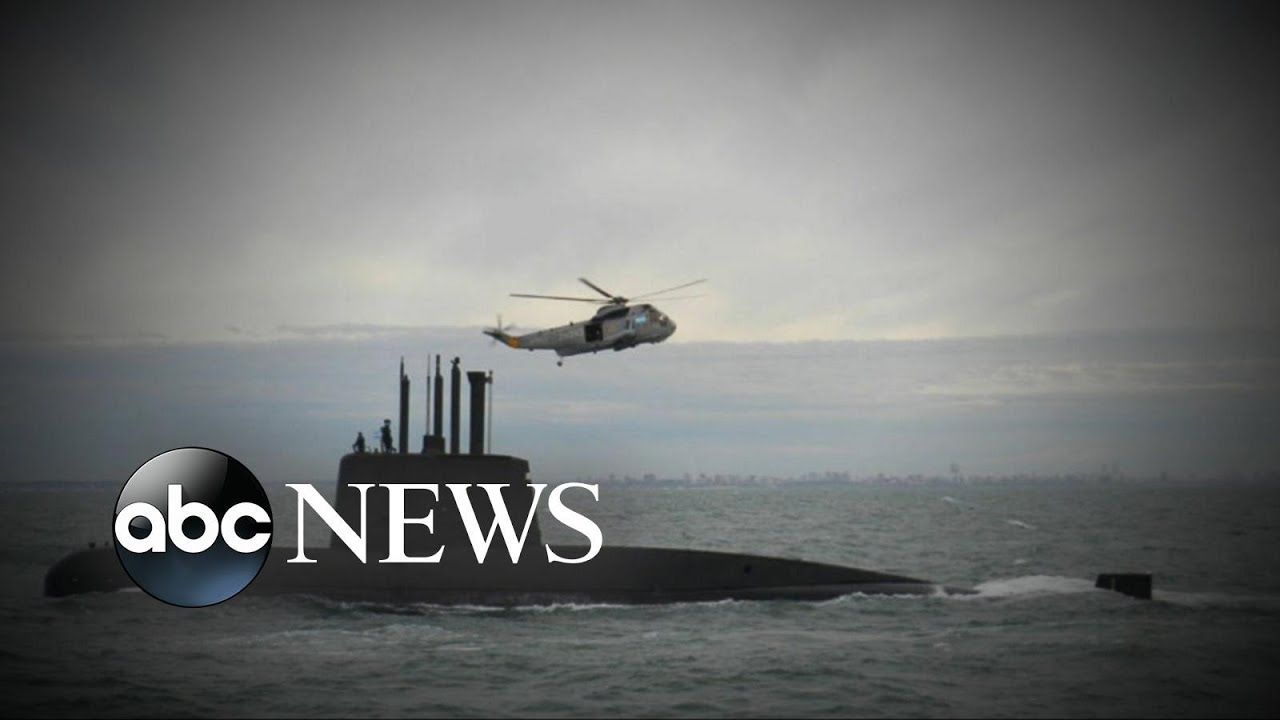 · |
|
#2
●
11-20-2017, 05:42 AM
| ||||||||
 ✝Mudderator from Hell✝ Poster Rank:10 e-mail Join Date: Oct 2006 Posts: 96,417
Contributions: 817
Mentioned: 476 Post(s) Quoted: 10324 Post(s)
| ||||||||
|
Re: Search Continues For Missing Argentine Submarine
If they sank it's a race against the clock. |
|
#3
●
11-20-2017, 06:02 AM
| ||||||||
 My Rank: MAJOR Poster Rank:120 Male Join Date: Feb 2010 Posts: 13,435 Mentioned: 15 Post(s) Quoted: 3534 Post(s)
| ||||||||
|
Re: Search Continues For Missing Argentine Submarine
I think it has sunk with all hands. And horribly, they were probably alive for a while before the oxygen ran out.  |
|
#4
●
11-21-2017, 11:40 AM
| ||||||||
 His Royal Highness Poster Rank:51 man up bitches Join Date: May 2014 Posts: 30,160
Contributions: 1
Mentioned: 87 Post(s) Quoted: 11934 Post(s)
| ||||||||
|
Re: Search Continues For Missing Argentine Submarine
Davey Jones locker !!
|
|
#8
●
11-23-2017, 01:35 PM
| ||||||||
 ★ Legacy Member ★ Poster Rank:42 lady Join Date: Jul 2009 Posts: 37,488 Mentioned: 40 Post(s) Quoted: 3618 Post(s)
| ||||||||
|
Re: Search Continues For Missing Argentine Submarine
After a week of searching for a missing Argentine Navy submarine off the coast of the country, the families of the 44 crew members aboard have been told that their loved ones are believed to be dead. That news came Thursday after naval officials announced they had detected a sound believed to be an explosion aboard the vessel shortly after it went missing on Nov. 15th. A spokesman described the sound as “abnormal, singular, short, violent” and "consistent with a non-nuclear explosion.” Awful news. |
|
#10
●
11-24-2017, 01:07 AM
| ||||||||
| ✝Mudderator from Hell✝ Poster Rank:10 e-mail Join Date: Oct 2006 Posts: 96,417
Contributions: 817
Mentioned: 476 Post(s) Quoted: 10324 Post(s)
| ||||||||
|
Re: Search Continues For Missing Argentine Submarine
So they knew about that ex or implosion for over a week.  |