|
#1
●
03-19-2013, 03:24 PM
|
 My Rank: MAJOR Poster Rank:12 Join Date: Jun 2009 Posts: 93,062
Contributions: 239
93,062Posts 137,694Thanked 2,009Quoted 91Mentioned 239Contrib. |
|
Ruins of Real-life Atlantis Emerge 25 Years After Floods
 ·  ·  ·  ·  ·  ·  ·  ·  ·  ·  ·  · |
|
#2
●
03-19-2013, 05:19 PM
|
 ★Wizard Of Gore★ Poster Rank:2 Join Date: Aug 2009 Posts: 128,147
Contributions: 1
128,147Posts 170,794Thanked 30,201Quoted 463Mentioned 1Contrib. |
|
Re: Ruins of Real-life Atlantis Emerge 25 Years After Floods
This is so wonderfully eerie.  |
|
#3
●
03-19-2013, 08:45 PM
|
| So Fucking Banned Poster Rank:337 Male Join Date: Mar 2010 Posts: 3,844 3,844Posts 4,706Thanked 750Quoted 13Mentioned 0Contrib. |
|
Re: Ruins of Real-life Atlantis Emerge 25 Years After Floods
I was expecting some small assed backward place nobody gave a shit about but thats an entire friggin town similar in size to my hometown. WHat the hell happened to let it go like that? |
|
#9
●
05-10-2013, 06:44 PM
|
 ★The Queen★ Poster Rank:68 Female Join Date: Jun 2011 Posts: 23,461
Contributions: 145
23,461Posts 28,287Thanked 3,083Quoted 95Mentioned 145Contrib. |
|
Re: Ruins of Real-life Atlantis Emerge 25 Years After Floods
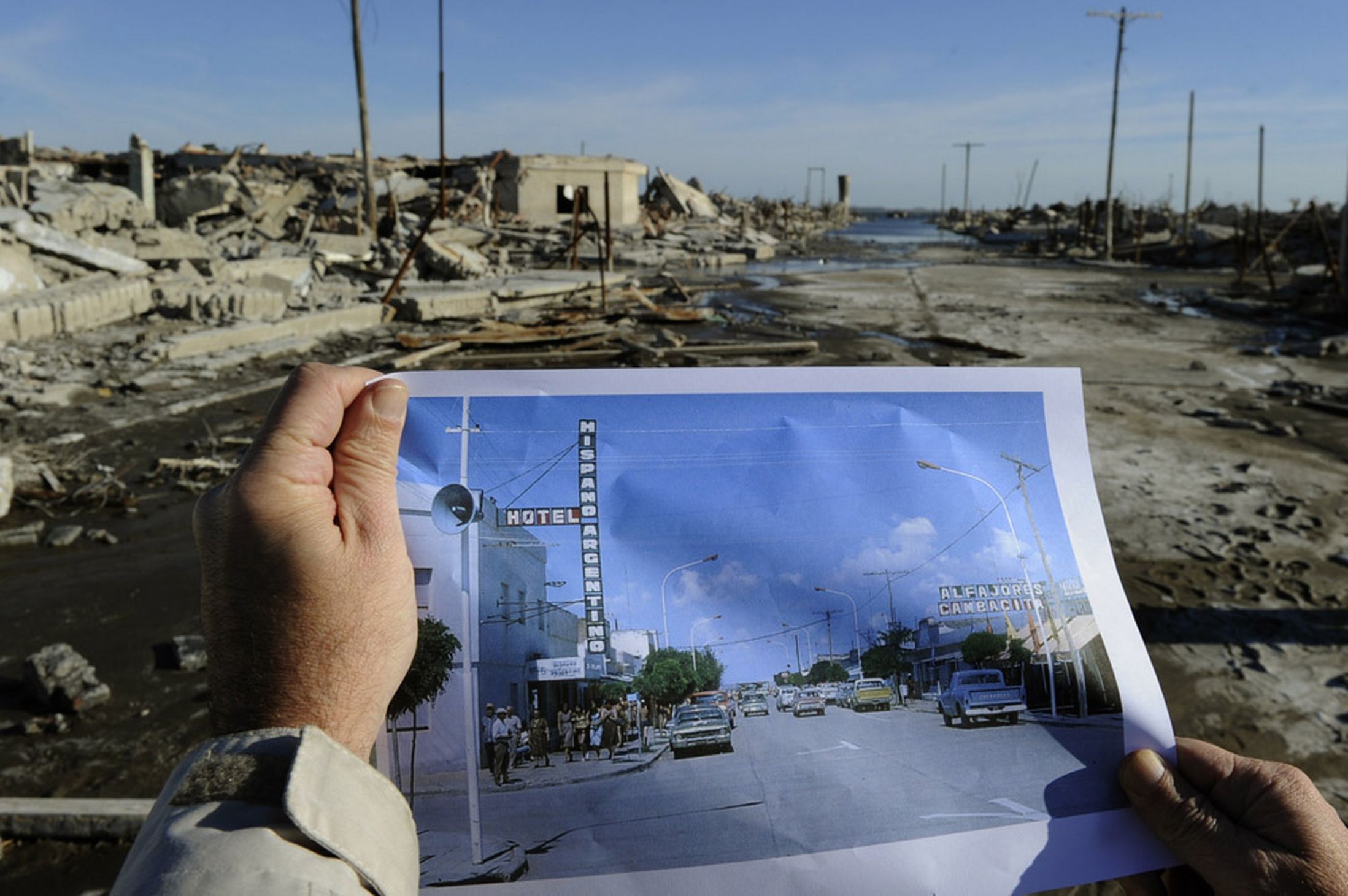
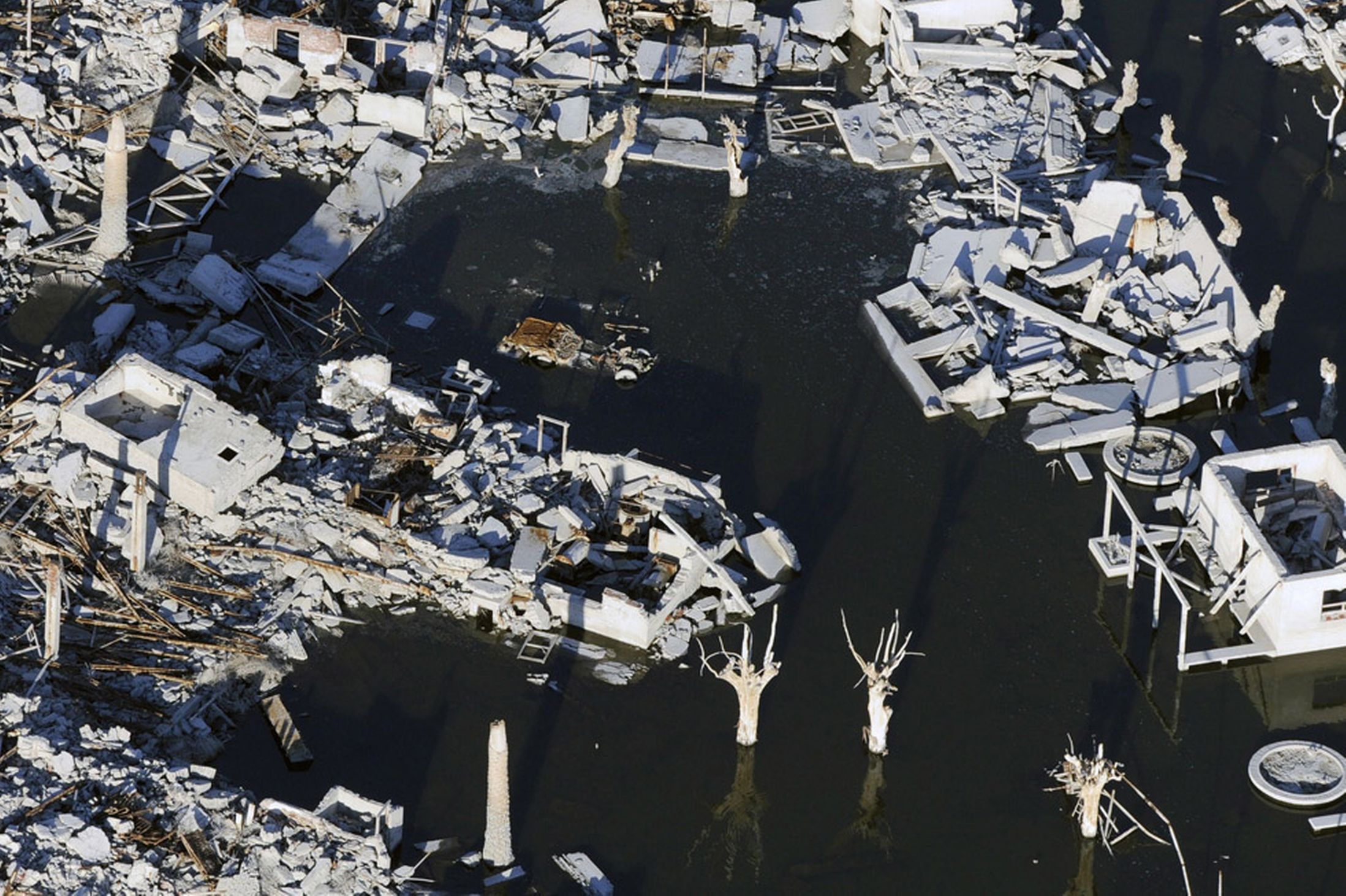
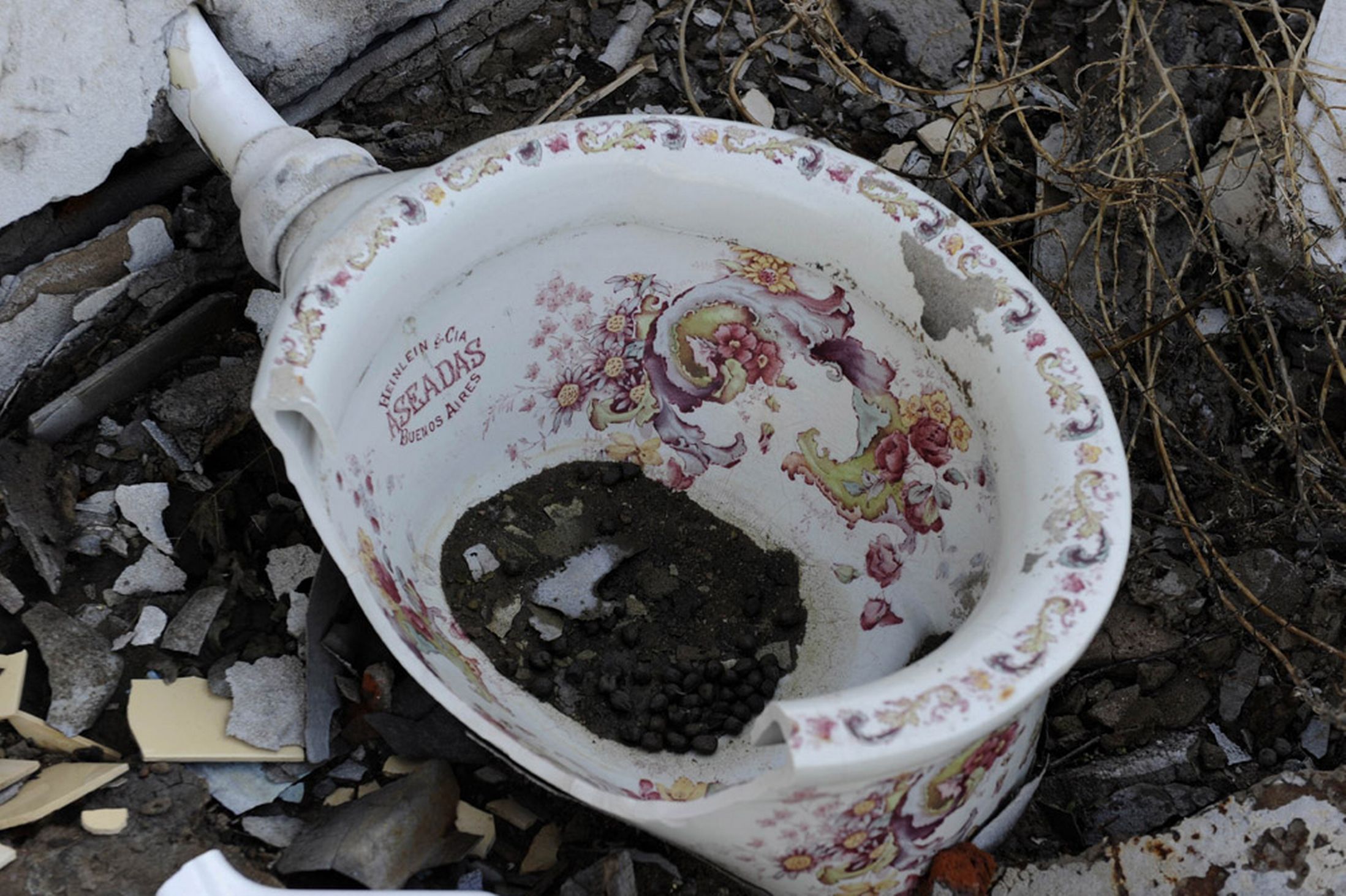
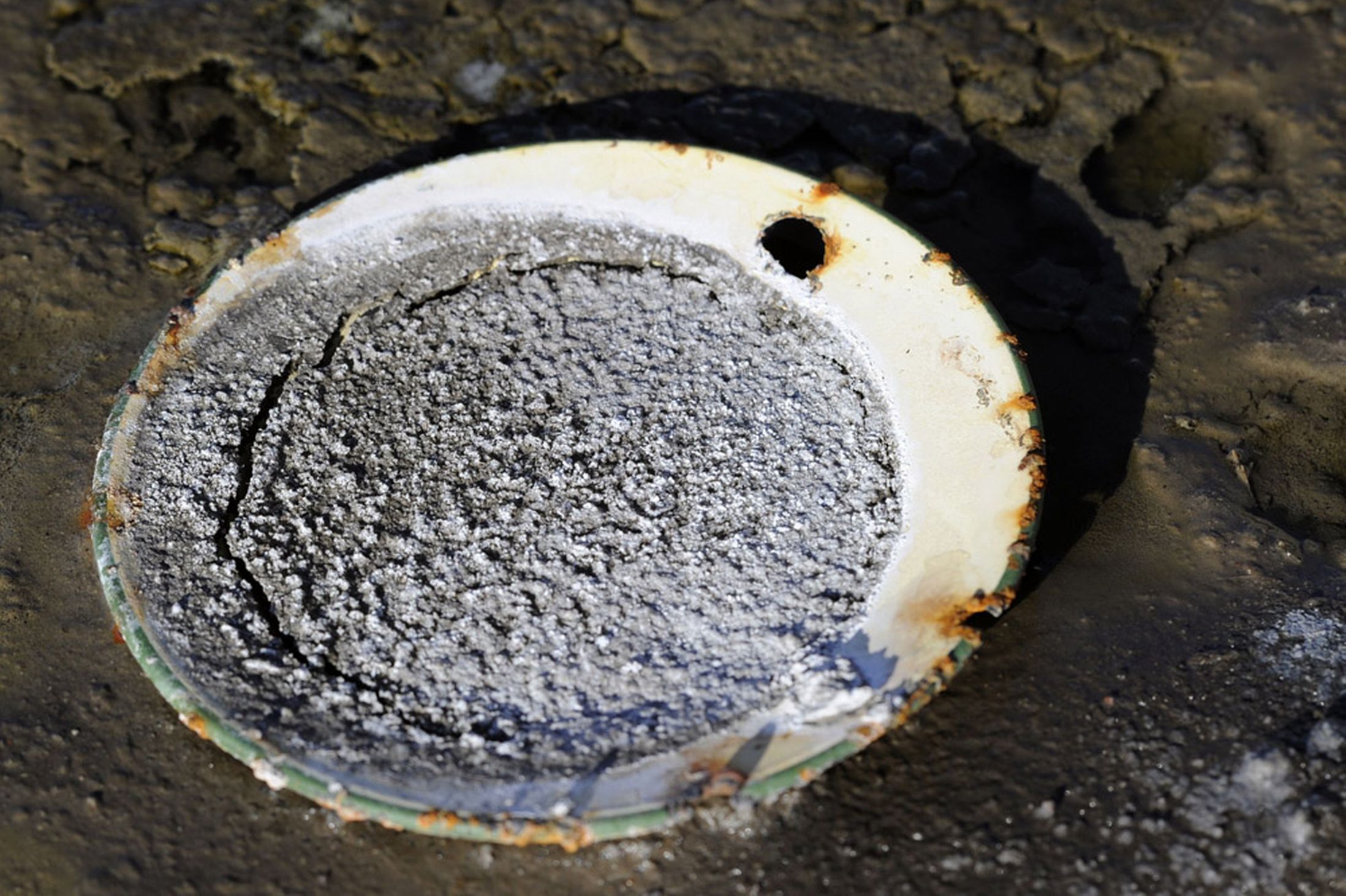
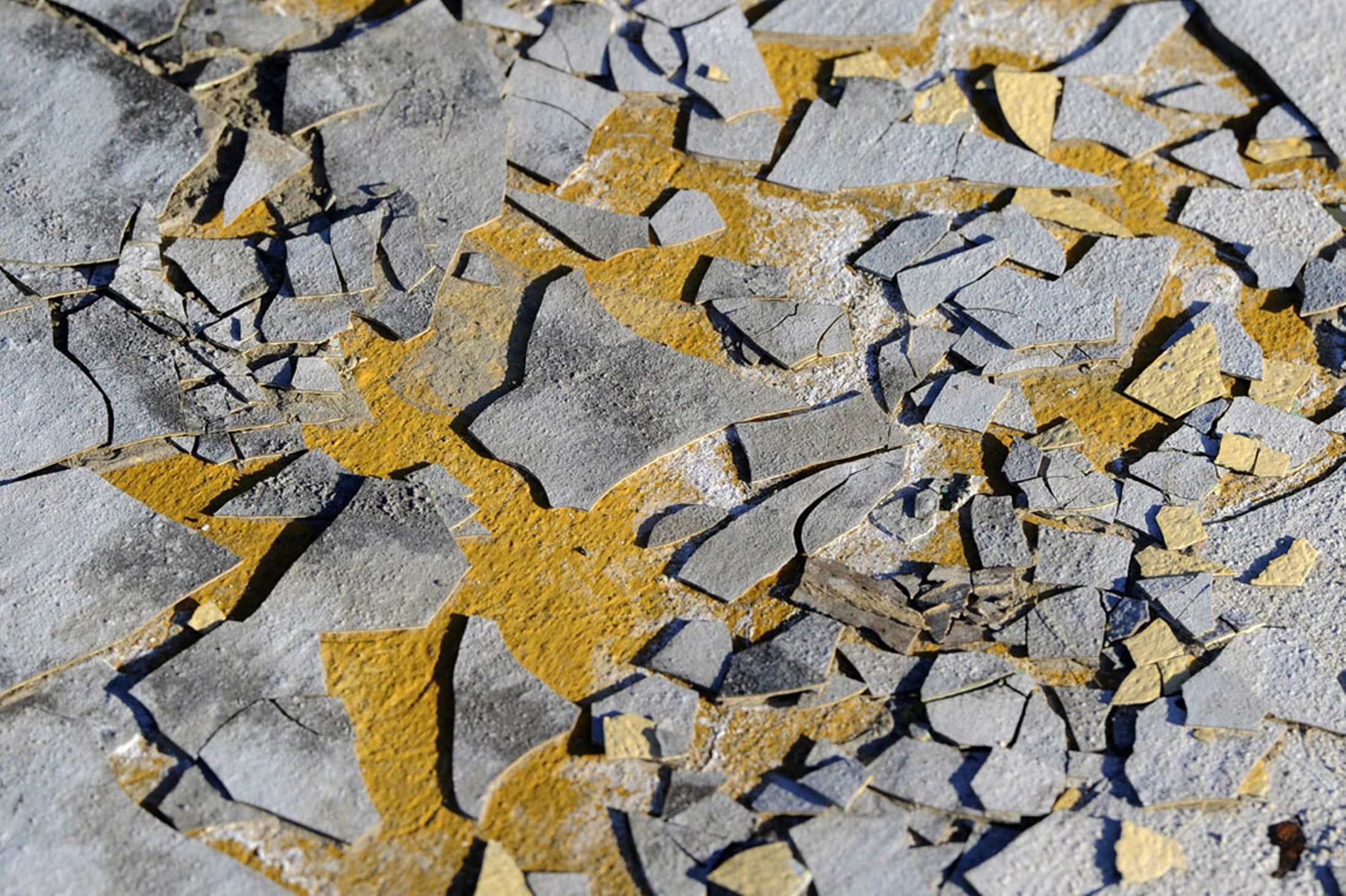
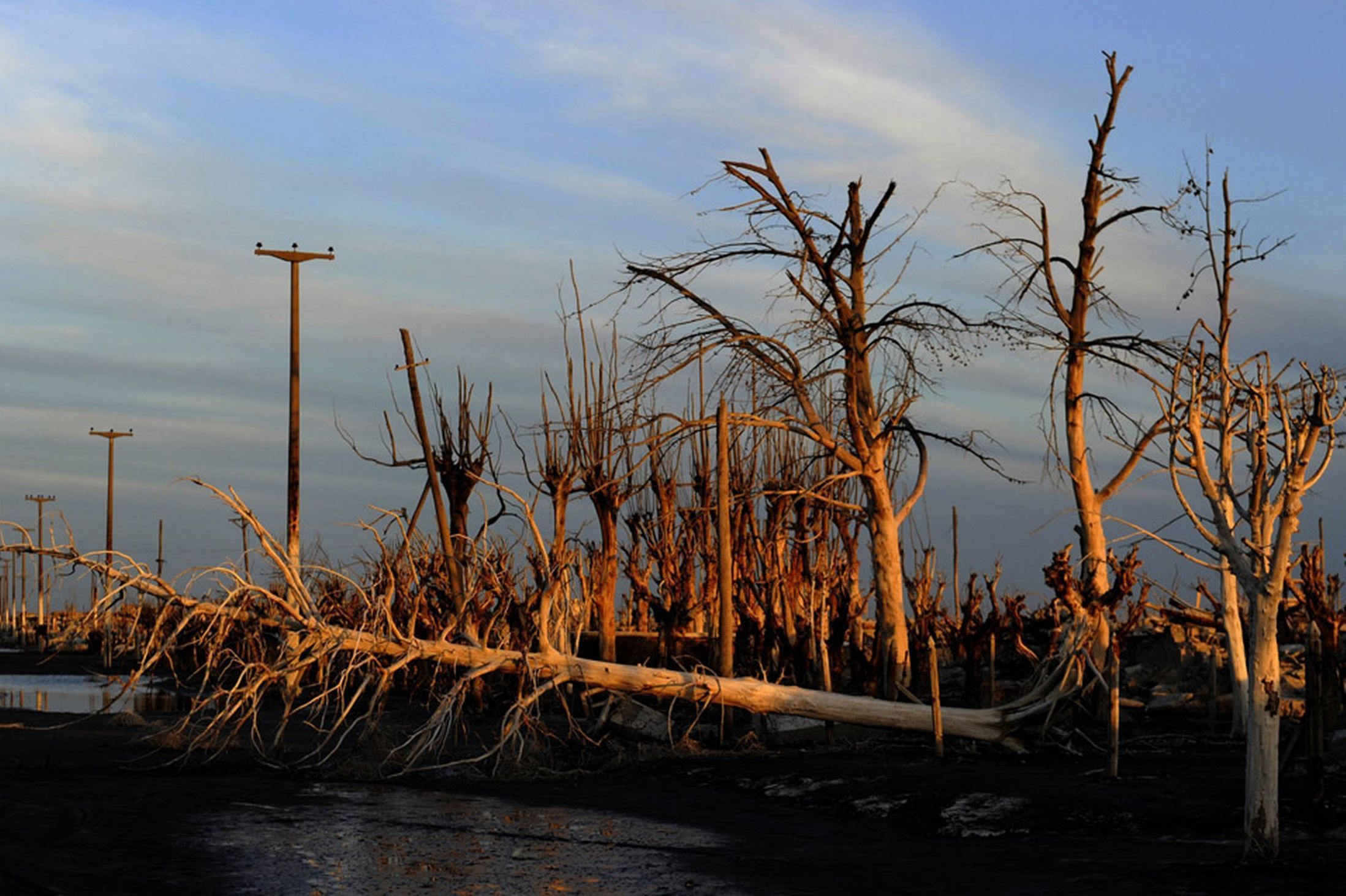
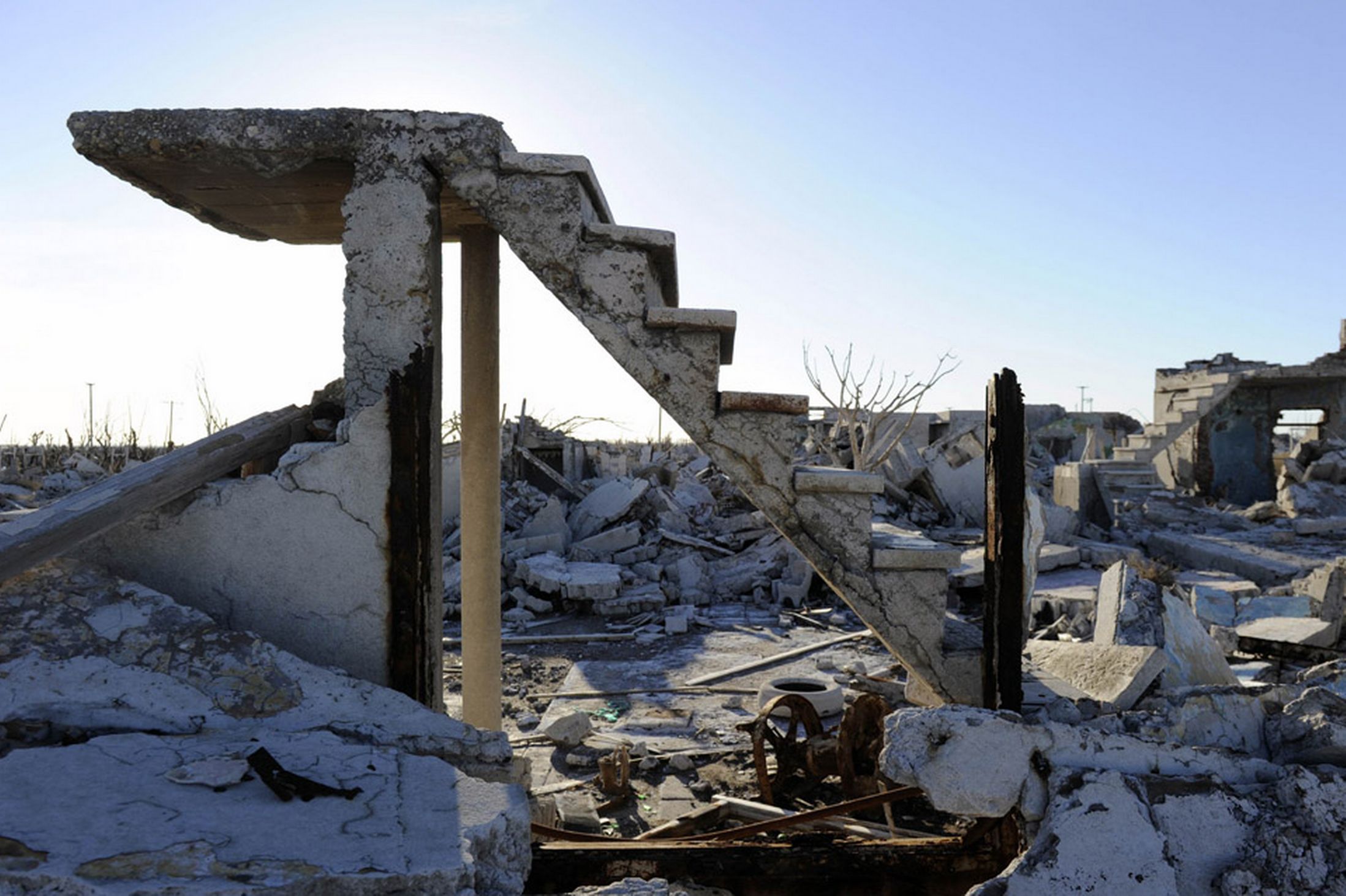
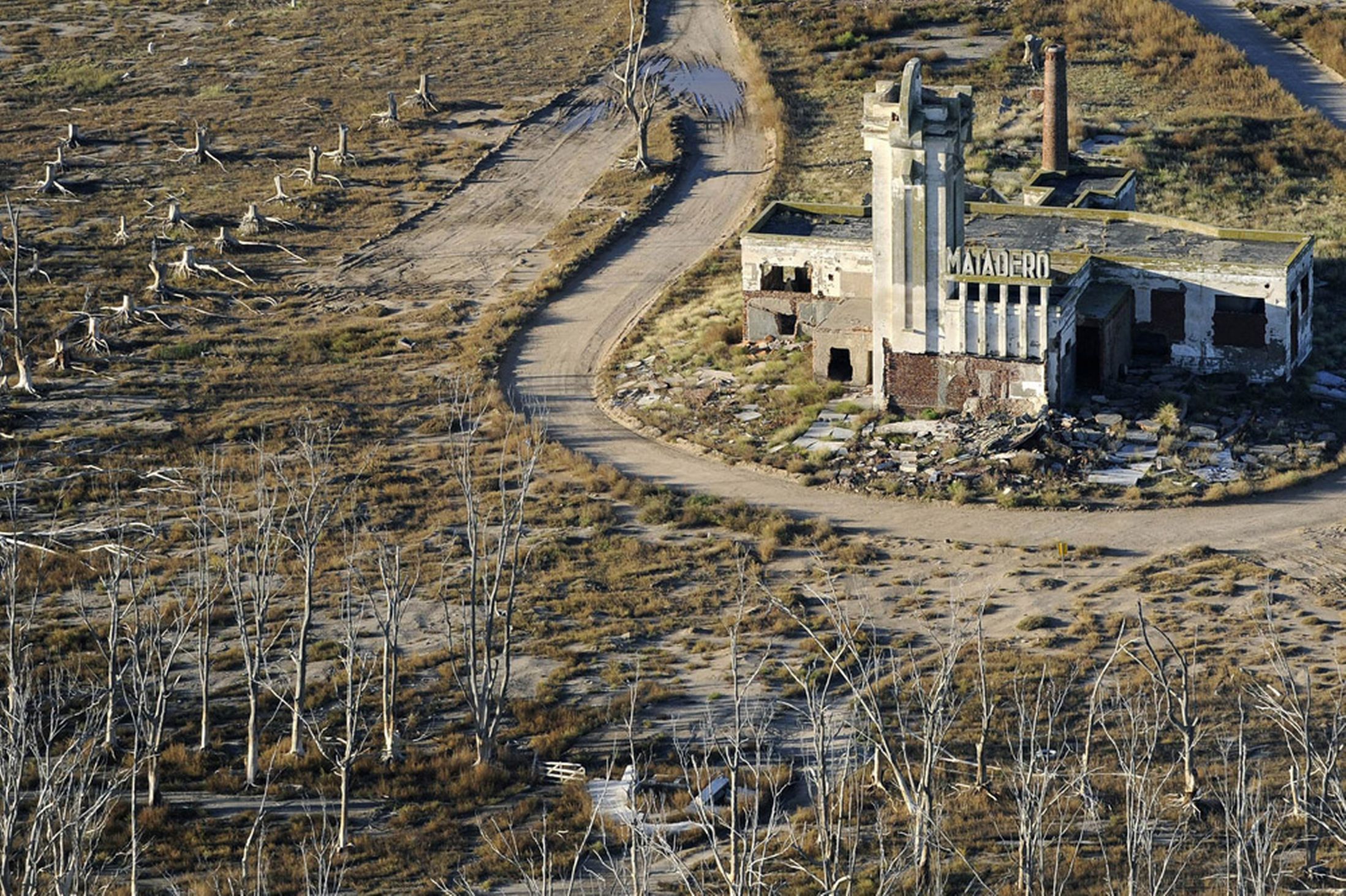
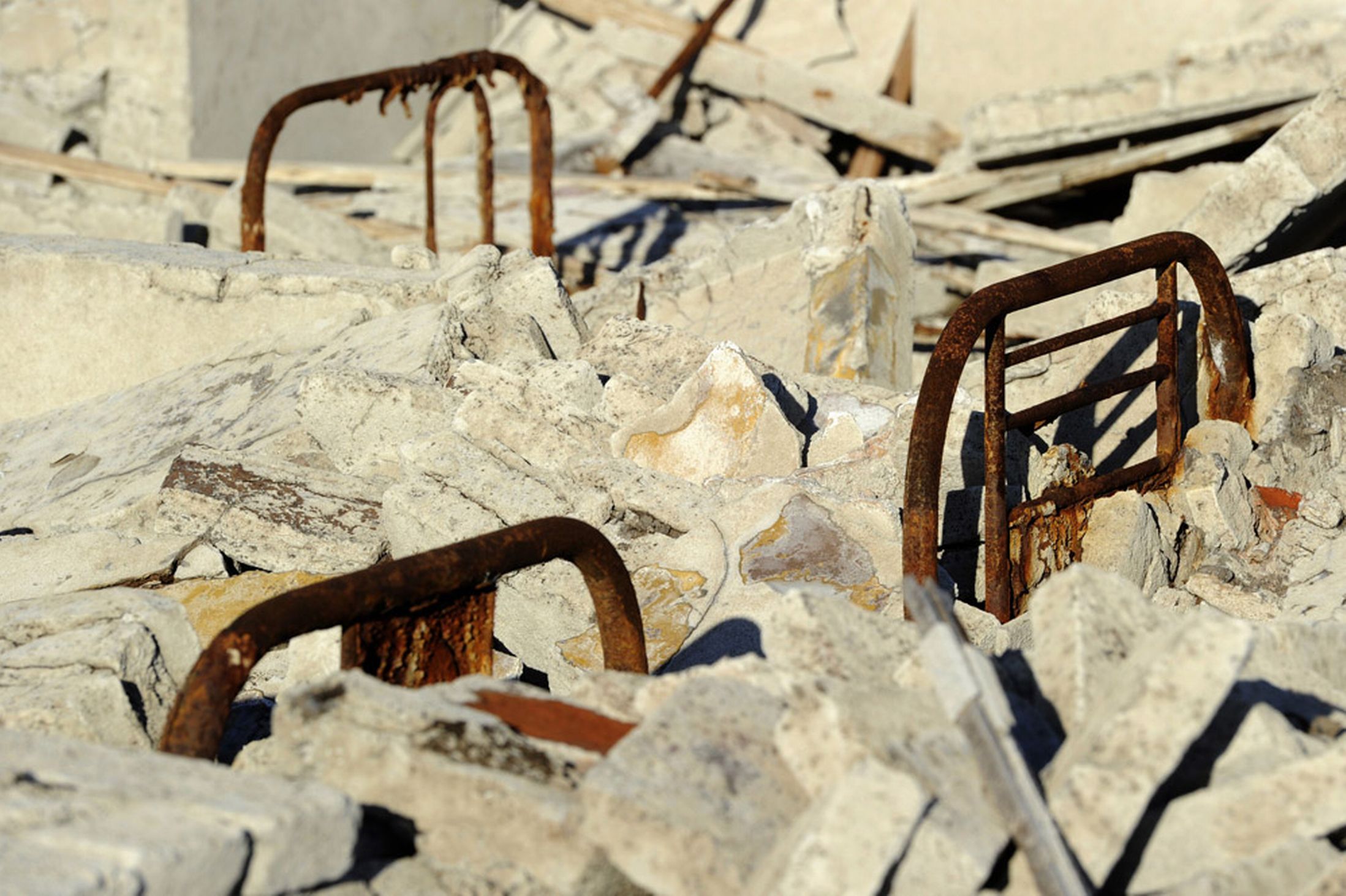
By Paul Byrne, The Associated Press EPECUEN, Argentina — A strange ghost town that spent a quarter century under water is coming up for air again in the Argentine farmlands southwest of Buenos Aires. Epecuen was once a bustling little lakeside resort, where 1,500 people served 20,000 tourists a season. During Argentina's golden age, the same trains that carried grain to the outside world brought visitors from the capital to relax in Epecuen's saltwater baths and spas. Former resident and tour guide Norma Berg walks along a street in Epecuen, an Argentine village that once was submerged in water, photo 1. The remains of a car in Epecuen, photo 2. Buildings lie in ruins. Epecuen was once home to 1,500 residents before it started flooding on November 10, 1985. After heavy rains the lake Epecuen burst its banks . It only took 20 days for the town to submerge beneath almost 10 meters of water, forcing everybody to leave, photo 3. A young tourist stands on stairs protruding from the rubble of homes, photo 4. Then a particularly heavy rainstorm followed a series of wet winters, and the lake overflowed its banks on Nov. 10, 1985. Water burst through a retaining wall and spilled into the lakeside streets. People fled with what they could, and within days their homes were submerged under nearly 33 feet of corrosive saltwater. Now the water has mostly receded, exposing what looks like a scene from a movie about the end of the world. The town hasn't been rebuilt, but it has become a tourist destination again, for people willing to drive at least six hours from Buenos Aires to get here, along 340 miles of narrow country roads. Read the full story. Trees line a road in Epecuen, photo 5. Trees are reflected in water in Epecuen. Many residents fled to nearby Carhue, another lakeside town, and set up new hotels and spas, promising relaxing getaways featuring saltwater and mud facials, photo 6. One man refused to leave the village. Pablo Novak, now 82, still lives on the edge of the town, welcoming people who wander into the wrecked streets, photo 7. During Argentina's golden age, the same trains that carried grain to the outside world brought visitors from the capital to relax in Epecuen's saltwater baths and spas, photo 8. Editor's note: Images taken on May 6 & 7, 2013, and made available to NBC News today. All photos by Natacha Pisarenko / AP 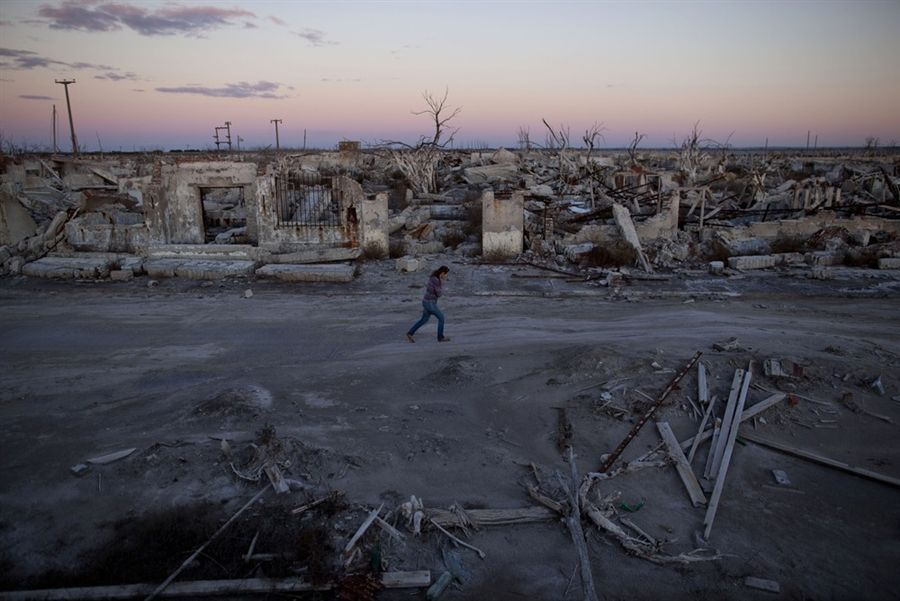 · 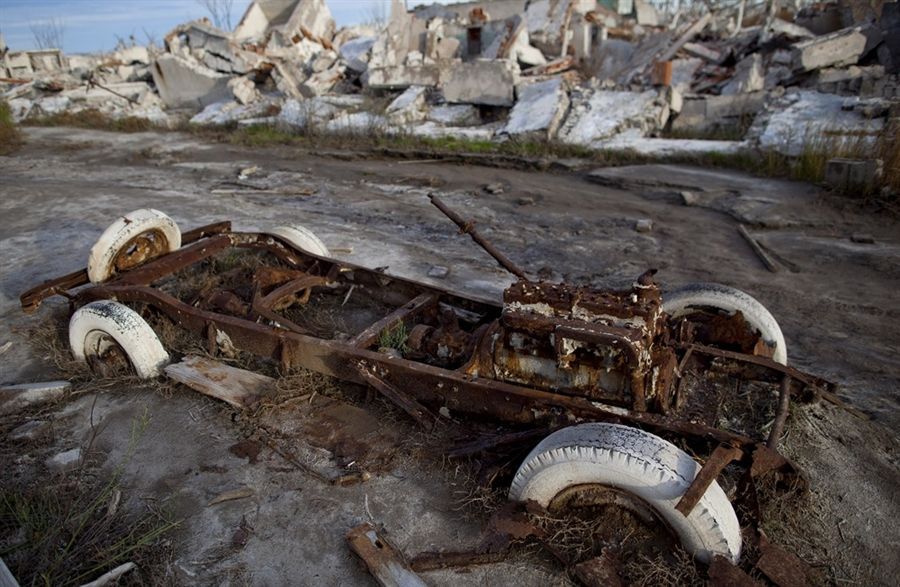 · 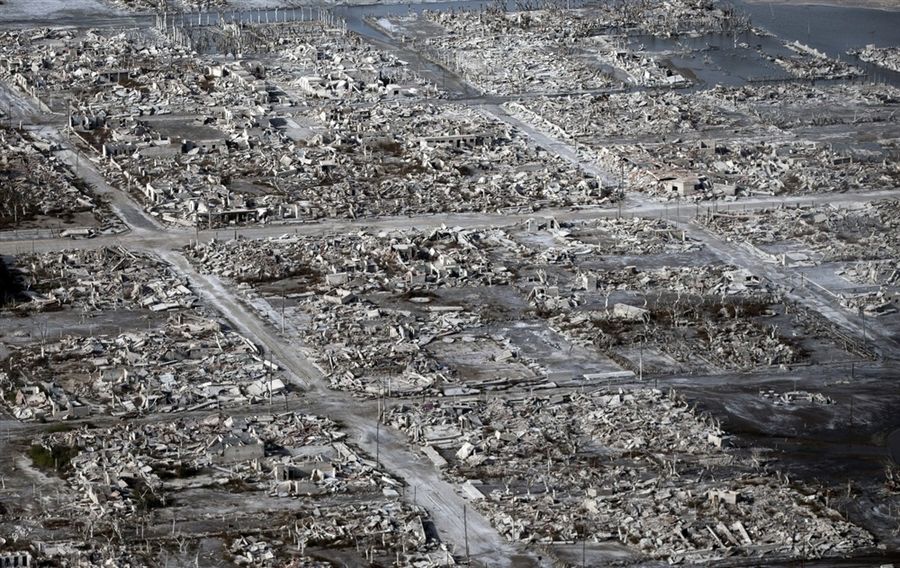 · 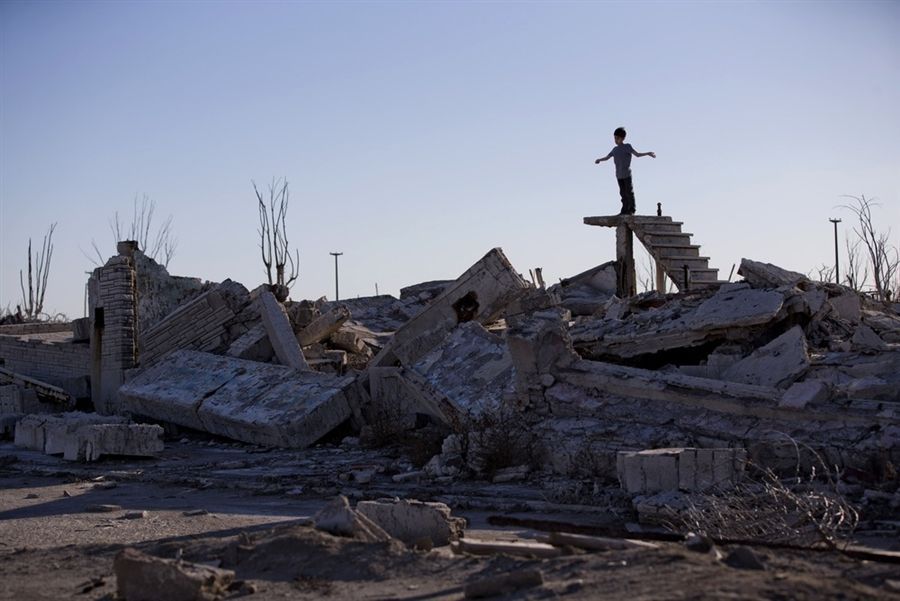 ·  · 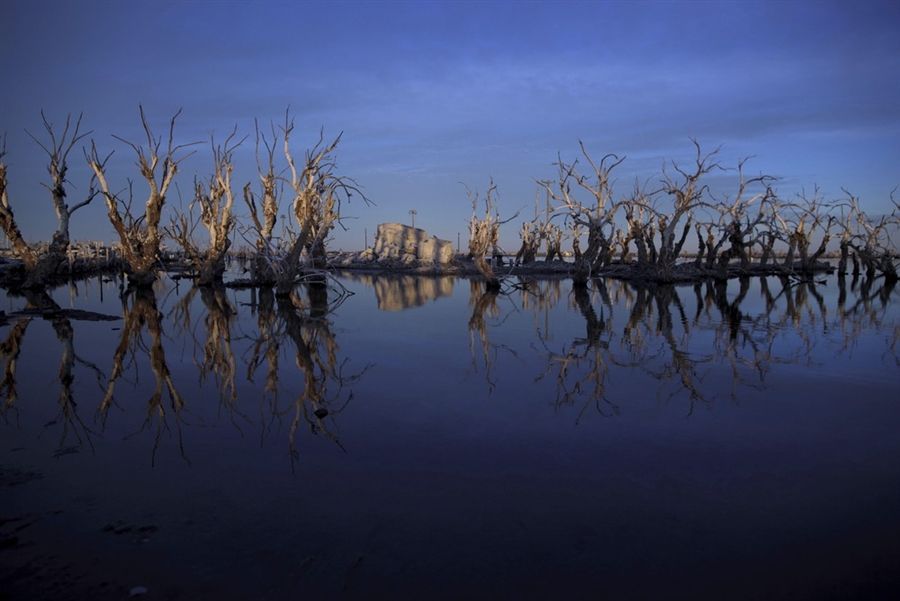 ·  · 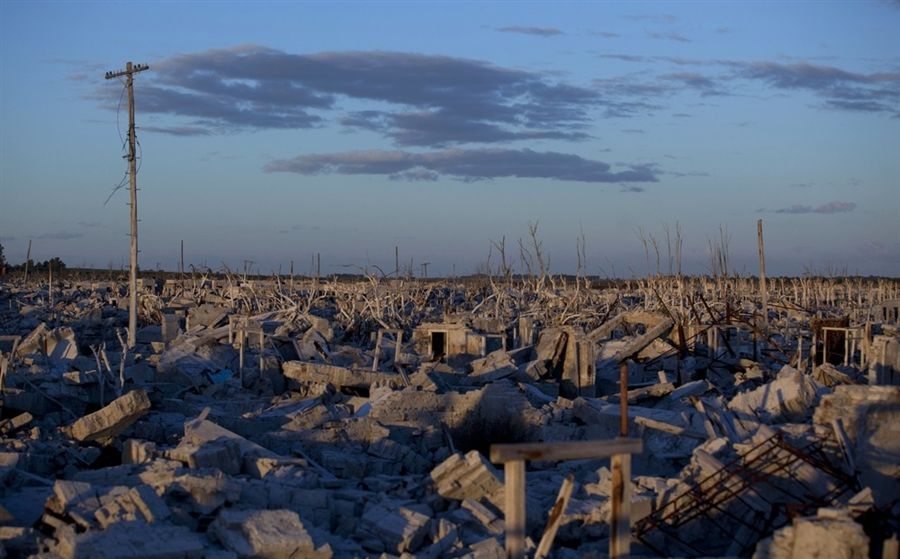 · |