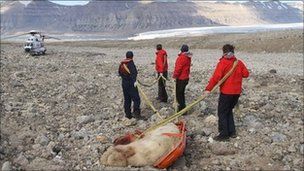
A polar bear has mauled a 17-year-old British boy to death in the Arctic and injured four other UK tourists.
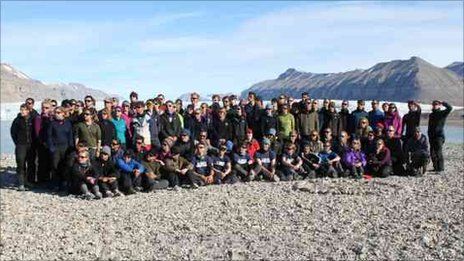
A group of 13 mainly 16 to 23-year-olds were on a trip with the British Schools Exploring Society near a glacier on the remote Norwegian island of Svalbard.
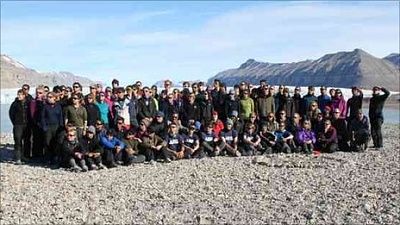 The Svalbard expedition was pictured on 2 August before splitting into smaller groups.
 The four who were hurt - two severely - included two leaders of the trip. They were being flown to Tromsoe in Norway.
The Svalbard governor's office said a group member shot the bear. All the victims' families have been told.
The rest of the group members are in shock, a spokeswoman said.
Helicopter scrambled
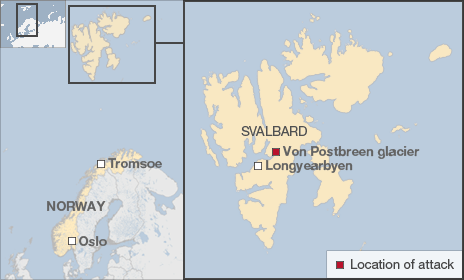
The attack, near the Von Post glacier about 25 miles (40km) from Longyearbyen, took place early on Friday.
The BSES, a youth development charity that organises scientific expeditions to remote areas and is based in Kensington, west London, has not yet named the 17-year-old boy.
It said the injured men were trip leaders Michael Reid and Andrew Ruck and trip members Patrick Flinders from Jersey, and Scott Smith.
The father of Patrick Flinders, Terry, said he believed the polar bear had crossed a trip wire and into his son's tent.
"According to the doctor and the other people Patrick was trying to fend off the polar bear by hitting it on the nose - why, I don't know, but he did and... the polar bear attacked him with his right paw across his face and his head and his arm," he said.
BSES chairman Edward Watson said the society had been in touch with the family of the boy who died and had offered "our utmost sympathy".
He said the society's executive director was travelling to Svalbard, adding: "We are continuing to gather information on this tragedy."
A spokeswoman for the Svalbard governor's office said: "We got a call via satellite phone from a British group of campers that there had been a polar bear attack and that one person was dead and that others were injured and they needed assistance."
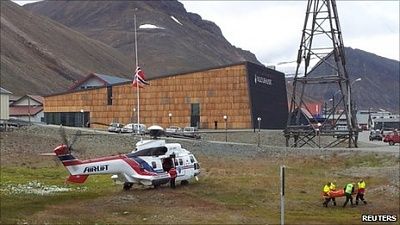
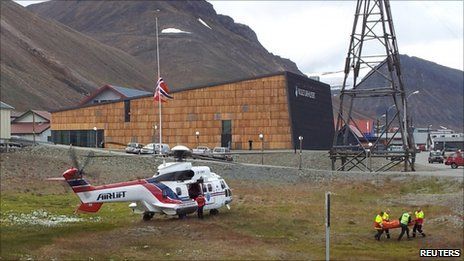
"There are no roads in the area where the incident happened so we scrambled a helicopter."
The attack took place in an area popular with tourists, researchers and adventurers and she urged those worried about their relatives to call 0047 7902 4305 or 0047 7902 4302.
The UK Foreign Office said the British ambassador was leading a consular team to Tromsoe to provide assistance to the expedition group.
Rifle training
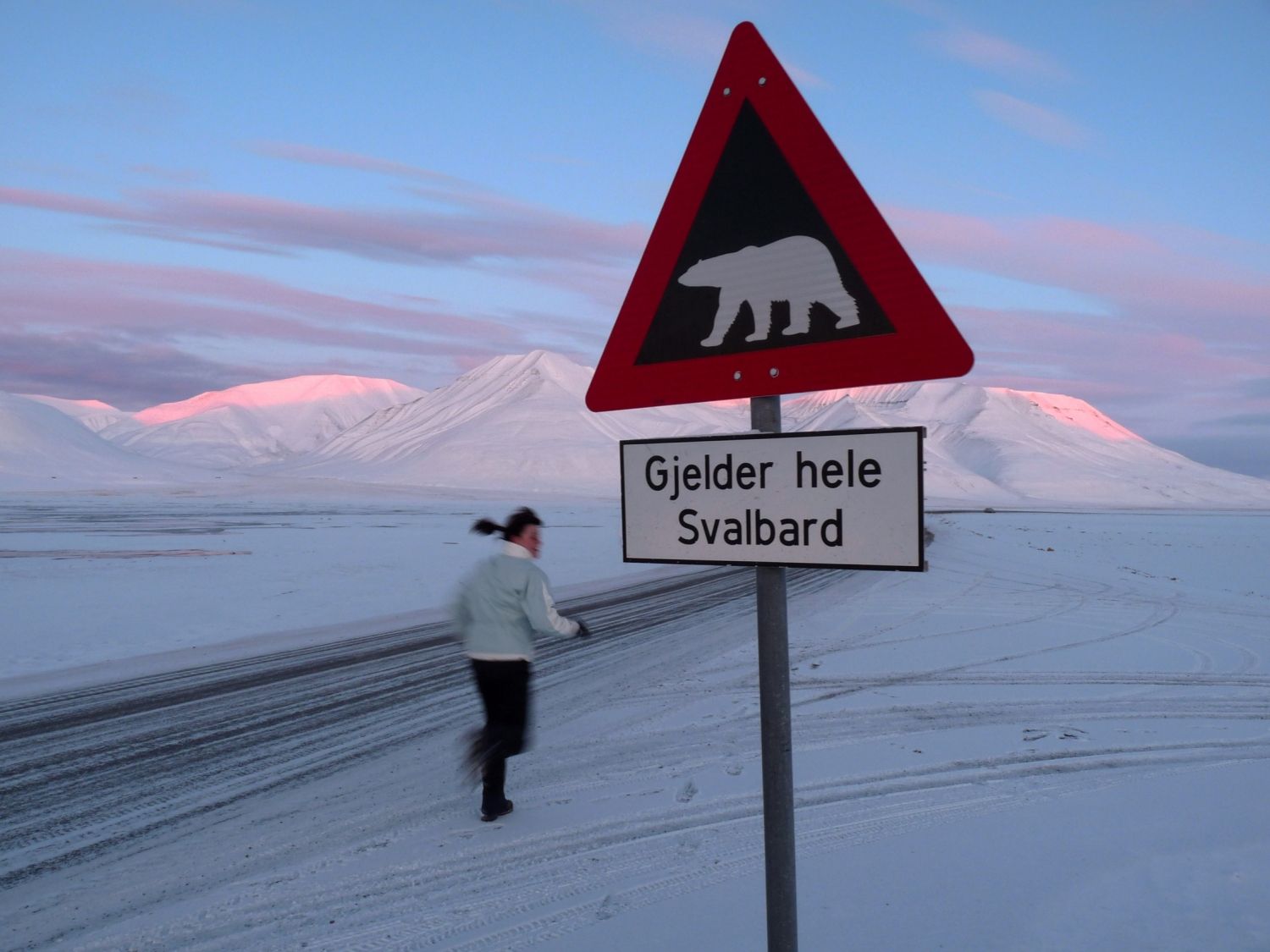
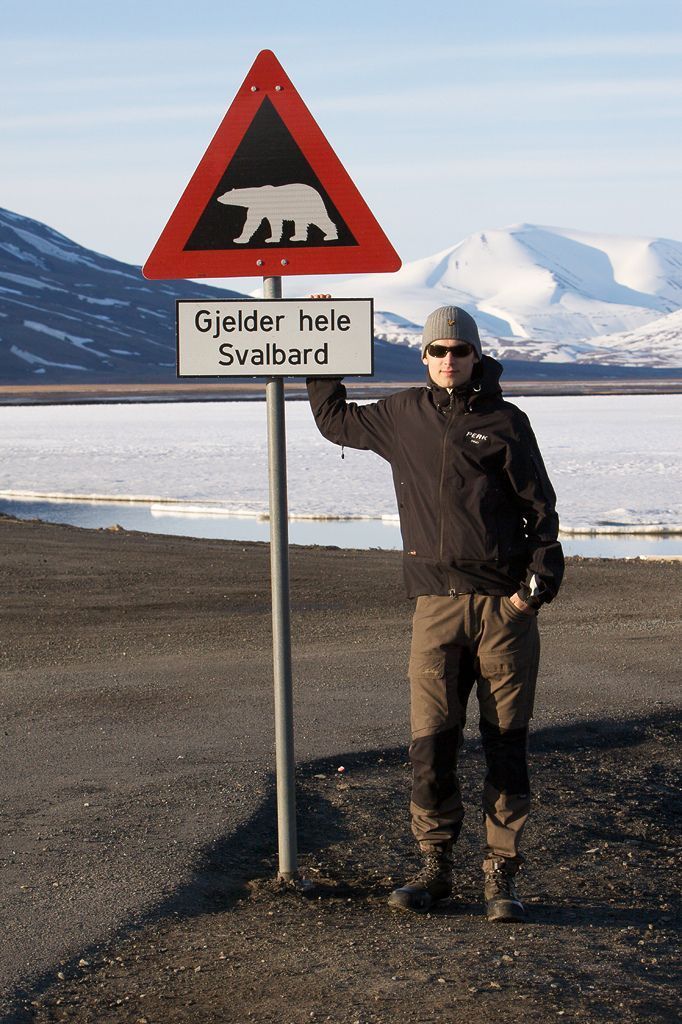
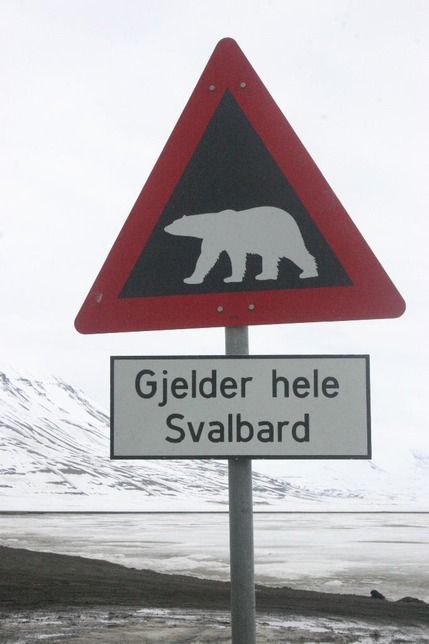
Lars Erik Alfheim, vice-governor of Svalbard, said polar bears were common in the area.
"These days when the ice comes in and out like it does right now, it's not unlikely to encounter polar bears. Polar bears are extremely dangerous and it's an animal that can attack without any notice."
The BSES group of 80 people were on a trip which began on 23 July and was scheduled to run until 28 August.
A blog on the group's website dated 27 July described polar bear sightings from their camp where they had been marooned due to "an unprecedented amount of ice in the fjord".
"Despite this everyone was in good spirits because we encountered a polar bear floating on the ice, this time we were lucky enough to borrow a kind Norwegian guide's telescope to see it properly," it said.
"After that experience I can say for sure that everyone dreamt of polar bears that night."
Kyle Gouveia, who was on the expedition but left early, said the group was aware of the danger of bears.
"When we got up there we had rifle training so we were all well armed with it and also we learnt about the protection of polar bears - like bear flares around your camps which are like empty shotgun rounds that shoot off and make loud noises so the polar bear runs away."
Earlier this year the governor's office warned people about bear attacks after several were spotted near Longyearbyen.
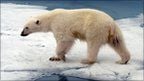
Polar bears are one of the largest land carnivores, reaching up to 8ft (2.5m) and weighing 800kg (125st).
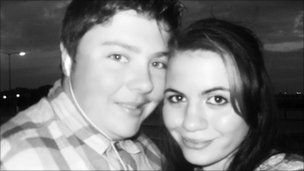 Patrick Flinders from Jersey was one of those injured in the attack
 A polar bear has mauled a young British tourist to death and seriously injured four others in a remote part of Norway.
A party of around 80 were on a trip with the British Schools Exploring Society near the remote Von Postbreen glacier when the attack took place.
The four injured, who included two leaders of the trip, were being flown to Tromsoe in Norway.
The governor's office in Svalbard district confirmed all those involved were male and had been camping.
She said one of the group shot the bear, and the rest were in shock.
The attack, about 25 miles (40km) from Longyearbyen, took place early on Friday.
Police interviews
The BSES, which is based in Kensington, west London, has not released the name of the dead person.
It said the injured men were trip leaders Michael Reid and Andrew Ruck and trip members Patrick Flinders from Jersey, and Scott Smith.
"There were about 80 people all told in the expedition. The young people are all between 16 and 23," a spokeswoman said.
Four people injured in the mauling were flown to Longyearbyen hospital and are being airlifted to a hospital in Tromsoe, the governor's office spokeswoman said.
"We got a call via satellite phone from a British group of campers that there had been a polar bear attack and that one person was dead and that others were injured and they needed assistance," she said.
"There are no roads in the area of the Von Postbreen glacier where the incident happened so we scrambled a helicopter."
She also confirmed the five were part of a larger group camping at Von Postbreen and that police were at the scene and were interviewing witnesses.
She said the attack took place in an area popular with tourists, researchers and adventurers and urged those worried about their relatives to call 0047 7902 4305 or 0047 7902 4302.
They were on a trip which began on 23 July and was scheduled to run until 28 August.
Earlier this year the office warned people about bear attacks after several were spotted near Longyearbyen.
At the time it reminded people that under local laws, it is illegal to seek out and disturb the animals - with violations punishable by jail or fine.
The UK Foreign Office has said its embassy in Oslo is urgently investigating.
BSES Expeditions is a youth development charity that organises scientific expeditions to remote areas to develop teamwork and a spirit of adventure.
It was founded in 1932 by a member of Captain Scott's final Antarctic expedition of 1910-13.
Polar bears are one of the largest land carnivores, reaching up to 8ft (2.5m) and weighing 800kg (125st).




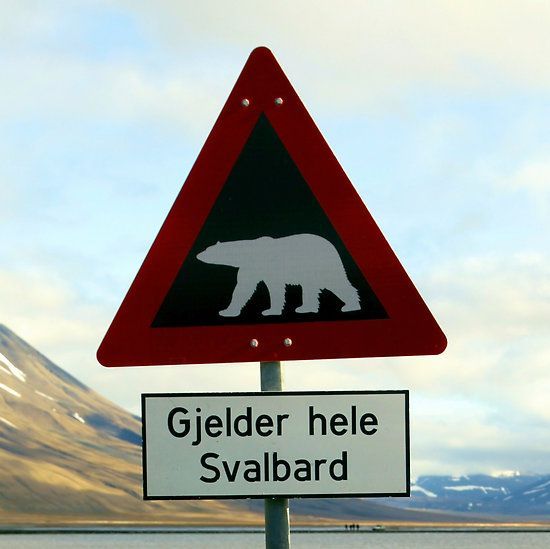
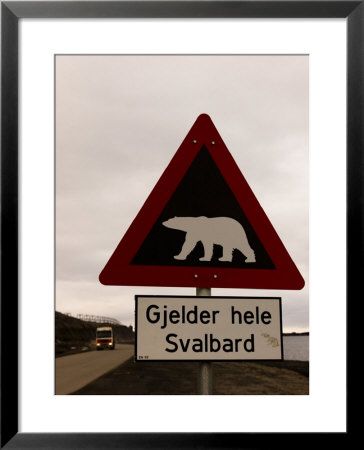
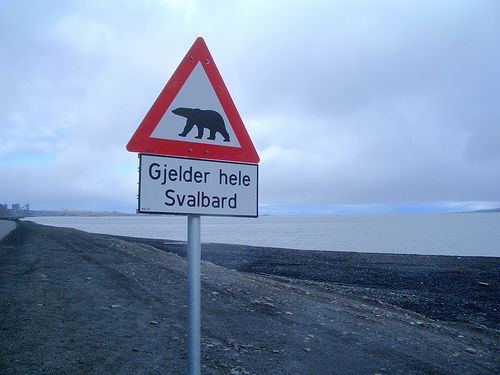
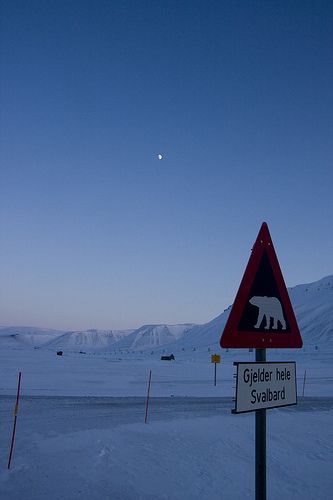

 Then the animals suffer because of people being all gung-ho and "I can go anywhere I want"