|
#1
●
04-30-2014, 12:48 AM
| ||||||||
 ★ ********* ★ Poster Rank:247 Male Join Date: Jul 2009 Posts: 5,565
Contributions: 368
Mentioned: 66 Post(s) Quoted: 932 Post(s)
| ||||||||
|
Oklahoma Botches Clayton Lockett's Execution
McALESTER, Okla. (AP) — A botched execution that used a new drug combination left an Oklahoma inmate writhing and clenching his teeth on the gurney Tuesday, leading prison officials to halt the proceedings before the inmate's eventual death from a heart attack. 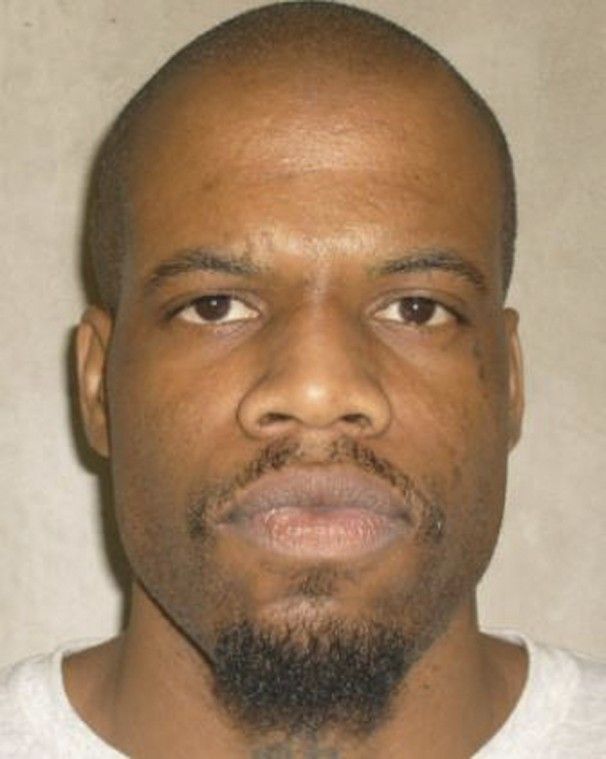 http://www.washingtonpost.com/news/p...ution-delayed/ http://bigstory.ap.org/article/oklah...tion-2-inmates |
|
#2
●
04-30-2014, 03:53 AM
| ||||||||
 ★ Legacy Member ★ Poster Rank:811 Female Join Date: Feb 2010 Posts: 962 Mentioned: 3 Post(s) Quoted: 297 Post(s)
| ||||||||
|
Re: Oklahoma Botches Clayton Lockett's Execution
I don't have much sympathy for them. I am positive the victims suffered.
|
|
#3
●
04-30-2014, 04:57 AM
| ||||||||
| ★ ********* ★ Poster Rank:247 Male Join Date: Jul 2009 Posts: 5,565
Contributions: 368
Mentioned: 66 Post(s) Quoted: 932 Post(s)
| ||||||||
|
Re: Oklahoma Botches Clayton Lockett's Execution
I've been against death penalty for 30 years or so, then I've drastically changed my mind: it's true, we cannot rehabilitate a person by killing him or her, but IF the would-be criminals knew FOR SURE that they'd be put to death if they'd kill someone, then many of them would be MUCH less inclined to commit murder: honestly i respect everybody's opinion on this, but what i know for sure is that many countries are going towards the WRONG direction, it's simply UNACCEPTABLE that people like Breivik are not only still alive, but even allowed to complain about cold coffee and shit like that  after killing 77 people, mostly teenagers, living on the shoulders of taxpayers, maybe even having fun, sometimes. after killing 77 people, mostly teenagers, living on the shoulders of taxpayers, maybe even having fun, sometimes.The relatives of the victims' grief begins with the murder, and sometimes it stops with the execution of the murderer/s. That's enough for me to accept and understand capital punishment. Ted Bundy did NOT fear life in prison, but he was afraid of death. However, the 5 legal methods of execution in the US are intended to be as painless as possible, so this time something has gone definitely wrong. |
|
#4
●
04-30-2014, 06:14 AM
| ||||||||
 My Rank: MASTER SERGEANT Poster Rank:416 Join Date: Jun 2011 Posts: 2,775
Contributions: 3
Mentioned: 13 Post(s) Quoted: 471 Post(s)
| ||||||||
|
Re: Oklahoma Botches Clayton Lockett's Execution
I believe people who comit certain acts deserve to die but I always have been and always will be against capital punishment. You need to have 100% faith in every section of the judicial system, from the arresting officers to the lawyers to the judges. Who hand on heart has that amount of faith in the judicial system of their respected country's? No one I've ever met. IMO only a fool would hand that sort of power to the state. Again I reiterate that people who comit certain acts DO deserve to die |
|
#7
●
04-30-2014, 06:51 AM
| ||||||||
 They Lied. There ALL LIES Poster Rank:305 <--We Did It. So Can You Join Date: Mar 2013 Posts: 4,212
Contributions: 48
Mentioned: 23 Post(s) Quoted: 894 Post(s)
| ||||||||
|
Re: Oklahoma Botches Clayton Lockett's Execution
I agree, but i would rather see a thousand guilty men walk that an innocent man fry....... and knowing these fuckers are in 23 hours a day in a cage gives me much more un-guilty pleasure
|
|
#8
●
04-30-2014, 07:20 AM
| ||||||||
 ★ Legacy Member ★ Poster Rank:491 Male Join Date: Jan 2010 Posts: 2,130 Mentioned: 4 Post(s) Quoted: 275 Post(s)
| ||||||||
|
Re: Oklahoma Botches Clayton Lockett's Execution
A US death row inmate in Oklahoma died of a heart attack after his execution was halted because the lethal injection of three drugs failed to work properly. The execution of Clayton Lockett, 38, was stopped after 20 minutes, when one of his veins ruptured, preventing the drugs from taking full effect. |
|
#10
●
04-30-2014, 08:27 AM
| ||||||||
| ★ Legacy Member ★ Poster Rank:1 Join Date: Jun 2009 Posts: 133,773 Mentioned: 282 Post(s) Quoted: 32532 Post(s)
| ||||||||
|
Re: Oklahoma Botches Clayton Lockett's Execution
My heart doesn't bleed for him but, if there is a set down methodology for execution without pain (by law) then this must be accounted for. The drugs are apparently hard to source, Europe refuses to sell them to the US and US companies demand anonymity on sales. |