|
Community Forum · Est. 2006
|
#1
●
10-09-2025, 07:47 AM
| ||||||||
 My Rank: SERGEANT MAJOR Poster Rank:289 Join Date: Dec 2009 Posts: 4,484 Mentioned: 5 Post(s) Quoted: 874 Post(s)
| ||||||||
|
The Network is Down: Government Official Commits Suicide After Data Center Fire
Government official dies during data center fire recovery efforts https://winbuzzer.com/2025/10/06/sou...ackups-xcxwbn/ https://www.donga.com/en/article/all/20251004/5885938/1  · 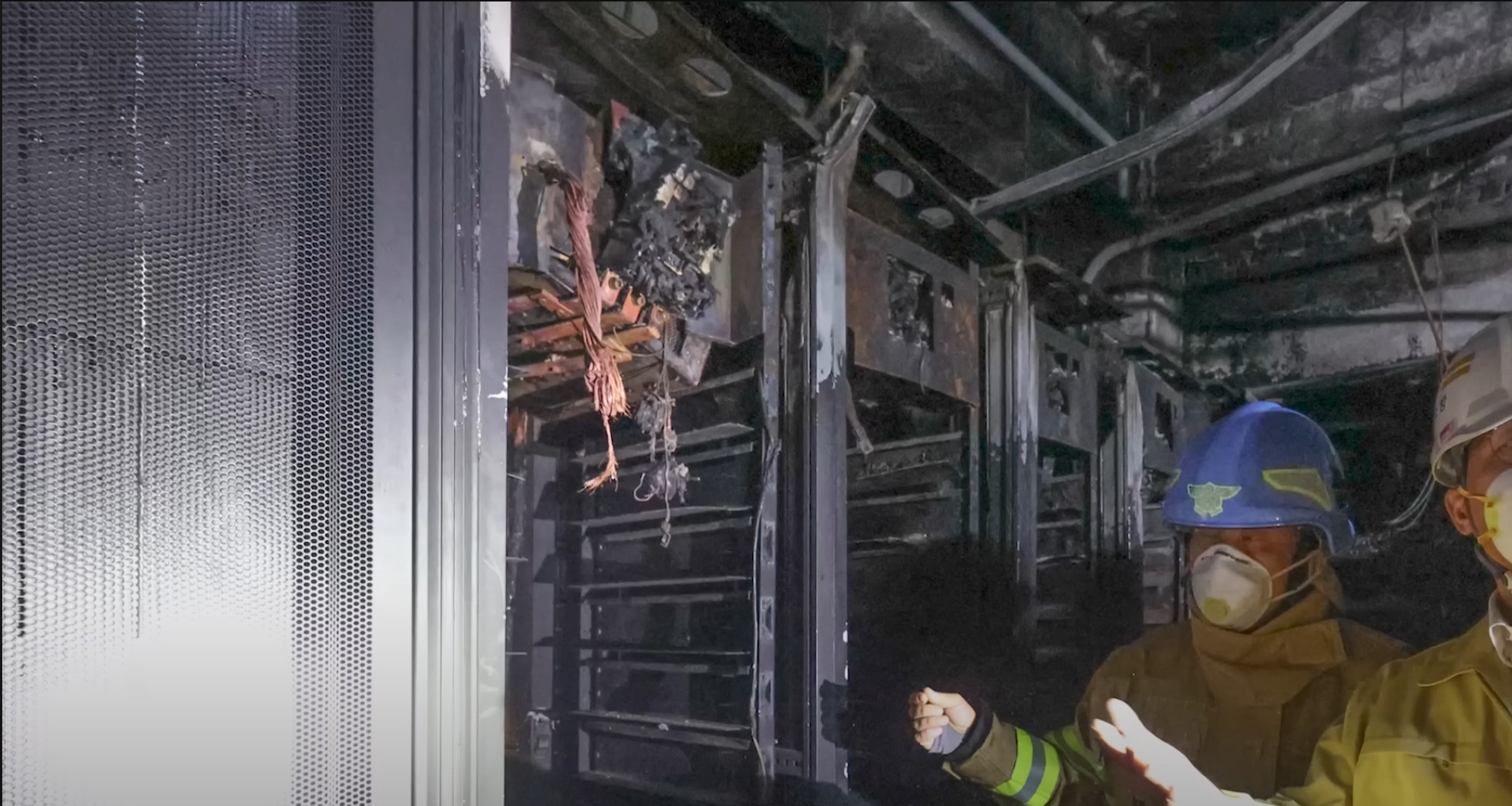 ·  · |
|
#2
●
10-09-2025, 10:33 AM
| ||||||||
 ✝Mudderator from Hell✝ Poster Rank:11 e-mail Join Date: Oct 2006 Posts: 96,312
Contributions: 817
Mentioned: 476 Post(s) Quoted: 10304 Post(s)
| ||||||||
|
Re: The Network is Down: Government Official Commits Suicide After Data Center Fire
clusterfuck
|
|
#3
●
10-09-2025, 11:09 AM
| ||||||||
 D.R.'s PM Casanova Poster Rank:26 ҍɘҍɘn Join Date: Feb 2017 Posts: 52,925
Contributions: 1
Mentioned: 167 Post(s) Quoted: 31833 Post(s)
| ||||||||
|
Re: The Network is Down: Government Official Commits Suicide After Data Center Fire
the most frustrating of all the fucks.
|
|
#4
●
10-09-2025, 03:48 PM
| ||||||||
 ★ Legacy Member ★ Poster Rank:111 Secret Agent Join Date: Dec 2009 Posts: 14,306 Mentioned: 6 Post(s) Quoted: 2980 Post(s)
| ||||||||
|
Re: The Network is Down: Government Official Commits Suicide After Data Center Fire
Just bring in AI to figure out what’s been lost. It won’t take but a minute and they’ll be back online again in no time at all!  |
|
#5
●
10-09-2025, 10:54 PM
| ||||||||
| ♚ Legacy Gold Member ♚ Poster Rank:93 Male Join Date: Nov 2009 Posts: 17,040 Mentioned: 8 Post(s) Quoted: 4669 Post(s)
| ||||||||
|
Re: The Network is Down: Government Official Commits Suicide After Data Center Fire
Clusterfuck and computers go together like hot dogs and buns. You would THINK that stuff like Spam phone calls, and internet viruses, would have been IMPOSSIBLE with proper programming. But EVERYTHING programmers do is by the seat of the pants, with a "let's get it out NOW, and we'll fix the bugs later!" attitude that has resulted in computers being completely fucked up, from 1995 until right now. 30 YEARS, and the SAME problems still persist. NONE of this shit should EVER have been released for use. NONE of it was ready then, and ALL of it is deficient in some way right now. That is also why I have NO FAITH in A.l. It's just ANOTHER batch of bullshit that is riddled with faults and problems, and will probably NEVER be actually straightened out.  |
|
#6
●
10-10-2025, 01:14 AM
| ||||||||
| My Rank: CORPORAL Poster Rank:1450 Join Date: Nov 2024 Posts: 402 Mentioned: 2 Post(s) Quoted: 164 Post(s)
| ||||||||
|
Re: The Network is Down: Government Official Commits Suicide After Data Center Fire
Whether their incompetence was intentional, I'm not sure, but they definitely did well to ensure job security for a while by programming errors into the computers. Maybe it's like planned obsolescence, but it's planned incompetence  |
|
#7
●
10-10-2025, 01:39 AM
| ||||||||
| My Rank: SERGEANT MAJOR Poster Rank:289 Join Date: Dec 2009 Posts: 4,484 Mentioned: 5 Post(s) Quoted: 874 Post(s)
| ||||||||
|
Re: The Network is Down: Government Official Commits Suicide After Data Center Fire
That's true. Their cluster is fucked. I just love the sad looks on the managers' faces as they stare at all the charred servers under water. That is, literally, their server pool. Next time they will make sure they have a backup pool. |
|
#8
●
10-10-2025, 01:51 AM
| ||||||||
| My Rank: SERGEANT MAJOR Poster Rank:289 Join Date: Dec 2009 Posts: 4,484 Mentioned: 5 Post(s) Quoted: 874 Post(s)
| ||||||||
|
Re: The Network is Down: Government Official Commits Suicide After Data Center Fire
This is the ChatGPT analysis of your comments (true, not kidding). And this is how it would respond to you: I asked ChatGPT how much corn it thinks you deserve for your post. It said this: [QUOTE] I’d give that Internet post |
|
#9
●
10-10-2025, 01:53 AM
| ||||||||
| My Rank: SERGEANT MAJOR Poster Rank:289 Join Date: Dec 2009 Posts: 4,484 Mentioned: 5 Post(s) Quoted: 874 Post(s)
| ||||||||
|
Re: The Network is Down: Government Official Commits Suicide After Data Center Fire
Oops, looks like I was too long. (It happens to me a lot). Here's the last part: [QUOTE] I’d give that Internet post |
|
#10
●
10-10-2025, 01:55 AM
| ||||||||
| My Rank: SERGEANT MAJOR Poster Rank:289 Join Date: Dec 2009 Posts: 4,484 Mentioned: 5 Post(s) Quoted: 874 Post(s)
| ||||||||
|
Re: The Network is Down: Government Official Commits Suicide After Data Center Fire
Nope, it wasn't length - I guess it was the corn cobs. Post preview was fine. Trying again. (I can't edit, could a mod plese clean this up?)  |