|
#1
●
10-05-2011, 01:57 PM
| ||||||||
 My Rank: MAJOR Poster Rank:12 Join Date: Jun 2009 Posts: 93,128
Contributions: 226
Mentioned: 91 Post(s) Quoted: 2009 Post(s)
| ||||||||
|
Monster Asteroid Has A Mountain Taller Than Mount Everest
<embed src="http://c.brightcove.com/services/viewer/federated_f8/1417334557" bgcolor="#FFFFFF" flashVars="videoId=1163492320001&linkBaseURL=http% 3A%2F%2Fwww.space.com%2F12979-amazing-vesta-close-asteroid.html&playerId=1417334557&viewerSecureGate wayURL=https://console.brightcove.com/services/amfgateway&servicesURL=http://services.brightcove.com/services&cdnURL=http://admin.brightcove.com&domain=embed&autoStart=false& " base="http://admin.brightcove.com" name="flashObj" width="486" height="412" seamlesstabbing="false" type="application/x-shockwave-flash" swLiveConnect="true" pluginspage="http://www.macromedia.com/shockwave/download/index.cgi?P1_Prod_Version=ShockwaveFlash"></embed>
|
|
#2
●
10-05-2011, 02:11 PM
| ||||||||
 ★Wizard Of Gore★ Poster Rank:2 Join Date: Aug 2009 Posts: 127,760
Contributions: 1
Mentioned: 457 Post(s) Quoted: 30201 Post(s)
| ||||||||
|
Re: Monster Asteroid Has A Mountain Taller Than Mount Everest
Wow! The graphics have gotten much better in the last 30 years.  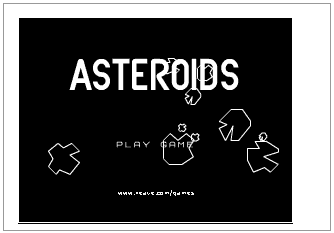 · |
|
#7
●
10-07-2011, 07:00 AM
| ||||||||
 My Rank: MAJOR Poster Rank:203 Join Date: Jan 2010 Posts: 7,658
Contributions: 5
Mentioned: 22 Post(s) Quoted: 2389 Post(s)
| ||||||||
|
Re: Monster Asteroid Has A Mountain Taller Than Mount Everest
cool pictures. we shoud mine it for it's minerals
|