|
#1
●
07-07-2026, 01:16 PM
| ||||||||
 My Rank: FIRST SERGEANT Poster Rank:460 Join Date: Apr 2013 Posts: 2,432 Mentioned: 1 Post(s) Quoted: 597 Post(s)
| ||||||||
|
Midtown Manhattan Building Evacuated As Officials Warn of Collapse
https://www.nytimes.com/live/2026/07...dtown-collapse NEW YORK — A high-profile housing project near Grand Central Terminal was at risk of collapse Tuesday, prompting an emergency response during the morning rush in midtown Manhattan, the authorities said. Fire officials said they received a call just before 8 a.m. about falling bricks near 235 E. 42nd St. where the former headquarters of Pfizer, the pharmaceutical company, is being converted to a residential complex with more than 1,600 apartments. The project was scheduled to be completed in 2027. On Tuesday, a safety manager reported that a steel beam was compromised on the 21st floor, according to the Department of Buildings’ online records. The Fire Department said two support columns inside the building were buckling, and several upper floors were sagging. Construction workers were evacuated from the building and officials cleared two adjoining buildings at 225 and 221 E. 43rd St. as a precaution, fire officials said. There were no injuries, according to the Fire Department. Cliff Johnsen, business agent for the Steamfitters Local 638 Union, said fitters were evacuated after the beams started to bend. “The north side of that building is crumbling,” he said. “I-beams are bending like cigarettes in there.” Metro Loft, the developer on the conversion project, said in a statement that it was aware of problems with the building and is working with the Buildings Department to “understand the full scope of the situation.” The office complex consists of two buildings that were originally built in the 1970s, according to Gensler, the architectural firm behind the project. The developers were adding 19 stories to the original 10-story tower at 219 E. 42nd, while redesigning the second at 235 E. 42nd St. Of the 1,602 apartments planned, 400 were to be affordable units. The design also includes more than 100,000 square feet of amenities, including a rooftop pool, a fitness center and retail shops. The conversion would be the largest of its kind in New York City history upon completion, according to Gensler. It is part of a broader effort to use midtown’s empty office buildings to help fix the city’s housing shortage, and turn the area from a humdrum work district to a vibrant neighborhood. 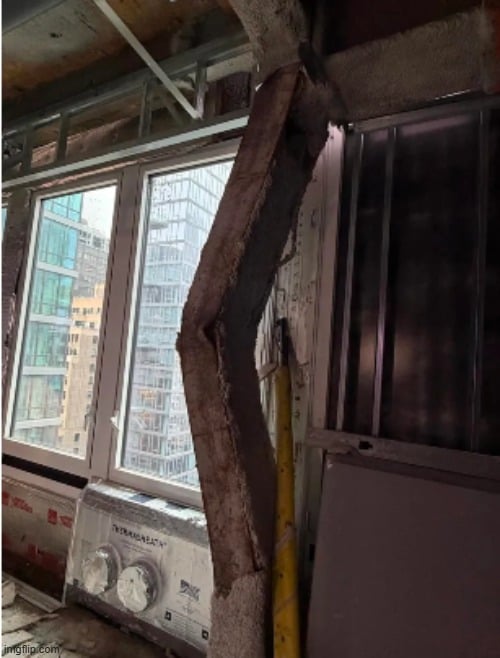 · 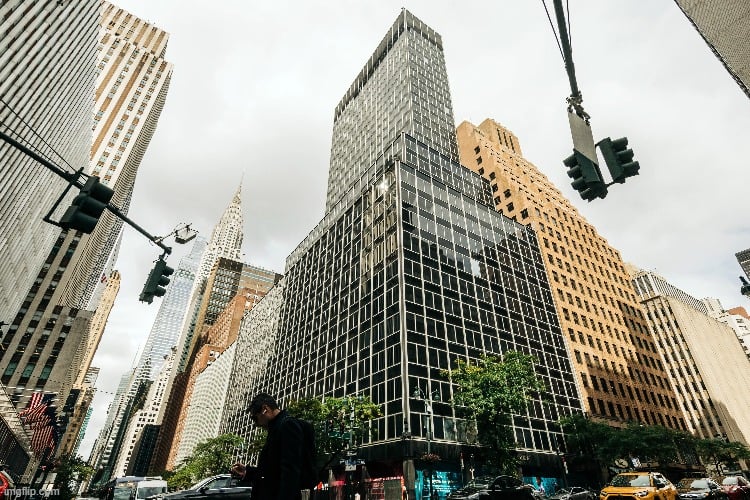 · |
|
#2
●
07-07-2026, 04:33 PM
| ||||||||
 ✝Mudderator from Hell✝ Poster Rank:10 e-mail Join Date: Oct 2006 Posts: 96,382
Contributions: 817
Mentioned: 476 Post(s) Quoted: 10320 Post(s)
| ||||||||
|
Re: Midtown Manhattan Building Evacuated As Officials Warn of Collapse
 |
|
#3
●
07-07-2026, 05:57 PM
| ||||||||
| My Rank: PRIVATE Poster Rank:24547 Join Date: Jan 2025 Posts: 2 Mentioned: 0 Post(s) Quoted: 0 Post(s)
| ||||||||
|
Re: Midtown Manhattan Building Evacuated As Officials Warn of Collapse
Would I be taking a video? Hell to the no. Get out of there! 💨
|
|
#4
●
07-08-2026, 12:37 AM
| ||||||||
 Joyous Poster Rank:894 M Join Date: Mar 2026 Posts: 846 Mentioned: 0 Post(s) Quoted: 130 Post(s)
| ||||||||
|
Re: Midtown Manhattan Building Evacuated As Officials Warn of Collapse
The building may come down, but rent prices won’t.
|
|
#5
●
07-08-2026, 03:26 AM
| ||||||||
| ♚ Legacy Gold Member ♚ Poster Rank:490 Join Date: Jan 2010 Posts: 2,162
Contributions: 3
Mentioned: 2 Post(s) Quoted: 492 Post(s)
| ||||||||
|
Re: Midtown Manhattan Building Evacuated As Officials Warn of Collapse
Why would anyone make a big investment like that before thoroughly inspecting it to rule out shit like this?  |
|
#7
●
07-08-2026, 04:05 PM
| ||||||||
| ✝Mudderator from Hell✝ Poster Rank:10 e-mail Join Date: Oct 2006 Posts: 96,382
Contributions: 817
Mentioned: 476 Post(s) Quoted: 10320 Post(s)
| ||||||||
|
Re: Midtown Manhattan Building Evacuated As Officials Warn of Collapse
Mayor Zohran Mamdani announced that crews have successfully installed temporary support beams across 8 compromised floors (floors 18 through 23) to stabilize the structure. Workers are continuing to reinforce the remaining columns from the 9th floor up to the roof.Frozen The multi-block "frozen zone" has been heavily scaled back. |
|
#8
●
07-09-2026, 03:29 AM
| ||||||||
 My Rank: MAJOR Poster Rank:94 Male Join Date: Aug 2009 Posts: 16,998 Mentioned: 9 Post(s) Quoted: 1899 Post(s)
| ||||||||
|
Re: Midtown Manhattan Building Evacuated As Officials Warn of Collapse
Unbelievable that something like this can even happen in 2026. You can cut corners on a lot of shit, but building a skyscraper is certainly NOT one of those things. Those guys that filmed inside are fucking crazy.
|